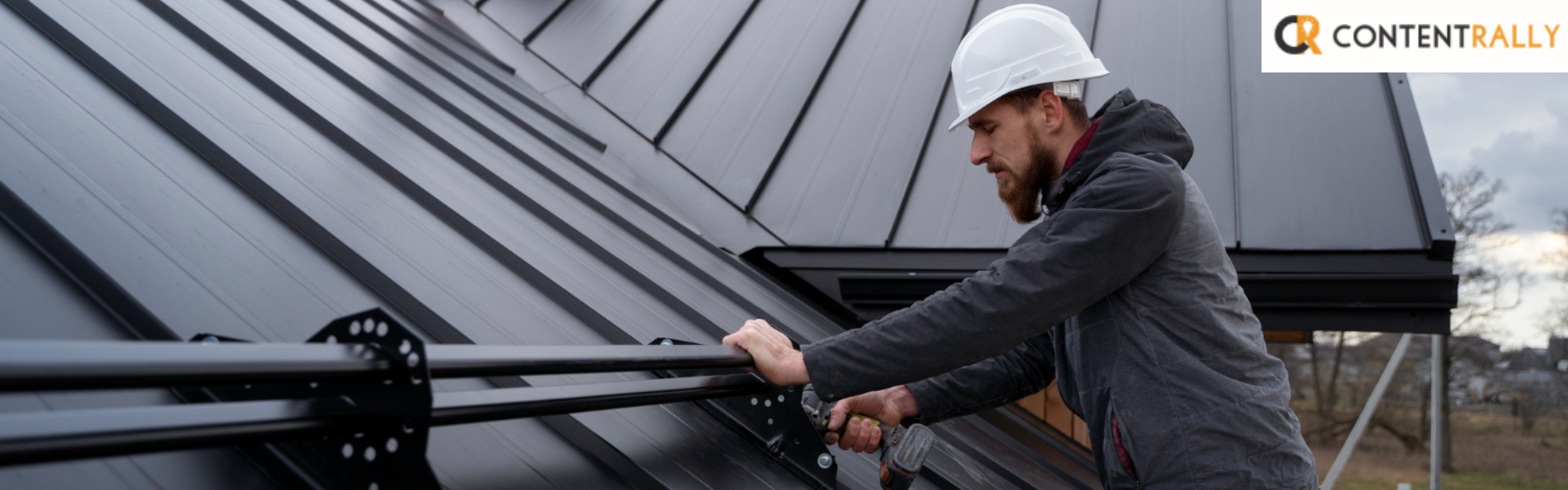
How To Install Metal Roofing Over Shingles The Right Way?

by

29 August 2025

Blog

how to install metal roofing

Today’s topic: How to install metal roofing?

If you’ve been thinking about upgrading your roof without tearing everything off first, you’re not alone. One of the most common questions I hear as a roofer is: “Can you put a metal roof over shingles?” The answer is yes—you can, and when it’s done right, it can save you time, money, and a whole lot of mess.

I’ve spent years working on both residential and commercial roofing projects, and I can tell you there’s a right way and a wrong way to tackle this job. Let me guide you through the process step by step, with a few pro tips and common mistakes to avoid along the way.

Why Should You Consider Installing Metal Roofing Over Shingles?

Metal roofs have gained significant popularity over the past decade, and for good reason. They’re durable, energy-efficient, and they look sharp on just about any home or building. By installing metal roofing over shingles, you:

  • Save on tear-off costs (no dumpster rentals or labor for removing shingles).
  • Add an extra layer of insulation, which can help with energy efficiency.
  • Reduce installation time, since you’re working over an existing roof deck.

That said, this method isn’t right for every roof. Before you start, it’s essential to ensure that your roof structure can handle the added weight and that your local building codes permit this type of installation. Additionally, you may want to consider checking out Cleveland roofing companies, thanks to their reputation and expertise, especially if you are located in the United States. 

How To Install Metal Roofing Over Shingles?

So, without wasting time, let’s find out how you can install metal roofing over shingles. 

Step 1: Inspect Your Roof Before Doing Anything

Here’s the truth: the success of your metal roofing project depends on the prep work. Before laying down panels, conduct a thorough inspection.

  • Inspect the decking for signs of rot or soft spots. If your roof sheathing is compromised, it needs to be replaced.
  • Look for more than two layers of shingles. Most codes don’t allow more than two layers total.
  • Check flashing, chimneys, and vents for proper installation. Any existing leaks must be repaired before the new roof is installed.

Pro Tip: Walk the roof carefully. If you feel any spongy areas underfoot, you have decking issues that must be addressed first.

Step 2: Lay Down A Moisture Barrier

Although shingles already provide some protection, you’ll want to add a layer of underlayment before installing metal panels. This extra layer protects against condensation that can form under the metal.

I usually recommend using a high-quality synthetic underlayment. It’s lightweight, tear-resistant, and holds up better in the long run compared to traditional felt paper.

Step 3: As An Optional Step, Add Furring Strips

This is one of those “pro versus DIY” differences. Many homeowners skip this step, but furring strips (also called purlins) create a flat, even surface for the metal panels to sit on. They also improve ventilation, which helps reduce moisture buildup under the roof.

  • Install the strips vertically, spacing them every 2 feet or so.
  • Make sure they’re fastened securely into the rafters, not just the shingles.

Pro Tip: Furring strips are especially important if your shingles are uneven or curling. Without them, your new metal roof could end up looking wavy.

Step 4: Choose The Right Metal Panels

Not all metal roofing is created equal. The most common options are:

  • Corrugated panels: Budget-friendly and great for sheds or garages.
  • Standing seam panels: Sleek look, hidden fasteners, and very durable—perfect for homes and commercial buildings.
  • Metal shingles or tiles: Designed to mimic traditional roofing but with the strength of metal.

Your choice ultimately depends on your budget, style preferences, and the desired lifespan of the roof. Personally, I recommend standing seam if you’re planning to stay in your home for the long haul.

Step 5: Install The Metal Roofing Panels

Now comes the main event. Installing metal roofing over shingles isn’t overly complicated, but it does take precision.

  1. Start at the bottom edge (eaves) and work upward.
  2. Lay the first panel square with the edge of the roof. If your first panel is crooked, the entire roof will appear uneven.
  3. Overlap panels properly—follow the manufacturer’s guidelines for overlap distance.
  4. Fasten with the right screws. Use screws with rubber washers to seal holes, ensuring they penetrate solid decking or furring strips.
  5. Continue up the roof, checking alignment every few rows.

Pro Tip: Don’t overtighten screws. If the rubber washer is squished too flat, it won’t seal properly and may crack over time.

Step 6: Flashing And Trim Work

This is where many DIY jobs go awry. Flashing around chimneys, skylights, and valleys is critical for keeping water out. Trim pieces at the ridges and edges give the roof a finished, professional look.

If you’re unsure about flashing details, this is the step where you may want to consider hiring a professional. A metal roof is only as good as its weakest point, and improper flashing is the most common cause of leaks.

What Are The Common Mistakes To Avoid?

I’ve seen many metal roofs fail due to simple errors. Here are the top mistakes to watch out for:

  • Skipping the underlayment. This leaves your roof vulnerable to condensation.
  • Using the wrong fasteners. Nails or cheap screws won’t hold up—always use roofing screws with rubber washers.
  • Poor alignment. Once panels are on, it’s tough to fix crooked lines. Take your time.
  • Ignoring ventilation. Without proper airflow, you risk moisture damage and reduced lifespan of your roof.

How To Maintain Metal Roofs? Tips

Now that you know how to install metal roofing, the next issue is: how to maintain it? One of the perks of a metal roof is its low maintenance, but that doesn’t mean zero maintenance is required.

  • Inspect screws and fasteners yearly. Tighten or replace any that have loosened.
  • Keep gutters clean. This prevents water from backing up and damaging flashing.
  • Trim overhanging branches. Metal roofs are tough, but falling limbs can still cause dents or scratches.
  • Wash occasionally. A simple rinse with a hose keeps the roof looking sharp and removes debris.

Know How To Install Metal Roofing In 2025!

If you’re handy and comfortable working on a roof, installing metal over shingles is a doable task. But here’s my honest advice: it’s not for everyone. Working on a roof is inherently dangerous, and even a minor mistake can result in significant financial consequences down the road.

As a roofer, I’ve fixed plenty of DIY jobs that started with good intentions but ended up leaking or looking crooked. If you’re unsure about any part of the process—especially flashing and sealing—don’t be afraid to call in an expert.

Installing metal roofing over shingles can be a smart move if it’s done right. You’ll save money, boost curb appeal, and enjoy a roof that could last 40–50 years.

If you’re ready to take the next step, don’t hesitate to reach out to a professional roofer. Whether you just need advice, an inspection, or a full installation, we’re here to help. After all, a roof isn’t something you want to gamble on—it’s what keeps your family, your business, and everything inside safe and dry.

Read More:

Barsha Bhattacharya is a senior content writing executive. As a marketing enthusiast and professional for the past 4 years, writing is new to Barsha. And she is loving every bit of it. Her niches are marketing, lifestyle, wellness, travel and entertainment. Apart from writing, Barsha loves to travel, binge-watch, research conspiracy theories, Instagram and overthink.

View all posts

Leave a Reply

Your email address will not be published. Required fields are marked *

Related

Flexible car insurance

Flexible Car Insurance Options For Changing Lifestyles

It is not new that life is dynamic and unpredictable. So, sitting still in one place is not an option. And, with cars, most drivers cannot choose a stagnant lifestyle. That is, either they are commuting to the office the entire week or going on a long drive over the weekends. So, in this dynamism, a traditional long-term insurance is not cutting the case. That’s why modern and flexible car insurance is here to save the day. Since they cover the elements that support a flexible lifestyle, they are literally a lifesaver. So, apart from protecting your car, these flexible options also offer practical and adaptable options. Making it easier to choose the right one for both small and big vehicles. That is, you get coverage only for the specific element you need. So, no long contracts, no wasted money, or unnecessary payments. But the real question is — “How to choose a flexible insurance option for your car?” Well, that’s what I will be covering in this blog today. Here, I have brought you a complete guide exploring the various nuances of modern car insurance with flexible options. So, keep reading to know more! What Is Flexible Car Insurance Based On? Usage-based insurance, often called UBI, flips the traditional pricing model on its head. So, instead of guessing how much you might drive, insurers look at how you actually drive. Moreover, using smartphone apps, plug-in devices, or built-in vehicle tech, these programs track things like mileage, braking habits, acceleration, and even the time of day you’re on the road. But if you’re a low-mileage or careful driver, that data can work in your favor. That is, people who commute less, rely on public transport, or only drive part of the year often see real savings. It feels fairer, honestly. So, why pay full price if your car spends most of its life parked? What Are The Subscription Models Of These Insurances? Subscription-based insurance is picking up speed, especially with drivers who want flexibility without fine print headaches. So, instead of locking into a long-term plan, you pay month to month and adjust coverage as life changes. That is, the short-term car insurance options can be quite helpful. For instance, need to pause coverage while your car’s in storage? Done. Switching vehicles? Easy. Want to add roadside assistance for a road trip and remove it later? That’s usually an option too. Moreover, industry forecasts suggest that by 2026, nearly 20% of auto insurance policies could move to this subscription-style setup. That is, younger drivers, in particular, are driving this shift, along with the rise of car sharing, rentals, and app-based mobility services. How The Telematics And Driving Data Impact Car Insurance? Telematics sounds technical, but the idea is simple: your driving data shapes your insurance. So, here is how it works— Now, insurers use onboard devices or mobile apps to monitor how, when, and where you drive, then adjust pricing based on real behavior rather than assumptions. Moreover, most programs also give feedback—little insights about hard braking or risky patterns you might not notice yourself. It’s not just about cost savings; it’s about awareness. Also, telematics is the backbone of many UBI plans and is quickly becoming the norm for insurers aiming to offer pricing that actually reflects reality. What Is The Impact Of Technology On Car Insurance? Technology has completely reshaped how flexible insurance works. Connected cars, IoT systems, and AI-powered platforms now handle things that once took weeks—sometimes minutes instead. That is, it can lead to— Policy changes, Claim updates, and Discount alerts show up in real time. After an accident, damage assessments can happen faster, which cuts down on stress when you’re already dealing with enough. Beyond pricing, digital tools give drivers more transparency and control. As vehicles become smarter and more autonomous, this tech-driven approach to insurance is only going to grow. Why Short-Term Insurances Are Important For Cars? Short-term car insurance exists for exactly what it sounds like—temporary situations. Maybe you’re borrowing a friend’s car, renting one for a short trip, or stuck between vehicles. Instead of committing to a full policy, you get coverage for days or weeks. Many insurers now offer plans that activate for 24 hours, a week, or a month. It’s legal protection without long-term baggage. For unpredictable schedules and changing plans, this type of coverage makes a lot of sense. Trusted national publications often highlight how temporary car insurance helps drivers stay protected without overpaying. How To Choose A Flexible Insurance For Your Car? There’s no universal “best” option—it really depends on how you live and drive. Start by being honest with yourself. How often do you drive? Do you share a vehicle? Do you travel a lot or leave your car unused for months? If your driving is seasonal or limited, UBI or subscription plans might save you money. It’s worth— Talking to insurance advisors, Reading real reviews, and Comparing quotes. Also, think about things like household vehicles, travel habits, and local regulations. Flexibility is great, but not if it leaves gaps in liability or coverage. The Future Trends In Flexible Car Insurance The future of car insurance is clearly leaning toward personalization. Expect more “pay-how-you-drive” models, real-time pricing adjustments, and apps that handle everything from quotes to claims. AI will continue refining how risk is measured, and new products will support shared, rented, and autonomous vehicles. For younger and urban drivers, especially, flexible insurance is becoming the norm rather than the exception. The way people protect their mobility is changing—and quickly. Choosing The Right Flexible Car Insurance Option As driving habits continue to evolve, flexible car insurance feels less like a trend and more like a practical response to modern life. So, whether it’s— usage-based pricing, subscription plans, or short-term coverage, these options let drivers match insurance to reality. With technology pushing personalization and convenience forward, drivers now have more control than ever. Understand how you actually drive, weigh your options, and choose coverage that fits your lifestyle and budget—not the other way around. Read Also: How To Shop For A Car With Your Teen Driver? 4 Expert Tips for Finding the Cheapest Insurance for You Used car: simple steps for buying from a reliable cars dealership

READ MOREDetails
Bitcoin mining for beginners

A Beginner’s Guide to Setting Up A Home Bitcoin Mining Operation

Bitcoin mining has transformed dramatically since its early days.  Evolving from a simple hobbyist pursuit into a sophisticated technical endeavor that still manages to attract curious newcomers.  Well, it is no news that the landscape's gotten more competitive, and there's no denying this.  But setting up a home mining operation isn't an impossible dream. That is, if you are ready to dive into the learning process, you can set it up in a jiffy. This guide breaks down the essential considerations and practical steps you'll need to establish your own mining setup at home. So, here I am going to discuss how Bitcoin mining works. Making it easier for beginners to get started with the complex process in the simplest way. Now, whether you are drawn by the profit potential, fascinated by the technology, or just want to grow in the Bitcoin network, here is everything you need. So, as long as you are looking for the ultimate guide to Bitcoin mining for beginners, I have got you covered. Just keep reading to know more! What Is Bitcoin Mining For Beginners? At its core, Bitcoin mining serves as the engine that creates new bitcoins while simultaneously verifying transactions across the blockchain network. Complex, right? Let me simplify thisprocess. So, basically, Bitcoin mining for beginners refers to the process of cultivating new Bitcoins by cracking puzzles and completing tasks.  That is, people can gain bitcoins through verified transactions in blockchain technology. Now, most miners know how to crack the code. That is, they take the help of complex computers with robust system upgrades to decode the puzzles. But the real competition heats up when:  The first miner, A beginner, or even A professional cracks the puzzle and wins the privilege of adding a fresh block of transactions to the blockchain.  What's in it for them? Successful miners pocket newly minted bitcoins along with transaction fees from all the transactions bundled into their block.  Moreover, the best part is that the system allows users to recalibrate their Bitcoin transactions. That is, after around 2,000 blocks of blockchain transactions, they can recalibrate them to their own advantage. How To Set Up Bitcoin Mining For Beginners? Now, it is simpler than you think. That is, setting up the perfect Bitcoin mining setup at home for beginners is easy-peasy. So, just follow these simple steps to set it up the right way— 1. Essential Hardware Requirements Coming to the core elements required to get started with the bitcoin mining. That is, you need to build the perfect foundation for the process. So, it is better to directly invest in ASICs from the beginning. That is, Application-Specific Integrated Circuit devices are the key element for Bitcoin mining. Moreover, they are designed to handle all kinds of cryptocurrency mining. And, bitcoin mining is just a simple game for these devices. So, investing in one of these can pave the way for enjoying the benefits of bitcoin mining. 2. Calculating Costs And Profitability Now, before investing, it is safe to tally the costs and the profitability of the bitcoin mining to ensure you are making the right decisions. So, before taking a dollar out of that pocket, calculate the investment costs and profitability in the process in the long term. This way, you can prevent any expensive miscalculations. Moreover, for professionals who need to buy bitcoin miner equipment for their operations, evaluating both upfront costs and long-term operational expenses is critical. Now, you must think that this is it. But let me open the pandora’s box and reveal the truth to you — it isn’t. Rather, it is only the tip of the iceberg of the amount of expenses in bitcoin mining. That is, the electricity required for handling the bitcoin mining process usually tops the list of expenses. So, it is better to calculate the cost of the power consumption. Also, don’t forget to add the cooling cost for the equipment for handling the Bitcoin mining operations. 3. Setting Up Your Mining Environment Creating the right physical space for your mining equipment demands attention to several practical factors that can support your operation. For instance— Location of the mining equipment, Volt circuits for the hardware, and Ventilation for the ASIC devices. Your chosen location needs adequate electrical capacity to handle the substantial power requirements. And, that too without overloading circuits or creating dangerous fire hazards.  Moreover, most miners require dedicated 220-240 volt circuits, similar to what powers electric dryers or ovens. That is, you might need to invest in a licensed electrician for proper installation.  Along with that, ventilation deserves serious consideration. Given that ASIC miners generate staggering amounts of heat that can transform a room into an oven surprisingly fast. 4. Joining A Mining Pool And Configuration Let's be realistic. Solo mining Bitcoin with home equipment has become essentially impractical given the enormous computational power of today's global mining network.  Mining pools offer a sensible alternative for beginners.  That is, combining the hash rate of numerous individual miners so participants receive more frequent (though smaller) payouts proportional to their contributed computing power.  So, when you're shopping for a mining pool, investigate factors like— fee structures,  payout methods,  server reliability, and  geographic location of pool servers.  Moreover, pool fees typically hover between one and three percent of mining rewards.  But on the other hand, payout thresholds determine how much Bitcoin you must accumulate before receiving a transfer to your wallet. 5. Legal And Tax Considerations Running a home mining operation comes with legal and tax implications that vary depending on where you live, and ignoring these can create serious headaches down the road.  Some residential zones enforce restrictions— limiting or outright prohibiting commercial activities in homes,  running mining equipment, or using mining hardware for Bitcoins. So, it is better to know the rental terms and conditions to avoid violating homeowners' association rules or the terms of your rental agreement.  Taking time to research local regulations makes sense, and consulting legal professionals provides valuable peace of mind regarding compliance with applicable laws.  On the tax front, things get interesting. Setting Up Bitcoin Mining For Beginners The Right Way Setting up a home Bitcoin mining operation offers an engaging pathway into cryptocurrency and blockchain technology, but success hinges on thorough research, grounded expectations, and meticulous planning.  From grasping the technical fundamentals and choosing appropriate hardware to calculating realistic profitability and maintaining legal compliance, each element deserves careful attention.  Yes, Bitcoin mining's competitive nature and substantial upfront investment present genuine challenges that shouldn't be minimized.  Yet a thoughtfully planned operation can deliver both potential financial returns and invaluable hands-on learning experiences that deepen your understanding of cryptocurrency.

READ MOREDetails
Dubai travel insurance

How Much Should You Pay For Getting Dubai Travel Insurance – Know Now!

Dubai is a beautiful amalgamation of ultra-modern architecture, breathtaking landscapes and cultural heritage. It is a renowned tourist destination and business hub, making it a popular destination for Indians to visit. However, before you set out to witness the grandeur and beauty of Dubai, bracing yourself with travel insurance Dubai is highly recommended. Travel insurance is a safety net that protects you against the uncertainties of the trip.  By opting for Dubai travel insurance, as a tourist, you can protect yourself from certain risks related to lost luggage, health, misplacing important documents and also your personal safety.  So, make sure that you buy travel insurance that covers you from different kinds of risks in Dubai. But are you wondering how much travel insurance for Dubai costs? Or what is the right price to pay for Dubai travel insurance? This article will decipher the answer to your questions about Dubai travel insurance, so you can make informed decisions. Overview Of Dubai  While located in the centre of the United Arab Emirates, the city of Dubai is the proud home to the World’s Largest Building, the Burj Khalifa. Dubai is the city with the most remarkable landmarks, shopping complexes, pristine beaches and an adrenaline-filled experience. With over a million tourists visiting every year, it is the most popular holiday destination among Indian tourists. Currency United Arab Emirates Dirham (AED) LanguageArabic and English Best Time to VisitBetween November and March Visa Info Visa on Arrivals for Indians (Maximum stay duration 14 days) Tourist Places in Burj Khalifa, Burj Al Arab, Dubai Mall, Skii Dubai, Jumeirah Dubai Dubai Museum and Mosque  What Is Travel Insurance Dubai? Travel insurance for Dubai is an insurance plan designed to protect you on your trip to Dubai. It is an international travel insurance plan offering you financial assistance for the covered issues, such as medical emergencies, baggage loss or delay, trip-related uncertainties, flight cancellations and delays, etc. Whether you are travelling to Dubai for leisure or business, travel insurance is a must if you want a worry-free experience. Is Travel Insurance Mandatory for Dubai? Travel insurance for Dubai is not mandatory for all Indians visiting the country. Indians with a US, UK or Schengen visa do not need a visa to enter Dubai.  Thus, they also do not require travel insurance. However, all other Indians who do not have a US, UK or Schengen visa must obtain a visa and also buy travel insurance to visit Dubai. How Much Should You Pay for Dubai Travel Insurance?  How much one should pay for Dubai travel insurance is a question that has different answers for different people. The cost of Dubai travel insurance from India ranges between ₹20-₹30 per day. The cost varies from one insurer to another and also depends on the type of coverage you opt for. Many other factors influence the cost of your travel insurance, some of which are as follows.  Coverage- The cost of your Dubai travel insurance depends on the extent of coverage. You pay higher for insurance with wider coverage than for a policy with basic or limited coverage. Age of the Insured- As age increases, an individual is more likely to face medical issues or cancel the trip due to health problems. Thus, the premium increases with the age of the insured. Trip duration-Travel insurance for longer trips costs more as the coverage period is higher and there are higher chances of some incident taking place during the extended period. Add-Ons- If you want to enhance the scope of your Dubai travel insurance, you can include add-ons to your base policy. However, the add-ons come at an additional cost, increasing the price of your insurance plan. Dubai Travel Insurance With TATA AIG If you are planning a trip to Dubai and want to explore it without any worry, you can opt for the TATA AIG Dubai travel insurance plan. They offer travel insurance starting at ₹25.6 per day, with comprehensive coverage, protecting you against all your travel woes. Here is what they offer under their Dubai travel insurance Travel Insurance VariantDetails and CoverageTATA AIG Travel Insurance Asia- Silver• Coverage per traveller- $50,000• Accident and sickness expenses- $50,000• Loss of passport• Personal liability cover• Baggage loss and delayTATA AIG Travel Insurance Asia- Silver Plus• Coverage per traveller- $100,000• Accidental and sickness cover- $100,000• Assistance services• Baggage and passport loss• Personal liability cover (sum insured $150,000)TATA AIG Travel Insurance Asia- International Plus• Coverage per traveller- $500,000• Personal accident in India- Sum insured-₹20,00,000• Accidental death overseas- Sum insured - $25,000• Sickness and accident cover - unlimited sum insured with pre-existing disease cover up to $12,500 Trip cancellation• Missed flight connection• Hijack allowance• Fraudulent charges• Home content burglary Travel Documents Required For Dubai  When you are applying for a VOA to visit Dubai, Indian tourists have to submit these important documents; A passport-size photo with a white background captured within the past six months.  Copy of a valid Indian Passport with a valid date of at least six months beyond the intended period of stay. Proof of accommodation.  Copy of return tickets. Other than these documents, every Indian tourist need to present the following UAE immigration documents; A print out of the approved e-VOA to Dubai. The original Indian passport with a required validity. Confirmed return tickets. Proof of accommodation. Dubai Travel Insurance With TATA AIG The cost of your Dubai travel insurance depends on various factors such as age, coverage, trip duration, add-ons and so on. However, you can get travel insurance for Dubai starting from ₹20-₹30 per day as offered by various insurance providers. If you are looking for affordable and high-value travel insurance, TATA AIG has got you covered. They offer Dubai travel insurance starting at ₹25.6 per day with comprehensive coverage and plenty of benefits. You can get access to various benefits, including medical and sickness cover, baggage and passport loss cover, hijack allowance, fraudulent charges cover, etc. They provide hassle-free purchase and claim processes, making your life simpler. Get your travel insurance for Dubai now and enjoy a memorable trip without worrying about emergencies. Read Also: Want To Become A Travel Agent? Here Are The Steps You Need To Take! Wanderlust Memories: How To Become A Travel Photographer?  The Art Of Home Swapping: Creating Unique Travel Experiences

READ MOREDetails