


How To Learn The Value Of Your House

Published on: 11 January 2023 Last Updated on: 22 April 2026
Value Of Your House

There are many reasons to want to value a house.

A new addition to the family may need additional rooms, a work promotion in another location, or even just time for a change may require the home to be sold.

Another reason to value a property is to identify a person’s current financial position. This may be necessary for those starting a business or needing additional finance.

How do people learn the value of their houses? Here are three ways.

Top 4 Ways Of Learning The Value Of Your House

1. Online Valuation Tools

Online Valuation Tools

One of the easiest ways to get a valuation is to use one of the many online valuation tools available. They use public data to price your home.

These tools use the automated valuation model (AVM). The valuations are based on data retrieved from public records like deeds of ownership, property transfers, and tax assessments. A mathematical formula is also applied, taking data from recent sales in the area.

The challenge with relying on AVMs is that they’ll value every property, regardless of the available data, possibly giving an inaccurate value.

To effectively use an AVM, do it from a real estate site that also includes a ‘confidence score.’ This value means a professional has checked the result from the AVM and given a score based on how close it is to market value. Any AVM plus a confidence score over 90% can be considered.

2. Comps
 Comps

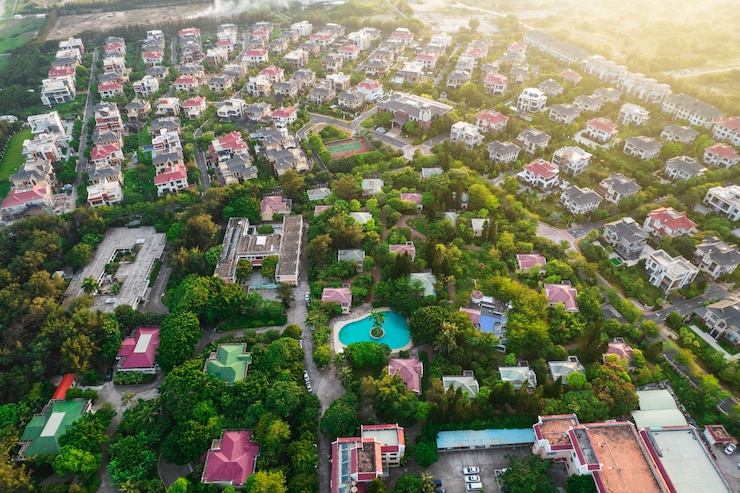
One of the most common ways to get a current value for a house is to check out recent sales in the same area.

Take a look around the neighborhood at comparable homes. These are known in the industry as ‘comps.’ When made public, the results of these sales can be an easy predictor of the values in the area.

An ‘apple for apples’ approach needs to be applied here. If the house next door is a little more run-down but has an additional bedroom, that value isn’t a good comparison. If one down the road, with an equal number of rooms, was renovated around the same time, that’s a closer valuation.

The way to get the best valuation for your home is to find four comps — two at the higher price range and two at the lower. Go for something that’s somewhere in the middle.

Remember that values change quickly; any sale over three months ago may not match the current market.

3. Professionally Appraised

Professionally Appraised

The most expensive but arguably the most accurate way to value a home is to get it professionally appraised. These people have seen hundreds to thousands of comparable properties and can give you a correct value.

A 2018 survey revealed that ¼ of US homeowners valued their properties this way.

Lenders will require an appraisal before approving a mortgage; however, they’ll want it done by their own appraisers.

Appraisers may even suggest changes that can be made to increase the property value.

A professionally presented pre-purchase appraisal by a reputable appraiser makes it easier for the potential buyer to decide. This is one task that they don’t have to do.

Appraisers are independent contractors. They get paid per appraisal; they don’t earn commission and therefore offer unbiased opinions.

4. House Valuation Made Easy

House Valuation Made Easy

Using an AVM is the most convenient way for a person to value their home; however, it’s possibly the least accurate.

Spending the time to compare recent sales on comparable properties in the area is a closer way to get a more accurate price. Choosing a value mid-range of these is the best way.

Unbiased professional appraisers will provide the most accurate value, but at a cost.

Whether using an AVM, checking out local comps, or hiring a professional, there is one surefire way to know the value of a house.

The value is whatever someone else is willing to pay for it!

Additional:

Content Rally wrapped around an online publication where you can publish your own intellectuals. It is a publishing platform designed to make great stories by content creators. This is your era, your place to be online. So come forward share your views, thoughts and ideas via Content Rally.

View all posts

Leave a Reply

Your email address will not be published. Required fields are marked *

Related

Direct Mail

Using Direct Mail To Build Trust With Real Estate Prospects

In an increasingly digital age, the art of direct mail often seems like a relic of the past. However, when it comes to building trust in the real estate industry, this tried-and-true method can hold immense power. By combining tangible outreach with strategic messaging, direct mail can create a personal connection that digital communications often lack. This article delves into the value of direct mail in establishing trust with real estate prospects. 1. The Power Of Tangibility Physical mail holds a tangible aspect that digital methods can't replicate. When a prospect holds a piece of mail, they experience a sensory connection. This tangibility can spark memory recall and generate a more profound response. A beautifully designed postcard or a carefully crafted letter can leave a lasting impression that a fleeting email might not. For real estate agents, showcasing property images or providing localized market stats in a tangible format can stand out. It subtly conveys the message: "I took the time and effort to reach out to you personally." 2. Personalization Creates Connection Unlike mass emails that can feel generic, direct mail allows for personalized touches. Addressing the prospect by name, tailoring the content based on their preferences or locality, or even including handwritten notes can make the recipient feel valued. In the world of real estate, understanding and catering to individual needs is crucial. A personalized mail piece demonstrates that you're not just seeking a sale but genuinely care about the prospect's unique requirements. 3. Direct Mail As A Trust-Building Tool Trust is the foundation of any successful real estate transaction. Direct mail, when done right, can be an essential tool to foster this trust. Agents can position themselves as knowledgeable and reliable by regularly sending informative mailers. For instance, monthly market updates, tips on home maintenance, or community news can establish an agent's credibility. This consistency shows prospects that you're not only interested during the transaction but also committed to providing value long-term. 4. Combining Direct Mail With Digital Strategies While direct mail is powerful, combining it with digital strategies can amplify its impact. For example, a postcard could invite prospects to visit a personalized webpage or view an exclusive video tour. This synergy allows prospects to dive deeper digitally if the mailer piques their interest. It offers them a seamless experience, ensuring they view the agent as technologically adept while still valuing traditional communication. 5. Quality Over Quantity Quality should always prioritized over quantity in direct mail campaigns. As a real estate professional, instead of sending out mass mailers, first you must understand what is list stacking so that you could send mails to more targeted and motivated people. Additionally, high-quality materials, professional images, and well-researched content can make a significant difference. In real estate, first impressions matter. A high-quality mail piece can be the initial step towards building a relationship based on trust and professionalism. 6. The Element Of Surprise In today's world, where inboxes are overloaded, receiving a physical mail piece can be a pleasant surprise. Surprise elements, like small tokens or gifts, can leave a lasting impression and make you memorable among a sea of agents. Whether it's a branded calendar, a local discount card, or a simple "thinking of you" note, these gestures can go a long way in cultivating trust. 7. Tracking And Feedback Like any marketing strategy, the efficacy of direct mail should be tracked. Using tools like QR codes or unique URLs, agents can measure engagement levels. Moreover, encouraging feedback through a short survey or a personal call can provide invaluable insights to refine future campaigns. Additionally, keeping a detailed record of responses can help agents recognize patterns over time. Are certain types of mailers generating more interest? Is there a segment of the audience that is more responsive? This analytical approach ensures that each campaign is more informed than the last, honing in on what truly resonates with prospects. 8. The Ethical Considerations While direct mail is potent, it's crucial to approach it ethically. Avoid overloading prospects with too much mail or using aggressive sales tactics. Ensure the content provides value and respects the recipient's time and space. In real estate, trust is paramount, and ethical outreach is key to nurturing it. Furthermore, respecting privacy is essential. Always give recipients an option to opt out of receiving future mailers and be prompt in updating your mailing list. Demonstrating respect for their preferences not only adheres to ethical standards but also reinforces your commitment to building a genuine relationship. Conclusion While the digital realm continues to dominate, direct mail remains a valuable tool for real estate agents. By offering tangibility, personalization, and a touch of surprise, it can forge genuine connections and build lasting trust with prospects. As the real estate landscape evolves, merging traditional methods with modern strategies can provide a holistic approach, setting agents apart in a crowded market. Direct mail, when executed thoughtfully and ethically, can be the cornerstone of a successful, trust-based relationship with real estate prospects. Read Also: The 7 Most Common Email Marketing Mistakes Identify Malicious Emailers With Online Tools Types Of Objections In Sales And How To Overcome Them With An Email Delivery Test?

READ MOREDetails
Front Porch

Creating A Welcoming Entrance: Ideas For Decorating Your Front Porch Or Entryway

Your front porch or entryway is the first impression visitors have of your home. It sets the tone for what's inside and leaves a lasting impression. One great way to enhance the beauty and welcoming vibe of your entrance is through creative decoration. Choose the Right Artificial Plants Manufacturers: Quality and Realism When selecting artificial plants for your front porch or entryway, it's important to choose the right manufacturers that offer quality and realism. Look for manufacturers that use high-quality materials and techniques to create plants that look lifelike. It's essential to ensure that the artificial plants are UV-resistant, fade-resistant, and suitable for outdoor use. By choosing reputable artificial plant manufacturers, you can trust that the plants will withstand the elements and maintain their beauty for years to come. Create Height and Layers: Use Potted Plants and Plant Stands To add visual interest and dimension to your front porch or entryway, incorporate potted plants and plant stands. Use taller potted plants to create height and frame your entrance. Choose a variety of plant sizes, textures, and colors to create layers and depth. Utilize plant stands to elevate certain plants and create a more dynamic display. By utilizing potted plants and plant stands, you can create a lush and inviting ambiance right at your front door. Incorporate Hanging Baskets: Vertical Beauty Another great way to decorate your front porch or entryway is by incorporating hanging baskets. Hang these baskets from the ceiling or porch beams to add a vertical element to your decor. Choose trailing plants, such as ivy or Boston ferns, that will cascade down and create a stunning visual effect. Hanging baskets not only add beauty but also make the most of limited space, allowing you to maximize the potential of your front porch or entryway. Consider Doorway Accents: Wreaths and Swags Adding decorative accents to your front door can instantly elevate your entrance's appeal. Consider incorporating door wreaths or swags made from artificial plants. Choose designs that complement your home's exterior and personal style. Opt for wreaths with vibrant blooms or swags with lush greenery, depending on the look you want to achieve. Doorway accents provide a welcoming touch and create a warm invitation for guests as they enter your home. Light Up Your Entrance: Outdoor Lighting and Artificial Plants Enhance the overall ambiance of your front porch or entryway by incorporating outdoor lighting. Illuminate your entrance with string lights, lanterns, or wall sconces to create a cozy and inviting atmosphere. Additionally, place artificial plants strategically near the light fixtures to highlight their beauty and create a stunning visual effect. The combination of soft lighting and realistic artificial plants will make your entrance feel warm and inviting, day or night. Conclusion Creating a welcoming entrance for your home is within reach with the help of artificial plants manufacturers. By choosing the right manufacturers and incorporating their realistic and durable plants, you can transform your front porch or entryway into an inviting space that reflects your personal style. Remember to create height and layers with potted plants and plant stands, utilize hanging baskets for vertical beauty, consider doorway accents like wreaths and swags, and enhance the overall ambiance with outdoor lighting. With these ideas, you can create a front porch or entryway that leaves a lasting impression on all who visit your home. Read Also: 10 Best Bedroom Plants To Buy In 2022 How You Can Update Your Home with Cream Color Is Home Furnishings A Good Career Path In 2021?

READ MOREDetails
sustainable home builders

Ideas to Design an Eco-friendly Home: Save This Planet

Stunning renovation can give a new life to your home while increasing its value. In selecting a home design and decorating material, you have to consider its impact on your environment. To avoid negative effects, you have to choose resources and materials responsibly. It means avoiding environmental toxins and focusing on energy efficiency. Sustainable home builders are not only giving you a nice renovative look. Along with the nice innovative look, the building strength is also making a huge difference. When you are planning to construct a sustainable home, the eco-friendly choices are also there, which makes your home a nice place to live without harming mother earth. 4 Ideas to Design An Eco-Friendly Home & Save This Planet In the current era, sustainable home building is a new standard. By building sustainable homes, you can save money in the future and save this planet. For your assistance, sustainable home builders in Australia are available.  Here are some ideas that can help you to save this planet while building a new home. So often, you are thinking about the eco-friendly building materials you are considering the building will not be sustainable like the regular one. But if you are going to follow the ideas, you can simply develop a sustainable home. Here are six ideas to develop an eco-friendly home for sustainable home builders. 1. Location Plays A Critical Role In the first step, you have to select the best location. Try to build a home within walking distance of public transportation. It will help you to decrease your environmental impact. Moreover, the availability of infrastructure and utilities may vary. To decrease the harmful impact on the environment, eco-friendly materials will be great to use the current eco-friendly building construction. Make sure to avoid hazardous and sensitive sites, such as flood zones. Building in any hazardous location, and it is essential to build a durable house that can endure the hazard. It is not economical to build a house twice for any sustainable home builders. For this reason, try to avoid a hazardous site. 2. Measure  The Size Of Houses Small houses can be more efficient than others. By building a small house, you can decrease energy and material needs. Undoubtedly, a large house requires more material and energy for cooling and heating. It is essential to think about your necessities before going overboard. Indeed, small dwellings are less wasteful and efficient. 3. Give Time For Orientation Of House For a solid, stable residence, sustainable home builders should not ignore orientation. If you have a house in the Northern Hemisphere, sunlight becomes necessary for you. You should have windows toward the south. It is possible to increase direct sunlight by building windows in the south. In this way, you can increase heat and natural light in your home. To avoid heat and excessive glare during summer, you can prevent west-facing windows. If you already have a window in the west, feel free to plant a huge tree to block uncomfortable heat and light. Remember, a deciduous tree is suitable for your windows in the south to save energy. 4. Create A Layout Model Of Your Home Indeed, the layout of your home plays an essential role in preserving energy. For instance, an igloo is an efficient house to build in cold areas because its shape can decrease surface area. Moreover, it is suitable to diminish interior heat loss. A wide house may lose more heat than a compact. Sustainable home builders always try to build a taller house instead of a wide building. Remember, a sphere or a cube can be suitable shapes. It does not mean to design a place similar to an igloo. For the best layout, you can consult a contractor. For your sustainable home, you can use local materials. It will decrease the cost of shipping and allow you to save money.  Wrapping It Up: For Sustainable home builders, eco-friendly building constructions are like a challenge. More often, when you are planning to create an eco-friendly house, you have to be more conscious about choosing the building materials. The locations and the environments also play a significant role. Australia’s settings are pretty good for stable eco-friendly house choices. Read Also: The Key Benefits of Using SIPs to Build a Home Top 3 Home Renovation Considerations for this Spring

READ MOREDetails