












How to Thicken Chili – Tried and Tested

Published on: 30 May 2021 Last Updated on: 23 December 2024
how to thicken chili

A cold winter night with a delicious dish of chili is all you need to enjoy your moment. But wait, Are you left with too much liquid in your chili? Ah! No need to worry at all. There are numerous ways on “how to thicken chili”.

Honestly, you don’t want a thin chili because there is nothing better than a cheerful bowl of thick chili as your winter dish. Many times, just to thicken the chili, people cook it more than it is necessary. Later, other ingredients in it fall apart and turn to mush. 

Don’t panic. There are effective and easy ways to thicken chili at your home, and all of these methods are tried and tested. Just be sure to use at least some of these methods to thicken chili before your precious moment turns into sour.

How To Thicken Chili – Tried and Tested
Thicken Chili

You may be wondering that cooking your dish for a little longer will make your chili thick. But do you know that you are mushing other ingredients in it? So, you must know other effective ways about how to thicken chili. Below listed are the perfect ways to thicken chili for the perfect night.

1. Flour – Standard Thickening Method:
Flour

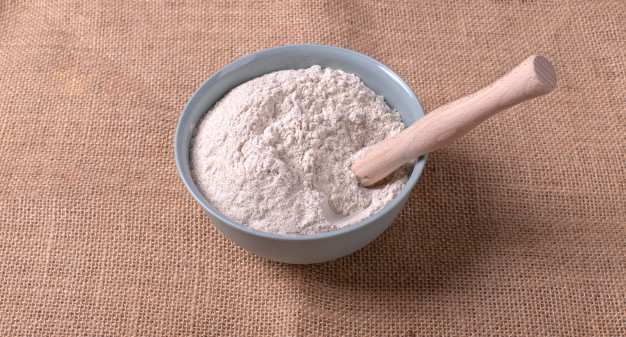
Wheat flour is composed of proteins, sugars, lipids, starch, and enzymes. It is used for making different types of foods. Flour is widely used for thickening chili in most of the kitchens. It really works great. Now its time to try for yourself as well.

Ingredients: 

30ml or two tablespoons of flour and 60ml or ¼ cup of cold water.

How to Use?

  • Take a separate bowl. Mix flour and water thoroughly in it. 
  • Make sure that the resulting mixture has no lumps and is smooth.
  • Then add the flour mixture in your thin chili while cooking it in medium-high heat.
  • Stir constantly. Let the mixture boil and thicken well. It will hardly take few minutes.
  • Make sure to continue stirring an additional few seconds to see if you are able to detect flour in your chili flavor. 

So, here is your hearty chili dish! Now, it is much thicker and tastier than before. You can even serve this to your guests.

2. Arrowroot- Best Thickening Agent:
Arrowroot powder

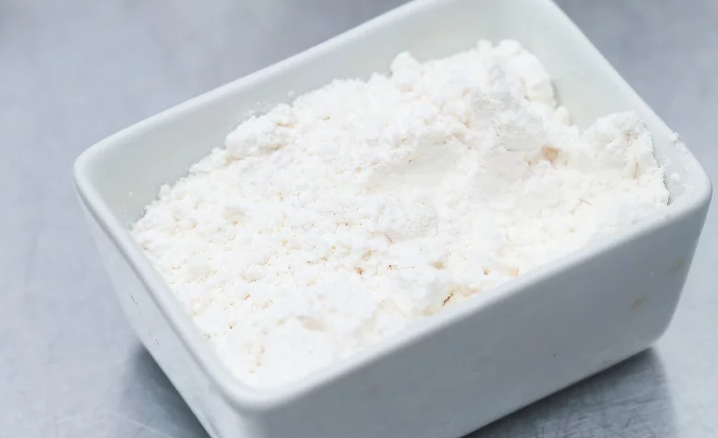
Arrowroot contains Vitamin B, Iron, Potassium, low-protein, starch, etc. It is widely used as a thickening agent in all household kitchens. It is a starch that is extracted from the arrowroot plant. When you will use arrowroot in your dish, then it will give an amazing surface gloss to your liquid chili. 

Ingredients:

5ml or 1 tablespoon of Arrowroot and 5ml or 1 tablespoon of cold water.

How to Use?

  • Take a separate bowl. Mix thoroughly water and arrowroot to turn it into a smooth paste.
  • Make sure that you add only a small amount of arrowroot as it is potent and flavorless.
  • Then add slurry into your thin chili cooking it in medium heat.
  • Stir constantly below the boiling point.
  • Then after 1 to 2 minutes, your thin chili will thicken instantly.

Arrowroot adds gloss like appearance to your chili dish making your dish thicker and delicious. I have used this method and got the result, so now it’s your time!

3. Cornstarch- Anti-sticking Agent:
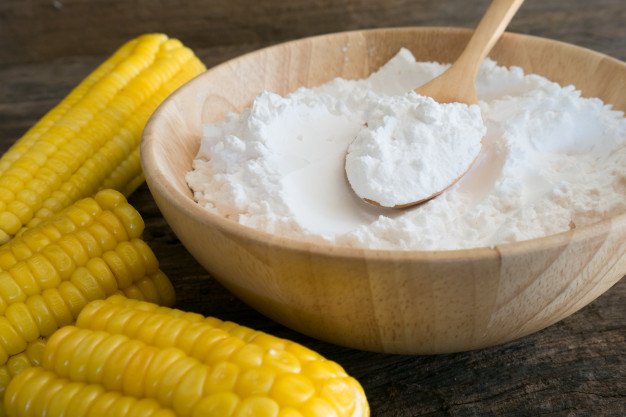
Cornstarch

Cornstarch is also known as Maize starch which is extracted from the maize grain. It is a food ingredient that is used in thickening soups and sauces. Cornstarch gives a moderate glossy appearance and when mixed with liquid, it rearranges itself. 

Ingredients:

15ml or 1 tablespoon of cornstarch and 15ml or 1 tablespoon of cold water.

How to Use?

  • Take a separate bowl. Mix thoroughly cornstarch and water before mixing it to chili.
  • After adding cornstarch paste to chili, heat it in a medium to high flame.
  • Stir it well until the bubbles start appearing.
  • Wait for few minutes to see the results.
  • If you still feel that your chili should be thicker then you can add more cornstarch and water on it. 
  • Then let it cook for an additional few minutes.

You can use cornstarch to thicken your chili because it will not alter the taste of your dish of chili as cornstarch is flavorless.

Other Simple Ways to Thicken Your Thin Chili:

4. Mix it in Tomato Paste
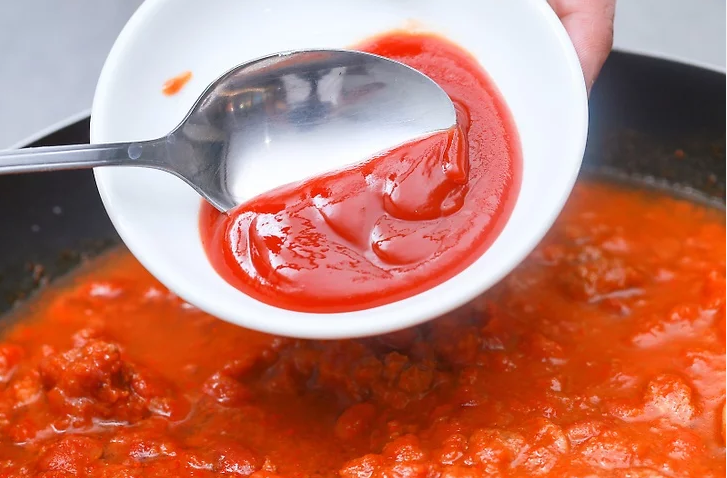
chili Tomato Paste

Now, no need to worry about how to thicken chili. If you want your chili only a little thick then you can use this method. Tomato is one of the main elements in chili. So adding it to your mixture won’t alter its taste and makes your chili thicker.

Ingredients:

170 grams of tomato paste.

How to Use?

  • I am suggesting that you should use fresh handmade tomato paste.
  • Since tomato paste is recognized as bitter in taste, so you can add a pinch of sugar in it.
  • Sugar will add a mild sweetness to your dish by removing tomato’s bitterness.
  • During the final thirty minutes of cooking add 170 grams of tomato paste into your thin chili.
  • Slowly add tomato paste to your thin chili. You can also add it after every ten minutes if you wish (⅓ of the tomato paste).
  • Stir constantly to combine it well.

You can use tomato paste to thicken your thin chili dish. But keep all the instructions in mind so as not to make any mistakes while preparing it.

5. Use More Beans to Thicken Your Thin Chili:
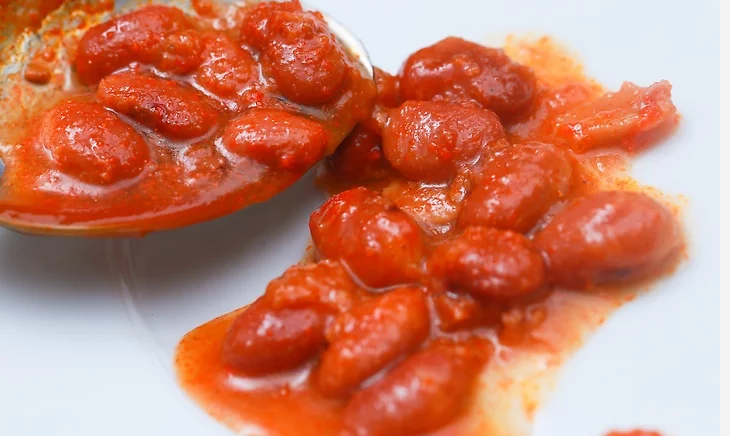
Beans to thicken chili

A bean is a seed of numerous genera of the flowering plant. They have the ability to curl up on any medium. Beans can be use to thicken your thin chili. Do you know that India is the largest producer of dry beans in the world? Yes, it is. 

Ingredients:

125ml or a half-cup beans.

How to Use?

  • If your chili contains beans then strain half cup of beans. Then refry and blend it.
  • Then again mix this mixture to your chili and cook for a few minutes.
  • Stir occasionally to warm it well.
  • You can use canned or home-cooked beans as per your wish. 
  • If you still feel that your chili is thin, you can add extra beans in it but make sure you blend it well.

Here you go! Your thick chili dish is ready now to serve your family. If you don’t like beans then no need to worry. You can add meats to make your chili thicker.

Wrapping it Up

“How to thicken chili” is one of the major problems for all the cook masters. Even I have used many methods to thicken my thin chili but all went in vain!

Therefore, all the above methods are tried and tested about how to thicken chili. So, you can use it to thicken your thin chili. I know nobody likes to serve thin chili to their family or guests. Even I don’t like it. Do you? 

Image source: wikihow

Read Also:

Content Rally wrapped around an online publication where you can publish your own intellectuals. It is a publishing platform designed to make great stories by content creators. This is your era, your place to be online. So come forward share your views, thoughts and ideas via Content Rally.

View all posts

Leave a Reply

Your email address will not be published. Required fields are marked *

Related

Buying Seafood Wholesale

Buying Seafood Wholesale: Unlocking Freshness, Variety and Savings

Fresh seafood is a culinary delight that tantalizes the taste buds and adds a touch of elegance to any meal. For seafood lovers, finding the highest quality products at affordable prices can be a quest in itself. That's where buying seafood from a wholesaler comes into play. You can bypass the traditional retail route and go straight to the source. There you can unlock a world of benefits that go beyond just savings. In this guide, we’ll talk about why buying seafood from a wholesaler is a good idea.   Also, we discuss how it can elevate your seafood experience to new heights. It will also help if you purchase seafood wholesale from Manettas or other trusted sources. Seafood Industry: Facts and Data Before we delve deeper into seafood wholesale and its features like freshness and variety, a discussion of the economy can be interesting. According to data, the revenue generation from the seafood industry is around US$ 3.75 bn in the year 20230. Experts project the market to grow at around 4.11% between the stretch of 2028 to 2028. China, with a whopping 88.90 bn in 2023, is the global boss in this reign. Continuing with Australia, the processed fish and seafood market will be around 0.95 $bn in 2023. Though the growth remains constant during the period, the stakeholders have high expectations from the industry in the coming days. So there is scope for growth in freshness and economy.  How Do The Consumers Get Fresh Supply? You may have noticed that the fishing industry delivers high-quality catches to have a high consumer experience. This pursuit of offering better services has enabled them to procure high-quality fish. The fishermen use technology like Pulse Electric Field, Ultrasound, Pulse light technology, Microwave processing, big data, and blockchain. With the help of these technologies, they are making it safe to procure fish from the sea. They also supply the best technology to the customers. As a result, it has enabled you to get fish of such high quality and variety.  The Benefits of Buying Seafood Wholesale  Seafood is popular not only in Australia but all around the world.  Even the data we gave supports that seafood is quite common, and its benefits are galore. Let us try to unlock your benefits while buying seafood wholesale online.  Unmatched Freshness And Quality When you buy seafood from a wholesaler, you gain access to an extensive network of suppliers and distributors who specialize in sourcing the freshest catch from the sea. Unlike retail outlets, wholesalers receive seafood directly from fishing vessels, ensuring it reaches your table in the shortest time possible. This means you get to enjoy seafood at its peak freshness, with vibrant flavors and firm textures that are a testament to its quality. Wide Selection Of Seafood Delights One of the major advantages of buying seafood from a wholesaler is the incredible variety available. Wholesalers typically offer an extensive range of seafood options, from popular favorites like salmon, prawns, and scallops, to more exotic catches like lobster, octopus, and oysters. Whether you're a seafood connoisseur or looking to experiment with new flavors, the diverse selection offered by wholesalers allows you to explore and indulge in an ocean of culinary possibilities. Cost-Effective Solution Buying seafood wholesale can be a financially savvy decision. Wholesalers often offer competitive pricing due to their direct relationships with fishermen and the ability to purchase in bulk. By eliminating the middleman, you can enjoy significant savings without compromising on quality. This makes buying seafood from a wholesaler an attractive option for restaurants and catering businesses. Even home cooks who wish to stretch their budgets without compromising on the taste and freshness of their seafood dishes can leverage the benefits. Convenience And Customisation Wholesalers provide convenience and customization options that cater to your specific needs. With their vast inventory, you can easily find the quantities and cuts of seafood that suit your requirements. Whether you need large quantities for a special event or smaller portions for everyday cooking, wholesalers can accommodate your requests. In addition, some wholesalers offer value-added services, such as filleting, portioning, and packaging, saving you time and effort in the kitchen. Supporting Sustainable Practices Many seafood wholesalers prioritize sustainability and responsible fishing practices. By buying from them, you contribute to the preservation of marine ecosystems and the livelihood of fishing communities. Wholesalers often work closely with suppliers that follow sustainable fishing methods, ensuring you can enjoy seafood guilt-free, knowing that it has been sourced ethically and with the future of our oceans in mind. Since many wholesalers support sustainable practices, you play a part in preserving our oceans for generations to come. So, the next time you're in search of the freshest catch of the day, consider turning to a trusted seafood wholesaler like Manettas—it's a decision that brings unparalleled freshness, variety, and savings to your plate. Custom Packaging One of the benefits that you can reap while being seafood online is the custom processing and packaging of them. Some companies provide customized packaging according to the buyers’ specifications and requirements. This denotes that you, too, can get the benefits of them like the restaurant owners have on account of bulk buying.  Expertise Knowhow The wholesale seafood suppliers can help you with knowledge and inputs on the quality aspects of the storage of fish. At the same time, they also advise you on the cuts and even the spices you need to prepare a good dish.  Hence you become well knowledgeable not only on fish procurement but also on recipe development. You will have a thorough knowledge of a high-quality dining experience.  Final Words Buying seafood from a wholesaler offers many advantages that elevate your seafood experience to new heights. From the unrivaled freshness and wide selection of choices to the competitive pricing and convenience, wholesalers provide a pathway to indulging in the finest seafood delights. The stakeholders directly involved with the industry follow the best technology and sustainable practices. This helps them bring in a sea change in the industry. This is how you are getting it the best way possible.  Read Also: How Restaurant Space Landlords Can Be Successful 6 Tips to Maximize Refrigerator Use in Your Restaurant

READ MOREDetails
Hummingbird Food Recipe

Hummingbird Food Recipe: How To Make Hummingbird Nectar?

It always feels good to see a hummingbird in your garden. To see more of them in your garden, you can keep hummingbird nectar/food in a jar in your garden. In fact, with a simple hummingbird food recipe, you can make their lives easier. All you need is a few simple ingredients. In this article, you will learn how to make hummingbird food with simple ingredients. Apart from that, this article also discusses hummingbird nutrition and the steps you can take to set up your bird feeder. Finally, you will learn how to attract more hummingbirds to your garden. Hence, to learn more, read on to the end of the article. Understanding Hummingbird Nutrition There are a variety of food options a hummingbird needs to meet its nutrition. Although they are one of the smallest birds in the world, they burn a lot of their calories by fluttering their tiny wings. Generally, a hummingbird flutters its wings 90 beats per second to maintain its momentum. Hence, you can see that hummingbirds need to eat a lot. In fact, to satisfy their daily calorie requirements, these birds even consume half of their body weight. Basically, they feed on bugs and nectar every 10-15 minutes. Also, they visit 1000-2000 flowers per day. The following are the things that hummingbirds feed on: 1. Nectar: This is the primary food source of hummingbirds. Basically, it consists of 20% sugar and 80% water. Generally, hummingbirds get their nectar from cardinal flowers, bee balm, salvia, and petunias. 2. Insects: For their protein needs, hummingbirds feed on insects. This is also a source of fat and salt for hummingbirds. In fact, nectar does not provide those nutrients. Basically, hummingbirds hunt insects by finding them from flowers, leaves, or tree bark. Sometimes, they also attack insects midair or pluck them from sticky saps. 3. Spiders: Generally, hummingbirds also feed on spiders for protein. However, they are generally small spiders. 4. Tree Sap: When the amount of nectar is low, hummingbirds drink tree sap from tree bark. Generally, woodpeckers drill wells on tree barks to get tree saps. Hummingbird Food Recipe Basically, by offering hummingbird nectar, you can help them with their post-workout meal. Hence, follow the below hummingbird food recipe to make nectar: Ingredients The following are the ingredients you need to make hummingbird nectar: Filtered Water: 4 Cups Regular White Sugar: 1 Cup (If possible, use organic sugar for the recipe) Procedure Here are the steps you must follow to make hummingbird nectar: 1. Get four cups of water in a saucepan and bring it to a boil. 2. Once the water reaches the boiling point, take the water off the heat. Add sugar to the boiling water. 3. Stir the mixture until the sugar completely dissolves in the water. 4. The nectar is ready. Now, you must let the nectar cool completely. 5. Get a hummingbird feeder and place the mixture inside the feeder. Make sure to hang the hummingbird feeder outside (in your garden) to attract hummingbirds. Essential Factors To Consider The following are some of the major factors you must consider before you start making nectar with the hummingbird food recipe: Make sure to change the nectar every four days with a new nectar. This will ensure that the nectar is fresh. Also, remember not to use food coloring in the nectar. Let it be as natural as you can. Regularly check the bird feeder every time you change the nectar inside it. Look whether there is a gray mold inside the feeder base or not. Also, check whether any ant has crawled inside the feeder to consume sugar water. If you check any dirt or ants inside the hummingbird feeder, throw the bird food away. Basically, it is not good for the birds to drink dirty nectar. In fact, there is a high chance that the birds will not feed on the nectar anyway. To clean the feeder, rinse it with warm water. Then, put some bleach into the water inside. This will allow you to clean the feeder with a brush easily. Once you clean the feeder, rinse it thoroughly with fresh water. Moreover, allow the water to dry. After that, please fill up the feeder with food and place it outside. Enhancing The Hummingbird Experience Enhancing the hummingbird experience, you can attract more hummingbirds to your garden/balcony/porch. The following are some of the steps you must follow if you want to enhance the hummingbird experience: 1. Change The Food Regularly Make sure to change the food every 3-4 days. This is because nectar spoils quite fast, especially when the weather is hot. In fact, if the weather is above 30 degrees Celsius, make sure to change the nectar regularly. Also, make sure to keep the feeder in the shade. This will prevent the sugar from fermenting. 2. Use The Right Amount Of Ingredient You can make hummingbird nectar with just water and sugar. However, you must ensure the water-to-sugar ratio is 4:1. Then, boil the water and add the sugar. After that, mix them until the mixture is perfect. After that, you must let the mixture cool before you add it to the feeder. 3. Avoid Honey Generally, honey can ferment fast and becomes a great place for mold to grow quickly. Moreover, they can be sticky and get on the feathers of hummingbirds. Hence, it is better to avoid honey. 4. Add Another Feeder Although hummingbirds are small and cute, they can be incredibly aggressive and territorial when confronting other hummingbirds. Hence, to avoid conflict among hummingbirds, it is better to add a second feeder if you want to ensure every hummingbird gets the opportunity to have the nectar. 5. Clean The Feeders Make sure to clean the feeders every week. Moreover, if you have hot weather around, clean the feeders twice every week. While you clean, ensure the vinegar-to-water ratio is 1:4. Also, rinse the feeders well before you refill. Furthermore, while rinsing, do not use dish soap. This is because they can leave harmful residue on the feeders. Setting Up Your Hummingbird Feeder The following are the steps you must take to set up your hummingbird feeder: Make the nectar by checking the hummingbird food recipe in the previous section. Hang the feeder in your garden at the start of spring. Generally, hummingbirds migrate through your area in the spring. Also, leave the feeder up after the hummingbirds migrate in the fall. Hang the feeder in a place where it is visible for hummingbirds to see. Also, make sure to place the feeder in an area where you can have a good look. Clean the nectar every 3-4 days and clean the feeder thoroughly each time you change the nectar. This way, you can prevent dust and mold from getting into the feeder. Sugar water is safe and helpful for hummingbirds. Basically, it is quite similar to the natural nectar that hummingbirds find in flowers. If you want to make your own feeder, use an old spice container, bottle, mason jar, or wine bottle. Attracting More Hummingbirds Here are some of the major ways you can attract hummingbirds to your garden: 1. Offer Hummingbird Food/Nectar: If you make sugar water and keep it in a feeder in your garden, you can attract many hummingbirds in your area. To make this item, you can see the hummingbird food recipe above. 2. Keep Water: Generally, hummingbirds also like to bathe. Hence, you can keep some water in a pot/jar to allow hummingbirds to access water for bathing and drinking. 3. Perch Area: You can leave small branches and sticks on your trees and plants. This will allow hummingbirds to perch on. 4. Plant Flowers: There is no alternative to pure nectar that flowers have. Hence, this attracts hummingbirds a lot. For instance, you can use hummingbird sage, honeysuckle, bee balm, and more. Also, you can add other types of flowers to your garden. 5. Keep Other Animals Out: If you have a pet cat/dog in your home, keep them inside. This is because they can bother hummingbirds or even end up killing them. 6. Avoid Pesticides: Pesticides are repellants for hummingbirds as well as insects. Hence, make sure not to use them or use them minimally. Make Your Hummingbird Food Now Now, you can make hummingbird nectar with the help of the hummingbird food recipe in the article. However, make sure to change the food every 3-4 days. Also, ensure to clean the jar every time you change the food. This way, you can ensure clean food for hummingbirds. Do you have more suggestions on how to make hummingbird food? Please share your ideas and opinions in the comments section below. Additional Resources: Is Indian Food Healthy? – Major Nutritional Benefits of Indian Cuisine 15 Healthy Mexican Food Items With Immense Health Benefits The Importance Of Proper Cutting When Preparing Meals

READ MOREDetails
Non-Alcoholic Bitters

5 Things To Consider When Shopping For Non-Alcoholic Bitters

Whether you’re a passionate mocktail mixer, an expert bartender, or just looking to add some flavor to your favorite dishes, non-alcoholic bitters are the perfect way to add a layer of complexity and depth. Not sure where to start? That’s ok. We’ve put together this comprehensive guide on five things you should consider when shopping for non-alcoholic bitters, including their unique health benefits. Here Are Five Prime Things To Consider When Shopping For Non-Alcoholic Bitters Read on as we show you everything you need to know about buying the best non-alcoholic bitters around. 1 - Don’t Mistake Alcoholic Bitters For Non-Alcoholic We'll start with the most obvious point. It's essential to make sure you’re buying non-alcoholic bitters, like the ones that can be found at All The Bitter. Most bitters look alike when shopping at the grocery store, so sometimes it’s hard to tell the difference between the two. Shopping online for non-alcoholic bitters is probably your best bet because these niche stores have exactly what you’re looking for. 2 - Organic and Wild-Foraged Ingredients Make sure that the ingredients in your non-alcoholic bitters are organic and wild-foraged. This means that they haven’t been exposed to harsh chemicals or synthetic additives, so you can be confident that they are as natural as possible. This also ensures that your drink is free from artificial flavors and colors, which can take away from the authentic taste of a mocktail. Mom-and-pop stores do better with this versus big-name brands that can be found at your local grocery store. Let’s face it, handmade is always better than processed. 3 - Beneficial Botanicals And Health Benefits Finally, consider what beneficial botanicals and health benefits each non-alcoholic bitter has included in its recipe. Such as the following: gentian root (helps digestion) dandelion root (a natural diuretic) Burdock root (anti-inflammatory properties) milk thistle seed (liver detoxifier) holy basil (antioxidant effects) orange peel (to aid digestion) ginger root (anti-nausea effects) yellow dock root (rich in iron)I Not only can these ingredients help support well-being, but they also bring an added depth of flavor and complexity to any mocktail – so choose wisely. 4 - Vegan If you follow a vegan lifestyle, you will want to check if the non-alcoholic bitters have been made with vegan ingredients, as some may contain animal products such as honey or beeswax. Even if you’re not vegan, it’s always good to keep vegan-friendly bitters on hand for guests who may follow that lifestyle. 5 - Gluten-Free If you follow a gluten-free diet, check if the bitters are gluten-free before adding them to your cart. While many brands use gluten in their recipes, there are some options available that don't contain gluten at all, so be sure to thoroughly check the label before making a purchase. Consider These Tips When Shopping For Non-Alcoholic Bitters As more people switch from alcoholic drinks to mocktails, there is an ever-growing demand for good quality non-alcoholic bitters. But not all products are created equal. So when shopping for them, make sure you keep these five things in mind. This way, you can guarantee yourself an enjoyable mocktail experience every time. With so many great options available, it shouldn't be too hard to find something perfect for you – happy sipping, and thanks for reading. Read Also: How To Quit Alcohol: Consider Non-Alcoholic Drinks Tips to Follow When Ordering Alcohol Online Delta 8 Vs Delta 9: What’s The Difference?

READ MOREDetails