








Important Terminology In Filing For A Car Accident Claim

Published on: 26 March 2021 Last Updated on: 11 February 2026
Car Accident Claim

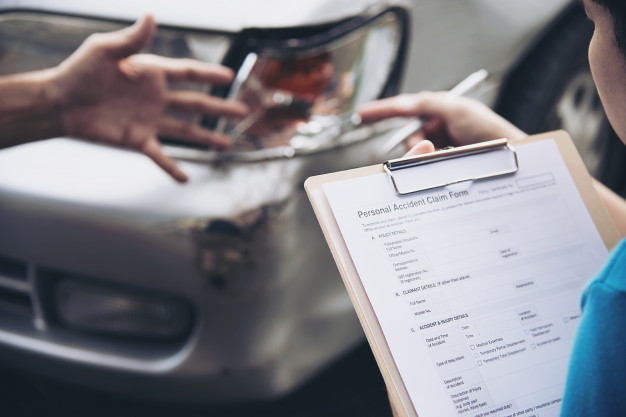
In a different post, we’ve mentioned steps you can take in filing for a car accident claim. But in addition to knowing what guidelines to follow during the process, it is vital that you understand legal terms frequently used in claim-filing.

Legal matters related to car accidents and filing an accident claim is a rigorous process. Even with legal assistance by your side, you’ll need to know which term means what.

In this article, we have listed the most important legal terms you must be familiar with when filing for a car accident claim.

From your Kansas City car accident attorney to you, below is terminology you will encounter as you file for, investigate, evaluate, and submit your car accident claim.

Car Accident Claim-Filing Terms And Definitions-

When filing for a car accident claim, it’s important to check the insurance you already have. However, there are some legal terms and insurance terms you must be familiar with to get through the process easily.

1. Burden Of Proof:

“Burden of proof” is the term used to describe the actual task and act of proving yourself innocent in an accident claim. And proving damages wrought and injuries incurred which you believe (and calculate) worthy of the value you specify in your claim.

You, being the plaintiff (the person who is stepping forward to present the claim), have the burden of proof as you “prove” to the courts or the party of the defendant your right to said claim.

2. Liability:

“Liability” refers to one’s “debt” or “responsibility” in coming up with recompense for the car accident and for causing the car accident in the first place. The party that is liable for the car accident claim is also called the “defendant,” “accused,” “appellant,” and “respondent.” Other categories of crime use the term “suspect” as well.

Besides pointing out who the liable persons are in a car accident, this can be established and legally determined through pieces of evidence in the accident scene, police reports and related documentation, vehicular damages, injuries, statements from bystanders and witnesses, traffic violations (via recorded evidence), etc.

3. Claim:

A legal claim is a request a person can make for court review, wherein you state evidence-supported reasons at the outset for why the claim is being presented.

Technically speaking, a claim falls outside the bounds of a “legal case” and will transition into it only if the claim is denied and/or a settlement is not concluded.

4. Settlement:

In law, a settlement is a conclusion, the coming-to-terms, or the agreement of litigants regarding the particulars mentioned in your claim. Reaching a settlement means that the defendant is amenable to it and is willing to provide compensation for the car accident, with the exact value specified in the same claim.

When a settlement is reached, you will not have to escalate the claim into a court case. Also, reaching a settlement should be the goal of your claim submission.

5. Uninsured Motorist Coverage (UIM):

Some states in the U.S., Missouri included, require that drivers sign up for UIM or Uninsured Motorist Coverage. A UIM is a kind of insurance that protects drivers in the event that the perpetrator of the accident does not have any insurance coverage.

Losses, or portions of it, can be covered by the UIM. The amount in a UIM will depend on your policy’s terms and limits.

6. Actual Cash Value:

Cash Value

This is a phrase used to define what the damaged automobile’s market value is. Think of it as what the value or “price” your car would have borne right before the accident took place.

7. Negligence

When filing for a car accident claim, it’s important to know about different terms. Negligence is one of them. This term is used when a car accident is caused by the actions or inactions of a driver.

Their lack of care can cause harm to another person, making them liable for the damage done. However, to win this lawsuit, the victim has to prove that the driver was negligent.

8. Tort:

Tort suggests a wrongful act committed to a person which leads to an injury. This prompts an injured person to damage another person. This makes the injured file for a lawsuit for a remedy in the Civil Court. Someone with tort insurance can sue a person who was responsible for the accident.

9. Adjuster:

An adjuster is a professional who works for the insurance company to negotiate a fair settlement between the policyholder and the company. They work to reach a mutually beneficial compensation for the loss or damage done due to the accident.

They make a proper assessment of the claim and talk to the claimant and other witnesses. The adjuster also has to witness the property in question. It’s also their responsibility to review the relevant documents.

10. First Notification of Loss (FNOL):

Here’s the initial notice provided to the insurer by the people holding a policy when the insured faces an unfortunate accident. One can see it as the first important step for filing a claim under the car insurance policy. This application is filed when your insurer gets the first notice of you filing for the damage, loss, or theft.

11. Third-Party Liability Cover:

Third-party liability insurance is a type of policy covering a person against any legal liabilities they incur due to accidents. The coverage under this liability insurance is provided when the person under insurance causes harm to another third party.

12. Comprehensive Policy:

Here is another insurance-related term one should know to cover themselves from vehicle accidents. This insurance coverage provides all-round protection from uncertainties and risks associated with accidents. It can be due to damage to your vehicle, unforeseen disaster, theft, etc.

Conclusion 

When dealing with car insurance claims, you mustn’t forget all the different terms we have mentioned in this article. While most of them are related to legal matters, some terms are also related to insurance policies and companies.

Did you find this article helpful? Share your thoughts in the comment section. Thank you for reading.

Read Also:
 

A passionate writer and an avid reader, Soumava is academically inclined and loves writing on topics requiring deep research. Having 3+ years of experience, Soumava also loves writing blogs in other domains, including digital marketing, business, technology, travel, and sports.

View all posts

Leave a Reply

Your email address will not be published. Required fields are marked *

Related

EV Charger Rebate

Reap The Benefits Of An EV Charger Rebate In California

Discover the financial advantages of installing an electric vehicle (EV) charger in California with the EV Charger Rebate program. This informative article will outline the eligibility requirements and application process. The article also provides insights on selecting the right charger for your home. Gain a deep understanding of the financial benefits and learn tips to maximize the advantages of this rebate program. Don't miss out on the opportunity to reap the benefits of an EV charger rebate in California. Eligibility Requirements For The EV Charger Rebate To qualify for the EV charger rebate California, applicants must meet specific eligibility requirements. These requirements differ between residential and commercial applicants. Residential eligibility is based on the applicant’s income. There is a maximum income threshold set by the California Air Resources Board (CARB). The income requirements ensure that the rebate benefits those who need it the most. Commercial eligibility, on the other hand, focuses on the type of business and the intended use of the EV chargers. Businesses must demonstrate that they will use the chargers for public or employee use, promoting electric vehicle adoption. Additionally, both residential and commercial applicants must ensure that the EV charger installations meet the necessary technical requirements. It is such as proper electrical infrastructure and compliance with local building codes. Meeting these eligibility requirements is crucial to successfully receive the EV charger rebate in California. How To Apply For The EV Charger Rebate In California To apply for the EV Charger Rebate in California, individuals and businesses must follow a straightforward application process. The first step is to ensure that an eligible EV charger installation has been completed. The EV charger must be Level 2, with the ability to charge at a minimum rate of 30 amps. Additionally, it must be installed at a qualifying location, such as a single-family home, multi-family dwelling, or non-residential property. Once the installation is complete, applicants can submit their rebate application through the online portal. Submit via one provided by the California EV charger rebate program.  The application will require the submission of relevant documents, including proof of purchase, proof of installation, and proof of payment. After submission, the application will be reviewed, and if approved, the rebate will be issued to the applicant. Understanding The Financial Benefits Of The EV Charger Rebate The EV Charger Rebate in California provides significant financial benefits for individuals and businesses who take advantage of this program. One of its main financial advantages is the potential savings on electricity costs. By installing an electric vehicle (EV) charger at home or at the workplace, EV owners can avoid the expenses. Here, we mean the ones associated with charging their vehicles at public charging stations. The rebate program offers incentives that can cover a significant portion of the installation costs. Thus, it reduces the overall expense for the EV owner. Additionally, the rebate program encourages using clean energy by offering incentives ( for installing Level 2 EV chargers). They are more energy-efficient compared to traditional chargers. This can result in long-term savings on electricity bills. Thus it makes the EV Charger Rebate a financially advantageous program for both individuals and businesses. Choosing The Right EV Charger For Your Home Installing an EV charger at home is a crucial step in maximizing its financial benefits in California. When choosing the right EV charger for your home, it is important to consider factors such as charging speed. Factors like compatibility with electric vehicles and reliability are another consideration. There are several reputable EV charger brands to choose from, including Tesla, ChargePoint, ClipperCreek, and JuiceBox. Tesla offers their brand of chargers specifically designed for their vehicles, while brands like ChargePoint, ClipperCreek, and JuiceBox offer a range of chargers that are compatible with various electric vehicle models. It is recommended to consult with an electrician or EV charger installation professional to determine the best charger for your specific needs and to ensure proper installation. Tips For Maximizing The Benefits Of The EV Charger Rebate In order to fully maximize the benefits of the EV Charger Rebate in California, it is crucial to carefully consider and strategize the utilization of this program. One of the key aspects to focus on is maximizing savings. To achieve this, it is important to select an EV charger that offers the best value for money in terms of its features, efficiency, and cost. Additionally, it is advisable to take advantage of any additional incentives or discounts offered by manufacturers or utility companies. Another important aspect is the installation process. It is recommended to hire a professional electrician who is experienced in installing EV chargers to ensure a safe and efficient setup. Read Also: Why You Need Classic Car Insurance? 7 Reasons Why Teenagers Pay Extra For Car Insurance

READ MOREDetails
Diesel Owners Could Receive Compensation

Money Expert Reveals Why Diesel Owners Could Receive Compensation

Economic professional Martin Lewis and his “Money Savings Expert” website listed a handful of car manufacturers recently. They were most likely to be included in the claim of diesel emissions. In this comprehensive guide, we provide a detailed law firm breakdown that enables assistance to affected car owners in both Wales and England. They can further claim legally against the carmakers. All the claims that have been listed in this comprehensive guide are linked to the Dieselgate scandal that happened in 2015. In September of that year, Volkswagen and Audi diesel vehicles, which are manufactured by German carmaker the Volkswagen Group, were discovered to have used cheat or defeat devices that artificially lowered emissions during testing conditions. The company received a notice of violation and adhered to regulatory action as mandated by US authorities. The vehicles were sold to American consumers. VW initially denied the accusations but company officials later on admitted they knew about the defeat devices. The California Air Resources Board and the Environmental Protection Agency (EPA) ordered the carmaker to recall the thousands of affected vehicles. VW also had to pay fines, fees, and compensation - something that they continue to do nowadays. The story doesn’t end with VW, though, as other carmakers entered the picture a few years later. Money Savings Expert has a list of the other brands possibly involved in the diesel emissions scandal.       BMW       Chrysler       Mercedes-Benz       Fiat       Land Rover       Kia       Citroën (now a part of Stellantis)       Nissan       Vauxhall       Hyundai       Peugeot       Renault       Mini       Skoda       Porsche       Volvo       Seat       Jaguar The financial website further stated that drivers who owned diesel vehicles of any of the abovementioned brands that were manufactured between the years 2007 and 2020 may be able to bring a legal claim. Whether the car or van was purchased outright or financed, drivers can pursue legal action or a diesel claim. Most of the legal firms helping out affected drivers offer a no-win-no-fee guarantee, which means claimants do not have to pay anything if they lose the case. Most drivers join a GLO or group litigation order. A successful diesel emissions claim gives drivers the compensation they deserve. Why Should Affected Drivers Be Compensated? According to Money Saving Expert, the following scenarios entitle affected drivers to receive compensation.       The driver or car owner wouldn’t have purchased the vehicle had they known about the defeat device used for cheating emissions.       The driver paid a premium amount for an environmentally friendly vehicle - brand new or pre-owned but got a vehicle that isn’t emissions-compliant instead.       The driver has had to bring the vehicle to the shop or manufacturer for a fix because of compromised performance and fuel efficiency, which in turn, lowered the vehicle’s value and resulted in extra costs. Additionally, defeat device-equipped vehicles release dangerous emissions with life-threatening health impacts. This is more than enough reason to file a legal claim. Defeat Devices And NOx Emissions A defeat device is programmed to sense when a vehicle is brought into the lab for regulatory testing. Once this happens, the device immediately lowers emissions to within the mandated levels of the World Health Organization. The vehicle appears safe and clean - but this is only true during testing conditions. As soon as the vehicle is taken out of the lab and driven on real-world roads, it emits excessively high amounts of nitrogen oxides. So, in reality, it doesn’t conform to emissions regulations. NOx is highly reactive and dangerous. It contains gases such as nitric oxide (NO) and nitrogen dioxide (NO2). It is responsible for the formation of smog and acid rain and produces ground-level ozone, a pollutant that harms vegetation. Exposure to nitrogen oxides can trigger mental health issues such as depression and anxiety. Additionally, regular exposure can affect your cognitive abilities, which can lead to dementia, specifically Alzheimer’s disease. If you were exposed to low levels of NOx emissions, you might notice the following health impacts:       Nausea       Vomiting       Shortness of breath       Pulmonary oedema or fluid build-up in your lungs       Asthma       Emphysema, bronchitis, and other respiratory diseases       Corroded teeth If you have been exposed to high levels of NOx emissions, your health impacts can be serious:       Reduction of lung function (chronic)       Laryngospasm (or vocal cords spasm)       Certain cancers       Asphyxiation       Cardiovascular diseases       Premature death In recent years, air pollution has become the leading cause of premature deaths worldwide. It has claimed hundreds of thousands of lives. Filing a diesel claim is the only way car owners can get back at carmakers that deceived them into buying high-polluting vehicles that exposed them to dangerous NOx emissions. Should I Start My Diesel Claim Now? The best time to start a diesel claim is now. However, before you can file a claim, you need to find out first if you are qualified to bring your carmaker to court. It’s simple; all you have to do is visit ClaimExperts.co.uk. All the information you need is there. Once you’ve verified your eligibility, you can start working with emissions experts who can help you with your emission claim. Click here to begin. Read Also: How To Shop For A Car With Your Teen Driver? Are You Thinking About Buying Quad Bike For Your Kid?

READ MOREDetails
Powertrain Warranty Coverage

A Comprehensive Guide To Powertrain Warranty Coverage

In the automotive world, one crucial term is a warranty. This terminology underscores a significant aspect of car ownership that can save owners a heap of money should things go wrong. But what does a warranty cover? Specifically, what does a powertrain warranty involve? Keep reading to learn more. Understanding The Basics Of Powertrain Warranty Coverage The term warranty strikes a familiar chord amongst car owners, and often, the term powertrain does, too. This specific type of warranty covers the components that propel your vehicle. This includes major parts like the engine, transmission, and drivetrain. For most, the powertrain warranty is a safety net of sorts, safeguarding them against unexpected and costly repairs linked to these components. Powertrain warranties typically cover mechanical defects and failed parts due to faulty manufacturing. The duration of this type of warranty may range from a few years to the vehicle's lifespan, depending on the manufacturer's terms. However, it's important to understand that these warranties do not cover mishaps, improper maintenance, or general wear and tear issues. Consequently, having this knowledge at your fingertips helps you understand the protection you have with your vehicle under the powertrain warranty coverage. Key Components Included in Powertrain Warranties The crux of a powertrain warranty lies within exactly what it encompasses. Predominantly, it covers three primary parts of the vehicle: the engine, the transmission, and the drivetrain. The engine, being the heart of the vehicle, includes an array of parts, including the pistons and crankshaft. The automatic or manual transmission consists of gears that help transfer power from the engine to the drivetrain. This component is crucial for the vehicle's movement. So, a malfunctioning transmission may render your car stagnant. Finally, the drivetrain, either front-wheel drive, rear-wheel drive, or all-wheel drive, relies on the transfer of power from the engine to move the wheels. Any defect in this component will adversely impact vehicle mobility. Essential Factors To Consider When Shopping For A Powertrain Warranty When shopping for any warranty, specifics are key. With a powertrain warranty, pay close attention to the terms and conditions. They indicate what is and isn’t covered. Clarity on these details aids in avoiding unpleasant surprises in the future. Consider the duration, too. How long does the warranty last? Does it span the vehicle's part of the lifespan or the entire lifespan? This information is vital as it impacts your vehicle maintenance and budgeting decisions. Also, consider the warranty's transferability. In some cases, warranties can be transferred if you decide to sell the vehicle, which could increase the car's value. Furthermore, take note of the warranty provider's reputation. A warranty is only as good as the company standing behind it. Therefore, researching the provider's record on claim handling and customer satisfaction is essential. The Role of Powertrain Warranty in Vehicle Maintenance and Budgeting A powertrain warranty plays a core role in vehicle maintenance and budgeting. Its presence helps maintain the vehicle's vital components, ensuring its long-term performance and functionality. The coverage for expensive repairs protects against unforeseen financial strains. For instance, engine and transmission repairs can run into thousands of dollars. By covering these potential costs, a powertrain warranty helps car owners draw up a more accurate and stable budget for vehicle maintenance. In addition, the warranty fosters regular maintenance of the covered components, improving vehicle value over time. Regular maintenance can also mitigate serious problems that could potentially land the car in major repair situations. Overall, a powertrain warranty is instrumental in reducing financial uncertainty, protecting your investment, and maintaining your vehicle's health and value. A powertrain warranty can serve as a lifeline against costly repairs due to inherent mechanical issues, preserving your vehicle's performance. Altogether, armed with the right information, you can make an informed decision on whether a powertrain warranty is beneficial for you and your vehicle. Keep Learn About: What Does Elon Musk Have In His Vehicle Fleet? What Type Of Vehicle Is Ideal For Off-Road Driving?

READ MOREDetails