Published on: 15 December 2020
Last Updated on: 06 June 2021
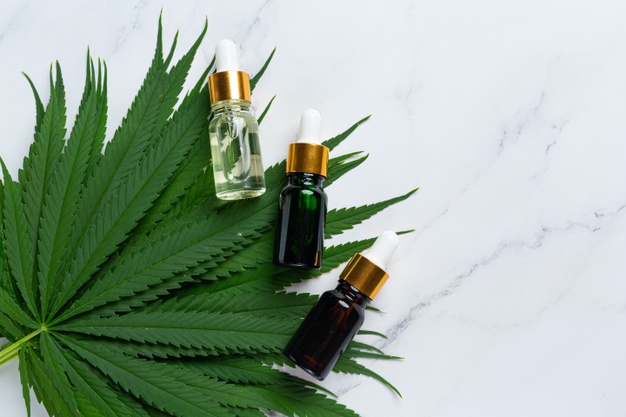
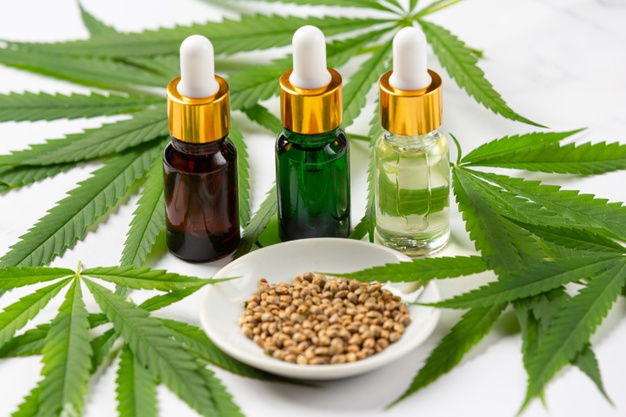
Are you someone who is investigating the potential benefits of hemp oil and do not know where to start? Do you know Hemp Oil is different from CBD Oil, which can also be extracted from the Marijuana plant and has THC content?Have you looked at some products made from Hemp Oil, which can help you with inducing natural sleep, joints pain, etc.?
In the past few years, a number of leading research articles and studies have been published in reputed science journals on the benefits of Hemp Oil. Just to be clear, Hemp Oil is made from the Hemp plant. Unlike CBD Oils, which can be made from the marijuana plant and have a high THC Content (THC is the element, which makes one feel high).
In other words, CBD oil can be extracted from both-
The Hemp Plant
The Marijuana Plant
In this article, we are going to look at five important things you did not know about Hemp Oils. We speak to leading brands experimenting and creating products with Hemp oil in Colorado and ask them to shed some light on the matter.
List of 5 Important Things you did not know about Hemp Oils
1. Hemp Oils do not have any THC Levels in them-
Hemp oils are derived from the Hemp Plant. This is also called CBD Oil. However, a lot of people confuse CBD Oils with being derived from the marijuana plant. The same contains THC levels and is responsible for making someone feel high. Hemp Oil on the other hand does not have any traces of THC in it. In scientific parlance, there are no psychoactive substances in it.
2. Hemp Oils are packed with Nutrients-
Scientific studies on Hemp have shown the presence of the following nutrients-
Proteins
Unsaturated Fatty Acids
Omega 3s
Omega 6s
Insoluble Fibres
Vitamin E Antioxidants
In other words, they are packed to the rafters with nutrients, minerals, and proteins, which are great for human beings.
3. Scientific studies have proven their efficacy in fighting diseases-
A number of leading research firms and pharma companies have published reports to show that using hemp oils has reduced and prevented heart disorders and other cardiovascular illnesses from taking place. They also point out that applying hemp oil to our external skin helps it glow in a natural manner. Studies also show its role in fighting autoimmune illnesses.
4. Great for Women’s Reproductive Health-
Women who suffer from PMS, Menopause-related disorders, and hormonal imbalances before, during, and after childbirth can benefit from hemp oils. As it is richly packed with proteins and has been shown to positively react against hormonal imbalance, it is proving to be a boon for women in improving their reproductive health issues.
5. Can be taken by Vegans-
As most are aware, seafood is a great and active source of Omega 3s and 6s. However, the same is not possible for vegans and this makes them lose out on the multiple benefits of Omega. Hemp oil has rich elements of Omega 3s and 6s and can be taken by vegans without any issues whatsoever. They do not have to worry about it being an animal-derived supplement.
Is it Legal to use Hemp Oil and Products?
Many of you reading the article might be wondering about the legal status of Hemp Oil in different parts of the world. To be honest, lawmakers are still trying to figure out the actual details. However, most importantly, what you should know is that the legality concerns THC levels. If a CBD or Hemp-based product contains 0.3% or lower THC content, it is absolutely legal to use. However, if the percentage of THC in the product increases beyond the permissible 0.3% then it falls under the psychotropic substances list.
Read Also:
Content Rally wrapped around an online publication where you can publish your own intellectuals. It is a publishing platform designed to make great stories by content creators. This is your era, your place to be online. So come forward share your views, thoughts and ideas via Content Rally.
Oral hygiene is an essential part of our daily routine, and choosing the right toothpaste is crucial for maintaining healthy teeth and gums. However, with increasing concerns about the impact of our daily habits on the environment, many people are now looking for eco-friendly alternatives to traditional toothpaste brands.
Put together by Tutu’s Green World, here are some of the benefits of using eco-friendly toothpaste for both your teeth and the planet.
Natural Ingredients
Eco-friendly toothpaste is made with natural ingredients that are safe for your teeth and the environment. Traditional toothpaste brands often contain harsh chemicals such as sodium lauryl sulfate, triclosan, and artificial colors and flavors. These chemicals can be harmful to both our health and the environment. In contrast, eco-friendly toothpaste is formulated with natural ingredients that are gentler on our teeth and do not harm the environment.
Reduced Plastic Waste
Traditional toothpaste tubes are made of plastic and are not recyclable, which leads to a significant amount of plastic waste. Eco-friendly toothpaste brands offer alternatives to plastic packaging, such as biodegradable or recyclable materials. Some brands even offer toothpaste tablets that can be purchased in refillable glass jars, eliminating the need for any plastic packaging at all. By choosing eco-friendly toothpaste, you can significantly reduce your plastic waste and contribute to a more sustainable future.
Ethical And Sustainable Sourcing
Many eco-friendly toothpaste brands prioritize ethical and sustainable sourcing practices. For example, some brands use bamboo or other renewable resources to create their packaging. Others use ingredients that are sourced sustainably and ethically, such as organic coconut oil and aloe vera. By choosing eco-friendly toothpaste, you can support brands that are committed to sustainability and ethical sourcing practices.
Cruelty-Free
Many eco-friendly toothpaste brands are also cruelty-free, meaning that they do not test their products on animals. This is an important consideration for those who are concerned about animal welfare. By choosing a cruelty-free toothpaste, you can be sure that you're not contributing to animal cruelty in any way.
Better For Sensitive Teeth
Eco-friendly toothpaste brands often offer options that are formulated with natural ingredients that are gentle on sensitive teeth and gums. This means that if you have sensitive teeth, you can find a toothpaste that won't cause discomfort or irritation. Additionally, many eco-friendly toothpaste brands offer options for people with specific oral health concerns, such as gum disease or bad breath.
Fluoride-Free Options
Many traditional toothpaste brands contain fluoride, which is known to be harmful if ingested in large quantities. Eco-friendly toothpaste brands often offer fluoride-free options that are safe for both adults and children. Additionally, some eco-friendly toothpaste brands offer options that are specifically formulated for children, with flavors and packaging that are appealing to kids.
Health Benefits
Eco-friendly toothpaste can also offer health benefits beyond just being better for the environment. Natural ingredients can be gentler on the teeth and gums, and some can even help to whiten teeth and freshen their breath. Additionally, by avoiding harsh chemicals, eco-friendly toothpaste can help to promote overall health and well-being.
In conclusion, choosing eco-friendly toothpaste is a simple and effective way to protect your teeth and the planet. With natural ingredients, reduced plastic waste, ethical and sustainable sourcing, cruelty-free practices, options for sensitive teeth and fluoride-free options, and potential health benefits, eco-friendly toothpaste is a great choice for anyone looking to make a positive impact on the planet and their own health. So why not switch to eco-friendly toothpaste today and start protecting your teeth and the environment?
Read Also:
5 Dental Hygiene Tips for a Healthier Smile
Is It True That Good Oral Hygiene Can Reduce Cancer Risk?
5 Little Changes That Can Make Your Teeth-Brushing More Effective
Rush poppers have long held a place in popular culture, often surrounded by curiosity, misinterpretation, and a hint of intrigue. These small bottles, typically found in adult novelty stores, online or on rump-pump.de, promise their users a brief rush of euphoria. Over the decades, rush poppers have seen varied responses from the public, leading to numerous myths and misconceptions. Understanding its chemistry and effects on the body is crucial, as with any substance. This article delves into the science behind rush poppers, breaking down what every user—and potential user—should know about their composition and impact.
What are Rush Poppers?
Rush poppers, often referred to as 'poppers,' have a history dating back to the late 19th century. Initially introduced as a treatment for angina, their medicinal use dwindled with the advent of more advanced cardiac medications. However, their recreational popularity surged during the 1970s and 1980s, particularly within the gay community.
Most commonly, rush poppers are found in small liquid-filled bottles under various brand names, with "Rush" being one of the most recognized. When inhaled, these volatile liquids produce a short-lived, euphoric 'rush,' contributing to their enduring allure. The primary ingredient in these formulations is alkyl nitrites. While they were once primarily amyl nitrites, the composition has shifted over the years, with isobutyl nitrite now being more prevalent in today's market.
Their legal status varies globally, with some countries allowing their sale as 'room odorizers' or 'leather cleaners' to bypass health regulations. Nonetheless, the cultural footprint of rush poppers remains significant, prompting occasional and regular users to delve deeper into their chemistry and effects.
The Chemistry Behind the Rush
The potent effects of rush poppers can be attributed to their chief chemical constituents: alkyl nitrites. Alkyl nitrites, whether amyl, butyl, or isobutyl, are volatile organic compounds that, when inhaled, rapidly enter the bloodstream. Their fundamental action revolves around the relaxation of smooth muscles found throughout the body, including the walls of blood vessels.
When an individual inhales the fumes from rush poppers, the alkyl nitrites lead to vasodilation or the widening of blood vessels. This sudden expansion causes a rapid decrease in blood pressure, resulting in the characteristic 'head-rush' sensation. The brain experiences a brief influx of oxygen, producing euphoria and lightheadedness. This effect is often accompanied by sensations of warmth, dizziness, and an increased heart rate.
But what's the chemistry making this happen? Alkyl nitrites function as a source of nitric oxide, a signaling molecule in the body. Nitric oxide's release prompts the relaxation of vascular smooth muscles, creating the vasodilatory effect.
While the experience may be exhilarating for some, it directly results from a chemical interaction with the body's physiological systems. The fleeting nature of rush poppers' effects, which usually last just a few minutes, is due to the rapid metabolism and elimination of alkyl nitrites from the system.
How Do Rush Poppers Work in the Body?
To fully grasp the rush and allure of poppers, one must delve into their interaction with our physiological systems. Upon inhalation, the vapors from rush poppers are rapidly absorbed by the lungs into the bloodstream. Once in the blood, alkyl nitrites exert their primary effect: relaxing smooth muscles. This is not limited to vascular muscles but extends to other body areas, which explains some of the sensations users report.
The immediate dilation of blood vessels causes a swift drop in blood pressure, inducing a feeling of lightheadedness. This 'head rush' is, in essence, a surge of oxygenated blood to the brain, accompanied by a warm sensation, potential facial flushing, and an accelerated heart rate.
Additionally, the relaxing effect of rush poppers on other smooth muscles can lead to enhanced sensations, particularly during intimate activities, which contributes significantly to their recreational appeal.
While the sensations might be described as intense by users, they're typically short-lived, often waning within a few minutes. This transient nature results from the body's efficient processing and elimination of the inhaled alkyl nitrites.
The Risks and Safety Concerns
Like any substance that has a profound effect on the body, rush poppers come with their set of risks and safety concerns. While many users report minimal adverse effects when used sporadically and responsibly, potential dangers can emerge with misuse.
One immediate concern with rush poppers is the potential for a sharp drop in blood pressure. The additive effect can lead to fainting, dizziness, or even more severe cardiovascular issues for individuals already on medications or with conditions that lower blood pressure.
Moreover, alkyl nitrites can produce harmful effects when combined with other substances. For instance, when used alongside erectile dysfunction medications like Viagra or Cialis, there's a heightened risk of a dangerous drop in blood pressure.
There's also the concern of chemical burns. Given the volatile nature of the liquid, if it comes in direct contact with the skin, it can cause irritation or burns. Plus, ingestion or swallowing can lead to severe poisoning and requires immediate medical attention.
On the legal front, the sale and possession of rush poppers vary by jurisdiction. In some regions, selling them for human consumption is prohibited, leading vendors to market them as 'room deodorizers' or 'cleaning agents'. This guise, however, does not reduce the risks associated with their misuse.
While rush poppers might promise a fleeting euphoria, users should approach with informed caution, understanding the potential ramifications on their health.
Common Misconceptions and Myths
The allure and mystique surrounding rush poppers have created many myths and misconceptions. One common fallacy is that poppers are entirely harmless, a belief stemming from their short-lived effects. While they might not lead to long-term dependency like other substances, their misuse can pose significant health risks, as previously discussed.
Another myth is that they're aphrodisiacs. While rush poppers can heighten sensations and relax muscles, attributing aphrodisiac properties to them is misleading. Their physiological effects might enhance intimate experiences but don't inherently increase sexual desire.
Being armed with facts over fiction is essential when considering or using poppers.
Conclusion
The world of rush poppers, veiled in intrigue, promises a brief, euphoric escape. Yet, understanding their chemistry, physiological impact, and associated risks is paramount. By being informed, users can make safer decisions, ensuring their experiences with poppers are enjoyable and without undue harm.
Read Also:
How To Make Doing Yoga At Home Interesting
11 Effective Ways To Improve Testosterone Levels In Your Body
What Is Garcinia Cambogia And How It Can Help Your Health?
What Are Virtual Reality Workouts And How Will They Affect Exercise?
To achieve optimal health, a holistic approach that integrates body, mind, and spirit is key. This viewpoint recognizes the interconnectedness of all aspects of our being, emphasizing balance and synergy for overall wellness. Let's explore the principles of holistic health and how to weave these practices into our daily routines.
The Body: Foundation Of Holistic Health
Maintaining physical health is more than just avoiding illness. It's about nurturing our bodies through balanced nutrition and regular exercise. A diverse diet, rich in fruits, vegetables, lean proteins, and whole grains, ensures we get the nutrients needed for optimal body function. Regular exercise, on the other hand, strengthens the body, enhances cardiovascular health, and improves mood.
The Mind: A Powerful Tool For Health
Mental health plays an equally important role in holistic wellness. Mental practices like mindfulness and meditation can reduce stress and anxiety while promoting focus and clarity. A positive mindset can improve our overall outlook, resilience, and even physical health. By nurturing our minds, we enhance the overall quality of our health and life.
The Spirit: An Integral Part Of Holistic Health
Spiritual health, often overlooked, plays a pivotal role in our overall wellness. It gives us a sense of purpose, enhances our connections, and fosters resilience. Practices like yoga, meditation, spending time in nature, or participating in religious or spiritual communities can nurture our spiritual health.
Incorporating Young Living Essential Oils
A versatile addition to your holistic health routine can be Young Living Essential Oils. Known for their diverse benefits, these oils can complement various aspects of holistic health.
Lavender oil, for instance, can support relaxation and better sleep, contributing to mental and physical health. Lemon oil can add a nutritional boost to your water, complementing your dietary regimen. Frankincense oil, often used in meditation, can foster spiritual health. By thoughtfully incorporating these oils, you can enhance your holistic health practice.
Implementing Holistic Practices In Daily Life
The key to implementing holistic practices is to start small and remain consistent. You might begin by improving your diet or incorporating a brief daily meditation. Over time, you can gradually add other practices.
Remember, holistic health is not about perfection but balance. It's about listening to your body, mind, and spirit, recognizing their interconnectedness, and making adjustments as needed.
The Power Of The Holistic Approach
The holistic approach to health offers a comprehensive, balanced path to wellness. It acknowledges the interconnectedness of our body, mind, and spirit, emphasizing the importance of nurturing all three for optimal health.
By integrating holistic practices into our daily routine, we not only enhance our health but also our overall quality of life. It's a journey of self-discovery, balance, and continuous growth towards achieving the best version of ourselves.
Read Also:
6 Effective Ways to Improve Your Mental Health
Psychedelic Therapy for Mental Health Conditions
The Future Of Healthcare: Adapting To An Aging Society