













How Modern Technology is Transforming Dental Care Solutions

Published on: 28 January 2025 Last Updated on: 22 December 2025
modern dental technology

Modern dental technology has fundamentally changed the execution of dental care, making procedures quicker, more accurate, and frequently painless.

As the years have passed, how we approach our dental care has changed.

We now have so many amazing products at our fingertips, from professional dental products for dentists to personal dental care solutions.

This evolution also extends to advanced clinical tools, including specialized oral surgery instruments that help dental professionals perform complex procedures with greater precision, safety, and consistency.

Additionally, we can order these products in our homes, making good oral health easier to come by than ever before.

Modern Dental Technology: How It Revolutionized Dental Care?
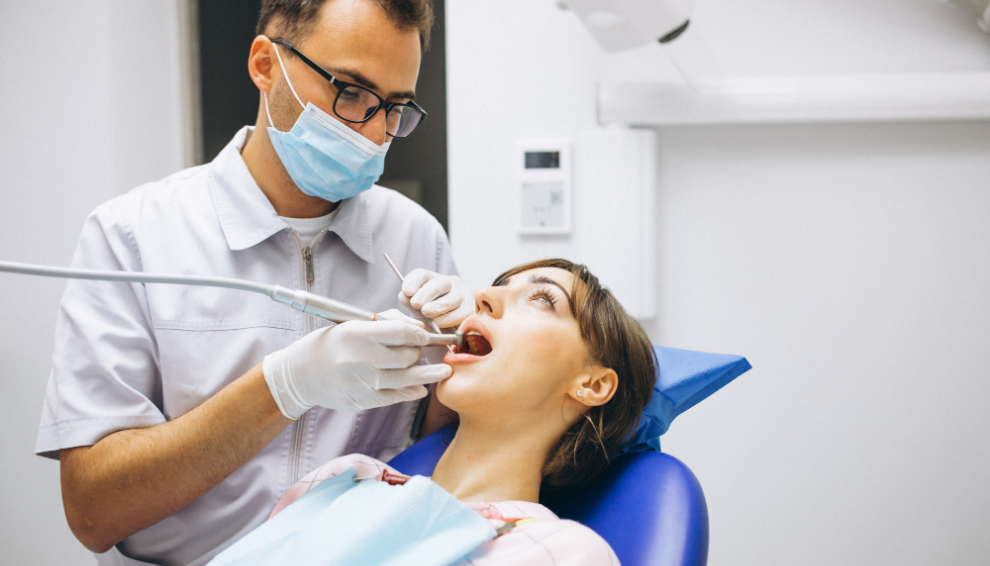
Dental Care and Dental Technology

Here are a few ways that modern technology has and is transforming dental care solutions: 

Better Toothbrushes

The toothbrush is one of the most basic yet necessary tools for optimal dental care. Simple toothbrushes that sell for a few dollars at your local grocery store can do the job. However, it’s even better when you get a toothbrush that gets down deep and ensures you’re brushing correctly.

For example, you can find your regular battery-powered toothbrush that helps you brush in a way that ensures better cleaning.

However, you could take technology in dental care a step further and find a high-tech toothbrush that can sync with an app on your phone for brushing feedback. How could you do anything but get really clean teeth with a toothbrush like this? 

Water Pik For Deeper Cleaning

You’ve been told to floss since you’ve had teeth. Unfortunately, not everyone is great at flossing. However, with options like the Water Pik, cleaning your teeth more efficiently becomes easier than ever. 

It can get deep between teeth and below your gumline, effectively removing plaque and food that may not be easy to get.

A lack of flossing often causes gum disease and decay, so a Water Pik can help to fix this problem. Water Piks can help you reverse gingivitis and care for your teeth better. 

Better Materials For Crowns And Implants

Beyond your home dental care, your dental labs also use modern technology that makes a world of difference in your oral health.

With better materials and technology for everything from simple crowns to dental implants, you can trust your dental work and care to be more effective and longer lasting for years.

It also means safer dental care and better overall health as dentists use materials designed for longevity and safe use for your body. 

Tracking Technology

Did you know that there are now options for tracking your oral health? This can help you prevent serious issues due to the ability to track things like bite changes and force and teeth grinding.

Additionally, it can even take care of your pH level so that you can be “warned” of ways to take care of your teeth and visit your dentist to get oral support. 

This can go hand in hand with going in for regular dental cleanings, so you can be sure to get the kind of cleaning and oral hygiene that will help you keep dental decay at bay.

Dental hygienists are trained to spot issues, helping you to get the dental care you need before your oral health is at risk. 

Robotic Support

While not quite there just yet, robotic systems in dentistry are being developed. It will help dentists have more precision in their surgeries and dental procedures than in years past.

While we’re not yet dependent on robots for our dental care, and maybe we won’t be entirely, the kind of precise support this technology can provide appeals to many people who want to ensure optimal dental care and reduce human error. 

How Has the Dental Industry Changed in the Past 10 Years?

The field has revolutionized in the past ten years due to advancements in 3D printing, laser dentistry, and digital photography.

For example, digital X-rays offer sharper images for precise diagnosis while reducing radiation exposure by up to 90% compared to conventional techniques.

Similarly, dentists may now build crowns on the same day, removing the need for numerous visits, thanks to innovations like CAD/CAM (computer-aided design and manufacturing) technology.

In addition to increasing patient comfort, this development has increased procedure accessibility and efficiency.

According to a report by Grand View Research, the global dental equipment market is expected to grow by 7% annually, driven by technological breakthroughs. These innovations are bridging gaps in preventive care and treatment, offering a brighter future for patients.

It’s safe to say that modern technology has redefined dental care for the better. It is making healthy smiles more achievable than ever.  

Benefits of Modern Dental Technology

Advancements in dental technology are reshaping the patient experience, making visits to the dentist more efficient and less daunting.

These innovations promise a smoother journey through dental care for busy families and individuals grappling with dental anxiety.

Enhanced Diagnostics and Treatment Planning  

Digital x-rays and 3D imaging allow dentists to capture detailed images of teeth and gums, leading to more accurate diagnoses.

This technology minimizes misdiagnoses and facilitates personalized treatment plans, enabling early detection of issues like cavities or gum disease. As a result, patients can avoid more invasive procedures down the line.

Less Invasive Procedures  

Gone are the days of painful dental experiences. Innovations such as laser dentistry and digital impressions have transformed procedures into less invasive ones, significantly reducing discomfort.

Faster Treatments for Busy Lives  

With CAD/CAM systems, same-day restorations are now a reality. Patients no longer have to wait weeks for crowns or other restorations, streamlining the entire process from diagnosis to treatment. This efficiency is particularly advantageous for families with tight schedules, It ensures that quality care does not come at the expense of time.

Empowering Patient Engagement  

Modern dental technology also enhances patient involvement in their care. Tools like intraoral cameras allow patients to see what their dentist sees, fostering transparency that reduces anxiety. This engagement empowers patients to make informed decisions about their treatments.

Keep Your Smiles On!

Dental care has only gotten better with modern technology. From the dental care you do at home to how dentists treat you, technology is improving our oral hygiene and care so that we can have better oral health more simply and effectively.

Read Also:

A passionate writer and an avid reader, Soumava is academically inclined and loves writing on topics requiring deep research. Having 3+ years of experience, Soumava also loves writing blogs in other domains, including digital marketing, business, technology, travel, and sports.

View all posts

Leave a Reply

Your email address will not be published. Required fields are marked *

Related

Best Cardiologist In India

FAQ About Finding The Best Cardiologist In India: Your Comprehensive Guide

Heart health is a priority, and finding the right cardiologist is crucial to ensuring a healthy and vibrant life. This blog aims to address your frequently asked questions, offering insights and guidance as you try to find optimal cardiac care and the best cardiologist in India. Cardiology In India: Your Path To Heart Health The Significance Of Cardiac Care India's healthcare scene boasts diverse cardiology specialists, each dedicated to exceptional care for heart-related concerns. Whether you are seeking preventive screenings, diagnosis, or treatment, India's cardiologists blend medical expertise with a patient-centric approach. Navigating Your Questions: Expert Insights For Heart Health 1. Why Should I Consider A Cardiologist In India? Cutting-edge technologies and world-class expertise characterize India's medical landscape. Cardiologists in India can access advanced diagnostic tools and offer a holistic approach to heart health, ensuring you receive comprehensive care tailored to your needs. 2. How Do I Begin My Search For The Best Cardiologist? Start by seeking recommendations from trusted sources, such as your primary care physician, family members, and friends. Online platforms that provide directories of healthcare professionals can also be valuable resources to explore. 3. What Qualifications Should I Look For In A Cardiologist? Look for a board-certified cardiologist who has completed specialized training in cardiology. Board certification is a testament to a cardiologist's expertise and commitment to maintaining the highest standards of patient care. 4. Should I Consider A Cardiologist With A Subspecialty? Depending on your heart health concerns, a cardiologist with a subspecialty may be beneficial. Subspecialties in cardiology can include interventional cardiology, electrophysiology, and heart failure. Choosing a cardiologist with relevant expertise ensures you receive targeted and effective care. 5. How Can I Evaluate A Cardiologist's Experience? Research the cardiologist's experience by reviewing their credentials, reading patient reviews, and learning about their professional affiliations. Experience is key to ensuring knowledgeable and competent care. 6. What Role Does Technology Play In Cardiac Care? Cardiac care has evolved with technological advancements. Inquire about the diagnostic tools and treatment options at the cardiologist's clinic. A cardiologist who embraces modern technology demonstrates their commitment to providing the latest and most effective solutions. 7. How Can I Ensure A Comfortable Doctor-Patient Relationship? During your consultation, assess how well you communicate with the cardiologist. A strong doctor-patient relationship is built on effective communication and trust. Feeling comfortable discussing your concerns is essential for a successful partnership. 8. Are Second Opinions Recommended? Seeking a second opinion is a valuable approach, especially for significant cardiac decisions. A second opinion can provide additional insights and confirm the recommended treatment plan. 9. What Diagnostic Tests And Procedures Are Available? Inquire about the range of diagnostic tests and procedures offered by the cardiologist. From echocardiograms to stress tests, understanding the available options helps you assess the clinic's capabilities in accurately diagnosing heart conditions. 10. What Are The Treatment Approaches Offered? Discuss the treatment approaches the cardiologist specializes in. Whether it's medication management, lifestyle modifications, or surgical interventions, understanding the range of treatments available ensures you receive comprehensive care personalized to your needs. 11. What About Collaborative Care With Other Specialists? Cardiac care often involves collaboration with other specialists, such as cardiac surgeons and nutritionists. Inquire about the cardiologist's approach to multidisciplinary care and their network of healthcare professionals. 12. How Does The Specialist Approach Preventive Cardiology? Preventive care is a cornerstone of heart health. Ask the cardiologist about their approach to preventive cardiology, including risk assessment, lifestyle recommendations, and strategies for minimizing the risk of heart disease. 13. Is Patient-Centricity A Priority? Understanding the cardiologist's philosophy on patient-centricity can provide insights into their approach to care. A cardiologist who prioritizes your concerns, preferences, and individual needs is more likely to provide an individualized and effective treatment plan. 14. Are Patient References Available? Ask if the cardiologist can refer past patients who have received care for similar conditions. Speaking to other patients can give you firsthand insights into the cardiologist's expertise and the overall patient experience. 15. How Are Emergency Situations Handled? Inquire about the cardiologist's approach to emergencies and how they handle urgent cardiac cases. Knowing you're in capable hands during critical situations offers peace of mind. Conclusion: Your Heart Health, Your Choice Finding the best cardiologist in India is a testament to your commitment to heart health. You're making an informed choice that aligns with your well-being by seeking answers to your frequently asked questions and considering factors such as qualifications, experience, technology, patient testimonials, and second opinions. Your heart health is precious, and by selecting the right cardiologist, you're taking a proactive step toward nurturing it. With thorough research and careful consideration, you ensure that your efforts towards optimal heart health are one of empowerment and confidence. Read Also: Best Paying Jobs In Medical/Dental Instruments Is Medical/Dental Instruments A Good Career Path How Many Jobs Are Available In Medical/Dental Instruments?

READ MOREDetails
Angioedema Treatment

A Comprehensive Guide To Angioedema Treatment

Angioedema is a medical condition characterized by sudden swelling beneath the skin. We aim to equip readers with a comprehensive understanding of the available options, ranging from medications to lifestyle modifications and emergency care. Whether you are a healthcare professional seeking to expand your knowledge or an individual searching for effective management strategies, this guide will be invaluable. Common Treatments for Angioedema Antihistamines, such as Benadryl or Zyrtec, are often the first line of defense and can help reduce symptoms by blocking the release of histamine, a substance responsible for swelling. Corticosteroids like prednisone are prescribed to reduce inflammation and relieve symptoms. In more severe cases, epinephrine may be administered to rapidly reduce swelling, particularly in angioedema triggered by an allergic reaction. However, it's important to note that medication alone may not be sufficient to manage angioedema, and other treatment options may be necessary. In cases where allergens trigger the condition, identifying and avoiding these triggers is crucial to prevent future episodes. Some individuals may benefit from allergen immunotherapy, a long-term treatment that gradually reduces sensitivity to specific allergens. In more severe and recurrent cases of angioedema, a specialist may recommend using C1 esterase inhibitor replacement, which can help prevent swelling attacks. How Lifestyle Changes Complement Angioedema Treatment Lifestyle changes can significantly complement angioedema treatment and help individuals manage their symptoms more effectively. One crucial lifestyle change is identifying and avoiding triggers that can cause angioedema episodes. These triggers can vary from person to person but may include certain foods, medications, insect bites, or environmental factors such as extreme temperatures or stress. Another necessary lifestyle change is to adopt a healthy diet and maintain a healthy weight. Eating a balanced diet rich in fruits, vegetables, whole grains, and lean proteins can boost the immune system and reduce inflammation, which may help prevent angioedema episodes. Additionally, maintaining a healthy weight can reduce the strain on the body and improve overall health, potentially reducing the risk of angioedema. Managing stress levels is also crucial in complementing angioedema treatment. Stress can be a trigger for angioedema episodes and can exacerbate symptoms. Engaging in stress-reducing activities such as meditation, exercise, or practicing mindfulness techniques can help individuals manage their stress levels and prevent flare-ups of angioedema. When to Seek Medical Help for Angioedema While mild cases of angioedema may resolve independently without medical intervention, sure signs should not be ignored. If the swelling affects the throat or causes difficulty breathing or swallowing, immediate medical attention should be sought. This is because angioedema involving the throat can lead to a potentially life-threatening condition known as anaphylaxis. Prompt medical attention is crucial when angioedema involves the throat, causes breathing difficulties, or is accompanied by severe pain, fever, or a rash. By seeking medical help promptly, individuals can receive the necessary treatment and management strategies to deal with angioedema and its potential complications effectively. Living with Angioedema: Long-Term Management Strategies One key aspect of managing angioedema is identifying and avoiding triggers that may induce an episode. Common triggers include certain foods, medications, environmental factors, and stress. Keeping a detailed diary and working closely with a healthcare professional can help identify specific triggers and develop an individualized management plan. In addition to trigger avoidance, medication is often necessary for long-term management of angioedema. Antihistamines, such as cetirizine or loratadine, are commonly prescribed to help minimize the release of histamine and reduce swelling. In cases where antihistamines are insufficient, corticosteroids or other immunosuppressive medications may be prescribed to control inflammation and prevent swelling. Individuals living with angioedema should also be prepared for emergencies. It is essential to always carry an epinephrine auto-injector for immediate use in case of severe swelling that may lead to anaphylaxis. An emergency action plan should be in place, detailing the signs and symptoms of a severe attack and the steps to take, including when to administer the epinephrine auto-injector and when to seek immediate medical assistance. Read Also: 5 Face Washes For Dry Skin Type Oral Health: A Window To Your Overall Health Parasitic Infections Of The Intestinal System, Skin, And Eyes

READ MOREDetails
Medical Billing Errors

Common Medical Billing Errors And How Software Fixes Them

An authentic stream of revenue is needed for your medical practice to be efficient and profitable. However, you may need optimized billing efforts to avoid some challenges. Some medical billing problems you may encounter include client complaints and delayed payments. Bear in mind that these problems are capable of hurting your medical practice. Your primary task should be getting rid of those medical billing errors by fixing them. Billing errors are now common, but there are ways to fix them. Various software has been developed to help with practice management and reduce the chances of running into a medical billing problem. This software provides a medical billing solution that makes practice easy and smooth. This article will focus on the common medical billing errors you might face in your medical practice and tell you how software fixes those errors. Medical billing: Explained Medical billing is important in the healthcare industry. It involves the processing and submitting of healthcare claims to insurance companies so that medical services offered to patients by providers can be reimbursed. Medical billing is a complicated process with many steps, like claims submission, denial management, coding payment posting, and charge capture. Medical billing ensures that healthcare providers get their payment timely and accurately for services provided, which is vital for financial stability. An understanding of billing regulations and medical coding is needed for medical billing to be effective. Effecting billing also requires the potential to find your way around complex insurance systems. Excellent problem-solving and communication skills are must-haves for medical billers. This will help them resolve issues that might arise in the billing process. Electronic medical records (EMRs), electronic health records (EHRs), and electronic billing systems have risen. These systems have reduced errors and streamlined the billing processes. In essence, medical billing is challenging and complex; the task requires expertise and specialized knowledge. Medical billing is a vital role that must be addressed in the healthcare industry. Healthcare providers must receive reimbursement for services rendered n a timely and accurate manner. Despite the priority given to this medical billing process, various issues are bound to occur. These issues can make cash flow slow, claims can be denied, and financial difficulties may arise. Medical billing errors Let us explore the most common medical billing errors. 1. Data entry errors This billing error is prevalent. It occurs when incorrect information is entered into the billing system. Some errors may include procedure codes, insurance information, and patient demographics. Data entry errors increase administrative costs, delayed payments, and claim denials. To prevent this error, healthcare providers should conduct regular audits to ensure accuracy and implement a double-entry system. 2. Coding errors When a medical service is assigned a wrong procedure code or the code is not specific, a coding error occurs. Coding errors lead to fraud allegations, delayed payments, and claim denials. With proper training of staff in medical coding, this error can be prevented. Healthcare providers should also ensure that they update their coding manuals regularly. 3. Upcoding and down coding Upcoding occurs when a healthcare provider bills for an expensive service than what was provided. Downloading occurs when a healthcare provider bills for a service that is less expensive than the provided one. Upcoding and down coding are fraudulent activities that can result in and attract legal actions and fines. Billing practices must be based on detailed and accurate documentation to prevent this error. 4. Duplicate billing Billing for the same service multiple times is duplicate billing, which occurs accidentally. Duplicate billing happens when a claim is resubmitted due to a technical error or intentionally as a fraudulent practice. Note that duplicate billing leads to legal actions, delayed payments, and claim denials. Implement a system to track and reconcile all claims to prevent duplicate billings. 5. Coordination of benefits errors This occurs when two or more insurance companies are responsible for a medical service payment, and a disagreement arises about who is responsible for the payment. Coordination of benefits errors can lead to increased administrative costs, delayed payments, and claim denials. Healthcare providers must ensure that their patient’s insurance information is updated and accurate. 6. Out-of-network errors Errors like this occur when the healthcare provider bills for services an out-of-network insurance provider provides. This comes up when a patient receives medical services from a provider outside their outlined insurance network. Out-of-network errors lead to increased administrative costs, delayed payments, and claim denials. Educate patients about insurance coverage and be sure that they obtain prior authorization for out-of-network services. How to fix them with software? Here are some ways software can be used to fix medical billing errors and improve the financial health of a healthcare practice. 1.   Automated claims management Automated claims management software is one of the best strategies to stop medical billing mistakes. Before submission to insurance companies, this software may automatically examine claims for mistakes and inconsistencies. Automated claims management software decreases the likelihood of claim denials and delayed payments, which may check for coding mistakes, duplicate billing, and other frequent problems. Eliminating the need for manual claims review and resubmission can save healthcare providers time and money. 2.   Electronic health records EHRs can improve medical billing efficiency by automating certain aspects of the process. For example, EHRs can automatically generate billing codes based on the services provided, reducing the risk of errors related to manual coding. The advancements in EHR software development have been pivotal in enabling these automations and ensuring the accuracy of medical billing and coding. EHRs can also facilitate submitting claims to insurance providers, reducing the time and resources needed to complete this task. Patient outcomes can be improved by healthcare providers by providing them with a complete picture of their patient's medical histories. By having access to comprehensive medical records, healthcare providers can make more informed decisions about patient care and avoid mistakes related to incorrect or incomplete information. 3.   Real-time eligibility verification Real-time eligibility verification software can help healthcare providers improve their revenue cycle management by reducing the time and resources needed to verify insurance information. By automating checking patient eligibility and coverage parameters, healthcare providers can free up staff resources and focus on delivering high-quality patient care. The software can also improve the accuracy of insurance information by reducing the risk of errors related to manual data entry. By automatically verifying insurance information in real-time, healthcare providers can ensure they have the most up-to-date and accurate information before providing medical services. 4.   Automated payment posting Automated payment posting software can help healthcare providers improve their revenue cycle management by reducing the time and resources needed to process payments. By automating the posting of payments from insurance companies, healthcare providers can free up staff resources and focus on delivering high-quality care to their patients. Automated payment posting software can also improve payment processing accuracy by reducing the risk of errors related to manual data entry. By automatically matching payments to the corresponding claims, healthcare providers can ensure that payments are processed accurately and promptly. 5.   Data analytics Data analytics tools can help healthcare providers track key performance indicators (KPIs) related to their revenue cycle, such as days in accounts receivable, collection rates, and net revenue. By monitoring these metrics, healthcare providers can identify areas of their revenue cycle that need improvement and implement strategies to optimize their financial performance. These tools help healthcare providers identify opportunities to streamline their operations and reduce costs. For example, by analyzing supply usage and waste data, healthcare providers can identify areas where they can reduce waste and save money. 6.   Automated denial management This software can help healthcare providers identify patterns in claim denials, allowing them to improve their billing processes to prevent future denials. By streamlining the appeals process and reducing the number of denied claims, healthcare providers can improve their revenue cycle management and ultimately increase their bottom line. Automated denial management software can provide real-time insights into claim status and help healthcare providers prioritize which claims to focus on. This can be especially helpful for practices that handle large claims or have limited staff resources. It is a valuable tool for healthcare providers looking to improve their revenue cycle management and reduce the time and resources spent on manual appeal procedures. 7.   Patient payment portals Patient payment portals can also improve patient satisfaction by offering a convenient and secure way to pay medical bills. Patients can access their payment history, view outstanding balances, and set up payment plans through the portal. This level of transparency and control can help reduce patient anxiety and promote trust between patients and healthcare providers. It also saves healthcare providers time and resources by automating payment processing and reducing the need for staff to handle payment transactions manually. This can allow healthcare providers to focus on delivering high-quality care and improving patient outcomes rather than on administrative tasks. Conclusion Medical billing errors are a significant problem that can lead to financial loss and legal action for healthcare providers and patients. Healthcare providers can improve their revenue cycle management by implementing effective strategies to prevent these errors and ensure high-quality patient care. Software programs help streamline billing practices to provide better care to patients. Try using software to fix your medical billing errors to experience swift medical billing processes. Read Also: How Can A Dallas Functional Medicine Doctor Help You? How Can Healthcare Staffing Benefit You? American Healthcare and its Woes

READ MOREDetails