Published on: 18 January 2021
Last Updated on: 24 December 2024
It’s difficult to choose the right workout gear. There are so many factors to consider, and the list of available gear is endless! Here are six steps you can take to make sure you’re choosing the right workout gear no matter what you’re going after.
Here are the 6 Steps for Choosing the Best Workout Gear:
1. Choose the right materials
When it comes to workout gear, choosing the correct materials is one of the most important steps. The materials that your workout gear is made of can determine how comfortable you are when you work out, how sweaty you get, and more.
Firstly, avoid cotton workout clothes. Cotton doesn’t ‘wick away’ sweat like some other materials, and instead becomes wet quickly and doesn’t dry. This can lead to skin irritations and general discomfort, among other issues. Instead, choose materials like polyester, spandex, or polypropylene. These materials ‘wick’ sweat away instead of leaving it on you.
2. Consider the weather
Consider the time of year and the climate while you’re exercising. Choose warmer clothing if you’re going to be exercising outside during the fall or winter. Adding a well-fitting hoodie to your workout gear during these colder months is a great way to stay warm while you’re sweating it out.
Of course, during the summer you should try to avoid wearing heavier clothing or clothing that won’t wick sweat away easily. Exercising outside doesn’t need to be uncomfortable.
3. Choose the well-fitting gear
The fit of your workout gear is more important than you might think, whether you’re exercising on a machine or not. Choosing exercise clothes that fit you well and sit close to your body is important. You won’t get caught in machines, and materials that wick away sweat will have an easier time getting it away from your body.
That doesn’t mean you need to wear tight clothing. You should always choose clothing that is comfortable and somewhat loose. Yoga pants, workout shorts with liner, leggings, and other fitted clothes are great as well! Just make sure that you don’t wear clothing with loose legs or arms while working with exercise equipment, as it’s easy for the fabric to get stuck and you might get injured.
4. Be stylish
Even when you’re working out, your gear is an expression of your personality. Make sure that you choose the gear that you like. Choose something stylish and fun! Whether you’re looking at patterned workout pants or a hoodie with a unique style for those cold-weather workouts. Represent your favorite sports team or your favorite charity with logos, stickers, and branded workout gear (as long as it fits your other requirements!). Style doesn’t stop when you enter the gym!
5. Supportive shoes are key
Shoes are an important piece of your workout gear, so you have to get them right! You should choose shoes that are supportive all the way around, whether that means supporting your foot’s arches or keeping your ankles straight and secure.
Choose shoes that are breathable and comfortable on your feet. Adequate cushioning throughout the shoe is recommended, as it can help absorb the shock from certain high-motion workouts. Again, choose shoes that fit your style but asl o offer the most support, cushion, and comfort.
6. Accessorize!
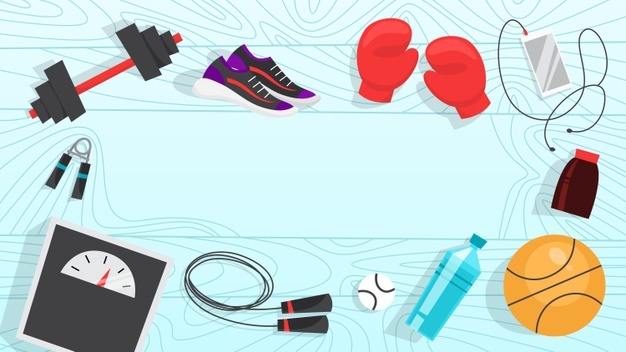
There’s more to workout gear than just clothing and shoes. From your gym bag to your water bottle and more, there are a million ways to express yourself with your workout gear. If you like to listen to music while you work out, make sure to choose sweat-resistant or waterproof headphones that won’t fall out of your ears with lots of motion.
Your water bottle can be just about anything you want it to be, but don’t discount this step while choosing your workout gear. It’s important to stay hydrated, and a reusable water bottle is a great way to do that.
When it comes to choosing any accessories, consider that you’ll be moving, sweating, and more while using them. Represent your personality and have fun with your style!
Conclusion
Workout gear is difficult to shop for because there are so many options. From your accessories to your clothes, shoes, and more, it’s important to do research and investigate how you’ll use the gear, what it’s made of, and more. Don’t forget to have fun with your looks and style!
Read Also:
Abdul Aziz Mondol is a professional blogger who is having a colossal interest in writing blogs and other jones of calligraphies. In terms of his professional commitments, he loves to share content related to business, finance, technology, and the gaming niche.
With the help of workout splits, you can divide your workout routine throughout the week. Here, the division is such that it focuses on specific muscle groups. In fact, it is a great option to choose if you want to add variety and structure to your training regime. This way, you can train different regions of the body.
In this article, you will learn about workout splits and their importance for all-round training regimes. Apart from that, this article will also explain different types of workout splits and how to choose the one that suits you the best. Moreover, you will also learn tips to effectively perform workout splits. Hence, to learn more, read on to the end of the article.
What Are Workout Splits?
Workout splits are really helpful if you are looking for ways to structure your exercise regimen. For instance, it is not possible to do a full-body workout daily. Also, it is not a way if you want to maximize your results. In such cases, workout splits help a lot.
Basically, with a workout split, you can work on different parts of your body on different days of the week. This way, you also give enough time to your muscles to recover after wear and tear that happens during a workout.
Hence, with this divide-and-conquer approach, you can focus your efforts accordingly to train each part of your body daily. This is a really good way if you want to optimize your training results.
Here, you are not working out without a goal by just joining a gym. In fact, you have a goal that you are breaking down with a plan. In this case, workout splits help you to work as per your plan. Hence, you can work not only harder but smarter, too. As a result, you will end up with faster and better results.
Major Types of Workout Splits
The type of workout splits can vary as per the goal of the person. For instance, if your goal is to improve athleticism, your splits will be different from ones that focus more on aesthetics or someone whose plan is to gain strength. Hence, it is important to learn about different types of workout splits:
1. Body Part Workout Split
In this workout split, you have to train one/two body parts per training session twice every week. Actually, this workout split is a popular option among bodybuilders. This is because such a split lets them train their muscles more often. For example, you train back with biceps one day and chest and triceps the next.
2. Upper-Lower Workout Split
With this workout split, you can train the upper body one day and train the lower body on the other. In fact, this is a good option for beginners and people who are on a tight schedule. If your focus is to get stronger when you are starting to train your muscles, this is a good option to consider.
3. Push-Pull-Legs Workout Split
This works similarly to the upper-lower workout split. However, you actually divide the workout into three days: pushing, pulling, and lower-body training. This type of workout split is a great option if you focus on powerlifting. For example, you can build your program like this: pushing, pulling, and squats.
The Benefits of Workout Splits in Training
The following are the major advantages of workout splits that you will benefit from:
1. Focused Training
Focused training is one of the major benefits of workout splits where you train specific muscle groups. Also, you will get better muscle recovery between workouts since you are dedicating separate days to different muscle areas in your body. Apart from that, workout splits also ensure better workout intensity since you are targeting each area of your body.
On the other hand, with a workout split, you can also get shorter workout sessions. Moreover, you have the ability to address different imbalances in your muscles since you get chances to train weaker areas of your body. Hence, there shall be all-round muscle growth and fitness.
2. Better Muscle Growth
As you dedicate a full workout session to different muscle groups, you get the chance to target these muscle groups with more exercises. Hence, you will have high volume and muscle growth. However, this is something that you will not get with a full-body workout.
3. More Recovery Time
As you follow a workout split routine, you are giving your muscles adequate rest days between training sessions. Thereby, you do not end up overtraining your muscles. Hence, your muscle recovery is better. Also, if you have a busy schedule, using splits helps you create shorter workout sessions. Hence, exercise fits easily into your schedule.
4. More Workout Intensity
By using workout splits, you are only working on a few muscle groups per workout. As a result, you can push your muscles with heavy workouts. Hence, you can stimulate your muscles more. Moreover, you can also train your weak muscle groups that are weaker than other muscles.
Choosing the Right Workout Split: How to Create One?
The right workout split depends on factors like training, goals, experience, recovery needs, weaknesses, and more. Depending on your bodybuilding needs, you can choose your type of workout split. However, if you are a beginner who is starting out bodybuilding, a full-body workout is more helpful.
The following are the factors you must consider when you are selecting your workout split:
Training Experience: If you are a beginner, you should start with simple splits and must mostly stick to full-body workouts. However, if you are an advanced individual, you can try complex workout splits.
Training Goals: With different goals, workout splits change. For instance, if you want muscle training, you can choose body part workout split. On the other hand, if you want to save time, you must choose the upper-lower workout split. Moreover, the push-pull-leg workout split works more for powerlifters.
Frequency of training: If you train two to three days per week, you need a full-body workout. However, if you train 5-6 days per week, you must start with workout splits.
Tips for Effective Workout Splits
Before you create your workout split, you must always consider your fitness level, goals, schedule, and recovery time. This will help you create a workout split that tailors to your needs and demands. The following are a few tips you must consider if you want to create effective workout splits:
Your fitness levels matter. For instance, if you are a beginner, you must go with a full-body workout. On the other hand, as an advanced individual, you can try a workout split like push-pull-legs.
Be consistent and sure about your workout schedule. Hence, you can design a split that fits your needs and demands.
When you have sufficient days for rest, you can ensure muscle repair. Also, you can prevent muscle strain due to overtraining.
If you want to have optimal strength gains, you must focus more on compound movements. Here, you work in different muscle groups simultaneously.
Common Mistakes to Avoid and Precautionary Steps
Here are a few precautionary steps you must take if you do not want to end up with no results:
1. Do not start with workout splits if you are a beginner. As a beginner, you need a full-body workout with a resting day between two workout days.
2. After you train a muscle area after a workout, make sure there are adequate rest days in between. This allows for better muscle recovery.
3. When you are working out, make sure to gradually increase its intensity, repetition, or weight. This will help you with growth as you progress.
4. Once you include different workouts for the same muscle groups, you end up targeting different muscle fibers. This helps in all-around muscle growth.
5. To get the best results, make sure to have the right form while you lift weights.
Start Workout Splits Now
Now you know the importance of workout splits and how they work to produce better results. However, if you are preparing for a split training program, make sure to prepare beforehand. Moreover, keep track of your exercises and make sure to have rest days for recovery.
Do you have more suggestions on how to create workout splits? Please share your ideas and opinions in the comments section below.
Read Also:
8 Motivations to Start Up Health & Fitness
Guide to Understanding Training, Strenght Cycles and Alternatives
Marijuana is the drug of choice in case of post-operation pain. There is a common belief that it is not an addictive drug, but this is not the ultimate truth.
It is estimated that around 9% of the people around the world using pot will eventually become addicted to it, while approximately 25-50% are those who used to smoke on a daily basis.
In this article, you will learn how to perform marijuana detox. This article will give you a step-by-step guideline on how to get out of the habit of using marijuana. Also, you will learn how to get over your marijuana cravings. Hence, to learn more, read on to the end of the article.
Marijuana Detox: A General Overview
Detoxification is the method used to remove the harmful amount of the substance that is accumulated in the body. Detox from drugs and marijuana is essential for people who are trying to quit the use of the drug but in vain.
This is helpful for those who are suffering from marijuana use disorders. Apart from that, it is also helpful for those who are trying to clear the THC from their systems. Moreover, mothers who are desperate to protect their children’s health can also benefit from this detox guide.
Many people try to get a reputable job. However, they fail due to addiction and need help to get rid of this habit.
Moreover, others use marijuana in combination with many other drugs like heroin, cocaine, etc. They can get an advantage out of marijuana detox due to the chances of higher risks during multiple-drug withdrawal.
Guidelines for an Effective Marijuana Detox
The initial stages of marijuana withdrawal can be severe during the detoxification. Following are the seven guidelines for an effective marijuana detox:
1. Realize the Reason for Detox
Firstly, when you try to quit smoking pot on your own, do you find it difficult to do so? Do you start having cravings whenever you are depressed? Do you munch on junk foods often due to smoking pot? Make a list of all of these questions arising in your mind when it becomes difficult for you to continue your detox process.
2. Start Eating Healthy
Start eating lean meat, fruits, pulses, and vegetables instead of sugar and alcohol. Replace your regular meals with foods with high fiber and water content, like broccoli, cucumber, beetroot, etc., that help you remove as many toxic substances from your system as possible.
3. Work Out Regularly
The detox will eliminate the excessive amount of the drug from your body. Then, you will feel lightweight and more energetic but no channel is there for you to utilize this energy. For this purpose, a regular workout is the best way out to keep you physically fit and active.
Basically, the THC that your body accumulates will move out of your system gradually as you start burning your fat.
4. Stay Hydrated
As you eliminate marijuana from the body through urination or perspiration, you need to take plenty of fluids. You can add such substances in your water that will boost up the detox action like lemon, cucumber, ginger, cinnamon, etc.
5. Start Supplementing
Once you start the detox process, then vitamins in the form of supplements help raise the rate of flushing the drug out of the body.
For instance, Niacin and Vitamin B3 commonly trigger the elimination of toxins as it is used to dilate the blood vessels by increasing the histamine level. So, one tablet once a day is enough to increase the detox process.
6. Find A Detox Partner
When you register in a detox clinic then there will be many others who are in the same boat. Generally, they will act as a support system for you. This will help you to focus more on your goal and help you to achieve it.
7. Don’t Push Yourself To The Extreme
Detoxification is a slow and steady process. Hence, you can’t get rid of the drug overnight. You need to be relaxed and have the patience to go through the whole procedure and just avoid such things that trigger the cravings for the drug so you continue to refrain from drug use.
Other Marijuana Detox Options
When you are starting your detox, it is better to perform some online research. Here, you must realize that you have multiple options to try. However, it is better to use natural detox options rather than artificial ones.
Apart from that, stay away from weed. Although it is as obvious as it sounds, it is not easy to do since you have an addiction to it. Here, you must stay away from people who smoke weed and consume marijuana.
No matter how close they are to you, you have to do it for your own sake. Rather, stay with people who are health-conscious and focus more on detox.
Moreover, when you start your marijuana detox process, make sure to have a plan in place. This will help you stick to your goal. In fact, a goal without a plan ends up being just a wish.
Start Your Marijuana Detox Now
When you are starting a marijuana detox, make sure to take it slow. Understand that it takes time to get over marijuana. To be successful in your goal, make sure to eat and drink healthily and exercise daily.
Apart from that, if you team up with similar people who want to start marijuana detox, you will not lose motivation.
Do you have more suggestions on how to start marijuana detox? Please share your ideas and opinions in the comments section below.
Read Also:
What’s It Like In A Drug Recovery Center?
What You Need To Know About Inpatient Rehabilitation Facility
How Does Recreational Marijuana Affect Your Sex Life
Whether you need a solution for pain management, a sleeping issue, anxiety, or general health maintenance, there are a host of cannabidiol products that can serve as a treatment option. One of the most potent options is CBD oral drops, which can be infused into food and beverages or be used on their own. The best palace to source the tincture from are online pharmacy stores.
These stores are made up of large pharmaceutical chains, smaller local pharmacies, and other lawful organizations that sell medication online. Although physical pharmacies and specialty stores stock cannabis-based products, the inconvenience of visiting these stores and following ques and filling forms is daunting. This is the main reason why most patients prefer online shopping.
Online medication orders require no paperwork and usually take only 5-10 minutes to complete. Besides supplying medication to consumers at low prices, these platforms are accessible 24-7 which provide patients with the flexibility of ordering medication at any time.
These platforms also give patients a complete look at the benefits of using products such as CBD oral drops and their effects on the physical and mental being.
Mistakes to Avoid When Buying CBD Oral Tincture:
In the old days, when people felt even an inkling of an illness, they would instinctively visit the local apothecary for a solution. These stores stocked naturally derived/based treatments that could manipulate both the body and mind into a state of wellness.
Since then, a lot has changed as now we look to chemical or synthetic based treatments to heals what ails us. However, the prevalence of side effects has been soaring into the nerve-wracking territory, which deters patients from getting treatment.
The discovery of the cannabidiol compound in cannabis plants came as a welcomed relief at the time as patients now had a naturally-based treatment solution that is both effective and safe. The cannabidiol compound was originally processed or transformed into a handful of products, one of them being cannabidiol tinctures.
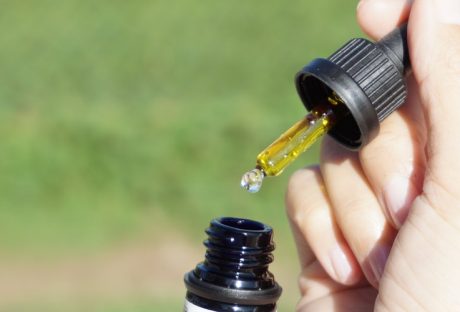
Tinctures are liquid substances that contain varying amounts of the cannabidiol compound along with other naturally derived products. The CBD drops gained traction in the industry quite quickly, which made way for counterfeit products.
Thus, experts advise that the following guidelines be followed when buying cannabidiol tinctures:
Do not buy the cheapest tincture available
Do your homework, expand your knowledge on essential aspects of a product before purchase
Make sure the tincture is non-GMO & organically sourced
Do not assume all CBD drops are the same as some can be sourced from the hemp plant while others are sourced from the marijuana plant. This results in differing compound content
Ensure that the tincture you choose to purchase has certification or verifiable proof of its compound's origin
Our CBD Oil Drops and Tinctures Different?
Most consumers assume that cannabidiol oil and tinctures are the same product because of their visual appearance however, this assumption is misguided. These products cannot be used interchangeably and should be used following each product's dosage and usage practice. Unlike cannabidiol oil, tinctures contain lower levels of the active CBD compound, making them ideal for beginners.
Tinctures have a longer shelf life–between 14 and 24 months and have a higher bioavailability than CBD oil drops. This means that more significant amounts of the CBD compound are absorbed by the body rather than eliminated. The cannabinoid compound is essentially extracted from the cannabis plant and processed into a liquid form.
Various substances such as glycerine, cinnamon, and peppermint oil are added to the liquid-based to create a tincture. The CBD oral tincture is suspended under a 60-70% ratio of distilled alcohol. The alcohol content in the tincture serves as a preservative and increases the rate at which the product is absorbed by the system as well.
Other ingredients included in tinctures are:
Essential vitamins like B12, D, C, etc
Essential oils like basil, lavender, etc
Water
Herbs
Melatonin
Sweeteners
Origins of the CBD Oral Tincture:
Cannabidiol compounds can be administered in many ways, as shown by the several forms it is available. The cannabidiol compounds therapeutic benefits can be extracted by dabbing, eating, drinking, or applying it topically to the skin.
Among the most popular administration practices are all methods that involve cannabidiol tinctures. Unlike other cannabidiol products primarily made from cannabis leaves and stems, tinctures are produced from cannabis flowers. It is made by steeping flowers or cannabidiol isolates in high-proof grain alcohol, then leaving the brew on low heat for an extended period of time.
This procedure allows the active compounds in the cannabis flower to infuse with the neutral alcohol spirit, much of which is boiled off thereafter. The result is a potent liquid tincture that can deliver the effects of the cannabinoid molecules without using smoking or other forms of combustion as a delivery method.
Tincture Dosing:
When it comes to cannabidiol products, most consumers discard dosing guidelines due to the compound's natural origins. Although using the cannabidiol products acutely or chronically is relatively safe, adverse effects are still a possibility.
These adverse effects are commonly induced by non-adherence to dosage or usage instructions. Cannabidiol-infused products such as tinctures should be used according to dosage guidelines as the agent is concentrated.
Tinctures were designed to be taken in small doses thus, each bottle comes with a built-in dropper. This administration tool helps users take small, carefully measured doses. Since tincture doses are small, they can be administered in a variety of ways.
The most popular being food or beverage incorporation. No matter which administration method you choose, the standard recommended starting dose is 1-2 drops a maximum of 3 times a day. Once ingested, the tincture is absorbed rapidly into the bloodstream, which means it produces effects pretty fast.
According to experts, patients will experience effects just 15 minutes after consumption however some users may feel effects at a later stage, up to 45 minutes later. The delayed effects are often due to several factors such as body weight, age, underlying conditions, medication currently being used, and more.
Read Also:
CBD: The understanding of its benefits
Are CBD Lotions Good For Your Skin?
How CBD Oil Capsules Are Changing People’s Lives














 When it comes to workout gear, choosing the correct materials is one of the most important steps. The materials that your workout gear is made of can determine how comfortable you are when you work out, how sweaty you get, and more.
Firstly, avoid cotton workout clothes. Cotton doesn’t ‘wick away’ sweat like some other materials, and instead becomes wet quickly and doesn’t dry. This can lead to skin irritations and general discomfort, among other issues. Instead, choose materials like polyester, spandex, or polypropylene. These materials ‘wick’ sweat away instead of leaving it on you.
When it comes to workout gear, choosing the correct materials is one of the most important steps. The materials that your workout gear is made of can determine how comfortable you are when you work out, how sweaty you get, and more.
Firstly, avoid cotton workout clothes. Cotton doesn’t ‘wick away’ sweat like some other materials, and instead becomes wet quickly and doesn’t dry. This can lead to skin irritations and general discomfort, among other issues. Instead, choose materials like polyester, spandex, or polypropylene. These materials ‘wick’ sweat away instead of leaving it on you.
 Consider the time of year and the climate while you’re exercising. Choose warmer clothing if you’re going to be exercising outside during the fall or winter. Adding a well-fitting hoodie to your workout gear during these colder months is a great way to stay warm while you’re sweating it out.
Of course, during the summer you should try to avoid wearing heavier clothing or clothing that won’t wick sweat away easily. Exercising outside doesn’t need to be uncomfortable.
Consider the time of year and the climate while you’re exercising. Choose warmer clothing if you’re going to be exercising outside during the fall or winter. Adding a well-fitting hoodie to your workout gear during these colder months is a great way to stay warm while you’re sweating it out.
Of course, during the summer you should try to avoid wearing heavier clothing or clothing that won’t wick sweat away easily. Exercising outside doesn’t need to be uncomfortable.
 Even when you’re working out, your gear is an expression of your personality. Make sure that you choose the gear that you like. Choose something stylish and fun! Whether you’re looking at patterned workout pants or a hoodie with a unique style for those cold-weather workouts. Represent your favorite sports team or your favorite charity with logos, stickers, and branded workout gear (as long as it fits your other requirements!). Style doesn’t stop when you enter the gym!
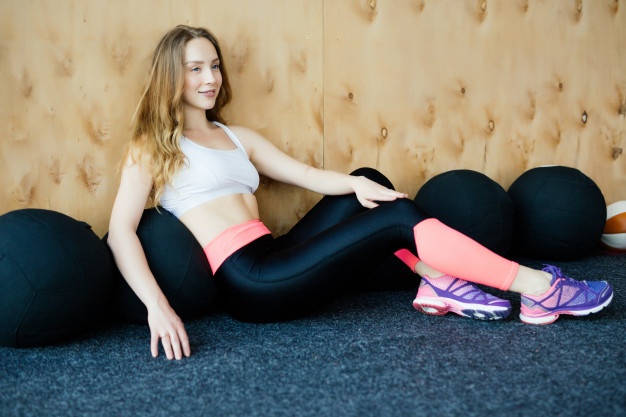 Shoes are an important piece of your workout gear, so you have to get them right! You should choose shoes that are supportive all the way around, whether that means supporting your foot’s arches or keeping your ankles straight and secure.
Choose shoes that are breathable and comfortable on your feet. Adequate cushioning throughout the shoe is recommended, as it can help absorb the shock from certain high-motion workouts. Again, choose shoes that fit your style but asl o offer the most support, cushion, and comfort.
Shoes are an important piece of your workout gear, so you have to get them right! You should choose shoes that are supportive all the way around, whether that means supporting your foot’s arches or keeping your ankles straight and secure.
Choose shoes that are breathable and comfortable on your feet. Adequate cushioning throughout the shoe is recommended, as it can help absorb the shock from certain high-motion workouts. Again, choose shoes that fit your style but asl o offer the most support, cushion, and comfort.