











Things To Take Under Consideration When Selecting A Large Cold Storage Portable Building

Published on: 29 May 2018 Last Updated on: 09 August 2019
Consideration

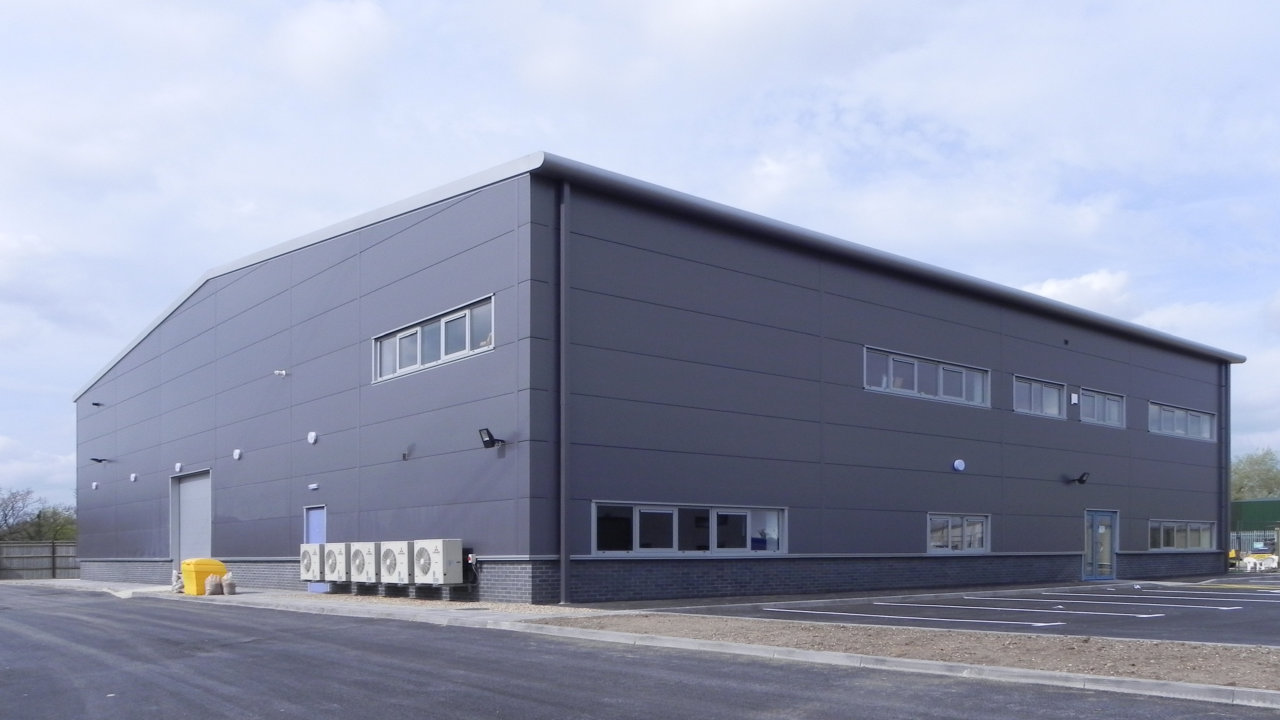
In general, the purpose of a roof is to keep the building’s interior safe and dry from all the elements.  However, in terms of roofing used in cold storage facilities, it isn’t sufficient for it to just be water-tight. Energy-efficient and vapor-tight roofing systems are special types of requirements. The following are several different variables that need to be considered when designing and constructing cold storage warehouses or large portable buildings. They include equipment, doors, and flooring systems, and whether or not you are incorporating any type of value-added service offerings. The following are four different things that need to be considered for your roofing system for a cold storage building:

Type of roof :

  • Insulation material
  • How the roof is connected to the walls
  • Roof installation method

 Let’s take a close look at the important things you need to know and why this matters.

1. Single-ply roofing: the top vapor-tight option :

There are several different roofing options that are available for industrial and commercial buildings.  A flat roof is a common choice, with three of the common categories being single-ply roofs, modified bitumen, and built-up roofs.  Both modified and BUR roofs (in addition to hybrids of those two options) have multiple layers comprised of a thicker blended system.  Those types can be thought of as lasagna-like stacks that are comprised of several layered materials, for BUR it is gravel and tar, or there are also modified roofing sheets that are made with asphalt that is modified with either asphalt, plastic or rubber, along with insulation.

2. A continuous thermal envelope is created :
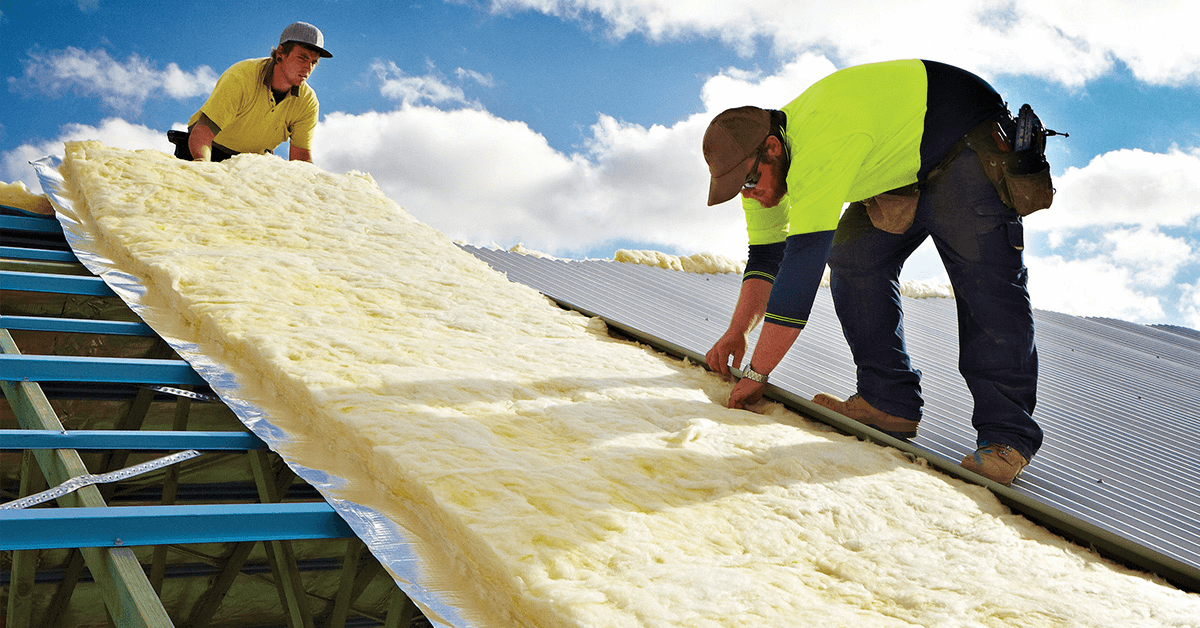
 Single-ply

Vapor seals that are improperly designed may cause leaks, and that can lead to frost, snow or ice build-up.  Typically freezer will show signs of vapor leaks – like ice buildup in doorways, penetrations, and corners – before other spaces within a cold storage facility. Most likely coolers will indicator vapor leaks through signs of dripping water or surface moisture at times – similar to what appears on a glass of cold beverage on a day that is warm.

3. Select the right type of insulation :

An entire building is affected by heat gain or loss in a roof.  Effective insulation is especially important in a cold storage facility. Refrigerated facilities need to have greater insulation compare to the standard type that is used in typical building for energy efficiency to be maximized. Having roof insulation layers that are staggered help to increase a roof’s thermal efficiency and reduces air movement inside of the system. Roof insulation gaps should be minimized by using field foaming in large gaps and foamed perimeter connections in some cases at the roof-to-wall connections.  In addition, a reflective, light-color roof can help to minimize excess heat absorption.

4. Don’t cut corners on your installation :

In addition to the roofing materials, it is critical to have a high-quality installation of a roof system to ensure overall performance and effectiveness of the envelope of a building. You could have all of the best elements in an ideal roofing system.  However, what good will that do you if the installation isn’t done right? There are many roofers available, however, a cold storage facility needs to have a unique roof system and a specialized team is needed that understands the variables, restrictions, and needs that are involved.  Make sure that you work with a qualified and knowledgeable installer who is experienced in the refrigeration and cold storage market.

Potential consequences :

What might happen if the roof system on your refrigerated roof system installed properly by a roofing expert?  It means that your building is at a higher risk for developing vapor leaks, and those repercussions can right from being unattractive to be physically dangerous to humans:

 Food safety risks: Outside contaminants can be introduced into the building by vapor leaks, and excessive moisture coming from these leaks can promote the growth of bacteria.

-Worker safety hazards: Ice buildup and condensation can produce slip hazards.

– Higher utility bills: If there is any warm air that is leaking into your facility, then you will have to spend more money to cool it down and removing moisture will be even more difficult.

Overworked equipment: When warm air leaks in, it results in your refrigeration system needing to work harder in order for the optimum moisture and ambient temperature to be maintained, which can increase maintenance frequency and shorten its lifespan.

Aesthetic damage: Excessive amounts of moisture may result in your facility having unattractive staining.  That identifies the problem visually but may also mean your visiting customers are left with a negative impression.

Possible structural damage – When ice builds up in the slabs and wall joints they can grow in size and swell, which over time can cause unseen or visible structural damage.



Content Rally wrapped around an online publication where you can publish your own intellectuals. It is a publishing platform designed to make great stories by content creators. This is your era, your place to be online. So come forward share your views, thoughts and ideas via Content Rally.

View all posts

Leave a Reply

Your email address will not be published. Required fields are marked *

Related

Assisted Living Facility

10 Essential Tips For Finding The Right Assisted Living Facility

Choosing an assisted living facility for yourself or a loved one is a big decision. And make no mistake, it's not easy. But with the right approach, you can find a place that feels like home.  Read on for ten essential tips to guide you through the process. 1. Start Early Don't wait for a crisis. For those who have decided to go about finding assisted living, begin your search well in advance.  This gives you time to explore options without pressure. You can visit multiple facilities and ask plenty of questions. Starting early means less stress and better decisions. 2. Determine Your Needs And Preferences Make a list of must-haves and nice-to-haves. Consider medical needs, lifestyle preferences, and social activities.  Do you need memory care? How about physical therapy? What about religious services or cultural programs? Knowing what you want helps narrow down your choices. 3. Location, Location, Location Think about proximity to family and friends. It matters. A convenient location means more visits and better support.  Consider the neighborhood, too. Is it safe? Are there parks or shops nearby? The right location can greatly improve the quality of life.  4. Assess The Staff Pay attention to the staff during your visits. Are they friendly and attentive? Do they seem rushed or stressed?  The quality of care often depends on the staff. Ask about staff-to-resident ratios and turnover rates. Happy staff usually means happy residents. 5. Check For Safety Features Safety is crucial in assisted living. Look for emergency response systems in rooms. Check for handrails in hallways and bathrooms.  Are the floors non-slip?  How about the lighting?  Don't forget to ask about their emergency procedures. A safe environment brings peace of mind. 6. Evaluate The Living Spaces Take a close look at the accommodations. Are they clean and well-maintained? Do they feel homey? Check out both private and shared spaces.  Look for storage options and accessibility features. Remember, this will be someone's home. It should feel comfortable and inviting. 7. Review The Services And Amenities Different facilities offer different services. Some provide basic assistance with daily living, while others offer extensive medical care.  Look into meal options, housekeeping services, and transportation. Don't forget about social activities and fitness programs. The right mix of services can greatly enhance quality of life. 8. Understand The Costs Assisted living can be expensive. Get a clear breakdown of all costs. What's included in the base rate? What costs extra? Ask about potential future price increases.  Check if they accept long-term care insurance or Medicaid. Understanding the financial aspect helps avoid surprises down the road.  9. Read The Fine Print Carefully review the contract before signing. Look at the admission and discharge policies. Understand the billing practices. Check the rules about visitors and overnight stays.  If something's unclear, ask for clarification. Don't hesitate to have a lawyer review the contract if needed. 10. Trust Your Instincts After all the research, don't ignore your gut feeling. Does the facility feel right? Can you picture yourself or your loved one living there?  Sometimes, intuition can guide you to the best choice. If something feels off, it probably is. Keep looking until you find a place that feels just right. Remember, finding the right assisted living facility takes time and effort. But it's worth it. The right place can provide comfort, care, and a sense of community. It can greatly improve the quality of life for seniors. So take your time, do your research, and make an informed decision. Your future self (or your loved one) will thank you for it. What Are The Advantages & Disadvantages Of An Assisted Living Facility Considering a move to an assisted living community? To make an educated decision, it’s important to understand the positives and negatives. Here, we lay out both sides of the equation. Pros Of Assisted Living One big advantage of this type of living is the peace of mind it provides. Knowing that help is always available.  Whether it’s with daily tasks like bathing, dressing, or managing medications can be incredibly reassuring. You or your loved one can maintain a sense of independence, while still having access to support when needed. Another perk is the sense of community. Residents can socialize with others through organized activities, communal dining, and shared spaces.  This can reduce feelings of loneliness and isolation, which is especially important for seniors. Wouldn’t it be nice to know that you or your loved one will be surrounded by peers and friendly faces? Facilities also have many on-site services that can really simplify your life. From housekeeping and laundry to meal preparation, these services free up your time for more enjoyable activities. In addition, many facilities offer fitness programs, transportation services, and even beauty salons or barber shops, which add a level of convenience and quality of life. Cons Of Living In An Assisted Living Facility On the flip side, there are a few potential downsides to consider. Firstly, the cost can be a major concern. Assisted living is typically expensive, and most insurance plans don’t cover it. Do you understand what the monthly fee does and doesn’t include?  Are there any additional services that require extra fees?  How will these costs deplete long-term savings? Secondly is the loss of independence. While help is available if needed or requested, some people find that the structured setting of assisted living feels restrictive or institutional to them.  Will you or your loved one chafe under new rules and schedules? Some seniors miss the freedom to come and go as they please in their own homes. Choose Wisely! Finally, not all facilities are created equal. Some may only be able to provide a certain level of medical care, requiring a move to another facility as health needs progress. Does the facility you’re looking at have the capacity to care for future health issues? Ultimately, it’s a very personal decision and one that should be based on your own preferences in addition to your financial resources and long-term goals. Visit different facilities, ask lots of questions, and go with your gut. You’ll know when you’ve found the right fit because it feels just right! In terms of a good fit between independence, support, and comfort. Read Also: All You Need to Know About Pool Maintenance Services Best Essential Tips While Renting a Warehouse in Mumbai Why do modern people prefer Coliving to other housing options?

READ MOREDetails
Moving home checklist

Moving home checklist: What you need to know

They say that moving home is one of life’s most stressful events. However, to make the process as streamlined as possible, we have compiled a quick-moving home checklist in collaboration with Yopa so you don't have to worry about forgetting vital items when making the leap into the wild blue yonder. 6 weeks before the move : Plan how you are going to move. If you need to hire a van, decide whether you want to load it yourself or whether you want a professional packing crew. Vehicles tend to get booked up rather quickly, so make a reservation well ahead of time. If you do decide to move your items yourself, you will need to get boxes and gradually get everything packed. Clear the loft, clear any rubbish you have, and make sure that every item that you take to your new home is something that you need or want to keep. Expect several trips to the local charity shops or to the local tip. 4 weeks before the move : Now is the time to inform various suppliers that you will be moving house. Utilities, mobile phone companies, banks, and care providers need to be told, as does your local council and employer. If you can arrange a continuation of service to your new home, great – it will make the move so much simpler. Don't forget to update various websites, especially those that deliver (Amazon and eBay in particular!). You can also arrange for the Royal Mail to redirect your post from a specific date. You also want to consider emptying your freezers and fridges and gradually eating all the items in them. Make sure you also get everything from the back of the cupboards. The average British home only has a few weeks' worths of supplies so prepare for some interesting meal combinations over the next few weeks – tomato soup with peas, anyone? 1 week before the move : Pack, pack, pack! You need more boxes, packing tape, bin bags and everything else than you ever thought possible. Work your way through all your items, packing up the least used first and saving the major stuff for last. On the day itself, you definitely don't want to have to do any packing apart from the few items that you need to function. 2 days before the move : Prepare a travel bag with two days' worth of clothing and the toiletries that you'll need. In addition, check around and make sure that you haven't left anything in the garden, the shed or the loft. All of these places can result in last-minute panics if you don't take care of them in advance. Your house should mostly be boxes with only large items remaining. It's moving day! : By now, everything should be packed, so all you have to do is move your earthly possessions into the vehicle. If you've paid for a moving and packing service, just sit back and relax – it's being done for you. Once everything is out, vacuum the floors, pick up your travel bags, drop the keys off (if necessary) and head to your new home. Don't forget to order a takeaway when you get there — unpacking is hard work, and if you arrive there late, you might want to crawl into a sleeping bag and have a good snooze. Perhaps have a bottle of champagne on ice too… Read Also : 6 Things You Must Know Before Selling Your Home How To Sell Your House Fast?! Five Must-Know Tips To Move Your Property! 6 Expert Tips For Finding The Right Home To Buy

READ MOREDetails
Flipping Houses

Real Estate Syracuse NY Investment: Flipping Houses

The real estate business is undoubtedly a booming sector. Whether you’re buying properties as an investment or selling properties for profit, you can definitely earn some real big buck in the business. There’s another way of earning in real estate, though, and that is flipping houses. What Is Flipping Houses? This is a practice in the real estate industry wherein one buys a property at a low price and sells it at a high price, so profit is gained. Those who are seasoned in the business say that gaining large profit in flipping houses does not happen overnight and in one transaction. The flipping business is a number’s game; the more houses you flip, the more profit you get. Two Kinds of Flipping: Fix and flip: This is the common flipping that people know of. This requires a good sum of capital as you buy a house and then do some fixes before you sell it at a higher price. After fixing the house, if you’re not a broker yourself, you’ll then hire a professional broker like those from CNY Realtor to make sure that you get the best value out of your flipping investment.   Nontraditional flipping or flipping of contracts: Even if you don’t have the funds or a good credit score to borrow a large sum of money, you can still engage in flipping. There are two important persons that you need to have though: A cash buyer who will purchase your property right away for a fast returnWhere to find your cash buyers? You can check your connections if you’ve got some rich friends who are willing to invest. You can employ online marketing strategies to attract cash buyers. You can check your local registry as to who made cash purchases for the past 30–90 days and then contact them one by one regarding your property on sale. A motivated seller who is willing to sell his or her property at a low priceClues to look out for in finding a motivated seller: In checking online, look out for keywords on postings such as “urgent sale,” “below market value,” or “for urgent disposal.” Check properties under some type of lien, for instance, tax lien. Take some time to drive through a specific neighborhood, and look out for a messy front yard and empty houses. Whichever of the two you’ll be doing, you must carefully execute these three to make money in flipping houses: Choose the hottest locations: Don’t limit yourself in your area. Check for locations where buyers are currently flocking in buying properties. For flipping purposes, it’s not advisable to go with highly urbanized locations if you’re still starting as it will cost you a fortune. Consider these viable locations when flipping: Counties with recent developments Beach areas with scenic potential Small cities near highly commercialized ones Know the average price of the property: We’re not only talking here of the price you’ll be paying for the property but how much the cash buyer is willing to pay for it. You need to know the right price for yourself and the buyer, so your property gets sold and you’ll earn. Follow these to check the average price on various markets: Get the cash transactions in the past 30 days in the area where you’re eyeing to buy a property. Check out some websites that can help you determine the retail prices. Compare the retail prices provided and identify the average gap. The average gap is the amount you’ll use to know how much you’ll mark upon the property as it’s around that estimated price other buyers have purchased their properties on. Pick the right property: Once you have already picked your location and you already know how to calculate the price gap, this is the crucial part. Choosing the right property can make or break your flipping. How to look for properties in your chosen location? Browse the MLS. Check listing websites. Talk to people in the area. Check out houses that may be repossessed. Earning in real estate flipping does not only involve a startup capital. It needs a proper strategy and critical thinking; money alone can take you nowhere. Grow your connections, do your homework, and exert extra effort in finding the right property to flip – the right mix of these can help your success in the flipping business. Read Also: How Real Estate Factors Into Business Decisions Finding The Best Mortgage Lenders To Buy Your Dream House

READ MOREDetails