Published on: 03 February 2021
Last Updated on: 24 December 2024
How to Take Your Vehicle to the Next Level
As any car aficionado will tell you, the base model is only the first step to owning a truly pimped-out ride. If you’re currently rolling in a luxury brand like a BMW, Mercedes, or Lexus – that’s a great start – but there are ways you can take your ride to the next level. Consult the following ten tips for ways to elevate your ride, from interior to exterior.
Tip #1 – Window Tinting
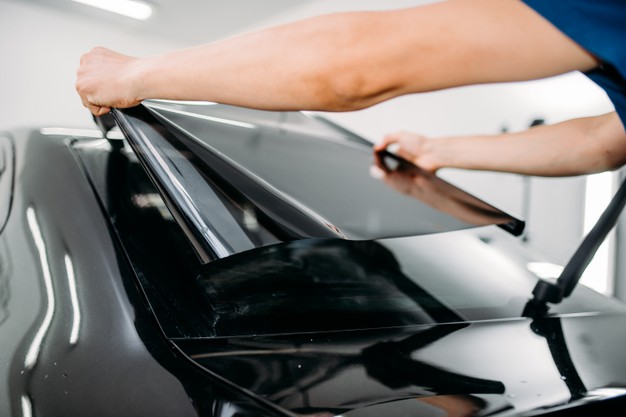
Not only does tinting your windows keep the temperature in your car down, provide valuable privacy, and reduce glare, it also looks insanely cool. Car tinted windows add an air of mystery to any vehicle, and they’re also one of the more affordable customizations that you can make – typically running under $300 for the entire job. Car window tinting in San Diego typically only takes a few hours.
Tip #2 – Stereo
A great stereo is a must-have for any tricked-out vehicle, and there are so many options these days that it’s easy to find something with all the features you could ever want. When it comes to stereo shopping, make sure to get something that’s got the aesthetic you like and voice features that keep you as hands-free as possible. Many stereos these days have Apple Carplay or Android equivalent so you can have your text messages read to you while you’re driving.
Tip #3 – Sound
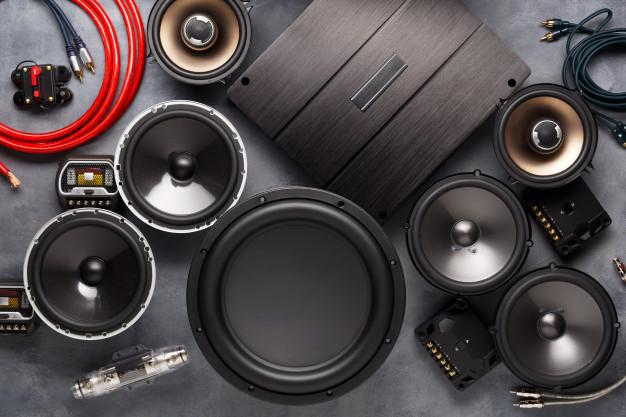
A cool stereo is only as good as the sound system it’s pumping out of. Remember, factory speakers aren’t usually built to last because they’re assembled out of weaker materials, such as cardboard. Invest in a quality system so you can make sure that your car sounds as good as it looks.
Tip #4 – Wheels
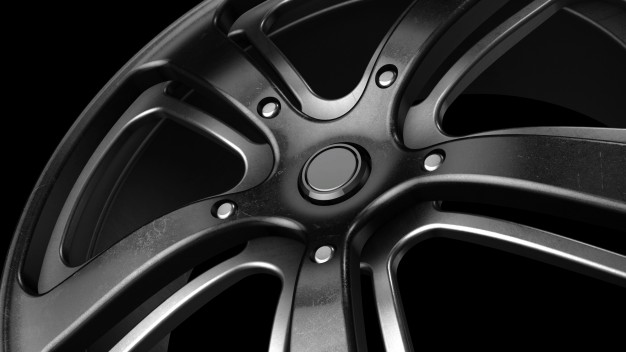
Although the top-of-the-line brands are going to run you a pretty penny, there’s no better investment to pimping out your ride than a brand-new set of wheels (aka rims). The best part about wheel shopping these days is the customization options on the design and finish are nearly infinite. You can really personalize your ride with the right set.
Tip #5 - Lighting
Don’t let nightfall keep people from noticing your ride. With custom lighting packages that are installed on the body and undercarriage of the car, you can get supremely cool lighting effects in several different colors. They’re the perfect touch for when you slip into dark mode.
Tip #6 – Seat Covers/Custom Seating
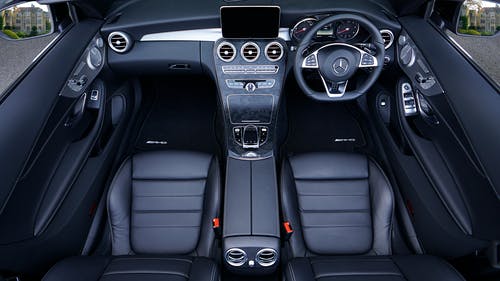
Run-of-the-mill factory seating doesn’t quite cut it if you’re looking to pimp out your ride. Fortunately, there are several options now for custom seating and seat covers so that your interior can reflect your personal style. Look into racing seats if you’re a driver that appreciates speed as much as style.
Tip #7 – Spoiler
This is the cherry on top of any car that you’re trying to make a little sportier, and it’s not just for looks. A spoiler is going to give your car better traction by improving the airflow around the car, therefore creating more downforce. It’s a cool addition that also has a useful function.
Tip #8 – Steering Wheel
When it comes to personalized luxury vehicle options that you know you’ll use every drive, then you’ll want to get your hands on a custom steering wheel. You’ll not only have full control over the shape, size, and style of the wheel, you can even pick out the type of fabric that you want.
Tip #9 – Paint Job & Exterior Finish
Nothing makes a car pop more than a high-quality paint job and finish, especially if you can invest in a non-factory color to distinguish yourself from the thousands of models like yours. And when you’ve landed on a shade of paint that speaks to you, don’t forget to top it off with a protective film to ensure it doesn’t get chipped or damaged.
Tip #10 – Camera Systems
Pimping out your ride doesn’t stop at how the world sees your car. It also means giving your car the ability to see. Yes, we’re talking about camera systems, which can automatically make a car more fun (and safer) to drive because you’ve got an extra set of eyes looking out for you. These come in handy if you’re not great with parallel parking on the street.
Prioritize Then Buy:
We’ve covered ten of the most popular options for pimping out your ride, but there are limitless ways to customize your vehicle. What we recommend is prioritizing your top three or four and investing from the top down. This way you know the front-end money of what you’re buying is going towards the mods that are important to your car’s overall look and feel.
Read Also:
Content Rally wrapped around an online publication where you can publish your own intellectuals. It is a publishing platform designed to make great stories by content creators. This is your era, your place to be online. So come forward share your views, thoughts and ideas via Content Rally.
In the automotive world, one crucial term is a warranty. This terminology underscores a significant aspect of car ownership that can save owners a heap of money should things go wrong. But what does a warranty cover? Specifically, what does a powertrain warranty involve? Keep reading to learn more.
Understanding The Basics Of Powertrain Warranty Coverage
The term warranty strikes a familiar chord amongst car owners, and often, the term powertrain does, too. This specific type of warranty covers the components that propel your vehicle.
This includes major parts like the engine, transmission, and drivetrain. For most, the powertrain warranty is a safety net of sorts, safeguarding them against unexpected and costly repairs linked to these components.
Powertrain warranties typically cover mechanical defects and failed parts due to faulty manufacturing. The duration of this type of warranty may range from a few years to the vehicle's lifespan, depending on the manufacturer's terms.
However, it's important to understand that these warranties do not cover mishaps, improper maintenance, or general wear and tear issues. Consequently, having this knowledge at your fingertips helps you understand the protection you have with your vehicle under the powertrain warranty coverage.
Key Components Included in Powertrain Warranties
The crux of a powertrain warranty lies within exactly what it encompasses. Predominantly, it covers three primary parts of the vehicle: the engine, the transmission, and the drivetrain. The engine, being the heart of the vehicle, includes an array of parts, including the pistons and crankshaft.
The automatic or manual transmission consists of gears that help transfer power from the engine to the drivetrain. This component is crucial for the vehicle's movement. So, a malfunctioning transmission may render your car stagnant.
Finally, the drivetrain, either front-wheel drive, rear-wheel drive, or all-wheel drive, relies on the transfer of power from the engine to move the wheels. Any defect in this component will adversely impact vehicle mobility.
Essential Factors To Consider When Shopping For A Powertrain Warranty
When shopping for any warranty, specifics are key. With a powertrain warranty, pay close attention to the terms and conditions. They indicate what is and isn’t covered. Clarity on these details aids in avoiding unpleasant surprises in the future.
Consider the duration, too. How long does the warranty last? Does it span the vehicle's part of the lifespan or the entire lifespan? This information is vital as it impacts your vehicle maintenance and budgeting decisions.
Also, consider the warranty's transferability. In some cases, warranties can be transferred if you decide to sell the vehicle, which could increase the car's value.
Furthermore, take note of the warranty provider's reputation. A warranty is only as good as the company standing behind it. Therefore, researching the provider's record on claim handling and customer satisfaction is essential.
The Role of Powertrain Warranty in Vehicle Maintenance and Budgeting
A powertrain warranty plays a core role in vehicle maintenance and budgeting. Its presence helps maintain the vehicle's vital components, ensuring its long-term performance and functionality. The coverage for expensive repairs protects against unforeseen financial strains.
For instance, engine and transmission repairs can run into thousands of dollars. By covering these potential costs, a powertrain warranty helps car owners draw up a more accurate and stable budget for vehicle maintenance.
In addition, the warranty fosters regular maintenance of the covered components, improving vehicle value over time. Regular maintenance can also mitigate serious problems that could potentially land the car in major repair situations.
Overall, a powertrain warranty is instrumental in reducing financial uncertainty, protecting your investment, and maintaining your vehicle's health and value.
A powertrain warranty can serve as a lifeline against costly repairs due to inherent mechanical issues, preserving your vehicle's performance. Altogether, armed with the right information, you can make an informed decision on whether a powertrain warranty is beneficial for you and your vehicle.
Keep Learn About:
What Does Elon Musk Have In His Vehicle Fleet?
What Type Of Vehicle Is Ideal For Off-Road Driving?
Benefits of car title loans include ease, speed, and lack of influence from your credit score to name a few. However, one must remember that ‘easy cash’ is never truly easy and treat this method of financing as an extreme case aid that it is.
5 Most Important Benefits of Car Title Loans :
1. A quick source of cash :
The process of taking out a car title loan is so simple, you’ll have money on hand within a few hours. You won’t even need to collect any specialized paperwork to apply. The majority of lenders only require a simple form that you can complete in under 10 minutes.
2. Your credit score is irrelevant :
Any car owner can get this type of loan as long as their vehicle is worth more than the loan amount and they have a source of income. Your credit score won’t even be asked when applying for auto title loans.
3. Your car stays with you :
One of the most important benefits of car title loans is that you don’t have to give up your car after taking one. That’s why this financing method is so great as you won’t be deprived of an asset that you need to make money for repaying the debt. Note that you can even take out this loan in order to pay for car repairs.
4. Interest rates are lower than payday loans :
The majority of payday loans and various cash advances that are often used as a quick source of cash have very ‘unfriendly’ terms. That’s because those financing options are extremely risky for the lender as they literally give you money for free. You can get some idea of how ‘not cheap;’ those loans are from the PEW Charitable Trusts statistics. Car title loans, on the other hand, have default collateral, which is your vehicle. This enables the lenders to cut down the interest rates and make the overall terms more favorable.
5. Flexible payback schemes :
Paying off a car title loan will be easier than many other quick cash options because these plans are very flexible. Due to the collateral, lenders feel more secure and therefore are open to negotiations. You can definitely hope to get a long-term installment plan adjusted to your personal needs.
One Warning About Auto Title Loans :
First of all, you need to understand that this warning does not negate the benefits of car title loans in any way. Instead, like any warning, it’s here to remind you not to abuse the good thing that this financing offers. It’ might be easy to fall into the trap of ‘easy money’ illusion and take out a greater loan than you are able to handle.
To prevent this, you should consider your reasons very carefully. Do you need cash badly? Is your situation an emergency? When will you be able to get the money needed to pay off the debt?
Take out this loan only if your answer to the first two questions is ‘yes’. The last one is necessary to plan out the best payback scheme for your circumstances.
Read More :
Invest In A New Car, Without A Financial Liability
How To Get An Auto Loan At A Low-Interest Rate
How To Get A Loan On A Day With Bad Credit?
Investing in a car in British Columbia transcends traditional notions of mobility and enters the realm of strategic financial planning. In a market flooded with countless models, certain car brands stand out for their potential to be sound investments. When purchasing a new or used vehicle from top car brands, services like Houston Car Shipping can make it easier to transport your car safely if you are buying from out-of-state dealers or relocating.
This blog delves into the car brands renowned for maintaining value, durability, and brand prestige, making them prudent choices for savvy investors.
1. The Resilience of Luxury Brands: Mercedes-Benz and BMW
Mercedes-Benz epitomizes luxury and performance, making it a top choice for investors. Its models, from the executive-class S-Class to the sporty AMG range, are known for retaining value thanks to timeless aesthetics and engineering prowess. BMW's lineup, including the popular 3 Series and luxurious 7 Series, is celebrated for blending dynamic driving experiences with cutting-edge technology, ensuring a high resale value.
2. Japanese Reliability: Toyota and Honda
Japanese brands Toyota and Honda are everywhere in British Columbia and are synonymous with reliability and value retention. Toyota's range, particularly the Camry and Corolla, offers vehicles known for their longevity and consistent demand in the used car market. Honda's lineup, including the Civic and Accord, boasts durability and efficiency, making these cars a smart investment for those seeking value over time.
3. The Allure of American Muscle: Ford and Chevrolet
American muscle cars, particularly from Ford and Chevrolet, offer unique investment opportunities. The Ford Mustang, with its rich heritage and evolving design, has a cult following that often sees older models appreciate in value. Chevrolet's Camaro, another icon in the muscle car world, combines performance with nostalgic appeal, making it a sought-after model among collectors and enthusiasts.
4. The Rise of Electric Vehicles: Tesla
Tesla's impact on the electric vehicle (EV) market makes it a noteworthy brand for investors. Models like the Tesla Model S have disrupted the auto industry with innovative technology and electric propulsion, becoming collector items. As the pioneer in EV technology, Tesla vehicles have become very popular on the streets in British Columbia and are anticipated to be valuable assets in the future automotive collector market.
5. Premium SUVs: Land Rover and Porsche
Luxury SUVs, especially from brands like Land Rover and Porsche, command a significant presence in the investment market. Land Rover’s Range Rover, renowned for its off-road prowess and luxury features, tends to hold its value well over time. Porsche's SUVs, particularly the Cayenne and Macan, offer the performance of a sports car with the functionality of an SUV, making them appealing to a wide range of buyers.
6. The Exclusivity of Supercars: Ferrari and Lamborghini
Supercars from Ferrari and Lamborghini are more than mere vehicles; they are investments in automotive art. Ferrari’s models, such as the F8 Tributo and 812 Superfast, are known for their exclusivity and often appreciate in value. Lamborghini’s vehicles, including the Huracán and Aventador, are coveted for their dramatic designs and limited production runs, ensuring a high demand among collectors in BC.
7. The Dependable Swedes: Volvo
Volvo's commitment to safety and quality makes it a unique contender in the investment market. Classic models like the P1800 and newer innovations like the XC90 hybrid are gaining attention for their investment potential. Volvo's focus on sustainability and safety, combined with its distinct design philosophy, makes certain models particularly appealing to niche collectors.
8. The Classic Appeal: Volkswagen
Volkswagen holds a special place in the world of automotive investments, especially with its classic models. The Beetle, one of the most recognizable cars globally, has a dedicated following and certain models have seen an increase in value. The Microbus, another iconic Volkswagen vehicle, has become a collector's item, with restored and well-maintained versions fetching high prices.
9. The British Elegance: Jaguar and Aston Martin
British car manufacturers Jaguar and Aston Martin are renowned for their elegance and performance. Jaguar’s classics like the E-Type and modern vehicles like the F-Type are known for their beauty and engineering, making them attractive for investment. Aston Martin, the brand famous for its association with James Bond, offers models like the DB11 and Vantage that are not only exhilarating to drive but also hold their value well due to their exclusivity and craftsmanship.
10. The Tech-Savvy Choice: Audi
Audi stands out for its blend of technology, performance, and design. Models like the Audi A8 and the R8 combine advanced engineering with luxurious features, making them desirable in the resale market. Audi’s commitment to innovation, especially in areas like autonomous driving and electric powertrains, positions certain models as potentially valuable investments for the future.
11. The Performance Giants: McLaren and Porsche
McLaren and Porsche are revered in the realm of high-performance sports cars. McLaren, with its racing heritage, offers vehicles like the 720S and the GT, known for their speed and advanced aerodynamics. Porsche’s 911 and the 718 Boxster/Cayman series are not just thrilling to drive but also tend to maintain their value, thanks to their iconic status and timeless design.
12. The Unique Appeal of Subaru and Mazda
Subaru and Mazda offer unique investment potential with their distinct approach to car manufacturing. Subaru’s vehicles, particularly the WRX and the Outback, are known for their all-wheel-drive capabilities and robust build. Mazda’s MX-5 Miata, celebrated for its driving dynamics and affordability, has a loyal fanbase and models in good condition have been known to appreciate in value.
Driving Towards the Future: Making Informed Car Investment Decisions
Investing in or financing a car in British Columbia requires considering various factors, including brand reputation, model history, and potential for appreciation. From the luxury and performance of Mercedes-Benz and BMW to the timeless appeal of classic Volkswagens, and the innovative edge of electric vehicles like Tesla, the market offers diverse opportunities. Whether it's the robustness of Japanese brands, the allure of American muscle, the exclusivity of supercars, or the unique charm of classic and high-performance vehicles, each brand and model presents its own set of advantages for investment.
Read Also:
Best New Cars For Teenagers
Important Tips To Maintain Your Luxury Car
Reap The Benefits Of An EV Charger Rebate In California













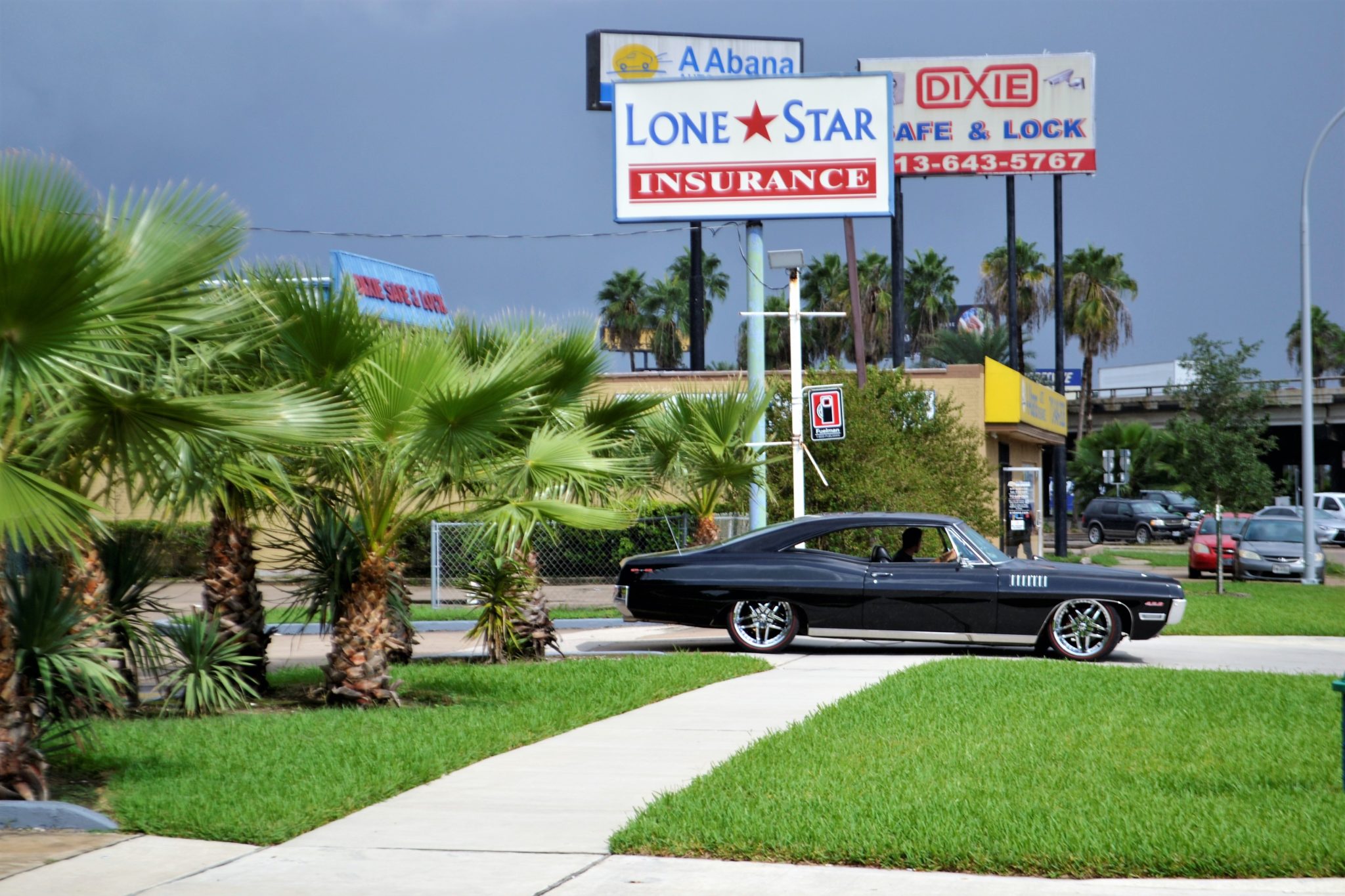
 Not only does tinting your windows keep the temperature in your car down, provide valuable privacy, and reduce glare, it also looks insanely cool. Car tinted windows add an air of mystery to any vehicle, and they’re also one of the more affordable customizations that you can make – typically running under $300 for the entire job. Car window tinting in San Diego typically only takes a few hours.
 A great stereo is a must-have for any tricked-out vehicle, and there are so many options these days that it’s easy to find something with all the features you could ever want. When it comes to stereo shopping, make sure to get something that’s got the aesthetic you like and voice features that keep you as hands-free as possible. Many stereos these days have Apple Carplay or Android equivalent so you can have your text messages read to you while you’re driving.
 A cool stereo is only as good as the sound system it’s pumping out of. Remember, factory speakers aren’t usually built to last because they’re assembled out of weaker materials, such as cardboard. Invest in a quality system so you can make sure that your car sounds as good as it looks.
 Although the top-of-the-line brands are going to run you a pretty penny, there’s no better investment to pimping out your ride than a brand-new set of wheels (aka rims). The best part about wheel shopping these days is the customization options on the design and finish are nearly infinite. You can really personalize your ride with the right set.
 Don’t let nightfall keep people from noticing your ride. With custom lighting packages that are installed on the body and undercarriage of the car, you can get supremely cool lighting effects in several different colors. They’re the perfect touch for when you slip into dark mode.
 Run-of-the-mill factory seating doesn’t quite cut it if you’re looking to pimp out your ride. Fortunately, there are several options now for custom seating and seat covers so that your interior can reflect your personal style. Look into racing seats if you’re a driver that appreciates speed as much as style.
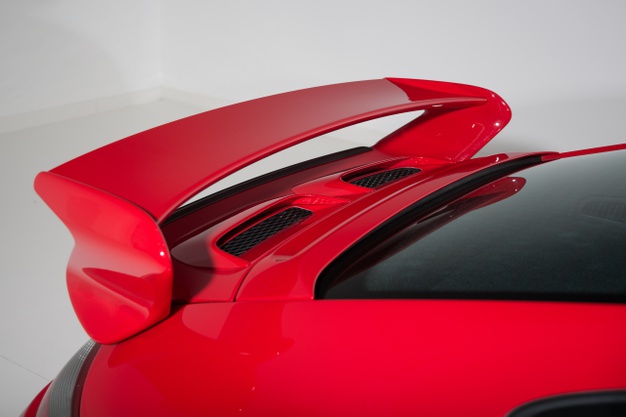 This is the cherry on top of any car that you’re trying to make a little sportier, and it’s not just for looks. A spoiler is going to give your car better traction by improving the airflow around the car, therefore creating more downforce. It’s a cool addition that also has a useful function.
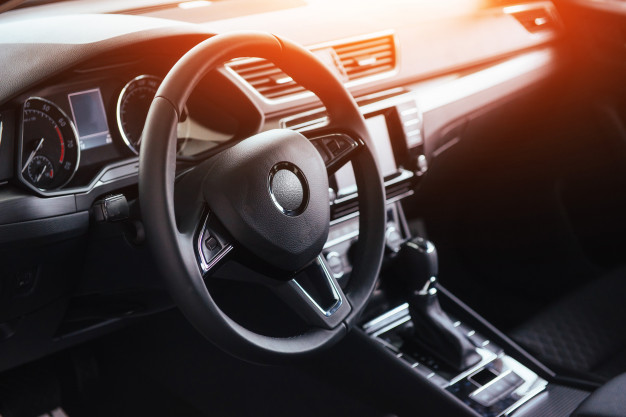 When it comes to personalized luxury vehicle options that you know you’ll use every drive, then you’ll want to get your hands on a custom steering wheel. You’ll not only have full control over the shape, size, and style of the wheel, you can even pick out the type of fabric that you want.
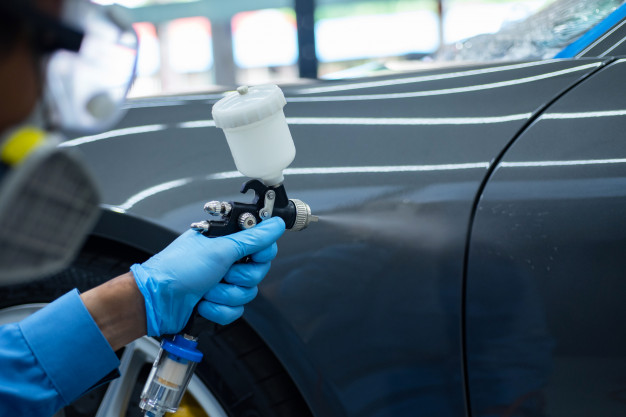 Nothing makes a car pop more than a high-quality paint job and finish, especially if you can invest in a non-factory color to distinguish yourself from the thousands of models like yours. And when you’ve landed on a shade of paint that speaks to you, don’t forget to top it off with a protective film to ensure it doesn’t get chipped or damaged.
 Pimping out your ride doesn’t stop at how the world sees your car. It also means giving your car the ability to see. Yes, we’re talking about camera systems, which can automatically make a car more fun (and safer) to drive because you’ve got an extra set of eyes looking out for you. These come in handy if you’re not great with parallel parking on the street.