












How To Choose The Best Wheels And Tires For Your Vehicle?

Published on: 08 March 2021 Last Updated on: 26 December 2024
Best Wheels And Tires For Your Vehicle

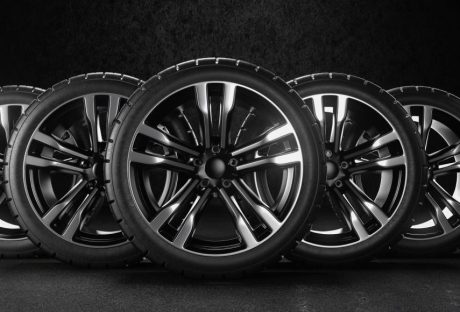
Choosing the best wheels and tires for your vehicle can be one of the most confusing tasks. There are a lot of options available in the market.

Some tires are branded while some tires are homegrown but do you know how to choose the best tires for your vehicle like Wheelfire? If not, then I suggest you read this article to the end to find out.

As you have clicked on the link to my blog, I am gonna presume that you are a car junkie. So since you are a car junkie, you must know that the road is like the wild west. You never know what is coming up the road.

So it is very crucial to choose the best wheels and tires for your vehicle so that your tire lasts long and gives the optimum level of comfort while driving.

So without wasting any further time, let us take a look at the steps to choosing the best set of wheels and tires for your ride.

How To Choose The Best Wheels And Tires For Your Vehicle
How To Choose The Best Wheels And Tires For Your Vehicle

These are the five easy steps that will help you choose the best wheels and tires for your vehicle.

1. Choosing Tire Size

Tire Size is the most important factor; it basically determines how your vehicle is going to behave. To judge the size of your tire, locate a placard on the driver’s side door, which shows the tire size.

For instance, if it reads P215/65 R15, it means the numbers and letters denote your tire’s width, the height compared to the width, and the diameter. By seeing this, you can judge the size of your tire.

2. Original Equipment V New Brand

You might think this part is a little tricky, but actually, it is not. When it comes to replacing your tires, the best decision would be to go with the brand that came with your car.

I ask you to do so because you are accustomed to the way your ride feels. If you go for some other brand, then you might feel a little weird while driving your car.

3. Comfort and Handling

Comfort and Handling

Aren’t these two the reasons why you actually fell in love with your ride in the first place. In the words of Gene Peterson, tire program manager for Consumer Reports, tires define one’s vehicle’s personality.

You should choose a tire that is not just the right size but also optimized for good handling and braking. All in all, choose tires that do not make much noise and are comfortable.

4. Keep An Eye On The Tires

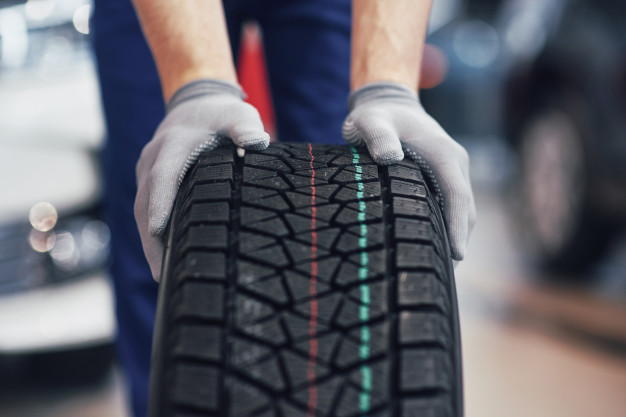
You should never wait for your tire to be worn out completely. You should always keep an eye on your tires. I would suggest you place a quarter into the tread of your tire. If the quarter is even with the tread, then it is okay; otherwise, it is time to buy a tire.

It is always recommended to research the tires you are going to buy. Check for ratings and reviews of the tire company. If the reviews and ratings are positive, only then select the tire company; otherwise, choose some other tire brand that has good reviews and ratings.

5. Deciding Between All-season, Winter, Or Summer tires

In this part, you need to decide which season’s tires you want. These seasonal tires are separated into three sections.

Summer tires

These particular kinds of tires are best suited for performance driving. It feels best when they are applied to sports cars. They provide a good grip in warm temperatures on dry roads.

Winter tires

These tires are made of pliable rubber compounds that are meant to work the best in the winter season, i.e., cold temperature. Apart from that, they also have deeper slits.

All season tires

It is the most popular kind of tire, and it is suited for all seasons, as the name suggests. You can use these kinds of tires throughout the year.

Final Thoughts

There you go, now you know how to choose the best wheels and tires for your vehicle in 5 easy steps. I hope you have found this article to be informative and have gained some value in your life. Comment below if you have any questions or feedback.


More Resources:
  • Prepping Your Vehicle For Winter Weather Driving
  • Knowing Your Vehicle: 5 Maintenance Tips for Porsche Owners
  • Why You Should Choose Used Cars Canandaigua NY Over Brand New Vehicles

Content Rally wrapped around an online publication where you can publish your own intellectuals. It is a publishing platform designed to make great stories by content creators. This is your era, your place to be online. So come forward share your views, thoughts and ideas via Content Rally.

View all posts

Leave a Reply

Your email address will not be published. Required fields are marked *

Related

Truck Accidents

A Beginner’s Guide To Truck Accidents: Causes, Tips, And Legal Remedies

Trucks continue to remain an integral part of the world’s economy. They are responsible for moving millions of tons of goods and products across the length and breadth of the country every single day. Whether it is day or night, trucks and truck drivers continue to drive. However, being such large vehicles there is no denying the fact that they are a major threat to other motorists on the road. Car drivers, motorcyclists, bicycle riders, and pedestrians are constantly in danger from being at the receiving end of one of the many threats that trucks pose. According to experts, heavy trucks are involved in one out of ten deaths that are reported in the United States every year. The weight of a fully loaded truck can reach up to 40 tons! That is 40 tons of moving mass that needs to stop at a heartbeat and be careful of every small car, bike, or individual occupying the same road. That is a tough ask. In this article, we are going to discuss some of the major aspects of truck accidents- Leading causes of truck accidents in the United States Safety Tips to help you steer clear of the danger posed by trucks Legal remedies that need to be pursued in case you are involved in a truck accident We take help from a leading Atlanta truck accident lawyer to help list down some of the important details on truck accidents. 5 Leading Causes of Truck Accidents on our Roads and Highways In this section, we are going to list down the five of the most causes of truck accidents- 1. Tired and Exhausted Truck Drivers- The efficiency of any trucking operation depends on the completion of orders. In very simple words, the faster the deliveries are done, the more orders a specific truck can generate. This means long hours in bad weather conditions with poor food, lodging, and most importantly, no sleep. Tiredness and exhaustion make drivers fall asleep or slow down their reflexes. 2. Poor Quality and Condition of the Vehicles themselves- Most commercial trucking companies can be guilty of not paying proper attention to the maintenance of their vehicles. They do not check whether all the parts of the truck are working properly. Since trucks tend to be on the roads most of the time, checking them for regular service becomes difficult. This leads to accidents when, for example, the brakes stop working. 3. Improper Training and Lack of Driving Experience- Taking control of a vehicle that weighs 40 tons is no joke. It involves a lot of practice, experience, and training. When normal truck drivers are sick or unavailable, the company can ask a rookie to do the job of a seasoned pro. There are so many things that can go wrong when someone who is not adept at handling such a heavy piece of machinery starts to handle it. 4. Not Confirmation to Road Safety Norms, and Regulations- Truckers know that since they are so big, they are not the ones that should be paying attention to following safety norms. In other words, they believe that if others want to be safe, they should be maintaining a distance from the truck. This makes them drive on one-way streets, not give way to oncoming traffic, and park at the side of highways where it is dangerous. 5. Engaging with Intoxicants like Alcohol and Marijuana- Being on the road for months on end can be frustrating for truck drivers. To keep themselves engaged, they turn to alcohol and smoking weed. This dumbs down their reflexes and gives rise to the possibility of falling asleep at the steering wheel. Many studies have found that alcoholism is an issue that is rampant among truck drivers in the United States. Safety Tips that Motorists should follow to avoid accidents with trucks Every year in the United States, the Federal Motor Safety Administration comes out with a handbook for motorists that contain safety tips to avoid trucks and encounter accidents. The following are some safety tips that motorists should be following to keep them safe- 1. Visibility- The first thing that is prescribed is to ensure that you are visible to the truck drivers. Make sure you are honking and putting on your headlights every time you are passing a truck. Do not position your vehicles in the blind spots of the truck driver. 2. Passing- Every time you are looking to overtake a truck make sure you have the space to do so. Do not try to make a pass in a tight squeeze. Make sure that you wait for the truck to give you the passing signal before you step on the gas for the pass. 3. Cutting-Off- Most accidents are when motorists try to cut off a truck. When you do this at speed, you end up being in the blind spot of the drivers. This prevents their ability to break on time and results in a violent crash. You should look to avoid this at all costs. 4. Distance- If you are tailgating a truck, you are not visible to the driver! This means that if they break, you are likely to slip right under the huge vehicle. Ensure that you maintain a healthy distance between your vehicle and the truck in front of you. 5. Anticipate- Riding on the same roads as trucks require you to be patient. Trucks have wider turning radiuses than small cars. They cannot also make quick maneuvers on the road. As a motorist, you need to be patient and anticipate the movements. If you are following the above-mentioned safety norms, you can reduce the chances of coming into contact with a 40-ton truck. Legal Remedies to pursue in case of Truck Accidents If you have been in a truck accident, you are well within your rights to file a lawsuit. You need to claim compensation for the material damage caused, as well as seek payments to help you tide over any medical injuries you might have suffered as a result of the accident. The first thing that you need to do is hire an expert and experienced truck accident lawyer. You need to make sure that they have prior experience in filing personal injury lawsuits of this nature. Make sure that you gather all the possible evidence and build a solid case. When it comes to truck accidents, the company operating the vehicle is a party to the lawsuit. They need to ensure that the insurance covers all possible material and physical damages that have been the result of the accident. The following information should be collected from the site of the accident- The type of truck- make, model, brand, and license plates of the truck. The name of the truck’s driver and his commercial license. The information about the insurance company and details. Names, addresses, and call numbers of the trucking company, head offices, and more. Photos, videos, and witness statements from the scene of the crime. The Bottom Line In this article, we have discussed some of the probable causes of truck accidents. We have also discussed safety tips that will help you keep your distance from heavy vehicles. Finally, we have looked at what legal recourse needs to be pursued if you are involved in a truck accident. If you have any more questions that you would like us to address on truck accidents, please let us know in the comments below. We will be glad to help you out. Read Also: 7 Ways Truck Accidents Differ from the Regular Car Crashes The Main Reasons Why Cabover Trucks Are Less Common Than Long Hood Rigs Why Times Are Tough For Truckers and Why It Concerns You

READ MOREDetails
Used Car buying

Used Car Buying – How To Do It Right.

Used cars tend to be the most popular amongst UK drivers and it can be easy to see why. Second-hand cars have a lower purchase price, suffer from less depreciation and there is an endless amount of choice! The main disadvantage of buying a used car is the lack of knowledge regarding its history. When you buy a new car, you will be the first owner and don’t have to second guess how the car’s been treated or if it’s been involved in an accident. Reduce the risk of something going wrong with your next used car purchase by following these top tips below for safe car buying.  Know your affordability.  Before you make any large purchase, you should know how much you can afford to pay for it. This can speed up the buying process if you only shop for cars within your budget. Your budget may be one lump sum to pay for a car with cash or spread the cost into monthly payments with finance. Whichever way you choose to buy your next used car, you should try not to stray from your budget as you may get into a deal that you can’t afford to pay back. Check the market value.  Once you know how much you can spend on a used car, it’s time to see which cars you could buy. A quick internet search of local, trusted dealerships can help you to find used cars you can afford. It also gives you an idea of how much the cars you like would cost. For example, if you’re striving for a used BMW on finance, knowing how much it would cost to buy one can give you an idea of how much your monthly budget could be. Knowing the market value of the cars you want to buy also helps if you’re buying with cash and wanting to negotiate the price. If there’s a similar model from a dealer down the road but with a lower price, you could use this as leverage or get a better deal.  Check credit score for finance. No matter if you’re looking for finance for a Volkswagen or a Porsche, the first thing you should do is to check your credit score. Your credit score can affect your ability to get approved for finance and not knowing where you fall on the credit scale can be costly. A low credit score can make it harder to get approved if your low score is due to missed or late payments in the past or a lack of credit history. This is because you are seen as more of a risk to lenders and are more likely to default on future loans too. If you need to improve your credit score you should do so before applying for finance.  Check insurance rates. If you’re buying your first car, insurance rates can be some of the highest around. Newly qualified drivers are more likely to have a road accident in their first year of driving which bumps up the premium. Searching around for cheaper cars to insure and in your budget could help you save money. buying a used car isn’t just about the initial purchase price but also about being able to afford the running cost too.  Use a reputable dealership.  You can buy a second-hand car from a dealer or private seller, but to help protect your purchase, you should consider buying your car from a reputable and trusted dealer. Buying from a dealer gives you an added layer of protection and means you are covered by the Consumer Rights Act 2015. This act means you are entitled to a full refund, repair, or replacement if the car is not as described or fit for purpose. Check the status of the dealer with the FCA and read verified reviews of other customers before committing to the sale. And if you are unsure where to begin, searching online using terms like "used cars for sale" can help you find reputable dealers in your area. Check the history of the car. Used cars run the risk of having a hidden history but you can check the history of a car you are interested in buying for free. You can check the tax and MOT status of a car and get more information by simply entering the registration number into the DVLA website. You can also make a one-off payment of around £10 with a trusted Car History Check website to see if the car has been stolen, previously written off or still has existing finance on it.  Test drive and check the vehicle.  Before you commit to buying a used car, you should always test drive it first to see how you like it. Take the car out for at least 30 minutes, drive it on different types of roads, and perform maneuvers to get a feel of how it drives. Also, take this opportunity to park up somewhere and check over the vehicle for any imperfections or damage.  Read Also: Beginners Guide To Buying A Classic Car Buying a Used Car? Few Negotiating tips, you can use Used car: simple steps for buying from a reliable cars dealership

READ MOREDetails
Responsible Driving

Navigating The Road With Prudence: Top Tips For Responsible Driving

In a world where roads are growing busier by the day, driving responsibly has become an absolute necessity. Responsible driving goes beyond the basic understanding of traffic rules. It requires a mindset that values safety over speed and prudence over impatience. Whether you're a seasoned driver or someone who recently learned driving from a reputable driving instructor in Victoria, these tips will help you navigate the roads more responsibly. 1. Understand And Respect Traffic Rules The foundation of responsible driving lies in understanding and respecting traffic rules. These regulations are put in place to maintain order on the roads and ensure safety. Understand the meaning of traffic signs, signals, road markings, and right-of-way rules. Remember, these rules are not optional guidelines, but laws designed to prevent accidents and save lives. 2. Never Drive Under The Influence It goes without saying, but no list of tips on responsible driving can overlook the importance of sober driving. Driving under the influence of alcohol, drugs, or any form of intoxicants can have devastating consequences. It significantly impairs your ability to make sound judgments, react promptly, and control your vehicle properly. If you've had a drink, catch a cab, call a ride-sharing service, or ask a sober friend to drive you home. 3. Limit Distractions Distracted driving is as dangerous as driving under the influence. It only takes a momentary distraction for an accident to occur. Whether it's your mobile phone, car stereo, GPS system, or a conversation with a fellow passenger, any form of distraction can lead to a fatal mistake. Remember, when you're behind the wheel, your main focus should be on the road. 4. Practice Defensive Driving Defensive driving is the practice of driving to save lives, time, and money, in spite of the conditions around you and the actions of others. It involves anticipating potential problems and making safe, well-informed decisions to avoid them. This could mean keeping a safe distance from the vehicle ahead, being aware of the blind spots, or being extra cautious at intersections. 5. Control Your Speed Speeding is one of the leading causes of traffic accidents globally. Responsible drivers understand that the road isn't a race track. Always follow the speed limit, but remember that these limits are not targets. Depending on the weather, traffic, and road conditions, it may be safer to drive below the speed limit. 6. Keep Your Vehicle In Good Condition Vehicle maintenance is an integral part of responsible driving. A poorly maintained vehicle can be unpredictable on the road, endangering both the driver and other road users. Regular checks on your tires, brakes, lights, and engine can help prevent unexpected breakdowns and accidents. 7. Be Courteous To Other Road Users Sharing the road with others calls for courtesy and respect. It's important to be patient with other drivers, especially those who may not be as skillful or confident. Use your horn sparingly, allow others to merge into your lane when it's safe, and avoid behaviors that may provoke or endanger others. 8. Follow Safe Driving Practices In Different Weather Conditions Different weather conditions require different driving techniques. In conditions like rain, snow, fog, or ice, roads can be hazardous. Learning to adapt to these conditions, such as by slowing down, using the right lights, keeping a safe distance, and knowing how to respond if your car skids, is vital for responsible driving. 9. Plan Your Journey Planning your journey can contribute significantly to responsible driving. This includes checking the weather and traffic conditions, choosing the safest route, and ensuring you have enough rest before a long drive. 10. Lifelong Learning Responsible drivers understand that there's always more to learn. Whether it's mastering advanced driving skills, getting updated on the latest traffic rules, or learning about new automotive technologies, continuous learning is key. As we journey through life, let's remember that the way we drive can directly impact our lives and those of others on the road. Responsible driving is not just about getting from point A to point B; it's about ensuring that every journey we undertake is safe and enjoyable, both for us and for those sharing the road with us. The road to becoming a responsible driver is a continuous journey of learning and conscious effort. As you buckle up next time, remember these tips and drive responsibly. Read Also: The 5 Most Important Motorcycle Safety Tips All Riders Need To Know Things About A Personal Injury Lawyer How To Find Best Car Accident Lawyer Near You

READ MOREDetails