











What Is A Beauty Mark And Why Does It Matter?

by

31 December 2024

Beauty

What Is a Beauty Mark

Beauty marks are common in many women.

However, if you wonder what a beauty mark is, you are not alone. Generally, they are widespread and are a natural skin trait. In some cases, people will call it a mole. However, there is a slight difference. Hence, to know what is a beauty mark, read on to the end of the article.

In this article, you will learn what is a beauty mark and what it means for the female body. Apart from that, this article will also explain a variety of facts about beauty marks (spots). Moreover, you will also find out the significance of having beauty marks on your face and body.

Finally, the article will discuss cultural perspectives on beauty marks.

What Is A Beauty Mark?
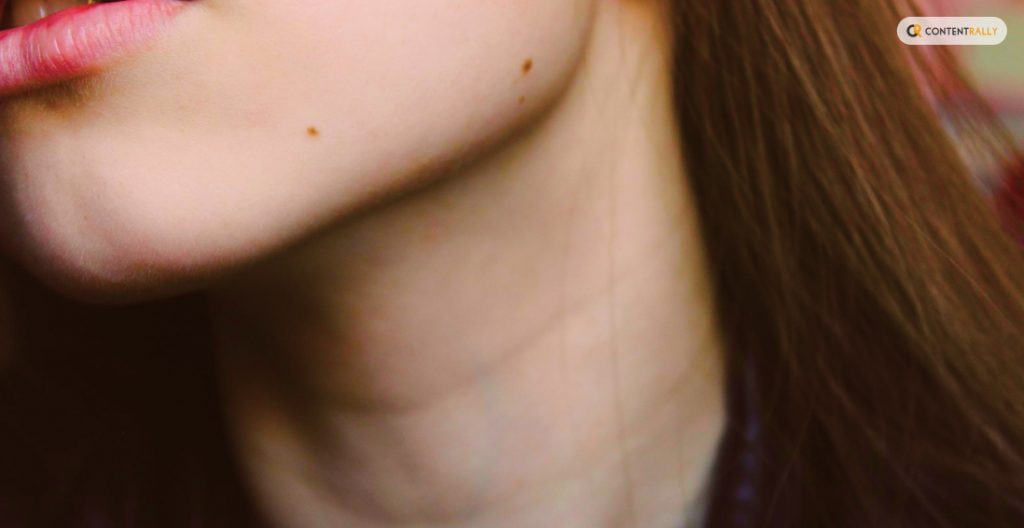
dark spot on the face

The phrase “beauty mark” is a cultural term that is basically a dark spot on the face or the body. In fact, many people find it attractive. Generally, people use it as a euphemism for a dark facial mark. Hence, it tends to be a term that people use broadly for any type of facial mole or freckle.

According to L’Oreal, “In truth, beauty mark is a term that was coined to describe a dark spot on your face that is considered attractive or beautiful. Most of the time, a beauty mark is a mole, freckle or spot on your skin that has been there since you were born (a birthmark).

In fact, you will find that more people are likely to have beauty marks on their faces without them knowing. Moreover, if there are a lot of beauty marks on your body, you must be concerned about it.

Understanding Beauty Marks
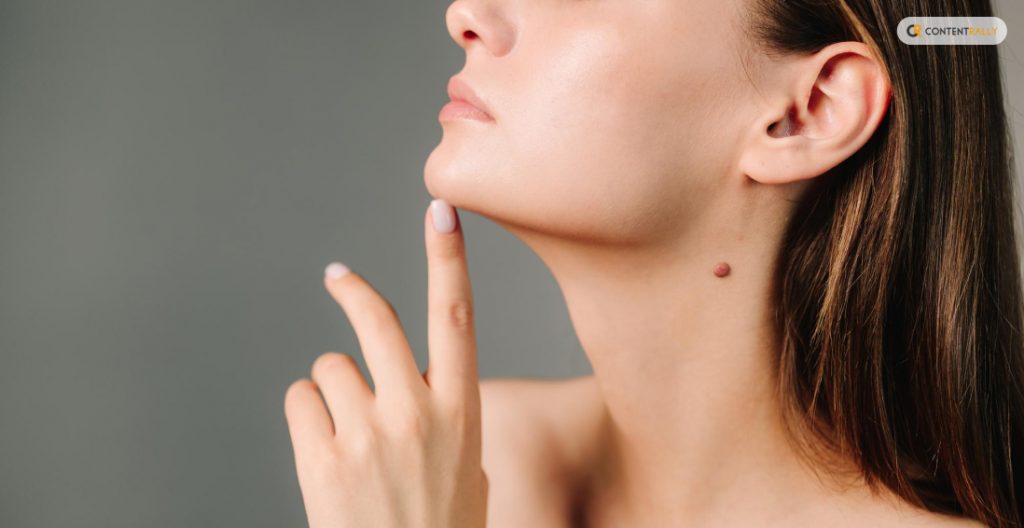
Understanding Beauty Marks

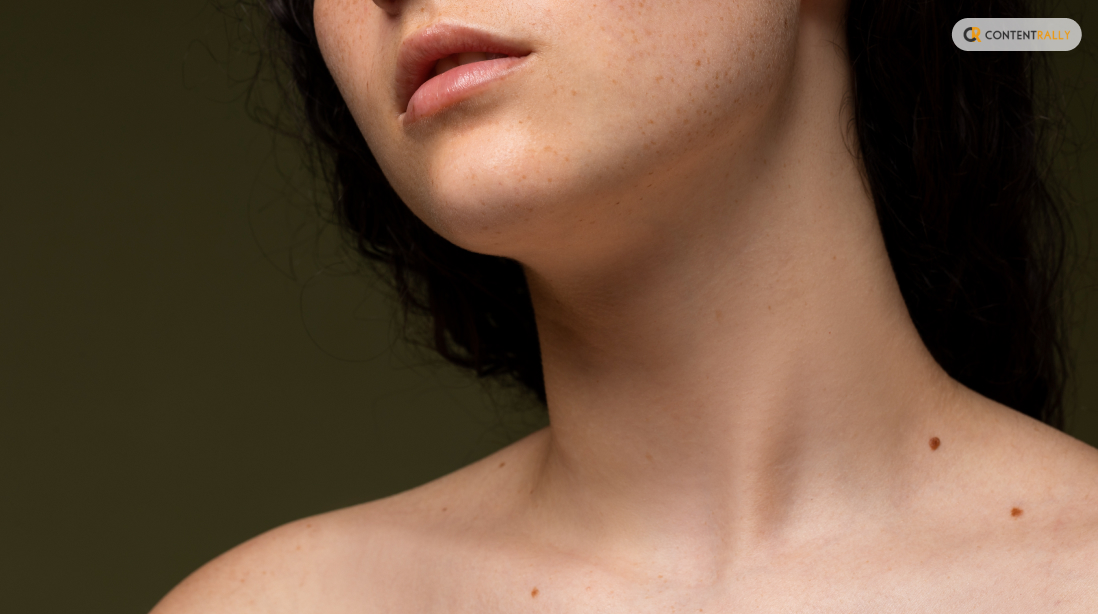
Generally, beauty marks are beauty spots on your body that are small, dark spots on the skin and are visually attractive. Basically, many people think them to be pleasant or attractive.

Apart from that, many think that it improves the appearance of the person. In addition to that, it can actually be a lovely feature for the face or the torso.

On the other hand, there are moles (also called nevi). These are skin growths that happen when you accumulate pigmented cells in your body. These cells are called melanocytes. Apart from that, it is interesting to note that moles are frequent in the female body and is usually an innocuous feature of the skin.

Who Has Beauty Spots?
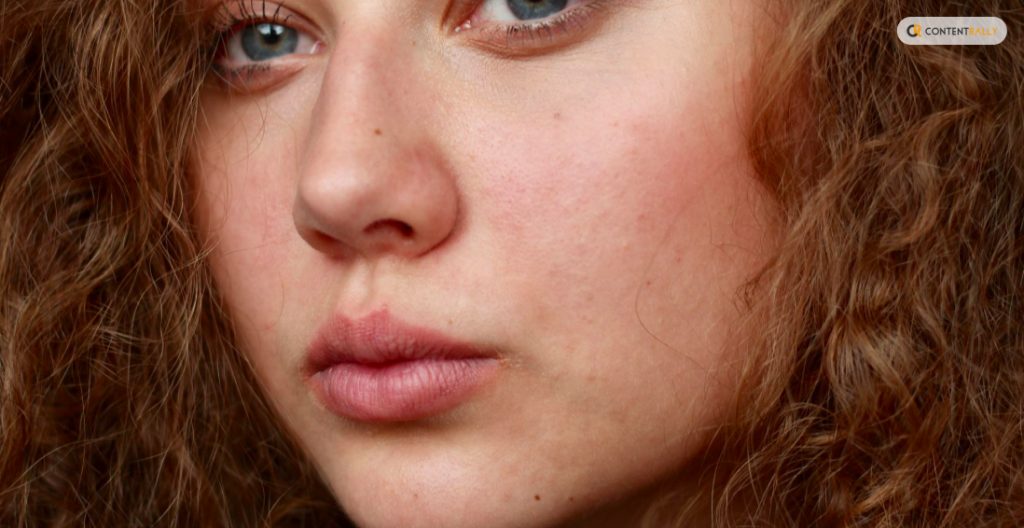
Who has Beauty Spots

A beauty spot is possible in people of all skin tones. Generally, these are dark spots on your face that make you look attractive (that’s what most people think). In fact, beauty spots include birthmarks, moles, and freckles on the skin (especially the face and torso).

However, people with a lighter skin tone can have around 20 beauty spots. On the other hand, people with a darker skin tone have fewer beauty spots.

The reason for beauty spots is generally sun exposure. However, most beauty spots are harmless and non-cancerous in nature. Apart from that, some beauty spots are atypical and dysplastic. This means they have a higher risk of developing melanoma.

Moles or nevi are generally of these types:

1. Common Nevi: Actually, these are small moles that can be pink, brown, or tan in color. Also, they have a distinct shape.

2. Congenital Nevi: Generally, these include those moles that are present at birth. Also, there is a slight risk of developing skin cancer due to congenital nevi.

3. Dysplastic Nevi: Actually, these are very rare. In fact, these moles are larger than a pencil eraser. Also, they have an irregular shape. Furthermore, they have an uneven color. On the other hand, they also come with dark brown centers and lighter and uneven edges.

Interesting Facts About Beauty Spots
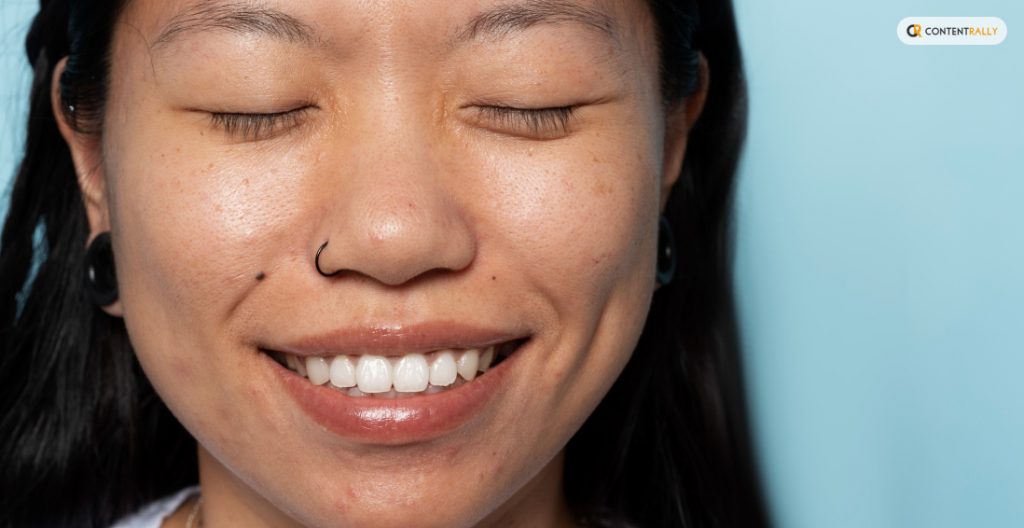
Interesting Facts about Beauty Spots

The following are some of the most interesting facts you need to know about beauty marks:

1. Many people do not recognize the fact that most beauty marks are moles. However, all beauty marks are not moles. For instance, if the mark is on your face, it is a beauty mark. On the other hand, if the mark is anywhere else in the body, it is a mole.

2. Only 1% of babies are born with beauty marks on their skin. Basically, beauty marks can appear in childhood, teenage years or even during adulthood.

3. In his play Cymbeline, Shakespeare gave the character Imogen beauty marks. This shows that he appreciated the beauty marks on the face.

4. In the 18th century, smallpox was common among women. Hence, they used to cover their smallpox scars with mouse fur. As a result, this turned those scars into beauty marks.

5. Marilyn Monroe was known for her beauty marks. However, its authenticity is still debatable. Moreover, it reshaped the meaning behind beauty marks on women’s faces. In fact, some sources say that she concealed her beauty marks in her early roles.

Can Beauty Spots Make You Sick?
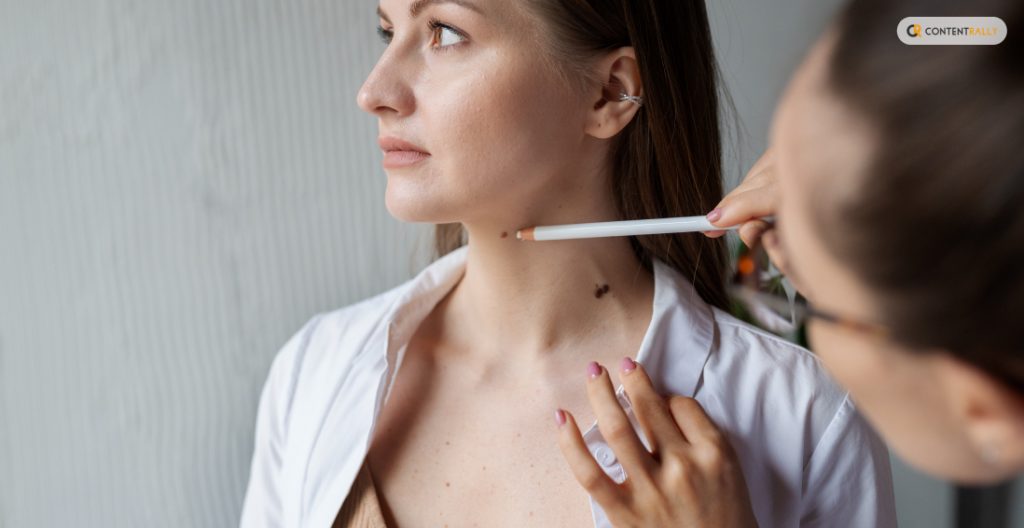
Can Beauty Spots Make You Sick

Generally, most beauty marks are harmless in nature. Also, they appear early on in life and are benign. Moreover, they are not contagious. Hence, they do not hurt, itch, or bleed. However, a mole can be cancerous in nature (but rarely). For instance, it can turn into skin cancer.

Hence, the following are some of the cases where you need to be concerned:

1. The mole appears to change in some way.

2. The mole shows up after the age of 20.

3. It becomes larger than 4-6 cm and keeps growing.

4. The mole itches and oozes continuously.

Wrapping Up

What is a beauty mark? Now you know the answer. Actually, these are small and dark spots on the face and in the torso. Apart from that, they can also come in other parts of the body.

However, if those marks appear on the face, they are called beauty marks. However, if they appear on other parts of the body, they are called moles.

Is it dangerous? It is only dangerous when it comes to 20 years of age and grows in size.

What is your experience with beauty marks? Please share your ideas and opinions in the comments section below.

Read Also:
A passionate writer and an avid reader, Soumava is academically inclined and loves writing on topics requiring deep research. Having 3+ years of experience, Soumava also loves writing blogs in other domains, including digital marketing, business, technology, travel, and sports.

View all posts

Leave a Reply

Your email address will not be published. Required fields are marked *

Related

What Causes Black Triangle Teeth

What Are Black Triangles Between Your Teeth?

Celebrities with bright smiles are now more popular than ever, which may lead people to start noticing their teeth's cosmetic problems. Black triangle teeth are one of the most common dental problems people don't address or pay attention to. You can check for yourself if you have black triangles between your teeth. Smile with your teeth exposed in front of a mirror. If you can see any black areas between your gums and teeth, you have black triangle teeth or gingival embrasures. They are initially harmless, but they can be dangerous if not treated immediately. It's important to understand how they develop and what you can do to treat them. What Are Black Triangle Teeth? These black, triangle-shaped gaps between your gums and teeth are known as open gingival embrasures. They are usually associated with dental habits, age, and bone injury. They are also called black triangle teeth, which occur when your teeth and gums don't fill the gaps between them. Black triangles between teeth are a common problem; nearly 76% of adults over 20 have black spaces between their teeth, according to a study.  Food debris and plaque can accumulate in these gaps, making teeth susceptible to cavities and gum infections. The risk increases the more a person doesn't practice good oral hygiene. Most want to fix them for cosmetic reasons and to keep their teeth and gums healthy. What Causes Black Triangle Teeth? It is important to see your dentist immediately to discuss how to treat this condition. They will use your dental history and the cause of your black triangle teeth as their guide in recommending treatments that best address it. According to sunrise-dentistry.com, some of the reasons black triangle teeth occur are: 1. Receding Gums Gum disease, infections, age, and smoking can lead to gum recession and thinness. Bacteria exposure and tooth decay can lead to cavities and other infections. Getting help immediately from a dentist is important if you find gaps between your teeth, regardless of their size. 2. Aggressive Dental Hygiene Techniques Brushing or flossing too hard can damage the tissues between your teeth. Using a toothbrush with the right head size is also important; a toothbrush with a large head can make the gaps between your teeth larger. 3. Fragile Gum Tissue Every person's gum tissue thickness and stability are different. Experts believe that thinner gum tissues are less resistant to dental procedures. If you have fragile gum tissue, getting fullness back after dental implants will not be easy. 4. Teeth Shape Apart from the gum thickness, each person's tooth shape also differs. A person with triangular-shaped teeth is more likely to develop black gaps. Their teeth have wider biting surfaces than their bottom part near the gum line. 5. Mistakes During an Orthodontic Procedure Black triangle teeth and other dental conditions can develop when an orthodontic procedure goes wrong. Small gaps can also form when teeth shift into new positions. You may need to repeat your dental treatment or visit a more reliable dentist. How To Get Rid Of Black Spaces Between Your Teeth? Now that it's clear that the black gaps between your teeth are not just cosmetic issues, it's best to learn how to eliminate them. Consult your dentist before making any changes in your lifestyle or treatment for your dental health. They can help you understand the nature of your dental condition and determine the best approach to manage them. According to the British Dental Journal's study, patients have several treatment options for the black triangles between their teeth. Safe surgical techniques like pinhole surgery repair and tissue transplantation to preserve gums Tissue engineering, where dentists use regenerative cells to restore gum tissue Hyaluronic acid treatment to reduce black gaps between teeth and volumize gum tissues Using prosthetics made of composite or porcelain with a pink shade to bond teeth and conceal the appearance of black triangles between teeth Installing a removable gingival cover to close the triangle spaces between the teeth Repositioning or reshaping teeth to reduce or eliminate the black spaces between them Proper Dental Hygiene and Black Triangle Teeth Brushing and flossing your teeth every day will help prevent gum disease, blackening of your teeth, and other serious conditions. Routine dental checks help you know how your lifestyle choices impact your dental health and help your dentist check for early signs of dental problems. The American Dental Association has developed guidelines for how to brush your teeth and perform interdental cleaning. They also recommend using a toothbrush with soft bristles. Key Takeaway The black triangles between your teeth are more than just a cosmetic problem. They are caused by oral health problems like receding gums, aggressive oral hygiene techniques, and fragile gum tissue. Mistakes during an orthodontic procedure and the shape of your teeth may also cause black triangles between your teeth. You should consult your dentist about them; they are the best people suited to help you determine the best course of action to take. They can also address the dental problems causing the black triangles between your teeth. Additionals: What Canadians Should Know About Teeth Whitening Important Routine Dental Care Procedures to Improve Your Smile Ways to Avoid Dental Problems by Keeping Dental Plaque and Tartar Away Dental Implants, Teeth Whitening in Reasonable Price in a Professional Dental Centre

READ MOREDetails
Hair Removal Reviews

Hair Removal Reviews: Ulike Air3 vs. Nood Flasher 2.0 – A Comprehensive Comparison

In the world of hair removal devices (at home), Nood Flasher 2.0 and Ulike Air3 have emerged as popular choices, offering advanced technologies for effective and convenient hair removal. This article provides a detailed comparison of the two devices, exploring their features, performance, and user experiences to help potential buyers make informed decisions. Ulike Air3 Hair Removal Device We all know how important hair removal is for a woman as it has become an indispensable section of holistic care and style statement. In this particular section, we discuss the whereabouts of the Air3 hair removal device for the sake of your convenience. Technology And Effectiveness Firstly, Ulike Air3 utilizes Intense Pulsed Light (IPL) technology to target hair follicles and inhibit hair growth effectively. It offers multiple intensity levels for personalized treatments. Design And Features The Ulike Air3 device is a high quality IPL device that is designed with user comfort in mind, featuring an ergonomic shape for easy handling. It may include additional features such as skin tone sensors, ensuring safe and efficient treatments. These features make the device one of the most sought-after products available before the consumer.  Treatment Windows And Speed Ulike Air3 may come with a sizable treatment window, allowing users to cover larger areas in each flash. This contributes to faster treatment sessions. We all understand the value of time. Thus considering this point, one can say that the device is highly efficient and effective.  Ease Of Use Users have reported that the Ulike Air3 device is user-friendly, with straightforward controls and an intuitive interface. This makes it accessible for individuals new to at-home hair removal. Skin Compatibility When one discusses skin compatibility, the particular product stands the test of it quite easily. Unlike Air3 is designed to be compatible with a range of skin tones and hair colors. However, individual results may vary based on unique skin and hair characteristics. Looking at the basic features, one can easily say that the product stands the test of quality and effectiveness. This is the reason the products’ popularity keeps on increasing with time. Nood Flasher 2.0 Hair Removal Device When there is a comparison between two products, you have to get a thorough knowledge and understanding of both of them. This section discusses the Nood hair removal's core features to understand how it differs from the other products. Technology And Effectiveness It also relies on IPL technology for hair removal, offering adjustable intensity levels to cater to various skin sensitivities and hair types. Design And Features The device is crafted with user-friendly features and may include skin tone sensors and cooling mechanisms to enhance the hair removal experience. Treatment Windows and Speed It may feature a variety of treatment window sizes, allowing users to choose between larger windows for quicker coverage or smaller ones for precision in challenging areas. Ease Of Use Users have reported positive experiences with it regarding ease of use. The device is designed to be intuitive, and the controls are accessible for smooth operation. Visit the Ulike blog to know how much does Brazilian laser hair removal costs. Skin Compatibility Nood Flasher 2.0 is generally compatible with various skin tones and hair colors. However, it's crucial for users to review the device specifications to ensure optimal efficacy for their unique skin and hair characteristics. Comparative Analysis Of Hair Removal Devices Now that you have a clear understanding of both the products, its quite safe to form a comparative understanding between both of them. Yes, you got it right this section is all about a comparison; a juxtaposition of both products to understand how they stand face to face.  Effectiveness Ulike Air3 and Nood Flasher 2.0 are reported to be effective in inhibiting hair growth when used consistently over time. Design And Features Both devices prioritize user comfort, featuring ergonomic designs and additional elements like skin tone sensors for enhanced safety. Hence, stiff competitiveness prevails between both products as both of them invest resources in making the products highly competitive.  Ease Of Use Users appreciate the user-friendly interfaces of both devices, making them accessible for individuals without prior experience in at-home hair removal. It is one of the core attainments of the product. Skin Compatibility Both Nood Flasher 2.0 and Ulike Air3 claim compatibility with a variety of skin tones and hair colors. However, individual results may vary based on unique characteristics. Conclusion Choosing between Flasher 2.0 and Ulike Air3 depends on individual preferences, budget considerations, and specific hair removal needs. Prospective buyers are encouraged to thoroughly research and compare the features, user reviews, etc. Furthermore, the specifications of each device are also necessary to make an informed decision that aligns with their hair removal goals. Always follow the manufacturer's guidelines for optimal usage and safety during at-home hair removal treatments. Read Also: Are you aware of Belviq – a Weight-Loss Drug? Seven Best Meal Replacement Ideas For Weight Loss The Science Behind Blue Light Glasses

READ MOREDetails
Spot Hair Loss Early

How To Spot Hair Loss Early

It may seem inevitable. At some point when we get “old”, men’s hairlines will recede and may start balding on the crown, and women's hair will start thinning, usually starting at the crown or natural parting. But for many, this transition away from a full head of healthy-looking hair occurs earlier than expected, often to men as young as in their early twenties. In the society that we live in, hair loss holds such an important place, with hairstyles denoting your trendiness, and healthy, voluminous hair being applauded. In light of this, early hair loss (or any hair loss for that matter) can create feelings of worry, sadness, anxiety, and self-consciousness, as it’s perceived as a negative bodily change that is out of our control. However, as we’ll explore in this article, this is not true: halting hair loss and getting a fuller head of hair is actually within our control, even if we have a genetic predisposition to balding. Male baldness that occurs gradually and is caused by genetics or the male sex hormones is known as “pattern” baldness or alopecia androgenetica. It is more likely to affect you the older you are and occurs in approximately 67% of men over their lifetime. Usually, the marked changes occur gradually, although changes can occur rapidly depending on genes and other bodily or environmental factors. Male pattern baldness tends to occur because of the interaction with DHT and the hair follicles in the scalp. Some testosterone is converted to DHT (dihydrotestosterone) in the body, but this can cause the hair follicles in the head to shrink in diameter, meaning the hair strands are thinner and more brittle. Additionally, DHT has the effect of speeding up the hair growth cycle, meaning that hair sheds quicker. A common assumption is therefore that high levels of testosterone equate to high DHT, and this causes more hair loss, but instead, hair loss is determined by the sensitivity of the scalp to DHT. This can be down to individual differences, but it is more likely that it is passed down genetically. With hair loss, it’s important to acknowledge the early signs as soon as you can, as acting early will give you the best chance of preventing hair loss and regrowing hair to your liking. Appropriate treatment can help to block DHT or stimulate the hair follicles for regrowth. Likely causes of your hair loss: There are several possible factors that affect hair loss, some more than others. Here is the full list, below: Genes - Male baldness is also sometimes called hereditary baldness as genetics play a large role in determining the likelihood of your future hair loss. Pay close attention to the patterns in your family in terms of hair loss, as this will give you a good indication of whether you’ll likely experience symptoms. Age - The release of hormones changes throughout the course of your life, and hormones associated with aging slow hair production and may result in balding. Smoking - Smoking cigarettes may cause the blood to circulate less in the hair follicles, getting in the way of natural hair growth and causing damage to the scalp. Early research points to this as true, although more research is needed for this factor to be conclusively outlined as a key contributor. Stress - When you face stress, your body releases cortisol as a response. This is fine in moderation, but extended periods of stress, or periods of extremely intense stress, can cause cortisol levels to interfere with non-essential bodily functions, such as head hair growth. Therefore, stress can be a contributing factor to hair loss. In the event of a significantly stressful period, the body might experience a condition called telogen effluvium. This is characterized by sudden hair loss 3 to 6 months after the stressful event, caused by the body halting production of hair and transitioning all hair into the resting phase, meaning the strands will then fall out almost simultaneously. Depression - The association with depression and hair loss is twofold. Not only might the prolonged bouts of stress result in hair loss, but medication for depression may also cause hair loss as a side effect. Identifying Hair Loss Early: Common signs linked to hair loss: Receding hairline - An early indication of male pattern baldness is when the front of your hairline recedes. Typically, the center front of your hair will stay, with curved portions on either side receding back, forming a W sort of shape. Usually, men experience a receding hairline after they’re 25 years old, with it going back until eventually bald or mostly bald, but can also occur in younger men. It doesn’t tend to affect women. Thinning hair - A slightly more initially subtle form of hair loss, men might experience hair all over their head thinning, each strand reducing in diameter and perhaps revealing the scalp more visibly. Whilst receding hair tends to begin from the front of the head, thinning hair typically starts at the crown, before working its way outwards circularly. Because this eventuality is not in as noticeable a location to the individual sufferer, this type of hair loss might go untreated for longer than it should, reducing the chance of medication fully restoring the hair. Checking in the mirror periodically will help keep an eye on the hair health of your crown. For individuals noticing progressive thinning, exploring options such as Male Hair Replacement in Atlanta or elsewhere can provide solutions that can help restore the appearance of fuller hair through customized, natural looking systems designed for different stages of hair loss. There are a number of unrelated signs that are often mistaken as being indicative of early hair loss. These factors have no correlation with hair loss, and include the following: Hairs on the pillow - Healthy adults shed roughly 50 to 100 hairs per day, so seeing the odd hair on your pillow is to be expected. A white blob on the hair strand - This white dot can sometimes be seen on the root end of a fallen-out hair and means nothing other than the hair fell out during the resting phase. Widow’s peak hairline - This is a particular appearance of the hairline where it forms a point at the front of the head. It may be interpreted as an early sign of receding since the sections on either side of the hairline will be further back, but this is not the case. The widow’s peak hairline is not in any way a precursor to hair loss, but keep a close eye on whether the hairline remains in the same location or appears to be moving back, in which case this may be receding. Read Also: What To Know About Laser Hair Removal Utica NY Top 5 foods for healthier and thicker hair Best Hair Loss Treatment: 5 Questions to Ask Yourself Before Getting One

READ MOREDetails