











The Billionaires’ Club: A Look At The Wealthy Owners Of The NFL

Published on: 24 November 2023 Last Updated on: 11 September 2024
Who Owns The NFL

An elite club is hidden behind the most played game in the country. It currently requires billions of dollars and the consent of the majority of its members to join. The National Football League's 32 teams are home to fierce supporters, elite players, and endless quarterbacking on Monday mornings.

If your NFL team wins a Super Bowl, you can lift the Vince Lombardi Trophy, and if you don't, fans will drag you off the field. But you will always be profitable, win or lose. A sizable portion of your income is already guaranteed, primarily from the rich broadcast rights that are divided among all teams. Sales of tickets and sponsorship agreements will put a little more money in your pocket.

According to Michael MacCambridge, author of "America's Game: The Epic Story of How Pro Football Captured a Nation," an NFL team is the ultimate collectible item, "more satisfying than the most expensive sports car or wristwatch you can imagine."

There will be a new team in one owner's box following the sale of the Washington Commanders, which happened recently for a record $6.05 billion.

So who owns the NFL? Is there just one or a whole club? Here we have all the details.

Who Owns The NFL?
Who Owns The NFL

There are 32 teams in the NFL, and here are a few noteworthy. Check out if your home team is on the list:

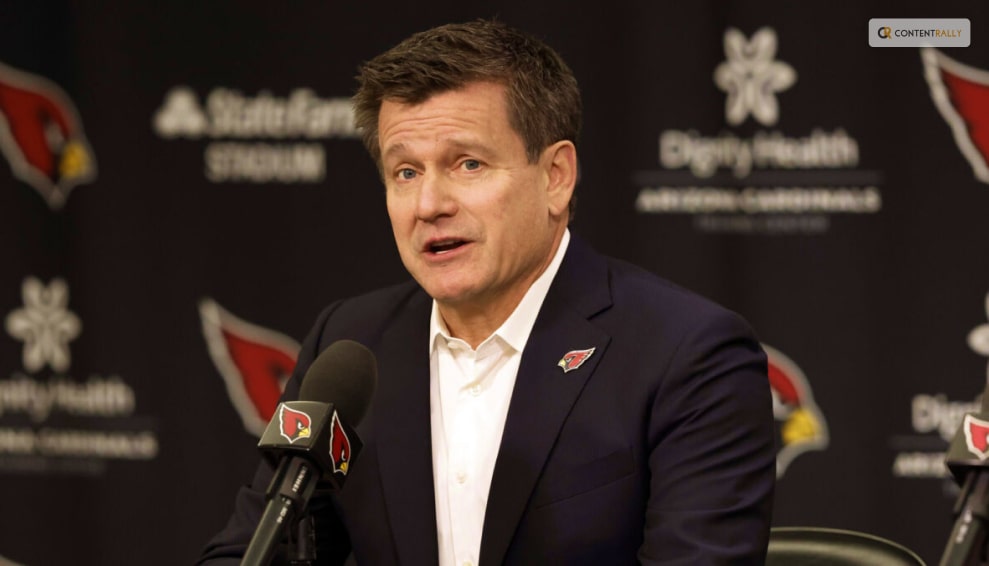
Arizona Cardinals: Michael Bidwill
Arizona Cardinals: Michael Bidwill
Image Source: arizonasports.com

58 years old

History of ownership: In 1933, Charles Bidwell, his grandfather, purchased the Cardinals. In 1971, his father acquired sole ownership of the team, which he inherited in 2019.

Other highlights of his career included serving as a federal prosecutor in Phoenix, Arizona, for six years.

Baltimore Ravens: Steve Bisciotti
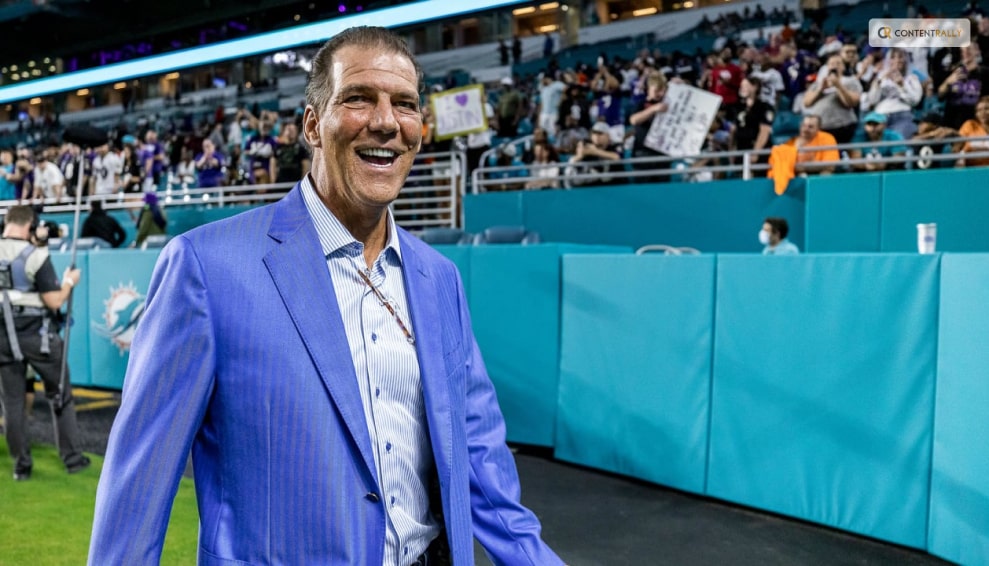
Baltimore Ravens: Steve Bisciotti
Image Source: static.clubs.nfl.com

[Age] 63

History of ownership: He paid $300 million for 49% of the Ravens in 2000 and $600 million for the remaining 51% in 2004.

Other notable achievements in his career include founding the technology and aerospace staffing company Aerotek and the talent management company Allegis Group.

Buffalo Bills: Terry And Kim Pegula
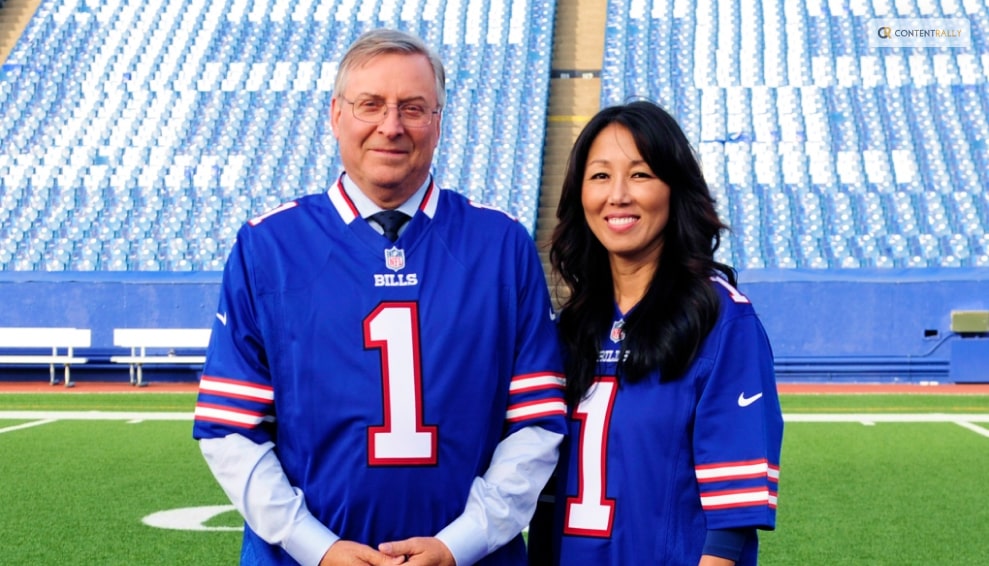
Buffalo Bills: Terry and Kim Pegula
Image Source: www.ctvnews.ca

Terri (age 72) and Kim (age 54)

History of ownership: In 2014, the Pegula family paid $1.4 billion to acquire the Buffalo Bills.

Other highlights of his career: Terry's investments in natural gas and oil allowed him to amass a fortune. (He made an estimated $6.5 billion when he sold East Resources in 2010.

Carolina Panthers: David Tepper
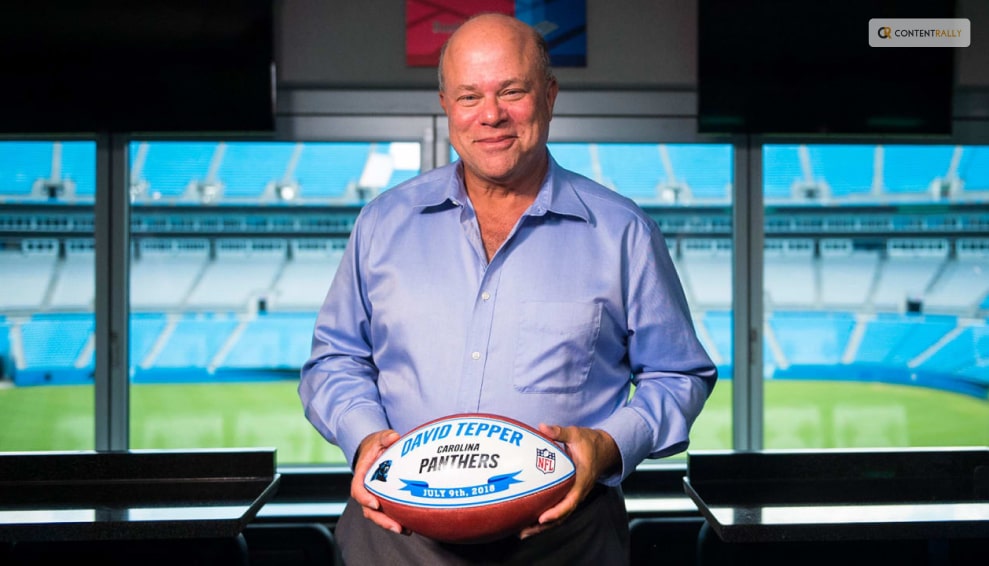
Carolina Panthers: David Tepper
Image Source: static.clubs.nfl.com

65 years old

Past ownership: In 2018, he paid $2.2 billion to purchase the Carolina Panthers.

Additional highlights of his career include founding and serving as president of the hedge fund Appaloosa Management.

Chicago Bears: Virginia Marion Halas McCaskey

100 years old

History of ownership: Her father, George Halas, the founder and owner of the Chicago Bears, left her the team.

Other highlights of her career: The Bears franchise has dominated her life.

Cincinnati Bengals: Mike Brown

Cincinnati Bengals: Mike Brown
Image Source: cloudfront-us-east-1.images.arcpublishing.com

88 years old

History of ownership: After his father passed away in 1991, he inherited the team, but his father, Paul, did not hold the majority. In 2011, Mike paid $200 million to acquire an additional 30% of the team's shares, granting the Brown family the majority.

Additional career highlights: He has worked for the franchise for the majority of his career.

Cleveland Browns: Dee And Jimmy Haslam
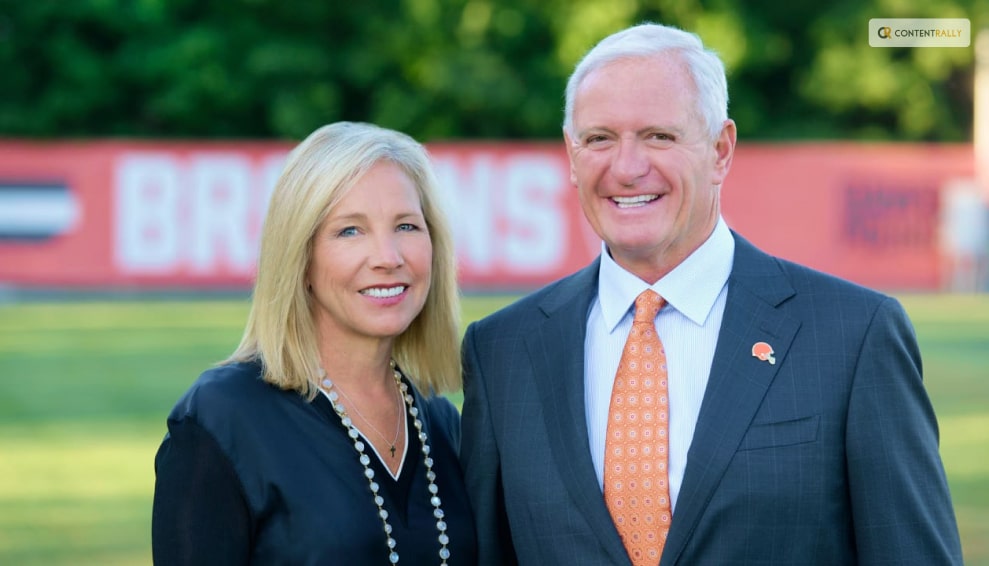
Cleveland Browns: Dee And Jimmy Haslam
Image source: static.clubs.nfl.com

(Dee and Jimmy) Age: 69

History of ownership: In 2012, the Browns were bought by the Haslams for $1.05 billion.

Additional professional highlights include Jimmy's role as CEO of Pilot Flying J truck stop chain and Dee's role as RIVR Media's founder and executive producer.

Detroit Lions: Sheila Ford Hamp
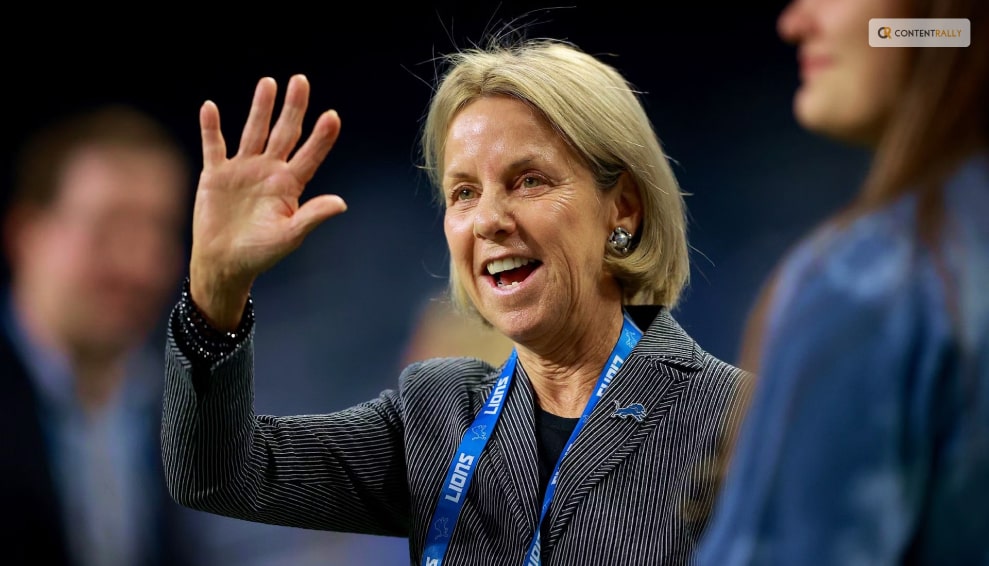
Detroit Lions: Sheila Ford Hamp
Image Source: staticg.sportskeeda.com

71 years old

History of ownership: In 2020, she succeeded her mother, Martha Firestone Ford as the primary owner. In 1963, her father, William Clay Ford, Sr., bought the team.

Other highlights of her career included being a stay-at-home mother to her three sons and supporting her mother when Martha took over the Lions in 2014.

Green Bay Packers: Green Bay Packers Inc.
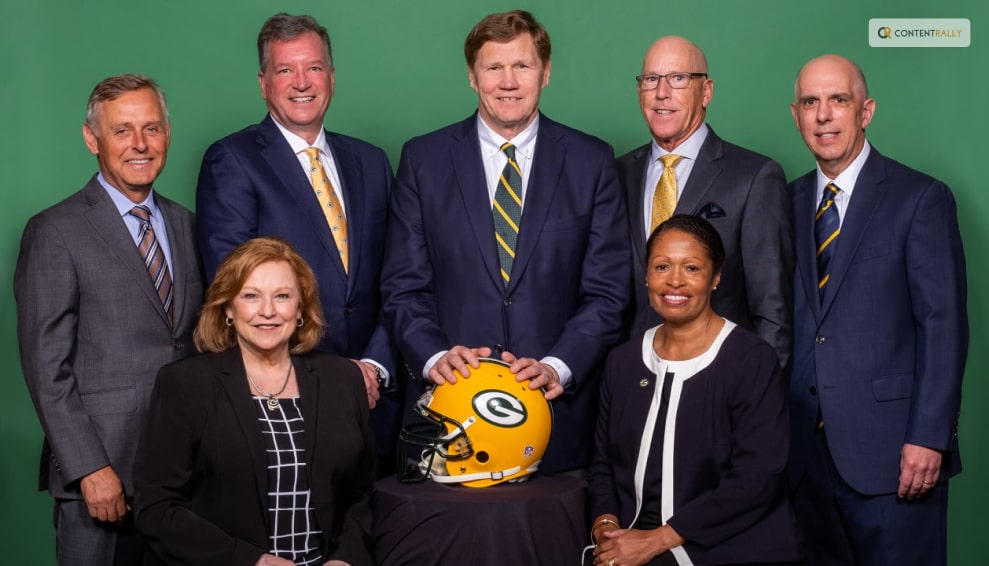
Green Bay Packers: Green Bay Packers Inc
Image source: static.clubs.nfl.com

Since 1923, the Packers have been owned by the public for the past century. A total of 5.2 million shares are available, with a maximum holding limit of 200,000 shares per person. Sports Illustrated says, "This isn’t your average stock. There’s no profiting off shares. No lucky Green Bay fan will get rich off the team’s next Super Bowl win because the stock pays no dividends and isn’t tradeable or saleable."

Jacksonville Jaguars: Shahid Khan
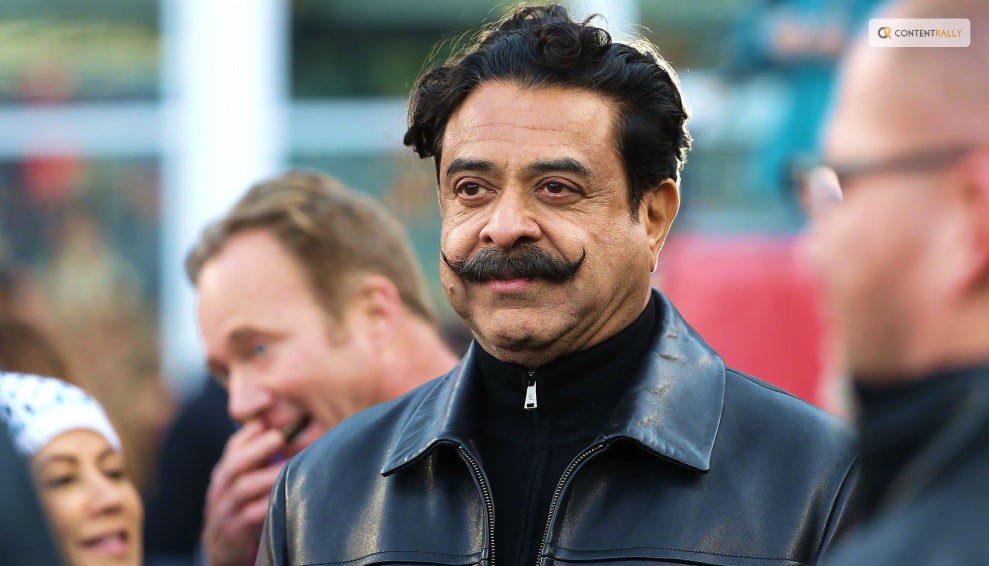
Jacksonville Jaguars: Shahid Khan
Image Source: nypost.com

73 years old

History of ownership: In 2011, he paid $770 million to acquire the team.

Other highlights of his career included buying his former employer, the auto parts supplier Flex-N-Gate, and designing a successful one-piece truck bumper.

None Of The Owners Are Black
None Of The Owners Are Black

The absence of Black principals who owns NFL has drawn criticism. Diversity is lacking at all levels of leadership in a league where, in the 2022 season, 58% of the players were Black. Three of the head coaches entering the 2023 campaign are Black. However, there are a few select partners, such as former athletes Warrick Dunn of the Falcons and John Stallworth of the Steelers. Tennis players Serena and Venus Williams supported the Dolphins.

Wrapping Up

America's favorite sport will once again dominate TV coverage starting tonight with the National Football League (NFL) season and continuing until the Super Bowl in February. The NFL made almost $12 billion in revenue in 2022, and this season will likely see even more of an increase.

We at Town & Country were intrigued by the select group of extremely wealthy individuals who have the privilege of being NFL team owners."In American capitalism, there are very few golden tickets and certainties," Big Game: The NFL in Dangerous Times author Mark Leibovich stated to the Washington Post. However, owning an NFL team is about as certain as it gets because it indicates that "you're printing money."

If you have thoughts to share or questions to ask about who owns NFL, please leave a comment below. We would love to hear from you!

Learn More About:

Content Rally wrapped around an online publication where you can publish your own intellectuals. It is a publishing platform designed to make great stories by content creators. This is your era, your place to be online. So come forward share your views, thoughts and ideas via Content Rally.

View all posts

Leave a Reply

Your email address will not be published. Required fields are marked *

Related

College Football Betting Strategies

College Football Betting Strategies: Tips For Success

College football is a thrilling sport with a rich tradition and a passionate fan base. It's also a popular choice for sports bettors looking to add excitement to the games. However, successful college football betting goes beyond blind luck. In this article, we'll explore some essential strategies and tips to assist you in making informed bets and improving your opportunities for success. 1. Do Your Research Research is the foundation of successful college football betting. Before placing any bets, use sites like Doc's Sports Service to gather information about the teams, players, and matchups.Consider the following factors: Team Performance: Review each team's recent performance, including their win-loss records, offensive and defensive statistics, and trends. Focus more on winning streaks and any recent upsets or losses. Suspensions and Injuries: Check for injuries or suspensions that may affect key players. Injuries to star quarterbacks or defensive leaders can significantly impact a team's performance. Head-to-Head History: Examine the historical matchups between the two teams. Some teams may have a history of dominating their rivals, while others may consistently struggle in certain matchups. Weather Conditions: Weather can be a game-changer in college football. Consider how rain, wind, extreme cold, or heat may impact the game, especially if it affects passing or kicking. Coaching Changes: Changes in coaching staff can influence team dynamics and performance. Look into recent coaching changes and how they might affect the team's strategy. 2. Understand Betting Lines And Odds To make informed bets, you need to understand betting lines and odds. Key terms to know include: Point Spread: The point spread indicates the margin by which one team is favoured to achieve or lose. Betting on the favourite means they must win by more than the spread, while betting on the underdog means they can lose or win by lesser value than the spread. Moneyline: Moneyline bets involve wagering on which team will win the game outright, regardless of the margin of victory. Negative odds represent the favorite. On the other hand, positive ones represent the underdog. Under Totals and Over Totals: In totals betting, one might predict whether the exact points scored in a game will either end or remain under a specific number fixed by the sportsbook. 3. Manage The Bankroll When it comes to long-term accomplishments, responsible and ethical bankroll management is important for college football betting. All you have to do is dedicate a budget for all your bets and avoid betting if there are more chances of losing than winning. Many experienced bettors recommend using a consistent unit size (e.g., 2% of your bankroll) for each bet to minimize risk. 4. Bet Logically, Not Emotionally Preventing letting your emotions cloud your judgment. It's natural to have favourite teams or schools, but don't let bias impact your betting decisions. Focus your bets on analysis, research, and the odds rather than personal preferences. 5. Consider Home Field Advantage Home-field advantage is a significant factor in college football. Teams often perform better when playing on their home turf due to factors like crowd support, familiarity with the field, and travel fatigue for visiting teams. Take home-field advantage into account when evaluating matchups. 6. Shop for the Best Lines Different sportsbooks may offer slightly different odds and point spreads for the same game. To maximize your potential accomplishments, shop around for the best lines. This practice, known as line shopping, can make a significant difference over the long run. 7. Avoid Parlay Bets While parlay bets offer the allure of high payouts, they are also high-risk wagers. Parlays require multiple bets to be successful for you to win. While they can be exciting, it's often more challenging to hit multiple bets correctly. 8. Stay Informed During The Season College football is a dynamic sport with ever-changing circumstances. Stay informed throughout the season by following the latest news, injury reports, and developments that might have an impact on teams and games. Being up-to-date can give you an edge when making last-minute bets. 9. Bet Responsibly Remember that sports betting should be done for entertainment, and there are no guaranteed outcomes. Bet responsibly, and if you find yourself struggling with gambling, seek support and resources for responsible gambling. In conclusion, successful college football betting requires a combination of research, understanding odds, responsible bankroll management, and disciplined decision-making. By following these strategies and tips, you can enhance your college football betting experience and increase your chances of making informed, profitable bets. Read Also: How Do Odds Work In Sports Betting? Most Popular Sports Betting Sites In Kenya

READ MOREDetails
Field Hockey Bag

Selecting Your Ideal Field Hockey Bag: Key Considerations Explained

Picking the right field hockey bag is important for players, teachers, and fans because it affects how easy it is to carry, organize, and protect gear. It's a reliable way to store sticks, gear, and other exercise essentials.  Think about style, comfort, longevity, size, and number of compartments. Make sure it has a roomy interior, separate wet and dry compartments, tough materials, easy-to-carry choices, and your desired style. Knowing the difference between backpacks, duffels, and wheeled bags can help you make the best choice for your needs on and off the field. Types of Field Hockey Bags Duffle Bags Duffle bags are common among field hockey players because they have a lot of space for sticks, protective gear, and personal things. They have a big compartment in the middle and extra pockets of different sizes to meet different storage needs. Backpacks Backpacks are comfortable and spread the weight properly across the shoulders and back, making them perfect for players carrying their gear over longer distances. They have many compartments that make ordering sticks, clothes, and other gear easy. Stick Bags Because they are made just for field hockey sticks, these bags put safety and organization first. They come in different sizes and often have extra pockets for small items. This makes them appealing to players who want to travel lighter or need a special stick carrier. Goalie Bags These bigger bags are made for goalkeepers and have extra room for big protection gear like pads and helmets. They have special sections for storing goalie gear to keep it organized and easy to get to. Purpose of Each Type Storage Capacity The amount of space in field hockey bags varies. Duffle bags and goalie bags can hold many different pieces of gear, but stick bags are only made to carry sticks without taking up any extra space. Backpacks meet the needs of a wide range of players by being both large and easy to carry. Organizational Features Each type of bag has its arrangement features. Duffle bags have many pockets and sections that make them easier to organize. Backpacks have separate sections for different items and spaces just for hockey gear. Stick bags are designed to keep sticks organized and usually have holes or straps to keep sticks in place. Durability and Material Because bags are so important for field hockey, they must be made of strong, long-lasting materials. Especially goalie bags need to be extra strong to hold big gear. Backpacks and travel bags often use materials that don't get wet to keep your stuff safe from the weather. Key Considerations When Choosing a Field Hockey Bag A field hockey bag is very important for keeping equipment safe and making it easy for players to move it around. When choosing the right bag, there are a few important things that you need to think about. Understanding these factors helps individuals make a choice that fits their wants and preferences. Considering Equipment and Personal Items It is important to check the amount and type of gear, like sticks, safety gear, and personal things. An appropriate bag should have enough room to hold all necessary items without being too big or too small. Specific Needs Based on Position (Player vs. Goalie) Different gear is needed for players and goalkeepers. For example, players may need more than one stick and safety gear, while goalies need space for bigger, more specialized gear like extra-large pads. It is important to choose a bag that fits the needs of the job. Importance of High-Quality Material Choosing a bag made of strong, long-lasting materials will ensure it lasts and can handle the rough conditions of the sport. The bag can last long because it is made of reinforced materials or heavy-duty fabrics. Weather-Resistance and Longevity It is very important to consider weather-resistant qualities, especially for outside bags. Water-resistant materials in bags keep your gear dry and safe from rain and other wetness, which makes them last longer. Compartments and Pockets A well-organized bag with many compartments and pockets makes keeping your stuff in order easy. Keeping things like sticks, clothes, and smaller trinkets separate makes them easier to find and reduces the amount of clutter. Ventilation and Breathability Enough airflow is necessary to keep wetness and bad smells from building up. Bags made of breathable materials or with sections that let air flow help keep the gear fresh. Padded Straps and Handles Comfort features, like cushion straps and handles, make moving the bag easier. When carrying heavy things, well-padded arm straps and handles are very helpful. Wheels or No Wheels: Pros and Cons Wheeled bags are easy to move around, but they might be bigger. Bags without wheels are usually smaller, but you have to move them. Whether you choose wheels or no wheels depends on your taste and how easy it is to use. Reputation and Reliability of Brands Well-known names are often a sign of quality and dependability. Researching and thinking about trusted brands will help you get a better product with features you can trust. Balancing Quality with Budget It is important to find a mix between quality and cost. Better bags may cost more, but comparing features to a budget can help you make a choice that fits both quality and price. Factors Influencing Field Hockey Bag Selection The tastes and playing styles of field hockey players greatly affect the gear they choose, including the bags they use. Knowing these things will help you pick a bag that fits your needs and improves playing overall. Style and Aesthetics Personal style and taste affect the bags people choose. Some players like simple designs, and others like bright colors or patterns that show who they are. Choosing a bag that fits your style makes you feel better about your gear and gives you more confidence. Additional Features (e.g., customization options) Others want extra benefits, like the ability to make changes. People can make their bags unique by adding name tags, team logos, or adjustable sections. These bags help people feel like they own them and are part of a group. Players vs. Goalies: Unique Needs Players and goalkeepers need different gear, affecting which bags they choose. For example, players need room for several sticks, protective gear, and personal items. Conversely, goalies need bags with bigger sections for bulkier gear, like helmets and pads that are too big for them. Carrying Additional Gear and Protection Some places on the field may need extra gear or special protection. Midfielders might need extra room for sticks or water bottles, while defenders might want extra padding or shin guard storage. Learning about these physical needs can help you choose a bag that meets all of them, making play more comfortable. Key Steps in Choosing a Field Hockey Bag It's important to study, think about your needs, and compare your options before choosing a field hockey bag. Size, material, organization features, comfort, and the brand's name should all be considered, along with the budget. Trying on bags or asking for suggestions can help people find the best bag for their needs and tastes. Read Also: Why Are Bogg Bags Sold Out So Quickly? Designer Bags For Travel: Balancing Style And Functionality 3 Things You Should Know About Personalized Shopping Bags

READ MOREDetails
who owns ufc

Ultimate Fight Club: Who’s In Control Of The UFC Empire?

The world-famous fighting club has been in the news a lot since the UFC and WWE merged. The UFC's parent company, Endeavor, acquired the bulk of World Wrestling Entertainment's stock and combined the two organizations to form TKO. Under TKO Group Holdings, UFC President Dana White and Chairman & CEO of WWE Vince McMahon have assumed new titles. Vince McMahon holds the position of Executive Chairman of the TKO, while White has assumed the role of CEO of MMA promotion. Remarkably, McMahon now has the ability to veto decisions made about the UFC. But you might want to get into the details of this. The UFC has had a history of different management. To get into the thick of things, let’s ask, who owns UFC?       Who Owns The UFC? Image Source: cdn.bloodyelbow.com According to Dana White, the head of the UFC, he still makes all of the decisions. On paper, though, McMahon now has enormous power. Since they own 51% of TKO shares, the parent company of TKO—Enterprise—retains ownership of the UFC. The remaining shares, or roughly 49%, are held by WWE. But before we get into all those details, let's get one thing clear. You know how they fight in the ring. Their precise attacks. The rules of the game. But what does UFC stand for? It is an acronym for Ultimate Fighting Championship. Here are the ownership roles after the merger: CEO- Ari Emanuel President & COO- Mark Shapiro Executive Chairman of the TKO- Vince McMahon CEO of MMA promotions under TKO- Dana White     Vince McMahon is ONE of the best promoters in the pro wrestling business, if not THE best. In 1982, McMahon spent $1 million to purchase the WWE. Over the following forty years, he turned the promotion into a billion-dollar business. Still, when McMahon's son expressed interest in purchasing the UFC in the early 2000s, he passed up a great chance. Vince, though, turned down his son's request. Many people thought McMahon held the opinion that you can't become a star if you can't control the result. He felt it was not worth the investment because the UFC is one of the riskiest sports. The UFC was purchased by UFC President Dana White and the Fertitta Brothers for $2 million in 2001. Endeavor purchased the organization in 2016 for a record-breaking $4 billion. The WWE was valued at $9.3 billion at the time of the merger, while the UFC was valued at $12.1 billion. Early Days- Semaphore Entertainment Group (SEG) Image Source: isthislegalthebook.com In 1993, Art Davie and Rorion Gracie founded the UFC. Semaphore Entertainment Group (SEG), a pay-per-view company led by Bob Meyrowitz, originally owned the promotion. The first UFC events were planned and promoted by SEG, but in the late 1990s, the company ran into financial difficulties, which prompted it to look for new investors. Who Owns UFC: Zuffa LLV Takes Over Image Source: stories-cdn.essentiallysports.com Zuffa LLC, a business started by brothers Lorenzo and Frank Fertitta and their childhood friend Dana White, purchased the UFC from SEG in 2001. Having experience in the casino industry, the Fertitta brothers saw potential in the floundering company and made a substantial investment in its expansion. Dana White was appointed UFC president, a role he still occupies today. The Fertitta Era Image Source: imageio.forbes.com Zuffa was the owner of the UFC when it saw tremendous expansion and widespread appeal. The company expanded internationally, added fighter safety, and instituted new regulations and weight classes. The Ultimate Fighter reality show on Spike TV, which debuted in 2005 and introduced the sport to a larger audience, contributed to the UFC's success. Who Owns UFC: WME-IMG And The $4 Billion Deal   Image Source: vocon.com The UFC was purchased by WME-IMG, presently known as Endeavor, for an astounding $4 billion in July 2016. Dana White was still the president, but the Fertitta brothers sold the bulk of their stock, keeping a tiny portion of the company. To increase the UFC's reach even further, Endeavor, a global agency for sports, entertainment, and talent, brought in additional resources and knowledge. Key People Behind UFC’s Success   Image Source: media.bleacherreport.com Numerous people have contributed significantly to the expansion and prosperity of the UFC: The brothers Lorenzo and Frank Fertitta made early investments in the UFC, which helped it grow into a multibillion-dollar global sports empire. Dana White, the long-serving president of the UFC, is in charge of day-to-day management and serving as the organization's public face. Since the UFC was acquired in 2016, Ari Emanuel, CEO of Endeavor, has contributed to the growth of the organization's brand and global reach. Since its founding in 1993, the UFC has advanced significantly. From its early years under SEG to Endeavor and other stakeholders' ownership today, the organization has expanded into a multibillion-dollar sports franchise. Undoubtedly, the ownership structure of the UFC will have a big impact on how successful it is in the future as it continues to change. What Can The UFC Learn From WWE?   Image Source: tennessean.com Though it is difficult to see the merger having much of an impact on the UFC business, there are undoubtedly some aspects of WWE's infrastructure that the MMA promotion can take advantage of, most notably event production. Although the UFC provides an excellent live-event experience in terms of lighting, music, and atmosphere, nothing in sports or entertainment quite compares to WrestleMania's bells and whistles. WWE once again exceeded expectations at WrestleMania in Los Angeles earlier this year with an amazing gold set that covered the whole stadium and a huge ramp that led to the ring. A number of the wrestlers on the card had special entrances, and their images rotated on the gold entrance ramp. Cody Rhodes was accompanied by a breathtaking fireworks display as he descended to the ramp via the below-stage lift. From the rafters, Logan Paul headed toward the entrance ramp. Then there was Roman Reigns, the biggest star in the WWE, who was escorted to the ring by multiple pianists performing his entrance theme just before fireworks erupted overhead. Although those kinds of entrances haven't been used by the UFC yet, they might be at the appropriate event. It is highly likely that the merger will also significantly benefit WWE's ongoing media rights negotiations for RAW and SmackDown. Two years from now, the UFC's current contract with ESPN is scheduled to expire. Can Vince McMahon’s Role Impact WWE?   Image Source: wwe.com Following McMahon's January return as executive chairman, rumors began to circulate that he was influencing some storylines. McMahon will definitely have clout now that he is confirmed to serve as executive chairman of the new spinoff company. However, McMahon stated to CNBC on Monday that the impact will be "in the weeds, no... on a higher level, yes." Not able to do that. He moved away and hasn't come back to the screen. Despite McMahon's presence, Triple H led-produced his first WrestleMania this past weekend and kicked off Raw on Monday with a speech about pots and mergers. But it's unclear how much control McMahon wants over creativity now that his position in the company is assured going forward. Wrapping Up "The creation of TKO marks an exciting new chapter for UFC and WWE as leaders in global sports and entertainment," Endeavor CEO Ariel Emanuel said in a statement. We are convinced that we can spur their individual growth and create long-term, sustainable value for shareholders because of their continuous connection to the Endeavor network. We will give more than a billion ardent fans worldwide experiences that are unmatched by combining the UFC and WWE under one roof. The much-discussed merger between the WWE and UFC was first revealed in April of this year. Paul "Triple H" Levesque will continue to lead creative for WWE, while Dana White will presumably oversee day-to-day operations at the UFC. If you have thoughts to share or questions to ask about who owns UFC, please leave a comment below. We would love to hear from you! Read More About: How Do Odds Work In Sports Betting? 10 Best Sports Scholarship Programs In The World Has Braun STROWMAN Become The Most Fearsome Wrestler In The WWE

READ MOREDetails