Why Are Delta 8 Products Trending In The Market This 2023?

Published on: 06 July 2023 Last Updated on: 21 September 2023
cannabis industry
Delta 8 products have been gaining popularity recently, especially in the cannabis industry. Delta 8 tetrahydrocannabinol is a minor cannabinoid found in the hemp plant, and it provides users with unique effects that are less intense than Delta 9 THC. The legality of these products is still under debate in certain states, but the demand for these products is still high nonetheless. These products are available in various forms, including edibles, tinctures, and cartridges. It's important to note that while these products may be legal in some states, it's always best to check with local laws and regulations before purchasing or using any cannabis products.

7 Reasons Why Delta 8 Products Are Trending In The Market This 2023
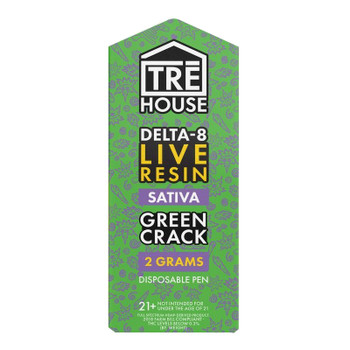
7 Reasons Why Delta 8 Products Are Trending In The Market This 2023 Delta 8 products have been gaining much attention in the market, with experts predicting a significant surge in demand in 2023. Here are seven reasons why these products are set to trend:

1. Legality

These products are garnering widespread attention this year due to their legality. Delta 8 is a natural compound found in the hemp plant, known for its resemblance to Delta 9 THC. However, Delta 8 is unique because it does not have the same unwanted effects as Delta 9, making it a safer option for individuals concerned about potential side effects. One of the primary reasons these products are trending is their legal status. With many states in the US still prohibiting the use of marijuana, Delta 8 provides an attractive alternative for individuals who want to experience the benefits of cannabis without the legal ramifications. Delta 8 is legal in many states, thanks to the passage of the 2018 Farm Bill, which legalized hemp and its derivatives at the federal level. This has led to an explosion in the availability of these products, ranging from edibles to oils to vape cartridges.

2. Fast Acting

These products have been gaining popularity for their fast-acting effects. This cannabinoid is a minor constituent of the cannabis plant, and these products are created by extracting it from hemp plants. Unlike Delta 9, Delta 8 is legal in most states and is available in various products such as edibles, tinctures, and vapes. With their fast-acting capabilities, these products are becoming popular as a quick and easy way to relax without getting overwhelmed.

3. Long-Lasting Effects

Delta 8 products have been creating a buzz in the market this 2023 due to their long-lasting effects. Their long-lasting effects are one of the important facts about Delta 8. With more and more people looking for alternative ways to relax after a long day, the rise of these products is no surprise. These products, from edibles to vape cartridges, offer an experience like no other. Unlike its cousin, delta-9 THC, delta-8 has fewer unwanted effects, making it a great option for those looking for more balanced effects. With the growing demand for alternatives to traditional options, it's no wonder that Delta 8 is quickly becoming a favorite among consumers.

4. High Potency

High Potency These products are quickly gaining popularity this year due to their high potency. Packed with potent compounds, these products offer users a unique experience. Unlike traditional Delta 9 products, delta 8 produces a more relaxed effect, making it a great choice for those who want to experience the benefits of cannabis without feeling overwhelmed. These products come in various forms, including edibles, tinctures, and vape cartridges. With such a wide range of options, consumers can easily find a product that suits their needs and preferences. As the demand for natural products continues to grow, it's no surprise that Delta 8 products are quickly becoming the go-to choice for many people.

5. Diverse Product Options

These products are quickly gaining popularity in the market for the year 2023, and it's not difficult to understand why. With an impressive range of diverse product options, consumers can try various products, including edibles, oils, tinctures, and more. These products are derived from an alternative form of THC, creating a more balanced effect. With so many products to choose from, consumers now have the flexibility to enjoy the benefits and effects of CBD and THC products without the restrictions and potential side effects associated with smoking or more traditional forms of marijuana consumption.

6. Increased Availability

As we enter a new year, one trend catching everyone's attention is the increased availability of these products in the market. These products have become extremely popular due to their unique effects and benefits, which many consumers have praised. Delta 8, also known as D8, is a minor cannabinoid that is structurally similar to Delta 9 THC but with its unique properties. With companies tapping into the growing demand for Delta 8 products, many options are now available to consumers. From edibles to tinctures to vapes, these products offer a new and exciting way to experience the benefits of cannabis. It's no wonder why these products are becoming the talk of the town this 2023.

7. Novelty Factor

Novelty Factor Due to their novelty factor, these products have been making waves in the market this 2023. Consumers are curious about the properties of the compound and how it differs from Delta 9. Delta 8 THC is a minor cannabinoid found in the hemp plant and known for its unique effects. These products are available in various forms, such as gummies, vapes, and tinctures, offering a variety of ways to consume the compound. Although more research is needed, the novelty factor of these products has attracted many consumers to try them out for themselves.

Bottom Lines

Many people are searching for Delta 8 Lollipops in 2023, which shows the rising popularity of these products. These products have been making headlines in the market lately and for good reason. This cannabis derivative has gained tremendous popularity due to its unique chemical structure and potential effects compared to Delta 9. Additionally, the promising potential of Delta 8 has made it a hot topic in the industry. No wonder why Delta 8 is trending in the market and is expected to continue to do so in the coming years.

Read Also:

Abdul Aziz Mondol is a professional blogger who is having a colossal interest in writing blogs and other jones of calligraphies. In terms of his professional commitments, he loves to share content related to business, finance, technology, and the gaming niche.

View all posts

Leave a Reply

Your email address will not be published. Required fields are marked *

Related

Integrative Therapy

Integrating Therapy And Activities In Residential Treatment

The integration of therapy and activities in residential treatment facilities is a pivotal aspect of modern mental health care. This approach combines traditional therapeutic methods with various activities, enhancing the effectiveness of treatment and providing a more holistic recovery experience for residents. In residential treatment settings, therapy remains the cornerstone of the recovery process. This typically involves a combination of individual and group therapy sessions, utilizing various psychotherapeutic techniques and other evidence-based practices. These therapies are designed to address the underlying causes of mental health issues, helping residents develop coping mechanisms and better understand their conditions. Integrating activities alongside therapy adds a crucial dimension to the treatment process. Activities in residential treatment facilities can range from physical exercise, such as yoga or swimming, to creative endeavors like art or music therapy. These activities are not merely recreational; they are carefully chosen for their therapeutic benefits. For instance, physical activities can help reduce anxiety and depression symptoms, while creative therapies offer a non-verbal outlet for expression and emotional exploration. One significant benefit of integrating activities into treatment is the enhancement of therapy effectiveness. Engaging in activities can help residents apply and reinforce the skills learned in therapy sessions. For example, participating in a group sport can improve social skills and teamwork, reflecting the interpersonal skills taught in group therapy. Another advantage is the promotion of a holistic approach to wellness. Mental health is intrinsically linked to physical and emotional well-being. Activities like mindfulness meditation or nutritional workshops contribute to overall health, which is crucial for mental health recovery. These activities encourage residents to adopt healthier lifestyles, which can have long-lasting benefits beyond their time in the facility. The diverse array of available activities further enhances the personalization of the treatment experience. Recognizing that residents have unique interests and respond differently to various activities, offering a wide range of options ensures that each resident can discover activities that deeply resonate with them.  This approach not only tailors the treatment experience to individual preferences but also boosts resident engagement and enjoyment, fostering a more meaningful and effective recovery journey. The variety of activities becomes a dynamic tool in creating a therapeutic environment that accommodates diverse needs and promotes holistic well-being. Incorporating activities into residential treatment also fosters a sense of community and belonging among residents. Participating in group activities builds camaraderie and support, essential elements in the recovery journey. It creates opportunities for residents to form meaningful connections with others who share similar experiences. Moreover, these activities provide practical skills and hobbies that residents can continue after leaving the facility. Skills learned through activities such as gardening, cooking, or painting can be valuable tools for stress management and self-care in daily life. Integrating therapy and activities in residential treatment offers a comprehensive approach to mental health recovery. This integration enhances the effectiveness of traditional therapies, promotes holistic wellness, allows for personalization of the treatment experience, builds community, and equips residents with practical skills for life post-treatment. What Is Integrative Therapy? Academics have argued that psychotherapy and psychology are essentially different. According to them, treatment takes a backseat because of the insistent modalities. We define ourselves in a certain way and set up “false dichotomies when, in practice, we routinely straddle multiple approaches.”  Integration is a term that suggests the bringing together of things. When dealing with clients, it suggests that we adapt to both the needs of clients and their context by blending fragmented theoretical frameworks as well as their methods.  Human beings are complex, and they bring unique hopes, needs, and challenges to therapy. A therapist's chief challenge lies in attempting to make an honest integrative therapy that amalgamates different philosophical commitments, assumptions, and values. They must also admit that not all of these practices and theories can be compatible.  So, when integrative therapists treat their clients, they must consider the what, how, and when of integration. This would typically involve one of the four potential approaches.  Theoretical integration: Transcends the individual models by making a single model Technical eclecticism: Combines the effective bits of different approaches Assimilative integration: Works mainly in a single model whole, also integrating several aspects of other approaches Common factors: Focuses on the right practices as well as elements from all approaches  History of Integrated Therapy Human interest in therapeutic integration dates back as far as Freud and the contemporaries of the father of psychology in the early 1900s. Sandor Ferenczi, a relational psychoanalyst from Hungary, wrote a paper in 1933. He argued that instead of staying too true to the stereotypical techniques, we must take our cues from the patient and adopt the most suitable approach at a time in the best interest of the patient.  Aaron Beck claimed in 1991 that cognitive behavioral therapy could actually be integrative therapy. He said that because of the broad sweep of psychology and the resulting integration of different technical procedures, cognitive therapy is integrative therapy.  It is possible that we can challenge his claims today, but CBT is a prime example of the combination of two or more approaches. In that case, the awareness of the client’s belief system going through a change can improve the therapist’s efforts on their behavioral change.  Holistic Therapy and Integrative Therapy Partnerships The combination of integrative therapy and holistic therapy has repeatedly proved to be effective and valuable in palliative care. It helps clients deal with their discomfort, pain, anguish, and fear related to their past, present, and future. When traditional Western medicine cannot help the chronically and terminally ill, treatments like imagery, therapies, and meditation, along with psychotherapy, tend to offer hope for them. Their needs for peace and calm at nearly the end of their lives are met with a lot of help.  Other approaches, when combined with integrated psychotherapies, get into the details of theology, spirituality, religion, and existential motives.  Wrapping Up Integrated therapy offers a strong and flexible approach to psychotherapy that addresses each client’s complex as well as unique needs. It aims to help create a comprehensive framework that will prioritize effective dialogue between different approaches by bringing together techniques and theories from various psychological models.  Read Also: Ketamine Therapy: A New Hope For Treating Depression And Anxiety What Is Thinspo? | Impact On Physical And Mental Health Psychedelic Therapy for Mental Health Conditions

READ MOREDetails
Cannabinoids

CBG vs. CBN: Navigating The Lesser-Known Cannabinoids

While cannabis usage and exploration are evolving, the shadow of its most popular cannabinoid pair, THC and CBD, may finally be lifting on two newbies to this magical family tree within the flower we all know and love Cannabigerol (CG) and Cannabinol (CBN). With the preponderance of experience from the familiar fun of THC-induced highs to the meditative balm of CBD’s therapeutic benefits, these less-well-known cannabinoid compounds may come as a surprise – and cannabis connoisseurs may just find them to be a treat for the CBD-toned brain. And as one who’s dipped a toe into all things cannabis-related personally and professionally, I’d like to share some insights into these so-called minor cannabinoids, but in a major, professional, and trusted way. Hail to the unknown and underappreciated! Enter CBG and CBN, stage left Research, personal experience, and murmurs of the ganja community are about to collide for your entertainment and perhaps enlightenment about these two oft-overlooked members of the cannabis clan. What Are CBG and CBN? To get the lowdown, it’s a good idea to figure out exactly what CBG and CBN are. CBG, or cannabigerol, is sometimes referred to as the ‘mother of all cannabinoids’ because, in its acidic CBGA form, it’s the precursor molecule of several other cannabinoids. Non-psychoactive, it’s believed to have a number of potentially beneficial therapeutic actions. The other compound is CBN or cannabinol, which results when THC ages and breaks down. It’s mildly psychoactive but nowhere near as much as cannabis itself. The Unique Promise of CBG CBG first came onto my radar when I was researching botanical solutions to gut ailments. Word on the street was that the cannabinoid could potentially provide immense relief – an assertion ostensibly supported by CBG’s reported anti-inflammatory and analgesic effects. In my case, I found some of that buzz to be spot-on. Soon after adding this cannabinoid to my routine, I took note of some discernible improvements with respect to my digestive comfort. I didn’t experience transformative results right out of the gates but, over time with continued use, those uncomfortable days grew less frequently. Studies also indicate that CBG might have neuroprotective, anticancer, and antibacterial effects. CBG might be the ultimate versatile cannabinoid for physical relief and preventative health benefits. The Calming Effects of CBN The first time I used CBN was to help a friend sleep better. She’d tried meditation and melatonin without much luck. Both made her light and scatterbrained and though she could manage her insomnia with the sheer force of will, she was curious to try another approach. I was curious, too, and decided to experiment alongside her. My own sleep patterns were never great, even on nights when I could turn off the TV (and the iPad) in time to hit the sheets by midnight. Alongside her, I found CBN to be a relaxing sleep aid. I wouldn’t call it a ‘sleeping pill’ as it doesn’t put you down for the night quite the same way that sort of remedy does. But there are lots of nights when I need a nudge toward rest, times when my mind is filled with deadlines and to-dos. On those occasions, a CBN-infused tincture has become an excellent tool for inducing a Guitar-Strum-Country-And-Western brain noodle. CBN is also being tested as a pain reliever, anti-inflammatory, and neuroprotectant (a compound with the ability to reduce cell death associated with stroke, traumatic brain injury, and neurodegenerative disorders). Human trials are just beginning, but the outlook appears encouraging.  Personal Experience: A Balancing Act My experience trying to understand the world of CBG vs CBN has been confusing, enlightening, and, above all, very informative. I have learnt that, while both cannabinoids can supplement our lives, they have to be used at the right time to work for specific needs. CBG has become my ally during the day, a cannabinoid that makes me feel slightly better than usual but does not have any psychoactive effects. CBN will stay in my nighttime routine, not as a substitute for sleeping pills but as a way to create a more prone state. Pros and Cons Pros - CBG: Potential digestive aid and anti-inflammatory. Non-intoxicating, making it suitable for daytime use. Versatile benefits span from neuroprotection to antibacterial effects. Pros - CBN: Promotes relaxation and may improve sleep quality. Mildly psychoactive, offering a gentle experience. Potential pain reliever and anti-inflammatory properties. Cons - CBG: Low availability and more expensive due to lower yields from cannabis plant.  Research is still emerging, making definitive conclusions about its efficacy premature. Cons - CBN: Effects can vary greatly among individuals; not everyone may experience significant sleep benefits. Because it’s apparently derived from the degradation of THC, its legal status can be unclear in some places. Final Thoughts This journey of discovery into CBG and CBN has both amazed me and taught me a lot. My experiences have generally been good ones, but reactions can differ – start small and work up from there, to be sure. While the research is still emerging, it’s possible that CBG and to some extent, CBN can transcend their minor cannabinoid status and join the ranks of CBD and THC. For cannabis connoisseurs and curious neophytes alike, this new frontier means looking deeper than ever into the increasingly multilayered beauty and therapeutic promise of the plant. Cheers to good science and many more cannabinoids on the horizon. Read Also: How Does CBD Affect Your Drug Tests? How CBD Oil Capsules Are Changing People’s Lives What is Cannabis Oil and how does CBD Oil Work?

READ MOREDetails
Psychology Of Accident Recovery

The Psychology Of Accident Recovery: Overcoming Trauma And Moving Forward

Accidents can happen when people least expect them, and their aftermath can leave them not only physically injured but also emotionally scarred. The journey to recovery from an accident is not just about healing the body; it's also about addressing the psychological trauma that often accompanies such incidents. This article will delve into the emotional aspect of recovering from accidents and explore how individuals can overcome trauma and move forward with their lives. Additionally, it'll discuss the role of an accident and injury lawyer in providing support during the legal process. Understanding The Emotional Impact Of Accidents Accidents can have a profound impact on your emotions, affecting your mental well-being in various ways. Here are some common emotional responses that individuals may experience after an accident: Shock and Disbelief: Immediately following an accident, many people experience a sense of shock and disbelief. It's as if their world has been turned upside down, and they struggle to come to terms with what has just happened. Fear and Anxiety: Fear of the unknown, anxiety about the future, and concerns about the extent of their injuries can overwhelm accident victims. These emotions can lead to sleep disturbances and heightened stress levels. Depression: Chronic pain, disability, and the disruption of one's daily life can trigger feelings of depression. The loss of independence and the inability to engage in activities they once enjoyed can contribute to a sense of hopelessness. Anger and Frustration: Accidents can leave individuals feeling angry, especially if they believe the incident was preventable or caused by someone else's negligence. This anger can further complicate the recovery process. Guilt and Self-Blame: Some accident survivors may blame themselves for the incident, even if it was not their fault. This self-blame can be emotionally draining and hinder their recovery. Post-Traumatic Stress Disorder (PTSD): In more severe cases, individuals may develop PTSD, a condition characterized by flashbacks, nightmares, and intense anxiety related to the accident. Coping Strategies For Emotional Recovery Recovering from the emotional trauma of an accident is a crucial step in the overall healing process. Here are some strategies that can help individuals overcome the psychological hurdles: Seeking Professional Help: It's essential to reach out to mental health professionals who specialize in trauma and accident-related issues. Therapy and counseling can provide valuable tools to manage anxiety, depression, and PTSD. Building a Support Network: Lean on friends and family for emotional support. Talking to loved ones can provide comfort and a sense of connection during difficult times. Staying Informed: Understanding the medical and legal aspects of the accident can reduce uncertainty and anxiety. Consult with medical professionals to have a clear picture of your injuries and recovery process. Self-Care: Prioritize self-care by getting adequate rest, eating well, and engaging in gentle physical activity when possible. Small acts of self-compassion can make a big difference in emotional recovery. Mindfulness and Relaxation Techniques: Practices such as mindfulness meditation and deep breathing exercises can help manage stress and anxiety. The Role Of Accident And Injury Lawyers While emotional recovery is paramount, dealing with the legal aspects of an accident is equally important. An accident and injury lawyer can play a crucial role in guiding accident victims through the complex legal process. Here's how they can provide support: Legal Expertise: Accident lawyers specialize in personal injury law and have a deep understanding of the legal complexities involved in accident cases. They can assess the situation, determine liability, and advise you on your rights. Evidence Gathering: To create a compelling case on your side, attorneys can assist in gathering crucial information such as accident reports, witness testimony, and medical records. Negotiation with Insurance Companies: Dealing with insurance companies can be daunting. Accident lawyers can negotiate with insurers to ensure you receive fair compensation for your injuries and losses. Litigation Support: In cases where a settlement cannot be reached, accident lawyers can represent you in court and advocate for your rights in front of a judge and jury. Peace of Mind: Knowing that you have a knowledgeable advocate on your side can provide peace of mind during a challenging time. This allows you to focus on your recovery while your lawyer handles the legal complexities. Conclusion Recovering from an accident is not just a physical journey; it's also a psychological one. Understanding and addressing the emotional impact of accidents is crucial for individuals seeking to move forward with their lives. Seeking professional help, building a support network, and practicing self-care are essential steps in the emotional recovery process. By addressing both the emotional and legal aspects of recovery, individuals can better navigate the challenges that arise after an accident and take steps toward a brighter future. Read More: Protect Your Rights Today With Domestic Violence Lawyers

READ MOREDetails