














How To Harvest Weed: A Beginner’s Guide To Cannabis Cultivation
If there is one thing that most people try to know after searching for the legalities of growing weed, it is about “how to harvest weed?” If this is something that you are searching for, I have you covered! You see, weed, or marijuana, is a controversial plant to talk about. You might want to grow it for medicinal and recreational purposes. But the “What if people...” thoughts might put you off! This is because harvesting or growing weed is not like harvesting potatoes. There are several other things associated with the same. So, having someone like Stoned Genie can always come in handy! But don’t you worry, my friend! If you are trying to search for the best ways to harvest weed, both indoors and outdoors, you need to look no further! Keep on reading this blog till the end to learn more... Is Growing Marijuana Legal? Marijuana, also known as cannabis, weed, pot, or ganja, is a plant that contains several psychoactive compounds. It can alter one's mood, cognition, and perception. Marijuana has been used for several reasons and purposes for thousands of years, ranging from medicinal to spiritual. But its legal status has been a matter of debate and controversy in many countries. So, is growing marijuana legal? The answer depends on where you live, how much you grow, and what you use it for. In some countries, such as Canada, Uruguay, and South Africa, growing marijuana for personal use is legal or decriminalized as long as you follow certain rules and regulations. In other countries, such as the United States, Australia, and the Netherlands, growing marijuana is legal or tolerated in some states or regions but illegal or restricted in others. In many countries, such as China, India, and Saudi Arabia, growing marijuana is illegal and punishable by harsh penalties, regardless of the amount or purpose. Various factors, such as the potential benefits and harms of marijuana use, the social and cultural attitudes towards marijuana, the economic and political interests of different groups, and the international treaties and agreements on drug control influence the legal status of marijuana. The legal status of growing marijuana is also subject to change as new laws and policies are enacted or revised and further research and evidence are presented. Growing marijuana is a complex and controversial issue that has no simple or universal answer. The best way to find out if growing marijuana is legal in your area is to consult the relevant authorities and sources, and to be aware of the risks and consequences of your actions. Remember, just because something is legal, does not mean it is safe, ethical, or advisable. When Should You Plant Weed? Spring is here, and you know what that means: it's time to get your marijuana seeds ready for planting outdoors. This is the most important crop of the year because you can get the biggest harvest of all. Some old-timers like to plant their seeds on the first full moon of March. They say this way, the seeds get some light at night and don't grow too tall too fast. But sometimes, it's still too chilly in March, and not everywhere has the same weather. If you live in a colder place, your plants will grow slower and suffer from the cold and the wind. They will be weaker and more likely to get bugs and diseases So, what should you do in this case? Well, you can wait a month or two longer. A seed that sprouts in a nice climate from April onwards will grow bigger and better than one that sprouts in March in the same place But growing plants for so long is not easy. You must watch out for all kinds of things: bugs, diseases, nutrients, transplanting, pruning, training... It's a six-month-long job requiring constant attention Things to Keep in Mind If you want a good quality and quantity of weed there are several things that you need to keep in mind. Want to know what they might be? I have you covered! Here are some of the things that you'll need: Fertilizers for growth and flowering: You can choose whatever fertilizers you like, organic or chemical. Organic ones, like humus, guano, and flower boosters, will give you a tasty and aromatic weed, but less of it. Chemical ones, like those from specific brands, will give you more buds, but less flavor. Insecticides for insects like whiteflies, mites, or thrips: It's better to use them as a prevention, so you don't get any nasty surprises. An anti-fungal product that works well against powdery mildew: Propolix or other chemical products are good, but you have to use them from the beginning. Bacillus Thuringiensis: This is for caterpillars and other worms. Use it as soon as the flowers start to show, which is when these critters start to show up. Around May/June. Stakes or wires to support the branches during the flowering stage. Soil and Other Conditions to Grow Weed or Marijuana It's obvious that this is the most common grow medium, probably because it's easy to find and has some nutrients already in it. Weed grown in soil is also more delicious and fragrant. And, no, it's not hard to grow in soil – just plant your (favorite) strain in the soil, and you're good to go. That's it. Of course, there are different kinds of soil, and some are better than others. High-quality potting soil will make your life easier and faster. You might also want to add some extra nutrients to make your weed grow better. Or you can make your own super soil. If you decide to buy soil, we suggest you go for the best brands, or at least those with a good soil mix. They should have things like earthworm castings, alfalfa meal, humic acid, etc. Can You Grow Weed Without Soil? Want to try something different? Go soilless. You'll see some quicker growth (and bigger harvests). And, conveniently, growing weed in soilless mediums is pretty similar to growing it in soil. The only difference is that you'll have to give the nutrients yourself because soilless mediums don't have any. Some examples of soilless mediums are coco coir, vermiculite, perlite, etc. What About Hydroponic Grows? Is it Complicated? No, hydroponic growth is not complicated. It's as easy as picking your setup (hydroponic system), getting your nutrients, and sprouting your seeds. And you'll get some amazing benefits: super-fast growth, huge yields, and super-strong weed. Sounds good, right? Don't believe everything you hear because some information can mess up your growth. But with the right setup and care, you can be sure of a plentiful harvest. What It Needs to Survive and Thrive: How to Grow Weed Plant? If you want to grow the best weed possible, you need to know your plant well. Here are some of the main things that a weed plant needs to thrive, and how it works. Light Light is the fuel that drives photosynthesis and growth in a weed plant. The fan leaves are like solar panels that absorb light. The more light you give your plants, the more buds they will produce. But be careful not to give them too much light. If you grow indoors, keep your lights at a safe distance from your plants, or you might burn them and ruin your nugs. And if your plants get too hot, they will dry out faster and need more water and attention. Weed plants usually need at least six hours of sunlight a day when they grow outdoors. This is called “full sun”. When they grow indoors, they usually get between 12 and 18 hours of artificial light a day, depending on their stage of growth. Weed is a photoperiod plant, which means that the amount of light it gets every day affects when it flowers and makes buds. Outdoors, this happens when the days get shorter in the fall. Indoors, you can make this happen by changing the light cycle from 18 to 12 hours a day. Water Water is essential for all plants, including weed. Water provides hydrogen for photosynthesis, and also carries nutrients from the soil to the plant through the roots, and throughout the whole plant. Water also helps the plant stay firm and flexible, by creating pressure on the cell walls. This allows the plant to bend with the wind or reach for more light. Plants also lose water through their leaves, like humans sweat, to cool down. This is called transpiration, and you can see it as droplets on the leaf tips. This may sound obvious, but you only need to water the soil or the medium where your weed plant grows, not the leaves or the plant itself. We suggest that you water a lot, but not too often, rather than a little, but more frequently. This way, the roots can dry out a bit and get more oxygen from the soil. Nutrients A marijuana plant needs several nutrients to grow and flower. The main nutrients it needs are: Nitrogen: Nitrogen helps a weed plant grow during the vegetative phase, when it makes more mass, stems, branches, and leaves. It is part of chlorophyll, the green pigment that helps the plant use light for photosynthesis. Phosphorus: Phosphorus is important for storing and using energy, as well as for root growth and bud development. It helps the plant take up nutrients and build its structure. Potassium: Potassium helps with many of the plant’s metabolic activities, such as respiration, transpiration, and enzyme activation. It also helps the plant fight off diseases and pests. Calcium: Calcium is a minor nutrient, but it still plays a role in keeping the plant’s cell walls intact, and helping the plant absorb other nutrients. Magnesium: Magnesium is part of chlorophyll, and helps the plant make glucose from photosynthesis. Without it, the plant can’t turn light into energy. CO2 Plants breathe in CO2 through tiny holes in their leaves called stomata. During photosynthesis, plants turn CO2 into glucose, which they use to grow and flower. Some indoor growers use a “CO2 burner”, which is a device that adds a little bit of CO2 to the air, to make the plants grow faster and bigger. But this is usually too much for home growers. Wind/airflow Wind or airflow is good for your plants, because it brings fresh air and CO2, which they need to grow. Airflow also prevents mold and diseases, by removing moisture from the inside of the plant, so it doesn’t get too wet. You can also use a technique called scragging, which spreads out the branches and lets more air in. Wind or airflow also makes your plant stronger and healthier, by making its stalks and branches thicker and sturdier. When a plant bends with the wind, it produces a hormone called auxin, which stimulates growth. What to Keep in Mind While Harvesting Weed? You probably know that different strains of weed need different amounts of time and sun to grow well. Sativas, which come from places near the equator, like a long and sunny summer to get fully ripe. Indicas, which come from colder and harsher places, are usually faster to finish. But there are exceptions, of course. Some indicas are slow and some sativas are quick. The best time of day to cut down your outdoor plants is in the morning, before the sun gets too strong. You don't want them to be wet from dew, but you also don't want them to be exposed to too much sunlight, which can ruin their flavor. You can also harvest at night when it's cooler, but the morning is better because the plants are fresher and haven't been under the sun all day. 1. Watch the weather As your buds get bigger and heavier and the season changes from summer to fall, the weather can change too. Depending on where you live, you might get some cold snaps or rainstorms. These are not the end of the world, but you do need to pay attention to the weather and maybe decide on the spot when to harvest your plants, balancing their ripeness with the risk of losing them. 2. Harvesting in Lower Temperatures According to sources, most weed plants can handle a light freeze—28-32°F for up to three hours—without any problem. But a hard freeze, anything lower or longer, can be a disaster. Frost can make ice crystals form in the plant cells, hurting them. The leaves will look droopy and then turn dark and crunchy. The worse the frost, the more damage to the plant. Remember that plants in pots are more sensitive to temperature changes than plants in the ground, so they are more likely to get frost damage. 3. Rainy Harvests Rain is not a big deal by itself, but it depends on how long and how hard it rains. If it's going to stop soon and dry up fast, you can leave your almost ready plants outside. But if the rain is going to stay, mold is waiting—better to harvest sooner than later. Covering your plants can help, but the air will still be humid. You can use some tall stakes and a tarp to cover them, but make sure to take them off when the rain or cold is over. In this way, the plants can warm up and breathe. When to Harvest Weed Plant? The type of plant growing determines when to harvest cannabis. Sativa, hybrid, and indica are the three primary kinds of cannabis seeds. Are you curious about the best time to harvest marijuana? Let me break it down for you! Sativa strain plants typically take longer to mature and give off a stronger cerebral height. However, Indica plants yield larger blooms and a more sedative, paralyzing high. When an Indica and a Sativa are crossed, hybrids that enable flowers to have both traits are created. While Sativa cultivars blossom in 10 to 16 weeks (about three and a half months), Indica varieties flower in 8 to 10 weeks (about two and a half months) on average. The cannabis plant can be found in hybrid form halfway between the two main species. It is important to understand that flowering times might vary based on environmental factors like temperature and duration of day. Thus, the questions of when and how to harvest cannabis remain unanswered. Knowing what you want to achieve with your cannabis plants can help you decide when to harvest them. Let's say you are growing cannabis for therapeutic purposes. Is there a unique method for harvesting cannabis in this case? If so, it is imperative to harvest the plant at the height of its cannabinoid content. But if you are cultivating cannabis seeds for fun purposes, then it is best to harvest marijuana at its peak maturity. How to Harvest Weed? Once you've decided when to harvest your cannabis, it's critical to understand how to harvest cannabis plants correctly. It's simple to harvest cannabis; you just need to cut the stem off at the root. But it's best not to pull the branch out of the ground since this could damage it and reduce its yield. It is crucial to properly dry the cannabis after harvesting it before stocking it. Hanging it upside down in a room with lots of ventilation and little light exposure is the best method to accomplish this, like a wardrobe. In order to efficiently dry cannabis, proper ventilation is necessary because it inhibits the growth of mold. Before you proceed to store it, ensure that you let your cannabis rest for some time. This can range anywhere from three to seven days. This is a great way to ensure that the leaves are dried and ready for you to store. Wrapping It Up! In case you were searching for the best ways on how to harvest weed, I hope that this blog has been of help to you. If there are any other queries related to the same, please feel free to let me know. All that you need to do is scroll down till you reach the bottom of the page. Then leave your suggestions in the box below. And I will be there to answer them all for you! More Resources: Choosing a Medical Marijuana Dispensary Marijuana Addiction Treatment: 5 Steps to Avoid Relapse What Are Tarpenes? How Do They Work? – Cannabis Guide Medical Marijuana Can Take New Dimensions in the Treatment of Pets
READ MOREDetails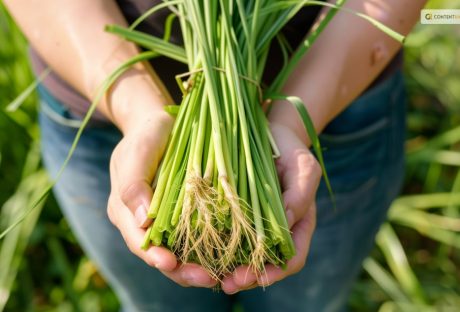
How TO Harvest Lemongrass: Tips AND Tricks FOR Growing AND Using This Versatile Herb
Lemongrass is a tropical herb that has a fresh and citrusy flavor and aroma. It is one of the most essential herb that is people widely use in Asian cuisines. They especially use it in Vietnamese, Thai, and Indonesian dishes. It is also a popular ingredient in teas, soups, curries, salads, and marinades. Lemongrass has many health benefits, such as improving digestion, boosting immunity, reducing inflammation, and relieving stress. But did you know that you can grow and harvest your own lemongrass at home? Yes, you can! Lemongrass is easy to grow and maintain, and can thrive in pots, containers, or gardens. You can enjoy fresh and organic lemongrass all year round, and save money and time from buying it at the store. In this article, I will show you how to harvest lemongrass, and share some tips and tricks for growing and using this versatile herb. By the end of this article, you will have a better understanding of how to harvest lemongrass, and how to make the most of this wonderful herb. So, if that is something that you want to know, I have you covered! Keep on reading this blog till the end to learn more… How to Grow Lemongrass? Lemongrass is a wonderful herb that can add a refreshing and citrusy flavor to your dishes, drinks, and teas. It is also a beautiful ornamental plant that can brighten up your garden with its tall, graceful stalks and fragrant leaves. Lemongrass is native to tropical regions, but you can grow it in cooler climates as well with some care and preparation. Here are the steps and conditions for growing lemongrass successfully at home: 1. Choose a healthy lemongrass plant or stalk You can buy a potted lemongrass plant from a nursery or garden center, or you can start your own from a fresh lemongrass stalk that you can find in most grocery stores or Asian markets. Look for a stalk that is firm, green, and has some roots at the base. Avoid any that are dry, brown, or moldy. 2. Prepare a sunny and warm spot for your lemongrass Lemongrass loves full sun and heat, so choose a location that gets at least six hours of direct sunlight per day. If you live in a colder region, you can grow lemongrass in a container that you can move indoors during the winter. Use a large pot with drainage holes and fill it with rich, loamy soil that is high in organic matter. You can also add some compost, manure, or leaf mold to improve the soil quality and fertility. 3. Plant your lemongrass in the soil If you bought a potted plant, simply transplant it to the ground or a larger container, making sure to bury the roots well and leave some space between the stalks. If you are starting from a stalk, peel off any dead or yellow leaves and trim the top part to about six inches. Place the stalk in a glass of water and keep it in a sunny windowsill until roots start to grow, which can take a few weeks. Then, plant the rooted stalk in the soil, leaving about two inches of the stem above the ground. Space the plants about two feet apart to allow them to spread 4. Water and fertilize your lemongrass regularly Lemongrass needs moist soil to thrive, so water it frequently and deeply, especially during hot and dry periods. A good rule of thumb is to water it once a week or whenever the top inch of the soil feels dry. You can also apply a layer of mulch around the plants to conserve moisture and prevent weeds. Lemongrass also benefits from a monthly dose of liquid organic fertilizer during the growing season, such as fish emulsion or seaweed extract. This will help it grow faster and produce more leaves and stalks. 5. Harvest and enjoy your lemongrass You can start harvesting your lemongrass when the stalks are about a foot tall and half an inch thick. Cut the stalks at the base with a sharp knife or scissors, leaving about two inches of the stem in the ground. Additionally, you can use the whole stalk, or peel off the outer layers and use only the tender inner part. You can also harvest the leaves and use them fresh or dried for teas and infusions. Lemongrass can be stored in the refrigerator for up to two weeks, or in the freezer for up to six months. You can also dry it and store it in an airtight container for later use. How to Harvest Lemongrass? Harvesting lemongrass is a simple and satisfying process that can be done in a few steps. Here are the basics of how to harvest lemongrass: Choose the right time The best time to harvest lemongrass is when the stalks are about 12 inches tall and 0.5 inches thick. This usually happens after 3 to 4 months of planting. You can harvest lemongrass throughout the year, as long as the temperature is above 40°F. You can also harvest lemongrass in batches, leaving some stalks to grow and regenerate. Cut the stalks To harvest lemongrass, you need a sharp knife or scissors, and a clean cutting board. Cut the stalks at the base, as close to the soil as possible. You can cut as many stalks as you need, or as many as you can use within a week. You can also trim off the leaves, as they are not edible and can be used for other purposes. Wash and store the stalks After cutting the stalks, wash them under running water, and pat them dry with a paper towel. You can store the stalks in the refrigerator, wrapped in a damp paper towel, and placed in a plastic bag. They can last for up to a week. You can also freeze the stalks, chopped or whole, in a freezer bag. They can last for up to 6 months. Dividing Lemongrass: What is It and How to Do It? Dividing lemongrass is a great way to propagate and maintain this aromatic and flavorful herb. Lemongrass is a perennial plant that grows in clumps of stalks and leaves. Over time, these clumps can become crowded, woody, and less productive. By dividing lemongrass, you can rejuvenate the plant, increase its yield, and share it with others. Here are the steps and reasons for dividing lemongrass: 1. When to divide lemongrass? The best time to divide lemongrass is in the spring, after the last frost date when the plant is actively growing and has new shoots. You can also divide lemongrass in the fall if you live in a warm winter climate or if you plan to overwinter the divisions indoors. Avoid dividing lemongrass in the summer, when the heat and drought can stress the plant and reduce its survival rate. 2. How to divide lemongrass? To divide lemongrass, you must dig up the entire plant and separate it into smaller sections. You can use a shovel, a sharp knife, or your hands to do this. Each section should have at least one inch of root and several healthy stalks and leaves attached. You can trim the leaves to about six inches to reduce water loss and make the divisions easier to handle. Discard any old, brown, or damaged parts of the plant. 3. Where to plant lemongrass divisions? You can plant lemongrass divisions in the same spot where you dug up the parent plant or in a new location with full sun, moist and well-drained soil, and plenty of organic matter. You can also plant lemongrass divisions in containers at least 10 inches deep with drainage holes. Space the divisions about two feet apart to allow room for growth. Plant the divisions at the same depth as they were before, with the crown just below the soil surface. 4. How to care for lemongrass divisions? Lemongrass divisions need regular water and fertilizer to establish and thrive. Water them deeply and frequently, especially during the first few weeks and during hot and dry periods. You can also apply a layer of mulch around the plants to conserve moisture and prevent weeds. Fertilize the plants once a month with a liquid organic fertilizer, such as fish emulsion or seaweed extract, during the growing season. Protect the plants from frost in the winter by moving them indoors or covering them with a frost cloth. 5. How to harvest and use lemongrass divisions? You can start harvesting lemongrass divisions when they are about a foot tall and half an inch thick. Cut the stalks at the base with a sharp knife or scissors, leaving about two inches of the stem in the ground. You can use the whole stalk, peel off the outer layers, and use only the tender inner part. Additionally, you can also harvest the leaves and use them fresh or dried for teas and infusions. Lemongrass can be stored in the refrigerator for up to two weeks or in the freezer for up to six months. You can also dry it and store it in an airtight container for later use. How to Use Lemongrass in Food? Lemongrass has a long, green stalk with a bulbous base and grassy leaves. It has a lemony taste with a hint of mint and ginger. Lemongrass can be used fresh, dried, or powdered, depending on the recipe and preference. Here are some ways related to how to use lemongrass in different ways: Fresh lemongrass Firstly, fresh lemongrass is the most aromatic and versatile form of lemongrass. You can find it in the produce section of most supermarkets, Asian markets, or online. To prepare fresh lemongrass, you need to peel off the tough outer layers and trim off the root end and the top third of the stalk. You can use a sharp knife or scissors to do this. The part that you want to use is the pale and tender lower part of the stalk. After that, you can slice it thinly, chop it finely, or bruise it with a pestle or the back of a knife. Slicing or chopping is good for salads, stir-fries, curries, and marinades, while bruising is good for soups, stews, and broths. You can also make a paste by pounding or blending lemongrass with other ingredients, such as garlic, ginger, chilies, and cilantro. A paste is great for adding flavor to meats, seafood, tofu, and rice. You can store fresh lemongrass in the refrigerator for up to two weeks or in the freezer for up to six months. Dried lemongrass Secondly, dried lemongrass is less potent than fresh lemongrass but still has a nice, lemony flavor. You can buy it in whole or sliced form or dry your lemongrass by hanging the stalks in a warm and airy place until they are brittle. Dried lemongrass is good for making teas, infusions, and herbal blends. You can also use it to flavor soups, stews, and broths, but you must soak it in hot water for about 20 minutes before adding it to the pot. Additionally, you can store dried lemongrass in an airtight container in a cool, dark place for up to a year. Powdered lemongrass Lastly, powdered lemongrass is the most convenient form of lemongrass, as it does not require any preparation. You can buy it in spice shops, Asian markets, or online. Powdered lemongrass has a mild and sweet flavor and can be used in baking, desserts, sauces, and dressings. You can also sprinkle it over salads, soups, and stir-fries for a touch of freshness. The shelf life of powdered lemongrass is also great. For up to six months, you can store powdered lemongrass in an airtight container in a cool and dark place. How to Use Lemongrass in Other Things? Apart from cooking, you can use lemongrass in many other ways. Some of the best and most popular uses of this herb are as follows: Beautifying You can use lemongrass to make your own beauty products, such as soap, lotion, or shampoo. You can infuse the stalks or the leaves with oil, such as coconut, olive, or almond oil. Moreover, you can also add other ingredients, such as honey, aloe vera, or essential oils. You can use the products to cleanse, moisturize, or scent your skin and hair. Healing You can use lemongrass to treat various ailments, such as headaches, colds, or infections. You can inhale the steam from boiling the stalks or the leaves, or apply the oil to your temples, chest, or throat. Additionally, you can also drink the tea, or gargle with the syrup. You can use the products to relieve pain, inflammation, or congestion. Wrapping It Up! If you want to know how to harvest lemongrass, I hope that this blog has been of help to you. If there are any other queries about the same, please feel free to let me know. All that you need to do is scroll down till you reach the bottom of the bottom of the page. Then leave your suggestions and comments in the box below. And I will be there to answer them all for you! Learn More About: Everything You Need To Know About Harvesting Basil Asparagus 101: When, How, And How Often To Harvest? How to Harvest Spinach the Right Way: A Step-by-Step Guide
READ MOREDetails
How To Harvest Sunflower Seeds: A Fun And Easy Activity For The Whole Family
Sunflowers are not only beautiful and cheerful, but they also produce delicious and nutritious seeds that you can enjoy as a snack or use in various recipes. Harvesting sunflower seeds is a fun and easy activity that you can do with your whole family. It is also a great way to teach your kids about nature, gardening, and healthy eating. In this article, I will show you how to harvest sunflower seeds in a few simple steps, as well as some tips and tricks to make the most of your sunflower harvest. If you enjoyed reading my blog on harvesting lettuce, you will enjoy reading this one! So, if that is what you are interested in knowing, I have you covered! Keep reading this blog till the end to learn more… How to Grow Sunflower Seeds: A Simple and Rewarding Gardening Project? Sunflowers are one of the most iconic and cheerful flowers in the world. They are also one of the easiest and most rewarding plants to grow from seeds. Sunflowers can brighten up your garden, attract pollinators, provide shade, and produce edible seeds that you can harvest and enjoy. In this part of the article, I will show you how to grow sunflower seeds in a few simple steps, as well as some tips and tricks to make the most of your sunflower growing experience. How to Choose Sunflower Seeds? The first step to growing sunflower seeds is to choose the right seeds for your garden. Sunflowers come in a wide range of sizes, colors, shapes, and types. Some of the most common types of sunflowers are: Giant sunflowers These are the tallest and largest sunflowers, reaching up to 15 feet in height and 12 inches in diameter. They produce huge and heavy flower heads that are filled with large and plump seeds. They are ideal for creating a dramatic and impressive display in your garden, as well as for harvesting large quantities of seeds. Some examples of giant sunflowers are Mammoth, Titan, and Kong. Dwarf sunflowers These are the smallest and shortest sunflowers, growing up to 3 feet in height and 6 inches in diameter. They produce smaller and lighter flower heads that are easier to manage and maintain. They are ideal for growing in containers, pots, or small spaces, as well as for adding a splash of color and charm to your garden. Some examples of dwarf sunflowers are Teddy Bear, Sunny Smile, and Little Becka. Colored sunflowers These are the most diverse and colorful sunflowers, ranging from yellow, orange, red, pink, purple, brown, and even green. They produce medium-sized flower heads that are attractive and eye-catching. They are ideal for creating a vibrant and varied display in your garden, as well as for cutting and arranging in bouquets or vases. Some examples of colored sunflowers are Autumn Beauty, Moulin Rouge, and Lemon Queen. Things to Consider While Choosing Sunflower Seed When choosing sunflower seeds, there are several things that you need to keep in mind. For instance, you should also consider the following factors: Climate and season of your area Sunflowers are warm-season plants that need full sun and warm temperatures to grow and bloom. They are best planted in late spring or early summer, after the last frost, when the soil is warm and moist. If you live in a cold or frost-prone area, you can start your seeds indoors and transplant them outdoors when the weather is favorable. Soil and water conditions of your garden Sunflowers are adaptable and tolerant plants that can grow in most types of soil, as long as they are well-drained and fertile. They prefer slightly acidic to neutral soil with a pH of 6.0 to 7.5. They also need regular watering, especially during the germination and flowering stages. However, they can withstand some drought and dryness once they are established. Space and support available in your garden Sunflowers are large and sturdy plants that need ample space and support to grow and thrive. They should be planted at least 2 to 3 feet apart from each other and from other plants, to avoid overcrowding and competition. They should also be staked or tied to a fence, a trellis, or a pole, to prevent them from bending or breaking under their own weight. How to Plant Sunflower Seeds? Once you have chosen your sunflower seeds, you can proceed to the next step. Planting sunflower seeds is a simple process that involves preparing, sowing, and caring for the seeds. Here is how to do it: Prepare the Soil Prepare the soil by loosening it with a fork or a spade. Ensure that you remove debris, weeds, or rocks. You can also enrich your soil by adding some compost, manure, or fertilizer, to boost its fertility and drainage. Make sure the soil is moist but not soggy, and has a temperature of at least 50°F. Sow the Seeds Sow the seeds by making holes or furrows in the soil, about 1 to 2 inches deep and 2 to 3 feet apart. You can use a ruler, a stick, or your finger to make the holes or furrows. Drop one or two seeds in each hole or furrow, and cover them lightly with soil. You can also sprinkle some water over the seeds to help them settle in the soil. Nurture Care for the seeds by watering them regularly, but not excessively, to keep the soil moist but not wet. You can also mulch the soil with straw, grass clippings, or leaves, to retain moisture and prevent weeds. You should also protect the seeds from birds, squirrels, or other animals, by covering them with a net, a cage, or a cloche. You should also thin the seedlings when they are about 4 to 6 inches tall, by removing the weaker or smaller ones, and leaving only the strongest and healthiest ones. How to Grow Sunflower Seeds? After planting your sunflower seeds, you can watch them grow and enjoy their beauty and bounty. Growing sunflower seeds is a rewarding and satisfying experience that requires minimal maintenance and care. Here are some tips and tricks to grow sunflower seeds successfully: Water Water your sunflowers regularly, but not excessively, to keep the soil moist but not wet. Sunflowers need about 1 to 2 inches of water per week, depending on the weather and the soil conditions. You can use a hose, a sprinkler, or a drip irrigation system to water your sunflowers. You should water them in the morning or evening, and avoid wetting the leaves or the flower heads, to prevent fungal diseases. Fertilizer Fertilize your sunflowers occasionally, but not excessively, to boost their growth and flowering. Sunflowers need a balanced fertilizer that contains nitrogen, phosphorus, and potassium, such as a 10-10-10 or a 20-20-20 formula. You can apply the fertilizer once or twice during the growing season, following the instructions on the label. You should avoid over-fertilizing your sunflowers, as this can cause them to grow too tall and weak, and make them prone to pests and diseases. Pruning Prune your sunflowers occasionally, but not excessively, to improve their shape and health. Sunflowers do not need much pruning, as they are naturally self-pruning and self-cleaning. However, you can prune them to remove any dead, damaged, or diseased leaves, stems, or flowers, to prevent infection and improve air circulation. You can also prune them to control their height and spread, by pinching or cutting off the tips of the main stem or the side branches. You should use clean and sharp scissors or pruners to prune your sunflowers and do it in the morning or evening when the plants are less stressed. When to Harvest Sunflower Seeds? The first step to harvesting sunflower seeds is to know when they are ready. Sunflowers typically bloom in the summer and their seeds mature in late summer or early fall. You can tell when your sunflowers are ready to harvest by looking at their appearance and feel. Here are some signs that your sunflowers are ready to harvest: Petals have fallen off or turned brown. The back of the flower head has turned yellow or brown. Seeds have developed black and white stripes. The seeds are plump and firm to the touch. If you are not sure if your sunflowers are ready to harvest, you can do a simple test by rubbing your thumb over the seeds. If they come off easily, they are ready to harvest. If they are still attached to the flower head, they need more time to ripen. How to Harvest Sunflower Seeds? Once you have determined that your sunflowers are ready to harvest, you can proceed to the next step. Harvesting sunflower seeds is a simple process that involves cutting, drying, and storing the seeds. Here is how to do it: Cut the flower heads from the stems using a sharp knife or scissors. Leave about 12 inches of stem attached to the flower head for easier handling. Place the flower heads in a dry and well-ventilated area, such as a garage, shed, or porch. You can hang them upside down or lay them flat on a screen or rack. Make sure they are not touching each other to prevent mold and rot. Let the flower heads dry for about two weeks or until the seeds are completely dry and hard. You can check the dryness by biting or cracking a seed. If it is crunchy and not moist, it is dry enough. Remove the seeds from the flower heads by rubbing them gently with your hands or a soft brush. You can also use a fork or a spoon to scrape them off. Discard any debris, such as petals, leaves, or insects. Store the seeds in an airtight container, such as a glass jar, a plastic bag, or a metal tin. Label the container with the date and the variety of sunflower. Keep the container in a cool and dark place, such as a pantry, a cupboard, or a basement. How to Enjoy Sunflower Seeds? Now that you have harvested your sunflower seeds, you can enjoy them in various ways. You can eat them raw or roasted, salted or unsalted, shelled or unshelled. You can also use them in salads, soups, breads, muffins, granola, trail mix, pesto, butter, and more. Sunflower seeds are rich in protein, fiber, healthy fats, vitamins, minerals, and antioxidants. They can help manage high cholesterol, blood pressure, and inflammation and boost your immune system, brain function, and mood. Here are some tips and tricks to enjoy your sunflower seeds: Roast To roast your sunflower seeds, spread them in a single layer on a baking sheet and bake them in a preheated oven at 300°F for about 15 to 20 minutes, stirring occasionally, until golden and crisp. You can season them with salt, pepper, garlic, onion, paprika, cumin, or any other spices you like. Shell To shell your sunflower seeds, you can use your teeth, your fingers, or a nutcracker. You can also soak them in water for a few hours to make them easier to shell. To remove the shells, you can blow them away with a fan, a hair dryer, or your mouth, or you can shake them in a colander or a sieve. Sunflower Seed Butter To make sunflower seed butter, you need to blend the shelled and roasted sunflower seeds in a blender until it turns smooth and creamy. You can add a little oil, honey, salt, or vanilla to enhance the flavor and texture. You can use sunflower seed butter as a spread for toast, crackers, or fruit, or as a dip for pretzels, celery, or carrots. Pesto To make sunflower seed pesto, blend roasted and shelled sunflower seeds with fresh basil, garlic, olive oil, lemon juice, salt, and pepper in a food processor or a blender until smooth and thick. You can use sunflower seed pesto as a sauce for pasta, pizza, or sandwiches, or as a dressing for salads or roasted vegetables. Wrapping It Up! Harvesting sunflower seeds is a fun and easy activity that you can do with your whole family. It is also a great way to enjoy the beauty and bounty of nature, as well as the health benefits of sunflower seeds. By following the steps and tips in this article, you know how to harvest sunflower seeds in a few simple steps, as well as enjoy them in various ways. I hope you found this article helpful and informative. If there are any other queries related to the same, please feel free to let me know. All that yo need to do is scroll down till you reach the bottom of the page. Then leave your comments and suggestions in the box below. And I will be ether to answer them all for you! Learn More About: Best Material for Garden Sheds: A Guide for Everyone Asparagus 101: When, How, And How Often To Harvest? Best Gardening Tips For Beginners: Adopting A Relaxing Hobby
READ MOREDetails
CBG vs. CBN: Navigating The Lesser-Known Cannabinoids
While cannabis usage and exploration are evolving, the shadow of its most popular cannabinoid pair, THC and CBD, may finally be lifting on two newbies to this magical family tree within the flower we all know and love Cannabigerol (CG) and Cannabinol (CBN). With the preponderance of experience from the familiar fun of THC-induced highs to the meditative balm of CBD’s therapeutic benefits, these less-well-known cannabinoid compounds may come as a surprise – and cannabis connoisseurs may just find them to be a treat for the CBD-toned brain. And as one who’s dipped a toe into all things cannabis-related personally and professionally, I’d like to share some insights into these so-called minor cannabinoids, but in a major, professional, and trusted way. Hail to the unknown and underappreciated! Enter CBG and CBN, stage left Research, personal experience, and murmurs of the ganja community are about to collide for your entertainment and perhaps enlightenment about these two oft-overlooked members of the cannabis clan. What Are CBG and CBN? To get the lowdown, it’s a good idea to figure out exactly what CBG and CBN are. CBG, or cannabigerol, is sometimes referred to as the ‘mother of all cannabinoids’ because, in its acidic CBGA form, it’s the precursor molecule of several other cannabinoids. Non-psychoactive, it’s believed to have a number of potentially beneficial therapeutic actions. The other compound is CBN or cannabinol, which results when THC ages and breaks down. It’s mildly psychoactive but nowhere near as much as cannabis itself. The Unique Promise of CBG CBG first came onto my radar when I was researching botanical solutions to gut ailments. Word on the street was that the cannabinoid could potentially provide immense relief – an assertion ostensibly supported by CBG’s reported anti-inflammatory and analgesic effects. In my case, I found some of that buzz to be spot-on. Soon after adding this cannabinoid to my routine, I took note of some discernible improvements with respect to my digestive comfort. I didn’t experience transformative results right out of the gates but, over time with continued use, those uncomfortable days grew less frequently. Studies also indicate that CBG might have neuroprotective, anticancer, and antibacterial effects. CBG might be the ultimate versatile cannabinoid for physical relief and preventative health benefits. The Calming Effects of CBN The first time I used CBN was to help a friend sleep better. She’d tried meditation and melatonin without much luck. Both made her light and scatterbrained and though she could manage her insomnia with the sheer force of will, she was curious to try another approach. I was curious, too, and decided to experiment alongside her. My own sleep patterns were never great, even on nights when I could turn off the TV (and the iPad) in time to hit the sheets by midnight. Alongside her, I found CBN to be a relaxing sleep aid. I wouldn’t call it a ‘sleeping pill’ as it doesn’t put you down for the night quite the same way that sort of remedy does. But there are lots of nights when I need a nudge toward rest, times when my mind is filled with deadlines and to-dos. On those occasions, a CBN-infused tincture has become an excellent tool for inducing a Guitar-Strum-Country-And-Western brain noodle. CBN is also being tested as a pain reliever, anti-inflammatory, and neuroprotectant (a compound with the ability to reduce cell death associated with stroke, traumatic brain injury, and neurodegenerative disorders). Human trials are just beginning, but the outlook appears encouraging. Personal Experience: A Balancing Act My experience trying to understand the world of CBG vs CBN has been confusing, enlightening, and, above all, very informative. I have learnt that, while both cannabinoids can supplement our lives, they have to be used at the right time to work for specific needs. CBG has become my ally during the day, a cannabinoid that makes me feel slightly better than usual but does not have any psychoactive effects. CBN will stay in my nighttime routine, not as a substitute for sleeping pills but as a way to create a more prone state. Pros and Cons Pros - CBG: Potential digestive aid and anti-inflammatory. Non-intoxicating, making it suitable for daytime use. Versatile benefits span from neuroprotection to antibacterial effects. Pros - CBN: Promotes relaxation and may improve sleep quality. Mildly psychoactive, offering a gentle experience. Potential pain reliever and anti-inflammatory properties. Cons - CBG: Low availability and more expensive due to lower yields from cannabis plant. Research is still emerging, making definitive conclusions about its efficacy premature. Cons - CBN: Effects can vary greatly among individuals; not everyone may experience significant sleep benefits. Because it’s apparently derived from the degradation of THC, its legal status can be unclear in some places. Final Thoughts This journey of discovery into CBG and CBN has both amazed me and taught me a lot. My experiences have generally been good ones, but reactions can differ – start small and work up from there, to be sure. While the research is still emerging, it’s possible that CBG and to some extent, CBN can transcend their minor cannabinoid status and join the ranks of CBD and THC. For cannabis connoisseurs and curious neophytes alike, this new frontier means looking deeper than ever into the increasingly multilayered beauty and therapeutic promise of the plant. Cheers to good science and many more cannabinoids on the horizon. Read Also: How Does CBD Affect Your Drug Tests? How CBD Oil Capsules Are Changing People’s Lives What is Cannabis Oil and how does CBD Oil Work?
READ MOREDetails
When Do You Need A Personal Injury Lawyer: A Guide For Accident Victims
Accidents are unexpected and traumatic events that can have far-reaching consequences for those involved. But if you are involved in a serious accident and it has left you with severe injuries, you might wonder if it would be worth hiring an attorney. Thus, you would need an injury lawyer in every situation, but there are a few exceptional cases where you might suffer a severe injury. Hence, it might be best to seek legal advice from an experienced personal injury lawyer. To mitigate your situation, you can contact an injury lawyer in Grand Rapids, as they will be able to give you the best advice. In this article, you will discover when and where you would need a personal injury lawyer. When Do You Need A Personal Injury Lawyer? Many accident victims hire lawyers to assist them and navigate the steps of filing their claims. However, you might need to decide when to hire a lawyer after having an accident or whether you need legal assistance. Hence, you do not have to meet specific criteria to hire an injury attorney after an accident. Thus, here is a list of situations when you need to hire a personal injury lawyer. 1. When You Have Significant Injuries In recent days, the number of car accidents has increased to a significant level. The reports published by the WHO claim that the number of annual road traffic deaths has risen to 1.19 million. If you have experienced a serious injury from a car accident, then you are likely to face hefty medical bills. Thus, you would need an attorney to mitigate this situation. Hence, the personal injury lawyer will help you fill out the proper forms in order to receive your medical bills covered. Similarly, auto accidents that produce injuries can warrant legal action against the defendants for compensation. Having legal assistance from the beginning can help you anticipate the best way to proceed after your serious car accident. 2. Your Accident Includes Different Parties When an accident involves different parties, it becomes complex. Some countries follow a contributory negligence policy that permits insurance companies to assign a percentage of faults to all parties in an accident. As a result, you need to hire a personal injury attorney to make sure you understand which insurance company to file your claims. Therefore, car accident attorneys have extensive experience navigating various car accident cases. Hence, hire an attorney to help you understand the procedure for filing an insurance claim. Moreover, they will communicate on your behalf with the insurance adjuster and all parties involved. 3. No Cooperation From Insurance Company When you file for a claim with the at-fault party insurance company, you should be provided with payments to cover the accident expense without any issue. Thus, the insurance company is in the business of incurring money. Moreover, they need to offer more payouts or even deny the claim outright to save money. However, if the insurance company is not cooperating, you might need an attorney to negotiate for a higher offer and a wrongful claim denial. 4. Planning To Take Legal Actions If you plan to take legal action against the at-fault driver or their insurance company, you need a personal injury lawyer. Thus, if the insurance company completely cooperates with your claim, then at-fault driver’s insurance coverage might not be enough to cover your expenses. On the other hand, you might want to pursue non-economic damages, for instance: Emotional distress. Pain and suffering. Loss of enjoyment of life. Thus, with the help of a lawsuit, you can seek compensation beyond what you might qualify for through an insurance claim. Furthermore, you need a professional car accident attorney to guide you through the legal process, present you at the court, and help you gather the right evidence. 5. Difficulty In Compensation Claims If you have difficulty receiving your claims, a personal injury attorney will help you obtain them. However, you might feel stressed, traumatized, and overwhelmed when you file your claims or even talk about your accident. Thus, the professional will help you mitigate the situation and maximize your compensation. The attorney will determine for which you are entitled to make claims. This will make sure that you are not taking advantage of the person held responsible. In return, you are offered a fair amount for your loss and suffering. Hence, an attorney can take this burden off your shoulders, thereby assisting you move forward. 6. Difficulty In Carrying Out Details Evidence plays a huge part in personal injury cases. Thus, when you face an injury, you must prove negligence and the duty of care. However, personal injury lawyers are aware of this and will help you take your time to work with the evidence. Moreover, in other cases, you can hire a lawyer to work with an accident reconstruction professional to help you establish a strong case. Therefore, as a part of the investigation process, the lawyer will help you meet the eyewitness, gather surveillance camera feeds, and make sure the desired outcomes are met. List Of Cases Personal Injury Lawyer Handle Personal injury lawyer deals with a variety of cases. Here is a list of some of the most frequent cases we deal with: During a motor vehicle accident. It can involve a car, boat, motorcycle, and other vehicle. During a wrongful death. It might be a traumatic situation, but a lawyer will help you receive compensation for many things. Slip and fall accident. Birth injuries. This situation can be traumatic for the families, and if it is due to a negligent mistake, then the family is entitled to compensation. During a dog or animal bite. This accident can be more serious than a person might expect. Hire A Personal Injury Attorney Today Thus, we suggest you get an attorney as soon as possible after an accident to ensure that your claim is as strong as possible. This is because the greater the evidence against the negligent party, the greater the chance of receiving a settlement. So, appoint a lawyer quickly, as they can help you gather the evidence before it gets lost. Similarly, the lawyer will help you set settlements with an insurance company. Read Also: Choosing The Right Personal Injury Attorneys For Your Case What To Look For In A Qualified Personal Injury Attorney What Is Considered A Personal Injury?
READ MOREDetails
How to Harvest Spinach the Right Way: A Step-by-Step Guide
Being a gardener, I know Spinach is one of the most popular and versatile leafy greens you can grow in your garden. It's rich in vitamins, minerals, antioxidants, and fiber and can be used in salads, soups, smoothies, and more. But how do you harvest spinach the right way so that you can enjoy it fresh and crisp and make it last longer? In this article, I will show you how to harvest spinach, so it keeps growing. I will also explain how to harvest spinach seeds, how to store and freeze spinach, and the health benefits of spinach. Additionally, I will also share some tips and tricks on how to grow spinach successfully and how to use it in delicious recipes. Whether you're a beginner or an expert gardener, this guide will help you make the most of your spinach harvest. So, keep on reading till the end to learn more, and thank me later! Driven by Benefits: Why are People Growing Spinach? Spinach is not only tasty but also healthy. It's low in calories and high in fiber, vitamins, minerals, antioxidants, and phytochemicals. It can help improve various aspects of health, such as: Eye Health Spinach is rich in lutein and zeaxanthin. These are carotenoids that protect the eyes from age-related macular degeneration, cataracts, and glaucoma. Spinach also contains vitamin A, which is essential for vision and eye health. Blood Pressure Spinach is high in potassium, magnesium, and nitrates, which are compounds that help lower blood pressure and relax the blood vessels. Spinach also contains folate. This helps prevent homocysteine, an amino acid that can damage the blood vessels and increase the risk of cardiovascular diseases. Bone Health Spinach is a good source of calcium, magnesium, and vitamin K, which are important for bone health and density. Spinach also contains vitamin C, which helps the body absorb calcium and produce collagen, a protein that strengthens the bones and connective tissues. Immune System Spinach is loaded with vitamin C, which is a powerful antioxidant that boosts the immune system and fights off infections and inflammation. Spinach also contains vitamin E, which enhances the immune response and protects the cells from oxidative stress. Digestion Spinach is high in fiber, which helps regulate digestion and prevent constipation, diarrhea, and bloating. Fiber also feeds the beneficial bacteria in the gut. This improves the digestion and absorption of nutrients. It also supports the immune system. Skin And Hair Spinach is rich in vitamins A, C, E, and iron, which are essential for healthy skin and hair. Vitamin A helps maintain the moisture and elasticity of the skin and prevents acne and wrinkles. Vitamin C helps produce collagen, which keeps the skin firm and smooth. On the other hand, vitamin E helps protect the skin from sun damage and aging. Iron helps deliver oxygen to the skin and hair cells and prevents anemia, which can cause hair loss and pale skin. How To Harvest Spinach So It Keeps Growing One of the best things about spinach is that it's a cut-and-come-again crop. This means you can harvest it multiple times throughout the season if you do it correctly. Here are the steps to follow to harvest spinach so it keeps growing: Choose the right time to harvest The best time to harvest spinach is when the leaves are young and tender. This is usually about 40 to 50 days after planting. You can also harvest baby spinach leaves earlier, about 25 to 30 days after planting. You should harvest spinach before it starts to bolt. This is when it produces flowers and seeds and becomes bitter and tough. Spinach usually bolts when the days get longer and warmer. So, you should harvest it more frequently in the spring and summer. Use a sharp knife or scissors to cut the leaves You can either cut the whole plant at the base, leaving about an inch of stem, or cut individual leaves from the outer part of the plant, leaving the inner leaves to grow. You should cut the leaves about an inch above the soil, to avoid damaging the crown and the roots. Moreover, you should also avoid cutting too many leaves from one plant, as this will weaken the plant and reduce the yield. A good rule of thumb is to leave at least half of the leaves on each plant. Wash and dry the leaves You should wash the spinach leaves as soon as possible after harvesting, to remove any dirt, bugs, or pesticides. You can use a colander or a salad spinner to rinse the leaves under cold water. After this, pat them dry with a paper towel or a cloth. Additionally, you should remove any damaged or yellow leaves, and trim any tough stems. Enjoy or store the leaves You can eat the spinach leaves fresh, or store them in the refrigerator or freezer for later use. We'll explain how to store and freeze spinach in the next sections. How to Harvest Spinach Seeds? If you want to save some spinach seeds for the next season or share them with your friends and family, you must let some spinach plants bolt and produce flowers and seeds. Here are the steps to follow to harvest spinach seeds: Select the best plants to save seeds from It would be best if you chose healthy, vigorous, and productive plants with the desired characteristics. Some of these are the flavor, size, color, and disease resistance. Apart from these, you should also avoid saving seeds from hybrid varieties, as they will not produce true-to-type plants. You should look for open-pollinated or heirloom varieties, which will produce plants that are similar to the parent plants. Isolate the plants to prevent cross-pollination Spinach is a wind-pollinated crop, which means that it can cross-pollinate with other spinach plants or related plants, such as beets, chard, or quinoa, within a distance of up to a mile. This can result in seeds that have different traits than the parent plants. To prevent cross-pollination, you should isolate the plants you want to save seeds from, by either planting them far away from other spinach plants or related plants, or covering them with a mesh bag or a cage. Let the plants flower and set seeds You should let the plants bolt and produce flowers, which are small and yellow, and then wait for the seeds to form and mature. The seeds are round and black, and they are enclosed in a spiny husk. The seeds are ready to harvest when they are dry and hard, and the husks are brown and brittle, usually about four to six weeks after flowering. Harvest and clean the seeds You should cut the seed stalks and place them in a paper bag or a bucket, and then shake or rub them to release the seeds from the husks. Furthermore, you should then winnow the seeds, which separates the seeds from the chaff or the husks and other debris. You can do this by blowing or fanning the seeds or using a screen or a sieve. You should end up with clean and shiny seeds. Store the seeds It would be best if you stored the spinach seeds in a cool, dry, and dark place, such as a jar, a tin, or a plastic bag. You should also label the seeds with the variety name and the date of harvest. Besides, you can store the spinach seeds for up to five years, but they will germinate better if you use them within two to three years. How to Store and Freeze Spinach? Spinach is best eaten fresh, as it loses its flavor and texture quickly. However, if you have a large harvest, or you want to preserve spinach for later use, you can store or freeze it. Here are the best ways to store and freeze spinach: Store spinach in the refrigerator You can store fresh spinach in the refrigerator for up to a week if you keep it in a perforated plastic bag or a container with a lid. However, you should avoid washing the spinach before storing it, as this will make it wilt faster. You should wash the spinach just before using it. Freeze spinach raw You can freeze raw spinach without blanching it, which is a process of briefly cooking and cooling the vegetables to stop the enzyme activity that causes them to spoil. However, freezing raw spinach will result in a mushy and watery texture and a loss of flavor and nutrients. To freeze raw spinach, you should wash and dry the leaves, and then pack them in freezer bags or containers, leaving some space for expansion. You can freeze raw spinach for up to six months, and use it in smoothies, soups, or casseroles. Freeze spinach blanched You can freeze blanched spinach, which will retain its color, texture, flavor, and nutrients better than raw spinach. To freeze blanched spinach, you should wash and trim the leaves, and then blanch them in boiling water for one to two minutes, depending on the size of the leaves. You should then drain and cool the leaves, and squeeze out the excess water. You can then pack the leaves in freezer bags or containers, leaving some space for expansion. Furthermore, you can freeze blanched spinach for up to a year, and use it in salads, sandwiches, or quiches. Things to Keep in Mind: How to Grow Spinach Successfully? Spinach is a cool-season crop that grows best in the spring and fall, when the temperatures are between 40°F and 75°F. It can tolerate light frost but not heat or drought. Spinach also prefers moist, fertile, and well-drained soil with a pH of 6.0 to 7.0. Here are some tips and tricks on how to grow spinach successfully: Choose the right variety There are many types of spinach, but the most common varieties are savoy, semi-savoy, and flat-leafed. Savoy spinach has dark green, crinkly leaves that are great for salads and wraps. Semi-savoy spinach has slightly curled leaves that are more resistant to diseases and bolting. Flat-leafed spinach has smooth, broad leaves that are easy to clean and process. You can also choose spinach varieties based on their maturity time, bolt resistance, flavor, and color. Bloomsdale, Tyee, Space, Melody, and Red Kitten are popular spinach varieties. Sow the seeds You can sow spinach seeds directly in the garden, or start them indoors and transplant them later. The best time to sow spinach seeds is in early spring, as soon as the soil can be worked, or in late summer or early fall, for a winter harvest. You can also sow spinach seeds every two to three weeks, for a continuous harvest. Besides this, you should sow the seeds about half an inch deep, and one to two inches apart, in rows that are 12 to 18 inches apart. You should water the seeds well, and keep the soil moist until they germinate, which usually takes seven to 14 days. Thin the seedlings When the spinach seedlings have two to four true leaves, you should thin them to avoid overcrowding and competition. You should leave about four to six inches of space between each plant, and eat or transplant the thinned seedlings. You should also weed the area around the spinach plants regularly, to prevent pests and diseases. Harvest the leaves Depending on the variety, you can start harvesting spinach leaves when they are big enough to eat, usually about 25 to 50 days after sowing. You can either harvest the whole plant or pick individual leaves from the outer part of the plant, leaving the inner leaves to grow. Additionally, you should harvest spinach in the morning, when the leaves are crisp and fresh, and before the sun gets too hot. You should also harvest spinach before it starts to bolt, which is when it produces flowers and seeds, and becomes bitter and tough. How to Use Spinach in Different Cuisines and Recipes? Spinach is a versatile vegetable that can be used in many different cuisines and recipes. Whether you want to make a salad, a soup, a pasta, a pie, or a smoothie, spinach can add flavor, color, and nutrition to your dish. Here are some examples of how to use spinach in different cuisines and recipes: Mediterranean cuisine Spinach is a staple ingredient in many Mediterranean dishes, such as spanakopita, a Greek pie made with spinach and feta cheese wrapped in phyllo dough, or spinach and chickpea stew, a Moroccan dish flavored with cumin, paprika, and lemon juice. You can also make a simple spinach salad with tomatoes, olives, and feta cheese, dressed with olive oil and vinegar. Asian cuisine Spinach is widely used in Asian cuisine, especially in Chinese, Japanese, and Indian dishes. You can make a Chinese spinach and tofu stir-fry with garlic, ginger, soy sauce, and sesame oil, or a Japanese spinach and sesame salad with rice vinegar, sugar, and soy sauce. You can also make an Indian spinach and potato curry with onion, garlic, ginger, turmeric, and garam masala, or a spinach and paneer cheese dish with cream, tomato, and fenugreek. Italian cuisine Spinach is a common ingredient in Italian cuisine, especially in pasta, pizza, and lasagna. You can make a spinach and ricotta ravioli with butter and sage sauce, or a spinach and mushroom pizza with mozzarella and parmesan cheese. You can also make a spinach and cheese lasagna with béchamel sauce, or a spinach and artichoke dip with cream cheese and sour cream. American cuisine Spinach is also popular in American cuisine, especially salads, sandwiches, and casseroles. You can make a spinach and strawberry salad with almonds and poppy seed dressing or a spinach and bacon sandwich with mayonnaise and mustard. You can also make a spinach and cheese casserole with eggs, milk, and breadcrumbs, or a spinach and artichoke quiche with pie crust and cheddar cheese. Wrapping It Up! Spinach is a wonderful vegetable that you can harvest, store, and use in various ways. It's easy to grow, harvest, and store spinach, as long as you follow some simple steps and tips. It's also healthy, delicious, and versatile, as you can use it in many different cuisines and recipes. Spinach is a green treasure that you don't want to miss. If you want to know about how to harvest spinach, I hope that this blog has been of help to you. If there are any other queries related to the same, please feel free to let me know. All that you need to do is scroll down till you reach the bottom of the page. Then, leave your comments and suggestions in the box below. And I will be ether to answer them all for you. Read Also: How to Harvest Lettuce: A Step-by-Step Guide for Fresh and Crispy Salads Everything You Need To Know About Harvesting Basil! Asparagus 101: When, How, And How Often To Harvest?
READ MOREDetails
Retail Titans: The 10 Biggest Companies Dominating the Industry
The retail industry is quite expansive and evolving with time. The sector plays a key role in the global economy. Within this landscape, certain companies stand out as retail titans, wielding significant influence and dominating market shares. In this article, we will delve into the strategies and successes of the ten biggest retail giants, exploring their backgrounds, market presence, and the impact they have on the industry. Overview Of The Retail Industry Before delving into the details of each retail giant, it's essential to offer a broad understanding of the retail industry. Retail comprises a diverse array of businesses engaged in selling goods and services directly to consumers. This dynamic sector is marked by continuous innovation, evolving consumer preferences, and intense competition. Importance of Retail Titans The significance of retail titans cannot be overstated. These companies not only drive economic growth but also shape consumer behavior, set industry standards, and influence market trends. Their success is often indicative of their ability to adapt to changing landscapes, innovate, and connect with consumers on a massive scale. Walmart Walmart stands as a retail behemoth that has had a profound impact on the industry. Founded in 1962, the company has grown into the largest retailer globally, operating a vast network of stores and leveraging its market presence for strategic advantages. Company Background Walmart's origins as a small discount store in Arkansas contrast sharply with its current status as a global retail giant. With a relentless focus on providing low prices and unmatched convenience, Walmart has become a household name synonymous with affordable shopping. Market Presence And Dominance Walmart's dominance is reflected in its extensive network of stores, both physical and online. With a strong presence in the United States and a growing international footprint, Walmart's revenue and market cap are indicative of its unrivaled scale. Key Strategies for Success Walmart's success can be attributed to several key strategies, including a commitment to low prices, efficient supply chain management, and investments in e-commerce. The company's 1-Year Trailing Total Return on the stock exchange further underscores its financial strength. Amazon: The Greatest Retail Titan In the era of e-commerce, Amazon has emerged as a game-changer, revolutionizing the retail landscape and redefining customer expectations. E-commerce Revolution Amazon's rise to prominence is closely tied to its pioneering efforts in e-commerce. The company's user-friendly platform, extensive product selection, and efficient delivery systems have reshaped the way people shop. Diversification And Innovation Beyond e-commerce, Amazon has diversified its business portfolio, venturing into areas such as cloud computing, streaming services, and artificial intelligence. This diversification has contributed to the company's resilience and sustained growth. Impact On Traditional Retail Amazon's impact on traditional retail cannot be ignored. The company's disruptive influence has forced brick-and-mortar retailers to adapt or face obsolescence, highlighting the transformative power of digital commerce. Alibaba Group: One Of The Greatest Retail Titan In Asia While Amazon dominates the Western e-commerce landscape, Alibaba Group holds a comparable position in the East, driving the Chinese retail revolution and expanding its influence globally. Rise Of Chinese Retail Alibaba's roots in China have allowed it to tap into the immense consumer market, contributing significantly to the rise of Chinese retail on the global stage. Global Expansion Alibaba's ambitious global expansion efforts have positioned the company as a major player beyond Chinese borders. Through strategic partnerships and investments, Alibaba continues to extend its reach and influence. Technology And Ecosystem At the core of Alibaba's success is its technological prowess and the creation of a vast ecosystem. From e-commerce to digital payments and cloud services, Alibaba's integrated approach sets it apart in the retail landscape. Costco Costco's membership-based model and commitment to customer loyalty have propelled it to prominence in the retail industry. Membership-Based Model Costco's unique membership model encourages customer loyalty by offering exclusive deals and discounts to its members. This approach has proven effective in driving repeat business and fostering a dedicated customer base. Focus On Customer Loyalty Beyond membership benefits, Costco's focus on providing quality products at competitive prices has fostered a reputation for value, further solidifying customer loyalty. Sustainability Initiatives In recent years, Costco has also made strides in sustainability, aligning with consumer preferences for environmentally conscious practices. These initiatives contribute to the company's positive public image. The Home Depot As a leader in the home improvement sector, The Home Depot's dominance extends beyond its vast retail footprint. Home Improvement Dominance The Home Depot's specialization in home improvement products and services has positioned it as the go-to destination for homeowners and contractors alike. Supply Chain And Logistics Efficient supply chain management and logistics are integral to The Home Depot's success. The company's ability to stock a vast array of products and deliver them promptly contributes to customer satisfaction. Digital Transformation Embracing digital transformation, The Home Depot has invested in online platforms and digital tools, enhancing the customer experience and staying competitive in the evolving retail landscape. CVS Health CVS Health's focus on health and wellness distinguishes it in the retail landscape, with a strong emphasis on pharmacy services and adaptation to market trends. Health and Wellness Retail As the retail landscape evolves, CVS Health's commitment to health and wellness provides a unique positioning in the market. The integration of healthcare services into its retail offerings sets CVS Health apart. Pharmacy Services With a vast network of pharmacies, CVS Health plays a critical role in providing essential healthcare services. The company's emphasis on pharmacy services contributes significantly to its revenue stream. Adaptation to Market Trends CVS Health has demonstrated agility in adapting to market trends, incorporating digital solutions, and expanding its services to meet the changing needs of consumers. Loves Love's Travel Stops and Country Stores, with a focus on truck stops and convenience services, exemplifies innovation in services and a commitment to meeting the needs of travelers. Truck Stop and Convenience Love's stands as a vital service provider for truckers and travelers, offering a range of amenities, including fuel, convenience stores, and restaurant services, making it a one-stop destination. Travel Center Services Beyond traditional offerings, Love's Travel Stops provides essential services such as tire care and vehicle maintenance, catering to the specific needs of the transportation industry. Innovation in Services Love's commitment to innovation is showcased through its services, including a loyalty program and technology integration, enhancing the overall experience for its customers. Target Target's strategic brand reinvention and commitment to omnichannel retailing have fueled its success in the competitive retail landscape. Brand Reinvention Target's deliberate efforts in brand reinvention, including collaborations with popular designers and a focus on stylish yet affordable products, have resonated with a broad consumer base. Omnichannel Retailing In the era of digital retail, Target has embraced omnichannel strategies, seamlessly integrating online and offline shopping experiences to cater to the diverse preferences of modern consumers. Community Engagement Target's community engagement initiatives, including corporate social responsibility programs, contribute to its positive image and connect with consumers on a deeper level. Caseys In the realm of convenience stores, Casey stands out for its regional strength, expansion efforts, and community engagement. Convenience Store Dominance Casey's focus on convenience has allowed it to establish dominance in the sector. The company's strategically located stores cater to the needs of consumers seeking quick and accessible solutions. Regional Strength and Expansion While Caseys has a strong regional presence, the company's expansion efforts showcase its ambition to reach new markets and further solidify its position in the convenience store landscape. Community Engagement Casey's commitment to community engagement is evident through various initiatives, fostering a sense of connection with local communities and contributing to the company's positive image. Before we wrap up, for further exploration into the corporate landscapes of these influential companies and detailed insights into the top retail industries. Conclusion In the current landscape of the retail industry, these ten retail titans continue to shape the way consumers shop, and businesses operate. Their diverse strategies, ranging from e-commerce dominance to community engagement, reflect the evolving nature of retail. As we look to the future, these companies will face new trends and challenges, such as technological advancements, changing consumer behaviors, and global economic shifts. The resilience and adaptability demonstrated by these retail giants will undoubtedly play a crucial role in navigating the ever-changing retail landscape.
READ MOREDetails
Tonsillitis Treatment Without Antibiotics: What You Need to Know
Tonsillitis, a common condition characterized by inflammation of the tonsils, can be incredibly uncomfortable and disruptive to daily life. Antibiotics have historically been the first line of treatment when treating tonsillitis. However, a growing number of people are looking for alternate ways to manage this illness due to worries about side effects and antibiotic resistance. This blog will address vital topics, including the cost of tonsil removal surgery in the UK and the recuperation period for adults after tonsillectomy. It will also look into the options available for treating tonsillitis. An Overview of Tonsillitis Condition Most often, bacterial or viral illnesses result in tonsillitis. Frequent signs and symptoms include fever, swollen glands, sore throat, trouble swallowing, and occasionally yellow or white spots on the tonsils. Antibiotic treatment is often necessary for bacterial tonsillitis to avoid complications like strep throat or a peritonsillar abscess. However, viral tonsillitis typically goes away independently with rest and supportive care. How To Cure Tonsillitis Without Antibiotics 1. Home Remedies Using home treatments like drinking warm liquids like herbal teas or broths, gargling with salt water, and using throat lozenges or sprays to relieve irritation are common ways to get relief from tonsillitis symptoms. Also, ensuring adequate hydration and relaxation can bolster the body's inbuilt defense mechanism against the infection. 2. Herbal Remedies Herbal treatments with anti-inflammatory and immune-boosting qualities, like slippery elm, licorice root, and echinacea, may help reduce the symptoms of tonsillitis. But before using herbal supplements, you should always speak with a doctor, particularly if you have underlying medical issues or are on other prescriptions. 3. Pain Management Acetaminophen or ibuprofen, two over-the-counter pain medications, can help lower tonsillitis-related fever and pain. Aspirin should not be given to youngsters due to the risk of Reye's syndrome; instead, it is crucial to abide by the prescribed dosage requirements. 4. Warm Compresses Applying a warm compress to the neck can help ease throat discomfort and reduce swelling of the tonsils. 5. Humidifiers Using a humidifier in the bedroom can add moisture to the air, which may help soothe a sore throat and alleviate dryness. 6. Probiotics Probiotics are good bacteria that are included in yogurt and other fermented foods. Some studies show they can strengthen the immune system and lessen the intensity and length of tonsillitis symptoms. 7. Avoiding Irritants It's essential to avoid irritants such as cigarette smoke, pollution, and dry air, as these can exacerbate symptoms and prolong recovery. Even though these treatments can help with tonsillitis symptoms, it's essential to keep a careful eye on your illness and consult a doctor if symptoms intensify or last longer than a few days. Tonsil Removal Surgery Cost UK A tonsillectomy is frequently advised when the tonsillitis is severe or recurring and does not improve with other therapies. A tonsillectomy is a surgical treatment usually carried out under general anesthesia to remove the tonsils. The price of tonsil removal surgery varies in the UK based on several variables, including the particular hospital or clinic, the surgeon's fees, and other medical costs. The National Health Service (NHS) reports that about 40,000 tonsillectomies are carried out in England annually. The frequency and intensity of tonsillitis episodes, the procedure's possible dangers and advantages, and the effect on one's quality of life are often considered while removing one's tonsils surgically. Before having tonsil removal surgery, reviewing the possible expenses and financing options with your insurance company and healthcare practitioner is crucial to ensure you know what to expect financially. Tonsillectomy Recovery in Adults The length of recovery following a tonsillectomy can vary based on a patient's age, general health, and surgical complexity. Adults may require a more extended recovery following a tonsillectomy, although children typically recover more rapidly. It's normal to have ear pain, swallowing difficulties, and throat pain during the early stages of rehabilitation. To help with discomfort relief and healing, your healthcare practitioner might advise a soft diet and give painkillers. It's critical to carefully adhere to post-operative care guidelines, including drinking enough water, avoiding physically demanding activities, and obtaining lots of rest. After a tonsillectomy, most adults can return to regular activities in two weeks, though complete recovery may take several weeks. Attending all your follow-up sessions with your healthcare practitioner is essential to tracking your recovery and addressing any issues. Conclusion Although tonsillitis has historically been treated primarily with antibiotics, other non-antibiotic methods exist for treating this ailment. Herbal therapies, home cures, and supportive care techniques can all aid in symptom relief and healing. In cases where tonsillitis is recurrent or severe, a tonsillectomy may be necessary. Comprehending the possible expenses and recuperation duration linked to tonsil excision surgery is crucial to making well-informed choices regarding available treatments. People can efficiently cure tonsillitis and reduce the risk of complications by looking into non-antibiotic treatments and, where necessary, contemplating surgical options. Always see a healthcare expert for individualized advice and treatment recommendations based on your unique needs and circumstances. Read Also: Integrating Therapy And Activities In Residential Treatment Benefits Of Early Detection And Treatment Of Alzheimer’s Disease Navigating Depression Treatment In Brooklyn: Your Options
READ MOREDetails
9 Essential Tips For Post-Sinus Surgery Recovery In Houston
Sinus surgery can be a life-changing procedure for chronic sinus issues. However, recovery is crucial for ensuring optimal results and minimal discomfort. If you've recently undergone sinus surgery in Houston, Texas, or are planning to do so, understanding how to navigate the postoperative period is essential. Explore nine essential tips to help you recover smoothly. 1. Follow Your Surgeon's Instructions: Your sinus and snoring specialist in Houston will provide personalized post-operative instructions based on the specifics of your surgery. This guidance may include details about medication schedules, wound care techniques, and activity restrictions. Following these instructions diligently is paramount for a successful recovery. Your surgeon's expertise and recommendations are tailored to optimize your healing process and minimize the risk of complications. Adhering to their guidance can promote faster healing and improve your overall outcome. 2. Take Rest Seriously: After sinus surgery, your body needs ample time to recuperate and heal. While it's natural to feel eager to resume your regular activities, prioritizing rest is crucial during the initial stages of recovery. Avoid strenuous physical exertion and heavy lifting, as these activities can strain your healing tissues and impede recovery. Instead, allocate sufficient time for rest, allowing your body to redirect its energy towards tissue repair and regeneration. You can facilitate a smoother and more expedited recovery by honoring your body's need for rest. 3. Keep Your Head Elevated: Maintaining an elevated head position is key to minimizing post-operative swelling and promoting optimal drainage of nasal secretions. Whether resting or sleeping, ensure your head remains elevated above your heart level. Utilize additional pillows or invest in a specialized wedge pillow to achieve a comfortable angle. Elevating your head can alleviate discomfort, reduce nasal congestion, and enhance overall breathing comfort. This simple yet effective strategy supports healing and contributes to a more comfortable recovery experience. 4. Stay Hydrated: Adequate hydration is essential for supporting your body's healing mechanisms and optimizing recovery following sinus surgery. Drink plenty of water throughout the day to keep your nasal passages moist and facilitate the clearance of mucus and debris. Opt for plain water or non-caffeinated beverages, as caffeinated and alcoholic drinks can contribute to dehydration and nasal irritation. Maintaining proper hydration levels can promote tissue healing, prevent post-operative complications, and enhance overall well-being throughout the recovery period. 5. Use Nasal Irrigation: Nasal irrigation, also known as nasal saline or nasal lavage, is beneficial for promoting nasal hygiene and accelerating post-operative recovery. Your sinus surgeon may recommend a saline solution or provide you with a nasal irrigation kit for home use. You can gently flush your nasal passages with a saline solution to remove excess mucus, blood, and debris, reducing congestion and promoting optimal healing. As your surgeon directs, incorporate nasal irrigation into your daily routine to maintain clear nasal passages and support a speedy recovery. 6. Avoid Blowing Your Nose: Following sinus surgery, you must refrain from blowing your nose forcefully, as this can disrupt delicate healing tissues and increase the risk of complications. Instead, adopt gentle nasal hygiene practices, such as dabbing or wiping away nasal discharge with soft tissues. If you experience the urge to sneeze, do so with your mouth open to minimize pressure within the nasal cavity. By avoiding forceful blowing and adopting gentle nasal care techniques, you can safeguard your delicate nasal tissues and promote optimal healing in the postoperative period. Read Also: From Gym To Workplace: A Complete Guide To Lead A Healthy Lifestyle 7. Attend Follow-Up Appointments: Regular follow-up appointments with your sinus and snoring specialist in Houston are integral to your post-operative care plan. These appointments allow your surgeon to assess your progress, monitor healing, and address any emerging concerns or questions you may have. Attending all scheduled follow-up appointments can give you personalized guidance, adjustments to your treatment plan as needed, and reassurance regarding your recovery trajectory. Open communication with your surgeon ensures that any issues or complications can be promptly identified and addressed, promoting a smooth and successful recovery journey. 8. Gradually Resume Activities: As your recovery progresses, it's natural to feel eager to resume your normal activities and routines. However, it's essential to approach activity resumption gradually and cautiously to avoid undue strain or setbacks. Begin with light activities such as short walks or household chores, gradually increasing the intensity and duration as tolerated. Listen to your body's cues and avoid pushing yourself beyond your comfort level. Steer clear of activities that involve bending over or straining, as these actions can increase pressure within the sinuses and hinder the healing process. By gradually reintroducing activities into your routine, you can safely regain your strength and stamina while supporting optimal healing. 9. Listen To Your Body: It's crucial to tune in to your body's signals throughout the recovery process and respond accordingly. Pay close attention to any changes or symptoms you experience, such as increasing pain, swelling, or nasal congestion. If you notice any concerning signs or symptoms, don't hesitate to contact your sinus surgeon for guidance and assistance. Trust your instincts and prioritize your health and well-being above all else. By advocating for yourself and seeking prompt medical attention when needed, you can ensure that any issues or complications are addressed promptly, facilitating a smoother and more successful recovery from sinus surgery. Conclusion: Navigating the post-sinus surgery recovery process in Houston, Texas, requires careful attention and adherence to expert guidance. Individuals undergoing recovery are encouraged to prioritize self-care and follow their surgeon's recommendations for optimal healing. These nine essential tips are valuable guidelines to minimize discomfort and promote a smooth recovery journey. For those needing specialized care from a sinus and snoring specialist or allergy treatment in Houston, there are reputable clinics, including the Houston Allergy Clinic, offering expert services and personalized treatment options. Prospective patients can explore these options by scheduling an appointment with a trusted provider. To begin your journey to better sinus health today, visit this website and schedule an appointment. Read Also: 8 Awesome Health Benefits Of Dark Chocolate Ways To Balance Your Life With Healthy Hearing The Diet To Follow For A Healthy Gut
READ MOREDetails
The Best Time and Method to Harvest Cilantro for Maximum Flavor and Aroma
One of the most used herbs in the world, cilantro, is also referred to as Chinese parsley or Coriandrum sativum. Fresh and zesty, cilantro gives your recipes a flavor boost. Mexican, Middle Eastern, Indian, Mediterranean, Chinese, African, and even Scandinavian cuisines use it extensively. Even cilantro microgreens are grown from it! Since cilantro itself doesn't keep well and loses aroma and flavor once dried, most people prefer to use it fresh. To have cilantro on hand, you should also have a few plants in the garden. You can harvest the plant for its flavorful cilantro seeds, also known as coriander, even if you don't use the leaves in your recipes. The leaves of the cilantro plants come throughout the spring and summer. Allow them to go to seed at that time since they grow easily in the garden! You must know how to harvest cilantro properly if you want to have a steady supply. Keep reading to find out all you need to know about harvesting cilantro. Harvesting Cilantro: Overview Most people either love or hate the flavor of cilantro leaves. However, you should still think about cultivating a few coriander plants in your garden and saving the seeds for a range of culinary uses. Most people in the US grow this delicious herb for its leaves. But the tasty coriander seeds are also worth harvesting. They have a distinct flavor from cilantro leaves. This fragrant herb of the cool season, cilantro, quickly goes to seed in the long, sweltering summer months. As the plant reaches higher in the sky, its rounded, lobed leaves become feathery. Pretty clusters of tiny white blossoms quickly emerge. Many pollinators are drawn to these nectar- and pollen-rich blossoms, particularly syrphid flies and honeybees. Little round coriander seeds with a kelly green color emerge as the blossoms start to fade. What To Expect from Cilantro? The distinctive flavor of coriander is citrusy and slightly nutty. It goes incredibly well with rice, beans, lentils, and roasted or grilled veggies. You can pick the seeds while they are still young and vibrant green. Or you can wait until they start to turn brown. Since green coriander seed is only found in gardens, it is better to harvest them when they are still green because of their stronger, more distinct flavor. You will not find them in the farmers’ market or the grocery store. If the seeds are kept in a glass container with a lid, then they can be refrigerated for several weeks and frozen effectively as well. Wait until most of the seed turns brown if you want to harvest the mature brown seed for winter grinding or planting next year. Next, trim off a few inches of stalk and the seed heads, then hang them upside down in a brown paper bag. The seeds will drop out of the heads and land in the bag's bottom once they are completely dry. The dry seed should be kept in a dry, cool place in a glass jar with a lid. For optimal flavor, grind it just before using. The flavor difference between freshly ground coriander seed and the pre-ground variety typically found in stores will astound you. Try adding green coriander seeds to dressings and marinades. Frequently adding an equal amount of ground coriander to recipes that call for cumin makes the flavors of the two go particularly well together. How to Harvest Cilantro? The most exciting aspect of growing plants is undoubtedly harvesting. Pick individual cilantro leaves if you plan to use a small amount. It is best to leave at least 1-2 inches of stem above the soil's surface when harvesting larger quantities of cilantro. It is preferable to leave a few lower leaves on the plant to support the herbs until they grow back. To cut the stems cleanly, use harvesting snips, long reach harvesting snips, or sharp, sterilized garden shears. To guarantee that your herbs regrow, it is best to remove only a small portion of the plant at a time. Furthermore, when the cilantro plant blooms and sets seed, the herb may start to taste bitter. So, when wondering how to harvest cilantro, it is preferable to harvest before the plant bolts because the leaves will be less appetizing at that point. When is The Best Time to Harvest Cilantro? When the morning dew has cleared and the sun hasn't set, it's the ideal time of day to harvest a variety of fruits, vegetables, and herbs, including cilantro. This way you can lessen the stress on your cilantro plant and give the fresh stock cuts enough time to dry before dusk, which lowers the risk of illness. Before it bolts, harvest cilantro when it is 6 to 8 inches tall. The flavor of cilantro leaves significantly decreases after they have bolted. The lifespan of the cilantro plants can be increased by careful and routine harvesting. It is crucial, though, to wait for your plant to become established before beginning to harvest. The plant develops numerous long, thin stems as it grows. They are ready to be harvested when the stems are long, and the leaves have a lacy appearance. The cilantro herbs are about ten to twelve inches tall at this point. Gather your cilantro in the spring and into the first part of the summer. Your plants may bolt to seed if summertime full sun conditions prove to be too hot for them. The best time to harvest cilantro is early morning. You can either choose to harvest it once a week or source just individual leaves whenever you need them. Most of the time, it takes about 2-3 weeks for regrowth, so you must harvest accordingly. You must remember that regular cut-and-come-again harvesting is the most ideal while the plant keeps producing foliage. How To Store Fresh Cilantro? Part of knowing how to harvest cilantro is also knowing how to store them. It's best to know how much you should take from the garden before you harvest. You will need to learn how to store cilantro if you do not intend to use the leaves right away to extend its shelf life. There are several approaches to try. Storing Cilantro in Water To keep the cilantro leaves dry, wait to wash them after harvesting. For storage purposes, store the stem ends in a glass or jar with 1 to 1.5 inches of water and refrigerate for a few days. At a minimum, change the water once a day. Use a plastic bag to cover the top loosely to preserve the humidity surrounding the herbs. Storing Cilantro in The Freezer Freezing cilantro is another low-maintenance way to store it. Shake off any extra moisture and rinse the leaves to get rid of any garden soil. Tear the leaves into small pieces and stuff them into ice cube trays, covering the herb with just enough water to barely cover. You can pre-measure if you'd like to ensure that you know precisely how much is in each cube for recipes in the future. After the cubes are completely frozen, place them in a freezer bag. Add as needed to marinade, smoothies, soups, and sauces. You can freeze cilantro for up to six or eight months. Read More: Everything You Need To Know About Harvesting Basil How To Dry Cilantro? There are two methods for drying cilantro. You can use the oven to dry cilantro. Since hot air can greatly affect the flavor of the finished and dried herb, you might want to avoid using heat if you want to enjoy flavorful dried cilantro. Air drying or hanging drying is a better way to dry cilantro. Gather the stems of the herbs into a small bunch and secure them with a string. Place the bunch in a dark, well-ventilated area and hang it upside down. Alternatively, you can wrap the bunch in a brown paper bag to keep the cilantro from getting dusty. After the bunch has been hanging for about a week, begin to check its level of dryness every day or two. It's ready to be crushed or powdered and stored for later use when it crumbles when touched. Cure the cilantro ahead of time to reduce the possibility of mold growth. Put the dried cilantro in a glass mason jar to cure. Open the jar and give it a good shake every day to let fresh air into it and mix the contents. This will assist in achieving moisture content parity. If you'd like, you can also include a moisture-absorbing packet. How To Harvest Cilantro Seeds? You can harvest the coriander seeds even if you don't like cilantro leaves. The plant can grow to 20 inches when it flowers. This requires temperatures above 75 degrees. Pods will form once they have flowered, and the flowers will fade. Before being harvested, these should be green to brown in color. These pods release the mature seed when it's ready. Tie the stems with the seed pods still attached into a bunch. Next, hang them upside down in a paper bag in a cool, dry place to harvest the seeds. With time, the seeds will sprout and drop into the bag. Store your seeds in a dry, cool place in an airtight jar. Unground dried seeds can be kept for three to four years in storage. Before using dried seeds in your recipes, grind them for the best flavor. How To Harvest Cilantro So It Keeps Growing? If you sow cilantro seeds every two weeks from spring until late summer, you can be sure to always have fresh leaves available. We advise chopping them up and firmly packing them into an ice cube tray filled with water. Then, just place the tray in the freezer. These can then be added directly to hot pans when preparing soups or sauces. Or they can be dropped into hot or cold water for cooking or drinking. What To Do If Cilantro Bolts? It's time to collect and preserve your own coriander seeds once your plant produces seeds. Picture each of those tiny white blossoms turning into a flavorful spice for your cooking or seeds for the following year! In addition to being aesthetically pleasing and tasty, cilantro flowers are also excellent pollinators. There is a short window of time when the growing seasons of cilantro and tomatoes coincide. This proves they go well together. It usually happens that my tomato and pepper plants are just starting to take off when my cilantro plants bolt, sending forth gorgeous white flowers. To maximize the amount of fruit your plants produce for you, beneficial insects that are feeding on your cilantro flowers will collide with your fruiting plants, vibrate their leaves, and assist in pollination. Ladybugs, butterflies, and bees all love cilantro flowers. It truly is a win-win! Choose Slow Bolt Seeds Seek out seed packets labeled "long-standing" or "slow bolt cilantro," as these varieties have been cultivated to endure longer in the garden. You can find your go-to slow bolt seeds that are 100% certified organic from Seeds of Change. Finding a local seed producer is another smart move. Buying local seeds means you'll be growing a climate-adapted variety of cilantro, which increases the likelihood that you'll keep it longer. Harvest Cilantro Regularly Regularly chop your cilantro leaves. This preserves the health of the plant and guarantees that the leaves of this herb are fresh when you use them. Your cilantro will continue to produce new leaves from the center of the plant if you regularly harvest it by chopping off the older outer leaves. Additionally, your chances of cutting off those immature flower stalks increase with the amount of cilantro you harvest. This will aid in postponing any bolting. Since cilantro is incredibly obstinate, you can delay as long as you can. Cut that thick center stalk as soon as possible. After that, the plant will start to send outside shoots, giving you a little extra cilantro before it eventually bolts completely. For sun protection, surround your cilantro with tall plants. Plant Taller Plants Around Cilantro for Sun Protection Encircle your cilantro with large warm-season plants (like tomato or pepper plants) so that the taller plants can shade your herbs slightly and help keep the soil cooler as the temperatures rise. After all, four to six hours of sun is sufficient for cilantro to grow. To increase the lifespan of your cilantro in the garden, interplant it with larger plants. Wrapping Up You will need to have patience if you want to collect the seeds for your cilantro. Before seeds can be harvested, cilantro needs to blossom. Before harvesting, the resulting seed heads need to be allowed to dry on the plant for a while. Harvesting the seeds is then as simple as shaking them into a paper bag or chopping off the entire seedhead and placing it inside the bag. If you have thoughts to share or questions to ask about how to harvest cilantro, please leave a comment below. We would love to hear from you! Read Also: Asparagus 101: When, How, And How Often To Harvest? Some Facts You Need to Know About Rainwater Harvesting How to Harvest Lettuce: A Step-by-Step Guide for Fresh and Crispy Salads
READ MOREDetails
Adventure and Relaxation: Activities In Maldives All-Inclusive
The Maldives, a tropical paradise known for its stunning white-sand beaches, crystal-clear waters, and vibrant coral reefs, offers the perfect backdrop for both adventure and relaxation. All-inclusive resorts in the Maldives have mastered the art of providing a wide range of activities to cater to every type of traveler. Whether you're seeking adrenaline-pumping water sports or serene moments under the sun, the Maldives promises an unforgettable experience. This blog explores the myriad activities you can enjoy in the Maldives all inclusive resorts. Embracing the Waters: Adventure Activities Diving and Snorkeling The Maldives is a world-renowned diving destination, home to some of the planet's most diverse marine life. All-inclusive resorts offer diving and snorkeling excursions for all skill levels, from beginners to certified divers. Imagine swimming alongside manta rays, colorful fish, and even whale sharks in their natural habitats. These guided tours promise safety and fun and an up-close look at the vibrant underwater world. Water Sports Galore Water sports are a must-try for those who crave speed and excitement. Kayaking, windsurfing, jet skiing, and paddleboarding are readily available, with equipment and instruction included. These activities offer a unique way to explore the Maldives' clear blue waters and picturesque lagoons, providing both a thrill and a great workout. Big Game Fishing The Maldives, surrounded by rich marine life, is ideal for big game fishing. Resorts often organize fishing excursions that allow you to catch and release exotic fish species such as marlin, tuna, and dorado. It's not just about the catch; it's also about experiencing the vastness of the open sea and enjoying a moment of tranquillity amidst nature. Finding Serenity: Relaxation Activities Spa and Wellness After a day full of adventures, there's nothing better than unwinding at a spa. Maldives resorts are famous for their overwater spa villas, offering treatments that blend traditional Maldivian techniques with modern therapies. From aromatherapy massages to rejuvenating facials, these spas provide a sanctuary for relaxation and rejuvenation. Yoga and Meditation Many all-inclusive resorts in the Maldives offer yoga and meditation sessions, often held on the beach or in serene, open-air pavilions. These sessions cater to all levels and aim to harmonize the body, mind, and spirit against the backdrop of the Maldives' breathtaking natural beauty. It's an ideal way to start or end your day, connecting with yourself and the serene environment. Culinary Delights The Maldives' all-inclusive packages typically include a variety of dining options, from buffet-style meals to fine dining experiences. Resorts take pride in offering a mix of international cuisines and local flavors, ensuring there's something to satisfy every palate. Don't miss out on the seafood, freshly caught and prepared in traditional Maldivian style. Dining under the stars or on the beach adds a magical touch to your culinary journey. Cultural Immersion and Eco-Tours Local Island Tours To truly appreciate the Maldives, one must venture beyond the resort. Local island tours provide a glimpse into the Maldivian way of life, showcasing local communities' culture, crafts, and traditions. It's an enriching experience that combines travel with learning and cultural exchange. Conservation Efforts Eco-conscious travelers will be pleased to find that many resorts in the Maldives are involved in conservation projects. From coral planting to turtle conservation, guests are often invited to participate in these efforts. These activities not only offer a deeper understanding of the ecosystem but also a chance to contribute to the preservation of this paradise. Nightlife and Entertainment Maldivian Nights Maldives all-inclusive resorts also offer entertainment options that highlight local culture. Traditional Maldivian nights with live music, dance performances, and local cuisine allow guests to experience the country's rich heritage. These events are a fun and immersive way to spend an evening enjoying the hospitality and warmth of the Maldivian people. Starlit Cinema Imagine watching a movie under the stars, with waves gently crashing in the background. Some resorts offer outdoor cinema experiences, combining the comfort of luxury with the natural beauty of the Maldives. It's a perfect activity for couples and families, adding a whimsy to your night. Tips for Enjoying Activities in Maldives All-Inclusive Plan Ahead While spontaneity is a key part of any vacation, it helps to have a rough idea of the activities you're interested in. Some popular excursions and experiences require booking, so check with your resort's concierge upon arrival. Stay Hydrated and Protected The tropical sun can be intense, especially for those not used to it. Drink water, apply sunscreen regularly, and wear hats or protective clothing during outdoor activities. Final Thoughts The Maldives offers a unique combination of adventure and relaxation, making it a dream place for many. All-inclusive resorts in the Maldives have perfected the art of providing guests with various activities to ensure an enjoyable and memorable stay. Whether diving into the deep blue sea, rejuvenating at a spa, or dining under the stars, the Maldives promises an experience like no other. Remember, the key to a fulfilling vacation is balancing your time between exhilarating adventures and moments of serene relaxation. Read Also: 4 Tips To Maximize Your Bali Experience 5 Best Beaches and Beachfront Attractions in Santa Cruz, CA Top 8 Travel Photographers You Need To Know ASAP
READ MOREDetails
The Key To Success Turns Out To Get The Top SEO Services
Meet digital marketing land where a click may lead to a sale and, ultimately, skyrocket your business performance. For any company that operates online in today's competitive environment, search engine optimization (SEO) strategies are the most critical sides of getting ahead and being unique. Amongst all of this, it is through working with a pro SEO/marketing agency in Melbourne that will make all the points in maximizing your online presence. It's time for you to plunge into the magical world of growth and prosperity: let us look at how great specialists in SEO work in Melbourne! While getting an SEO piece of the puzzle is a fundamental part of digital marketing, there is more to it in generating online visibility than search engine ranking as well as organic traffic. SEO, (Search Engine Optimization) is an ambition exercised by, art and science used in improving your website to increase visibility in SERPs(Search Engine Results Pages). The process incorporates a mix of all the methods due to the website visibility and organic traffic aim. With a tactical use of keywords, building constructive content, and creating links that are authoritative, SEO takes your business to attract visitors who are proactively looking for products or services for which you are the supplier. In an era where digital technology dominates and consumers usually like to turn to search engines such as Google thereby, having a robust strategy for SEO has taken just foremost position nowadays. Not only does it assist you in getting better on the internet but also engenders confidence and trust with your possible clients. A well-thought-out SEO strategy can not only render your brand visible to target customers but also bring it to the front desk among competitors in the rough and tough virtual market. Melbourne's top SEO agency has experts who masterly understand the technicalities of local search trends, and consumer preferences and hence is able to deliver results. Leveraging their knowledge and application of advanced technologies, organizations will be able to build up their competitive position and achieve sustainable growth amid accelerated digital development. The Outstanding Benefits of Cooperating with a Topnotch SEO Firm Getting optimization of your online visibility through leading the SEO service provider is the key successful ingredient of your brand's achievement. Through the work of these agencies you can actually rank higher in search engines and reach the desired audience with a clean and smooth digital marketing strategy. One of the positive things about a kind partnership with such an SEO agency is its ability to analyze deeply the keywords. By selecting the most suitable keywords for your business, they can do the right optimization for website content and make the search results come in the first page as possible. Furthermore, high-quality and interactive content from exceptional SEO agencies that not only attracts visitors but also convert them into customers are developed by premier SEO agencies. With content brainstorming integrated into their strategic process, they ensure that every content they produce is aligned with your brand’s tone of voice and audio which the audience can keep. Firstly, even establishments have the requisite skills and experience to gain evidence from authority websites, which in turn boosts the credibility rating and authority of your site. visit : https://www.shoutdigital.com.au/seo-melbourne/ A part of that link building process is a linchpin of your website’s overall performance and an opportunity to increase your site’s traffic. To put it simply, partnering with a professional SEO service provider brings you the chance to broaden your digital presence and to optimize the performance of your website (i.e., its ranking on search engines) through various strategic techniques and changes to the website content. Strategies for Maximizing Conversions Fast converting is the core of all your business strategies – the ones maxing out your business objectives. With the contest being one of the first stages in this process, the first step is to go through the process of thorough keyword research. When you realize the type of search terms that your target market is using, you will be able to accommodate their needs with your content. This creates high visibility of your website in search engines. In-depth content writing is one of the most powerful tools described to convert leads to customers. Creating easily readable, relevant pieces of content that include a call to action or an invitation to visitors to take certain actions on the website may help you attract visitors, eventually helping you maintain them engaged and build trust in the end. Displaying strong content even in the form of blogs, videos, and infographics can lead to a higher conversion. Link building is an effective and key strategy for conversion rate optimization. Within online space, constructing authoritative backlinks from sites of good reputation not only increases a site's credibility but also leads to traffic and support conversions. When you tactically put links into your content, you drag users towards the desirable actions on your website through this content. Practicing SEO in this way will help to increase conversions. With effective implementation, your business will be guaranteed success in digital marketing. Will SEO be relevant by and by and how to Step away from competition? As technology keeps on adapting, respectively how SEO will be in the future has a constant tendency to change. Therefore, it is essential for company leaders to anticipate the changes and keep evolving their operations and approaches to thrive in a competitive marketplace. One important aspect is that voice search optimization becomes a must now as voice search turns more popular among people using virtual assistants like Siri, and Alexa among others. AI and machine learning, besides, are reshaping the SEO future by presenting more relevant search results customized for searchers' preferences. It is the practice of adapting to your target audience and generating customized content. Therefore, in the digital space being able to understand your audience and create specific content will be necessary for a successful existence. Furthermore, we will consider the user experience on smaller screen sizes and prioritize their search usage (whether on desktop or mobile) to ensure that our algorithms are top-of-the-line. Developing the ability of your website to be flexible and speedy in loading across various devices would be critical in order to rank more highly in search engine result pages. How to Select the Best SEO Company for Your Company Business success is often dependent on SEO service, therefore, and you have to understand some matters before choosing the right agency in order to make the decision right. First and foremost, observe their reputations with track records and client reviews. A good agency, at the very least of course, has a real track record in the delivery of results. Think about the services that they provide and if they are the same as what you aim to accomplish long term. Identify an organization that practices such a strategy rather than just presenting you with its location and identifying your target audience. An SEO provider who is open about their processes, practices, and techniques is worth your trust. Pay particular attention to giving the agency a reasonably effective communication and information flow, as well as reporting the results of your campaigns. Arguably, experience and knowledge are not terrible requirements as well. A small-sized agency with a team of motivated experienced people who are aware of and follow the developments in the market is key to success in drawing organic traffic to your website. Do the necessary work of visiting the agencies you think you may want to work with in person or remotely, to check whether there matches in cultures amongst both the parties. Partnership with a webmaster who will kindle trust and collaboration is very important for having SEO performance in the long run. Read Also: Social Media Marketing – A Life-Changing Strategy How A Chicago SEO Can Help With Your Flower Shop How to Build SEO Trust and Credibility in 6 Easy Steps
READ MOREDetailsPopular

Technologies For Creating A Startup Idea
20 Feb 2023

How to Download Facebook Videos on Android?
07 Feb 2019

7 Rules of Effective Ecommerce Web Design
28 Jan 2021

Why Are Online Transactions Convenient?
07 Dec 2023
