












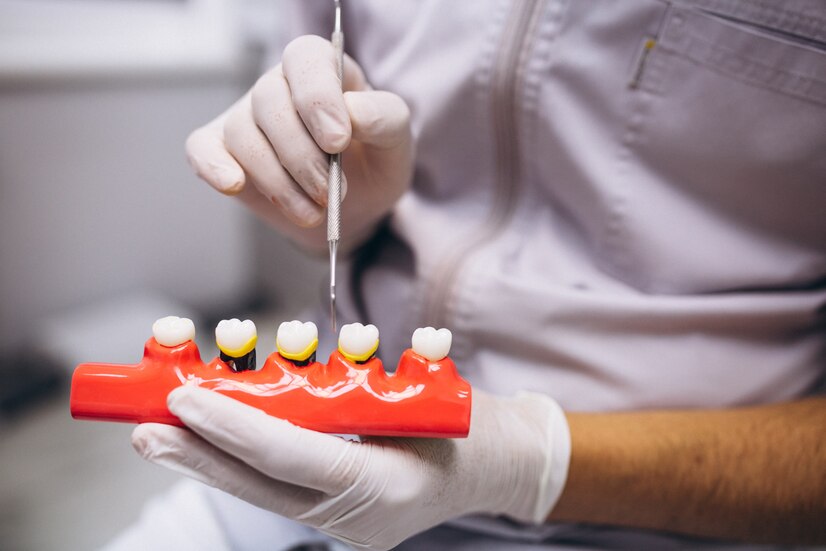
Rediscovering Your Smile: Cloverdale’s Dental Bridges

Published on: 08 November 2023 Last Updated on: 15 December 2023
Dental Bridges

Nestled in the heart of Canada, Cloverdale is a historic town located in the province of British Columbia, within the city of Surrey, part of the Greater Vancouver area.

It boasts a rich history and a strong sense of community, where smiles are more than mere expressions; they are a reflection of overall well-being and confidence. However, dental issues can sometimes diminish the radiance of our smiles. Fortunately, in Cloverdale, there is a solution: dental bridges.

This article explores the benefits of dental bridges and how a Cloverdale dentist can help residents of Cloverdale regain their confident smiles and oral health.

Dental Bridges Unveiled

Dental bridges are a renowned solution for replacing missing teeth. They comprise artificial teeth, or pontics, carefully crafted to resemble natural teeth. These points are firmly anchored to neighboring teeth or dental implants, effectively "bridging" the gap left by missing teeth.

Related: How to Use Practice Analytics to Improve Your Dental Practice

Why Does One Need A Dental Bridge

When you have a missing tooth in between, it distorts your smile. A dental bridge can address different challenges, including:

Restoring your pronunciation and the speech.

  • Maintaining the faces’ shape.
  • Restoring your smile.
  • Re-adjusting the bite to distribute the force when you chew effectively.
  • Preventing your remaining teeth from moving out. 

Hundreds and thousands of customers are showing their trust in the approach. The treatment approach is highly successful, and hence, it archives the trust of the care users. 

Dental Bridges Types 

The popularity of the dental bridge is increasing not only in Cloverdale but elsewhere. However, if you are looking for the four main types of dental bridges, you have the Maryland, Implant-supported, Cantilever, and the traditional. 

The Maryland dental bridge employs two completely natural abutment teeth teeth. They are present on each side of the gap. A traditional bride hires a dental crown. It uses a framework of either porcelain or metal bonded onto the back of the abutment teeth. 

Implant dental bridge is another well-known variant in this family. Here, one implant is placed surgically for every missing tooth. These implants hold the bridge in its position. If one implant for each missing tooth is not possible, the bridge may have a pontic suspended between two crowns. 

A cantilever bridge is held in place by a dental crown in the Cantilever dental bridge. It is fixed to the one abutment tooth. You don’t need much but one natural tooth next to the missing tooth gap.

Finally, we come to the traditional dental bridge, the most popular variant of all. It can be used when natural teeth are on both sides, and the gap is created in the middle. 

The Advantages of Dental Bridges
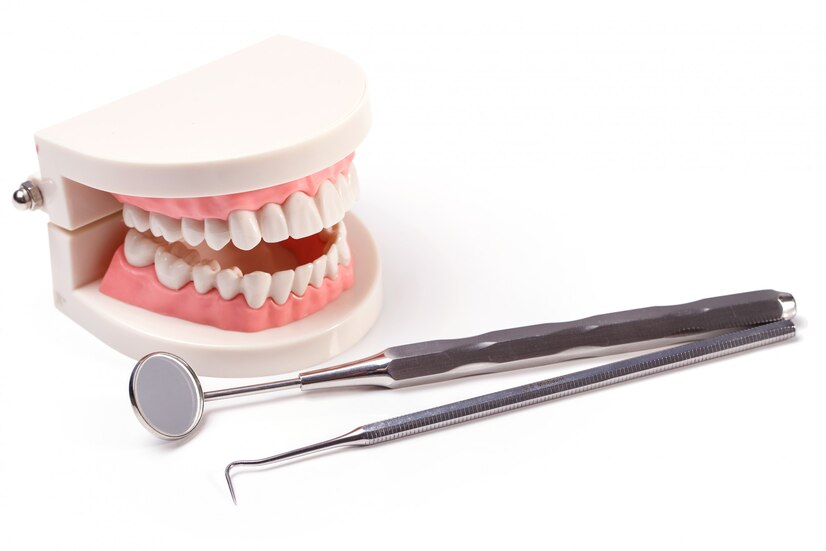
Advantages of Dental Bridges

The efficacy of the dental bridge is beyond question. This is why the Cloverdale dentist has become popular. It has indeed come with a great solution against the teeth-related complexities ushering in new pathways of respite. However, here we discuss some of the core benefits of the treatment methodology. 

Restored Confidence

Smiles are powerful assets, universally conveying joy and connection. Yet, the absence of teeth can shatter your confidence, making you hesitant to embrace full smiles. Cloverdale's dental bridges can be your path to renewed self-assurance, offering a natural-looking smile that harmonizes with your unique personality.

Enhanced Speech Clarity

Dental bridges restore speech clarity, enabling you to communicate effortlessly and with confidence in Cloverdale's diverse social settings.

Reclaiming Chewing Proficiency

Dining should be an enjoyable experience, where flavors dance on your palate, and textures delight your senses. However, missing teeth can limit your culinary choices and compromise your ability to chew comfortably. Dental bridges are your ticket to restored chewing functionality, allowing you to relish every meal without compromise.

Navigating the Dental Bridge Procedure in Cloverdale

The placement of dental bridges typically involves several steps:

  • Initial Consultation: Begin your journey with a comprehensive consultation with a dentist who will assess your unique requirements and discuss suitable bridge options.
  • Preparation: To ensure a secure fit for your bridge, a small amount of enamel is removed from the adjacent teeth.
  • Impressions: Precise impressions of your teeth are taken to craft a custom bridge that perfectly matches your natural teeth.
  • Temporary Bridge: During the crafting of your permanent bridge, you will receive a temporary one to safeguard your prepared teeth.
  • Final Placement: Once your personalized bridge is ready, your dentist in Cloverdale will expertly remove the temporary bridge and install the permanent one, ensuring a snug fit and comfortable bite.

Endurance and Longevity

Dental bridges are renowned for their resilience and long lifespan. With proper care, dental bridges last between 10 to 15 years or even longer, providing a reliable solution for replacing missing teeth.

Cost Evaluation

The cost of dental bridges in Cloverdale can fluctuate depending on factors like the type of bridge and the materials used. It is vital to have a transparent discussion with your dentist about pricing and flexible payment options that align with your budget.  Let us mention these factors that determine the entire cost of the treatment. Different variables affect the pricing. 

Firstly, the price is determined by the number of teeth the care user needs to fill the gap. The prices are also determined by the materials like composite resin, zirconia, or metal that are covered in the resins. Another determinant of the price is the complexity or difficulty the expert faces in placing the teeth. Geography is also an aspect that determines the overall cost of the treatment. The treatment cost in Cloverdale may be more or less than in some places. 

 Finally, the point that we must not miss here is the additional treatment that is required for some other dental problems. 

Putting The Discussion To A Close

Your smile is a radiant facet of your identity and self-esteem, and getting dental bridges from an experienced Cloverdale dentist can reignite its brilliance. With their aesthetic appeal and functional advantages, coupled with the expertise of Cloverdale’s dental leaders, you can regain the beauty and functionality of your smile. Hence, you can bank on Cloverdale’s dental bridge.

Read Also:

Arnab is a professional blogger, having an enormous interest in writing blogs and other jones of calligraphies. In terms of his professional commitments, He carries out sharing sentient blogs.

View all posts

Leave a Reply

Your email address will not be published. Required fields are marked *

Related

Migraine

4 Pillars Of Relief: Canadian Migraine Medication Insights

Migraines are debilitating headaches that affect millions of Canadians, significantly impacting their daily lives. These intense headaches can be accompanied by nausea, vomiting, and sensitivity to light and sound, making it difficult to function normally. Luckily, various migraine medications are available in Canada, offering hope for relief and improved quality of life. 1. Acute Migraine Relief The primary goal of acute migraine medication is to stop the headache in its tracks and alleviate associated symptoms as quickly as possible. Here are some commonly used options in Canada: Nonsteroidal Anti-Inflammatory Drugs (NSAIDs): Over-the-counter pain relievers like ibuprofen and naproxen are often the first defense against mild to moderate migraines. They work by reducing inflammation and pain. Triptans: These prescription medications are specifically designed for migraine relief and target various mechanisms involved in migraine attacks. They are highly effective but have potential side effects like dizziness and nausea. DHE (Dihydroergotamine): Another prescription medication, DHE, constricts blood vessels and reduces inflammation, relieving moderate to severe migraines. However, it comes with stricter usage guidelines and potential side effects. 2. Preventive Migraine Medication For individuals experiencing frequent or severe migraines, preventive medication can be a game-changer. These medications aim to reduce the frequency, intensity, and duration of migraine attacks. Here are some common options: Beta-blockers: Primarily used for blood pressure control, beta-blockers can also be an effective medicine to prevent migraines. They work by regulating heart rate and blood vessel activity. Antidepressants: Low doses of certain antidepressants can be helpful in preventing migraines, although the exact mechanism of action remains unclear. Calcium channel blockers: These medications, primarily used for treating high blood pressure and heart disease, can also be used for migraine prevention by affecting blood vessel function. CGRP (calcitonin gene-related peptide) monoclonal antibodies: These new and innovative medications target CGRP, a molecule in migraine pain pathways. They are highly effective for chronic migraines but come with a higher cost and require injection or infusion. 3. Complementary and Alternative Therapies (CAM) While not a substitute for conventional medication, some complementary and alternative therapies might offer additional support in managing migraines. These include: Acupuncture: The conventional Chinese medicine practice or acupuncture includes inserting very thin needles into some parts of the body. Studies suggest acupuncture might be effective in reducing migraine frequency. Massage therapy: Massage therapy can help relieve muscle tension, which can trigger some migraines. Biofeedback: This therapy teaches individuals to control their physiological responses, including stress and others, which might contribute to migraines. Dietary changes: Identifying and avoiding food triggers like cheese, chocolate, and alcohol can be helpful for some migraine sufferers. 4. Self-Management Strategies Beyond medication and alternative therapies, individuals can play a crucial role in managing their migraines by practicing self-management strategies. These include: Identifying and avoiding triggers: Recognizing and avoiding factors that trigger migraines, such as stress, certain foods, lack of sleep, or hormonal changes, can significantly reduce their occurrence. Maintaining a healthy lifestyle: Regular exercise, a balanced diet, and adequate sleep are essential for overall health and can reduce migraine frequency and severity. Relaxation techniques: Practicing relaxation techniques like meditation, deep breathing exercises, and yoga can help manage stress and tension, which can trigger migraines. Keeping a headache diary: Recording details about migraine attacks, including triggers, symptoms, and medications, can help identify patterns and inform treatment decisions. Navigating Migraine Medication in Canada: What You Need to Know Finding the right migraine medication is an individual journey, and it's essential to consult with a healthcare professional to discuss your specific needs and medical history. Here are some additional points to remember: Prescription vs. Over-the-counter: While some medications are available over-the-counter, others require a prescription from a doctor. Side effects: All medications have potential side effects, and it's crucial to understand these and discuss them with your doctor before starting any medication. Drug interactions: Certain medications can interact, potentially causing adverse effects. Ensure your doctor knows all medications you are taking, including over-the-counter drugs and supplements. Cost considerations: The cost of medication can vary significantly, and some insurance plans may not cover all costs. Discuss this with your doctor and explore potential cost-saving options. Seeking Support and Building a Management Plan Managing migraines effectively requires exploring medication options and building a comprehensive management plan with external support. Here are key steps to empower yourself: 1. Seek Professional Guidance: Consult your doctor: They are your primary resource for diagnosis, treatment recommendations, and progress monitoring. Consider a neurologist: For complex or chronic migraines, consulting a neurologist specializing in headaches can provide additional expertise and treatment options. Join a support group: Connecting with others who understand the challenges of migraines can offer valuable emotional and practical support. 2. Develop a Personalized Plan: Work with your doctor: Collaborate to create a treatment plan that addresses your specific needs, considering medication options, lifestyle modifications, and complementary therapies. Track your progress: Keep a headache diary to record details of your migraines, including triggers, symptoms, and medications used. This information can be vital in identifying patterns and adjusting your plan as needed. Set realistic goals: Focus on achievable goals, such as reducing migraine frequency or managing daily activities effectively. Celebrating small successes can boost motivation and maintain a positive outlook. 3. Prioritize Self-Care: Manage stress: Practice relaxation techniques like meditation, deep breathing, or yoga to combat stress, a common migraine trigger. Maintain a healthy lifestyle: Prioritize regular exercise, a balanced diet of fruits, vegetables, whole grains, and adequate sleep. These lifestyle factors contribute significantly to overall well-being and can help manage migraines. Build resilience: Focus on activities that bring you joy and a sense of purpose. Maintaining a positive outlook and prioritizing self-care can improve your overall well-being and resilience in managing migraines. Conclusion: Building a Brighter Future with Migraine Management Living with migraines can be challenging, but with the right approach and support, individuals can effectively manage their condition and reclaim their quality of life. Remember, you are not alone on this journey. Visit their website. They offer a variety of evidence-based and Health Canada-approved products, including Pascoe Migraine Relief, which can be a valuable addition to your migraine management plan. It's crucial to remember that finding effective migraine management is a collaborative effort. By working closely with your doctor, exploring various treatment options, and implementing self-management strategies, you can build a personalized plan that empowers you to live a life less limited by migraines. Together, we can turn the tide on migraines and build a brighter future for individuals living with this condition. Read Also: Fast-Track Recovery: Exploring The Healing Powers Of IV Drip Hydration When You Need To Go To A Chiropractor: Here’s What Experts Say Enhancing Your Smile With Cosmetic Dentistry In London

READ MOREDetails
Multigenerational Living

Adapting to Multigenerational Living: Home Health Care’s Role

In the ever-evolving landscape of family dynamics and living arrangements, one trend that has been steadily on the rise is the concept of multigenerational living. Families are adapting to changing circumstances and are finding new ways to come together under one roof. This article will explore the growing trend of multigenerational households and how they are reshaping the way people view family life. It will also touch upon why more and more people today are looking up 'Home Health Care Near Me' to support the unique needs of such families. A Shift in Family Dynamics Gone are the days when the traditional nuclear family was the norm. The concept of multigenerational living has gained popularity as families face various challenges and seek innovative solutions to meet their needs. These modern households typically consist of multiple generations living under one roof, including grandparents, parents, and children. Adaptation to Changing Circumstances The reasons behind the rise of multigenerational living are as diverse as the families themselves. Economic factors, changing social dynamics, and a desire for closer family bonds all play a role in this trend. In some cases, adult children move back home to save money or to support aging parents, while others choose to bring their elderly parents into their homes to provide them with care and companionship. The Role of In-Home Senior Care Near Me One of the key factors that enable multigenerational households to thrive is the availability of in-home senior care services. Families today have access to a wide range of services that cater to the unique needs of their aging loved ones. You can search 'In-home senior care near me' to get access to services that offer personal care and hygiene assistance, light housekeeping, meal prep, grocery shopping, transportation, companionship care, respite care, and even pet care. What to Do for My Aging Parent? When adult children find themselves in the role of caregivers for their aging parents, it can be a challenging transition. Many adult children ask themselves, "What to do for my aging parent?" In-home senior care services provide a practical answer to this question. These services can ease the burden of caregiving and ensure that aging parents receive the support and attention they need while allowing the family to maintain a balanced lifestyle. Related: Things No One Warns You About When Working Home Health Care Assistance Personal Care & Hygiene Assistance One of the essential aspects of in-home senior care is personal care and hygiene assistance. Aging parents may require help with bathing, grooming, and dressing. In-home caregivers are trained to provide respectful and compassionate assistance, preserving the dignity and comfort of their clients. Light Housekeeping and Meal Preparation Maintaining a clean and organized living space can be challenging for seniors with limited mobility. In-home senior care providers offer light housekeeping services, ensuring that the home remains safe and comfortable. Additionally, meal prep is a vital service, as it ensures that seniors receive balanced and nutritious meals, reducing the risk of malnutrition. Grocery Shopping and Transportation For seniors who are no longer able to drive or go grocery shopping independently, in-home senior care includes services like shopping and transportation. This ensures that seniors have access to fresh food and can attend medical appointments or engage in social activities when needed. Companionship Care and Respite Care Loneliness and isolation can be serious concerns for aging adults. In-home senior care providers offer companionship care, allowing seniors to have meaningful social interactions and engage in activities they enjoy. Additionally, respite care is a crucial service that offers family caregivers a break, preventing burnout and ensuring they can continue to provide care effectively. Pet Care Pets are often cherished members of the family, and in-home senior care providers recognize their importance. They can assist with pet care tasks, ensuring that aging adults can continue to enjoy the companionship of their beloved animals. The Benefits of Multigenerational Living with In-Home Senior Care Multigenerational living, when coupled with in-home senior care, offers several benefits. It promotes strong family bonds, as multiple generations share experiences and support one another. It provides aging parents with the care and assistance they need while allowing them to remain in a familiar and comfortable environment. Conclusion The rise of multigenerational living is a reflection of the evolving society, where families are adapting to changing circumstances and finding innovative ways to come together. You can get all the help you need to maintain such families by searching 'Home Health Care Near Me' online. These services play a crucial role in supporting the unique needs of these households, ensuring that aging parents receive the care and companionship they deserve. As families continue to adapt to new dynamics, the role of in-home senior care near you will only become more integral in facilitating these transitions while maintaining the well-being of all family members. Read Also: Parasitic Infections Of The Intestinal System, Skin, And Eyes What is the World Trade Center Health Program? How Much Does 24/7 In-Home Care Cost?

READ MOREDetails
is medical specialities a good career path

Is Medical Specialities A Good Career Path? – 12 Best Jobs

Many people ask, “is medical specialities a good career path?” Medical careers may be satisfying since you strive to provide top-notch patient care. In the healthcare sector, there are many different positions, some of which have minor qualifications and others requiring several years of school and training. Job routes in the medical industry may best meet your goals and capabilities. In this post, I have outlined 12 potential careers and job positions you can work towards in medicine. Why Is Medical Specialities A Good Career Path? If you ask me, “is medical specialities a good career path?” I would definitely say yes. This is because there are various job benefits like: 1. Work Variety You can supervise others, deal directly with patients, or do administrative work in this sector. There are several medical specialties, so you may pick one that most appeals to you. A medical career path can also be continued by selecting a position that requires little training and education, then progressing through promotions for various tasks. 2. Lots Of Opportunities You may choose from various career routes in this industry, and most of them provide several prospects for advancement and managerial positions. If you decide to pursue a job in healthcare, you could be able to do so for the duration of your career. 3. Flexible Schedules Several healthcare institutions are open around-the-clock, allowing for various shifts to provide the most excellent patient care. You can work different shifts to fit your schedule if you intend to deal directly with patients. 4. Job Security The fastest-growing professions today include several roles in the healthcare industry. Those in the medical sector should anticipate job stability long into the future because some medical positions are expected to rise by 33% between 2018 and 2028. Best Medical Specialities Jobs In 2023 The reason why people ask, “is medical specialities a good career path? It’s because of various high-paying jobs like the ones I have stated below: 1. Veterinarian Average Annual Salary: $95,000 A veterinarian performs physical examinations on animals, makes a medical diagnosis, and treats and medicates them. They operate on animals and administer vaccinations. They also conduct health examinations and educate pet owners with knowledge about preventive care. Veterinarians might choose to focus on one particular kind of animal or treat a wide range of them. 2. Veterinary Assistant Average Hourly Salary: $13 The pet is sent to an examination room by a veterinary assistant, who also takes the animal's weight and vital signs. They support radiological operations and aid in calming the animal during the veterinarian's examination. Moreover, they prepare drugs, sanitize surgical equipment, and prepare the operating room. Also, they provide comfort for troubled animals and provide nighttime care. 3. Dietary Aide Average Hourly Salary: $11 Planning, preparing, and providing hygienic meals and beverages are the duties of a dietary assistant. Also, they need to inventory food supplies, monitor food temperature, and store goods properly. The eating areas and utensils must also be cleaned. 4. Patient Care Technician Average Hourly Salary: $14 A patient care technician makes rounds of the patients, assesses their status, and informs the medical personnel of any requirements. They also carry out non-essential medical and therapeutic treatments, as well as laboratory analyses of material that have been gathered. 5. Nursing Assistant Average Hourly Salary: $14 A nursing assistant supervises patients' meals, assists with primary care and treatments, and may even clean the facility. In the case of an emergency, they also notify the medical staff. A CNA helps patients with regular meals, exercise, and personal cleanliness. They tend to them, record their vital signs, and fill their charts. They assist the physicians, nurses, and other medical personnel as needed. If you are looking for experienced and licensed physicians to book your next medical appointment, take a look at WellcomeMD to get the best services. 6. Medical Assistant Average Hourly Salary: $15 A medical assistant keeps patient records up to date, handles office work, helps manage the medical inventory, and helps place orders for fresh supplies. Moreover, they guarantee that the exam rooms are pristine and ready to accept patients. 7. Athletic Trainer  Average Hourly Salary: $22 Collaborating with doctors and occupational therapists, an athletic trainer analyzes and assesses patient sports-related injuries and develops a treatment and training regimen. They handle patient documentation and keep track of patients' progress. They could attend to the patient at a hospital or a rehabilitation facility, or in their home. 8. Nutritionist Average Annual Salary: $52,000 A nutritionist assists customers in creating a balanced food plan to suit their nutritional needs, shed pounds, and build muscle. To help people make better food decisions, they can also maintain a webpage regarding dietary practices. 9. Licensed And Registered Nurses Average Hourly Salary: $30 A nurse provides medical care to individuals of all ages and with various health requirements in nursing homes, clinics, community centers, and hospitals. They administer drugs, run medical equipment, perform diagnostic procedures, and keep track of patients' vital signs. They collaborate with physicians, nurses, and other healthcare workers to track patients' medical records. On the other hand, a licensed practical nurse performs average patient care in clinics, hospitals, and private employment settings. They aid medical professionals, including physicians and registered nurses, during examinations and treatments. They keep tabs on the patient's development and alert the doctor if anything goes wrong. 10. Health Administrator Average Annual Salary: $72,000 A health administrator manages a healthcare organization's workforce and operations. To enhance patient care, they put healthcare policies into place and monitor healthcare systems. They oversee the organization's finances, follow the law, and interact with the healthcare industry, the government, and investors. They are also actively hiring employees. 11. Physical Therapist Average Annual Salary: $82,000 In collaboration with the patient's doctors, a physical specialist is in charge of creating and carrying out efficient treatment and care programs. Every two years, they must update their training regimen with a minimum of 10+ hours of continued education. They must also help administrative employees with billing and reporting questions and aid with state physical therapy laws. 12. Occupational Therapist Average Annual Salary: $40,000 An occupational therapist analyzes, assesses, and develops treatment programs for patients who are ill, wounded, or incapacitated to assist them in performing daily activities. They help them with physical activity, keep tabs on their development, and suggest making their surroundings more bearable. They might speak with medical professionals and caretakers and work together. Conclusion So, is medical specialities a good career path? The answer is yes. Individuals who are passionate about medicine and want to make a big difference in people's lives can consider a career in one of the medical specialties. Although the industry may have its share of difficulties, the potential benefits and the chance to work in a continuously changing industry make it a popular and alluring career choice. 7 Health Tips For Medical Students Is Health Care A Good Career Path? Is Medical/Dental Instruments A Good Career Path

READ MOREDetails