












Top 11 Dewormer For Dogs To Know In 2023

Published on: 11 July 2023 Last Updated on: 29 December 2025
Dewormer For Dogs

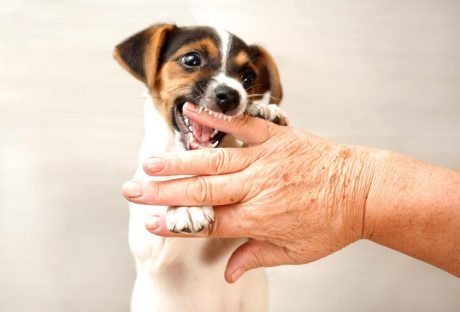
Dogs can get worms, and their owners need to be aware of the steps that need to be taken to help the dogs. Worms in dogs impact them and have the probability of infecting humans; hence, want to know about the best dewormers for dogs? Keep reading the article.

Dogs can get worms from their mothers in the womb, mosquito bites, and digging in the dirt. Deworming is an essential part of the care that dog owners and authorities must perform so that the dogs can live healthy lives.

Top 11 Dewormer For Dogs To Know In 2023!  

Top Dewormer For Dogs

Certain worms infect humans; hence, it is essential to deworm a dog regularly for the safety of the children and the adults at home. Want to know more about dewormers for dogs? Keep reading.

Puppies and small dogs are more in need of intervention for deworming, such as once a month, while dogs above 6 months can manage up to once in two to 4 months. The article will be listing down the best dewormer for dogs. So, you have the question, what is a dewormer for dogs?

What Is Deworming?  

What Is Deworming?  

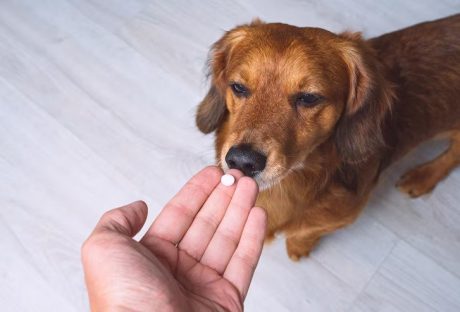
Deworming is a term used to remove heart worms, hookworms, tapeworms, whipworms, and roundworms, all parasites using anthelmintic drugs. The medication used to deworm the dogs successfully makes the dog healthy.

The medications used are mostly given to dogs so that when they ingest them, the worms have muscle spasms leading to paralysis. Once the worm is paralyzed, the gastrointestinal tract successfully gets rid of the worms.

At times, the worms might still be alive and moving when they come out of the dog’s body, while in some cases, they die. Some medications prevent the worms from growing by disrupting cell division leading to the worms starving and dying.

Need And Significance Of Deworming  
Need And Significance Of Deworming 

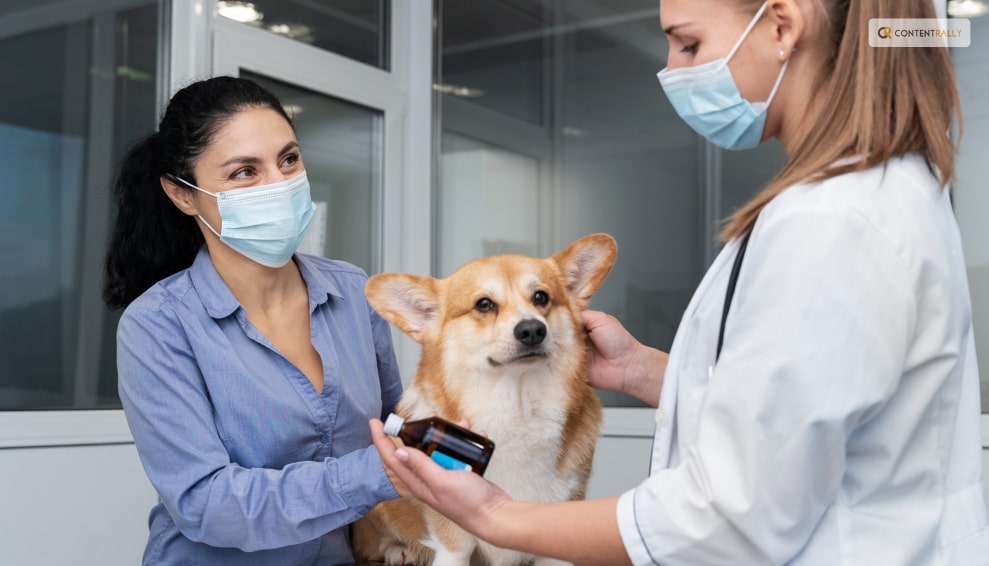
The worms are parasites that pose a severe threat to the life of dogs; hence, it is compulsory that deworming must be done to the dogs. It is regular veterinary care for dogs to deworm them because of several benefits, such as improved health and appetite.

1. Interceptor Plus  
Interceptor Plus  

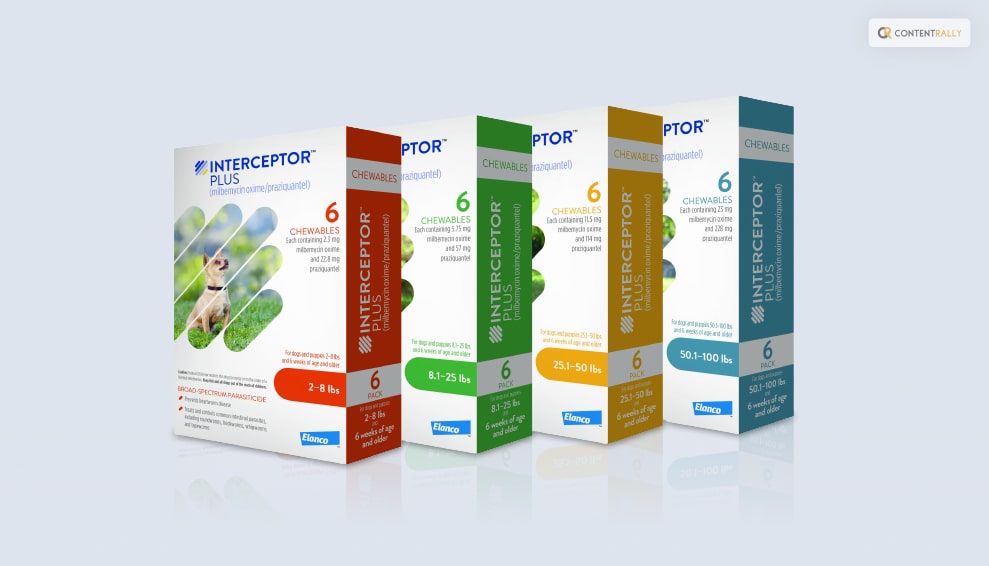
The medication suits dogs suffering from hookworm, tapeworm, roundworm, and other intestinal parasitic infections. It must be given once a month and is made of chicken-flavored tablets.

It is suitable for dogs aged 6 months to 2 pounds.

2. Durvet Tripler Wormer  
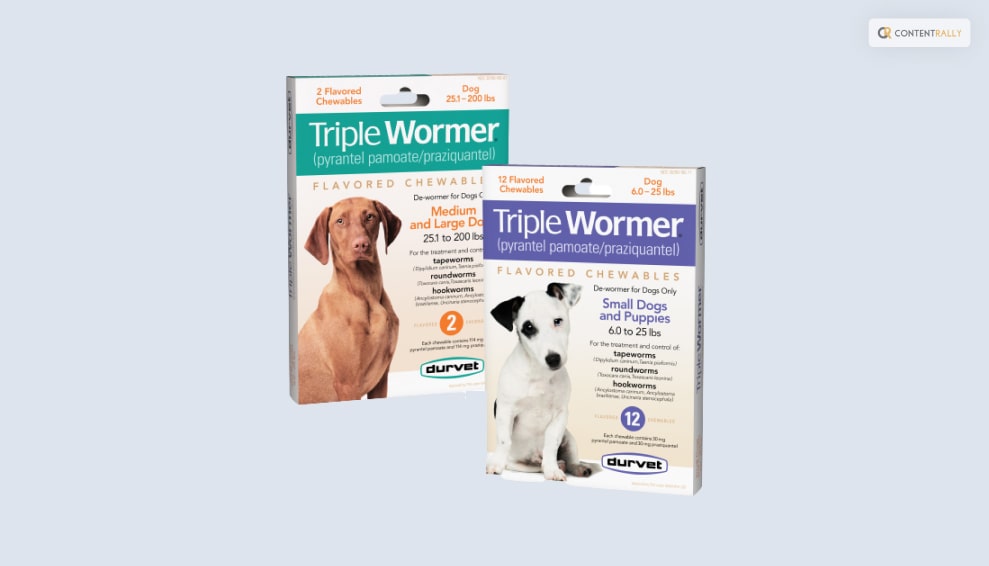
Durvet Tripler Wormer  

The medication is effective for large breeds of dogs which is quite effective because if the drug is standard, for larger dogs, you need more tablets; hence, if you get Durvet Tripler Wormer, it will be efficient with just one pill.

The medication is designed to quickly impact the dog and help them to get rid of the worms. You must use the product within three weeks if you want the maximum impact.

The complete dosage includes palatable chewable that is mixed with the food to have an impact on 25 to 200 pounds of dogs.

3. Trifexis  
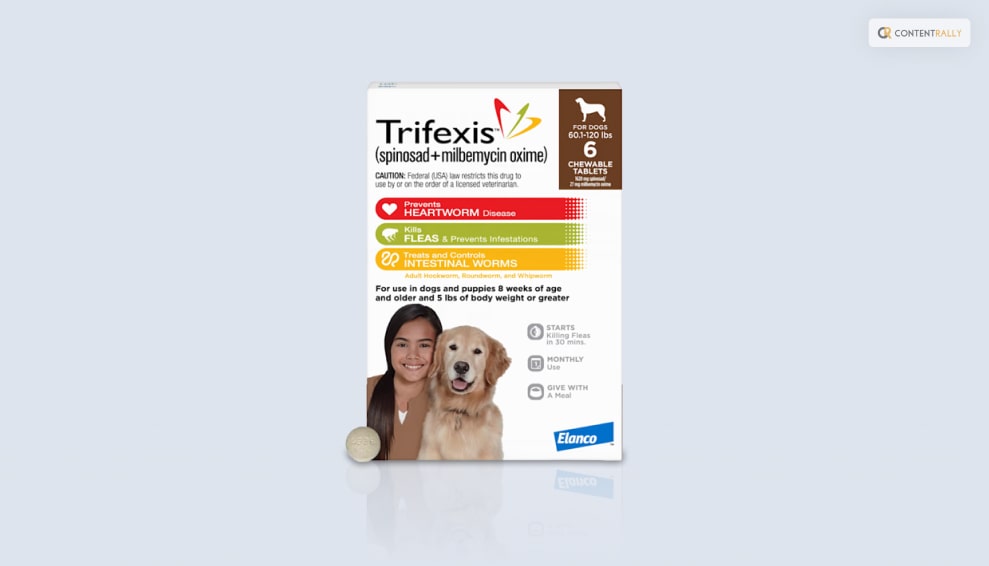
Trifexis  

Trifexis is used to treat common species of worms and is an option to kill adult fleas. It is pretty efficient and comes in small beef-flavored tablets. Also, it prevents dogs from having heartworm disease and prevents flea infestations.

It is more expensive than other dewormers in the market.

4. Safe-Guard 4 Canine Dewormer  
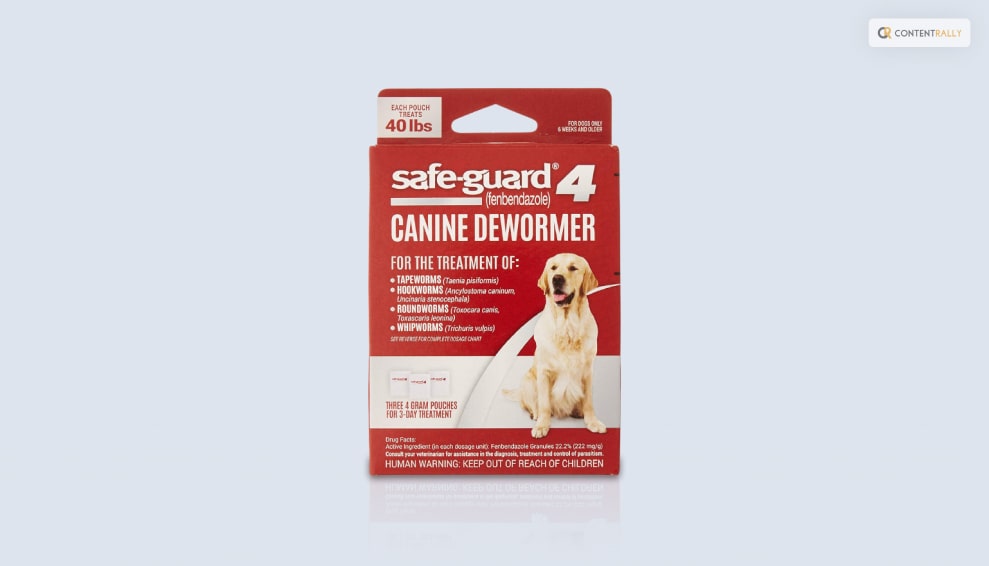
Safe-Guard 4 Canine Dewormer  

Safe-Guard 4 Canine Dewormer medication, also called fenbendazole, covers many worms to be treated in relevance to intestinal parasites. The safe guard dewormer for dogs is an efficient and fast solution, especially concerning killing all four species of worms, and comes in an easy-to-administer form.

In terms of affordability, the product is good and is considered one of the best dog dewormers in 2023.

5. Drontal Plus  
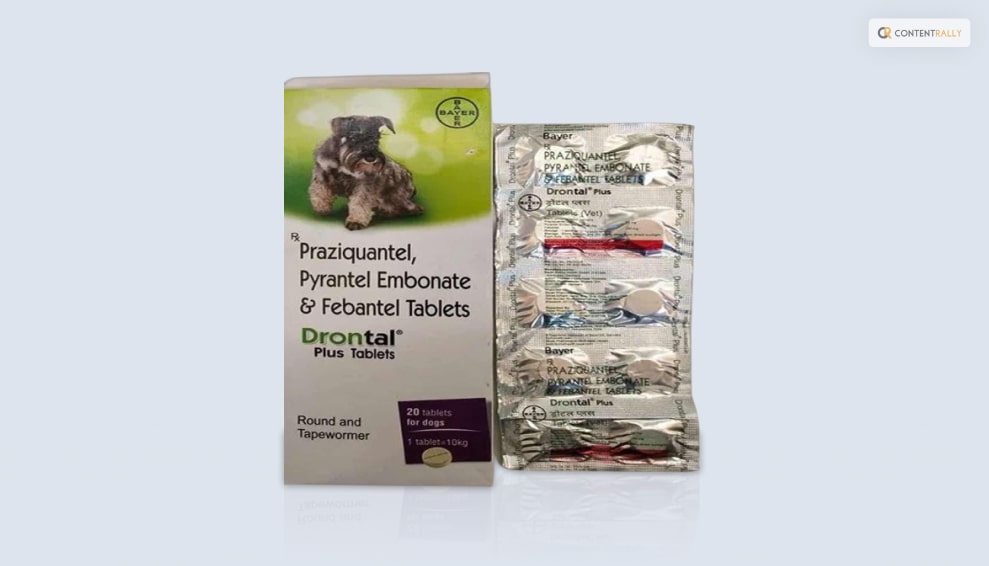
Drontal Plus

The medication is very effective as it treats 9 intestinal worms and is available in chewable and tablet forms. It is advisable for 4-week-old puppies and dogs. The medicine is FDA Approved.

The ingredients of the product combine pyrantel pamoate, febantel, and praziquantel. The medication is not available without a prescription.

6. Nemex-2 Liquid Dewormer  
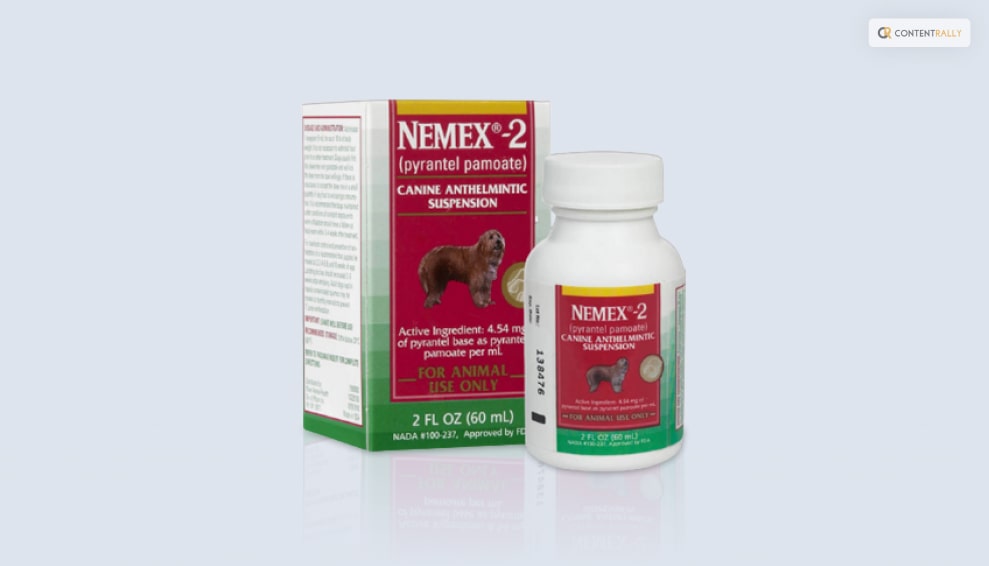
Nemex-2 Liquid Dewormer

The medication is most effective for puppies and dogs who are young with an age of 2 weeks. The medicine is in liquid form and can be effectively disguised in dog food, making it easy for the dogs to ingest it. It has been approved for treating roundworms.

The medication is safe for dogs and perfect for those who do not like tablets. The issue is that the remedy might need to be more effective for a higher dog infestation rate.

7. Heartgard Plus  
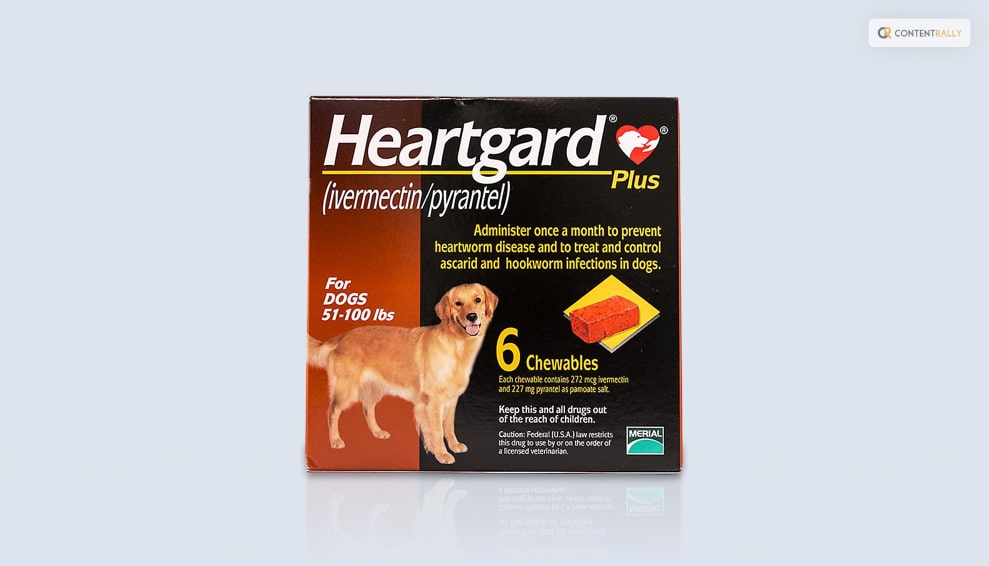
Heartgard Plus  

The beef-flavored and chewable tablet can be easily administered to puppies aged six weeks. It is most effective for heartworm, hookworms, and roundworms. The medication cannot be accessed without a prescription, and for certain dog breeds, it is not applicable.

8. Bayer Quad Dewormer Chewable Tablets  
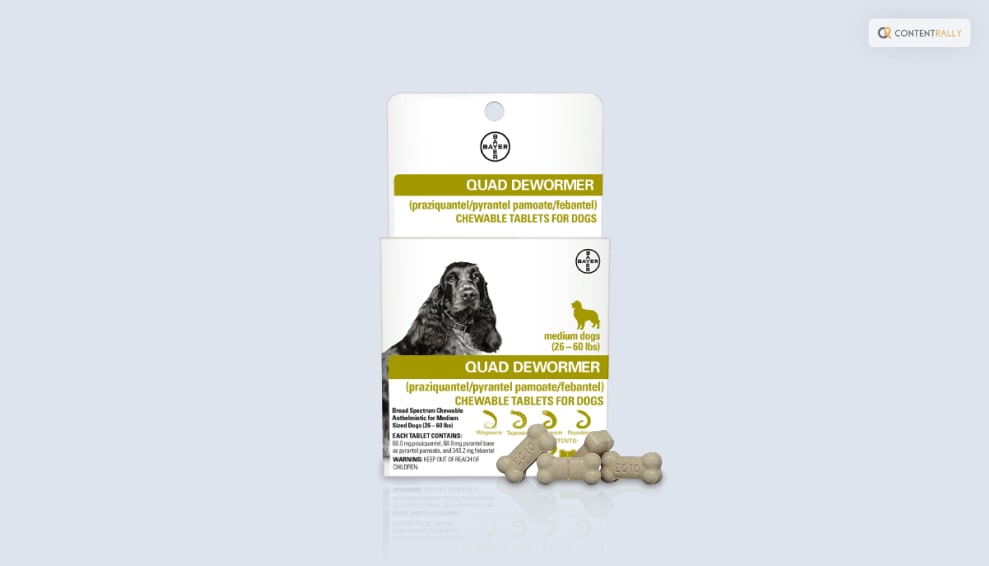
Bayer Quad Dewormer Chewable Tablets 

The medication is powerful enough for dogs weighing 2 to 25 pounds, with three active ingredients: febantel, pyrantel pamoate, and praziquantel. A single dose of the medication is enough to treat one dog of worms.

The tablet is highly palatable and is beef-flavored chewable. It has been reported that some dogs might not like the taste of the pills and require multiple doses if the infestation is high.

9. Sentry HC WormX Plus 7-Way Dewormer  
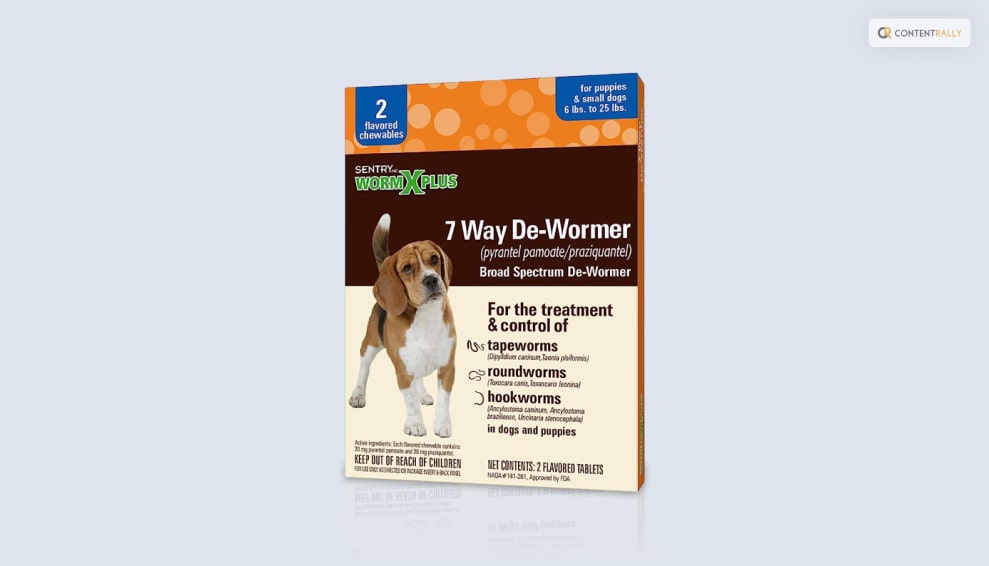
Sentry HC WormX Plus 7-Way Dewormer  

The Sentry HC WormX Plus 7-Way Dewormer is the most efficient for small dogs and is designed to kill worms of 7 types. The two ingredients in the medicine are praziquantel and pyrantel pamoate.

You can follow up with a fecal test so that there is no crisis of the worms inside your dogs. The dewormer for puppies is not ideal for dogs who weigh above 25 pounds.

10. Medfly Defender Plus  
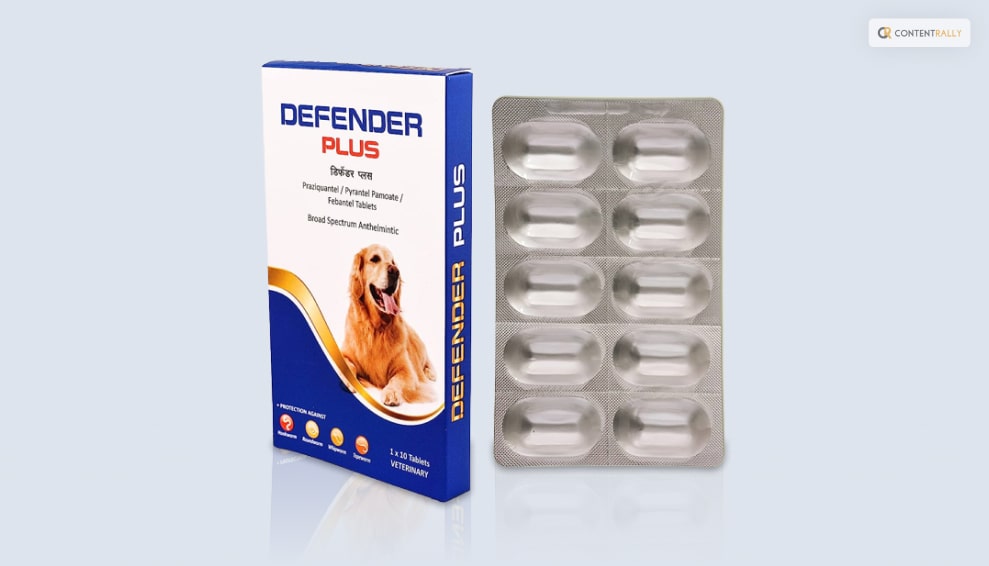
Medfly Defender Plus 

The Medfly Defender Plus is the dewormer that Medfly Healthcare has manufactured. It is a powerful solution to remove worms from dogs, and the tablets are palatable. The tapeworm dewormer for dogs has Febantel, Pyrantel Pamoate, and Praziquantel.

Each pack has 10 tablets, and this product is one of the most affordable products available in the market. This product can be used for dogs of all ages and helps remove hookworms, whipworms, tapeworms, and roundworms.

11. Furry Tails Kiwof Plus  
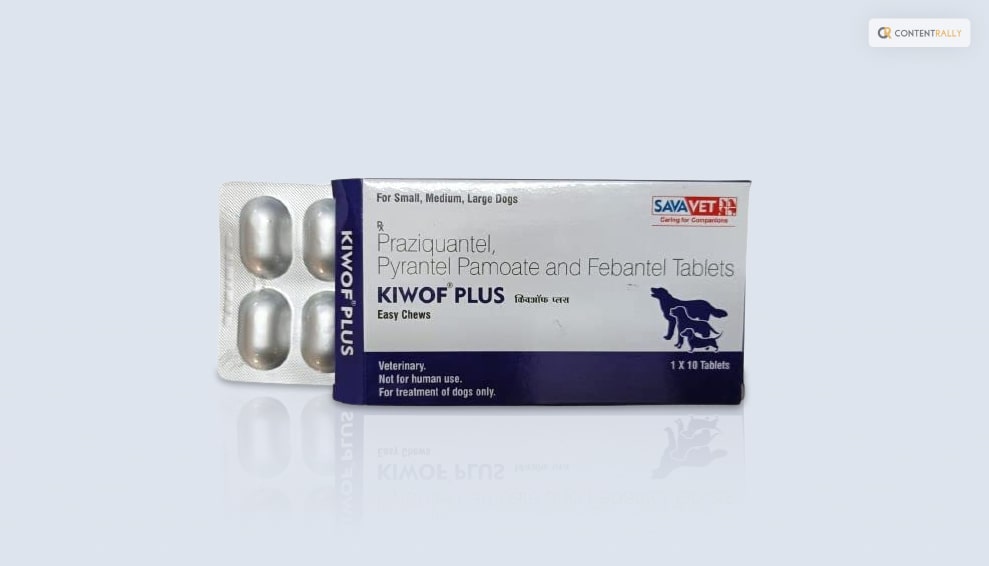
Furry Tails Kiwof Plus  

The deworming solution Furry Tails Kiwof Plus is effective when it comes to eliminating worms such as tapeworms, whipworms, roundworms, and hookworms. This tablet is effective for dogs who weigh up to 30 kg.

The tablet is easy to administer and quite palatable. The pills consist of Febantel, Pyrantel Pamoate, and Praziquantel. The dosage is 1 tablet for 10 kgs of body weight of dogs. Accordingly, you can administer it based on the requirements.

Conclusion   

Please read the article to learn about the best dewormers for dogs.

Comment below if you have a tried and tested dewormer not included in this list.

More Resources:

Content Rally wrapped around an online publication where you can publish your own intellectuals. It is a publishing platform designed to make great stories by content creators. This is your era, your place to be online. So come forward share your views, thoughts and ideas via Content Rally.

View all posts

Leave a Reply

Your email address will not be published. Required fields are marked *

Related

slider-img

Unwelcome Guests: Confronting Pest Problems in Commercial Spaces

Imagine walking into your favorite coffee shop, ready to enjoy your morning cup of joe, only to spot a cockroach scurrying across the counter. Or perhaps you're meeting at your office when a mouse darts across the floor, causing chaos and distraction. Pest problems in commercial spaces can turn a pleasant experience into a nightmare for customers and employees. This article explores the challenges businesses face with pests and offers practical solutions to confront and eradicate these unwelcome guests, including contacting professional pest control services for expert assistance in managing infestations effectively. Understanding the Impact of Pest Infestations in Commercial Areas: Pests like rodents, insects, and birds can wreak havoc on commercial spaces. Not only do they pose health risks, but they can also damage property, contaminate food, and tarnish a company's reputation. For restaurants, retail stores, and hospitality businesses, a pest sighting can result in lost customers and negative reviews. In office settings, pests can cause distractions and stress and damage valuable equipment and documents. Commercial areas such as offices, shops, restaurants, hotels, etc. are prone to pest infestations due to the presence of food, water, waste, and other attractants. Pests can cause various problems in commercial areas such as: Damage to property, equipment, and inventory: Pests can destroy or contaminate various items such as furniture, electronics, documents, products, etc. by chewing, nesting, or defecating on them. Loss of reputation and customer satisfaction: Pests can create a negative impression on customers, clients, employees, and visitors by affecting the hygiene, quality, and safety of the commercial area and its services or products. Legal and regulatory issues: Pests can violate the health and safety standards and regulations that apply to commercial areas and expose them to fines, penalties, lawsuits, or closures. Common Pests Found in Commercial Spaces: Rodents: Mice and rats are notorious for finding their way into buildings for food and shelter. They can squeeze through tiny openings and reproduce rapidly, making them difficult to eradicate once they've established a presence. Insects: Cockroaches, ants, and flies are common pests in commercial kitchens and food storage areas. They thrive in warm, moist environments and can contaminate food surfaces, leading to foodborne illnesses. Birds: While birds may seem harmless, they can cause significant damage to commercial properties. Their droppings can corrode building materials, create slip hazards, and spread diseases like histoplasmosis and salmonella. The Importance of Pest Control Measures: Implementing effective pest control measures is essential for maintaining a clean, safe, and pest-free environment in commercial spaces. Prevention is key, and businesses should take proactive steps to seal entry points, eliminate food and water sources, and maintain proper sanitation practices. Regular inspections by licensed pest control professionals can help identify and address potential issues before they escalate into full-blown infestations. It is extremely important that you take care of the health of not just yourself but all those working for you at the business premises. Pests can be highly dangerous and help spread toxic diseases. They can contaminate your food and drinks very quickly, which would, in turn, cause infections. You could choose less expensive options such as store-bought pesticides, but hiring a professional pest management control and inspection service can be the most beneficial method to get rid of them altogether.  Your workplace can be at risk of losing out on reputation and productivity if there are pests running loose. Employees usually perform less effectively if they feel they are working in an environment that is unsanitary and pest-infested.  Therefore, pest control measures are important to prevent or reduce the occurrence and impact of these problems. Pest control measures can be classified into two types: preventive and curative. 1. Preventative Pest Control Mesasures Preventive pest control measures are those that aim to prevent the entry, establishment, or spread of pests in a given area. Some of the preventive pest control measures are: Sanitation: Keeping the area clean and free of garbage, clutter, food scraps, etc. that can attract or provide shelter for pests. Exclusion: Sealing or blocking the gaps, cracks, holes, or openings that can allow pests to enter or escape from the area. Repellents: Using substances or devices that can deter or discourage pests from approaching or staying in the area. Traps: Using devices that can capture or kill pests without harming the environment or non-target organisms. 2. Curative Pest Control Measures Curative pest control measures are those that aim to eliminate or reduce the population or activity of pests that are already present in the area. Some of the curative pest control measures are: Biological: Using natural enemies or predators of pests such as insects, birds, animals, etc. that can feed on or parasitize them. Mechanical: Using physical methods or tools such as nets, screens, vacuums, etc. that can remove or destroy pests or their habitats. Chemical: Using substances or agents such as pesticides, insecticides, rodenticides, etc. that can kill or incapacitate pests or interfere with their growth or reproduction. Strategies for Confronting Pest Problems: Seal Entry Points: Conduct a thorough inspection of the property to identify any gaps or cracks pests could use to enter. Seal openings with caulk or steel wool to prevent rodents and insects from gaining access. Eliminate Food Sources: Keep food storage areas clean and organized, and store food in airtight containers to prevent contamination. Regularly empty trash bins and clean up spills promptly to deprive pests of a food source. Maintain Proper Sanitation: Good hygiene practices are essential for deterring pests. Regularly clean and sanitize kitchen surfaces, floors, and equipment, and ensure that drains are clear of debris to prevent moisture buildup. Implement Integrated Pest Management (IPM): IPM is a holistic approach to pest control that combines multiple strategies, including cultural, mechanical, and chemical methods. Businesses can effectively manage pest populations by incorporating methods such as trapping, exclusion, and targeted pesticide applications while minimizing environmental impact. Possible Side Effects Of Pest Control In Office  Commercial space owners most often delay or hesitate to ask for professional help to get rid of pests because they are apprehensive about the side effects of it. But it is a happy thing to note that not all pest control has undesirable side effects. Some of the possible side effects that pest control has are: Odor and irritation Chemical exposure Sensitivity in case of pre-existing health conditions Health risks such as dizziness and headaches Monitoring and Documenting It is incredibly important to keep a record of all pest sightings and the necessary control measures that have been implemented. Their effectiveness must also be checked from time to time. Monitoring the shifts from time to time helps you refine the pest management strategy.  A proactive as well as comprehensive approach towards pest control is an indispensable step for all businesses. These steps will guarantee the good health of the employees, create a pest-resistant space, safeguard the company’s reputation, and also save you from facing potential financial losses due to pest-related damages.  Things to Keep in Mind While Choosing Pest Control Serives for Commercial Areas Selecting a reliable and professional pest control service is crucial for maintaining a pest-free and productive commercial area. Here are some things to keep in mind while selecting pest control services for commercial areas: Experience and expertise Choose a pest control service that has adequate experience and expertise in dealing with the specific type of pests and the specific type of commercial area that you have. Check their credentials, certifications, licenses, and references to verify their quality and reputation. Customized and comprehensive solutions Choose a pest control service that offers customized and comprehensive solutions that suit your needs and preferences. The pest control service should conduct a thorough inspection and assessment of your commercial area and provide a detailed plan and proposal that covers the scope, methods, costs, and expected outcomes of the pest control intervention. Integrated pest management (IPM) approach Choose a pest control service that follows the IPM approach, which is an environmentally friendly and effective way of pest management. The IPM approach involves using a combination of preventive, curative, and monitoring measures that minimize the use of pesticides and chemicals and maximize the use of natural and mechanical methods. Safety and sustainability Choose a pest control service that ensures the safety and sustainability of the pest control intervention. The pest control service should use only approved and registered pesticides and chemicals that are safe for humans, animals, and plants.  The pest control service should also follow the proper disposal and recycling procedures for the pest control materials and waste. Also, the pest control service should also provide follow-up and maintenance services to prevent or reduce the recurrence of pest infestations. Customer service and communication Choose a pest control service that provides excellent customer service and communication. The pest control service should be responsive, courteous, and transparent in their dealings with you. The pest control service should also keep you informed and updated about the progress and results of the pest control intervention and address any issues or concerns that you may have. Summing it Up Pest problems in commercial spaces can have serious consequences for businesses, ranging from health and safety concerns to financial losses and damage to reputation. By understanding the impact of pest infestations and contacting professional pest control services for expert assistance, businesses can implement proactive pest control measures to create a clean, safe, and welcoming environment for customers and employees. Remember, prevention is always better than cure when it comes to pests. So, don't wait until you have a pest problem – take action now to protect your commercial space from unwelcome guests. Read Also: How Pests Control Maintains The Aesthetic Appeal Of Your Home 10 Hidden Dangers Of DIY Pest Control

READ MOREDetails
bark collar

All You Need To Know About Bark Collar

To begin with, let's analyze the principle of the bark collar. The principle of the collar is based on "negative reinforcement": as soon as the dog starts barking, the device in one way or another causes the animal discomfort. In many models, the intensity of exposure can be adjusted. Usually, they start with the weakest influences, but if they become ineffective, the power is increased. Most pets understand the connection between barking and punishment over time and then break the habit. However, an immediate result cannot be expected: at first, the dog will, from time to time, forget about the collar, especially if frequent barking has become a norm for it. The Bark Collar Appearance A receiver with electronic components, including a bark indicator and a device for influencing the dog, is attached to the tape. The receiver may have a power adjustment wheel, as well as a battery indicator. Some models are equipped with GPS tracking devices. The receiver weighs from 25 to 120 g. The larger the dog, the larger the device should be. The receiver detects barking using a vibration sensor or microphone. Both types have their drawbacks: the former may react to scratching behind the ear, yawning, or throat movement while drinking, while the latter may react to other dogs barking. A bark collar with a microphone device makes mistakes more often. You may also like: 10 Reasons Why Your Dog Can Breathe Fast? Whom Does It Fit? There are collars for both large and small dogs. They are especially relevant for breeds that are naturally prone to frequent barking: Spitz, Yorkshire terriers, etc. Before proceeding with the choice of a bark collar, it is necessary to consult with a dog handler. Sometimes you can get rid of the problem without resorting to the device. In addition, in case of hysterical disorders in a dog, such a collar will only worsen the situation. The collar must not be used for more than 8-12 hours a day. Most dogs stop vocalizing for no reason after just a week. However, to fully consolidate the result, using the device for up to six months is recommended. If your dog has become nervous or depressed because of the collar, you should contact a dog handler. Varieties Of Bark Collar Like the harness and the other pets’ accessories, bark collars are available in different shapes and sizes. The bark collar’s size and features are different from the larger breeds for the smaller breed dogs. When you are going to purchase the bark coolers for your pets, you have first to understand the necessity of the bark collars and then what are the suitable types of bark collars. For example, for the smaller breeds, the minor tingling sensation is enough to stop the barking. But for the larger and aggressive breeds, the collars must be much more powerful than the smaller ones. Here are a few options and the types which are available for your pet dog. Ultrasonic Gas and spray Vibrating Electrical Combined You may also like: Smaller Sized Meal Portions for Dogs How To Use The Bark Collar? To begin with, the dog must get used to the bark collar, so it is kept off for the first 2-3 weeks. It should be positioned higher than the usual model and fit snugly to the skin. When you turn it on for the first time, you must personally monitor how the pet reacts to the triggered device. If the dog is very scared (to the point of hysterics), the collar must be turned off and removed immediately and then put on again the next day. Over time, the animal will begin to respond more adequately simply by stopping the barking. Conclusion: Many times barking is becoming a habit for pets. The bogs barking is like an alarm. When your dog is developing a barking practice, you can not find the real cause behind his barking, and every time he starts barking, you will think there is some issue with security, but you can not find the real cause behind the barking. This is the main reason the owners are taking the help of the bark collar to control the dog’s barking habits. Read Also: Can Dogs Help Writers Stay Positive During Stress? The Best Dog Breeds For Fitness Fanatics What You Should Know About Mini Sofas For Dogs

READ MOREDetails
Unleash The Potential Of Your Equine Athlete

Performance Horse Feed: Unleash The Potential Of Your Equine Athlete

Are you looking to maximize the performance and potential of your equine athlete? Look no further than performance horse feed. Proper nutrition is the foundation for any successful athlete, and horses are no exception. Understanding the nutritional needs of your horse is key to unlocking its full potential. Choosing the right performance horse feed is crucial. It should not only provide the necessary energy, but also support endurance, muscle development, joint health, and overall well-being. By fueling your horse with the right nutrients, you can enhance their stamina, promote muscle recovery, and ensure their joints stay strong and healthy. Performance horse feed is designed to meet the specific needs of athletic horses, providing them with the optimal balance of proteins, fats, vitamins, and minerals. This specialized feed is formulated to support their high-energy demands and help them perform at their best. With the right performance horse feed, you can unleash the full potential of your equine athlete and take their performance to the next level. Understanding Equine Nutritional Needs You won't believe how understanding your equine athlete's nutritional needs can unlock their full potential. Equine digestion is a complex process that involves the breakdown of food and the absorption of nutrients. Horses have a unique digestive system that is designed to efficiently extract nutrients from a forage-based diet. The first step in the digestion process occurs in the mouth, where the horse chews and mixes saliva with the food. From there, the food travels to the stomach where it is further broken down by stomach acid. The small intestine is where most of the nutrient absorption takes place. This is where carbohydrates, proteins, and fats are broken down and absorbed into the bloodstream. It is important to provide your performance horse with a balanced diet that meets their specific nutritional needs to ensure optimal performance and overall health. Choosing The Right Performance Horse Feed Discover the perfect fuel to maximize your horse's performance and achieve unprecedented results in the arena. When choosing the right performance horse feed, it is crucial to evaluate the nutritional content and compare feed brands. Look for feeds that provide a balanced ratio of proteins, carbohydrates, and fats to meet your horse's energy needs. Consider the specific requirements of your equine athlete, such as their breed, age, and activity level. Consult with a veterinarian or equine nutritionist to determine the optimal feed for your horse. Additionally, read the labels carefully and compare the ingredients and guaranteed analysis of different feed brands. Look for feeds that contain high-quality ingredients and are free from harmful additives or fillers. By carefully evaluating the nutritional content and comparing feed brands, you can ensure that your horse receives the best fuel to unleash their full potential in the arena. Achieve unparalleled results in the arena by fueling your Fueling Optimal Performance horse's performance with the perfect blend of nutrition and energy. Providing your horse with the right fuel is essential for optimal performance. Horse nutrition plays a crucial role in performance enhancement. To support your equine athlete, choose a performance horse feed that is specifically designed to meet their unique nutritional needs. Look for a feed that includes high-quality protein sources to support muscle development and repair. Essential amino acids, such as lysine and methionine, are also important for building and maintaining lean muscle mass. Additionally, a feed that contains a balance of carbohydrates and fats will provide the energy necessary for endurance and speed. By fueling your horse with the right nutrients, you can help them reach their full potential and excel in the arena. Enhancing Endurance And Stamina Boost your horse's endurance and stamina by providing them with the perfect blend of nutrition and energy. Improving speed and building cardiovascular strength are key factors in enhancing endurance and stamina in performance horses. To achieve this, it is essential to provide a balanced diet that meets their energy requirements and supports their cardiovascular system. Start by feeding a high-quality performance horse feed that is specifically formulated to meet the demands of athletic horses. Look for ingredients such as beet pulp and vegetable oils, which provide easily digestible energy sources. Additionally, incorporating supplements like omega-3 fatty acids can aid in improving cardiovascular health and reducing inflammation. Regular exercise and conditioning programs are also crucial in building endurance and stamina. By combining proper nutrition with a consistent training regimen, you can help your equine athlete reach their full potential and excel in their performances. Promoting Muscle Development And Recovery To promote muscle development and aid in recovery, it's important to provide your horse with a balanced diet and regular exercise. Muscle building requires the right combination of nutrients, including protein, carbohydrates, and fats. Protein is crucial for muscle growth and repair, while carbohydrates provide the energy needed for intense workouts. Fats, on the other hand, help with hormone production and absorption of fat-soluble vitamins. Post-workout nutrition is also essential for muscle recovery. After a strenuous session, your horse needs a combination of protein and carbohydrates to replenish glycogen stores and repair damaged muscle tissues. Supplements such as amino acids and antioxidants can also support muscle recovery and reduce inflammation. Remember, muscle development and recovery are a gradual process, so consistency in diet and exercise is key to maximizing your horse's potential. Read Also: The Importance of the Domestication of Horses Supporting Joint Health And Overall Well-Being Take care of your horse's joints and overall well-being by providing them with the proper nutrition and exercise they need to stay healthy and happy. Supporting joint health is crucial in maintaining your horse's performance and preventing injuries. Incorporating joint supplements into their diet can help to promote joint function and reduce the risk of injury. These supplements often contain ingredients such as glucosamine, chondroitin, and hyaluronic acid, which have been shown to support joint health and reduce inflammation. Additionally, regular exercise and conditioning can help to strengthen the muscles surrounding the joints, providing added support and stability. By prioritizing joint health and overall well-being, you can ensure that your equine athlete is performing at their best and enjoying a long, successful career. Conclusion In conclusion, choosing the right performance horse feed is crucial in unleashing the full potential of your equine athlete. By understanding their nutritional needs and fueling them with the right nutrients, you can enhance their endurance, promote muscle development, and support their joint health. A well-balanced diet that includes the necessary vitamins, minerals, and protein will not only improve their overall well-being but also aid in their recovery after intense workouts. Invest in their nutrition, and watch your horse reach new heights of performance and success. Additionals: Horse Riding As a Hobby How Much are Horse Riding Lessons? How to Train Your Kids for Horseback Riding

READ MOREDetails