











A Quick Look At Dog Bite Statistics And Increasing Safety

Published on: 01 July 2023 Last Updated on: 27 July 2023
Dog Bite

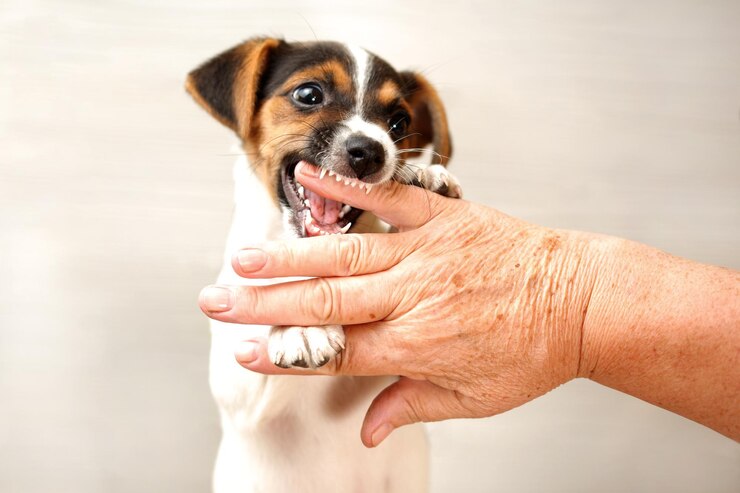
Americans, as a whole, love their dogs. Many millions of American households are home to at least one pooch, and many families keep multiple dogs. Dogs have been domesticated for thousands of years. They are generally friendly, and they become productive members of households. Dog bites remain common.

Many of these bites are relatively harmless, resulting in no substantial injury. However, some people do end up needing to seek medical treatment. Sadly, some people pass away from injuries sustained by dog bites, although fatalities are rare.

If you or a loved one have been injured, you should speak with a lawyer. You may receive compensation for medical bills, pain and suffering, and other things. You can search for a dog bite lawyer in the Detroit area or for a lawyer based nearest you. Curious about dog bite data and increasing safety? Read on!

Looking at the Data Regarding Dog Bites

Data covering dog bites can come from many different sources. Immediately, one clear challenge emerges: data collection is often sporadic, and the methods used by different organizations and by researchers at different times.

 As a result, they may make the data hard to compare. For example, the Centers for Disease Control has conducted various studies over the years. But they need to collect and publish standardized statistics on the issue regularly.

Some of the most commonly cited statistics conclude that 4.5 million people are bitten by dogs each year. Roughly 800,000 require medical treatment. However, this data comes from a CDC study examining bites from 2001 to 2003.

It’s hard to say if this data still accurately reflects the situation in recent years. On the one hand, dog ownership has increased, so perhaps dog bites are increasing. On the other hand, increased education and efforts to ensure healthier human-dog relationships may result in fewer bites.

Dog Biting Statistics

Moving further away from the dog statistics, the average cost per claim for dog attacks keeps on escalating from the year 2003 to that of 2017. They are driven by the increasing cost of medication and the higher settlements.  

According to a study, around  28000 dog attacks resulted in hospitalization (the figures range between the years 1993 to that of the year 2008). The statistics kept on increasing therefrom. Presently, a dog bite treatment in a hospital (hospital stay) costs around $18200. 

Looking at the number of dog attacks on US postal employees in 2019, one can understand cities notorious for dog bites. They include Chicago, Los Angles, Dallas, Columbus, Philadelphia, Toledo, and others. These figures point out the increasing number of dog bites and also the cost of treatments. The concerns keep mounting high with time. 

The Most Crucial Statistics

Let us know about some of the most crucial statistics on the dog bite. According to statistical figures, almost around 4.5 million people became victims of dog bites. Nearly half of them are children. Around  70% o dog bites are untreated. 

Dog bite accounts for around  46 fatalities, as recorded in 2019. The Pitbull and the Rottweiler are responsible for 77% of dog bites. According to global figures, millions of dog bites occur Annually! These statistical figures call for introspection; therefore, the concerned authorities must be aware of the dog bites. It is important for the sake of awareness.

Keeping Children and Safety in Mind With Canines

Children rank among the most vulnerable to dog bites, and educating them to reduce the risk of bites is important. Since children are not as large or robust as the typical adult, they are more vulnerable to injury. Further, many children don’t understand how to interact with dogs properly. What may seem like innocent rough play may cause a lot of harm to canines. If a child injures a dog, it may be more likely to bite.

It’s important for parents to properly educate children on dogs and how to interact with them. Supervision at home is crucial for households with both kids and dogs. It’s also wise to teach children not to approach strays or unknown dogs. While many dogs are friendly, some may be dangerous.

Also, larger dogs can pose more of a threat. Even if a small dog bites a child or adult, it will likely do less damage. A larger dog, no matter the specific breed, will be able to inflict more damage if it should decide to bite someone. Remember, if you’re looking for a dog for your family.

What If A Dog Bites Your Child

You need to be mindful of health and safety measures when the dog bites your child (especially if it is not your own dog). At the same time, you also need to take your kids to the emergency department.  

Though rate, infections like rabies and others are fatal. Therefore you must not delay at all and take your child to the nearby hospital for treatment. Your doctor will let you know if the child needs stickers or if antibiotics will suffice. Moreover, you can help your doctor by providing some important tips on the risk factors associated with dog bites.

You can name the location of the dog’s owners. It will enable the doctor to procure updated data on the vaccinations. It can also help you understand whether or not the dog attacked was provoked or unprovoked. If the attack was unprovoked, let the doctor know if the dog is sick. It might completely affect the treatment decision.

Have You Safely HENDled Them?

Take note of some of the safest ways to handle dogs so that you do not have to be in trouble. Never try to squeeze the dog too tightly as they feel uncomfortable. Also, never tease them by pulling the ears and tail tightly. It is a sensitive organ. 

Do not disturb the dog when they are eating. Dogs give their utmost concentration while they are eating.

If you do it, be prepared to face the heat. Never put your fingers before them, especially when they are eating. These precautions can save you from dog bites. 

Read Also:

Arnab is a professional blogger, having an enormous interest in writing blogs and other jones of calligraphies. In terms of his professional commitments, He carries out sharing sentient blogs.

View all posts

Leave a Reply

Your email address will not be published. Required fields are marked *

Related

bark collar

All You Need To Know About Bark Collar

To begin with, let's analyze the principle of the bark collar. The principle of the collar is based on "negative reinforcement": as soon as the dog starts barking, the device in one way or another causes the animal discomfort. In many models, the intensity of exposure can be adjusted. Usually, they start with the weakest influences, but if they become ineffective, the power is increased. Most pets understand the connection between barking and punishment over time and then break the habit. However, an immediate result cannot be expected: at first, the dog will, from time to time, forget about the collar, especially if frequent barking has become a norm for it. The Bark Collar Appearance A receiver with electronic components, including a bark indicator and a device for influencing the dog, is attached to the tape. The receiver may have a power adjustment wheel, as well as a battery indicator. Some models are equipped with GPS tracking devices. The receiver weighs from 25 to 120 g. The larger the dog, the larger the device should be. The receiver detects barking using a vibration sensor or microphone. Both types have their drawbacks: the former may react to scratching behind the ear, yawning, or throat movement while drinking, while the latter may react to other dogs barking. A bark collar with a microphone device makes mistakes more often. You may also like: 10 Reasons Why Your Dog Can Breathe Fast? Whom Does It Fit? There are collars for both large and small dogs. They are especially relevant for breeds that are naturally prone to frequent barking: Spitz, Yorkshire terriers, etc. Before proceeding with the choice of a bark collar, it is necessary to consult with a dog handler. Sometimes you can get rid of the problem without resorting to the device. In addition, in case of hysterical disorders in a dog, such a collar will only worsen the situation. The collar must not be used for more than 8-12 hours a day. Most dogs stop vocalizing for no reason after just a week. However, to fully consolidate the result, using the device for up to six months is recommended. If your dog has become nervous or depressed because of the collar, you should contact a dog handler. Varieties Of Bark Collar Like the harness and the other pets’ accessories, bark collars are available in different shapes and sizes. The bark collar’s size and features are different from the larger breeds for the smaller breed dogs. When you are going to purchase the bark coolers for your pets, you have first to understand the necessity of the bark collars and then what are the suitable types of bark collars. For example, for the smaller breeds, the minor tingling sensation is enough to stop the barking. But for the larger and aggressive breeds, the collars must be much more powerful than the smaller ones. Here are a few options and the types which are available for your pet dog. Ultrasonic Gas and spray Vibrating Electrical Combined You may also like: Smaller Sized Meal Portions for Dogs How To Use The Bark Collar? To begin with, the dog must get used to the bark collar, so it is kept off for the first 2-3 weeks. It should be positioned higher than the usual model and fit snugly to the skin. When you turn it on for the first time, you must personally monitor how the pet reacts to the triggered device. If the dog is very scared (to the point of hysterics), the collar must be turned off and removed immediately and then put on again the next day. Over time, the animal will begin to respond more adequately simply by stopping the barking. Conclusion: Many times barking is becoming a habit for pets. The bogs barking is like an alarm. When your dog is developing a barking practice, you can not find the real cause behind his barking, and every time he starts barking, you will think there is some issue with security, but you can not find the real cause behind the barking. This is the main reason the owners are taking the help of the bark collar to control the dog’s barking habits. Read Also: Can Dogs Help Writers Stay Positive During Stress? The Best Dog Breeds For Fitness Fanatics What You Should Know About Mini Sofas For Dogs

READ MOREDetails
Cat-Proof Fencing

How To Train Your Cat To Stay Within Cat-Proof Fencing

Training a cat to stay within cat proof fencing requires patience, understanding, and a strategic approach. While cats are independent by nature, with the right techniques, you can teach them to enjoy the safety of their designated outdoor space. In this article, we'll explore effective training methods that help your feline friend embrace the boundaries of cat-proof fencing while still enjoying the outdoors. 1. Understanding Your Cat's Behaviour Before embarking on any training endeavor, it's essential to understand your cat's behavior. Cats are curious creatures, and their desire to explore their surroundings is hardwired. Respect their natural instincts while guiding them to respect the boundaries you've set within the cat-proof fencing. 2. Creating A Positive Association Start by introducing your cat to the cat-proofed area. Keep the experience positive by associating it with things your cat loves. Place their favorite toys, a cozy bed, and even some treats within the enclosure. Spend time with your cat in the enclosed space to show that it's a safe and enjoyable environment. 3. Gradual Exposure Don't rush the process. Gradually expose your cat to the enclosed area. Start by leaving the door open and letting them explore at their own pace. Use positive reinforcement, like treats or praise, whenever they venture into the space. Over time, extend their time within the enclosure, rewarding them for their willingness to stay within the boundaries. 4. Harness And Leash Training Consider harness and leash training as an additional layer of safety. Introduce your cat to a comfortable harness and attach a leash. Allow them to explore under your supervision while within the cat-proofed area. This helps them associate the enclosed space with freedom and exploration. 5. Positive Reinforcement Positive reinforcement is a key element in training cats to stay within cat-proof fencing. When your cat voluntarily remains within the boundaries, reward them with treats, affection, or playtime. Conversely, avoid punishing your cat for attempting to leave the designated area, as this can create anxiety and reluctance to explore further. 6. Consistency And Routine Cats thrive on routine, so establish a consistent schedule for outdoor time within the cat-proof fencing. Regularity helps your cat feel secure and reduces their inclination to test the boundaries. Over time, they'll come to associate specific times with outdoor exploration, making the training process smoother. 7. Sensory Enrichment Enhance the appeal of the cat-proofed area by incorporating sensory enrichment. Add plants, cat-safe grass, and toys that stimulate your cat's senses. A stimulating environment reduces the desire to wander outside the boundaries in search of sensory experiences. A Backup Plan for When Fencing Isn't Enough Even the best cat-proof fencing isn't infallible. Cats are resourceful climbers, and a determined or startled cat can find gaps that weren't obvious during setup. If your cat does manage to get beyond the boundary, they'll be outside their known territory — which means they're far less likely to find their way back on their own than a cat exploring a familiar neighbourhood. This is why outdoor cats — even those in enclosed gardens — should always wear a collar with current contact details that a finder can access instantly. Unlike engraved tags that can be difficult to read on a wriggling, frightened cat, a scannable tag lets anyone with a smartphone pull up your information and get in touch immediately. It's a small precaution that works as a safety net behind the fence you've already invested in. Conclusion Training your cat to stay within cat-proof fencing is an investment in their safety and well-being. By respecting their natural instincts while gently guiding them to respect boundaries, you can create a harmonious balance between their desire to explore and your need for their protection. Remember that "cat-proof fencing" isn't just about the physical barrier; it's about fostering a positive association with the enclosed space. With patience, consistency, and positive reinforcement, you can help your feline friend enjoy the outdoors within the safe confines of their designated area.  Read Also: Cattle Feed: Fueling The Health And Productivity Of Your Herd Where Are You Able To Search For A Pet-Friendly Apartment In Boston? Gift For Dog Lovers Asobubottle.Com: Best Pet Water Bottles In 2023!

READ MOREDetails
Waterproof Bed Your Dog Needs

Pawsitively Essential: 10 Justifications For A Waterproof Bed Your Dog Needs

People are eternally grateful for your beloved friends, and as pet owners, you should always put their comfort first. Purchasing a waterproof bed is one important, yet sometimes disregarded, step toward furnishing your dog's room so that it is comfortable and healthy. A Waterproof Dog Bed is convenient; it has several advantages for your pet and your house. This article discusses ten reasons why your dog needs a waterproof bed. 1. Mishaps Occur Dogs can have accidents, just like people do, especially puppies or older incontinent dogs. Water doesn't soak into the mattress since a waterproof bed is a barrier. This is especially helpful in keeping your pet's sleeping space fresh and odor-free. 2. Easy Clean-Up A waterproof bed makes cleanup easier after spills, muddy paws, or unplanned mishaps. Liquids are kept from seeping into the bed's core by the waterproof layer, making spot cleaning simple and avoiding stains and smells. Your pet's living environment becomes cleaner and healthier as regular upkeep becomes easier. 3. Mold And Mildew Prevention Wet conditions can encourage mold formation and mildew, harming people's and pets' health. As a barrier, a waterproof bed keeps moisture from building up inside the mattress. This preventative step guarantees a dry, pleasant sleeping area and protects your dog from future respiratory problems. 4. Sturdiness Of The Mattress Over time, moisture—from spills or accidents—can weaken a dog bed's structural integrity. Waterproof mattresses are engineered to endure the trials presented by submersion in liquid, hence augmenting their longevity. A waterproof option guarantees the bed stays in top shape and offers your pet long-lasting comfort. 5. Control Of Odor Not only does liquid absorb into a dog bed, but it also produces foul smells. Waterproof beds lessen this problem by keeping liquids from seeping through the mattress. This barrier ensures that your dog's sleeping area is clean and welcoming, making cleaning easier and aiding in odor management. 6. Exclusion Of Allergens Like people, dogs may have sensitivity to allergens like mildew and dust mites. A waterproof bed creates an effective barrier against these allergens, giving your pet a healthier place to sleep. Dogs who suffer from allergies or respiratory problems would especially benefit from this as it helps minimize potential triggers. 7. Fitness For Usage Outside A waterproof bed is a great tool if your dog loves being outside or if you take them on frequent travels. It may be used outdoors due to its moisture resistance, giving your dog a cozy and dry place to relax, whether at the beach, camping, or just hanging out in the backyard. 8. Control Of Temperature Temperature-regulating and breathable materials are frequently seen in waterproof beds. This guarantees that your dog is comfortable in all kinds of weather, whether on a sweltering summer day or a freezing winter night. Together with these temperature-regulating qualities, the waterproof feature offers a comprehensive solution for your dog's well-being. 9. Design That Is Cozy And Supportive In addition to being practical, waterproof beds are made with your dog's comfort in mind. Numerous choices have orthopedic and supporting designs that relieve dogs suffering from arthritis or joint problems. These beds are a great option for dogs of all ages and health concerns because of their twin functionality of comfort and waterproofing. 10. Pet Owners' Peace Of Mind And lastly, pet owners may rest easy knowing their bed is waterproof. You can unwind and spend quality time with your dog, knowing their sleeping area is guarded against spills and accidents. It also reduces anxiety about possible harm to your house, so you and your pet may live together harmoniously. The Sensible And Conscientious Option For Waterproof Dog Beds Purchasing a waterproof dog bed is a wise and advantageous choice that extends beyond ease of use. The numerous benefits include reducing the risk of accidents and making cleanup easier, encouraging a healthy sleeping environment, and guaranteeing the bed's longevity. A waterproof bed is a considerate investment in your dog's comfort and well-being and a useful addition. You are improving your pet's quality of life and strengthening your relationship with your cherished dog friend by giving them a dry, clean, and comfortable place to sleep. Top 6 Benefits Of A Waterproof Dog Bed While you are buying the best bed for your pooch, every pet parent will want the best dog products across the market. Below, I will discuss the top 6 benefits of the waterproof dog bed. 1) Materials And Features Of Waterproof Dog Beds  Before diving into several other benefits of a waterproof dog bed, let's look at what these are all about. Essentially, these are two types of waterproof dog beds. In this case, some enhance the waterproof lining, which wraps around the outermost shell of the bed. This is an ideal option to prevent liquids such as urine or water dripping from a wet dog from penetrating the interior filling of the bed. 2) Water Resistant Dog Beds One of the most confusing elements of purchasing a dog bed is whether you can trust the high moisture or the wet environments. Undoubtedly, there are substantial differences between water-resistant and waterproof dog beds. It is also essential to know them before committing to the purchase. Above all, waterproof dog beds will prevent any liquid from penetrating the fillings of the bed. Conversely, water-repellent and water-resistant materials will help you control the limitations of small quantities of water. 3) Waterproof Dog Beds, Hygienic  Since water, bacteria, and urine will have a more challenging time penetrating via the outer lining. In this case, you can be sure that the bed's bed will stay clean and hygienic for a longer time. Of course, cleaning a stained and dirty waterproof lining is incredibly easy. In this case, you can only use the hose or throw the washing machine. If the waterproof lining becomes destroyed beyond repair, this is easier to replace. You will only be able to do so by just buying a new cover instead of the entire bed. 4) Waterproof Dog Beds Are Odor-Resistant  When your dog comes back from a mud and wet place, it lies on the dog bed and smells very bad. That is why a waterproof dog bed is odor-resistant. In this case, there is no doubt that an odor is not just one of the most valuable but also a little pricey for having the mushy dog all around. Therefore, odor-resistant bedding will help you manage an issue without much effort. 5) Waterproof Dog Beds Are Long-Lasting  If you are buying any non-durable waterproof dog bed, it would be hard to be durable. Dogs are experts in replacing bed sheets and other cotton cotton-relatable. That is why I suggest you buy a waterproof dog bed with memory foam filling and synthetic fabrics to easily pick this up for many years. However, waterproofing has to compromise comfort in waterproof dog bedding. Read Also: Gift For Dog Lovers Asobubottle.Com: Best Pet Water Bottles In 2023! 6) Dog Waterproof Beds Can Easily Be Used Both Indoors And Outdoor  Dogs usually love to spend more time outdoors and also always love to run on grassy fields and beaches. As the summer season approaches, dogs should be kept indoors for a very long time to avoid any health threat. You can only can't use them indoors for softer or even more delicate materials. Indeed, multiple natural elements such as sun and rain can severely impact the structure, health, and look of your dog's dog. If you want to spend a little fortune, there are better ways to take care of your investment. Additionals: 5 Reasons Why Your Child Needs a Dog The Best Dog Breeds For Fitness Fanatics Food Allergies in Dogs and How You Can Prevent it? Can Dogs Make the Anti-Social Kids Socialize Better?

READ MOREDetails