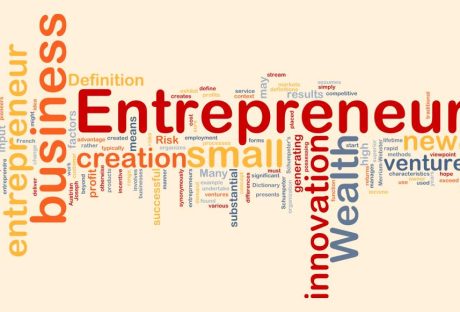
What Is Entrepreneurship?: Types And Characteristics Explained In Details [Updated 2022]

Published on: 01 July 2022 Last Updated on: 29 October 2024
entrepreneurship

With the global pandemic of the year 2020 due to the onset of the coronavirus, many people lost their high-paying jobs. With large-scale unemployment, people worldwide started reconsidering the notion of the “stable” job. This was one of the main reasons that they started their own business.

Have you ever wondered about building an organization? About starting your own business? If this thought has ever crossed your mind, you may have thought about becoming an entrepreneur.

Heard about the term but didn’t quite know what it is? Then, you have come to the right place. In this article, I will guide you on the concept of entrepreneurship and the types and characteristics of the same. So if you want to know more, stick till the end.

Read More: How Many Types Of Entrepreneurs Are There

What Is Entrepreneurship?

What Is Entrepreneurship?

Entrepreneurship is the process by which an individual takes the risk to start their own business and run it successfully.

You can consider it to be one of the essential points in society. It is one of those resources that economists consider integral to production. However, economists have not consistently defined the exact definition of “entrepreneurship.”

However, you can connect it to the natural resources, land, labor, and the capital that we invest in, which has the possibility of generating profit. Every nation values the practice of entrepreneurship because it makes the country stand out more in the global marketplace.

Who Is An Entrepreneur?

Who Is An Entrepreneur?

Do you think you have the ability to create and run your own business successfully? And also dare to bear the risk of failure?

Well, you might just be capable of being an entrepreneur.

While the process of starting your venture and running a business of your own is called entrepreneurship, the one who does that is called an entrepreneur.

In order to become an entrepreneur, you must have the desire to start a new venture and administer it to run successfully. But, along with that, you also need to keep in mind that you might have to face failures and even incur losses a few times.

In other words, a person who is determined to open a startup and run it successfully while dealing with all the risks of losses is called an entrepreneur.

Entrepreneurs have a significant role to play in the economy. They use their skills and business acumen to initiate their journey and bring success to their business and the market in general.

Related: Business Tips For Beginner Entrepreneurs

Entrepreneurship: Characteristics

There are a specific set of skills that one needs to have if one wants to become an entrepreneur. Some of them are below:

1. Risk-taker

Risk-taker

Because it takes a lot of courage to start an entrepreneurial journey, the essential characteristic for a person to have if they want to become an entrepreneur is the will to take the risk.

Entrepreneurs are never too scared of taking risks. They jump into the field knowing the fact that they might incur losses. However, they also know that risk is just an opportunity to learn something new about the market, their business, and themselves. 

2. Networking

Networking

Building and managing the relationships that one business owner has with other professionals help them grow the business. Therefore, one of the most desirable skills for entrepreneurs is to be able to network.

It can open up many future opportunities and support the entrepreneur in building a brand with a solid foundation.

It also allows entrepreneurs to meet other like-minded professionals and build future collaborations and teams while staying updated with industry trends.

3. Communication

Communication

It is crucial to communicate with your clients and equally essential to communicate with your employees.

Business owners or entrepreneurs require excellent communication skills through verbal communication or messages and reports or emails about the project.

This makes sure that the work or the project is executed effectively and reduces the chances of miscommunication.

4. Critical Thinking

Critical Thinking

An entrepreneur should be able to look through the data and information present at hand and arrive at a rational conclusion. This benefits the business.

The skill of thinking about a solution critically is essential. It helps business owners connect with ideas logically, scrutinize the information at hand, find if there are any inconsistencies at work, and solve complex issues.

Know More: Large Company Entrepreneurship: Definition, Pros, Cons

5. Creative Thinking

Creative Thinking

Being creative is a gift that no one can take from you. So if you want to be an entrepreneur, you should make sure that you can think creatively.

We can often consider it to be the backbone of innovation. It is one of the reasons that forces employees to think differently. This makes sure that the business grows innovatively.

6. Leadership Skills

Leadership Skills

One of the most important things an entrepreneur needs is the skill to be an excellent leader.

They should be able to inspire their colleagues or those working for them and empower the workforce.

Frequently Asked Questions (FAQs):

1. What Does Entrepreneurship Mean?

Entrepreneurship is the process through which an individual starts or creates their own business and can run it successfully.

2. What Are The Types Of Entrepreneurship?

When it comes to the different types of entrepreneurship, there are many. Some are large company entrepreneurship, social entrepreneurship, startup entrepreneurship, and small business entrepreneurship.

3. What Is The Importance Of Entrepreneurship?

There are many reasons why entrepreneurship is essential. It increases the standard of living, encourages creativity, supports innovation, and offers employment.

And That’s A Wrap!

With the rise of unemployment in many parts of the world due to the pandemic of 2020, many people started rethinking the idea of a stable job.

This was one of the reasons why most of them began to open businesses. They started their entrepreneurial journey, no matter how big or small they were.

The ability to run a business while dealing with the possibility of incurring losses is essential for an entrepreneur. While keeping that in mind, several characteristics are necessary for becoming an entrepreneur.

Some of them are the ability to take risks, communicate, and other leadership skills. So, if you think you have any of the characteristics stated above to be an entrepreneur, it might be your turn to try and set out on a new venture!

Read More:
  1. How To Become An Entrepreneur? A Brief Guide
  2. Margin Trading Tips & Strategies For Beginners
  3. Who Is An Intrapreneur? Definition, Characteristics, Pros/Cons

Ankita Tripathy loves to write about food and the Hallyu Wave in particular. During her free time, she enjoys looking at the sky or reading books while sipping a cup of hot coffee. Her favourite niches are food, music, lifestyle, travel, and Korean Pop music and drama.

View all posts

Leave a Reply

Your email address will not be published. Required fields are marked *

Related

Promotional Event

How To Plan A Promotional Event For Your Business? – Steps & Key To Success

A promotional event plays an important role in the success of your business. Planning this type of event may be challenging but if you know how to do it right, you and your organization can achieve huge benefits in the end. To learn more about how to plan a promotional event for your business, please scroll down to find out the answer. What Is a Promotional Event & Its Importance? A promotional event is a popular occasion created for organizations looking to promote their particular products, advertise new products, or promote their whole company. By launching this event, you can draw customers' attraction about your business and reach your target audience. More than just attracting people, a well-promoted event's chief purpose is to increase public awareness of the business. In addition, it also informs customers about your organization, products, prices, services and persuades them to buy the products of your company. Planning Promotional Event With 5 Steps Step 1 First and foremost, you need to define your goal and identify the target audience of your event. This is the most important factor because your promotional event tactics will depend mainly on your customers and the goals that you want to achieve. The chief target might be increasing total revenue for your e-commerce marketplace or generating media coverage on your newly launched products which are about to be unveiled. However, having a defined goal enables you to build a strong, effective promotional event schedule and bring the right audience to your business. Step 2 Choosing the proper type of promotional event is the next significant step in your process. There are several ideas of promotional events for your intention to gather new customers, raise people's awareness of your brand, express the brand's gratitude to current clients, etc. This post will show you the three most typical types of promotional events that you may find helpful to your organization. The first one is fundraising events, created to support an organization's mission, especially nonprofit companies. These companies will raise funds via selling products or services activities. Your organization can hold this type of event by hosting a gala, online or offline auctions, or musical performance. Next, you can also opt for those promotional events like giving the public free food and custom bottled water. Who doesn't love free stuff? No one. The crucial aims of these events are to spread people's awareness about a particular product, service or advertise the image, trademark of your brand to your target audience. Giving the crowd a free trial is a great way to give them a good impression of your brand. The final type which we want to mention today goes to the award ceremony. The prize might be given to "the most loyal customer" or the one who has a winning ticket. This type of promotional event shows your brand's gratitude to loyal customers. And that will help you gain more target audience and make them want to stay longer with your brand. Step 3 To keep track of all activities of your promotional event, a schedule with strict deadlines needs to be included. Because the bigger the event is, the more things your team needs to put on the calendar. Having deadlines in your team's plan would make your job less sophisticated and give you appropriate time to change the plan if something occurs unexpectedly. Step 4 Since organizing a promotional event is not easy, you can share the load to distribute the promotional efforts to other stakeholders. Here are some tips for you. Reach out to sponsors might be the best way to bring a helping hand to your business. Sponsors could easily help your brand access your target audience and re-enhance your promotional event's key message on social media websites. They can also expand your company's budget if your brand allows them to also display their products in your event. You can consider another common way which is influencer marketing. If you can connect with influencers whose audiences are similar to your target customers, don't hesitate to discuss this partnership marketing opportunity with them. Leveraging their influence in the industry is also a great way for your event to get closer to success. Step 5 After having done all things above, following up with your event attendees is the last important step to decide the success of your event. You might want your attendees to remember your brand's message and come back to buy your products in the future. Thus, send them emails, give them some small gifts, marketing flyers, or whatever you can to make sure that they will remember your brand after the promotional events. If they come back and choose your brand as a reputable solution, you can tell that your promotional event is successful. Tips For Promoting Your Event Effectively On Social Media Using social media platforms wisely and suitable for your products/services. Paid for advertisements on Facebook, Youtube, Instagram, etc. Host a giveaway to pump up your brand awareness and help convert your followers to attendees. Using your promotional event's hashtag everywhere and every time you have the chance. Conclusion Promotional events are amazing in helping you gain more customers and spreading your brand's key message to the community. We hope that our topic of "How to plan a promotional event for your business" today could give you the answer that you're looking for. Good luck and see you next time! Read Also: What Type Of Inflatables Should You Opt For At Your Business Event Choosing the best Photographer for your Event

READ MOREDetails
User Interaction

How To Encourage User Interaction With Your Brand Online

Creating user engagement can be daunting regarding your brand's online presence. However, encouraging user interaction is crucial to garnering brand loyalty and driving sales. Engaging with customers online not only grows a company's following but also helps to establish a sense of trust and credibility with potential customers. With the ever-growing importance of online reputation protection, investing in building strong relationships with your target audience is essential. By implementing effective strategies, brands can achieve their objectives and foster a flourishing online community. This blog post will discuss tips and tactics to encourage user interaction with your online brand. 1. Create Unique And Valuable Content One of the best ways to encourage user interaction with the brand online is by providing unique and valuable content to your audience. With countless brands vying for the attention of online users, it's essential to stand out from the competition by providing quality content that encourages interaction.  Whether through insightful blog posts, engaging social media updates, or informative videos, your content must deliver real value to your audience. By doing so, you not only build credibility and trust with your followers but also create a community of loyal brand advocates eager to engage with the content and share it with others. 2. Run Contests Running contests is an excellent way to build engagement and excitement around your brand. Contests can be designed to promote user-generated content or reward social shares. The key is to make it easy for participants to enter and to offer incentives that align with your brand's values and interests.  At the same time, ensure that the rules are easy to understand and follow. You can run contests across all social media platforms or your website to increase your brand's visibility and drive traffic to your site. 3. Respond And Communicate To Your Audience Promote audience engagement by responding to their comments, questions, and feedback. If someone shares your post or leaves a comment, take a moment to respond and show some appreciation. Participate in social media conversations and proactively engage with the audience by asking for feedback or conducting surveys.  Ensure that you respond to your customer needs and complaints promptly. Quick and helpful responses can create a positive impression and increase brand loyalty. Regularly updating social media profiles and websites with fresh content and actively engaging with your prospects can establish a robust online presence that resonates with your target audience.  Effective online reputation management requires consistent effort and dedication, but the payoff is worth it. 4. Collaborate With Influencers Collaborating with influencers can bring new traffic and followers to your brand. Partner with influencers in your industry and build relationships that can potentially lead to collaborations.  Find the most relevant ones to your industry and audience, and then create a campaign that aligns with the brand messaging and values. Influencers can help you reach a broader audience, generate more engagement, and increase brand awareness. 5. Let User-Generated Content Prevail Encourage the audience to curate as well as share your brand-relevant content. You can run campaigns encouraging your audience to take pictures of your product or share testimonials about your services.  User-generated content is an excellent way to build valuable social proof as well as advocacy around your brand. By sharing user-generated content with your potential audience, you will encourage others to engage online with your brand. User Interaction Statistics That Focuses On Strategy  Given below are three primary user interaction statistics that prove its worth: 43% of Users Have Boosted Their Social Use For Discovering New Brands And Products In comparison to the previous year, almost 2-5 consumers increased their social media use for learning about new brands, products, and services. On the other hand, 40% expect this number to rise in the coming years. The social profiles of your brand are simply an extension of your online storefront.  80% Of Users Want Brands To Interact With Them Socially Yes, you heard that right! Most of your users are willing to interact with you on a social level. Very soon, we will be finding socials as the primary channel for businesses to establish connections with their users. You might try using social listening tools in order to join such conversations proactively. Median Social Engagement Rate Lowers Down 1% Less than a single percent of users seeing a post actually make an effort to interact. The median rate for engagement on Facebook is 0.009%, whereas, for Instagram, it is 1.22%.  The rate becomes even lesser for Twitter, where it is just 0.0045%. These statistics prove how important it is to comprehend the efficiency of a structured user interaction strategy.  How Is Consumer Engagement Beneficial For Any Business?  Social media is a bit conversational in its nature. A user will never visit your page if you don’t talk about it openly. Great conversations are likely to have a positive effect on sales. Positive user interaction with brands makes consumers willing to purchase from the brand. Also, they opt for the business over other competitors.  If you manage to impress a user with your positive interactions, they are most likely to recommend you too. Additionally, it manages to maximize its spending with your brand. We must stop undermining the potential of positive user interaction as it develops a stronger relationship. Each time you talk to a consumer on social, you demonstrate your care about their feedback as well as opinions. Additionally, a scheduled interaction practice might encourage other users to interact with you as well. This not only boosts your overall brand visibility but also increases the engagement rate.  Conclusion Creating engaging user interaction with the brand online can be challenging, but building brand loyalty and social proof is crucial.  By providing valuable and unique content, running fun contests, engaging with your target audience, collaborating with influencers, and encouraging user-generated content, you can create a solid online brand presence and keep your audience engaged.  Consistency and authenticity are vital to creating a lasting impression and engaging your audience. Read Also: Online Marketing : Selling Your Product And Services Should You Consider Outsourcing Your Brand’s Marketing Campaign? Everything You Need to Know About Website Development Services

READ MOREDetails
Improve Efficiency at your Manufacturing Business

9 Ways To Improve Efficiency At Your Manufacturing Business

Whether you're a small manufacturing business or a large one, it can be tempting to think that your systems are working fine. But the truth is, there's always room for improvement. If you want to save money and improve efficiency in your company, consider these eight ways: Use Better Technology You can use technology to improve efficiency. It will help you make better decisions, use resources more efficiently and be more productive. This can lead to savings on labor costs, which means that you can pass those savings along to your customers in the form of lower prices. Technology is also crucial for reaching a larger customer base and improving quality control measures within your business. Use The Right Type Of Actuator Actuators are used to control movement and can be electric or hydraulic. Electric actuators are better for small movements, while hydraulic ones are better for large movements. Using a linear actuator has the added benefit of being able to handle high pressure, which is ideal for manufacturing processes that require heavy lifting. Audit Your Workflow As you work to improve the efficiency of your manufacturing business, it will be very helpful to do a complete audit of your current workflow. This means taking the time to look at the process from beginning to end and from the customer's perspective. You should also think about how you can make the process better, and how you can make it more efficient. Asking yourself these questions will help ensure that any changes that are made improve productivity rather than hinder it. If there is no improvement in productivity after implementing a new process or system, then it might be time for an overhaul instead of an upgrade! Use Machines For Folding And Packing Many folding and packing machines can be used to fold and pack items. Machines, such as letter folding machines, are equipped with unique features such as the ability to program folding patterns and fold different-sized, shaped, and material items with ease. The use of these machines will allow you to reduce wastage in your manufacturing business by minimizing the time spent folding manually while increasing efficiency in your production process. Build A Culture Of Efficiency To build a culture of efficiency, you need to define what efficiency means for your business. Is it cost-per-unit? What are the costs? The most important thing is to know what the problem is before you start solving it. Once you have clearly defined the problem and its root cause in terms of dollars spent and time wasted, then you can begin creating metrics for measuring your progress and results. You should set goals that are both ambitious and realistic; this will keep everyone motivated but also avoid setting expectations that may not be met at first (which could lead to frustration). Customize Your Control Panels To get more out of your electrical control panels, customize it. Customize the control panel to make it easy for users to use and understand. Make sure that the control panel is easy to clean and maintain. Think About The Future The future is both predictable and unpredictable. By looking at trends in your industry, you can predict what will happen in the future. However, some things will come as a surprise to you. To prepare for these surprises, use a predictive model to determine how your business may change over time and then make changes accordingly. You and your team should consider how: Your business will likely evolve in response to external factors (for example competitors entering or exiting the market) Your customers' needs will change (for example they could get married and have children) Your suppliers' needs will change (for example they could go out of business or switch suppliers) Focus On Managing Errors And Waste, Not Just Making Products Managing errors and waste are key to increasing your efficiency in the manufacturing process. Here's the difference: Errors are mistakes that occur during the production process, such as a worker misreading a part. Waste is any loss of product or something that isn't used properly, like scrap metal from cutting too many parts or leftover parts after assembly. Think About Problems From Different Angles To improve efficiency and get the most out of your manufacturing business, you have to think about problems from different angles. Don't just look at the problem itself; look at the people involved in solving it. However, don't just look at the product or service; look at who is buying it and what their needs are. Don't just think about how things are done now; think about how they could be done better in the future if only there were some changes made today! If this sounds too abstract for you, let's use an example: A machine breaks down and needs replacing urgently because so many orders aren't getting fulfilled on time anymore due to its malfunctioning nature. There are three ways of approaching this issue: one is by thinking about how to replace this particular machine as soon as possible by finding another similar one somewhere else (and maybe even cheaper). Another option would be working with an expert mechanic who knows what needs fixing first before taking action towards repairing all other parts which might be damaged too - but not necessarily always needing immediate attention right away like a simple replacement would entail. This could lead to delaying production until everything gets fixed up properly again...which isn't feasible unless you have enough cash flow coming through regularly enough without having any major expense issues arising from unexpected repairs during periods when there isn’t much available income coming through yet. Conclusion We hope you’ve found these tips useful. They can help you improve the efficiency of your business and make it a more profitable one, which is always a good thing! Read Also: 10 Benefits & Drawbacks Of Purchasing A Heat Pump 6 Incredible Tips To Reach Your Small Business Customer Different Ways You Can Grow Your Business With Custom Bucket Hats

READ MOREDetails