













Fast Freight Solutions: Why Expedited Shipping Is A Game-Changer

by

18 December 2024

Small Business

Expedited Shipping

Logistics providers must prioritize efficiency if they wish to be successful.

Consumers want goods immediately, and any delay can lead to losses. Time is of the essence in this industry, so business owners constantly look for ways to streamline their operations and optimize their shipping processes.

Expedited shipping is one method they may use to achieve this goal. Speed and time sensitivity are prioritized when this shipping option is selected, and it can be used for less-than-truckload freight and full truckloads.

Using this option gives a business a competitive edge by ensuring goods arrive at their destination promptly. With the help of expedited shipping, companies can meet the urgent demands of their consumers quickly and reliably.

What Is Expedited Shipping?
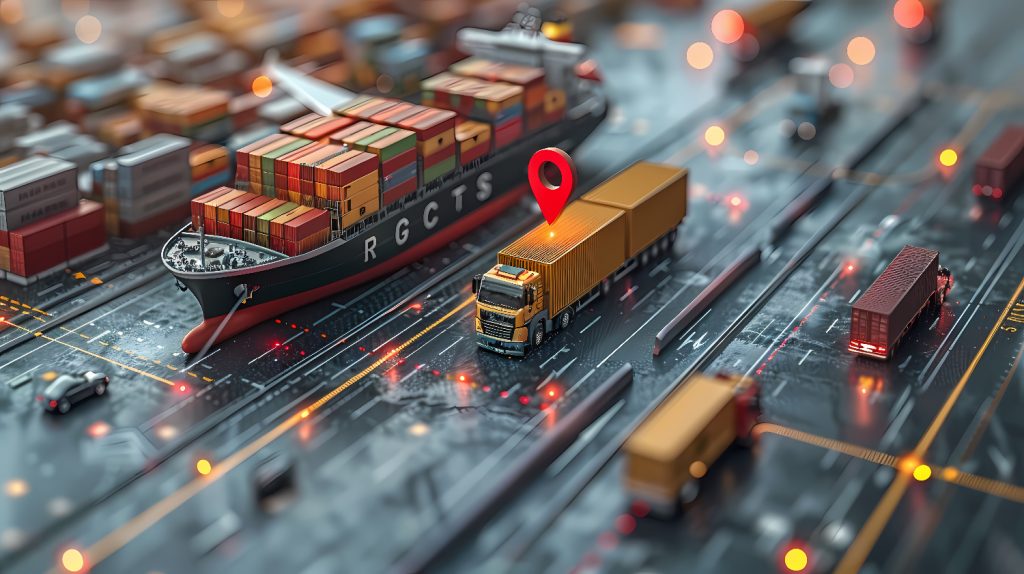
What Is Expedited Shipping

Expedited Shipping is a kind of specialized service that is based on improving the speed quotient of deliveries. Indeed, it is faster than traditional shipping services. But what makes up for the additional speed?

Expedited Shipping uses direct routes whenever possible during any transportation project or logistics delivery. As a result, the transit times are reduced by 50 to 60%. Estimating the layovers and cutting off any other unnecessary delays is also easy.

It is the best option for you if you need a time-sensitive delivery. Some orders that badly need Expedited Shipping are urgent posts, delivery of perishable goods, priority shipments like meds, etc.

Separating Standard From Expedited Shipping

The prime difference between standard and Expedited Shipping is in the delivery speed. The former follows the general delivery schedule and timeframe. However, that might be a few days and, in odd cases, a few weeks But the scenes are different if you’ve booked Expedited Shipping.

It assures faster delivery. The maximum time frame is 3 days. However, more than 70% of deliveries take only 24 to 48 hours. You may receive Some of the consignments within 12 hours, too.

However, the cost is higher when you expect such fast transit. So, choose Expedited Shipping whenever you need to make an urgent shipment.

The Benefits Of Expedited Shipping

This shipping option allows goods to reach their destination in less time. Most businesses opt for standard measures whenever possible because they are cost-effective and reliable. However, there are times when shipments must arrive quickly, typically within a day or two after placing the order.

Many industries benefit from offering this option. Medical supplies can arrive at their destination rapidly, which is essential because it could be a matter of life or death.

Just-in-time production methods are becoming more common in manufacturing, so expedited shipping ensures operational efficiency while minimizing downtime. The company can meet customer demands, giving it a competitive edge.

When customers receive their goods on time, they may become loyal clients of the business. In addition, they may leave a positive review and tell their family and friends about the company. Expedited shipping allows the business to stand out and increase its market share.

Consumer demands change rapidly. A company must be ready to provide customers with what they want and need. Expedited shipping allows the business to become more agile.

It can quickly adapt to seasonal peaks and fluctuating demand. Business owners know the importance of being flexible and nimble, as they saw the importance of having these capabilities during the global pandemic. 

Lead times lessen when expedited shipping is used. The business can fulfill customer orders quickly while improving its inventory turnover. The short transit times result in cost savings and higher profits. 

Improved Inventory Management

Expedited Shipping can subtly improve inventory management. Firstly, it can reduce the level of stockouts. At the same time, it ensures that the products are available timely. Consequently, the supply chain keeps moving fluidly, and goods reach each touch point promptly.

Hence, such moves can reduce the risk of lost sales due to lack of availability.

Added Competitive Benefits

Imagine any crowded marketplace. If you choose Expedited Shipping there, your business will surely stand out. Often, you will find that customers prefer companies like eBay offer faster delivery than Shein and others.

So, standard deliveries are gradually going out of vogue. Meanwhile, Expedited Shipping is taking charge. Most importantly, the advantage is all yours if you’re an ecom company.

Most customers (over 90%) expect faster deliveries and quicker checkouts. So, Expedited Shipping has become unmissable, speaking of e-commerce customer satisfaction.

What Methods Are Commonly Used

used methods are air freight

The commonly used methods are air freight, dedicated trucking, courier services, express delivery networking, etc. However, the names I mentioned are the prime methods.

Air freight out of the four is most helpful for international deliveries or supply of perishables over a short distance. On the other hand, courier companies specialize in using direct local networks for the fastest deliveries.

Keeping Costs Down

Business owners must know when to use expedited shipping and when other methods serve as the better option. Expedited shipping comes with higher fees to ensure the speed of the delivery.

The business may choose to bear these costs or pass them on to consumers, thereby raising the price of the goods. 

A  company might offer tiered shipping levels, allowing customers to choose the level that meets their needs and fits their budget.

In addition, the company might decide to collaborate with one or more carriers to negotiate better rates and service-level agreements. This arrangement helps to guarantee consistent performance. 

Nevertheless, the shipping carrier is only part of the equation. The business must also optimize its order processing workflows. Technology solutions can help the company achieve this goal.

It must also manage customer expectations and be transparent throughout the order fulfillment process, from when the order is placed until the goods are delivered. 

The Bottom Line!

Expedited shipping has numerous benefits, but it is wrong for every situation. A business owner must know you need speed and flexibility in shipping to meet customer demands.

The customer is always the top priority, so exceeding these expectations will lead to increased loyalty and positive reviews, which every business needs.

Read Also:

A passionate writer and an avid reader, Soumava is academically inclined and loves writing on topics requiring deep research. Having 3+ years of experience, Soumava also loves writing blogs in other domains, including digital marketing, business, technology, travel, and sports.

View all posts

Leave a Reply

Your email address will not be published. Required fields are marked *

Related

COVID-19 Crisis

Principles for Leading Your Company through COVID-19 Crisis

Ever since the COVID-19 outbreak in the UAE, the government and other institutions have been fighting to curb its spread. The virus spreads when a healthy person inhales droplets from a person who is infected. It also spreads when you touch surfaces that are contaminated then touch your eyes, mouth, or nose. It is necessary to adhere to the recommended health guidelines like washing your hands or using an alcohol-based sanitizer, maintaining social distance, avoiding crowds, etc. Employers should ensure that the workplace is safe and can accommodate employees without compromising their health. Preventing the Spread of COVID-19 at the Workplace Keeping your workplace COVID-19 free does not have to cost much; maintain hygiene and cleanliness. Ensure that surfaces like tables and desks, keyboards, and telephones are wiped and disinfected regularly. Encourage regular hand washing by workers and customers. Provide sanitizers and hand wash soap at entrances, exits, washrooms, etc. Ensure that sanitizer dispensers never run out. You can also hang informative posters on the importance of washing hands to prevent the spread of the Coronavirus. Promote the use of face masks at all times and practice good respiratory hygiene. Make sure your employees are well aware of Coronavirus Health Insurance. How to Lead Your Company during the Coronavirus Leading a team during the COVID-19 can be tough; there is uncertainty, and employees are constantly worried about their families and health. Here are principles you can use to lead your team during this time of crisis. Preach Hope Your employees will mirror your behavior, so as you talk to them about the present and unclear future, it is necessary to remain optimistic. Be truthful and assure them that the company will withstand the hard times, and things will be back to normal. You need to give them hope, act like a leader. Taking leadership training Dubai lessons teaches you how to handle overwhelming situations in the workplace. Although preaching hope is necessary, avoid giving false assurances as this can break their trust in you and the company. People-Centered Approach You need to be in tune with how the staff feels and thinks during this crisis; watch for changes and respond to any concerns. Employees are going to be worried and anxious about job security and health. Executives who take leadership training in Abu Dhabi classes know how to act even in a crisis. Show genuine concern for your workers; some risk their health to be at the office while others work from home juggling family and workload. Effective Communication Communicating is not enough; you need to ensure that the message is understood and not blown out of context or misinterpreted. Try to maintain personal but professional communication with each member. Be transparent, and keep the employees informed, but don’t bombard them with too much information. Communication is a two-way-street; listen to your team and receive feedback without judgment. When employees are free to issue their concerns and opinions, they feel appreciated and valued which leads to job satisfaction and improved productivity. Collaboration Don’t pretend to know everything; nobody expects you to. This is the ideal time to rely on your resources, employees, and all team members. Create taskforces, sub-taskforces, and explain each person’s role; this makes them feel that they are contributing positively to the workplace during this crisis. Collaboration fosters cohesion and builds trust within the team. When people work together they can come up with better solutions to problems. It also helps employees to adapt to the new norm. Change is inevitable, and organizations need to adapt accordingly. Establish a Common Vision Focus on setting out a simple, shared vision; this fosters a sense of purpose. As the crisis escalates, a shared vision reminds the team to work on what is needed at every stage and to focus on important issues. It also helps employees to focus on the organization’s goals without getting distracted by the outside world. It steers employees in the right direction. Having a clear vision ensures that every member is on the same page. A good vision is not enough; you need to communicate correctly to let everyone know their responsibilities and expectations. Be Present It’s crucial to be present at the workplace to interact and support your team. It is also necessary to do the same if you have a virtual team. Most organizations have all or some of their employees work from home. It is necessary to schedule regular meetings through video conferencing. This makes remote working employees feel seen and included in everyday routine and decision-making processes. You don’t have to be physically present to lead your team. If you lead managers, you need to keep a tab of their daily routine and continue with your coaching conversation. The COVID-19 crisis has changed the workplace; some people work from home while others continue with their normal routines while observing health recommendations. It can be overwhelming to lead a team during a crisis; some workers are confused while others are worried and frustrated. As a leader, you need to develop strategies to keep your team focused during these times. Read also: 5 Ways Technology Will Change the Hospitality Industry Post Covid-19 Pandemic

READ MOREDetails
Buy A Farm

From Dreams To Reality: A Comprehensive Beginner’s Guide On How To Buy A Farm

Acquiring your very own farm is a significant entrepreneurial venture that involves obtaining an existing business entity to bring your dreams of ownership and management to life. This intricate process requires a well-structured approach, thorough research, financial prudence, and adept negotiation skills. The journey to buy a farm starts by identifying the right opportunity, which means evaluating industries, markets, and sectors that align with your expertise, interests, and long-term objectives. If you're serious about acquiring a business like this, you should look up farms for sale Ontario. This phase requires meticulous due diligence to assess potential risks, opportunities, and the overall health of the target farm. This analysis encompasses a close examination of financial records, operational procedures, market positioning, and customer base, as well as legal and regulatory considerations. A critical aspect of this decision-making process is conducting a comprehensive financial assessment. Scrutinizing the farm's financial statements offers valuable insights into its revenue streams, expenses, profitability, and growth potential. This evaluation aids potential buyers in gauging the farm's financial stability and sustainability, which is crucial for making a well-informed investment decision. The art of negotiation plays a pivotal role in shaping the purchase terms. Effective negotiations encompass discussions about the purchase price, and payment arrangements, including assets, liabilities, and any necessary contingencies. The aim is to strike a balance that ensures a fair deal for both parties while safeguarding the buyer's interests. Securing financing, if necessary, is a vital step in the acquisition process. Buyers can explore various funding sources, such as personal savings, bank loans, venture capital, or even seller financing. It is essential that the chosen financing structure aligns with the buyer's financial capacity and the farm's potential returns to ensure a successful acquisition. The final steps of the transaction involve creating legal agreements and documents that outline the terms and conditions of the purchase. Legal professionals play a crucial role in ensuring the sale's legality and protecting the interests of all parties involved.Acquiring your own farm from the available farms for sale presents a multitude of advantages. It serves as a canvas for manifesting your entrepreneurial spirit, allowing you to harness your expertise, insights, and aspirations to navigate the farm toward expansion and success. When you secure an existing farm, you frequently gain access to a well-established clientele, a functional operational structure, and even a potentially familiar brand, effectively lessening the obstacles commonly linked with commencing from square one. However, it is important to recognize that acquiring a farm also comes with its own set of obstacles and uncertainties. The buyer must be prepared to address potential operational issues, adapt to a new business environment, and navigate unforeseen challenges that may arise during the transition. In conclusion, buying your own farm is a multifaceted yet rewarding endeavor that demands meticulous planning, thorough due diligence, skillful negotiation, and a strategic financial approach. Successfully acquiring an established farm provides the avenue for realizing your entrepreneurial dreams, achieving financial growth, and turning your aspirations of farm ownership into reality. Here Are Twelve Crucial Ideas To Buy A Farm Rest assured, this comprehensive guide is here to walk you through the process step by step, guiding you as you transform your dream of owning a farm into a tangible and fulfilling reality. 1. Define Your Farming Vision and Goals The first step on this transformative journey is to define your farming vision and goals. Reflect on the type of farming experience you envision – whether it's cultivating crops, raising livestock, or a combination of both. Consider your long-term goals, such as sustainability, self-sufficiency, or generating income. This clarity will serve as the guiding light throughout your farm-buying journey. 2. Assess Your Budget and Financing Options Before delving into the realm of farms for sale, it's imperative to assess your budget. Farm ownership comes with a range of expenses, including the purchase price, operational costs, maintenance, and improvements. Research financing options tailored to agricultural properties and engage with lenders experienced in farm transactions to secure a suitable financing arrangement. 3. Research Ideal Farm Locations The location of your farm plays a pivotal role in its success. Research potential areas based on climate, soil quality, water availability, and proximity to markets. Each geographic region has its unique advantages and challenges for farming. Explore different options to find the location that aligns with your farming goals and preferences. 4. Understand Zoning and Regulations Farms are subject to various zoning regulations and land use restrictions. Familiarize yourself with local zoning laws, agricultural designations, and environmental regulations that could impact your farming activities. Ensure that the farm properties you consider are zoned appropriately for your intended agricultural pursuits. 5. Engage Real Estate Experts Navigating the complex landscape of farm real estate requires expert guidance. Enlist the services of real estate agents and professionals experienced in agricultural transactions. Their insights into market trends, property valuations, and negotiation tactics will be invaluable as you explore farms for sale. 6. Evaluate Farm Properties As you embark on property visits, carefully evaluate potential farms. Consider factors such as land size, topography, soil quality, infrastructure, and existing structures. Analyze the farm's potential for your intended farming activities and assess whether it aligns with your vision. 7. Conduct Thorough Due Diligence Thorough due diligence is essential before finalizing a farm purchase. Verify property boundaries, survey records, water rights, easements, and any existing liens. Engage professionals, such as land surveyors and attorneys, to ensure a comprehensive understanding of the property's legal and physical attributes. 8. Plan for Farm Operations A successful farm requires meticulous planning. Develop a comprehensive farm business plan that outlines your farming activities, production goals, resource management, and marketing strategies. Consider factors like crop rotation, livestock management, and equipment needs as you envision the daily operations of your farm. 9. Consider Sustainability and Conservation Sustainability and conservation practices are integral to modern farming. Explore methods to reduce environmental impact, conserve natural resources, and promote biodiversity on your farm. Incorporating sustainable practices not only benefits the land but also enhances the long-term viability of your farming endeavor. 10. Prepare for Transition and Ownership Transitioning from aspiring farmer to farm owner involves legal and logistical steps. Work with legal professionals to navigate the transfer of ownership, property titles, and any required permits. Additionally, consider forming relationships with local farming communities, cooperative networks, and agricultural extension services to foster knowledge sharing and support. 11. Implement Your Farming Vision With ownership secured, it's time to implement your farming vision. Begin by preparing the land, planting crops, or setting up livestock facilities according to your business plan. Seek guidance from agricultural experts and mentors to ensure a successful start to your farming journey. 12. Embrace the Farming Lifestyle Owning a farm is not just a business; it's a lifestyle. Embrace the joys and challenges that come with farming – the early mornings, the connection to the land, the satisfaction of a successful harvest. As you immerse yourself in the rhythm of farm life, you'll discover a profound sense of fulfillment and a deeper connection to the earth. In the tapestry of farm ownership, transitioning from dreams to reality requires careful planning, dedication, and a willingness to learn. By following this comprehensive beginner's guide, you're embarking on a transformative journey that connects you with the land, fosters self-sufficiency, and allows you to contribute to the rich tapestry of agricultural heritage. From selecting the perfect farm to embracing the farming lifestyle, each step brings you closer to turning your agricultural aspirations into a thriving reality. Read Also: PTO Generator Tips For Your Farm Or Business A Viable Alternative to Wild Fish: Can Salmon Farming Be Sustainable? Here Are a Few Reasons Why You Should Use Real Estate Farming Postcards to Increase Visibility of Your Business

READ MOREDetails
Wine Bottle Design

The Craft Of Wine Bottle Design: All That You Need To Know

Wine bottle design might seem like a matter of style, but it carries centuries of tradition, craftsmanship, and practicality.  Each curve, color, and detail has a reason for existing. A well-designed wine bottle doesn’t just contain the liquid - it tells a story about the wine’s origin, preservation, and the people who made it. Wine Bottle Design: Origins The wine bottle as we know it today evolved slowly. In ancient times, wine was stored in clay amphorae or animal skins, long before glass became a common material. Once glassblowing techniques improved in the 17th century, winemakers began to favor glass bottles for their ability to seal tightly and preserve flavor. As glass production spread across Europe, different wine regions started shaping their bottles in unique ways. What began as practical experimentation gradually became a reflection of regional identity and style. How Function Shapes Form? Wine bottle design is as much about utility as it is about appearance. Every component, from the slope of the shoulders to the depth of the punt, serves a specific function. The angle of the shoulders, for example, affects how sediment collects during aging. Bottle color shields the wine from damaging ultraviolet light, while the thickness of the glass determines how well it can handle temperature changes or internal pressure. Even the closure, whether cork, screw cap, or synthetic material, plays a role in how the wine matures and how easily it can be opened. Labels and Typography: The Visual Identity Labels are the face of a wine bottle. They carry essential information such as the grape variety, region, vintage, and alcohol content. But beyond legality, label design communicates personality and heritage. Some wineries prefer minimalist designs that highlight modernity, while others opt for detailed illustrations or traditional fonts that evoke history. A good label balances clarity with artistry—it informs while also intriguing. If you’ve ever browsed through wine bottles for sale, you’ve probably noticed how distinct each label feels. That individuality isn’t accidental—it’s a design choice meant to reflect the soul of the wine and its makers. Common Wine Bottle Shapes: Wine bottle shapes vary not just for aesthetics but for historical and practical reasons. Over time, winemakers discovered that the contour of a bottle could influence how sediment settled, how the wine aged, and even how consumers perceived its contents.  Each region developed shapes suited to its climate, grape variety, and storage needs—creating visual diversity that now helps identify where a wine might come from at just a glance. 1. The Bordeaux Bottle: This design is known for its tall, straight sides and pronounced shoulders. Those high shoulders help trap sediment when pouring, making it a favorite for full-bodied reds like Cabernet Sauvignon and Merlot. 2. The Burgundy Bottle: With sloping shoulders and a wider base, the Burgundy bottle has a softer look that suits lighter wines such as Pinot Noir and Chardonnay. Its elegant curves mirror the smooth character of these varietals. 3. The Alsace Or Rhine Bottle: Tall and slim, this bottle is typically used for aromatic whites like Riesling. Its narrow shape makes it ideal for wines that don’t form sediment and are meant to be consumed young. 4. The Champagne Bottle: Thicker and heavier than most, Champagne bottles are designed to withstand the pressure of carbonation. The deep punt at the bottom adds strength and stability, ensuring safety during secondary fermentation. The Role Of Color In Bottle Design: Bottle color might appear to be a stylistic choice, but it serves a scientific purpose. Light can damage wine by triggering chemical reactions that alter taste and aroma. 1. Dark Glass Green and brown glass are most commonly used for red wines. These darker shades act as natural filters, protecting the contents from sunlight and preserving their integrity over time. 2. Clear Glass Transparent bottles are popular for rosé, white, or dessert wines. They allow consumers to appreciate the color and clarity of the liquid inside. However, winemakers using clear bottles must take extra precautions to store their wines away from direct light. The Mysterious Punt At The Bottom: The punt, the dimple at the bottom of most wine bottles, has sparked many theories. Historically, it made bottles more stable and easier to handle when glassblowing was done by hand. In sparkling wines, it reinforces the base to resist pressure. For still wines, the punt helps collect sediment and makes pouring smoother. Today, it also carries a sense of tradition, signaling craftsmanship and attention to detail even in modern production. Closures: Balancing Tradition And Innovation The closure is a small detail that has a surprisingly large impact on a wine’s character. It determines how much oxygen reaches the liquid over time, influencing flavor development and longevity.  Traditional methods continue to coexist with modern alternatives, reflecting an industry that respects heritage while embracing progress. Whether sealed with natural cork or a sleek screw cap, the goal remains the same: to preserve the integrity and personality of the wine inside. 1. Natural Cork: For centuries, cork has been the standard closure in winemaking. Its flexibility and natural properties allow a controlled exchange of oxygen, which can enhance aging in certain wines. 2. Screw Caps And Synthetic Corks: Modern closures like screw caps or synthetic corks offer consistency and eliminate the risk of cork taint. While some purists still prefer natural cork for its romance and history, these alternatives have gained wide acceptance, especially for wines meant to be enjoyed young. Sustainability And Modern Design Trends: Environmental consciousness has begun to reshape wine bottle design. Glass, while elegant and protective, has a high carbon footprint due to its weight and energy-intensive production. 1. Lightweight Glass: To reduce environmental impact, many producers now use lightweight glass bottles. They retain the classic appearance but significantly lower transport emissions. 2. Alternative Materials: Innovations such as recycled glass, paper-based bottles, and refillable containers are gaining attention. Though unconventional, these options align with the growing emphasis on sustainability and eco-friendly practices in winemaking. The Relationship Between Design And Experience: The tactile and visual experience of holding a wine bottle sets the tone before the first sip. The bottle’s shape, weight, and texture influence how people perceive the wine’s quality and care. Even small details—like the smoothness of the glass, the resistance of the cork, or the way light reflects off the label—contribute to the ritual of opening and sharing wine. Good design enhances the emotional connection between people and the drink they’re about to enjoy. The Future Of Wine Bottle Design: The future promises a balance between innovation and tradition. Technology is introducing smart labels with QR codes for traceability and authenticity checks. At the same time, minimalist designs are becoming popular, focusing on purity and transparency rather than ornamentation. Yet, no matter how much the industry evolves, the essence of wine bottle design will remain the same: to protect, preserve, and represent what’s inside. A well-designed bottle stands as both a vessel and a storyteller, carrying the legacy of winemaking into every pour. And It’s A Wrap! Wine bottle design is where function meets art. It embodies centuries of craftsmanship, cultural identity, and scientific understanding. Each element, shape, color, closure, and label works in harmony to serve one purpose: to honor the wine and the people who create it. In appreciating the design of a wine bottle, we’re not just admiring glass and paper, we’re recognizing a history of thoughtful evolution that continues to blend beauty, practicality, and passion. Also read How to Choose the Right Wine. The Best Red Wine that Suits Your Taste.

READ MOREDetails