Published on: 07 July 2021
Last Updated on: 20 May 2026
Considering drapes or curtains but stuck on which style and design to choose? Well, this article is for you. We shall delve into all the details that you ought to know when looking for curtains for your home.
Sheer curtains
The sheers are made from a translucent fabric that softly filters light. These curtains do not darken the room, but they allow plenty of natural light to fill it. The sheer curtains also ensure that passers-by cannot get a glimpse of your house hence protecting your privacy.
It is for this reason that sheers make great living room curtains. Pair your sheers without blackout curtains for an unmatched level of privacy. The custom curtain combination gives you complete control over light levels and helps in regulating room temperature due to the insulating blackout fabric.
Curtain fabric
The fabric is the first to consider when purchasing curtains. The choice of fabric will determine their functionality in your home. You should choose various fabrics for different rooms. The patio curtains offer the best fabric.
Blockout curtains
These curtains are also referred to as blackout curtains and are primarily predominant in Australian homes. These curtains prevent light from entering through the windows hence resulting in a darker room. They also help in insulating your home.
During the winter months, the thick-lined fabric gets your home warm, while during the hotter ones, the fabric prevents hot air from passing via the windows.
Linen curtains
It is regarded as one of the best fabrics you can select for your home despite being overlooked. These fabrics have several practical advantages. For starters, linen is a durable and robust fabric making it a worth trying investment.
It has an anti-bacterial fabric with hypoallergenic features and is exceptionally absorbent. For this reason, it is the best for anyone in the family who is prone to allergies.
Curtain length
One of the essential steps in getting suitable curtains is ensuring you have the correct measurements. Poorly installed or ill-fitting curtains will make even the most stylish of rooms look unattractive and disorganized. Walk with an expert to determine the length of your curtain.
You will have a sit down with him to know what you want to achieve in your home. Provide a sense of height to a room by hanging a fabric higher than the window. For a classic look, go with curtains that skim the floor.
Curtain color
Take all the time when choosing a color for your curtain since it is an investment for your home. There are a variety of drapes and curtains with different beautiful colors that can you can select.
The living room area should have bright colors since it the eyes of everybody. White and grey curtains are the most popular choices.
Summary
Curtains literally “add life” to your home. Get a professional who will guide you in determining all the above-shared information, and you will bring happiness to your home.
Read Also:
Content Rally wrapped around an online publication where you can publish your own intellectuals. It is a publishing platform designed to make great stories by content creators. This is your era, your place to be online. So come forward share your views, thoughts and ideas via Content Rally.
There are many options that you can choose from if you are looking to decorate your room based on your preferences. You can choose more mundane products like posters, figurines, decals, and many more that are available on the market.
With that said, you can now use gadgets for much the same thing thanks to the emphasis on gorgeous designs. Some electronic products are made with beauty and grace in mind. This is to complement your room's aesthetic, while upping the technology game.
With gadgets becoming such a big part of everyday life, it’s only natural that they would evolve in function, as well. These days, you can count on smartphone makers to spend a lot of money on designing their products to perfect detail.
There has been a huge emphasis on making smartphones and other electronics beautiful to look at, as well. This means that you can use gadgets to make any room seem more stylish without losing function.
LED Frames
The great thing about LED is that it has so many unexplored applications in terms of decorations for most people. In terms of decorations, you can use them to literally light up any photo or image you might have on display.
This includes family pictures, paintings, sketches, and even printable. This will then help establish your personality in the things you display and what you want everyone else to notice.
It’s also worth noting that these LED frames can come in any color and with any setting, like Christmas lights. They can blink, cycle, spell words, or form certain shapes that would add more substance to the item being framed.
This would then go a long way toward catching even more attention and injecting some merriment into the room. These LED frames can be purchased from stores or ordered online as is, or you could have them customized, too.
Stylish Screens
Screens are often thought of as a means of watching videos, playing games, or working with various computer programs. This is not wrong, per se, but screens have also undergone quite an evolution over the years in terms of design.
Many of them have become sleeker, more stylish, and, best of all, more eye-catching when displayed alongside other gadgets. This is the ultimate expression of the fusion of both function and fashion in a clear and tangible manner.
Now, these screens can take on many forms, including computer monitors, flatscreen TVs, and commercial video display units. They can play different media files while they are not in use, such as screensavers, looping video files, and more.
This is one of the most effective and most common ways that gadgets are used for decoration. Imagine a huge screen that spans a wall and features crackling flames and see if it doesn’t inspire you.
Neon Lighting
A lot of rooms have neon lighting and for good reason, since they are some of the most attention-grabbing implements. You will find them among commercial districts, blaring invitations to dine or take part in their services.
In the case of decorations, you will appreciate the amount of interest that they can draw from others. The best part is that you can make them into literally anything you could imagine, from names to entire landscapes.
If you are looking for some neat neon sign ideas to base your own decor on, there are plenty available. You can find them on the web via photo-sharing platforms and video streaming sites like YouTube or Instagram.
Once you get inspiration for your own neon light decor, you can have them customized via specialized service providers. However, it would be best to make sure that you choose the right sizes relative to the space in your room.
Fashionable Accessories And Gear
Who would have thought that something as simple as a keyboard could be stylish, but they can be bought? You will find accessories and gear in the market that were made for the specific purpose of looking good.
At the same time, they are also functional in that you can use them for their intended purpose. This goes for a mouse, speakers, controllers, cooling fans, and many more that you can find on the web.
Then, there are the various other appliances, gear, and novelty items that you can order or even get customized. Fans, coolers, humidifiers, lamps, and so many others are available in stylish, ultramodern designs that will enhance your room’s sophisticated air.
It would be advisable, however, to keep things minimalist as much as you can to maintain neatness. It’s important that you don’t put too much clutter in the room that can distract you from the main attractions.
Thin, Minimalist Laptops And Tablets
Laptops come in all shapes and sizes, with some models being as small as an iPad or as big as a suitcase. These are worth decorating your room with if you are aiming for a more modern style.
Gadgets are now a part of everyday life, and tablets, laptops, computers, and smartphones are intrinsic to how society functions. If you are going to get them anyway, you might as well get the ones that add to your room’s elegance.
Choosing this route would also complement a minimalist theme for your interior, where everything is simplistic and has neat tones. The idea is to make the room less cluttered and more organized but with a hint of grace and poise.
More Digital Aesthetic To Add
Let’s check out some more cool gadget options to spruce up your room! The sky is the limit, and gadgetry has gone to a whole new level in not just functionality but in style as well.
Smart Mirrors
Who knew mirrors could use some sprucing up? Smart mirrors are a great chance to infuse tech with class in your room.
Visualize a classically posh mirror on your wall that can not only show how you look but give you details about the weather, time or even your plans for the day!
Believe it or not, some of these get built with lights for those flawless selfies and make up routines. Literally form meeting function at its finest.
Floating Speakers
Yes, you read that right!
Floating speakers are a fun and futuristic way to play your favorite music while adding a unique twist to your room decor.
These speakers use magnetic levitation, making them hover in mid-air, and instantly drawing everyone’s attention. And they don’t just look good. Trust us when we say that these floating sound systems sound amazing too!
Ambient Lighting
Lighting that sets the vibe of the space you’re in is something that’s always been popular. LED lights have already proven their staying power, but ambient lighting with smart bulbs or light strips takes it to another level.
You can change colors, brightness, and even patterns all from an app on your phone. Want a relaxing feel? Do it right from your bed. Want a party room? Go crazy! So much easier and better than changing out the colors of different colored light bulbs.
Wireless Charging
Wireless charging has been around for some time now, but not as easily accessible as it is today and not through matching technology centers with USB plugs built in without paying custom prices for everything.
These stations are sleek gadgets that do double duty, adding style and convenience to your room. They come in all shapes and sizes, some even sleek pad or stands that fit right into your decor. Plus, you just put your phone or other device on it an bam! they start to charge. Another use for this if you work at a desk is they can serve as one of those really cool desk accessories and keep your area clean.
Read Also:
Your own space: decor ideas for your private place to relax
How to Make your Home Look Beautiful in the Upcoming Holidays
Here Are A few Of The Benefits Of The LED Strip Lights
How To Increase The Value Of Your Home
Whether you’re planning out the build of a new property or looking to make some upgrades around your current home, stamped concrete is the perfect choice for beautiful hardscape elements. Not to mention, there is no better way to personalize design than by using ever customizable concrete.
Now without further ado, let’s get into the reasons why you should choose stamped concrete for the hardscape elements of your property.
What Are Hardscape Elements?
For anyone confused over what exactly hardscape elements of a property are, hardscape elements are all the permanent, structural components of the landscape surrounding your home. In general, the most common hardscape elements that are used in a home’s landscape design include:
Decks,
Driveways,
Patios,
Pathways,
Retaining walls, and
Structures (gazebos, sheds, etc.)
When it comes to materials used to create hardscape elements, there is a wide range of choices to consider. Typically, the most commonly used materials for hardscaping are concrete or pavers, such as flagstone, slate, worn rock, wood, or brick. Compared to concrete, pavers are a more expensive material.
Ultimately, the material choice depends on the budget and personal preference of the property owner.
Now that we know what hardscape elements are, let’s get into why to use stamped concrete!
Stamped Concrete Design is Limitless:
A huge advantage of using stamped concrete for a property’s hardscape elements is that the design options are never-ending. Unlike pavers that can’t be changed, stamped concrete is the only material that can be adjusted right up until it’s about to be poured.
That means you can change everything from the color to the pattern and design right up to the last minute.
Not to mention, stamped concrete can flawlessly imitate the look of expensive pavers at a much lower cost. That means you can use stamped concrete to create a gorgeous patio that looks like flagstone or wood in the exact color you want.
Stamped Concrete is Less Labor Intensive:
Laying pavers, like loose stone, piece by piece is going to be a time-consuming job. On the other hand, stamped concrete is less labor-intensive and can even go over existing concrete or stone as an overlay! Using stamped concrete services is the perfect way to start enjoying a new deck or patio without having to wait weeks or months for installment.
Stamped Concrete Never Needs Resetting:
After installing hardscape elements, you want to be able to enjoy them. However, with pavers, that’s not always the case because those materials, like stone, can become loose over time and turn into a tripping hazard instead. In other words, the best way to avoid twisted ankles around the pool each summer is to use stamped concrete and avoid having to replace or reset pavers.
Stamped Concrete Requires Minimal Maintenance:
That’s right, stamped concrete is the perfect choice for a hardscaping material that will be simple to clean and take little to no maintenance to keep its beautiful, patterned appearance.
Spend more time enjoying the hardscape elements of the property and less time cleaning them when you used stamped concrete to design your perfect outdoor landscape.
Read Also:
Modern Home design ideas for crowded families
6 Interior Design Tips to Make Your House a Home
Finding the right cleaning company can make all the difference in maintaining a room tidy and organized. These cleaning services comprise many solutions to maintain your spaces spotless, pristine, and organized. They offer a variety of cleaning services, ranging from ordinary to intensive. This article will review the main factors to consider while selecting the best cleaning service provider. But, before we get into the details, let's establish and understand what cleaning services are.
Understanding Cleaning Services
Cleaning services are essential for maintaining a clean and well-organized residence or office. Knowing what type of cleaning services you require is critical before choosing them because there is no one-size-fits-all option for these services. Commercial and residential cleaning services are the two primary cleaning services provided by cleaning companies. Commercial cleaning services shine at keeping commercial spaces spotless.
On the other hand, residential cleaning services are concerned with maintaining the sanctity of your valuable property. They ensure your home is immaculate, focusing on everything from your comfortable living area to your kitchen. Reputable companies such as The Maids in the US and UrbanMop in Canada provide both kinds of cleaning services, keeping your residences and workstations immaculate and ensuring that everything from conference rooms to break areas gleam and have a polished appearance.
The Scope Of Cleaning Services
Contrary to popular belief, cleaning services have a wider spectrum of applications. It incorporates everything from surface cleaning-your typical wipe down-to sanitization and disinfection, which are vital in today's health-conscious society. Not to mention organizational cleaning, which involves removing and organizing. Cleaning visible surfaces is referred to as surface washing.
It has to do with outward appearances and some degree of cleanliness. In this day and age of hygiene awareness, sanitization and disinfection go a little deeper and are essential. It's about maintaining a secure workplace and eliminating pathogens.
For spaces recently renovated or constructed, a Contractor clean up service can ensure that debris, dust, and leftover materials are professionally removed, making the area safe and ready for use.
The last form of cleaning is organizational cleaning, which is necessary if you require assistance cleaning and arranging places. In crowded residences or disorderly offices, this can be a lifesaver. Knowing your specific cleaning requirements is essential. It enables cleaning companies to customize their offerings, ensuring they target the appropriate areas and cut out pointless chores. You can tailor your cleaning strategy if you know what you require.
Efficiency is essential, but cost-effectiveness is too since you won't pay for things you don't need. Knowing the basics of cleaning can make all the difference, whether it's your office or a prized residence. In light of this, let's examine the essential factors you should consider while choosing the ideal cleaning service provider.
Factors To Consider When Choosing A Cleaning Company
Various essential criteria demand your attention while choosing the best cleaning services for your requirements. These are the top five factors to consider about:
Reviews And Reputation
Checking out internet reviews and ratings of the cleaning businesses you're contemplating is one of the first things you should do. These evaluations offer accurate perceptions of the experiences of previous clients, illuminating the firm's dependability and level of service.
Don't undervalue the influence of recommendations from others. Ask your acquaintances, relatives, or coworkers if they have used any cleaning service providers successfully. Personal recommendations can be invaluable when selecting a choice.
Credentials And Certifications
Make sure the cleaning service you are considering is completely licensed and insured. In addition to proving their legality, this also provides you peace of mind because it ensures that any potential accidents or damages are covered. For top-notch service, a cleaning crew with the proper training is required. Ask about the personnel and the company's qualifications and training. Cleaning that is efficient and effective is more likely to be provided by trained professionals.
Pricing And Transparency
You can avoid surprises by obtaining detailed bids that break down the expenses of the cleaning services. This openness ensures no concealed fees and lets you know exactly what you're paying for. Choose a different course of action if you can. Spend some time contrasting the costs and quality of the numerous cleaning businesses. In this manner, you can balance your expenditure limit and the level of service you want.
Eco-Friendliness And Cleaning Products
Learn about the company's eco-friendly cleaning procedures if you care about the environment. Today, many businesses provide environmentally favourable cleaning choices that minimize their impact. Safety is non-negotiable, particularly if you live with kids or pets. Ensure the cleaning supplies the business employs are risk-free for your family members and won't leave any hazardous residues behind.
Contract Terms And Flexibility
Check the conditions of the contract very thoroughly before committing. The cancellation policies should be carefully read if your requirements change or you're unhappy with the service. You can save issues later by being aware of these phrases up front. Can they modify their services to suit your cleaning needs or schedule changes? An excellent attribute of a cleaning service company is flexibility.
Conclusion
The selection of the finest cleaning service should not be made hastily, since it immediately affects the hygiene and cleanliness of your house or place of work, which in turn affects your well-being. Making an informed selection requires understanding the complexities of cleaning services and the important aspects to consider.
Read also:
10 Tactics To Maintain Clear Windows
5 Hotel Housekeeping Tricks You Need To Clean Your Bathroom
How Cleaning Helps Us Feel Better and Why We Don’t Do It














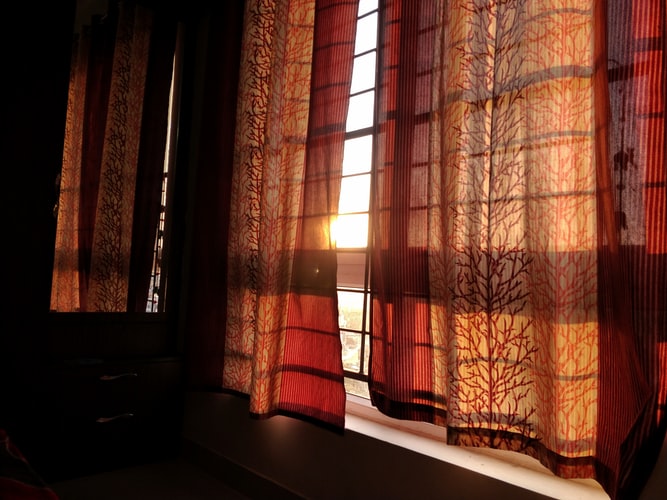 The fabric is the first to consider when purchasing curtains. The choice of fabric will determine their functionality in your home. You should choose various fabrics for different rooms. The patio curtains offer the best fabric.
 These curtains are also referred to as blackout curtains and are primarily predominant in Australian homes. These curtains prevent light from entering through the windows hence resulting in a darker room. They also help in insulating your home.
During the winter months, the thick-lined fabric gets your home warm, while during the hotter ones, the fabric prevents hot air from passing via the windows.
These curtains are also referred to as blackout curtains and are primarily predominant in Australian homes. These curtains prevent light from entering through the windows hence resulting in a darker room. They also help in insulating your home.
During the winter months, the thick-lined fabric gets your home warm, while during the hotter ones, the fabric prevents hot air from passing via the windows.
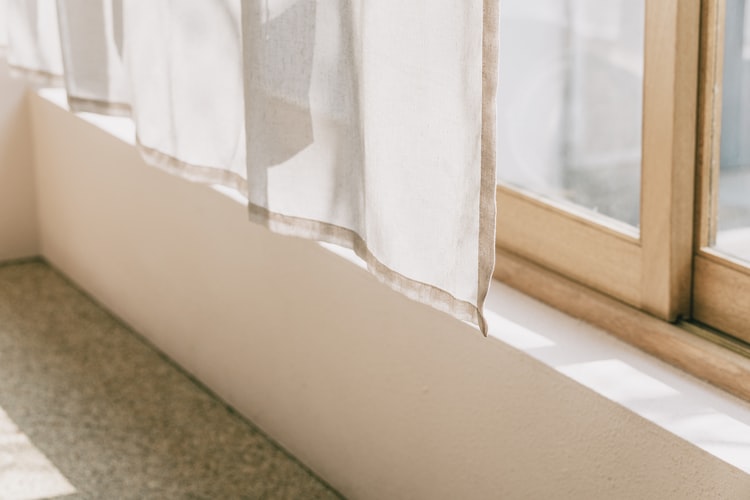 It is regarded as one of the best fabrics you can select for your home despite being overlooked. These fabrics have several practical advantages. For starters, linen is a durable and robust fabric making it a worth trying investment.
It has an anti-bacterial fabric with hypoallergenic features and is exceptionally absorbent. For this reason, it is the best for anyone in the family who is prone to allergies.
It is regarded as one of the best fabrics you can select for your home despite being overlooked. These fabrics have several practical advantages. For starters, linen is a durable and robust fabric making it a worth trying investment.
It has an anti-bacterial fabric with hypoallergenic features and is exceptionally absorbent. For this reason, it is the best for anyone in the family who is prone to allergies.