

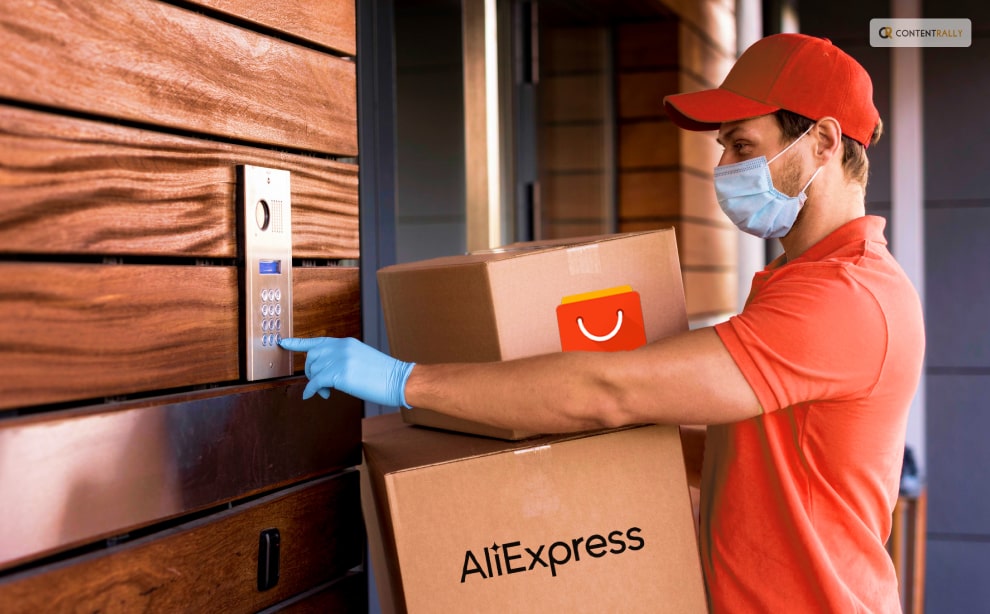
If there is one thing that many people want to know, it is always along the lines of “how long does AliExpress take to ship?”
Typically, upon ordering from AliExpress, you can expect to receive your items within a span of two to three weeks. However, there are instances where the delivery might extend beyond a month. This variability in shipping times underscores the significance of understanding what to anticipate.
In this article, I will try to cover crucial information regarding shipping times on AliExpress comprehensively. So keep reading this blog till the end o learn more about the same…
What Is AliExpress?

AliExpress is an online retail platform that allows individuals and businesses to buy and sell a wide variety of products. It is owned by Alibaba Group and is known for offering a vast range of items, including electronics, clothing, accessories, home goods, and more. The platform connects buyers and sellers from around the world, often offering products at competitive prices.
How Is AliExpress Different From Other E-commerce Platforms?

It's important to note that while AliExpress offers many benefits, like any platform, it also has its own set of challenges and considerations that buyers should be aware of, such as varying product quality and shipping times.
AliExpress differs from other platforms in a few key ways:
1. Global Sellers
AliExpress connects buyers with sellers from various countries, offering a diverse range of products from around the world.
2. Wide Product Range
The platform offers an extensive selection of items, from electronics and fashion to home goods and more, making it a one-stop shop for many different needs.
3. Competitive Prices
AliExpress is known for its competitive prices, often allowing buyers to find products at lower costs compared to traditional retail.
4. Buyer Protection
AliExpress typically provides buyer protection, which can include refunds and returns in case of issues with the order.
5. Language Options
AliExpress offers its website and app in multiple languages, making it accessible to a global audience.
6. Dropshipping
Many sellers on AliExpress offer drop shipping services, allowing entrepreneurs to start their own businesses without needing to hold inventory.
7. Reviews And Ratings
Buyers can often find reviews and ratings for products and sellers, helping them make informed purchasing decisions.
8. Direct Communication
Buyers can often communicate directly with sellers, allowing for inquiries and clarifications before making a purchase.
How Long Does AliExpress Take To Ship?
Believe it or not, this is one of the most asked questions that people often ask, other than whether AliExpress is a scam or a legit platform.
Regarding AliExpress shipping, the majority of sellers are situated in China. Nevertheless, AliExpress offers non-Chinese sellers the option to register on the platform. This implies that you might come across vendors who can ship products from warehouses or stores within your own country.
If you wish to receive AliExpress products from a specific location, you can do so by choosing the desired country in the "Ship from" category.
Track Your Package On AliExpress
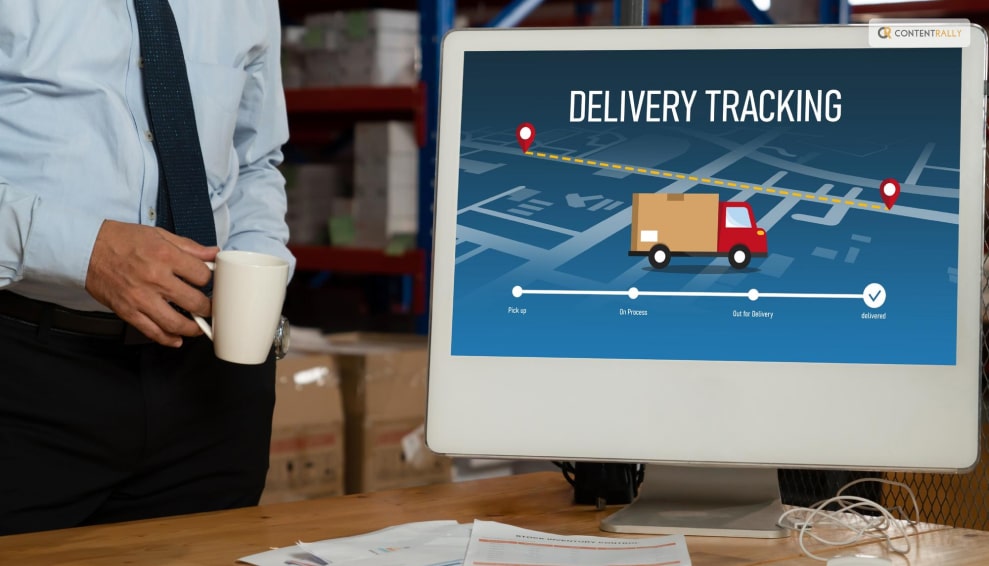
Keep in mind that shipping and tracking processes may vary depending on the seller, shipping method, and location. It's a good idea to stay patient and allow some time for the tracking information to update as the package makes its way to you.
Keep reading this part of the blog to learn more about how to track a package on AliExpress:
How Can You Track Your Order On AliExpress?
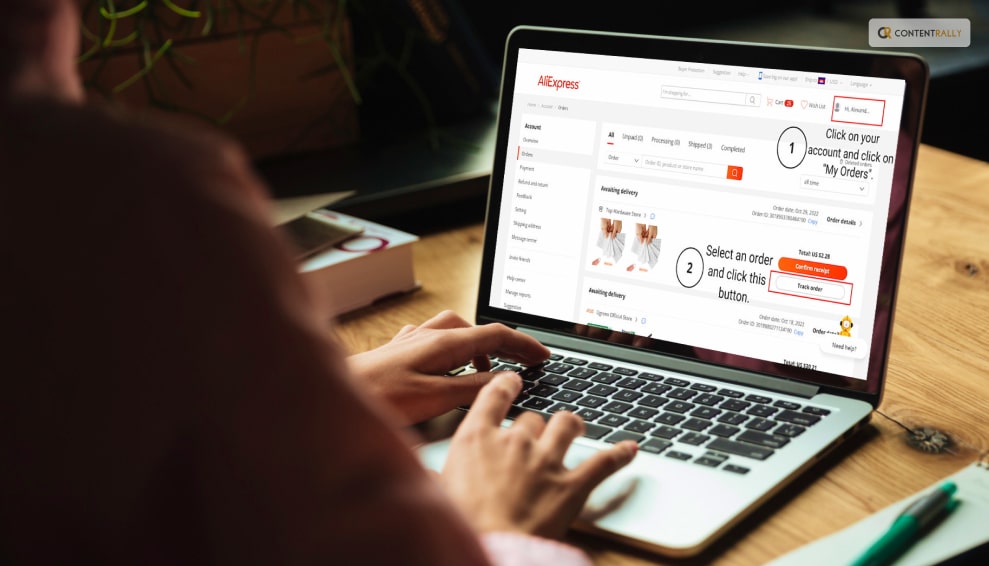
If you encounter any issues or have concerns, you can also communicate with the seller through the AliExpress messaging system.
To track your order on AliExpress, follow these steps:
1. Login
Log in to your AliExpress account. You'll need to create an account if you don't have one.
2. Go To "My Orders”
Once logged in, go to the "My Orders" section. You can usually find this in the dropdown menu under your account name or in the main navigation.
3. Find Your Order
Locate the specific order you want to track from the list of your recent orders.
4. Tracking Information
Click on the order to view more details. You should see tracking information provided by the seller, including the tracking number and shipping carrier.
5. Track Order
Copy the tracking number and go to the shipping carrier's website (such as FedEx, UPS, DHL, etc.) to handle your package. The carrier's website should have a "Track" or "Track Order" option. Paste the tracking number there and follow the prompts to get real-time updates on the status of your package.
6. AliExpress Tracking
You can also often track your order directly on AliExpress. Click on the tracking number within your order details, and it may provide a link to the carrier's tracking page or display the tracking information directly on the AliExpress website.
How To Track Package Location On AliExpress?

Here's how to track your item on AliExpress:
- Visit the AliExpress website and log in to your account.
- Navigate to the ‘My Orders’ section and select the relevant order for the item you wish to track.
- Locate the ‘Tracking Number’ section on the following page. Copy this number, as you'll require it for the next step.
- With the tracking number in hand, proceed to the shipping company's website handling your package (this information is available in the ‘Tracking Number’ section on AliExpress).
- Once on the shipping company's website, input your tracking number in the designated field and press ‘enter’ or ‘submit.’ This action will display the latest details regarding your package's whereabouts.
How To Track Package On AliExpress Without A Tracking Number?

If your AliExpress tracking number is lost, you can still monitor your package using several methods. Begin by reviewing the confirmation email received after placing your order; it might contain the tracking number. Alternatively, log in to your AliExpress account and visit the order status page.
Should the tracking details remain elusive, reach out to customer service. They could provide a tracking number or insights into your package's whereabouts. Remember, delivery times can differ, meaning your package might still arrive within the anticipated timeframe, even without a tracking number.
Why Is Package Not Moving?
There are a few reasons why your AliExpress standard shipping package tracking information might not be updated:
- After placing your order, please allow up to 24 hours for the tracking information to become available.
- Delays in the movement of AliExpress standard shipping packages can occasionally occur due to adverse weather conditions or high package volumes being handled by the shipping company.
- Should you experience a delay or loss of tracking information, feel free to reach out to AliExpress customer service for assistance.
- Keep in mind that AliExpress standard shipping is designed to deliver within approximately 45 days. Hence it's normal for tracking updates to be limited during the initial weeks following your order placement.
What Does In-Transit Mean In AliExpress?
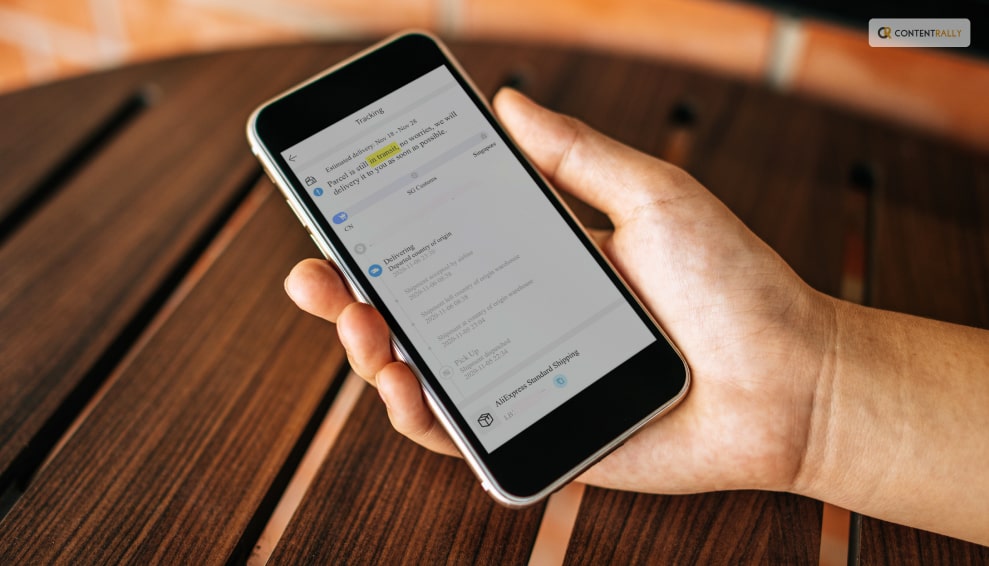
When you place an order with a store, the shipping process typically involves several intermediary transportation companies before the package reaches your residence. The journey of your package varies depending on its size and origin, potentially involving multiple warehouse stops before it's loaded onto a truck bound for your local area.
Upon arrival in your town, the package undergoes sorting and is loaded onto another truck designated for delivery to your specified address. This comprehensive sequence of actions can span several days or even weeks, causing the package status to remain as "in transit" for an extended duration. Rest assured, though, that the package will eventually reach your doorstep!
What Does Pending Mean In AliExpress?
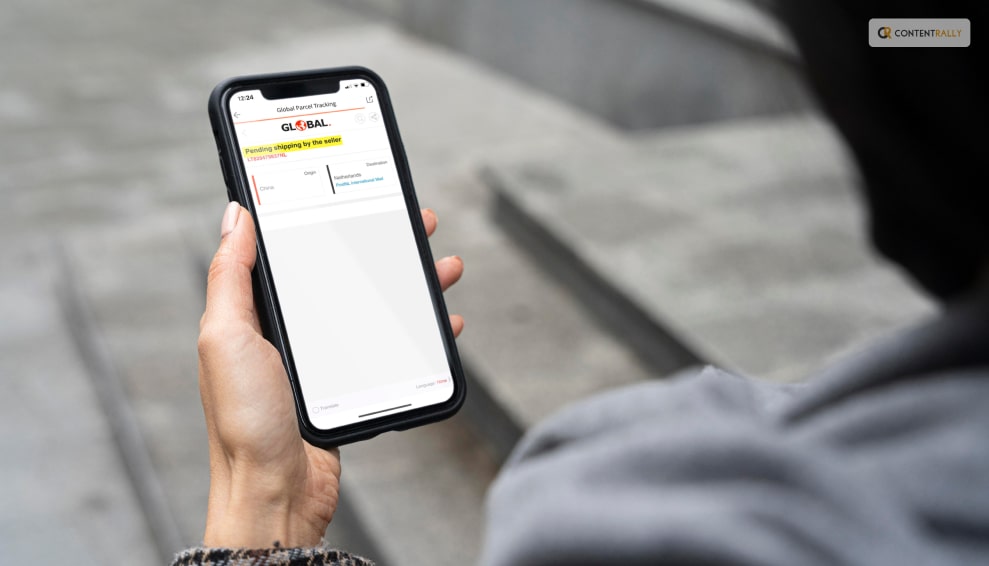
If you're curious about the "pending" status on your AliExpress standard shipping package tracking, it merely indicates that your package is currently in transit and hasn't been delivered yet. There is no need to be concerned; this status signifies your package is en route! To stay updated on your delivery's progress, you can easily track it online or reach out to AliExpress customer service for further assistance.
There are a few reasons why AliExpress might still be pending. Some of them are:
- The tracking information might not have been updated as of now. It usually takes a few days for the tracking details to be refreshed, so we kindly ask for your patience.
- It's possible that the package is currently awaiting processing by customs. While this can occasionally delay delivery, it's typically beyond the seller's control.
- Alternatively, the package could be in the process of being transported to its ultimate destination.
Where Does AliExpress Ship From?
Regarding AliExpress shipping, the majority of sellers are situated in China. Nevertheless, AliExpress offers non-Chinese sellers the option to register on the platform. This implies that you might come across vendors who can ship products from warehouses or stores within your own country. If you wish to receive AliExpress products from a specific location, you can do so by choosing the desired country in the "Ship from" category.
AliExpress Standard Shipping: Is It Worth The Wait?

The majority of orders on AliExpress are sent using AliExpress Standard Shipping, which typically takes about 15 to 45 days for delivery. Upon shipment, you'll receive a tracking number to monitor the progress of your order.
Please note that delivery times may differ based on your country, so be sure to verify the estimated delivery time for your particular area. If your order does not reach you within the expected timeframe, it's advisable to reach out to the seller for updates on your shipment's status.
If you want to experience the best shipping, I would strongly recommend that you opt for AliExpress Standard Shipping. Here are a few reasons why:
1. It Offers The Best Pricing
The most competitive product prices often lie beyond Amazon's reach; frequently, they reside within AliExpress. Given that these products originate in China, and the majority of AliExpress suppliers operate from China, it's logical that they extend the finest prices on their nation's preeminent e-commerce platform. This permits entrepreneurs to present cost-effective prices to their customers who avidly seek remarkable bargains.
Due to diminished shipping expenses, customers are more willing to await their ordered products patiently. The key lies in establishing pragmatic expectations for them. You have the option to integrate AliExpress shipping durations into your product descriptions or advertisements, effectively orchestrating accurate anticipations for your valued customers.
2. You Can Track The Package
Regular shipments do not provide package tracking beyond mainland China. However, AliExpress Standard Shipping provides a global tracking number, offering insights into the shipment's delivery process and timing. Enhance your post-purchase customer satisfaction by offering an estimated delivery timeframe derived from the package's current status.
3. Profits Are Good
AliExpress Standard Shipping proves advantageous for your business. Unlike Premium Shipping, it doesn't erode your profit margins, and there's no need to raise your product's price to accommodate shipping expenses. Opting for non-standard shipping can result in elevated costs that compel you to set prices above the retail value, potentially reducing sales.
AliExpress Premium Shipping

AliExpress offers a premium shipping choice known as AliExpress Premium Shipping, accessible for select products on the platform. This option ensures quicker and more dependable delivery, albeit at a higher cost than AliExpress Standard Shipping.
Premium Shipping is accessible for shipments to specific countries. Simply review the shipping details on the product page to confirm if the item you're considering qualifies for premium shipping.
Can You Choose The Shipping Service On AliExpress?
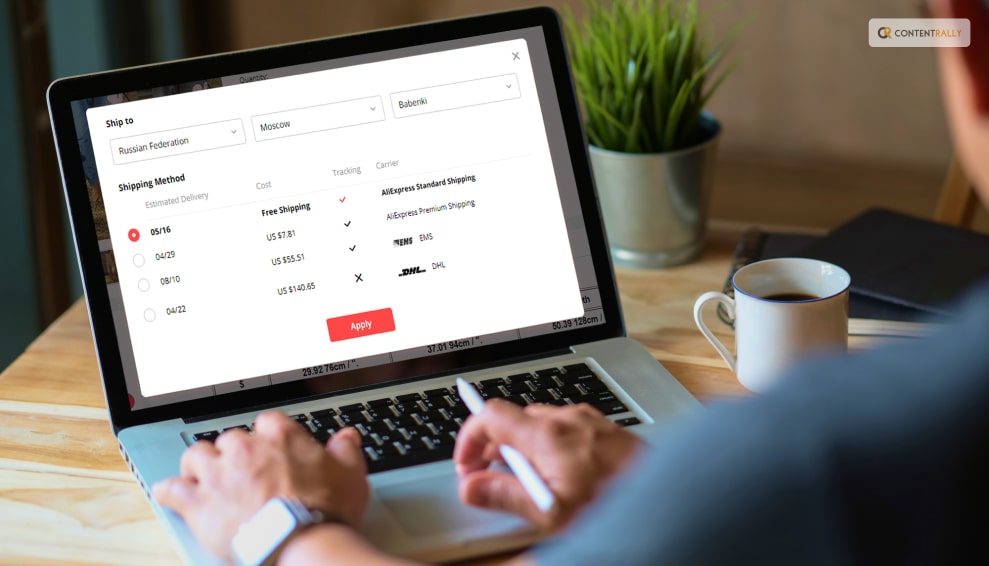
If you're new to AliExpress, you might be uncertain about selecting your preferred shipping method. Fortunately, the website simplifies this process. Here are the steps that you need t take for that:
- Begin by picking an item for purchase and adding it to your cart.
- As you proceed through checkout, you'll reach the shipping details section.
- Depending on the available services, you'll see one or two options.
- Simply click the circle next to your choice to select it.
- You'll find the estimated delivery time and associated shipping fee if applicable.
- Once you've made your selection, click "Okay" to confirm.
- After completing the purchase, you can review your order details in your account's "Orders" section.
Why Is Your AliExpress Delivery Not On Time?

Now that you know how long AliExpress takes to ship your order, you must be curious about why there might be a delay or the reason behind the time span. Some people are used to eBay, Amazon, and Etsy. And for them, specifically, AliExpress feels like ages.
Well, here are some of the factors that play a big role in the delay:
1. Delay From The Seller’s End
AliExpress often experiences extended shipping times due to seller-related delays, a key distinction from Amazon's model with its multiple warehouses. Unlike Amazon, where sellers can readily stock goods in warehouses, AliExpress relies on sellers to dispatch items to their facility before orders can be shipped.
Consequently, any delay on the seller's end leads to a corresponding delay in shipping. Numerous factors contribute to sellers not expediting shipments as intended. For instance, the size of the item or delivery can impact the timeline.
In cases where the seller offers a sizable product, they might need to await an available carrier equipped to handle its dimensions, potentially necessitating placement on a carrier's waiting list.
Only once the appropriate carrier becomes accessible can the product be sent to AliExpress. Moreover, the volume of deliveries plays a role. Sellers may have multiple products destined for AliExpress, adding to the complexity of coordination.
2. Efficiency Of The Portal Service
AliExpress ships to virtually every corner of the globe, extending its services to countries with less efficient postal systems. If you reside in a highly remote region where postal services already operate at a leisurely pace, anticipate that your AliExpress package might experience an additional delay in arrival.
This extended duration can be attributed to the sluggish or less efficient nature of the local postal service, which must allocate time and space to accommodate the package. Furthermore, they may need to cover a certain distance to rendezvous with the carrier responsible for forwarding the package.
Given the complexities of coordinating schedules between carriers, reaching a mutual agreement on a meeting date could introduce a minor postponement in the exchange process.
3. Number Of People Who Use AliExpress From A Country
The popularity of AliExpress in specific countries can influence the speed of shipping, either expediting or delaying it. In nations with a high volume of AliExpress customers, shipping times tend to be quicker due to the prevalence of AliExpress packages.
These countries have established solid connections and partnerships with local carriers, enabling them to devise solutions for challenges and enhance efficiency through repeated package shipments.
Consequently, residents of countries where AliExpress is frequently used often experience swifter package deliveries compared to those residing in less-utilized regions. In contrast, countries where AliExpress is less popular, may lack a close marketplace relationship, potentially leading to logistical issues that introduce delays and prolong shipping times.
Additionally, this scenario might result in a lack of regional partners for AliExpress, necessitating the hiring of carriers through time-consuming processes if all local carriers are occupied.
4. Type Of Shipping
The choice of shipping service you opt for can impact the delivery time of your AliExpress package.
For instance, AliExpress Standard Shipping often employs sea and ground transportation methods to deliver your package.
These methods prioritize cost-effectiveness, utilizing the most economical modes of travel available.
Sea transport, being the slowest shipping option, is constrained by the speed of boats, which must halt at ports for cargo loading and unloading.
Port stops can be time-consuming, as the unloaded cargo typically undergoes customs checks and inspection of the incoming cargo to ensure accuracy.
Moreover, during these port stops, the ship restocks essential resources like crew provisions, food, and freshwater.
Depending on the distance the ship must cover, it might make multiple stops at various ports, thereby elongating the overall delivery time.
On the other hand, while slower than air travel, ground travel offers relatively swifter progress than sea transport due to its ability to take a more direct route to the final destination.
5. Holidays
The holiday season significantly contributes to potential delays in your order's delivery. In fact, your package could experience an additional delay of up to a month or even more due to the holiday rush. The surge in e-commerce activity during holidays prompts shoppers to opt for online purchases over crowded brick-and-mortar stores, creating increased pressure on e-commerce businesses.
This heightened demand strains their workforce, particularly during holiday periods, when regular staff members often need to work overtime to manage the increased volume of orders. This strain is particularly evident during Christmas, as everyone desires their packages to arrive before a specific date, resulting in a rush to meet these deadlines.
AliExpress, in particular, experiences a substantial surge in the number of packages they handle daily, potentially overwhelming their operations if they're unable to recruit enough seasonal workers. In such cases, the burden falls on their existing employees to handle the heightened workload.
Sellers on the platform also feel the impact of this heightened demand. Increased demand for their products translates to a larger number of shipments to AliExpress. If overwhelmed with orders, sellers might experience delays in sending packages to AliExpress, extending the overall processing time.
Subsequently, AliExpress must dispatch these packages to carriers worldwide. If domestic carriers are already grappling with a significant load, the addition of international packages may exacerbate the issue, leading to further delays in delivering packages to their intended destinations.
In summary, the holiday season can lead to significant delays in the delivery of your AliExpress package beyond the usual timeframes.
Wrapping It Up!
In case you wanted to know how long does AliExpress takes to ship, I hope that this article has been of help to you. If there are any other queries related to this, please scroll down until you reach this article's end. Then leave your comments and suggestions in the box below. And I will be there to answer them all for you!
Learn More About: