












My Google Reviews: How To See, Add, & Edit Google Reviews?  

Published on: 08 July 2023 Last Updated on: 17 February 2026
My Google Reviews

Do you want to know the answer to “how to find my Google reviews?” if your answer is a YES, then you have reached the right place!

Google reviews are by far the most genuine and trustworthy source of online feedback on a physical or online business's service or product. Before purchasing a product, customers from all over the world read the review section.

A report from a survey says that before buying a product or service online, 8-10 reviews are read. One thing is certain: a company's online reputation can be made or broken by online reviews.

However, many individuals and business owners have difficulty viewing their Google reviews. And if you are one of them, this article is the best one for you.

Keep reading to find out more about Google reviews…

My Google Reviews: What Are Google Reviews?  
My Google Reviews: What Are Google Reviews? 

Google Reviews are reviews and comments left by people who have used or interacted with a business or establishment and want to share their experience with others. These reviews are created by Google users.

Anyone who searches for the company or reads its listing on Google Maps or Google Search will be able to access these reviews because they are published on Google's platform.

Google Reviews have a significant impact on a company's credibility and reputation. They offer useful insights into the quality of the products, services, and customer experiences, as well as customer satisfaction with the company as a whole.

Users can express their opinions, provide specific details about their experience, and offer recommendations or cautions to potential customers in the written comment section of each review, which includes a star rating (ranging from one to five stars).

Businesses can manage and respond to reviews, interact with customers, and address any concerns or issues raised in the feedback by claiming their Google My Business listing. Businesses can demonstrate their dedication to customer satisfaction and earn the trust of potential customers through this interaction.

Because they provide first-hand insights from actual customers, Google Reviews are widely used by consumers to make informed decisions about where to spend their money. Because experiences can vary, it is important to take into account multiple reviews and evaluate the overall consensus rather than relying solely on individual opinions.

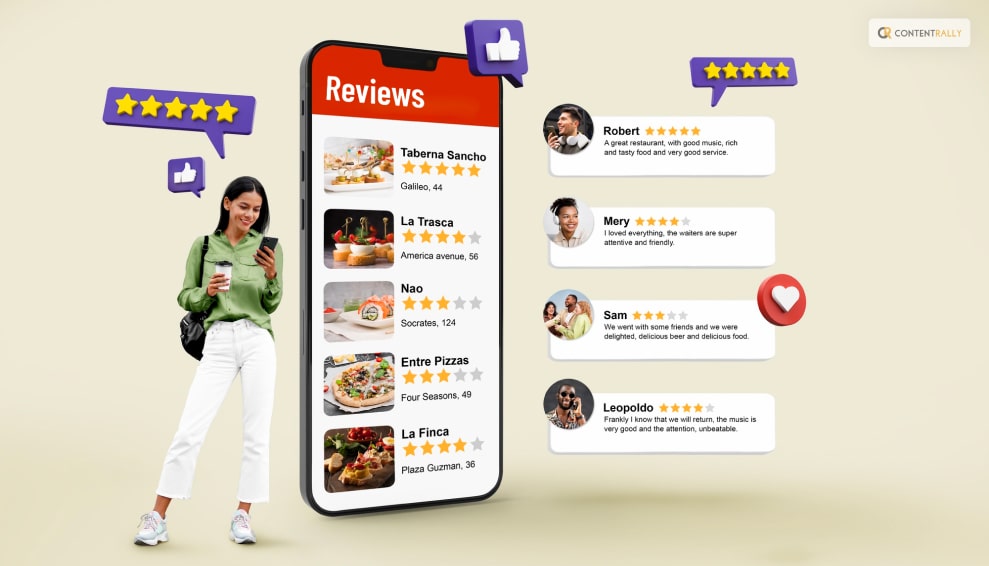
How To See My Google Reviews?  
How To See My Google Reviews?

To see Google reviews for a specific business, you can follow these steps:

  • Open a web browser and go to www.google.com.
  • In the search bar, enter the name of the business you want to find reviews for. You can include the city or location for more accurate results.
  • Press Enter or click on the "Search" button.
  • In the search results, look for the Google Knowledge Panel on the right-hand side of the page. The Knowledge Panel typically includes information about the business, including its address, phone number, and reviews.
  • Scroll down the Knowledge Panel until you find the "Reviews" section. Here, you will see a summary of the overall rating (in the form of stars) and the total number of reviews.
  • To read individual reviews, click on the "Reviews" section, and you will be presented with a list of reviews left by customers. You can scroll through the reviews and click on each one to view the full review and any accompanying comments.

How To See My Google Reviews Through Google Maps?  

How To See My Google Reviews Through Google Maps?

Alternatively, you can also access Google reviews through Google Maps:

  • Open a web browser and go to www.google.com/maps.
  • In the search bar, enter the name of the business you want to find reviews for. Again, you can include the city or location for more accurate results.
  • Press Enter or click on the "Search" button.
  • In the search results, click on the business listing that matches your search.
  • The business's Google Maps listing will appear, including its location on the map and various details.
  • Look for the "Reviews" section on the left-hand side of the screen. Here, you will see an overview of the business's rating and the total number of reviews.
  • Click on the "Reviews" section to view the individual reviews. You can scroll through the reviews, click on each one to read the full review, and see any accompanying comments.

Please note that you may need a Google account to leave reviews or interact with the reviews section. However, you can typically read reviews without having an account.

How To Add My Google Reviews?  

How To Add My Google Reviews?  

To add your own Google review for a business, you can follow these steps:

  • Make sure you have a Google account. If you don't have one, you can create a Google account by going to accounts.google.com and clicking on "Create account."
  • Open a web browser and go to www.google.com.
  • In the search bar, enter the name of the business you want to review. You can include the city or location for more accurate results.
  • Press Enter or click on the "Search" button.
  • In the search results, find the business listing you want to review and click on it.
  • The business's Google Knowledge Panel will appear on the right-hand side of the page. Scroll down until you find the "Write a review" button and click on it.
  • A pop-up window will appear, allowing you to rate the business using a star rating system (ranging from 1 to 5 stars).
  • After selecting your star rating, you can provide a written review by clicking on the text box provided. Here, you can share your experience, provide feedback, or offer recommendations to others.
  • You can also include photos or videos related to your experience by clicking on the camera icon or the "Add photos" button.
  • Once you are satisfied with your review, click on the "Post" button to submit it.

Your review will be published on Google, contributing to the business's overall rating and providing valuable feedback to other users. Remember to write a fair and honest review based on your personal experience with the business.

How To Edit My Google Reviews?  

How To Edit My Google Reviews?  

To edit a Google review you've previously posted, you can follow these steps:

  • Open a web browser and go to www.google.com.
  • Click on the "Sign In" button located at the top right corner of the page and log in to your Google account. Make sure to use the same account you used when writing the review.
  • After signing in, enter the name of the business for which you want to edit the review in the search bar. Include the city or location if needed for more accurate results.
  • Press Enter or click on the "Search" button.
  • In the search results, find the business listing associated with your review and click on it.
  • The business's Google Knowledge Panel will appear on the right-hand side of the page. Scroll down until you find your review.
  • Under your review, you should see three dots or an "Edit" button. Click on these options.
  • If you see three dots, click on them and then click on "Edit review" in the dropdown menu. If you see an "Edit" button directly, click on it.
  • A pop-up window will appear, allowing you to make changes to your review.
  • Edit the rating, text, or any other information you wish to modify.
  • Once you've made the desired changes, click on the "Save" or "Update" button to save your edited review.

Your updated review will then be published on Google with the changes you made. It's important to note that you can only edit your own reviews, not those written by others.

How Can My Google Reviews Make A Difference?  

How Can My Google Reviews Make A Difference?  

Now that you know almost everything about Google reviews, let me tell you how it can help and make a difference. Take a look at some of these points below:

1. Influence Potential Customers  

When people are researching a product or service, potential customers may be directly influenced by your reviews. Your positive review can boost their ; and influence their decision in favor of that company. Your own personal experience and advice can have a significant impact on other people's decisions.

2. Impact The Business's Reputation  

Your reviews contribute to the overall reputation of the business. Positive reviews provide social proof and enhance the credibility of the business. Conversely, negative reviews can have a detrimental effect. By sharing your positive experiences, you can contribute to building a positive reputation for the business.

3. Provide Feedback To The Business  

Your reviews offer valuable feedback to the business owners and management. By highlighting what you liked about their products or services, you provide insights into what they are doing well. Additionally, if you mention areas for improvement, it can help the business identify areas where they can enhance their offerings or customer experience.

4. Encourage Improvement  

Constructive feedback in your reviews can motivate businesses to make improvements. When they see specific suggestions or areas that need attention, it can inspire them to take action and make necessary changes. Your review can contribute to driving positive change within the business.

5. Help Small And Local Businesses  

Leaving reviews for small or local businesses can have a significant impact. These businesses often heavily rely on positive word-of-mouth and online reviews to attract customers. Your review can help them gain visibility, stand out from competitors, and thrive in their community.

6. Foster A Culture Of Quality And Customer Service  

By praising businesses that deliver excellent products, services, or customer experiences, you contribute to fostering a culture of quality and customer service. Your positive reviews encourage businesses to maintain high standards and prioritize customer satisfaction, benefiting both the business and future customers.

7. Create A Sense Of Community  

Engaging with businesses through reviews creates a sense of community and connection. Your reviews can foster a supportive environment where consumers share their experiences, provide recommendations, and contribute to the collective knowledge base. This helps create a vibrant online community that values transparency and shared experiences.

Remember, your reviews hold power, and sharing your genuine experiences and opinions can make a difference not only for the businesses but also for other consumers seeking reliable information.

Bonus: What Are The Benefits Of Google Reviews For Business?  
Bonus: What Are The Benefits Of Google Reviews For Business?

Google Reviews offer several advantages for businesses as well as consumers. Here are some key advantages:

1. Increased Visibility  

Positive reviews can improve a business's visibility in Google Search and Google Maps. Higher ratings and a greater number of reviews can enhance the business's online presence, making it more likely to appear in relevant search results and attract potential customers.

2. Trust And Credibility  

Reviews from real customers help establish trust and credibility for a business. Positive reviews act as social proof, assuring potential customers that others have had positive experiences. This can encourage them to choose the business over competitors.

3. Customer Engagement  

Google Reviews provide an avenue for businesses to engage directly with their customers. Responding to reviews, whether positive or negative, demonstrates attentiveness and a commitment to customer satisfaction. It allows businesses to address concerns, provide clarifications, and express gratitude for positive feedback, fostering a positive brand image.

4. Customer Insights  

Reviews offer valuable insights into customer preferences, opinions, and expectations. By analyzing the feedback, businesses can gain a better understanding of their target audience, identify areas for improvement, and make informed decisions to enhance their products or services.

5. Competitive Advantage  

Maintaining a high rating and positive reviews can give a business a competitive edge. Potential customers often compare businesses based on their ratings and reviews, and a positive online reputation can attract more customers, even in the presence of competitors.

6. SEO Benefits  

Google Reviews contribute to search engine optimization (SEO) efforts. Positive reviews can improve a business's local search ranking, making it more likely to appear prominently in relevant search results. This can drive more organic traffic to the business's website or physical location.

7. Word-Of-Mouth Marketing  

Positive reviews act as digital word-of-mouth recommendations. Customers who have had positive experiences may share their reviews with friends, family, or colleagues, potentially expanding the business's reach and attracting new customers.

It is worth noting that while positive reviews offer numerous advantages, negative reviews can also provide opportunities for businesses to address issues, improve their offerings, and showcase their dedication to customer satisfaction. Responding professionally and constructively to negative reviews can help mitigate any potential negative impact.

Wrapping It Up!  

In case you were searching about My Google Reviews and the ways in which you can edit, see, and add them on the internet, I hope that this article has been of help to you. If there are any other queries related to the same, feel free to let me know. All that you need to do is scroll down till you reach the bottom of the page. Then leave your comments and queries in the box below. And I will be there to answer them all for you!

Learn More About:

Ankita Tripathy loves to write about food and the Hallyu Wave in particular. During her free time, she enjoys looking at the sky or reading books while sipping a cup of hot coffee. Her favourite niches are food, music, lifestyle, travel, and Korean Pop music and drama.

View all posts

Leave a Reply

Your email address will not be published. Required fields are marked *

Related

CFD Trading

CFD Trading: Everything You Need to Know in 2021

CFD trading raises its popularity every year, and its actuality has reached the peak level in 2021. While sitting at home during the lockdown, many people have been searching for a new way to earn money. CFD trading appears to be the choice of many analytical minds. Since it provides a wider range of trading options, it looks more exciting than Forex that has already become a classic. So, what is a CFD after all? CFDs Market: CFD is short for Contract for Difference, which may already explain its main working principle. Brokers offer you to make a contract for the difference of entry and exit price of the product or any other asset on the market. You choose when to start the trade and when to close it. If you close too early, you can miss your gain; in the opposite case, your gain will be gone. This is why it is important to keep an eye on the assets you speculate. The CFDs market is flexible. You are not tied to the classic tradition of completely buying the asset and moving it back and forth. Instead, you can pay for the ability to trade the contract and move to another one. You don’t lose the whole asset in case you trade poorly, because you’ve never owned it. CFDs Possibilities: Here are the main possibilities that CFD markets provide you. They are similarly used by any trader, amateur or professional. Learn your options before you enter the market: Long and short trading. You can go both ways here. It is up to you which one to choose. You can rely on your intuition or calculate the current situation on the market, check the international news, find out the current demand for the asset, and make your own forecast. Many experienced traders recommend going short for beginners; yet, it really depends on the asset you are trading and the situation around it. The profit will be calculated right after you close position; Leverage in trading. CFDs offer to use the leverage among other features. All of the operations are done on leverage, and you have to pay a small amount of money for the contract. This option widens your opportunities since you can speculate with small capital. However, you have to make sure that you can pay the full price if something goes wrong; The simplicity of the trading process. There are lots of educational articles and videos about CFDs trading. You can also learn from your brokers. All you need is to learn when to sell and buy. Sometimes it comes with experience. You can always try another asset and go back to the very beginning. You may subscribe to blogs of popular brokers and read their recommendations. When to Start CFDs Trading? It is impossible to tell you when you are ready to enter the market. You have to feel it. Don’t start with big amounts. You may practice before you start speculating with real money. Some brokers provide you with this possibility. Another great way to become successful is to sign up for all educational courses you can and learn everything about the assets you sell or buy. However, it is preferable to spend as much time as you need to prepare yourself before starting trading. Read Also: The Profit Revolution: The Best Bitcoin Trading And Investing Platform Forex Trading Wisdom: Talk Yourself Out of Bad Trades Main Factors that Affect Trading Decisions

READ MOREDetails
Support As A Service

Support As A Service For Your Company: Full Guidance And Useful Tips

Customer support is a powerful thing that can help your business to grow. Customers pay attention to how quickly and effectively you respond to their requests and what information you provide. For example, according to McKinsey, 70% of customers measure their experience based on customer service level. If the company is not ready to provide good customer service, it’s better to find other solutions than to lose customers. And one of these solutions is called support as a service. Support as a service: what is it Briefly, it means outsourcing customer support functions. Let’s imagine that you are managing a middle-sized company and are going to organize customer support. What options do you have? At least two. First, you may build a customer support department inside the company. Second, you may hire an outsourced customer service responsible for clients’ communications and requests. What choice is better? You may pick up any of these options considering available financial, human, physical, and other resources. Let’s compare the main pros and cons of both decisions. An in-house customer support department- Pros: The customer support team is fully involved in all processes. You hire every team member. You may manage everything on your own. The success of your external communications with the customers is in your own hands. Cons: It’s pretty expensive (needed equipment and installation may cost thousands of dollars). You pay customer agents for the whole working day and not for the number of calls. You are not flexible and can’t change the whole customer department in case something doesn’t work. An outsourced customer support team- Pros: You may choose from a variety of different providers unless you find an appropriate one. You may influence all processes that take place inside an outsourced team. You should not think about any technical aspects of customer support. You pay only for the delivered service. You free up a lot of resources inside the company and use them for more critical tasks. Your customer service team may speak different languages. Cons: It’s possible to get poor service because not all providers guarantee good quality. Sometimes you may experience issues, misunderstandings, and mistakes. Your customers may not be satisfied. Related Reads: Making Sure You’re SOX Compliant Support as a service: who uses it During the last five years, support as a service became widespread among different businesses. This model has a lot in common with another approach called SaaS (software as a service) or providing cloud software solutions on demand. Support as a service is popular in: E-commerce: People like shopping online (especially now, during pandemic times). They also want to choose goods on the weekend or late in the evening after work. So, customer support has to be ready to provide customers with the required information at any time. In these circumstances, an outsourced customer support team is the best option for businesses. Tech and finance business: Hiring a customer support agent with the relevant tech or software experience may last for several months. It’s a lot, taking into account that the company loses money during this time. Professional support as a service provider knows how to find required team members fast and effectively. Season businesses: Before Christmas or summer months, some companies experience an increasing number of customers’ requests. As a result, their internal customer support departments cannot handle all questions and answer them quickly. An outsourced customer support team on demand may solve this issue and take over part of requests only for a limited time. Available services- Another essential question is what exact services an outsourced customer support team may provide. In general, all normal functions of customer support. Calls: According to Zendesk, more than 50% of customers prefer to use phones for communication with the brands. That means that voice customer support plays a significant role in building a positive customer experience. Emails: Letters are an excellent alternative to calls. They allow sharing more detailed information with customers. But for better results and effectiveness, you should establish special rules on how soon customer agents have to answer letters, tone of voice to use, etc. Live Chats: If your company works with millennials and young generations, think of using modern communication tools like live chat or messengers. According to Statista, live chat has growing popularity in almost all industries. Support as a service: how to start Here is a checklist of everything you need to do to start collaborating with an outsourced customer support company. Read Also: How Customer Success Can Help Grow Your Business Key Marketing Tips To Gain More Customers For Your Health Care Practice 4 Simple And Cheap Methods To Attract More Customers

READ MOREDetails
Centralized Platform For All Your Healthcare Business Needs

Centralized Platform For All Your Healthcare Business Needs

In the dynamic landscape of healthcare, the integration of a centralized platform plays a pivotal role in addressing the diverse needs of healthcare businesses. This includes the specialized realm of locum tenens staffing, where the demand for streamlined processes and efficient management is particularly pronounced. Unified Locum Tenens Staffing A centralized platform brings locum tenens staffing into the fold of comprehensive practice management. From identifying staffing needs to securing temporary placements, the platform offers a unified solution when you need locum tenens staffing. Healthcare organizations can seamlessly manage locum tenens staffing requirements alongside other staffing needs, ensuring a cohesive approach to workforce management. Integration With Staffing Agencies A centralized platform facilitates integration with locum tenens staffing agencies, creating a seamless connection between healthcare organizations and temporary healthcare professionals. This integration streamlines the process of sourcing locum tenens providers, allowing healthcare organizations to access a broader pool of qualified professionals while ensuring compliance with regulatory standards. Efficient Credentialing And Onboarding Credentialing and onboarding are critical components of locum tenens staffing. A centralized platform automates and streamlines these processes, reducing the administrative burden on healthcare organizations. This includes verifying licenses, certifications, and qualifications, and expediting the onboarding of locum tenens professionals to swiftly integrate them into the healthcare team. Real-Time Availability And Scheduling Locum tenens staffing often requires quick and flexible scheduling. A centralized platform provides real-time visibility into the availability of locum tenens professionals. Healthcare organizations can efficiently match staffing needs with the availability of qualified professionals, ensuring that critical roles are promptly filled to maintain optimal patient care. Seamless Communication With Locum Tenens Professionals Effective communication is key in locum tenens staffing. A centralized platform facilitates seamless communication between healthcare organizations and locum tenens professionals. This includes secure messaging, document sharing, and real-time updates on scheduling and assignment details, fostering a collaborative and well-informed working relationship. Integration Of Telehealth Capabilities In the modern healthcare landscape, telehealth has become a significant component of service delivery. A centralized platform with integrated telehealth capabilities extends these services to locum tenens professionals. This ensures that temporary healthcare staff can participate in virtual consultations, expanding their reach and providing healthcare services in a variety of settings. Transparent Billing And Payment Processes Locum tenens staffing involves complex billing processes, including rates, hours worked, and reimbursement. A centralized platform simplifies billing by providing transparent and automated processes. Healthcare organizations can easily track locum tenens hours, generate accurate invoices, and streamline the payment process, reducing administrative overhead and ensuring financial transparency. Comprehensive Data Analytics For Performance Monitoring Analytics and reporting are crucial for monitoring the performance of locum tenens staffing. A centralized platform equipped with robust data analytics tools allows healthcare organizations to assess the impact of locum tenens professionals on patient outcomes, operational efficiency, and financial performance. This data-driven approach enables informed decision-making and continuous improvement in locum tenens staffing strategies. Scalability To Accommodate Growing Needs The scalability of a centralized platform is especially beneficial for locum tenens staffing. As the demand for temporary healthcare professionals fluctuates, healthcare organizations can easily scale their locum tenens staffing operations through the platform. This adaptability ensures that organizations can efficiently respond to changing staffing needs without compromising on quality. Integration With Training And Education Modules For locum tenens professionals entering new healthcare environments, training and education are crucial. A centralized platform can integrate training modules and educational resources, providing locum tenens professionals with the information and skills needed to seamlessly integrate into different healthcare settings. This integration ensures that locum tenens professionals are well-prepared and contribute effectively to patient care. Incorporating locum tenens staffing into a centralized platform transforms the way temporary healthcare professionals are sourced, managed, and integrated into healthcare organizations. The unified approach to practice management, seamless communication, and integration of specialized locum tenens features ensures that healthcare organizations can efficiently navigate the complexities of temporary staffing. As the healthcare industry continues to evolve, a centralized platform tailored for locum tenens staffing emerges as a vital tool, optimizing the delivery of patient care and supporting the operational excellence of healthcare organizations. Read Also: Commonly Misunderstood Facts About The Employee Retention Tax Credit The Role of Communication in Employee Retainment How to Keep Remote Employees Productive in 2022

READ MOREDetails