Published on: 18 August 2023
Last Updated on: 07 February 2026
A pioneering approach has emerged in the quest for enhanced mental well-being, bringing fresh hope to those grappling with mental health challenges. This innovative avenue, known as Neurofeedback Therapy, is rapidly reshaping the landscape of mental healthcare. Through the integration of technology and neuroscience, this therapy is paving the way for a future where mental well-being can be nurtured remotely.
Navigating The Neurofeedback Therapy Process: Remote Connectivity:
This remote neurofeedback therapy revolves around an intriguing process that hinges on the connection between technology and the human brain. In this therapeutic journey, individuals are seamlessly linked to specialized equipment capable of capturing their brainwave activity. Skilled professionals then meticulously analyse this real-time data, allowing for a deep understanding of individual brain patterns. Observing these patterns remotely will enable individuals to engage in brain exercises to regulate their brain waves toward healthier patterns. This iterative process of self-regulation is at the core of this therapy's transformative potential.
Unveiling The Benefits Of The Therapy:
The benefits of this healing procedure are manifold, offering a glimpse into a future where mental health support can be accessed from a distance. Anxiety, a prevalent mental health concern, finds a potential remedy remotely. Individuals grappling with anxious feelings can embark on a journey of self-regulation as they learn to modulate brainwave patterns associated with anxiety, fostering resilience in the face of stressors.
This also holds promise in managing attention-deficit/hyperactivity disorder (ADHD). This common neurodevelopmental disorder often disrupts focus and impulse control. However, with the guidance of professionals, individuals, particularly children, can remotely engage in brain exercises that contribute to improved concentration and impulse management.
The impact of this therapy extends to the realm of sleep disorders as well. Insomnia, a prevalent concern in today's fast-paced world, can be addressed through targeted brainwave training. Individuals may find relief from sleepless nights by remotely engaging in exercises that encourage the brain to enter states conducive to restful sleep.
Furthermore, this therapy's potential for remote assistance shines brightly for those on the autism spectrum. It can facilitate the development of emotional regulation and communication skills, enriching social interactions and fostering a sense of connection.
Embracing The Future: The Therapy's Promise:
As technology continues its rapid evolution, the prospects for this therapy become even more promising. The fusion of technology, neuroscience, and remote accessibility could lead to an era where individuals can actively participate in their mental well-being journeys from the comfort of their own spaces. The potential for remote therapy applications, accessible through digital platforms, could democratize mental health support, making it available to a broader range of individuals regardless of geographical constraints.
Summing It Up: A Future Redefined:
The emergence of remote neurofeedback therapy underscores the evolution of mental health support. Individuals can embark on a transformative journey toward enhanced mental well-being through the synergy of technology and neuroscience. The process, rooted in remote connectivity, offers a means to self-regulate brainwave patterns and attain a more balanced mental state. With benefits spanning anxiety management, ADHD support, sleep disorder alleviation, and autism assistance, the therapy paves the way for a future where mental well-being can be nurtured remotely. As technology paves the way, a new era dawns, redefining the possibilities of mental health enhancement and accessibility.
Ankita Tripathy loves to write about food and the Hallyu Wave in particular. During her free time, she enjoys looking at the sky or reading books while sipping a cup of hot coffee. Her favourite niches are food, music, lifestyle, travel, and Korean Pop music and drama.
Visiting a chiropractor offers numerous advantages that can significantly enhance physical and emotional health.
However, a common misconception is that people only seek chiropractic care when they're already in pain or can no longer bear discomfort.
Many need to realize that a neck specialist singapore can play a crucial role in preventing these issues from arising in the first place.
While most individuals associate chiropractic care with addressing back pain, it's essential to be aware of other indicators that may prompt a visit to a chiropractor at your nearest local wellness center.
Signs You Should See A Chiropractor
Chiropractic care is often associated with back pain relief, but its benefits go far beyond that. Chiropractors are trained to address various musculoskeletal issues and can help improve your overall well-being.
While back pain is a common reason to visit a chiropractor, numerous other signs and symptoms can indicate you should seek their care.
Let’s explore ten signs that you should consider making an appointment with a chiropractor.
1. Persistent Back Pain
Experiencing relentless back pain indicates that consulting a chiropractor is a sensible and proactive step. Such pain can take on diverse forms, whether it's the nagging ache in your lower back, the discomfort in your upper back, or even the stiffness and unease in your neck area.
The value of seeking a chiropractor's expertise lies in their capacity to provide non-invasive, natural treatment options that not only relieve your pain but also significantly contribute to the overall improvement of your mobility and physical health.
The persistence of back pain can be incredibly disruptive to your daily life. It can hinder your ability to perform routine tasks, affect your mood, and diminish your overall quality of life.
Whether your discomfort is rooted in a specific incident, like an injury, or the result of prolonged stress and poor posture, chiropractors are adept at getting to the bottom of the issue.
Chiropractic care is centered on the principle that proper spine and musculoskeletal system alignment is crucial for maintaining good health. This alignment promotes optimal nerve function and the free flow of vital energy throughout the body.
By pinpointing and addressing misalignments or tension in your spine, a singapore chiropractor can offer you effective, non-surgical solutions to tackle the root causes of your back pain.
2. Chronic Headaches
Frequent headaches are a common complaint that can often be traced back to tension and stress within the neck and spine. This connection between the musculoskeletal system and headaches is crucial to chiropractic care.
Chiropractors employ a variety of techniques and adjustments to address these issues, ultimately leading to a reduction in both the frequency and intensity of headaches.
What's particularly appealing about chiropractic care is that it provides relief without needing medication, which can sometimes bring unwanted side effects and dependency concerns.
Headaches, whether tension headaches, migraines, or other types, can significantly disrupt your daily life. They can lead to discomfort, sensitivity to light and sound, and even nausea. This is where chiropractic adjustments come into play.
By targeting the root causes of your headaches, which might involve misaligned vertebrae or muscle tension, chiropractors work to correct these issues and promote a healthier, pain-free existence.
3. Limited Range Of Motion
If you've become aware of a decline in your ability to move your arms, legs, or neck as freely as you used to, it could indicate an underlying problem. In such cases, turning to a chiropractor can be a wise decision.
Chiropractors are skilled at pinpointing the root causes of mobility issues and are well-equipped to employ strategies to help you regain your full range of motion.
Diminished mobility can significantly affect your daily life and overall well-being. It may lead to discomfort, limitations in your physical activities, and even impact your quality of life.
Chiropractors understand the intricate relationship between the musculoskeletal system and your mobility and specialize in addressing these concerns.
When you visit a chiropractor for mobility issues, they will conduct a thorough assessment to determine the precise causes of your limitations. This often involves a physical examination, discussions about your medical history, and perhaps even diagnostic imaging like X-rays.
The chiropractor can develop a tailored treatment plan to restore your full range of motion by identifying misalignments, muscle imbalances, or other musculoskeletal issues.
4. Frequent Muscle Stiffness
Muscle stiffness often indicates that there might be issues with the alignment of your musculoskeletal system.
When your muscles feel tense and unyielding, it can indicate that something isn't quite right within your body's framework. This is where the expertise of chiropractors becomes invaluable, as they are well-equipped to address this problem and promote improved muscle flexibility.
Stiff muscles can be more than just a discomfort; they can impact your daily life and overall well-being. This sensation can limit your range of motion, hinder physical activities, and even lead to pain and discomfort.
Chiropractors deeply understand how the body's structure and function are interconnected, and they specialize in addressing these specific concerns.
When you turn to a chiropractor with muscle stiffness complaints, they critically evaluate your condition. This typically includes a detailed physical examination, discussions about your medical history, and any relevant diagnostic procedures like X-rays if necessary.
5. Poor Posture
Poor posture is a common culprit behind a myriad of health problems and physical discomfort. Your posture, the way you hold your body when sitting, standing, or moving, plays a vital role in your overall well-being.
Fortunately, chiropractors possess the expertise to assess your posture and offer guidance on adjustments that can help you stand taller and promote better health and comfort.
Chiropractors are uniquely positioned to address posture-related concerns. During a chiropractic assessment, they thoroughly examine your posture, pinpointing areas of misalignment or tension in your musculoskeletal system.
They will then develop a personalized plan to help you achieve and maintain a more upright and healthier position.
Chiropractic adjustments and techniques focus on realigning the spine and joints, reducing muscle tension, and enhancing your body's overall function. These targeted adjustments can relieve discomfort associated with poor posture and help you maintain the necessary habits to keep your posture in check.
Are Chiropractors Worth It?
The worth of chiropractic care largely depends on an individual's specific needs and circumstances. Chiropractors can benefit many people, particularly those seeking relief from musculoskeletal issues, back pain, and certain headaches.
Chiropractic care is often praised for its non-invasive and drug-free approach, focusing on addressing the root causes of problems rather than merely alleviating symptoms. It can also be a cost-effective alternative to more invasive treatments.
However, it's essential to consult a qualified chiropractor and carefully consider your health goals. For some, chiropractic care may significantly improve well-being, while for others, alternative forms of treatment may be more suitable.
Whether chiropractors are worth it should be based on individual health needs and preferences.
Read Also:
Can a Mattress Cause Back Pain?
Four Easy Ways To Take Back Control Of Your Health This Summer
Easy Ways To Prevent Back Pain With A Seat Cushion When You Are Seated All Day Long
Everyone experiences heartburn from time to time or has the occasional upset stomach. But for those who experience these symptoms more frequently, it could be a sign of long-term Gastrointestinal Conditions.
According to the National Institute of Diabetes and Digestive and Kidney Diseases, 60 to 70 million people in the U.S. are affected by gastrointestinal issues. But what exactly is a" gastrointestinal issue," and what parts of your body can experience the impact?
Gastrointestinal Health 101
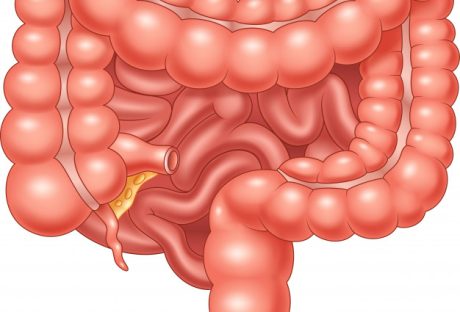
The gastrointestinal system gives your body what it needs to function. The system breaks down food, extracts nutrients from it, and converts these nutrients into energy. It also protects your body against harmful substances by blocking them from your bloodstream.
The gastrointestinal tract primarily consists of the following:
Esophagus:
A hollow tube running through the neck and chest that connects the mouth to the stomach. Muscles in the esophagus push food into the stomach.
Stomach:
A large organ that holds foods and breaks them down using enzymes and acids.
Liver:
The organ that filters toxins from the blood and produce bile, which further helps break down food into proteins, carbohydrates, and fats.
Gallbladder:
A sac-like organ that stores the bile the liver produces then releases it as necessary.
Pancreas:
An organ that produces enzymes like insulin, which aids in the breakdown of sugars.
Small intestine:
As the stomach passes along food, this organ starts breaking it down while absorbing the majority of its nutrients.
Large intestine:
This organ contains billions of bacteria that turn food into waste (feces). At this same time, the large intestines remove water and electrolytes from what is left of the food for your body's use.
Rectum:
A small space at the end of the large intestine provides temporary storage for waste.
When you eat something, each of these organs plays a role. To kick off the process, saliva begins to break down food. With the help of other enzymes, food continues breaking down as your system propels it by muscular contractions through the digestive tract. This process is called peristalsis.
Gastrointestinal organs and their fluids exist in a delicate balance. Diet, stress, and illness can upset this balance and cause pain or discomfort.
Common Gastrointestinal Conditions and Disorders
There are a variety of common gastrointestinal (GI) disorders like constipation, diarrhea, and acid reflux. Though some Gastrointestinal Conditions are genetic and outside of your control, you can still prevent many complications or subdue symptoms by eating a balanced diet, practicing healthy bowel habits, and following the CDC guidelines for cancer screening.
Some common disorders—like celiac disease, gastroesophageal reflux disease, irritable bowel syndrome, lactose intolerance, and leaky gut syndrome—are generally manageable with proper care and direction from medical professionals. If you experience severe pain or think you may have a more serious condition, see your doctor as soon as possible.
1. Celiac Disease
Celiac disease is an immune response to gluten, a protein found in wheat, rye, and barley. People with this problem cannot eat food made from these substances because it triggers a response in their small intestine, which over time becomes inflamed and unable to absorb nutrients.
If you have celiac disease, you'll feel sick after eating something with gluten. Symptoms include bloating and gas, abdominal pain, fatigue, and nausea. Though there's presently no cure, most people who follow a strict gluten-free diet can reduce flare-ups and promote intestinal healing.
3. GERD
Gastroesophageal reflux disease (or GERD) is a condition where your stomach acid flows back into your esophagus, irritating the esophagus's lining. It is essentially the same as acid reflux, except the symptoms are more intense and frequent.
Common symptoms include a burning sensation in your chest after eating, having difficulty swallowing, and feeling like there's a lump in your throat. You may also regurgitate food or sour liquid. People with GERD often feel worse at night, which can cause other problems like a chronic cough, laryngitis, asthma, and disrupted sleep.
There are over-the-counter remedies such as antacids and H2 blockers, but more intense symptoms may require prescription medication. Lifestyle factors such as smoking, eating large meals, or eating late at night can aggravate GERD.
3. Irritable Bowel Syndrome
Irritable bowel syndrome (IBS) is a common GI disorder that affects the large intestine. If you have this chronic condition, you will feel abdominal pain, bloating, gas, diarrhea, and constipation.
While the exact cause of IBS is unknown, certain factors play a role. Someone with IBS may have abnormalities in their digestive system or may have had a bacterial or viral infection that left an overgrowth of bacteria in the intestines. Changes in gut microbes can also lead to IBS.
Though there is no cure for IBS, taking medications, and making lifestyle changes can alleviate the symptoms. For example, you can exercise regularly, eat smaller meals, and focus on minimizing stress. In terms of regulating your diet, you can try consuming more probiotics and limiting caffeine, dairy products, and spicy foods. Medicalprices.co.uk has a complete guide about IBS.
4. Lactose Intolerance
Lactose intolerant individuals cannot break down lactose, the natural sugar in milk. If you're lactose intolerant, your small intestine doesn't produce enough lactase (the enzyme) to digest lactose (the milk sugar). Undigested lactose then moves into your large intestine, where it interacts with the bacteria, causing bloating, gas, and diarrhea.
Aside from avoiding dairy products altogether, lactose intolerants can take over-the-counter lactase enzyme tablets that aid in dairy digestion.
5. Leaky Gut Syndrome
As part of the digestive tract, the intestines allow water and nutrients to pass through their walls while blocking harmful substances. The ease with which substances pass through the intestinal wall is called intestinal permeability. When this permeability becomes compromised, toxins and bacteria may escape from the intestines into the bloodstream.
This condition is called a leaky gut syndrome, and if left unchecked, it can cause inflammation throughout the body. Symptoms may include bloating, gas, food sensitivity, fatigue, and skin problems. Though more research needs to be conducted on this condition, a few probable causes include:
Consuming too much sugar or alcohol
Long term use of anti-inflammatory drugs like ibuprofen
Deficiencies in vitamins A and D and zinc
Chronic inflammation throughout the body
Stress
Bacterial imbalance in the intestines
Yeast overgrowth in the digestive system
To reduce symptoms, you can work on improving your overall gut health. First, you can limit your carb intake, as harmful bacteria thrive on sugar. You can also increase the number of beneficial bacteria in your body by eating foods with probiotics such as yogurt, kimchi, and sauerkraut.
You may also want to consider powdered collagen protein supplements. Collagen is a naturally occurring protein that gives structure to connective tissues, ligaments, and skin. The protein also provides structure to blood vessels and may strengthen compromised intestinal walls.
Avoiding a Pain in the Gut
While some gastrointestinal conditions can be severe, other GI issues and symptoms are common and manageable with lifestyle changes. If you maintain a healthy diet with your unique gastrointestinal needs in mind, you can treat your symptoms and live free of gut pain.
6 Effective Ways to Improve Your Mental Health
Why Water Filter is Important to Improve Your Health?
Symptoms and Effects of Co-occurring Disorder on Human Health
10 healthy habits to improve your health
We all know what stress is. We all cope with it every day; we look for creative new ways of handling it but prolonged exposure to stress can lead to burnout which could have some long-term consequences. Travel nursing, like any other health care field, falls into the category of highly stressful jobs. The stress became even more emphasized since the pandemic had started.
In the last few years, jobs for travel nurses have not only grown in scope, but also in terms of remuneration. The global pandemic has necessitated the biggest movement of trained nursing professionals across the world. While there are stressful moments involved, the salaries and compensations are the perks that are leading the nursing industry. With the chance to see the world, a lot of young professionals are encouraged to pursue short term travel nursing jobs.
Travel nursing can be both stressful and rewarding:
There has been an increasing demand from medical staffing companies for healthcare workers in the past year. And yes, while it also meant higher pay for travel nurses, more job openings, and travel opportunities it also came with exponential exposure to everyday stress.
Now, as a healthcare professional you are already used to coping with situations that would upset and throw out of tracks every average person, but COVID-19 is still quite new to everyone, and just like with everything that’s new it takes some time getting used to it.
We know how tough you are but you are still prone to feeling effects of accumulated stress over time and as a health care staffing agency that puts its employees first, we are saying that you should take some measures of precaution to avoid burnout and to increase or maintain the quality of your life.
Things you can do outside work:
We know it can be hard to put work aside and go back to your normal life once you take off your uniform. But if you think about it, in a long run, doing so you are doing yourself and your patients a favor. By focusing on your wellbeing, you are refueling, reenergizing, and investing in your career too. You will be more concentrated, more rested, and more efficient if you had enough time for yourself.
Focus on your physical and mental health:
This can be, for example, a walk in a park, going for a run, or just wandering around the city exploring new cafes, restaurants, parks, buildings and enjoying the pulse of a new place.
You could start off by exploring your new residential area and discovering places according to your taste. You could go on a hunt for a beautiful sunset or sunrise and get the perfect postcard for your friends back at home.
Invest in your own health - find a farmer’s market and enjoy organic or unique specialties that locals could tell you about.
Yoga is great for both physical and mental health:
Find a gym or a park to do yoga every day. If you are not a fan of exercising indoors, you could find a park or a nice and quiet place to do your stretches or yoga, for example. It's very beneficial to practice yoga outdoors with other people. Why not try that out?
Maintain social relationships and contacts:
Stay in touch with your friends from home or hang out with some new people you’ll definitely meet. It would be nice if you could avoid talking about work and instead focus on experiencing new tastes, learning new things, and hearing different points of view. Make the most of your stay.
Things you can do at work:
It can be very busy and sometimes overwhelming at work, and we understand that being a travel nurse you sometimes can’t just decide when to take a break. But if you have the chance, take that little break.
As they say, one can be surrounded by people and still feel alone. That’s why you should try to bond with your colleagues or/and patients that you like. It will make your workplace a much more pleasant place to be at and you will look forward to your next day at the hospital. The social component of our overall wellbeing must not be disregarded. We are social beings, right?
Everyone’s threshold of stress tolerance is different. And if you start feeling overwhelmed by your everyday tasks, if you find yourself unable to stay focused for a longer period of time, or if you start getting easily frustrated, don’t wait. Seek professional help, take care of yourself and put yourself in the first place just like your medical staffing agency does.
You are important to us. And we take care of what’s important.
Don’t push yourself.
Be gentle with yourself.
Treat yourself like you treat your patients.
Let us take care of you.
Read Also:
Effects of Anxiety on Heart Disease
How To Live Stress-Free
6 Steps for Choosing the Best Workout Gear
8 Motivations to Start Up Health & Fitness














 The benefits of this healing procedure are manifold, offering a glimpse into a future where mental health support can be accessed from a distance. Anxiety, a prevalent mental health concern, finds a potential remedy remotely. Individuals grappling with anxious feelings can embark on a journey of self-regulation as they learn to modulate brainwave patterns associated with anxiety, fostering resilience in the face of stressors.
This also holds promise in managing attention-deficit/hyperactivity disorder (ADHD). This common neurodevelopmental disorder often disrupts focus and impulse control. However, with the guidance of professionals, individuals, particularly children, can remotely engage in brain exercises that contribute to improved concentration and impulse management.
The impact of this therapy extends to the realm of sleep disorders as well. Insomnia, a prevalent concern in today's fast-paced world, can be addressed through targeted brainwave training. Individuals may find relief from sleepless nights by remotely engaging in exercises that encourage the brain to enter states conducive to restful sleep.
Furthermore, this therapy's potential for remote assistance shines brightly for those on the autism spectrum. It can facilitate the development of emotional regulation and communication skills, enriching social interactions and fostering a sense of connection.
The benefits of this healing procedure are manifold, offering a glimpse into a future where mental health support can be accessed from a distance. Anxiety, a prevalent mental health concern, finds a potential remedy remotely. Individuals grappling with anxious feelings can embark on a journey of self-regulation as they learn to modulate brainwave patterns associated with anxiety, fostering resilience in the face of stressors.
This also holds promise in managing attention-deficit/hyperactivity disorder (ADHD). This common neurodevelopmental disorder often disrupts focus and impulse control. However, with the guidance of professionals, individuals, particularly children, can remotely engage in brain exercises that contribute to improved concentration and impulse management.
The impact of this therapy extends to the realm of sleep disorders as well. Insomnia, a prevalent concern in today's fast-paced world, can be addressed through targeted brainwave training. Individuals may find relief from sleepless nights by remotely engaging in exercises that encourage the brain to enter states conducive to restful sleep.
Furthermore, this therapy's potential for remote assistance shines brightly for those on the autism spectrum. It can facilitate the development of emotional regulation and communication skills, enriching social interactions and fostering a sense of connection.