













7 Most Popular Non-Fungible Tokens Of 2023 – So Far
Published on: 20 September 2023 Last Updated on: 21 September 2023
Non-Fungible Tokens

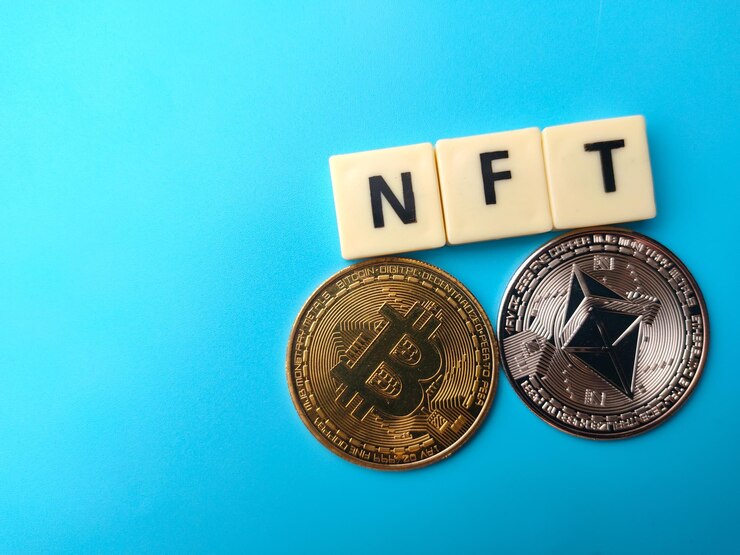
Non-fungible tokens came into the spotlight in 2021.

They were introduced on the crypto market way before, but the public didn’t show interest until then. Despite the crypto winter, non-fungible tokens continued to be in demand because people have seen the worth of digital assets.

Even if some holders were concerned that they would lose finances due to the bear market, NFTs proved resilient. 95% of the total number of NFTs are minted on the Ethereum blockchain, and when the Ether’s price drops, NFT values will follow suit.

Even if most non-fungible tokens have lost part of their value during the crypto winter, the market seems to have bounced back since the beginning of 2023. Ethereum’s price registered a steady increase over the last few months, and the NFT market is expected to head on a growth trajectory, especially because developers have announced the launch of innovative platforms and projects.

Popular Non-Fungible Tokens Of 2023

This article explores the most popular non-fungible tokens of 2023 so you know which project to invest in; suppose you want to join the market.

1. Bored Ape Yacht Club

Bored Ape Yacht Club is one of the most well-known NFT collections available on the Internet. Yuga Labs LLC launched the project, which consists of a collection of 9,999 randomly generated images of apes, created according to 170 different traits.

Those who join the Bored Ape Yacht Club gain access to numerous products and activities. The project is stored on the Ethereum network and has attracted famous investors like Justin Bieber, Jimmy Fallon, Snoop Dogg, Timbaland, Paris Hilton, and Steph Curry.

Initially, each NFT cost 0.08 ETH, but as the project gained more popularity, the prices spiked to 91 ETH, with some apes getting more valuable than others.

Mutant Ape Yacht Club is a collection derived from the original one, including 20,000 Mutant Apes. They were created to reward the Bored Ape Yacht Club investors and encourage crypto holders to join the NFT by offering alternative products connected to a well-known collection.

2. Jump.trade

Jump.trade is a unique NFT project as it’s the first Cricket NFT people can play in the Metaverse. It sold over 55000 cricket player items in the first 10 minutes after the project was launched on the market. The holders can play games or earn passive income from owning the players. The game was launched in 2022, and since then, numerous cricket enthusiasts have joined the community.

3. Azuki

Azuki took the NDT sector by storm in 2022 when it was introduced, and it has maintained its popularity ever since. The project consists of 10,000 avatars that offer owners access to The Garden. Azuki is also running on the Ethereum blockchain and offers holders access to exclusive events and products.

We listed Azuki among the NFT projects worth adding to your portfolio because initially, there were 8,700 items minted for 3,400 and sold out immediately. It took NFT enthusiasts only 4 minutes to purchase the entire collection. In only 30 days, the project gained $300 million in trading volume, and everyone has started to compare it with Bored Ape Yacht Club.

Azuki promotes the idea of mixing the digital and physical worlds in a community-only environment. Its alliances and characters are used in live events, NFT launches, and even streetwear.

4. World of Women

Unfortunately, the cryptosystem is still male-centric. However, efforts toward diversity and inclusivity are made, and projects like World of Women are created to encourage more diversity. World of Women is an NFT project started by women in collaboration with The Sandbox, the well-known play-to-earn metaverse game. It aims to grant $25 million to offer women education in the crypto sector so more could join and take advantage of its benefits.

The collection is composed of 10,000 pieces of artwork of randomly generated women. Reece Witherspoon, Eva Longoria, and Dez Bryant are only some of the celebrities who invested in this project.

5. Crypto Baristas

Crypto Baristas are the ideal non-fungible tokens for those who love coffee, as they are unique characters pouring coffee. The project was developed on the Rarible blockchain and consists of 60 hand-drawn characters by the Coffee Bros and Tony Bui. There are three types of Crypto Baristas NFTs according to their rarity level. The project aims to create a community of people interested in innovation, coffee, art, and investing.

This project is new in the sector, but the artwork was sold as soon as it was launched. The demand for secondary sales is huge at the moment, so it’s worth keeping an eye on the characters and their holders.

6. Cool Cats

Cool Cats was launched in 2021 and has become the third most popular NFT project sold on OpenSea. Investors can purchase Cool Cats items using Ethereum and other digital currencies on exchange platforms like SuperRare, Rarible, and OpenSea. The Cool Cats community is one of the most active in the industry, and the founders are working relentlessly to improve the project.

The NFT project boomed in popularity after Mike Tyson used a Cool Cat NFT as a Twitter profile picture. Among the celebrities who invested in cool cats are Alexis Ohanian, Reece Whiterspoon, and Steve Aoki.

Related: Beyond Digital Artwork: 5 NFT Uses

7. Hape Prime

Hape Beast developed Hape Prime which became viral on social media immediately after its release in 2022. The collection of NFTs includes 3D artwork of hype beasts, which have been transposed into streetwear items.

Hape Prime is derived from the Bored Ape Yacht Club collection and is one of the most successful projects. At the moment, there are over 300,000 Twitter users following the official page of the project. Besides investing in NFTs, people also purchase clothing items from the collection the brand launched in 2022.

What’s more to say?

The NFT sector is constantly evolving, and new projects and platforms are launched daily. While some of them could grow to the popularity of the Bored Ape Yacht Club, others could remain unknown to the public for years. Whether you are an investor or collector, we hope the above top helped you figure out what projects you should turn your attention to.

Read Also:

Arnab is a professional blogger, having an enormous interest in writing blogs and other jones of calligraphies. In terms of his professional commitments, He carries out sharing sentient blogs.

View all posts

Leave a Reply

Your email address will not be published. Required fields are marked *

Related

Landlord

How to Protect Your Property as a First Time Landlord?

No matter what route you take to the rental market, you’re making an exciting step in life. Many people believe that becoming a landlord is fail-proof. However, although the process can be both financially and mentally rewarding, there are downsides and potential pitfalls. Renting out a second property is ideally an investment and, as such, several risks come with it. As a result, you need to protect your investment and mitigate against risk. Here’s how you can do just that to make sure that you are getting returns for your investment. 1. Take Out Insurance Being The Landlord: Traditional insurance doesn’t usually cover rental properties. As a result, you should take out specialist landlord insurance. As well as protecting your home in the same way traditional home insurance would, landlord insurance can protect you against other problems, such as unpaid rent or a tenant injuring themselves at your property. Get a company that offers the best insurance deals to landlords and insure your property with them. 2. Draw Up the Correct Contract: The correct tenancy agreement can help you in case you need to evict a tenant or take action against them. The vast majority of rental agreements come to an amicable end, but there may be times when you need to evict your tenant. A correct tenancy agreement will provide you with the framework to issue either a Section 21 notice (giving them two months’ notice) or a Section 8 notice, which allows the person to seek possession under particular grounds such as rent regions and anti-social behaviour (more information on both of these notices can be found here). Make sure that the tenancy agreement that you craft will protect you under all circumstances. 3. Take A Security Deposit: Taking a security deposit or a damage deposit (usually a month’s rent) allows you to protect you and your property against any breakages or damages. It is important to put these measures in place if you want to be sure that you are on the safe side. You must place the deposit in a concern that is regulated by a government deposit scheme, such as the Deposit Protection Service, MyDeposits or the Tenancy Deposit Scheme. The deposit is then returned to the tenant at the end of the tenancy unless they fail to meet the terms of a tenancy agreement, cause damage to the property or fail to pay rent and bills. 4. Ensure There’s an Inventory: Before your tenant moves in, you should complete an inventory of everything currently in the property. As well as listing everything currently in the property, you should also list its current state, including any dents, scratches or stains. Once this is complete, you should have a walk around the property with the tenant. Then you can both confirm everything listed is present and the condition described is accurate. When this process has been completed, you should both sign and date the inventory. 5. Have a Financial Buffer: Finally, you should ensure you have a financial buffer, in case you have to pay for running repairs. The costs for running a rental property can quickly stack up. Although you could take out an installment loan to finance any major payments, it’s advisable to have a pot of savings before you begin, in case you need to finance any running repairs. Read Also: Is Property Investment Still A Good Way To Make Money? 6 Expert Tips For Finding The Right Home To Buy

READ MOREDetails
SMSF

SMSF And Lifestyle Planning: Tailoring Your Fund For Your Dream Retirement

The journey towards a fulfilling retirement is unique for everyone, and self-managed superannuation funds (SMSF Australia) are becoming a pivotal tool in achieving personalized retirement goals. This article delves into how you can align your SMSF with your individual lifestyle aspirations, ensuring that your retirement years are not just financially secure but also align with your vision of an ideal lifestyle. What Is a Self-Managed Super Fund? A self-managed super fund is a private super fund you generally manage yourself. The SMSMs are different, and they vary according to the diverse industry. When you manage your own fund, you put the money you normally would keep in retail.  What Are The Benefits Of The SMSFs The SMSFs can help you offer diverse options, including direct property, physical gold, managed portfolios, and collectibles like the artworks. Most superannuation funds allow you to invest assets like fixed interest, shares, and property via managed funds. However, we provide a range of benefits the SMSFs can offer you here. Estate Planning  With the help of the SMSFs, you have far greater flexibility when acquiring and selling investments. This particular hands-on approach can mean the market conditions can change if you can respond by adjusting the portfolio of investments. Pooling Your Super Another prime benefit you can reap with the SMSFs' help is the ability to pool your resources with three members. This increased pool may enable you to get diverse opportunities for investments, which may not be available with your SMSF.  Effective Management Of Tax With the help of the SMSF, you have far greater control over your investment decisions. It may enable you to manage the tax position. You may already know how important it is to effectively carry on with tax management. For instance, the current tax rate on the earnings from the superannuation funds is close to 15%. But there is no payable of tax within the funds as the assets wholly support an income stream like the pension. Aligning Financial Goals with Personal Aspirations Explore the critical steps to tailor your SMSF to reflect your personal aspirations, including income needs, travel dreams, healthcare considerations, and hobbies. We'll guide you through integrating these elements into a comprehensive SMSF strategy that supports your retirement vision. Identifying and Achieving Your Retirement Goals Understanding and clearly defining your retirement goals is the first step towards a satisfying retirement. In this section, we discuss how to align your SMSF with your unique retirement vision, emphasizing the need for a strategy that not only ensures financial security but also personal fulfillment. Mapping Your Ideal Retirement Lifestyle Discover how to effectively map out your ideal retirement lifestyle, considering factors like desired income, hobbies, and travel plans. We provide insights on how to adjust your SMSF investments to support these lifestyle choices, ensuring a retirement that is both financially stable and personally rewarding. Building a Robust Financial Foundation: SMSF Wealth Accumulation Strategies To achieve your retirement dreams, it's essential to build a solid financial foundation through effective SMSF wealth accumulation strategies. This section focuses on creating a strong financial base within your SMSF, exploring strategies that balance growth and security to support your long-term lifestyle goals. Tailoring Investments to Support Your Lifestyle Dreams Dive into the specifics of tailoring your SMSF investments to build a portfolio that not only grows wealth but also aligns with your lifestyle aspirations. From selecting the right asset mix to understanding market dynamics, we guide you through creating an investment strategy that supports your vision for retirement. What Is To Be Done Before Setting Up An SMSF? If you want to set up an SFSF, ensure it does a few things. Comparing The SMSFs with Other funds When accessing an SMSF or any other monetary benefit scheme, you must thoroughly compare it.  Members And Trustees  Firstly, the SMSFs possess a maximum of six members. All the members must be the trustee's directors. It also means that the members can have control and management over that of the SMSFs. But with the other super fund, there is no limit to the members. Generally, the licensed trustees are held responsible for managing the funds.  The trustees work to develop and implement the fund's investment strategy and make the investment decision. But with the other SMSFs, most allow you control over the risks.  Insurance  In the SMSFs, usually, the trustees must consider whether or not to purchase the insurance for their members. The premium of insurance may be higher than that of teh other funds for insurance. On the other hand, most insurance costs are lower. This is because the large funds get discounted premiums.  Considering the Cost, Time, And Skill Needed You need to possess teh time and also the skills so that you can manage the funds. As a trustee of the SMSF, you will be held accountable. You will have to make all the decisions linked with the investment.  Yes, it costs some money to build and, after that, run the SMSFs. Not only this, but the SMSFs' fees are higher than those of the other funds. What you need is to give shape to your investment strategy and thereafter review and update it on a regular interval. Therefore, you will have to bear all the expenditures relating to the audits.  With most SMSFs, you get facilities like legal fees, financial help, SMSF assets’ valuation, insurance for the members, and others.  Implementing Your Custom SMSF Strategy: Bringing Your Retirement Vision to Life Bringing your retirement vision to life requires a bespoke SMSF strategy that encompasses all aspects of your dream retirement. This final section offers practical advice on implementing your tailored SMSF plan, ensuring that it is adaptable, compliant, and aligned with your evolving life goals. Here, we outline the practical steps to implement your customized SMSF strategy, including considerations for healthcare needs, travel aspirations, and lifestyle choices. We also emphasize the importance of professional guidance in navigating the complexities of SMSF management to bring your retirement dream to fruition. Read Also: 3 Great Things About Living In Retirement Villages 4 Fun Jobs After Retirement That Offer You a Monthly Income The Importance Of Bond Insurance In Financial Planning

READ MOREDetails
Guide to Investing: Getting Started in 8 Simple Steps

A Beginners Guide to Investing: Getting Started in 8 Simple Steps

Did you know that 61 percent of people find investing scary or intimidating? This number is even higher when it comes to millennials. Investing in the stock market isn't just something super clever people do. You don't have to be really wealthy to start investing in stocks. But you do need to know what you're doing before you get started. That's why we've put together this beginner's guide to investing. Get started with our guide to investing in 8 simple steps. 1. What is Investing? Instead of just putting your money into your bank account and allowing it to earn interest, an investment is a risk. You're not guaranteed any returns on your investment. Therefore, you have the chance of making a lot of money if you play your cards right. But you also could make a mistake resulting in less money than with which you started. You can even lose it all. There are multiple different kinds of investments you can make. These include: Shares Funds Bonds Property (check out Turner Investment Corporation for a place to start) Whiskey Land Antiques This includes everything from the conventional shares and funds to the less obvious whiskey and antiques. It's basically anything that you believe will increase in value over time. But for our purposes, it's best to focus on the stock market. This involves buying shares in one or more companies to make a profit over time. When most people think of stock markets they imagine lots of young and flashy stock brokers shouting "buy!" and "sell!". But the truth is that it's much more boring than this. It's actually about selecting a number of shares or funds, tracking how they're doing and pulling out when you think it's a good time. 2. Stock Markets and How They Work A stock market is just a place where people come together to buy and sell shares in companies. Each share is listed on what's called an exchange. But how do shares come about? Companies provide investors the chance to support what they're doing with cash. This allows the company the chance to grow and the investor to make money on the back of this success. When you invest in a company, you become a shareholder. You can trade this share in the company with anyone else who wishes to purchase it from you. Even though the original price of each share is determined by the company itself. From thereon, the price of each share is influenced by a number of factors from the strength of the overall economy to the financial health of the company. Depending on these factors, the price of the company will rise and fall in the stock market. 3. How Much Can I Make by Investing? This is the real reason why people start investing in stocks. They want to make money. But there's no simple answer to the question of how much you can make. But it's worth pointing out that in the current economic climate, savings rates are actually at an all-time low. This means that many people are searching for alternative means of making money. How much you can make by investing is also contingent on how bigger risk you can afford to take. The more you're willing to risk, the higher the potential of your returns. 4. How Much to Invest? So many people spend many years of their lives thinking that when they finally have some spare cash, they'll invest it. But this is actually the wrong way to look at investments. You don't need piles of cash to start investing. By investing a little amount regularly, you can build up your returns over time. It's important not to invest everything you've got in a single venture. "Not to put too many eggs in one basket" is excellent advice for any wanna-be investor. Together with traditional ways of investing, you should also look to put some money in alternative investments. You have to be able to afford to lose the money you're thinking of investing. If there's a stock market crash you could lose everything you've invested overnight. You should also make sure you can afford to put money into a share over a minimum of 5 years. You need to be able to plow through the bumps along the way to make anything in the long run. 5. What's a Share? Let's investigate a little further what a share actually is. It's a unit of value of a company. If a company is valued at $10 million and there are 1000 shares, each share would be worth $10,000. But the shares of the company can rise or fall according to the overall value of the company. People invest in a company because they believe the company will be successful in the future. By buying shares you get the chance to share in the success or failure of the company. Along with the profit you make when the shares increase in value, as a shareholder, you usually receive dividends too. This is a payment to you by the company from the profit generated by the company. 6. What's a Fund? If you want to buy shares, you can either purchase stocks or funds. Instead of purchasing the shares from the company, you pass your money to a fund manager. The fund managers bring together the money of a number of investors and purchase shares on the stock market for you. 7. How to Start Investing? There are a number of different ways to purchase shares and funds. But most people use what's known as a platform to make purchases. You have to select which platform you want to use to make your investments. After you've done this, you can select which investments you want to make. Confused? Think of it as buying milk from the store. You have to choose which store (your platform) you want to purchase the milk. And then you need to choose which milk (your investment). You'll also be charged for your shopping bag (user fees). 8. Should I Invest? Of course, it's always good to evaluate why you're investing in a particular company. Ask yourself - is investing right for you? History shows us that people who invest in shares over savings accounts receive greater returns. But this doesn't necessarily mean that investing is for everyone. Guide to Investing: Investing can often seem confusing and scary to the uninitiated. But the truth is it's much simpler than it appears. By following our start guide to investing, you can start making informed decisions about what you want to do with your spare cash. For more blog posts on financial issues, check out our blog. Read Also: Investing In Machinery For A More Productive Business What You Must Know About ELSS Before You Invest

READ MOREDetails