That moment when you realize you have been defrauded can be soul-destroying. At first, you may be shocked and not know what to do. You cannot believe you have fallen for it. But once you get your head around what has happened, you can start working toward recovery. Here are the things you can do to recover after being defrauded.
Stop Any More Money
First of all, when you have identified a scam, ensure that you stop any funding. Make sure that no further payments are going to be made out to encourage them to defraud you anymore. It is easy to be shocked about what is happening and lose even more money. So, try to stop the scam at the source. For instance, if you have used a credit card, make sure that it is canceled and that you inform the card issuers of the fraud.
Do Not Blame Yourself
After you have discovered the scam and process what has happened, you will be angry and blame yourself. However, you have got to avoid doing this. This is not going to be productive and help you move on. Know that millions of people fall for fraudulent scams every year. You are not the first or the last person to do this. All you should think about is what you are going to do next and how you can prevent this from happening again.
Try to Get Your Money Back
A lot of people assume that once they have been defrauded they will never get this money back. However, this is not always true. Unfortunately, stock market fraud happens a lot and this means many people have looked for help over the years. Now, there are companies out there that can help you recover the money you have lost.
Avoid Unsolicited Emails
When you have been the victim of fraud, you need to learn your lesson. Avoid all unsolicited contact that you receive about another investment opportunity. For instance, if you receive any emails or telephone calls with so-called ‘great opportunities’ make sure that you ignore them. This could be another fraudulent scam that you do not want to get involved with. Delete all emails and messages you receive and ensure that you do not send any personal details. You also want to avoid opening any attachments or links they send to you.
Follow Your Gut
Unfortunately, there are thousands of scams happening every day to innocent people. If you have been one of these victims, you will know the worry and stress it can cause you. Indeed, you may have also lost a lot of money. In the future, in order to stop this from happening again, follow your gut. If something seems too good to be true or you have a bad feeling, ignore the opportunity. If you really want to make investments, do your own research and know that other opportunities are going to come along. Do not rush into any decisions without thinking them through.
Read Also:
Content Rally wrapped around an online publication where you can publish your own intellectuals. It is a publishing platform designed to make great stories by content creators. This is your era, your place to be online. So come forward share your views, thoughts and ideas via Content Rally.
In today's fast-paced world, security concerns have become increasingly prevalent. Whether you're safeguarding your home, business, or personal assets, choosing the right security company can make all the difference. In this comprehensive guide, we will delve into the world of security companies, exploring their crucial role in ensuring safety and peace of mind.
What Are Security Companies?
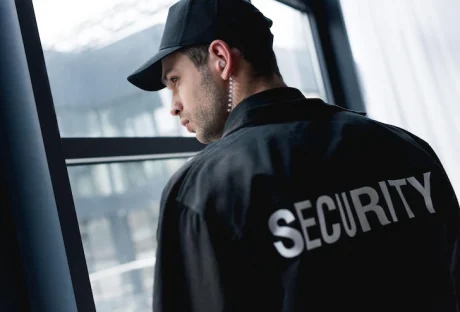
Security companies are organizations dedicated to providing a wide range of services aimed at protecting individuals, properties, and assets from various threats. These threats can include burglary, vandalism, fire, cyberattacks, and more. Security companies near me offer both residential and commercial solutions, custom-tailored to suit the unique needs of their clients.
The Role Of Security Companies
Security companies play a pivotal role in safeguarding lives and property. Their services encompass a multitude of areas, including:
Alarm Systems
One of the primary services offered by security companies is the installation and monitoring of alarm systems. These systems act as a deterrent to potential intruders and provide immediate alerts in case of a security breach.
Surveillance Cameras
Security companies install state-of-the-art surveillance cameras to monitor and record activities in and around your premises. This visual evidence can be invaluable in case of any incidents.
Access Control
Controlling who has access to your property is crucial. Security companies offer access control systems that restrict entry to authorized personnel only, enhancing security and accountability.
24/7 Monitoring
Many security companies provide round-the-clock monitoring services. This means that trained professionals are always vigilant, ready to respond to emergencies promptly.
How To Choose The Right Security Company
Selecting the right security company is a critical decision. Here are some factors to consider:
Reputation
Research the company's reputation and read reviews from previous clients. A well-established company with a strong track record is likely to be more reliable.
Services Offered
Ensure that the company offers the specific security services you require. Different companies may specialize in different areas, such as residential or commercial security.
Licensing And Certification
Verify that the company and its employees are properly licensed and certified to provide security services. This ensures that they meet industry standards.
Customization
Choose a company that can tailor their security solutions to meet your unique needs. A one-size-fits-all approach may not provide the best protection.
Pricing
Obtain quotes from multiple security companies and compare their pricing and contract terms. Be wary of hidden fees and clauses.
The Advantages Of Professional Security
Investing in a professional security company offers numerous advantages:
Deterrence
Visible security measures, such as alarm systems and surveillance cameras, act as a strong deterrent to potential criminals.
Peace Of Mind
Knowing that experts are monitoring your property 24/7 provides unparalleled peace of mind, allowing you to focus on other aspects of your life or business.
Rapid Response
In case of an emergency, a professional security company can respond quickly and effectively, minimizing potential damage or loss.
Crime Prevention
Security companies not only react to threats but also work proactively to prevent security breaches through advanced technology and surveillance.
In a world filled with uncertainties, the role of security companies cannot be overstated. They are the guardians of our safety and peace of mind, offering customized solutions to protect what matters most. By choosing the right security company, you are taking a proactive step towards safeguarding your loved ones and assets.
Read Also:
Everything You Need To Know About PKI In Cybersecurity
Five Tips to Make Sure Your Security Software Is Actually Secure
Why DRM Is the New Standard for Document Security
Top 10 Computer Security Mistakes
Scammers are everywhere online these days, and it’s important to be aware of the different types of scams that you might encounter when buying and selling items on the Facebook marketplace.
Staying informed about potential scams that might be targeted toward you will help you protect your items, your personal information, and your money.
Our article gives you information on common Facebook marketplace scams and how to stop scammers on the Facebook marketplace.
What Is Facebook Marketplace?
Facebook marketplace is one of today’s most popular selling platforms for both used and new goods. Facebook users can easily navigate the marketplace to find items in their area and items that are available for shipping. It doesn’t charge any kind of fee for this service, which is part of what makes the platform so popular.
Common Facebook Marketplace Scams
As with any type of selling platform, scams are common on the Facebook marketplace. We give you an overview of the most common Facebook marketplace scams you might encounter.
1. Overpayment Scams
Overpayment scams are common both on and off the Facebook marketplace, and these scams involve the buyer claiming to have overpaid for the item by accident. They may try to show proof by providing some kind of receipt or screenshot of payment.
The buyer will then ask that you refund the difference, but once you do this, their original payment will be shown to be false or otherwise not processed. The buyer will then disappear, making off with the money that you sent them as a ‘refund.’
2. False Payment Scams
False payment scams involve the buyer sending you a payment receipt in order to get you to send a package or deliver an item.
These are often screenshots of false payments or utilize suspicious third-party apps. So, it’s important to always use a trusted payment app such as PayPal or Venmo and verify that payment is actually received before you take the next steps in the selling process.
3. Shipping Scams
Shipping scams are very common on most buying and selling platforms, and the Facebook marketplace is no exception. In these scams, a buyer may request that you go ahead and send a package before payment is received.
Alternatively, they may present you with a false payment receipt so that you will send the package. Buyers may also claim that a package was never received, and sellers on the Facebook marketplace may simply take your money and never ship your package.
These scams can be hard to catch at first, so always use common sense and scrutiny when dealing with shipping and receiving packages.
4. Bait and Switch Scams
Bait and switch scams involve the scammer listing a more valuable or popular item on the marketplace, but when you message them about that item, they tell you it has been sold. They may then offer you an item of inferior quality in the hopes that you settle for it and buy it.
5. False Listings
Fake listings, such as listings for apartments or other rentals, and listings that appear too good to be true for valuable items are often the cornerstone of this scam.
In these scams, you may be asked to fill out forms to obtain items or a rental, asked to put down a deposit, or asked to pay a holding fee, only for the rental or item listing to disappear. Then, the scammer vanishes with your money and information.
Tips for Stopping Facebook Marketplace Scammers
The following tips will help stop you from falling for scams when utilizing the Facebook marketplace. Always use caution and common sense when buying or selling online.
Make sure payments are fully received and processed before shipping any product; this stops you from losing the item if a payment turns out to be false.
Never engage with anyone who wants to send payments through sketchy third-party apps and always double-check who owns email addresses.
Always double-check electronics to make sure they are working and be wary of items that appear like they have been stolen.
If the price of something or a product is too good to be true, it likely is.
Never reveal codes that are texted to your phone, and never fill out any kind of form asking for your personal information in order to receive an item.
Always ask for tracking codes or provide tracking codes when shipping and receiving items to prevent false claims of lost packages and to ensure items are actually shipped.
To stop a Facebook marketplace scam for good, open the listing you believe is a scam. Tap on the three dots to open the menu, then navigate to the option that says ‘report listing.’ Tap or click on this, and Facebook will handle the scam listing.
You can also complete this method with the buyer by navigating to the messages exchanged with the buyer. Then, open the same menu by tapping or clicking on the three dots, and select ‘report buyer.’
Making Your Marketplace Experience Safe
Facebook marketplace is a powerful tool to help you buy and sell personal goods to locals in your area, or ship products to those farther away. However, the Facebook marketplace does have its share of scams, and it’s important to be wary as you utilize the platform. Keep your wits about you and remember our tips for stopping Facebook marketplace scammers in their tracks.
Read Also:
Social Media Marketing – A Life-Changing Strategy
How To Make Your Online Business More Humble By Managing Your Reputation
How To Recover Deleted Facebook Messages Using Com.Facebook.orca? – With Pictures
How a B2B Payment Solution Can Aid Your Ecommerce Company?
LPG is the need of every household as it is used as the primary fuel for cooking. Some people also use LPG for heating purposes.
It is a highly flammable gas, so it is essential for users to use it cautiously. Households and food businesses must take extreme care while using LPG for cooking and heating.
You can do many things to use LPG safely in your home. This post shares some best tips and precautions to use LPG in your home.
Buy from an authorized distributor:
Many people buy gas equipment from retail stores, but it is better to buy from an authorized distributor. The gas equipment available at the authorized franchisee is authorized by the gas company and compatible with the LPG cylinder of that company.
So, when you buy gas equipment from an authorized company distributor, the chances of malfunctioning are very low.
Transporting Gas Cylinders:
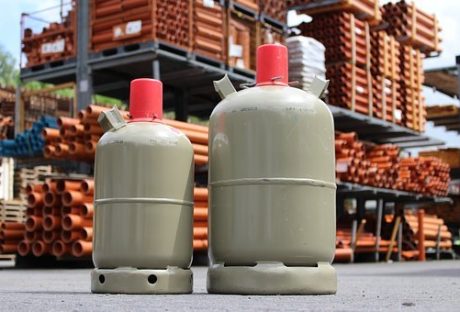
Many accidents happen during the transportation of gas cylinders. The most common reason for these accidents is the improper handling of cylinders. Many delivery boys put the cylinder on the ground with a jerk and roll it on the ground while carrying it from their vehicle to home.
This causes the collision of gas molecules inside the cylinder, which produces heat and can be dangerous. Therefore, LPG cylinders need to be handled very carefully.
Always Check the seal and gasket:
Sometimes, the seal or gasket of the cylinder is damaged, causing the gas to leak. Always check the company seal and gasket while taking the delivery of the cylinder. Ask the delivery boy to open the seal in front of you, and then you can put some water in the valve.
If you see bubbles rising from the water, the gasket is worn, causing leakage. In such a case, ask the delivery boy to replace the cylinder immediately.
Inspect Regularly:
As LPG can leak from every tiny hole or crack in the gas equipment or accessories, it is essential to check it regularly. Check your gas equipment every week to ensure there are no cuts or cracks in any part of the equipment, including accessories.
In case of any problem with the gas stove, call a professional for its repair. If the accessories like a gas hose or regulator are malfunctioning, replace them immediately to prevent leakage. Also, don’t use the gas until the problem is fixed by a gas engineer.
Check the expiry date of the cylinder:
All gas cylinders are required to be retested and replaced every ten years. The expiry date is usually stamped or written on the neck of the cylinder. If the stamped expiry date is passed, the cylinder cannot be refilled. If you get a cylinder with an expiry date passed, you should immediately return and get it replaced as it can be dangerous.
Ventilation is important:
LPG users should always place the gas equipment in a ventilated area. It means your kitchen should be well-ventilated to expel the gas in case of a leakage. If your kitchen is not well-ventilated, you can install an exhaust fan in your ventilator or window to expel the smoke. It also expels any gas leaked from your gas equipment.
Place the spare cylinder carefully:
Many people have a spare cylinder in their house, and they place it in a place other than the kitchen. Some homeowners place the spare cylinder in the storeroom, while others place it in any room. However, a cylinder should only be placed in the kitchen or an open area such as a patio.
Plus is one of the best LPG gas suppliers in Queensland, Australia. They claim to offer same-day delivery or next-day delivery in Brisbane, Gold Coast, Ipswich, and Toowoomba. If you are located in any of these regions, you can choose them for LPG supplies.
Related: Pros and Cons of Oil and Gas Investment
Don’ts: Things to Avoid for LPG Safety & Precautions
Aside from following all the above-mentioned tips, remember not to forget the following tips –
Don’t Keep the Cylinder in a Horizontal Position
When you have an LPG cylinder at home, don’t keep it in a flipped position. Always keep it in an upright position to avoid accidents like gas leakage, explosion, and fire.
When you keep the cylinder laid down, gravity makes the liquid set at the bottom of the cylinder, thereby leaving no space for the vapor to form. This is something that leads to gas leakage.
Complications can also arise when the cylinder is withdrawn in a horizontal position. This makes the liquid phase evaporate inside the pipe system. It can also happen in the consumer’s equipment. This causes the pressure to increase, and start icing off the fitting, making the safety device respond to prevent overpressure.
Keep Away from Heat
Keep your LPG cylinder in a position where it doesn’t catch much heat. Also, it shouldn’t be heated under any condition. When you heat the cylinder it will cause the gas to leak at rapid speed and create a flammable vapor. This vapor is highly flammable and can catch fire at any moment.
If your LPG cylinder is constantly getting heated, it can cause the entire cylinder to weaken over time. It’s easy for a weakened cylinder to easily fail under high pressure.
Don’t Leave the Safety Valve Unchecked
All the mistakes regarding the mishandling of LPG cylinders lead to leakage and explosions. If you leave the safety valve unchecked for a long time, it’ll lead to gas leaks leading to fires, asphyxiation, and explosions. LPG gas is highly flammable, which is why you deal with all these complications if you leave the cylinder valve unchecked.
Don’t Smoke Around The Cylinder
There’s no need to point out that the cylinder has flammable gas, and there can be a leakage at any point in time. So, build a habit of not smoking close to the place where you keep the gas cylinder.
Final Words:
These are some gas safety tips for households. Using reliable gas equipment and getting supplies from an authorized distributor can enhance the safety of your house. Following the tips in this post can help homeowners to use the LPG safely and conveniently.
Also, if you notice any case of gas leakage, instantly evacuate the area. If it’s due to the cylinder knob left open, close it instantly. Also, call people who are authorized to handle such delicate situations for help.
Read Also:
How to Handle the Move-Out Cleaning
5 Safety Awareness Ideas to Maintain a Safe Workplace
Top Home Cleaning Tips














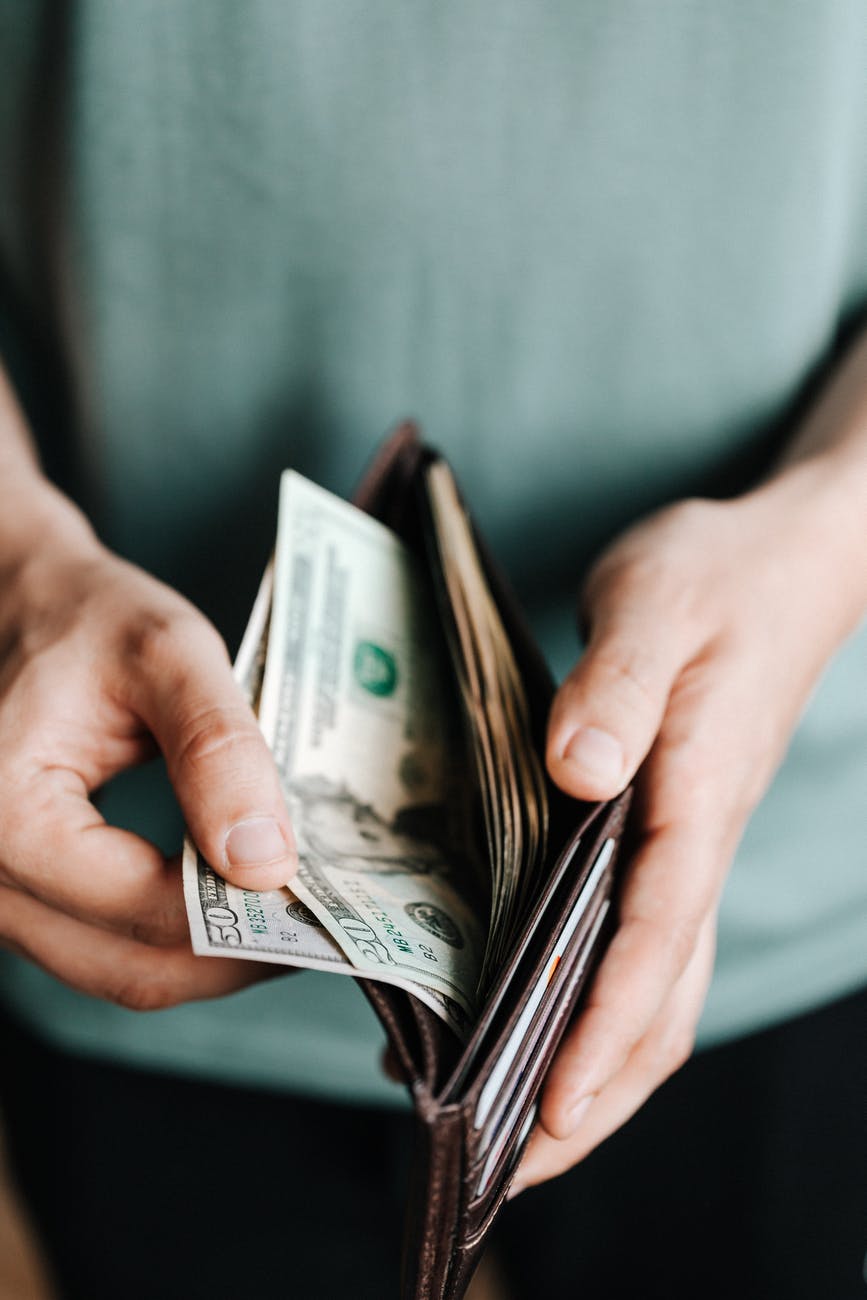 First of all, when you have identified a scam, ensure that you stop any funding. Make sure that no further payments are going to be made out to encourage them to defraud you anymore. It is easy to be shocked about what is happening and lose even more money. So, try to stop the scam at the source. For instance, if you have used a credit card, make sure that it is canceled and that you inform the card issuers of the fraud.
 When you have been the victim of fraud, you need to learn your lesson. Avoid all unsolicited contact that you receive about another investment opportunity. For instance, if you receive any emails or telephone calls with so-called ‘great opportunities’ make sure that you ignore them. This could be another fraudulent scam that you do not want to get involved with. Delete all emails and messages you receive and ensure that you do not send any personal details. You also want to avoid opening any attachments or links they send to you.