Published on: 20 July 2021
Last Updated on: 10 January 2025
If you are involved in the repair or maintenance of railways then you can appreciate the need for heavy equipment. In the past railways were fixed manually. Men used spanners, jacks, shovels, and plenty of muscle power to dig up, detach, and replace damaged tracks and signs.
Fortunately, this is much easier to do today. However, although heavy equipment makes the job significantly easier, the equipment is generally expensive and it may be difficult to justify the purchase of such equipment.
Fortunately, there is an alternative. You can rent the heavy equipment you need from a reputable railway equipment company. This makes the process affordable and practical. But, you do need to know the following.
It’s Safer
The simple truth is that doing any work on a railway line is dangerous. Trains can be on the tracks and heavy items can injure you. Using specialized equipment, some of which is automated, dramatically reduces the risk.
Alongside this, renting equipment instead of buying it means you don’t have to worry about maintaining it. This will be handled by the rental firm for you, allowing you to focus on using the equipment for your intended project.
The fact that the maintenance is carried out by a reputable company ensures it is always safe to use.
Cost-Effective
Purchasing heavy equipment for occasional use is simply not a viable option for many companies. The cost of purchasing would take years to recuperate. In fact, by the time the machine has paid for itself, it would probably be outdated and inefficient.
That isn’t something to worry about when renting heaving equipment.
You may also like: What to Consider When Buying Heavy Duty Truck Alignment Equipment
Training
Of course, it is important that a properly trained and registered operator uses the equipment. You will need to confirm you have such an operator before you rent the equipment. If not, the company may be able to supply an operative.
Length Of Job
This is a key factor in deciding whether to rent or buy. The longer a job is set to go on for the more justifiable it is to purchase heavy railway equipment. But, it isn’t just the length of the job that matters. It also matters how often you would use a specific piece of equipment.
After all, if you use it just once or twice, even as part of a ten-year job, it really is better to rent than to buy.
Delivery
If you opt to purchase heavy equipment you also need to think about transportation. While the manufacturer may deliver it for you, how will you move it when you need it in different locations? This is an important part of the equation as transport costs can be significant.
Again, a specialist firm will handle all of this for you, allowing you to get the job done properly, safely, and within budget. After all, if there is an issue with your heavy equipment then the firm will handle all repairs and issues for you. That is useful!
Read Also:
Content Rally wrapped around an online publication where you can publish your own intellectuals. It is a publishing platform designed to make great stories by content creators. This is your era, your place to be online. So come forward share your views, thoughts and ideas via Content Rally.
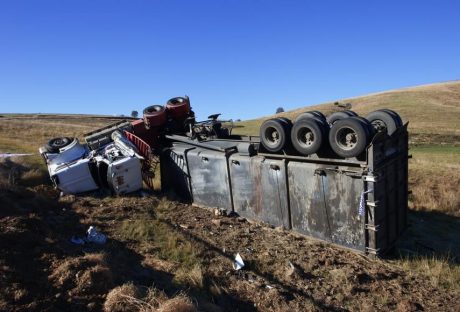
We all know that truck accident can cause severe injuries and even death. In fact, according to the National Highway Traffic Safety Administration, there are more than 4,000 people killed in truck accidents each year.
The good news is that most of these accidents are preventable. This blog post will discuss some tips that truck drivers can use to prevent accidents from happening.
Can Truck Accidents Be Prevented?
Regardless of how technology has advanced, there are still many dangers associated with driving a truck. Truck accidents can be caused by several factors, including driver error, mechanical problems, and poor weather conditions.
Although accidents cannot always be prevented, there are specific steps that truck drivers can take to minimize the risk of being involved in an accident. Below are some tips on how to avoid truck accidents:
Always obey the speed limit and other traffic laws.
Be aware of your surroundings, and pay attention to other drivers.
Ensure that your truck is maintained correctly and that all mechanical problems are fixed before you hit the road.
Avoid driving in poor weather conditions whenever possible. If you must drive in bad weather, use caution and drive slowly.
If you are tired, take a break. Driving when you are tired can be just as dangerous as driving drunk.
Plan your route, and avoid congested areas whenever possible.
Stay alert at all times, and never drink and drive.
Following these tips will not guarantee that you will never be involved in an accident, but they can help to reduce the risk. Remember, even if an accident is not your fault, it can still have severe consequences for you and your career. So do everything you can to avoid them.
If you or someone you know has been involved in a truck accident, contact a truck accident lawyer as soon as possible. A well-versed Macon Personal Injury Lawyer can help you get the compensation you deserve for your injuries.
1. Give Clear Signs And Signals
Regardless of how careful and cautious they are, truck drivers can’t avoid accidents if other motorists on the road don’t know their intentions. Truckers need to give clear signs and signals when changing lanes or making turns. Unfortunately, many car drivers often fail to notice these signals, resulting in serious accidents.
2. Avoid Going To Their Blind Spots
Truck drivers should always avoid going to the blind spots of other trucks. If you can’t see the driver in their mirror, then chances are they can’t see you either.
3. Merge Carefully When Entering The Highway
It is essential to do so gradually and carefully when merging onto the highway. Speeding up to match traffic flow can be dangerous, as it gives other motorists less time to react.
4. Keep A Safe Distance From Other Vehicles
Truck drivers should always maintain a safe distance from other vehicles on the road. This is especially true in bad weather conditions when trucks take longer to stop.
5. Use Extra Caution When Driving Near Schools And Playgrounds
Trucks should always use extra caution when driving near schools and playgrounds. Children can be unpredictable and dart out into the street without warning.
6. Use Extra Caution When You Pass
When passing other vehicles, use extra caution and give yourself plenty of room. Sudden braking or lane changes can cause accidents.
7. Lower Brights When Approaching Other Vehicles
When approaching other vehicles, truck drivers should lower their brights. This will help to avoid blinding the other driver and causing an accident.
8. Avoid Getting Distracted
Truck drivers need to avoid getting distracted while driving. This can be difficult, as many things can cause distractions, including cell phones, GPS devices, and other passengers in the cab. If you must use a cell phone or GPS device, pull over to a safe location first. And if you have passengers in the cab, make sure to keep them quiet and out of the way.
9. Stay In The Right Lane Whenever Possible
Truck drivers should stay in the right lane whenever possible. This will help to keep traffic moving and reduce the risk of accidents.
10. Be Aware Of Road Conditions
Truck drivers should be aware of the road conditions at all times. This includes checking for potholes, icy roads, and other potential hazards.
Common Causes Of Truck Accidents
As a truck driver, you should be aware of the most common causes of truck accidents. This will help you to be more cautious and avoid these situations altogether. Some of the most common causes of truck accidents include:
1. Driver Error
This is the number one cause of truck accidents, and it can be caused by a variety of factors such as fatigue, distractions, and inexperience.
2. Mechanical Problems
Trucks are complex machines, and it is not uncommon for them to experience mechanical problems. These problems can often lead to accidents.
3. Poor Weather Conditions
Bad weather can make driving a truck very dangerous, and it is one of the leading causes of truck accidents.
Final Words
If you take the road next to a heavy vehicle like a truck or bus, you need to be extra vigilant. These big boys are not easy to stop, and they will take up most of the road, so there would be hardly any space for you should an emergency happen. Remember that even if these drivers do their best to avoid accidents, there are still factors beyond their control.
It would be best if you could avoid being in their blind spot. Do not tailgate and always give them enough space should they need to stop or change lanes. You should also use your horn when necessary to get their attention, especially when it is dark or nasty weather. Lastly, do not cut them off as this will only anger the driver and cause an accident.
Read Also:
Understanding Truck Accidents in Indiana
Have you been in a Semi-Truck Accident? Here Are 4 Reasons You Need to Hire a Lawyer Immediately
Legal Ways to Determining Fault for an Arizona Truck Accident
10 Causes Of Uber Accidents In The United States
As the temperatures drop and winter's chill sets in, many Canadians long for a reprieve from the cold.
This is where the concept of being a "snowbird" comes into play. Snowbirds are individuals, often retirees, who migrate south to warmer climates during the winter months, seeking refuge from the icy embrace of Canadian winters.
Florida, with its pleasant climate and abundance of sunshine, is a prime destination for these sun seekers. For snowbirds, having their own vehicle at their disposal in the Sunshine State is a must, and that's where car shipping services come into play.
The Snowbird Lifestyle: Escaping Canadian Winters
The snowbird lifestyle has been a longstanding tradition for Canadians looking to escape the harsh winter weather. These individuals typically travel to destinations in the southern United States, with Florida being a particularly popular choice.
The allure of Florida lies in its mild winters, stunning beaches, and an array of recreational activities. Snowbirds can enjoy golfing, swimming, and an active outdoor lifestyle during the months they spend in Florida.
Why Shipping a Car is Essential for Snowbirds
While Florida offers plenty of attractions, having a personal vehicle is often essential for snowbirds to fully enjoy their time in the state. A personal vehicle provides the flexibility to explore the area, visit various attractions, and enjoy the convenience of their own transportation. Here are some reasons why shipping a car from Canada to US is crucial for snowbirds:
1. Comfort and Convenience
Snowbirds can enjoy the comfort of their own vehicle, knowing that they have a reliable means of transportation that suits their preferences.
2. Familiarity
Having their own vehicle provides a sense of familiarity and reduces the stress of adapting to public transportation or unfamiliar rental cars.
Cost Savings
Shipping a car is often more cost-effective than renting a vehicle for an extended period, especially for the duration of a snowbird's stay in Florida.
4. Mobility
Snowbirds can easily explore Florida's various attractions, including national parks, beaches, and cultural sites, with the freedom of their own vehicle.
Car Shipping for Snowbirds: How It Works
Shipping a car from Canada to Florida or other snowbird destinations in the United States is a straightforward process. Here's how it typically works:
1. Choose a Reliable Car Shipping Company
Select a reputable car shipping company with experience in transporting vehicles across the border. Look for companies that specialize in snowbird car shipping and have a strong track record.
2. Request a Quote
Contact the chosen car shipping company to request a quote for transporting your vehicle. The quote will be based on factors like the distance, type of vehicle, chosen shipping method (open or enclosed transport), and the time of year.
3. Prepare Your Vehicle
Before shipping your car, you'll need to prepare it for transit. This involves removing personal items, ensuring the vehicle is clean, and having no more than a quarter tank of gas.
4. Shipping and Delivery
Once the vehicle is loaded onto the car carrier, it will be transported to your destination in Florida. The car shipping company will provide an estimated arrival date.
5. Enjoy the Sunshine
With your vehicle safely delivered, you can enjoy your stay in Florida to the fullest. Explore the state, soak up the sun, and make the most of your snowbird season.
Related: 4 Common Mistakes To Avoid When Shipping Your Car
Choosing the Right Car Shipping Company
Selecting the right car shipping company is paramount for a smooth snowbird season. Consider the following factors when choosing a service provider:
1. Experience
Look for companies with experience in shipping cars from Canada to the United States, especially for snowbird destinations.
2. Reputation
Research and read reviews to ensure the company has a good reputation and offers reliable services.
3. Licensing and Insurance
Verify that the company is licensed and insured, providing you with peace of mind in the event of any unforeseen incidents.
Conclusion
For Canadian snowbirds, escaping the winter by heading to Florida is a cherished tradition. Having your own vehicle during your stay enhances the experience, providing convenience and freedom to explore all that the Sunshine State has to offer.
Car shipping services play a crucial role in ensuring that snowbirds can make the most of their time in Florida, delivering their vehicles safely to their winter retreats. So, if you're a sun seeker planning your next snowbird season, consider the convenience and benefits of shipping your car to Florida and savor the warmth and sunshine that awaits.
Read Also:
AutoTempest: Is It The Best Search Engine For Cars?
Why Use Car Shipping Services & How A Cost Calculator Can Help
Ship From Toronto Your Ultimate Guide To Efficient Shipping Solutions
How to Take Your Vehicle to the Next Level
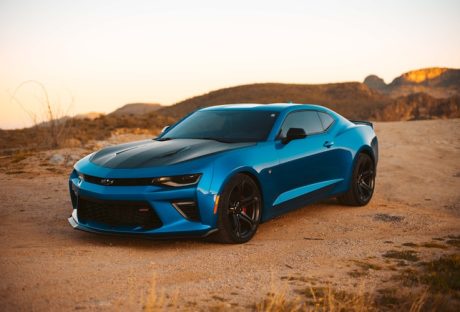
As any car aficionado will tell you, the base model is only the first step to owning a truly pimped-out ride. If you’re currently rolling in a luxury brand like a BMW, Mercedes, or Lexus – that’s a great start – but there are ways you can take your ride to the next level. Consult the following ten tips for ways to elevate your ride, from interior to exterior.
Tip #1 – Window Tinting
Not only does tinting your windows keep the temperature in your car down, provide valuable privacy, and reduce glare, it also looks insanely cool. Car tinted windows add an air of mystery to any vehicle, and they’re also one of the more affordable customizations that you can make – typically running under $300 for the entire job. Car window tinting in San Diego typically only takes a few hours.
Tip #2 – Stereo
A great stereo is a must-have for any tricked-out vehicle, and there are so many options these days that it’s easy to find something with all the features you could ever want. When it comes to stereo shopping, make sure to get something that’s got the aesthetic you like and voice features that keep you as hands-free as possible. Many stereos these days have Apple Carplay or Android equivalent so you can have your text messages read to you while you’re driving.
Tip #3 – Sound
A cool stereo is only as good as the sound system it’s pumping out of. Remember, factory speakers aren’t usually built to last because they’re assembled out of weaker materials, such as cardboard. Invest in a quality system so you can make sure that your car sounds as good as it looks.
Tip #4 – Wheels
Although the top-of-the-line brands are going to run you a pretty penny, there’s no better investment to pimping out your ride than a brand-new set of wheels (aka rims). The best part about wheel shopping these days is the customization options on the design and finish are nearly infinite. You can really personalize your ride with the right set.
Tip #5 - Lighting
Don’t let nightfall keep people from noticing your ride. With custom lighting packages that are installed on the body and undercarriage of the car, you can get supremely cool lighting effects in several different colors. They’re the perfect touch for when you slip into dark mode.
Tip #6 – Seat Covers/Custom Seating
Run-of-the-mill factory seating doesn’t quite cut it if you’re looking to pimp out your ride. Fortunately, there are several options now for custom seating and seat covers so that your interior can reflect your personal style. Look into racing seats if you’re a driver that appreciates speed as much as style.
Tip #7 – Spoiler
This is the cherry on top of any car that you’re trying to make a little sportier, and it’s not just for looks. A spoiler is going to give your car better traction by improving the airflow around the car, therefore creating more downforce. It’s a cool addition that also has a useful function.
Tip #8 – Steering Wheel
When it comes to personalized luxury vehicle options that you know you’ll use every drive, then you’ll want to get your hands on a custom steering wheel. You’ll not only have full control over the shape, size, and style of the wheel, you can even pick out the type of fabric that you want.
Tip #9 – Paint Job & Exterior Finish
Nothing makes a car pop more than a high-quality paint job and finish, especially if you can invest in a non-factory color to distinguish yourself from the thousands of models like yours. And when you’ve landed on a shade of paint that speaks to you, don’t forget to top it off with a protective film to ensure it doesn’t get chipped or damaged.
Tip #10 – Camera Systems
Pimping out your ride doesn’t stop at how the world sees your car. It also means giving your car the ability to see. Yes, we’re talking about camera systems, which can automatically make a car more fun (and safer) to drive because you’ve got an extra set of eyes looking out for you. These come in handy if you’re not great with parallel parking on the street.
Prioritize Then Buy:
We’ve covered ten of the most popular options for pimping out your ride, but there are limitless ways to customize your vehicle. What we recommend is prioritizing your top three or four and investing from the top down. This way you know the front-end money of what you’re buying is going towards the mods that are important to your car’s overall look and feel.
Read Also:
Prepping Your Vehicle For Winter Weather Driving
A Comprehensive Guide on How to Charge Your Car Battery














 Purchasing heavy equipment for occasional use is simply not a viable option for many companies. The cost of purchasing would take years to recuperate. In fact, by the time the machine has paid for itself, it would probably be outdated and inefficient.
That isn’t something to worry about when renting heaving equipment.
You may also like: What to Consider When Buying Heavy Duty Truck Alignment Equipment
Of course, it is important that a properly trained and registered operator uses the equipment. You will need to confirm you have such an operator before you rent the equipment. If not, the company may be able to supply an operative.
Purchasing heavy equipment for occasional use is simply not a viable option for many companies. The cost of purchasing would take years to recuperate. In fact, by the time the machine has paid for itself, it would probably be outdated and inefficient.
That isn’t something to worry about when renting heaving equipment.
You may also like: What to Consider When Buying Heavy Duty Truck Alignment Equipment
Of course, it is important that a properly trained and registered operator uses the equipment. You will need to confirm you have such an operator before you rent the equipment. If not, the company may be able to supply an operative.
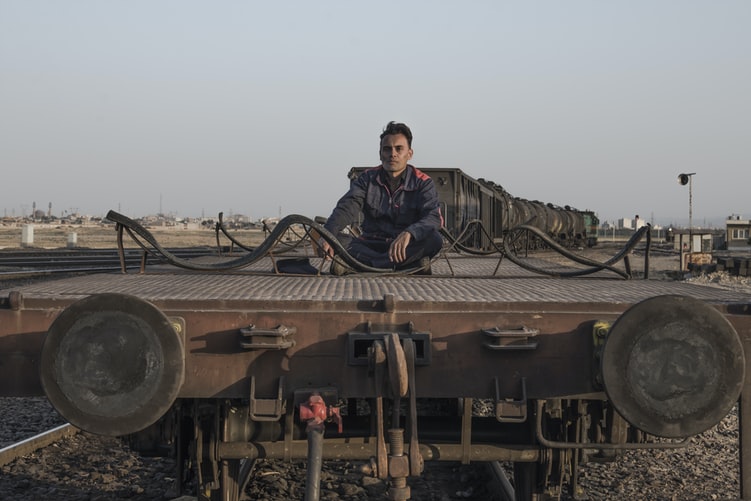 This is a key factor in deciding whether to rent or buy. The longer a job is set to go on for the more justifiable it is to purchase heavy railway equipment. But, it isn’t just the length of the job that matters. It also matters how often you would use a specific piece of equipment.
After all, if you use it just once or twice, even as part of a ten-year job, it really is better to rent than to buy.
This is a key factor in deciding whether to rent or buy. The longer a job is set to go on for the more justifiable it is to purchase heavy railway equipment. But, it isn’t just the length of the job that matters. It also matters how often you would use a specific piece of equipment.
After all, if you use it just once or twice, even as part of a ten-year job, it really is better to rent than to buy.