







A Beginner’s Guide To Truck Accidents: Causes, Tips, And Legal Remedies

Published on: 11 October 2021 Last Updated on: 29 October 2024
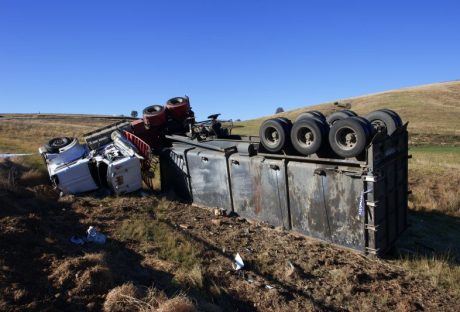
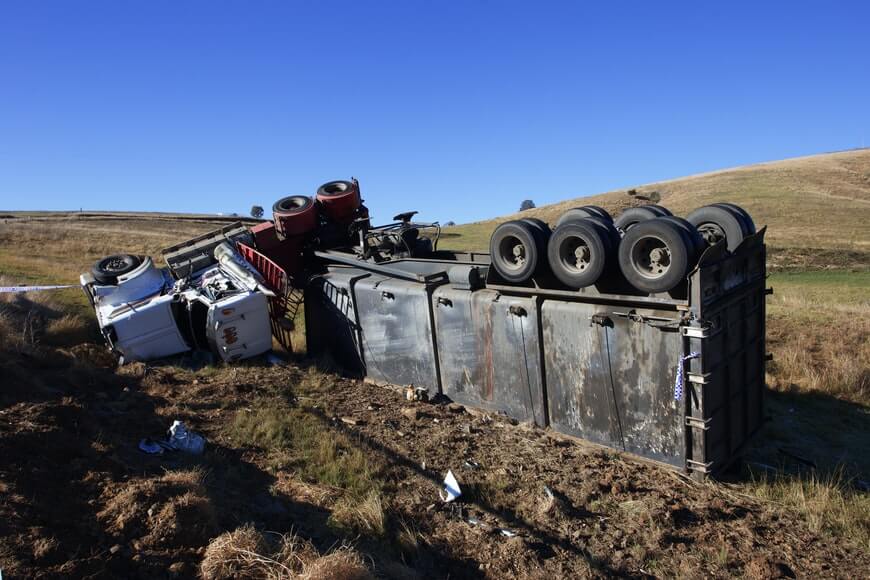
Truck Accidents

Trucks continue to remain an integral part of the world’s economy. They are responsible for moving millions of tons of goods and products across the length and breadth of the country every single day. Whether it is day or night, trucks and truck drivers continue to drive.

However, being such large vehicles there is no denying the fact that they are a major threat to other motorists on the road. Car drivers, motorcyclists, bicycle riders, and pedestrians are constantly in danger from being at the receiving end of one of the many threats that trucks pose.

According to experts, heavy trucks are involved in one out of ten deaths that are reported in the United States every year. The weight of a fully loaded truck can reach up to 40 tons! That is 40 tons of moving mass that needs to stop at a heartbeat and be careful of every small car, bike, or individual occupying the same road. That is a tough ask.

In this article, we are going to discuss some of the major aspects of truck accidents-

  • Leading causes of truck accidents in the United States
  • Safety Tips to help you steer clear of the danger posed by trucks
  • Legal remedies that need to be pursued in case you are involved in a truck accident

We take help from a leading Atlanta truck accident lawyer to help list down some of the important details on truck accidents.

5 Leading Causes of Truck Accidents on our Roads and Highways

5 Leading Causes of Truck Accidents on our Roads and Highways

In this section, we are going to list down the five of the most causes of truck accidents-

1. Tired and Exhausted Truck Drivers-

The efficiency of any trucking operation depends on the completion of orders. In very simple words, the faster the deliveries are done, the more orders a specific truck can generate. This means long hours in bad weather conditions with poor food, lodging, and most importantly, no sleep. Tiredness and exhaustion make drivers fall asleep or slow down their reflexes.

2. Poor Quality and Condition of the Vehicles themselves-

Most commercial trucking companies can be guilty of not paying proper attention to the maintenance of their vehicles. They do not check whether all the parts of the truck are working properly. Since trucks tend to be on the roads most of the time, checking them for regular service becomes difficult. This leads to accidents when, for example, the brakes stop working.

3. Improper Training and Lack of Driving Experience-

Taking control of a vehicle that weighs 40 tons is no joke. It involves a lot of practice, experience, and training. When normal truck drivers are sick or unavailable, the company can ask a rookie to do the job of a seasoned pro. There are so many things that can go wrong when someone who is not adept at handling such a heavy piece of machinery starts to handle it.

4. Not Confirmation to Road Safety Norms, and Regulations-

Truckers know that since they are so big, they are not the ones that should be paying attention to following safety norms. In other words, they believe that if others want to be safe, they should be maintaining a distance from the truck. This makes them drive on one-way streets, not give way to oncoming traffic, and park at the side of highways where it is dangerous.

5. Engaging with Intoxicants like Alcohol and Marijuana-

Being on the road for months on end can be frustrating for truck drivers. To keep themselves engaged, they turn to alcohol and smoking weed. This dumbs down their reflexes and gives rise to the possibility of falling asleep at the steering wheel. Many studies have found that alcoholism is an issue that is rampant among truck drivers in the United States.

Safety Tips that Motorists should follow to avoid accidents with trucks

Safety Tips that Motorists should follow to avoid accidents with trucks

Every year in the United States, the Federal Motor Safety Administration comes out with a handbook for motorists that contain safety tips to avoid trucks and encounter accidents.

The following are some safety tips that motorists should be following to keep them safe-

1. Visibility-

The first thing that is prescribed is to ensure that you are visible to the truck drivers. Make sure you are honking and putting on your headlights every time you are passing a truck. Do not position your vehicles in the blind spots of the truck driver.

2. Passing-

Every time you are looking to overtake a truck make sure you have the space to do so. Do not try to make a pass in a tight squeeze. Make sure that you wait for the truck to give you the passing signal before you step on the gas for the pass.

3. Cutting-Off-

Most accidents are when motorists try to cut off a truck. When you do this at speed, you end up being in the blind spot of the drivers. This prevents their ability to break on time and results in a violent crash. You should look to avoid this at all costs.

4. Distance-

If you are tailgating a truck, you are not visible to the driver! This means that if they break, you are likely to slip right under the huge vehicle. Ensure that you maintain a healthy distance between your vehicle and the truck in front of you.

5. Anticipate-

Riding on the same roads as trucks require you to be patient. Trucks have wider turning radiuses than small cars. They cannot also make quick maneuvers on the road. As a motorist, you need to be patient and anticipate the movements.

If you are following the above-mentioned safety norms, you can reduce the chances of coming into contact with a 40-ton truck.

Legal Remedies to pursue in case of Truck Accidents

If you have been in a truck accident, you are well within your rights to file a lawsuit. You need to claim compensation for the material damage caused, as well as seek payments to help you tide over any medical injuries you might have suffered as a result of the accident.

The first thing that you need to do is hire an expert and experienced truck accident lawyer. You need to make sure that they have prior experience in filing personal injury lawsuits of this nature. Make sure that you gather all the possible evidence and build a solid case.

When it comes to truck accidents, the company operating the vehicle is a party to the lawsuit. They need to ensure that the insurance covers all possible material and physical damages that have been the result of the accident.

The following information should be collected from the site of the accident-

  • The type of truck- make, model, brand, and license plates of the truck.
  • The name of the truck’s driver and his commercial license.
  • The information about the insurance company and details.
  • Names, addresses, and call numbers of the trucking company, head offices, and more.
  • Photos, videos, and witness statements from the scene of the crime.

The Bottom Line

In this article, we have discussed some of the probable causes of truck accidents. We have also discussed safety tips that will help you keep your distance from heavy vehicles. Finally, we have looked at what legal recourse needs to be pursued if you are involved in a truck accident.

If you have any more questions that you would like us to address on truck accidents, please let us know in the comments below. We will be glad to help you out.

Read Also:

Content Rally wrapped around an online publication where you can publish your own intellectuals. It is a publishing platform designed to make great stories by content creators. This is your era, your place to be online. So come forward share your views, thoughts and ideas via Content Rally.

View all posts

Leave a Reply

Your email address will not be published. Required fields are marked *

Related

Truck Accidents

10 Tips to Prevent Truck Accidents: The Complete Guide for Truck Drivers

We all know that truck accident can cause severe injuries and even death. In fact, according to the National Highway Traffic Safety Administration, there are more than 4,000 people killed in truck accidents each year. The good news is that most of these accidents are preventable. This blog post will discuss some tips that truck drivers can use to prevent accidents from happening. Can Truck Accidents Be Prevented? Regardless of how technology has advanced, there are still many dangers associated with driving a truck. Truck accidents can be caused by several factors, including driver error, mechanical problems, and poor weather conditions. Although accidents cannot always be prevented, there are specific steps that truck drivers can take to minimize the risk of being involved in an accident. Below are some tips on how to avoid truck accidents: Always obey the speed limit and other traffic laws. Be aware of your surroundings, and pay attention to other drivers. Ensure that your truck is maintained correctly and that all mechanical problems are fixed before you hit the road. Avoid driving in poor weather conditions whenever possible. If you must drive in bad weather, use caution and drive slowly. If you are tired, take a break. Driving when you are tired can be just as dangerous as driving drunk. Plan your route, and avoid congested areas whenever possible. Stay alert at all times, and never drink and drive. Following these tips will not guarantee that you will never be involved in an accident, but they can help to reduce the risk. Remember, even if an accident is not your fault, it can still have severe consequences for you and your career. So do everything you can to avoid them. If you or someone you know has been involved in a truck accident, contact a truck accident lawyer as soon as possible. A well-versed Macon Personal Injury Lawyer can help you get the compensation you deserve for your injuries. 1. Give Clear Signs And Signals Regardless of how careful and cautious they are, truck drivers can’t avoid accidents if other motorists on the road don’t know their intentions. Truckers need to give clear signs and signals when changing lanes or making turns. Unfortunately, many car drivers often fail to notice these signals, resulting in serious accidents. 2. Avoid Going To Their Blind Spots Truck drivers should always avoid going to the blind spots of other trucks. If you can’t see the driver in their mirror, then chances are they can’t see you either. 3. Merge Carefully When Entering The Highway It is essential to do so gradually and carefully when merging onto the highway. Speeding up to match traffic flow can be dangerous, as it gives other motorists less time to react. 4. Keep A Safe Distance From Other Vehicles Truck drivers should always maintain a safe distance from other vehicles on the road. This is especially true in bad weather conditions when trucks take longer to stop. 5. Use Extra Caution When Driving Near Schools And Playgrounds Trucks should always use extra caution when driving near schools and playgrounds. Children can be unpredictable and dart out into the street without warning. 6. Use Extra Caution When You Pass When passing other vehicles, use extra caution and give yourself plenty of room. Sudden braking or lane changes can cause accidents. 7. Lower Brights When Approaching Other Vehicles When approaching other vehicles, truck drivers should lower their brights. This will help to avoid blinding the other driver and causing an accident. 8. Avoid Getting Distracted Truck drivers need to avoid getting distracted while driving. This can be difficult, as many things can cause distractions, including cell phones, GPS devices, and other passengers in the cab. If you must use a cell phone or GPS device, pull over to a safe location first. And if you have passengers in the cab, make sure to keep them quiet and out of the way. 9. Stay In The Right Lane Whenever Possible Truck drivers should stay in the right lane whenever possible. This will help to keep traffic moving and reduce the risk of accidents. 10. Be Aware Of Road Conditions Truck drivers should be aware of the road conditions at all times. This includes checking for potholes, icy roads, and other potential hazards. Common Causes Of Truck Accidents As a truck driver, you should be aware of the most common causes of truck accidents. This will help you to be more cautious and avoid these situations altogether. Some of the most common causes of truck accidents include: 1. Driver Error This is the number one cause of truck accidents, and it can be caused by a variety of factors such as fatigue, distractions, and inexperience. 2. Mechanical Problems Trucks are complex machines, and it is not uncommon for them to experience mechanical problems. These problems can often lead to accidents. 3. Poor Weather Conditions Bad weather can make driving a truck very dangerous, and it is one of the leading causes of truck accidents. Final Words If you take the road next to a heavy vehicle like a truck or bus, you need to be extra vigilant. These big boys are not easy to stop, and they will take up most of the road, so there would be hardly any space for you should an emergency happen. Remember that even if these drivers do their best to avoid accidents, there are still factors beyond their control. It would be best if you could avoid being in their blind spot. Do not tailgate and always give them enough space should they need to stop or change lanes. You should also use your horn when necessary to get their attention, especially when it is dark or nasty weather. Lastly, do not cut them off as this will only anger the driver and cause an accident. Read Also: Understanding Truck Accidents in Indiana Have you been in a Semi-Truck Accident? Here Are 4 Reasons You Need to Hire a Lawyer Immediately Legal Ways to Determining Fault for an Arizona Truck Accident 10 Causes Of Uber Accidents In The United States

READ MOREDetails
How Long Can You Go Without An Oil Change_

How Long Can You Go Without An Oil Change?

How long can you go without an oil change? Is this something that you have been searching for? If yes, then you have reached the right place for an answer. We all know that we need to change the oil of the engine once in a while. But, really, how long can we go on without changing it? And what happens if we don't do it for a very long time? There are so many things that you will learn in this blog. So there is one thing you need to do! Keep reading this blog till the end to learn more… How Long Can You Go Without An Oil Change? Image Source: di-uploads-pod27.dealerinspire.com If you are searching for the answer to "how long can you go without an oil change," you have come to the right place. The answer is simple, yurt not! So bare with me, and let me explain. Previously, car owners were advised to go for an oil change after every 3,000 miles. This was long back when the condition of the engines was not as high as they are now. Technology has changed the way we live now. And it has also been able to improve the quality of the vehicle engines. That is the reason why now, cars can generally go from 5,000 miles to 7,000 miles without an oil change. However, this also depends on the quality of the oil. For example, if you are using synthetic oil for your vehicle, you might not need an oil change for a very long time. Most people who use synthetic oil for their car can go on for 10,000 miles to 15,000 miles without an oil change. So, the shortest answer to "how long can you go without an oil change" will be 5,000 miles to 7,000 miles. How Often Should You Get An Oil Change? While it is true that in modern times, you can go on without an oil change for up to 5,000 miles to 7,000 miles, waiting that long is still not ideal for the engine of the car. The interval that you should keep in mind for an oil change generally depends from car to car or from manufacturer to manufacturer. In the case of most cars, manufacturers recommend that you get an oil change twice every year. This means that it does not matter how much or how many miles you have driven; it is still best to get your oil changed every six months. The car manufacturer usually recommends the optimum time interval for an oil change, and it can be found in the manual. All the cars these days have a monitoring system that tracks the oil life for your mileage and other driving habits. This system helps you to understand when it is time for an oil change. Why Should You Get An Oil Change? There are a number of people who still are unaware of the reason why you should get an oil change for your vehicle engine. Here is the reason why you need to get an oil change and why it is required: Lubrication: Oiling the engine of the car makes sure that there is enough lubrication to keep the engine working. As the car engines work together, it causes a lot of friction among them. Oiling the engines creates harmony and ensures that they are able to keep the car in good health. Impact On Gas Mileage: One of the most important reasons for oiling the car or going for an oil change is that it has a positive impact on the gas mileage of the vehicle. It makes sure that there is a reduction in fuel consumption. Regulates The Engine Temperature: Last but not least, an oil change is essential as it helps to regulate the temperature of the engine. It keeps to components of the engine cooler by lubricating and reducing friction. How To Know If You Need An Oil Change? Image Source: di-uploads-pod20.dealerinspire.com When an oil change is necessary, there are a number of warning signals that you may look out for. So if you are someone who does not know when the engine needs it, you need to check on these warning signs. Take a look at these: Burning Smell: When the engine needs an oil change, you will often get a smell of oil burning. This smell is strong and often fills the cabin or the front seat. The Dashboard: The dashboard of the car, where all the vitals of the engine is shown, plays one of the most important parts in indicating when you need an oil change. Change In Color: The color of the engine oil is mostly clear and amber. If you have not gone for an oil change in a long time, you will notice that the oil has turned black while collecting all the debris from the engine. The Engine Makes Noise: This is the most important indicator. However, you should not wait so long. If there is not enough oil in the car, the engine will start making a noise because of friction. Wrapping It Up! A lot of people often ask about how long can you go without an oil change. If that was something that you were searching for, I hope that this article has been of help to you. If there are any other questions that you might have related to the same, please do not hesitate to ask me. Scroll down at the bottom of the page to leave your queries in the comment box. And I will be there with all the answers that you need! Read Also: How To Choose The Best Wheels And Tires For Your Vehicle? Car Wont Start After Getting Gas – How To Fix This Problem? Car Shakes At Idle But Smooths Out While Driving – How To Fix This Problem?

READ MOREDetails
Trucks Safer To Drive Than Cars

Are Trucks Safer To Drive Than Cars?

The debate over whether trucks are safer to drive than cars has been a topic of contention among motorists for years. While trucks offer certain safety advantages due to their size and weight, it's essential to examine the nuances of both vehicle types and dispel common misconceptions. Here, we'll explore the factors that contribute to vehicle safety and provide insights into the comparative safety of trucks and cars on the road. So, make sure to stay connected till the end as we are about to delve into a world of trucks vs cars. Let’s get started then. Size And Weight: A Double-Edged Sword One of the primary arguments in favor of trucks being safer than cars is their larger size and heavier weight. In a collision between a truck and a car, the truck's mass can provide a protective advantage by absorbing more of the impact force and reducing the severity of injuries to occupants. Additionally, trucks typically ride higher off the ground, which can offer better visibility and protection in certain types of accidents, such as side-impact collisions or collisions with smaller vehicles. However, the size and weight of trucks can also pose safety challenges, particularly in terms of braking distance and maneuverability. Trucks require more time and distance to come to a complete stop due to their increased mass, which can increase the risk of rear-end collisions or accidents in stop-and-go traffic. Additionally, trucks have larger blind spots and wider turning radii, which can make it more difficult for drivers to see other vehicles and navigate tight spaces safely. Vehicle Design And Safety Features Both trucks and cars are subject to rigorous safety standards and regulations aimed at protecting occupants in the event of a crash. Modern vehicles are equipped with an array of advanced safety features designed to mitigate the risk of accidents and reduce the severity of injuries. These features may include: Airbags: Both trucks and cars are equipped with front and side airbags designed to deploy upon impact and provide cushioning for occupants. Anti-lock Braking Systems (ABS): ABS helps prevent wheels from locking up during hard braking, allowing drivers to maintain steering control and reduce the risk of skidding or losing control. Electronic Stability Control (ESC): ESC helps prevent skidding and loss of control by automatically applying brakes to individual wheels and adjusting engine power as needed. Collision Avoidance Systems: Some vehicles are equipped with advanced collision avoidance systems that use sensors and cameras to detect potential hazards and alert drivers to take evasive action. While these safety features are common in both trucks and cars, the effectiveness of these systems may vary depending on the specific make and model of the vehicle. Additionally, trucks may be equipped with additional safety features, such as electronic trailer sway control or adaptive cruise control, which can further enhance safety on the road. Driver Behavior And Training Ultimately, the safety of any vehicle depends largely on the behavior and skill of the driver behind the wheel. As noted by the truck accident lawyers in Lexington, safe driving practices such as obeying speed limits, maintaining a safe following distance, and avoiding distractions are essential for reducing the risk of accidents regardless of the type of vehicle being driven. Additionally, specialized training and experience are crucial for operating larger vehicles such as trucks safely. Truck drivers are required to undergo extensive training and obtain a commercial driver's license (CDL) to operate commercial vehicles legally. This training covers topics such as vehicle operation, defensive driving techniques, and load securement, which are essential for safe and responsible truck driving. While car drivers are not subject to the same level of training and licensing requirements, they can still benefit from defensive driving courses and other educational resources to improve their skills behind the wheel. Roadways Prevalence And Rate Of Accidents NHTSA, or the National Highway Traffic Safety Administration, registered more than 6 million car accidents in 2018 in the U.S. Out of these, almost 3.5k reported severe injuries and near-death experiences. This indicates an average of 9 deaths for every 100 million road vehicles. On the other hand, severe truck accidents had a lower percentage of traffic fatalities, just 0.8%. This accounts for 4,370 deaths but with a higher rate of fatality. This indicates that out of every 100 million trucks on the road, 28 deaths took place. When it comes to roadway prevalence, cars tend to dominate major traffic for almost 86%. Further comes the light-weighted SUVs and vans, which accounted for 8%, and excessively heavy trucks for 5%, whereas two-wheelers make up only 1% of the rest. Commercial trucks weigh up to 80,000 lbs, whereas passenger vehicles do not weigh more than 4,000 lbs. This alone demonstrates the dominance of heavy machinery and transport on the road. Read Also: 10 Tips to Prevent Truck Accidents: The Complete Guide for Truck Drivers Concluding Words The question of whether trucks are safer to drive than cars is not a straightforward one. While trucks offer certain safety advantages due to their size and weight, they also present unique challenges in terms of braking distance, maneuverability, and visibility. Both trucks and cars are subject to stringent safety standards and equipped with advanced safety features designed to protect occupants in the event of a crash. Ultimately, the safety of any vehicle depends on a combination of factors, including vehicle design, safety features, driver behavior, and training. By practicing safe driving habits, staying vigilant on the road, and respecting the capabilities and limitations of their vehicles, motorists can help minimize the risk of accidents and ensure a safer driving experience for everyone. So, that’s the ned of this article. Let us know what you think about both these significant modes of transport in the comment box below. Thank you for reading- see you again! Read Also: Truck Accident Scenarios: Who Is Liable? Truck Driver App: Revolutionizing The Trucking Industry 3 Safety Regulations That Indiana Truck Companies And Drivers Must Follow

READ MOREDetails