Published on: 05 May 2021
Last Updated on: 02 January 2025
The basic guidelines are the same across the world, if the sewer pipes are on your property then you are responsible for them. The only real exception to this is if the sewer pipe going through your property is shared.
This means it is the main connection to the public sewer line for several houses and happens to go across your yard. This generally happens when several houses are clustered together and set back from the main sewer line. It is simpler and cheaper to connect the houses together and then direct the sewage to the mains pipes.
However, this doesn’t mean you are not responsible. Joint sewer pipes do not become the responsibility of the water board. Instead, the responsibility is shared between the houses the pipe serves.
This is something you should be made aware of when you come t purchase a house as it can be more complicated organizing repairs and especially emergency plumber. The reason for this is that all homeowners should agree on the plumber chosen and the costs before one can be called. This ensures that everyone will pay their fair share. But, as mentioned, it can be much harder to negotiate this, the larger the group of houses the more difficult it is.
The simple solution is to have a fund that deals with repairs, including sewer pipe issues.
Blockages:
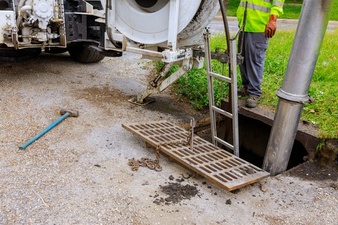
If you have a sewer pipe blockage then it will probably be your responsibility to sort it out. The easiest way to ascertain this is to have a sewer diagram done. This will help you to confirm that the pipe is your sole responsibility or that it is shared.
You can then assess where the pipes run and, by using a sewer camera you can locate the exact distance into the pipe where the clog is. This will make it easier to decide the best course of action to remove the clog.
Don’t forget that the simplest way to confirm it is your responsibility is to check with your neighbors to see if they have a clog. If it is just your home then the clog is in your pipes and you need to resolve the issue.
If the clog is affecting several homes you can call the water board who will handle the issue for you.
Dealing With Issues:
Clogs are generally a result of damaged pipes. This can happen over time, especially if you have been digging in your yard and the pipes are getting old. It can also be the result of tree roots getting into your pipes. This damages the pipes and causes a clog, creating an array of issues.
Knowing where your sewer pipes run will help you to consider the likelihood of root damage as you can assess how close trees are to your pipes.
Don’t forget, a good plumber will sort these issues for you in no time and will save you a lot of hassle. Even if you prefer to resolve issues yourself, you may find a professional is the best option when dealing with sewer pipes.
Content Rally wrapped around an online publication where you can publish your own intellectuals. It is a publishing platform designed to make great stories by content creators. This is your era, your place to be online. So come forward share your views, thoughts and ideas via Content Rally.
Noise traveling to and from rooms can be distracting when trying to work, read, or enjoy some peace and quiet.
It can be hard to focus on what you are trying to do when you can hear music blaring, a loud television, or children screaming through the walls, not to mention a million other potential distractions.
Fortunately, there are ways to reduce sound transmitted through the walls, which can be invaluable when preventing sound transfer inside or outside a room. Felt Right has a unique way to achieve this. Depending on the materials you use for this procedure, you can obstruct more or less sound, even blocking the transmission of sound waves entirely, if you choose.
What is Sound Dampening?
Sound dampening is installing materials within a home, vehicle, or other location to absorb, reflect, or diffuse sound. This reduces the amount of noise that passes through and can also improve a room’s acoustics, which is why sound dampening is also known as “acoustic treatment.” It is a significant reason that recording studios make use of this technique.
Sound dampening can eliminate approximately 80% of the sound transfer, meaning that you can prepare a room for studying, work, hobbies, or mental health.
However, there is just enough sound to hear if there is an emergency in another room or someone yells for you. This is especially ideal if you have children in the house or others who may need your attention so that you can focus on what you are doing while still being accessible to others if required.
If you need even greater solitude, one option is to soundproof a room similar to sound dampening but endeavors to block any sound infiltration whatsoever completely. However, this process is far more intensive and to prove entirely successful generally requires planning in architectural design before room construction to ensure complete soundproofing.
What Materials Work Best for Sound Dampening?
When you sound dampen locations, you must decide which materials you wish to use. Different materials can prove effective to different degrees; some are external solutions, while others require installation within the walls or other surfaces.
Keep in mind if air can pass into an area, so can sound. For best results, address windows, spaces between and under doors, and other airflow conduits. No matter how effective your sound-dampening materials are, if air passes freely through such openings, you will have more noise.
Felt Tiles
One of the easiest methods for sound dampening is through the use of felt tiles. These panels have an adhesive back designed not to damage walls or paint, creating a plug-and-play solution. Felt tiles are versatile, coming in various shapes, sizes, and colors, so they are excellent choices if you wish to snazzy up the interior design of your room and enjoy the benefits of the felt’s sound-dampening qualities.
Choosing felt tile designs to match your taste or set a professional tone can be invaluable when creating a relaxing atmosphere or environment conducive to work. A soothing, welcome decor has proven effective in improving mental health by reducing stress and anxiety. Having an attractive backdrop during work video calls provides an air of credibility to a home office space. In either situation, the reduced noise permeation is invaluable.
Polyurethane Foams
These polymer foams come in rolls or sheets and can serve as a suitable sound-dampening barrier, particularly when reducing high-frequency noises. However, low-frequency sounds are more likely to penetrate if the foam is not sufficiently thick, so keep this in mind if you want more effective noise reduction.
Also, be aware that polyurethane foams are flammable, so only place them in areas where they will not be susceptible to open flames or other fire risks. As a result of this quality, this type of sound dampening should be for home use in fire-safe locations rather than used in an industry setting, where there is a greater risk of inflammation.
Polyester Fibers
These dense materials are excellent for sound dampening in industrial settings or other noisy areas. They work best on high-frequency sounds and are often lauded for their strength and durability, making them incredibly resistant to general wear and tear and fire. Plus, it is a lightweight material, which makes it easier to transport and install.
Cork
This porous material is surprisingly effective as it can trap a significant quantity of air, which means it can catch sounds and convert them to vibrations, effectively deadening noise. Cork is effective even in thin sheets, and the material is incredibly lightweight. Furthermore, it is an accessible material to install and can be purchased in tile forms for easy customization.
Mass-loaded Vinyl
A popular choice because it is one of the least expensive sound-dampening options, mass-loaded vinyl is explicitly intended for sound dampening. It is easy to find and acquire this material, but remember that the denser the material, the more effective it will be. Mass-loaded vinyl does not have much elasticity, so it forms a solid barrier that sounds waves have trouble passing through.
Green Glue, Gaps, and Spaces
Remember that sound can pass through any space air can, so for better sound dampening, you need to find spaces where air can pass through, such as cracks or gaps within the walls. Green glue is an excellent choice for filling holes, blocking airflow, and reducing the noise that can enter (or exit) the room.
For areas you will not want to seal, such as windows, you can find sound-reducing curtains that can serve as sound dampening, combatting unwanted outdoor sounds such as those from traffic, industries, and neighbors.
For doors, sound dampening can be as simple as placing a blanket against the gap beneath. Alternatively, you can install a door stop, soundproofing rubber, or acoustic panels to block sound from entering.
The Bottom Line
When you want to keep from traveling in or out of a room, one of the most effective ways to reduce sound is to find appropriate materials that function as sound-dampening agents, placed along walls and wherever there are gaps or cracks in which sound can pass. Proper sound dampening can create an atmosphere conducive to work or relaxation or prevent televisions, music, musical instruments, and other loud forms of recreation from disturbing others.
Read Also:
How To Get 60 Day Trial For Luxury Beddings
Five Bedroom Rug Ideas – Area Rugs and Decorating Ideas
Living Ideas In Small Bedroom House Plans With Efficient House Designs
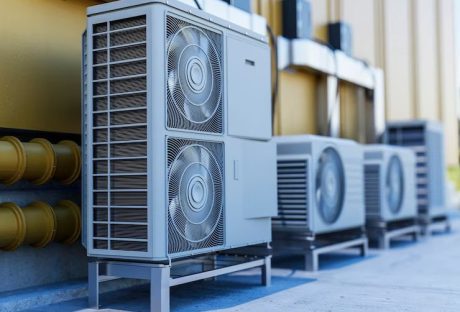
As the temperature rises, businesses must ensure a comfortable environment for their employees and customers. A reliable commercial air conditioning system plays a vital role in achieving this goal. In this comprehensive guide, we shall explore the primary considerations a business should bear in mind while choosing and maintaining commercial air conditioning systems.
The importance of a well-functioning commercial air conditioning system cannot be overstated when creating a conducive work or shopping environment. Whether it's an office, retail store, restaurant, or any other commercial space, maintaining an optimal indoor temperature is crucial for productivity, customer satisfaction, and overall well-being.
This article will delve into the essential aspects of commercial air conditioning systems that every business should know.
Choosing the Right System
Selecting the right commercial air conditioning system for your business can be daunting. Consider the following factors to make an informed decision:
1. Size and Capacity:
Assess the size of the space that needs to be cooled. A particular system that is quite small will require help to regulate the desired temperature. On the other hand, an oversized system will lead to excessive energy consumption. Consult with HVAC professionals to determine your commercial space's appropriate size and capacity.
2. Energy Efficiency:
Opt for energy-efficient systems to reduce operating costs and minimize environmental impact. Look for air conditioning units with certifications and efficiency ratings related to high energy, such as the Energy Star label. Such systems are generally designed to provide optimal cooling while consuming less energy.
3. Weather and Climate:
India’s summer season might get a little too hot sometimes. This is particularly true during mid-summer when it becomes difficult to thrive in urban areas. But, the weather conditions across the country change from one region to another. Hence, opt for an air conditioner that keeps the temperature inside your house regulated accordingly.
4. Zoning and Control:
Consider systems that offer zoning capabilities, allowing you to control different areas or zones separately. This feature enables you to adjust the temperature according to the specific needs of each space, maximizing comfort and energy efficiency.
Maintenance and Regular Servicing
Once you have installed a commercial air conditioning systems, it is crucial to maintain it properly to ensure its longevity and efficiency. Here are some maintenance tips:
A. Filter Cleaning and Replacement:
Clean or replace air filters regularly to ensure proper airflow and prevent the accumulation of dust and debris. Clogged filters can restrict the system’s performance and lead to poor indoor air quality. The most significant maintenance task that ensures the efficacy of your AC is filter cleaning as well as its replacement.
B. Coil Cleaning:
Over time, the coils in your air conditioning system can accumulate dirt and grime, affecting its efficiency. Regular coil cleaning can enhance the system’s cooling capacity and reduce energy consumption. The dirt decreases airflow inside the air conditioner, which insulates the coil. If you want to mitigate this problem, inspect the evaporator coil each year.
C. Professional Servicing:
Schedule regular maintenance checks and servicing by qualified HVAC technicians. They will inspect the system, identify potential issues, and perform necessary repairs or adjustments. Regular servicing can help prevent major breakdowns and extend the lifespan of your air conditioning system.
Taking Care Of Your Air Conditioner: 6 Tips That Help
It is good to call in some professional help while cleaning your air conditioner. But it doesn’t harm to take care of it all by yourself. Given below are some tips to clean your AC all by yourself:
1. Change The Filters
As mentioned above, dirty filters can stop the efficiency of your system. Hence, install a new filter every month when the cooling season for window and central units goes on. Check out the minimum efficiency reporting the value of your filter, which generally ranges between 1-12 for residential AC units. The higher this number is, the better filtration you will get!
2. Fix Leaks
Did you know that 30 percent of airflow can be lost if your ducts are leaked? Window AC units have notorious strength, which does not allow proper sealing. Locate leaks using the “smoke trick,” which goes back a long time. If you have a window unit, simply light an incense stick and hold it at the confluence of the window frame and the unit.
3. Use Timers
It is not a good idea to blow your Air Conditioning Systems while you are working. If you have central units, make sure to install a programmable thermostat that allows you to set higher temperatures when you are away. Additionally, they set a cooler temperature while you are at home. New window units consist of adjustable thermostats as well as built-in timers. However, you can also purchase a timer.
4. Keep The Air Cool With Insulation
Ducts in crawl spaces as well as hot attics must be wrapped to maintain the coolness of the room. For this purpose, you might make use of batt insulation, rigid foam, or spray insulation. Rigid insulation along with seal batt must go with foil tape. If you have tight space, wraps such as Reflectic provide an ideal insulation degree.
5. Service Condenser Or Compressor
The condenser and compressor of a central air conditioning system are generally located exterior of the house but very close to your base. Hence, it functions best if there is a clear space of about 24 inches in each direction. Make sure you get rid of tall trees, hanging branches, and shrubs nearby,
6. Keep The Unit Cool
You can extend the lifetime of your air conditioning systems by keeping the room cool. Put down the shades and blinds when the sun is high. Or you might also opt for awnings installation and protect excessive UV rays from entering the south-facing windows.
Conclusion
A reliable commercial air conditioning system is essential for businesses to maintain a comfortable and productive working environment. You can ensure optimal cooling while minimizing energy consumption by considering factors such as size, energy efficiency, and zoning capabilities during the selection process.
Regular maintenance and professional servicing will keep your system running efficiently and extend its lifespan. Prioritize the comfort of your employees and customers by making informed decisions about your commercial air conditioning needs.
Read Also:
What Can An Air Conditioning Installation Expert Assist You With?
Choosing an Air Conditioning Repair Company in New Mexico
How To Save Money On Your Air Conditioning Costs This Summer
Home decorations are essential aspects of households. If you are a working person, that does not mean that you do not feel the boring nature of your home. By renovating your home interior, you can feel new and alive!
Whether you consider https://www.uniqstiq.com/collections/acrylic-wall-art or add some new painting to your room walls, it will all play with your psychology to stay fresh and active.
Think of it!
We decide to live our entire life in a particular place! One house for your whole life?
Same place, every day for your entire life?Don't you feel uncomfortable while thinking about it?
Well, it can be wired to think from a wider perspective, but all we want is a settlement. No matter how bored you are, you will still want to go home at the end of the day. This is how human psychology works, and you are no different!
But there is a little concern! Does your home need to be that boring?
Not really!
This is where home decorations come into play. In this modern world, you will find it as a profession for many. Yes! Interior designing is a profession that you can hire to deal with your home.
However, you can go for a simple and effective solution while maintaining your budget. We have curated those tips for you.
So, the more you cover the unique decoration ideas, the better you will be able to handle your home with care.
Best Indoor Ideas To Elevate Your Home Decor
Are you tired of the same old look of your home's interior?
Do you want to elevate your home decor but don't know where to start?
Don’t worry! You are at the right place!
Look no further than these best indoor ideas to transform your living space. From adding indoor plants and using rugs to layering lighting and mixing furniture, these seven key ideas will help you recreate your home and make it the perfect sanctuary.
So whether you are a seasoned interior designer or a beginner, these tips will help you achieve the home decoration of your dreams.
Indoor Plants
There is nothing more important than going eco-friendly in this contemporary environmental situation of our planet. From greenhouse gas to carbon footprint, everything is creating an atmosphere for our future generation where they will barely live.
This is insane!
We need to think wisely and think outside the box to take responsibility for saving our planet Earth so that we humans can live!
Home decoration can be done in a green manner!
Plants are our saviors! If we want to live, we need to plant as many plants as we can. When your aim is home decoration, never miss the opportunity to go green! Add beautiful and effective indoor plants to your rooms.
This can help you stay fresh and work as a mood booster!
Are you up for that?
Use Rugs
Rugs can be a great addition to any room as they can add pattern, color, and texture to a space. Not only do they provide comfort and warmth to your feet, but they can also help define different areas within a room.
For instance, we tend to use rugs mainly in the center places of the rooms to cover the sitting areas, including tea tables. Apart from that, we also use rugs to establish a sense of pattern that you want your house members to follow.
So, it can play the role of beauty with a brain!
Ironically, but yes! Rugs are an important aspect of indoor decorations.
Whether you opt for a bold pattern or a neutral hue, a rug can tie together the overall look of your home decor. So, if you're looking to elevate your home's interior, consider adding a rug to the mix!
Add Mirrors
Mirror wall art is the best solution to go stylish and add aesthetic nature to your home interior. The wall plays a pivotal role in home decorations. It has loads of space to decorate and renovate.
Never try to make it too fuzzy, but also don't forget to fill the empty, boring walls!
Add mirrors to your room walls and decorate it the way you want it. Consider wall art with mirror views to enhance your aesthetic sense. This time, your creativity may play a bigger role in managing your concerns on the go.
Layer Lighting
Yes, layering lighting is a great way to add ambiance and functionality to any room!
By combining various sources of light, such as table lamps, floor lamps, and overhead lighting, you can create a warm and inviting atmosphere while also providing task lighting for reading or working.
Additionally, it's an easy and affordable way to update and enhance your home's interior.
Play With Color
Playing with color is a great way to add personality and energy to your home's interior. Whether you opt for bold and bright hues or soft and soothing pastels, color can transform the look and feel of any room.
Consider painting an accent wall, adding colorful throw pillows or blankets, or incorporating colorful artwork to elevate your home decor. The possibilities are endless when it comes to adding color to your home!
Mix And Match Furniture
Mixing and matching furniture is a great way to add character and personality to your home's interior. Don't be afraid to mix.
Styles
Colors
Texture
Be efficient in creating a unique and eclectic look with these elements for furniture.
For instance, you can pair a modern sofa with vintage chairs or add a rustic coffee table to a contemporary living room.
By mixing and matching furniture, you can create a space that reflects your personal style.
Home Decorating Essentials With Personal Mementos
Home decorating is not only about adding new elements to your living space but also incorporating a personal touch. Consider mementos that make your house feel like a home!
With the combination of essential personal touches at home, you can create a space that is both beautiful and meaningful.
Consider adding family photos, sentimental items, and cherished heirlooms to your home decor. You can display them on shelves, hang them on walls, or incorporate them into your overall design scheme.
Read Also:
Ideas for Modern Flooring Designs for Home Improvement Plans
5 Interior House Painting Tips














 If you have a sewer pipe blockage then it will probably be your responsibility to sort it out. The easiest way to ascertain this is to have a sewer diagram done. This will help you to confirm that the pipe is your sole responsibility or that it is shared.
You can then assess where the pipes run and, by using a sewer camera you can locate the exact distance into the pipe where the clog is. This will make it easier to decide the best course of action to remove the clog.
Don’t forget that the simplest way to confirm it is your responsibility is to check with your neighbors to see if they have a clog. If it is just your home then the clog is in your pipes and you need to resolve the issue.
If the clog is affecting several homes you can call the water board who will handle the issue for you.
If you have a sewer pipe blockage then it will probably be your responsibility to sort it out. The easiest way to ascertain this is to have a sewer diagram done. This will help you to confirm that the pipe is your sole responsibility or that it is shared.
You can then assess where the pipes run and, by using a sewer camera you can locate the exact distance into the pipe where the clog is. This will make it easier to decide the best course of action to remove the clog.
Don’t forget that the simplest way to confirm it is your responsibility is to check with your neighbors to see if they have a clog. If it is just your home then the clog is in your pipes and you need to resolve the issue.
If the clog is affecting several homes you can call the water board who will handle the issue for you.
 Clogs are generally a result of damaged pipes. This can happen over time, especially if you have been digging in your yard and the pipes are getting old. It can also be the result of tree roots getting into your pipes. This damages the pipes and causes a clog, creating an array of issues.
Knowing where your sewer pipes run will help you to consider the likelihood of root damage as you can assess how close trees are to your pipes.
Don’t forget, a good plumber will sort these issues for you in no time and will save you a lot of hassle. Even if you prefer to resolve issues yourself, you may find a professional is the best option when dealing with sewer pipes.
Clogs are generally a result of damaged pipes. This can happen over time, especially if you have been digging in your yard and the pipes are getting old. It can also be the result of tree roots getting into your pipes. This damages the pipes and causes a clog, creating an array of issues.
Knowing where your sewer pipes run will help you to consider the likelihood of root damage as you can assess how close trees are to your pipes.
Don’t forget, a good plumber will sort these issues for you in no time and will save you a lot of hassle. Even if you prefer to resolve issues yourself, you may find a professional is the best option when dealing with sewer pipes.