


The Benefits Of Modular Classrooms In Education

Published on: 18 August 2023 Last Updated on: 31 July 2024
The Benefits Of Modular Classrooms In Education
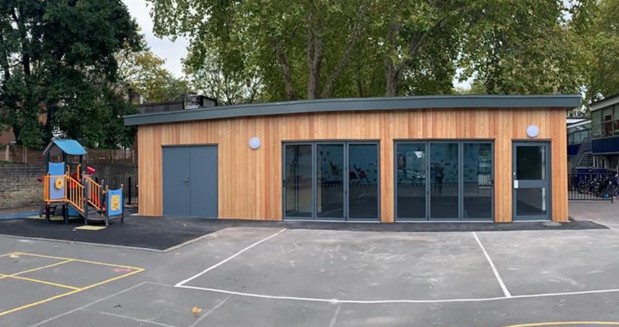
In a world where children dream of fun camping trips and exciting days at the pool, why not infuse their educational journey with a dose of creativity and flexibility? In the ever-evolving landscape of education, innovation is the key to unlocking brighter futures for our students. Modular classrooms stand out as the optimal learning environments that foster growth, adaptability, and collaboration. Gone are the days of traditional brick-and-mortar structures that limit educational possibilities. From elementary schools to universities, many educators nowadays turn to flexible and sustainable modular classroom building. Whether you're tired of the same old classroom routine or just someone who's fascinated by the blend of architecture and education, these structures are worth checking out. Thanks to the durable materials and high-quality construction, they can handle the wear and tear of everyday school life with ease.

Fast Construction

Regular construction is such a pain - the noise, the dust, the never-ending wait. Well, with modular classrooms, all those headaches disappear. These structures are prefabricated off-site, which means while the building's being built, your school life remains nice and peaceful. No more dodging construction zones on your way to class! And once they're done with the construction, they deliver them to your school ready to go. It's like a huge puzzle that's already been put together! You don't have to wait months and months for the building’s completion. So, how fast can you build a modular classroom? You can have a brand-new structure up and running in just over two months! No more waiting around for ages, dealing with construction delays, and counting the days. So, whether your school needs to accommodate a growing student population or wants to create a flexible space for different activities, modular is the answer!

Cost-Effective

Traditional construction can be a money drain. From hefty material costs to never-ending labour fees, it often leaves schools scratching their heads and digging deep into their pockets. But with modular classrooms, it's a whole different ballgame. They build these structures in a controlled environment, which means less waste and more savings. And since they’re built in record time, you save on labour costs. Less time on-site means less money spent on construction workers. With these buildings, you can avoid the headache of unexpected expenses that often pop up in traditional construction, such as surprise repairs or delays that can send the budget skyrocketing. Their streamlined process keeps things predictable and budget friendly. So, whether you're on a tight budget or a savvy spender who loves getting more bang for your buck, these classrooms are the answer. You don't have to break the bank to create a top-notch learning environment!

Sustainable

Sustainable Eco classrooms are built with sustainability in mind, using sustainable materials and energy-efficient features. Since the construction happens off-site, they produce way less waste than traditional construction. The manufacturer carefully selects the materials to minimize their impact on the environment. A modular classroom building will also reduce energy consumption. With proper insulation and ventilation, they keep the temperature just right without overloading the AC. That means lower energy bills and less strain on the planet. Modular structures are like the eco-warriors that come to the rescue. They’re built to last, so they reduce the need for constant repairs and replacements. This way you’re investing in a sustainable future for generations to come!

Minimal Disruption

With modular buildings, the noise, the dust, and the blocked pathways that drive everyone crazy are a thing of the past! Since they're built off-site, all that noisy construction stuff happens far away from your school. It's like the construction zone is in a secret location, away from all the daily hustle and bustle. So, your students can continue learning and your teachers can continue teaching, without any interruptions. And when they're ready, they just deliver the completed structure right to your school. No more waiting for months and months for a building to rise from the ground. The assembly process is super quick and efficient. It's like a well-coordinated dance – they bring in the pieces, fit them together like a jigsaw puzzle, and before you know it, your brand-new classroom is ready to roll. Say goodbye to blocked paths and detours that can feel like a maze. With modular classroom buildings, it's smooth sailing all the way!

Customisation

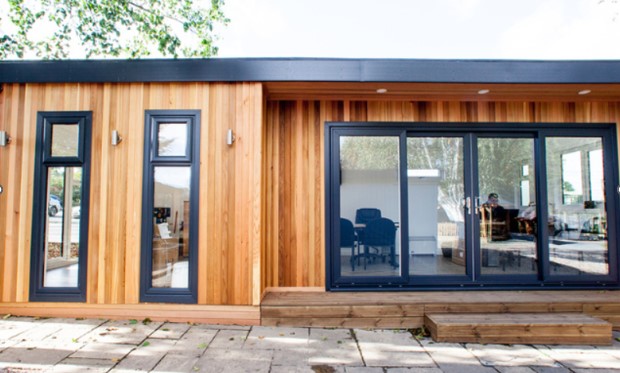
Every school is unique and has different needs. This is why you need a super flexible structure, so you can customise it to fit your school's personality and requirements. From the layout to the colour scheme, it's all in your hands. You can go wild with your creativity and create a space that reflects your school's vibe and values. You can choose the number of rooms, the size of each one, and even the configuration – it's like building your own educational paradise! Want big windows to flood the classroom with natural light? You got it. Fancy a cool outdoor deck for some fresh air learning? No problem. The possibilities are practically endless! Plus, the manufacturers understand that schools change over time. Maybe you need to expand in the future or reconfigure the rooms for a different purpose – not a big deal for modular structures. They're the shape-shifting transformers of education!

Mobility

Sometimes schools are expanding, relocating, or just trying to keep up with the changing educational landscape. If your school needs to move to a new location, modular classrooms are your trusty sidekick, ready to pack up and hit the road. It's like having a portable structure that you can take wherever you go! And this mobility doesn't mean you're compromising on quality. These structures are built to the same standards as traditional buildings, so you're getting durability, comfort, and flexibility all rolled into one. The mobility also means you can repurpose these classrooms. Need a new science lab or an art studio? No problem! It's like having a classroom that's always up for a makeover, no contractor needed.

Bottom Line

From their rapid construction that saves time and reduces disruptions to their cost-effectiveness eases the burden on school budgets, these modular classrooms have proven to be a game-changer. Their flexibility and customizability empower schools to create learning spaces that reflect their unique vision and adapt to ever-changing educational needs. Moreover, their sustainable design showcases a commitment to both student growth and environmental responsibility. These buildings embrace innovation and pave the way for a brighter future in education!

Read Also:

Shahnawaz is a passionate and professional Content writer. He loves to read, write, draw and share his knowledge in different niches like Technology, Cryptocurrency, Travel,Social Media, Social Media Marketing, and Healthcare.

View all posts

Leave a Reply

Your email address will not be published. Required fields are marked *

Related

Higher Educational Institution

Tips For Choosing The Right Higher Educational Institution

You must have heard that choosing a higher educational institution is one of the most important decisions of your life. It decides your future career and the path you will walk into the future. And in fact, it is true. However, it is the truth as well, where students select higher education based on emotions that vary from person to person. While emotion will not preclude you from making the right decision, such an important decision must go through scrutiny. If you are shopping around for colleges, you will come across a wide range of factors that will influence you to select a particular higher educational institute. Some of these factors are given below. Academic quality. Size of the campus. Campus safety., Choice of majors. Academic fees. And then there are your personal emotions. Key Things To Consider While Choosing Higher Education Programs Academics are important, but that is not everything. There are many things that go into a student’s mind while looking for a college for higher studies. For instance, if you are looking for a high-quality academic facility, colleges in Dubai will be better suited for you. However, if you are looking for convenience, something near your house will get the job done. The following factors might help you select the most appropriate higher education institution for you. Academic Quality The first thing every student looks for is the quality of education they can get from a higher education institute. Take time to find out what kind of educational culture you want. For instance, you look for how qualified the teachers are, whether the institute offers a positive school spirit, or whether it has a sense of community. Different people see academic quality in different ways. Find out what kind of academic quality you want and pursue to find an institution that caters to the same. Accreditation Before you select any colleges, ensure that the college is accredited. What does that mean? This means that the college you will be applying to has the license to provide academic solutions to students. If an institution lacks accreditation, stay away from this kind of institute. Most colleges will readily provide this information on their website or will use this as a marketing campaign to win students during the admission season. However, there will be institutes that will try to hide this fact as they do not have any license to show you. Geographic Locations Most students already know what they want, whether they will stay close to home or will find a good college in a different location. Well, this kind of scenario involves several variables. For instance, can you afford to go out, especially in an expensive city? Geographic location plays an important role in the selection of higher education institutions for students. Moving to a new place for higher education is a lot tougher than how enjoyable it looks. Size Of The Campus The size of the institution matters a lot. Why? With a big size, you will be able to choose your favorite major. It depends on whether they want to be a big fish in a small pond or a small fish in a big pond. It all comes down to comfort. Large colleges have more resources to offer. This can include campus facilities like housing, libraries, and other forms of entertainment. On the other hand, small colleges have plenty to offer. But that does not mean they are at a disadvantage. Some colleges choose to remain small to specialize in something. Cost Yes, other factors are important on a personal level. However, in some way or another, the cost easily trumps them all. There are many educational institutes that need substantial amounts of financial support. Of course, if you can get an academic scholarship, then that all changes. Colleges will look at a number of things, including SAT scores, GPA, volunteer work, and strength of schedule. SAT prep is one of the best ways to improve your chances of getting a scholarship. Because it is much easier to raise your SAT score than it is to raise your overall GPA and make up for lack of student activities. Questions To Ask On A College Tour Taking a college tour is one of the most fun parts of your path to higher education, but it also can be daunting. You want to make sure you ask the important questions so that you’re having the best experience and gaining the most out of your visit. Remember, picking a school isn’t just about how great their academics are. It’s essentially going to be your home for the next few years. Here are some top questions we suggest asking on your college tour! What are class sizes like? Are you looking to connect with your professors on a more personal level, or would you prefer to remain anonymous in a giant lecture hall? Do you work best in small groups?If so, it may be worth discovering the student-faculty ratio and average class size for your major at any college you're considering. 2. What support services are available? From academic advising to mental health support, it’s crucial to know what student services are available. Ask about tutoring programs, career counseling, and counseling services.You don’t want to be caught off guard when you need help! Knowing how well the college supports its students can make or break your college experience. 3. What's it like when you're not in class? It’s not all about academics!Getting involved in clubs and organizations on campus will keep you busy outside of the classroom and help you meet new people with similar interests. 4. How safe is the campus? Campus safety should be at the top of your list. Find out about crime rates, what security is like on campus, and emergency procedures.Is there anything in a place like blue light systems, cameras, or late-night transpiration? Feeling secure on campus is very important to enjoying your college years. 5. What are the Dorms Like? If you’re going to be living on campus, you’ll need to know where you’ll be sleeping at night. Are the dorms nice? How’s the food? What goes on in said dorms? Are they quiet or social, causing necessary sleep deprivation in your first year of college?So, by asking these questions to yourself you will be able to get inside visions that will help you to decide much better for your college. There you have it! Things to consider while choosing a higher educational institute. Here we have listed all the important factors that influence the students’ decisions. There are other factors as well, but those factors are more personal than generic. Read Also: 7 Reasons Why Online Education is Very Popular Workload Survival Guide for Academics Why are More People Heading to Online Colleges? 3 Reasons Why Online Degrees Are Better

READ MOREDetails
Business Management Diploma Best Practices

Unlocking Success: Business Management Diploma Best Practices

In today's rapidly evolving business landscape, a solid foundation in business management is crucial for professionals aiming to climb the ladder of success. As industries become more competitive and complex, individuals must equip themselves with the right skills and knowledge to navigate challenges and seize opportunities. One effective way to do so is by pursuing a Business Management Diploma. This blog will discuss the best practices for unlocking success through a Business Management Diploma. So, make sure you stay connected. Beginning With A Business Management Diploma…  To start with, the curriculum of the advanced course on the Business Management Diploma is a comprehensive introduction to the business sector. It covers a range of domains like finance, marketing, strategic management, operations as well as human resources. Such breadth ensures that a student can gain an overall insight into the multifaceted business landscape.  The advanced program on strategic management discovers the depth of strategic thinking. It offers participants with tools and frameworks that help them to analyze complicated business environments. By examining real-case scenarios, a student gains a broader perspective and might leverage these lessons in their day-to-day activities.  What Are The Best Practices For Business Management Diploma?  The Internet is literally flooded with guidelines for best business management diploma practices. And it is fairly easy to lose your mind. Hence, to give you a clear idea, here are some of the most efficient practices needed to excel in a business management diploma. Check them out here: Setting Clear Goals Before embarking on any educational journey, it's essential to define your goals. Are you looking to enhance your job performance, switch industries, or even start your own business? A clear understanding of your objectives will help you tailor your diploma program to meet your specific needs. This ultimately ensures that you acquire relevant skills and knowledge. Goals are important so that you do not regret anything once your course has reached its initial stage. If you are clueless about what to choose, seek help from professionals.  Selecting The Right Program With several diploma programs available, it’s crucial to choose one that aligns with your goals and interests. Research and compare different programs, considering factors such as curriculum, faculty reputation, and program duration.  Opt for a program that offers a well-rounded education covering vital aspects of business management like finance, marketing, operations, and leadership. Programs act as educational aids when your course becomes difficult at some point in time.  Time Management Balancing work, personal life, and studies can be difficult. Effective time management is a skill you’ll need to master throughout your diploma program. Create a study schedule that accommodates your commitments, and stick to it.  Prioritize tasks, break them into manageable chunks, and tackle them systematically. By mastering time management, you’ll ensure you’re able to fully absorb the knowledge and skills being imparted. Because toppers are not made overnight, they have to excel in qualities like time management.  Active Participation Passive learning rarely leads to optimal results. Actively engage with your course materials. Participate in discussions, ask questions, and seek clarification as required. Real-world applications of theories are often better understood through discussions and group projects.  This fosters a deeper understanding of the subject matter. As a part of your educational curriculum, participation in co-curricular activities is needed.  Networking Opportunities One of the most valuable aspects of pursuing a diploma is the networking opportunities it offers. Interact with fellow students, faculty members, and guest speakers. Through educational programs, you get the chance to interact with people all over the world.  Exchange ideas, experiences, and insights that can expand your horizons. Your career prospects can be significantly improved by networking since it can lead to collaborations, job opportunities, and mentorship.  Practical Application Theoretical knowledge is only as valuable as its practical application. Seek opportunities to use what you’ve learned in real-world situations. Many diploma programs offer internships, case studies, or projects that simulate business challenges.  Embrace these opportunities to gain hands-on experience and develop problem-solving skills. You never know when these programs can land you your dream job! Continuous Learning Completing a Business Management Diploma doesn’t mark the end of your learning journey but simply the beginning. The business world is dynamic, and staying up-to-date with the latest trends and developments is essential. Engage in ongoing learning by attending workshops, webinars, and industry conferences. Increase your chance of getting a higher-paying job by taking a project management diploma online on top of your business degree. Consider pursuing advanced certifications to further specialize in areas of interest. Continuous learning is important when it comes to gaining success with a master-level program like a business management diploma. Adaptability And Resilience Success in business management requires adaptability and resilience. The strategies and techniques you learn today may need to be adjusted tomorrow due to changing market dynamics. Embrace change and adopt a flexible mindset.  Challenges will arise, but viewing them as opportunities for growth will set you apart as a capable and determined professional. And you always have a backup of your teachers, professors, and mentors- so there is nothing to worry about! Seek Feedback Constructive feedback is a powerful tool for improvement. Seek feedback from professors, peers, and mentors throughout the diploma program. Constructive criticism can help you refine your skills and approach.  By addressing areas of improvement, you’ll ensure that you’re constantly evolving and enhancing your capabilities. In the professional field, success is measured by your willingness to improve yourself. Conclusion The Advanced Diploma Degree in Business Management is more than just a regular educational program. It has a lot more to offer. Individuals get the ability of knowledge and skill implementation, which makes them even brighter for upcoming challenges. Follow these best practices, and you’ll be on your way to unlocking your full potential in the business management realm. So, that’s a wrap on this comprehensive guide. I hope you achieved an overall idea of why this course can be a great addition to your scholar life. But there’s more to it! Consider adding a few comments below and communicate your ideas to us. Until then, keep learning and keep growing! Read Also: Why Is Mentoring Important In Leadership? Five Essential Qualities That Define Great Leadership Develop Your Organizational Leadership Skills with an Associates of Science Degree

READ MOREDetails
eLearning Course

4 Factors to Consider When Making a Great eLearning Course

The efficiency of online learning is not in question. And everyone creating a course of their own today know to make it simple, informative, and clear. However, there is a difference between a good eLearning course and an excellent one. These factors are what make that difference. 4 Factors To Consider While Making An eLearning Course eLearning Course is different than the regular educational course. In the eLearning course, you have to make your course more attractive than the traditional course. As you are not using the pen and pepper you have to design your course with a more student convenient approach. Here are four tips that are going to help you to make your robust eLearning course. 1. Make your visuals engaging instead of distracting : Visuals are an invaluable part of an eLearning course because they help memorize information better. Psychology Today lists quite a few studies that explain how and why human brains rely on visual input for memorization and information processing. However, they fail to caution how this can have a negative effect on your course. The trick here is to choose the right kind of visuals. Otherwise, your learners might lose their focus and get distracted from the lesson. The ‘rule of thumb’ here is to use only the graphics that enhance the course. If you aren’t 100% sure that the video/picture/infographic helps people learn the subject better, leave it out. Remember that the visual design of the course also needs to be considered. Go for practicality here and discard any backgrounds, animations, and other visual details that don’t contribute to the educational value of the course. 2. Get the course localized for foreign learners : When developing a great eLearning course targeting different cultures, you’ll need to have it localized. It’s not only about the language, so you can’t use some translation software to ‘convert’ the content. Localization is about adapting the material in a way that will make it more understandable to the targeted audience. This means changing the language as well as adjusting some points to make them more clear in the context of the local culture. The difference between translation and localization is subtle and can be understood by professionals only. That’s why you should seek the services of an experienced company that can offer a truly comprehensive package of localization alongside its eLearning translation. 3. Engage learners through rewards : When you work in a classroom setting, you can complement your learner's and otherwise offer positive encouragement. However, eLearning lacks the ‘personal’ approach, so you’ll have to engage them in different ways. Offering rewards is a great method of keeping people motivated, so says research. A great eLearning course should not only have its inner system of assessment that will allow learners to earn points (add extra points for special achievements). It also should be integrated with social media. This way, you’ll give your learners a chance to share their successes and progress with their friends. Although not a ‘reward’ in the common sense of the word, this feature will be as good for motivation as offering a cookie for right answers on a quiz. 4. Keep it short : The most important things that you need to understand about today’s learners are that they are impatient and short on time. This means that you have to offer information on ‘small bites’ to keep them engaged. It might be best to develop a series of short courses that’ll take no more than 6 hours per week. Organize them in a way that’ll allow learners to start using their new knowledge between the courses to motivate them to learn even more. Conclusion: These four tips are going to help you to design an eLearning Course. If you have an idea about your audiences and the target of your audiences. Then your course design will become more robust. So what is your opinion? Do not forget to share your opinion in the comment section. Read More : 1. 5 Questions To Ask Yourself While Finalizing An E-Learning Platform For Quality Education 2. Things To Consider Before Finalizing An Online Barber Training School 3. Have an Assignment Problem? Try Assignment Help Online

READ MOREDetails