











What Makes A Good Golf Course?

Published on: 28 June 2023 Last Updated on: 29 July 2024
Makes A Good Golf Course
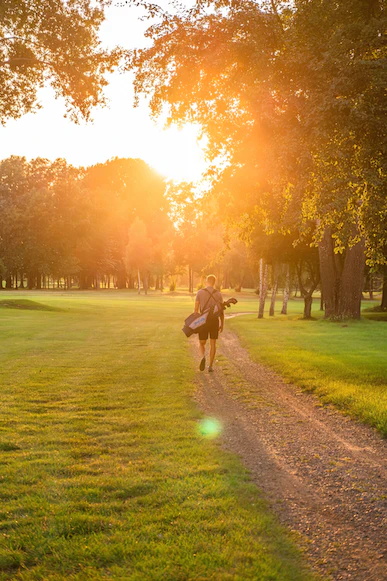
As golfers step onto the lush fairways, they embark on a journey that intertwines skillful swings, strategic decision-making, and a deep connection with nature, creating an experience that goes beyond just thinking about golf bags.
A good golf course is more than just a stretch of land with neatly trimmed grass and manicured greens; it is a harmonious blend of design, maintenance, and sustainability. It captures the essence of the sport while simultaneously embracing the natural surroundings, offering players an immersive experience that transcends the mere act of hitting a ball into a hole. In this article, we dissect the elements that contribute to the making of a truly exceptional golf course. From intricate design considerations to meticulous maintenance practices, we delve into the key factors that elevate a golf course from good to extraordinary.

12 Characteristics Of A Good Golf Course

A good golf course is more than just a place to swing a club and hit a ball. It is a harmonious blend of design, maintenance, and natural elements that come together to create an extraordinary experience for golfers of all skill levels. As we explore the twelve traits of a good golf course, we will delve into the aspects that contribute to its greatness. From the strategic placement of hazards to the quality of the fairways and greens, each characteristic plays a crucial role in shaping the course's identity and allure.

Intelligent Architectural Planning

At the heart of every remarkable golf course is a meticulously planned architectural design. This design integrates both aesthetics and function, keeping in mind factors like topography, wind direction, sunlight, and other environmental aspects. The intelligently planned course has a flow to it that naturally guides players from one hole to the next with an intuitive sense of direction while showcasing the property's most picturesque spots. This is the first and most important aspect for every golf course architect to consider, as it is the big picture that guides towards the small things that once again build this image of greatness.

Grading And Earthwork

A golf course’s grading and earthwork balance natural contours with artificial shaping to enhance playability and aesthetics. And hand in hand goes the well-executed earthwork that can make a course more interesting, challenging, and visually appealing. There is a lot of misinformation on the technicalities of the internet. You must get help from experts like The Left Rough. It's through skillful earthwork that the architect can sculpt the terrain to form engaging landscapes, dramatic vistas, and golfing challenges. It's an aspect that contributes significantly to the overall golfing experience by adding layers of visual depth, difficulty variation, and unique character to each hole.

Grass And Greenery

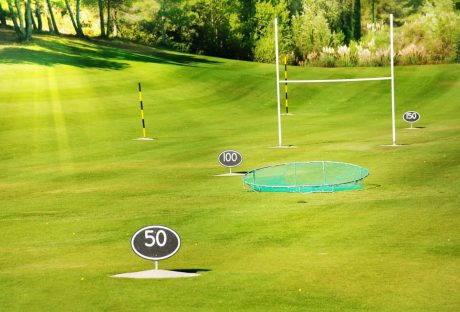
When you imagine a golf course, an inevitable thing that always prevails is the green grass, stretching as far as the eye can see. The quality and condition of the grass are essential components that contribute to the overall experience of a golf course. There are different grass varieties commonly used on golf courses, each with its own characteristics and suitability for specific climates and conditions. One of the most popular grass types for golf courses is Bentgrass, which provides a smooth and consistent surface for putting greens. Beyond the grass itself, the presence of trees, shrubs, and flowers adds an extra layer of beauty to a golf course. Thoughtfully placed vegetation can enhance the course's aesthetics, provide strategic considerations, and offer a sense of tranquility.

Irrigation

Irrigation is a critical aspect of maintaining a good golf course, ensuring the health and vitality of the turf and vegetation. An adequate water supply is essential to promote optimal growth, prevent drought stress, and maintain consistent playing conditions throughout the course. Sprinkler placements, water pressure, scheduling, and efficient irrigation systems are all crucial components in ensuring effective water distribution and usage on a golf course. By integrating effective irrigation practices into course management strategies, golf courses can achieve optimal playing conditions, preserve water resources, and contribute to the long-term sustainability of the sport.

Natural Design

Natural Design The best golf courses work with the environment rather than against it. The natural design capitalizes on existing features of the landscape—be it a copse of trees, a meandering stream, or rolling hills—to add intrigue to the course. A course that respects its natural surroundings will also tend to be more sustainable naturally, rather than enforcing the struggles of the workforce to preserve and maintain the scenery.

Scenery and Landscape

A captivating backdrop can make a golfing round an unforgettable experience. The integration of water bodies creates a peaceful and more pleasurable experience, also reflecting the sky, adding up to the entire moment The integration of wildlife in the bushes levels up the entire golfing experience. By hearing the birds sing or spotting a fox hiding in the bushes, golfers feel renewed in each other swing. Also, it’s a way to attract a larger audience rather than professional golfers Panoramic views serve as a constant visual feast for golfers as they navigate the course. The distant mountain ranges, azure seas, or sprawling forests provide inspiring backgrounds and a sense of serenity..

Superb Maintenance

Maintenance is an integral part of ensuring that a golf course remains in pristine condition, providing players with an exceptional experience. Superb maintenance practices encompass a wide range of tasks, including:
  • Regular aeration: Aeration is a vital part of golf course maintenance that promotes healthy turf by allowing water, oxygen, and nutrients to reach the grassroots. This process, often done by punching small holes in the greens or fairways, helps create resilient and robust playing surfaces that can withstand heavy use and weather changes.
  • Proper mowing: Mowing has a profound impact on how a golf ball behaves on the course. The height and consistency of the cut can influence ball roll and lie, affecting shots from the tees, fairways, roughs, and greens.
  • Pest control: Implementing effective pest control measures is crucial to maintaining the health and aesthetic appeal of a golf course. Pests, whether they be insects, rodents, or weeds, can cause significant damage to the playing surface and undermine the golfers' experience. A pest management strategy that minimizes the use of harmful chemicals protects the natural environment, and ensures the course remains in top condition is highly recommended.
  • Bunker maintenance: Bunkers are not just hazards on a golf course, but they are also significant visual elements. Maintaining their shape, ensuring the consistency of the sand, and preventing contamination from outside debris are essential aspects of bunker maintenance.

Reasonable and Diverse Challenges

A golf course should provide a range of challenges that test a player's skill and strategy without being overly frustrating. All elements, such as bunkers, water hazards, roughs, and elevation changes should be well-positioned to challenge seasoned players, while still offering less experienced golfers the chance to improve their game.

A Variety of Holes

The variety of holes on a golf course adds an element of surprise and challenge, making each round of play unique and engaging. The following factors contribute to the variety of holes on a golf course
  • Style: The style of a hole can dramatically influence how it's played. For example, straight holes, doglegs (where the fairway bends left or right), or island greens (where the green is surrounded by a water hazard) each present a unique challenge and demand different strategies from the player.
  • Length: The length of a hole can dictate the choice of club and approach to playing it. From short par-3 holes that require precision, to long par-5 holes that reward power and placement, variety in length adds depth to the game.
  • Par: The par of a hole—the number of strokes a skilled golfer is expected to take—provides a benchmark for golfers to gauge their performance. A mix of par-3, par-4, and par-5 holes across a course ensures a diverse range of challenges and opportunities for players to test their skills.

Availability and Flexible Scheduling

Accessibility is a crucial component of any good golf course. Offering flexible scheduling allows players of all kinds, from the early birds to the twilight golfers, to enjoy the course. Online booking and clear communication about availability can make all the difference to players juggling their love of the game with their daily lives.

Membership With Unique Benefits

Exclusive benefits can enhance a golfer’s experience immensely. For instance, a Links Golf membership provides players the exclusive right to play at some of the courses, along with other discounts on services and access to special events. These perks can foster a loyal community of golfers and elevate the club's overall atmosphere.

Comfort

Player comfort is paramount on a good golf course, encompassing more than just the course itself. It extends to every aspect of the golfing experience, including the clubhouse, locker rooms, practice facilities, and even on-site restaurants. A comfortable environment where players can relax before or after a game, offering amenities like shoe cleaning services, comfortable seating, quality dining options, and well-maintained facilities all contribute to the overall golfing experience.

Summary

A good golf course is a harmonious blend of design, maintenance, and natural elements that come together to create an extraordinary experience for golfers. It requires intelligent architectural planning, grading and earthwork, quality grass and greenery, efficient irrigation, natural design, captivating scenery and landscape, superb maintenance practices, reasonable and diverse challenges, a variety of holes, accessibility and flexible scheduling, unique membership benefits, and player comfort. By incorporating these characteristics, a golf course can elevate the game and provide a memorable experience for players of all skill levels.

Read Also :

Abdul Aziz Mondol is a professional blogger who is having a colossal interest in writing blogs and other jones of calligraphies. In terms of his professional commitments, he loves to share content related to business, finance, technology, and the gaming niche.

View all posts

Leave a Reply

Your email address will not be published. Required fields are marked *

Related

Tee to Green Golf Signages-min

From Tee To Green Golf Signages

Tournaments or hosting a party on a golf course can be a great way to do fundraising, charity events, and make friends. Competitions are entertaining for everyone involved and the funds are generally donated for excellent humanitarian causes. See more about these events on this site here. However, guests may get lost while they are trying to navigate big and wide grass fields. Others may get bored, disappointed, and confused and this is where proper signage becomes essential when you’re the one responsible for the party or game. What Are The Options You Have? 1. Custom Tents Do some brand introductions with the help of mini huts where guests can stay. They can be in the form of tents where the merchandisers are or drinks bars that are visible across the field. Some will use them for the shade and to get away from the sun but you’ll find that the pop-up canopies are going to have functional values by introducing the major sponsors and the big companies that made the gathering possible. Sell food, drinks, and shirts while you’re at it and attendees can enjoy a cold lemonade while watching their favorites doing their swings and getting an ace. Custom-made them by the right manufacturers so everyone will know where to go when thirsty or hungry. 2. Directional Signages Wayfinding signs are very helpful in tournaments and celebrations. They will help the attendees find their way to the bathrooms, meetings, and seating areas without asking a lot of questions. Visit sites like From Tee to Green that provide etching, visible yardage, and cart paths to your desired areas. They will also have colorful texts that will capture the attention of even the most uninterested viewer so they can go to their desired areas in the most seamless way possible. Aside from the clear directions that they provide for tournament guests, these signs will also be helpful in labeling various buildings and campgrounds in the area. There might be signs where mothers can rest with their children, VIP and off-limit rooms, restaurants, smoking sections, and parking lots that will make it easier for individuals to know their way around if they want to get more comfortable. 3. Interesting Flags Want to capture interest with signs that won’t be distracting for the viewers? Then flags might be the right fit for you because everyone can see them, but they act as accents on the grounds. Some manufacturers may create a very appealing element of fun with a wide range of palettes and sizes available so you’ll definitely find those that will be a good addition to your event. Festive flags will make a lot of people relax and they are associated with parties and feasts. Individuals will have an excellent time while they are on the course and with the laid-back looks of the flaps, everyone may have a more relaxing vibe and actually enjoy the charity event or friendly tournament. With their surface areas, these flags will give you the option to add several graphics, logos, and designs that can better promote a company. After the last hole has been played, most people will start going to the parking lot. However, the solid designs and hues of the flags will create a vivid memory in their minds. They are always blown by the wind, are dynamic, and you can easily place them in a pole anywhere you want. See hilarious signs at this link: https://clubhouse.swingu.com/lifestyle/top-10-unusual-golf-signs/. 4. Banners  Customized steps and repeat backdrops are going to promote various companies and important people while their representatives can take a picture while they are on display. It’s going to be cheaper for many organizers since they’ll be able to show a limitless number of brands on screen. These banners have the power to entice advertisers and they are very engaging to the right audience. You can appropriately use them on the golf course, and encourage the guests to take selfies with them, and they have the ability to withstand harsh weather conditions. You can accessorize it with aesthetics and various providers will add laminates to ensure that the materials will be resistant to chemicals and abrasions. 5. Welcome Posts Start everyone’s day with the right impression and this can be achieved by a banner welcoming them to the tournament. Let everyone know that they can see their favorite brand ambassadors and players if this is applicable. This should be displayed at the most prominent place or at the entrance where everyone is aware of who they can look forward to at the party. Get this seen in places where the teeing off begins to make the match more exciting and worth the guests’ time. 6. Digital Signage LED lights will also attract everyone so they can see the scores and the information about the tournament. Displaying the leaderboard will also work with the digital signs and they are also a must-have in any sports events. Customize them and assign them to key locations where the spectators will know what’s going on at all times. They should also be adjustable with a single click from a computer operator below them. Read Also : The Role Of Golf Swing Launch 5 Proven Ways To Improve Your Bowling The Importance Of Sport To Recommendations For Winter

READ MOREDetails
Tennis Courts

The Ultimate Guide To Tennis Courts Serving Up The Basics

Tennis, a sport that combines elegance and athleticism, has captivated players and fans for generations. At the heart of this beloved game lies the tennis court, a meticulously designed surface that plays a pivotal role in the sport's essence. In this comprehensive guide, we will explore everything you need to know about tennis courts toronto, from their history and types to maintenance and playing techniques. So, grab your racket, and let's dive into the world of tennis courts. Tennis, often referred to as the "sport of kings," is not just about swift movements and powerful strokes; it's also about the stage upon which this elegant battle unfolds – the tennis court. Let's journey through the history, types, dimensions, and everything else that makes a tennis court an integral part of the game. A Brief History of Tennis Courts Tennis courts have a rich history that dates back centuries. Originally played on grass, the sport evolved over time, leading to the development of various court surfaces. It's fascinating to see how these surfaces have influenced the game's dynamics. 🎾Types of Tennis Courts Tennis is something players can play on multiple surfaces. All the surfaces have different characteristics and impact the style of play and the natural ability of the players. However, the most common types of tennis courts are as follows:  Grass Courts Grass courts are the most traditional type, known for their lush green appearance and fast play. Wimbledon, the most prestigious tennis tournament, is played on grass. On this surface, playing tennis is most pleasurable, and the ball does not bounce too much. A player has to get the ball more quickly on grass courts than others. Clay Courts Clay courts offer a slower pace and are favored for their unique characteristics. The French Open is a prime example of a clay court tournament. Since they are mostly made of brick, stone, or crushed shale, the surface might slow down the movement of balls. Consequently, there is a high and slow bounce.  Hard Courts Hard courts provide a consistent and medium-paced playing surface. The US Open utilizes hard courts, showcasing the game’s versatility. As the name implies, a hard court is usually made up of rigid and uninformed materials. This particular surface is quite popular as it provides a good even, and positive playing experience.  Artificial Grass Courts These synthetic courts mimic the feel of grass while offering durability. They are often chosen for recreational play. The synthetic appearance is not only smooth to see but also to play. The ball moves very quickly and mostly remains low. However, it is also a great surface for all types of players, and they can even learn a lot here.  Court Dimensions and Markings: Maintaining Tennis Courts Understanding the dimensions and markings on a tennis court is crucial for both beginners and professionals. Proper court markings ensure fair play and adherence to rules. The choice of equipment in tennis can significantly impact your game. From rackets to tennis balls, it’s essential to know the ins and outs of these tools. Maintaining a tennis court is vital for ensuring its longevity and safety. Regular cleaning, repairs, and resurfacing are part of the court’s upkeep. Related: What Do Ad-in And Ad-out Mean In Tennis? 🎾Playing Techniques Almost all levels of the tennis game include six basic strokes. Starting from the serve to the forehand and backhand groundstroke, there is so much more to this. Let’s give you a quick look here:  The Serve Mastering the serve is the gateway to a strong tennis game. It’s the only shot in which you have complete control, making it a powerful weapon. Since it is one of the most complex tennis strokes technically, several players struggle with it. Hence, learn to master it primarily.  Groundstrokes Groundstrokes are the bread and butter of tennis. Learn how to hit forehands and backhands with precision and power. To define groundstrokes, these refer to backhand and forehand strokers that hit the ball after it bounces in the court. One can play them from literally anywhere.  Volleys Netplay is an art in itself. Basically, volleying refers to an offensive play style where you look to aggressively shorten balls and get quick points. Here, the player mainly reduces the time of their opponents to get a reaction, move, or recover from the previous actions. It is further subdivided into forehand and backhand volleys.  The Lob The lob is a tactical shot that can turn the tables on your opponent. Learn when and how to execute it effectively. In tennis, this shot mainly aims to push the ball deep and high into your opponent’s court. It might be referred to as a defensive shot and might have close associations with the offensive shot.  The Drop Shot The drop shot is a finesse shot that can catch your opponent off guard. Add this to your repertoire for a versatile game. This shot is used strategically to bring opponents to the net when they are not too comfortable. It is mostly effective when the opponent is just recovering from the previous smashes.  Tennis Court Safety Safety is paramount when enjoying a game of tennis. Understanding how to prevent injuries and stay safe on the court is essential for players of all levels. Consider the following safety tips: Acquire a sports physical right before initiating any training program. Remaining in good shape before opting for the play. Indulge in warming up and stretching before your matches or even practices to prevent unprecedented injuries.  Choosing the Right Tennis Court Whether you're a casual player or a serious competitor, selecting the right tennis court can make all the difference in your game. We'll provide guidance on making the best choice for your needs. In conclusion, tennis courts are the canvas upon which the sport's magic unfolds. Understanding their history, types, dimensions, and maintenance is crucial for players and enthusiasts alike. So, next time you step onto the court, you'll have a deeper appreciation for the ground beneath your feet. Read Also: Football Tricks You Should Know 5 Snowboarding Tips For Beginners Play the Puck at Home the Way You Do at the Rink

READ MOREDetails
Who Owns The NFL

The Billionaires’ Club: A Look At The Wealthy Owners Of The NFL

An elite club is hidden behind the most played game in the country. It currently requires billions of dollars and the consent of the majority of its members to join. The National Football League's 32 teams are home to fierce supporters, elite players, and endless quarterbacking on Monday mornings. If your NFL team wins a Super Bowl, you can lift the Vince Lombardi Trophy, and if you don't, fans will drag you off the field. But you will always be profitable, win or lose. A sizable portion of your income is already guaranteed, primarily from the rich broadcast rights that are divided among all teams. Sales of tickets and sponsorship agreements will put a little more money in your pocket. According to Michael MacCambridge, author of "America's Game: The Epic Story of How Pro Football Captured a Nation," an NFL team is the ultimate collectible item, "more satisfying than the most expensive sports car or wristwatch you can imagine." There will be a new team in one owner's box following the sale of the Washington Commanders, which happened recently for a record $6.05 billion. So who owns the NFL? Is there just one or a whole club? Here we have all the details. Who Owns The NFL? There are 32 teams in the NFL, and here are a few noteworthy. Check out if your home team is on the list: Arizona Cardinals: Michael Bidwill Image Source: arizonasports.com 58 years old History of ownership: In 1933, Charles Bidwell, his grandfather, purchased the Cardinals. In 1971, his father acquired sole ownership of the team, which he inherited in 2019. Other highlights of his career included serving as a federal prosecutor in Phoenix, Arizona, for six years. Baltimore Ravens: Steve Bisciotti Image Source: static.clubs.nfl.com [Age] 63 History of ownership: He paid $300 million for 49% of the Ravens in 2000 and $600 million for the remaining 51% in 2004. Other notable achievements in his career include founding the technology and aerospace staffing company Aerotek and the talent management company Allegis Group. Buffalo Bills: Terry And Kim Pegula Image Source: www.ctvnews.ca Terri (age 72) and Kim (age 54) History of ownership: In 2014, the Pegula family paid $1.4 billion to acquire the Buffalo Bills. Other highlights of his career: Terry's investments in natural gas and oil allowed him to amass a fortune. (He made an estimated $6.5 billion when he sold East Resources in 2010. Carolina Panthers: David Tepper Image Source: static.clubs.nfl.com 65 years old Past ownership: In 2018, he paid $2.2 billion to purchase the Carolina Panthers. Additional highlights of his career include founding and serving as president of the hedge fund Appaloosa Management. Chicago Bears: Virginia Marion Halas McCaskey 100 years old History of ownership: Her father, George Halas, the founder and owner of the Chicago Bears, left her the team. Other highlights of her career: The Bears franchise has dominated her life. Cincinnati Bengals: Mike Brown Image Source: cloudfront-us-east-1.images.arcpublishing.com 88 years old History of ownership: After his father passed away in 1991, he inherited the team, but his father, Paul, did not hold the majority. In 2011, Mike paid $200 million to acquire an additional 30% of the team's shares, granting the Brown family the majority. Additional career highlights: He has worked for the franchise for the majority of his career. Cleveland Browns: Dee And Jimmy Haslam Image source: static.clubs.nfl.com (Dee and Jimmy) Age: 69 History of ownership: In 2012, the Browns were bought by the Haslams for $1.05 billion. Additional professional highlights include Jimmy's role as CEO of Pilot Flying J truck stop chain and Dee's role as RIVR Media's founder and executive producer. Detroit Lions: Sheila Ford Hamp Image Source: staticg.sportskeeda.com 71 years old History of ownership: In 2020, she succeeded her mother, Martha Firestone Ford as the primary owner. In 1963, her father, William Clay Ford, Sr., bought the team. Other highlights of her career included being a stay-at-home mother to her three sons and supporting her mother when Martha took over the Lions in 2014. Green Bay Packers: Green Bay Packers Inc. Image source: static.clubs.nfl.com Since 1923, the Packers have been owned by the public for the past century. A total of 5.2 million shares are available, with a maximum holding limit of 200,000 shares per person. Sports Illustrated says, "This isn’t your average stock. There’s no profiting off shares. No lucky Green Bay fan will get rich off the team’s next Super Bowl win because the stock pays no dividends and isn’t tradeable or saleable." Jacksonville Jaguars: Shahid Khan Image Source: nypost.com 73 years old History of ownership: In 2011, he paid $770 million to acquire the team. Other highlights of his career included buying his former employer, the auto parts supplier Flex-N-Gate, and designing a successful one-piece truck bumper. None Of The Owners Are Black The absence of Black principals who owns NFL has drawn criticism. Diversity is lacking at all levels of leadership in a league where, in the 2022 season, 58% of the players were Black. Three of the head coaches entering the 2023 campaign are Black. However, there are a few select partners, such as former athletes Warrick Dunn of the Falcons and John Stallworth of the Steelers. Tennis players Serena and Venus Williams supported the Dolphins. Wrapping Up America's favorite sport will once again dominate TV coverage starting tonight with the National Football League (NFL) season and continuing until the Super Bowl in February. The NFL made almost $12 billion in revenue in 2022, and this season will likely see even more of an increase. We at Town & Country were intrigued by the select group of extremely wealthy individuals who have the privilege of being NFL team owners."In American capitalism, there are very few golden tickets and certainties," Big Game: The NFL in Dangerous Times author Mark Leibovich stated to the Washington Post. However, owning an NFL team is about as certain as it gets because it indicates that "you're printing money." If you have thoughts to share or questions to ask about who owns NFL, please leave a comment below. We would love to hear from you! Learn More About: 3 Things That All Sports Clubs Should Have The Ultimate Guide To Tennis Courts Serving Up The Basics American Football’s Seemingly Complicated Rules Explained

READ MOREDetails