











Published on: 18 March 2017
Last Updated on: 29 October 2024
When it comes to planting your garden, perhaps you love nothing but the joy of rooting, tilling, and otherwise nourishing your plants and flowers to grow to be amazing and beautiful. Really, you are passionate about gardening, and would not trade the experience for anything.
That said, perhaps you have experimented with tons of different types of gardening, from hydroponics to indoor planting. This time around, you are probably curious to take on planting flowers…on the street.
While you might find it to be a piece of cake, there is a certain art to it, and we are here to help you out! Read on to learn more in this article on how to design an amazing flower street garden. Pretty soon, you will be well on your way to an excellent garden that you can show off to your family and neighbors.
Without further ado, let’s get started!
How to Design an Amazing Flower Street Garden
First things first, it is necessary to take some time to research just how you are going to start your flower street garden. It is not just a matter of rushing into doing so, but rather taking the time to yield great results. Trust us: in the end, it will all be worth it. Here are three, simple steps to follow:
1. Select your plants and flowers
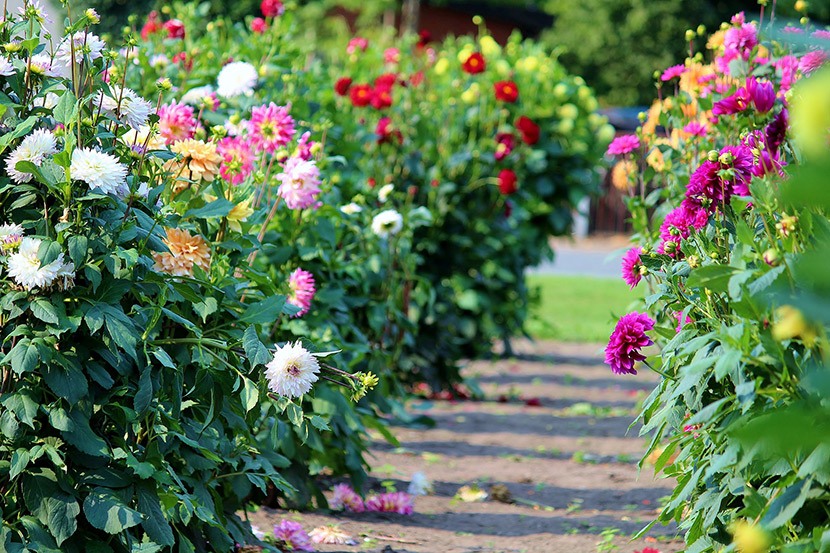
Aside from choosing plants and flowers that look aesthetically-pleasing and color-coded with each other, it is also a matter of choosing some which can co-habit together peacefully.
In other words, you need to select plants and flowers that can grow well without having to fight for the same nutrients in the soil, let alone fertilizer.
Really, competition can be fierce for some of them, which can end up leading not only to inadequate nutrients being distributed unevenly but also inadequate growth on both parts of the plants and flowers.
For instance, zinnias and geraniums go well together, both in terms of being planted together and color-scheming. Another good one to refer to is that of Melampodium and shrub rose, which add that extra pop to your home curb appeal.
2. Keep them orderly
Paradoxically speaking, this point is both about keeping your street garden limited just to a few plants and flowers, but also diversifying them for an aesthetically pleasing sight.
What do we mean by this? In other words, it is advisable not to go crazy with too many different species of plants and flowers within a given plot of land, considering that, again, they will have to compete for nutrients (which can affect how they grow), as well as create a hodgepodge of all sorts of species which can make it look a bit too disorganized and detract from its attractiveness.
That said, a rule of thumb is to plant just a few varieties: we recommend planting no more than ten sorts of perennials, five kinds of shrubs, and two types of trees. Again, strike a balance between color scheme and practicality, and doing so will make all the difference when it comes to the beautiful results of your street garden.
3. Maintain them regularly
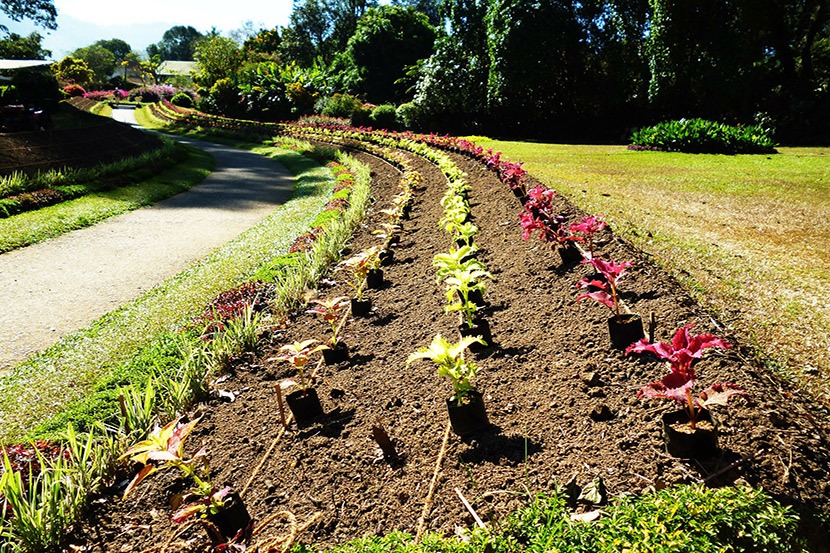
Finally, it is a matter of just getting around to planting and nourishing your plants and flowers along the side of your street. Besides just the basics of watering and giving them enough sunlight to flourish, you will also have to maintain it regularly with appropriate fertilization and pruning from time to time, especially if you are growing plants and flowers that tend to get quite thick and heavy with foliage and so forth.
Hence, for the latter, it is a good idea to have at least a prune tool around to make it easier (and safer) to efficiently keep the plants and flowers under good maintenance. From shears to pole saws to lawnmowers, pruning tools come in all sorts of shapes and sizes, so it is essential to know which ones are the best for the type of pruning you need to do.
*bonus* Give them love and care. While this point sounds corny, it is important nevertheless to care for your plants and flowers like they are your own children.
Doing the basics such as watering, fertilizing, and pruning is a good start, but to take it above and beyond to keep them safe from harsh weather and investing in safety fences to keep out pests and other sources that might otherwise damage, will make the street garden even more lovely and happier.
For an idea of what to expect for street gardens, check out this video here:
Overall, street gardening is an interesting concept that is not a bad idea to consider, should you be passionate about planting flowers, in general. With the right amount of tools and planning, you should be able to create an amazing and attractive street garden to call your own.
Abdul Aziz Mondol is a professional blogger who is having a colossal interest in writing blogs and other jones of calligraphies. In terms of his professional commitments, he loves to share content related to business, finance, technology, and the gaming niche.
If there is one thing that most people try to know after searching for the legalities of growing weed, it is about “how to harvest weed?”
If this is something that you are searching for, I have you covered!
You see, weed, or marijuana, is a controversial plant to talk about. You might want to grow it for medicinal and recreational purposes. But the “What if people...” thoughts might put you off! This is because harvesting or growing weed is not like harvesting potatoes. There are several other things associated with the same.
But don’t you worry, my friend! If you are trying to search for the best ways to harvest weed, both indoors and outdoors, you need to look no further! Keep on reading this blog till the end to learn more...
Is Growing Marijuana Legal?
Marijuana, also known as cannabis, weed, pot, or ganja, is a plant that contains several psychoactive compounds. It can alter one's mood, cognition, and perception. Marijuana has been used for several reasons and purposes for thousands of years, ranging from medicinal to spiritual.
But its legal status has been a matter of debate and controversy in many countries. So, is growing marijuana legal?
The answer depends on where you live, how much you grow, and what you use it for. In some countries, such as Canada, Uruguay, and South Africa, growing marijuana for personal use is legal or decriminalized as long as you follow certain rules and regulations.
In other countries, such as the United States, Australia, and the Netherlands, growing marijuana is legal or tolerated in some states or regions but illegal or restricted in others. In many countries, such as China, India, and Saudi Arabia, growing marijuana is illegal and punishable by harsh penalties, regardless of the amount or purpose.
Various factors, such as the potential benefits and harms of marijuana use, the social and cultural attitudes towards marijuana, the economic and political interests of different groups, and the international treaties and agreements on drug control influence the legal status of marijuana.
The legal status of growing marijuana is also subject to change as new laws and policies are enacted or revised and further research and evidence are presented.
Growing marijuana is a complex and controversial issue that has no simple or universal answer. The best way to find out if growing marijuana is legal in your area is to consult the relevant authorities and sources, and to be aware of the risks and consequences of your actions. Remember, just because something is legal, does not mean it is safe, ethical, or advisable.
When Should You Plant Weed?
Spring is here, and you know what that means: it's time to get your marijuana seeds ready for planting outdoors.
This is the most important crop of the year because you can get the biggest harvest of all.
Some old-timers like to plant their seeds on the first full moon of March. They say this way, the seeds get some light at night and don't grow too tall too fast.
But sometimes, it's still too chilly in March, and not everywhere has the same weather. If you live in a colder place, your plants will grow slower and suffer from the cold and the wind. They will be weaker and more likely to get bugs and diseases
So, what should you do in this case?
Well, you can wait a month or two longer. A seed that sprouts in a nice climate from April onwards will grow bigger and better than one that sprouts in March in the same place
But growing plants for so long is not easy.
You must watch out for all kinds of things: bugs, diseases, nutrients, transplanting, pruning, training... It's a six-month-long job requiring constant attention
Things to Keep in Mind
If you want a good quality and quantity of weed there are several things that you need to keep in mind. Want to know what they might be? I have you covered! Here are some of the things that you'll need:
Fertilizers for growth and flowering: You can choose whatever fertilizers you like, organic or chemical. Organic ones, like humus, guano, and flower boosters, will give you a tasty and aromatic weed, but less of it. Chemical ones, like those from specific brands, will give you more buds, but less flavor.
Insecticides for insects like whiteflies, mites, or thrips: It's better to use them as a prevention, so you don't get any nasty surprises.
An anti-fungal product that works well against powdery mildew: Propolix or other chemical products are good, but you have to use them from the beginning.
Bacillus Thuringiensis: This is for caterpillars and other worms. Use it as soon as the flowers start to show, which is when these critters start to show up. Around May/June.
Stakes or wires to support the branches during the flowering stage.
Soil and Other Conditions to Grow Weed or Marijuana
It's obvious that this is the most common grow medium, probably because it's easy to find and has some nutrients already in it. Weed grown in soil is also more delicious and fragrant. And, no, it's not hard to grow in soil – just plant your (favorite) strain in the soil, and you're good to go.
That's it. Of course, there are different kinds of soil, and some are better than others. High-quality potting soil will make your life easier and faster. You might also want to add some extra nutrients to make your weed grow better.
Or you can make your own super soil. If you decide to buy soil, we suggest you go for the best brands, or at least those with a good soil mix. They should have things like earthworm castings, alfalfa meal, humic acid, etc.
Can You Grow Weed Without Soil?
Want to try something different? Go soilless. You'll see some quicker growth (and bigger harvests). And, conveniently, growing weed in soilless mediums is pretty similar to growing it in soil. The only difference is that you'll have to give the nutrients yourself because soilless mediums don't have any. Some examples of soilless mediums are coco coir, vermiculite, perlite, etc.
What About Hydroponic Grows? Is it Complicated?
No, hydroponic growth is not complicated. It's as easy as picking your setup (hydroponic system), getting your nutrients, and sprouting your seeds. And you'll get some amazing benefits: super-fast growth, huge yields, and super-strong weed.
Sounds good, right? Don't believe everything you hear because some information can mess up your growth. But with the right setup and care, you can be sure of a plentiful harvest.
What It Needs to Survive and Thrive: How to Grow Weed Plant?
If you want to grow the best weed possible, you need to know your plant well. Here are some of the main things that a weed plant needs to thrive, and how it works.
Light
Light is the fuel that drives photosynthesis and growth in a weed plant. The fan leaves are like solar panels that absorb light. The more light you give your plants, the more buds they will produce.
But be careful not to give them too much light. If you grow indoors, keep your lights at a safe distance from your plants, or you might burn them and ruin your nugs. And if your plants get too hot, they will dry out faster and need more water and attention.
Weed plants usually need at least six hours of sunlight a day when they grow outdoors. This is called “full sun”. When they grow indoors, they usually get between 12 and 18 hours of artificial light a day, depending on their stage of growth.
Weed is a photoperiod plant, which means that the amount of light it gets every day affects when it flowers and makes buds. Outdoors, this happens when the days get shorter in the fall. Indoors, you can make this happen by changing the light cycle from 18 to 12 hours a day.
Water
Water is essential for all plants, including weed. Water provides hydrogen for photosynthesis, and also carries nutrients from the soil to the plant through the roots, and throughout the whole plant.
Water also helps the plant stay firm and flexible, by creating pressure on the cell walls. This allows the plant to bend with the wind or reach for more light.
Plants also lose water through their leaves, like humans sweat, to cool down. This is called transpiration, and you can see it as droplets on the leaf tips.
This may sound obvious, but you only need to water the soil or the medium where your weed plant grows, not the leaves or the plant itself. We suggest that you water a lot, but not too often, rather than a little, but more frequently. This way, the roots can dry out a bit and get more oxygen from the soil.
Nutrients
A marijuana plant needs several nutrients to grow and flower. The main nutrients it needs are:
Nitrogen: Nitrogen helps a weed plant grow during the vegetative phase, when it makes more mass, stems, branches, and leaves. It is part of chlorophyll, the green pigment that helps the plant use light for photosynthesis.
Phosphorus: Phosphorus is important for storing and using energy, as well as for root growth and bud development. It helps the plant take up nutrients and build its structure.
Potassium: Potassium helps with many of the plant’s metabolic activities, such as respiration, transpiration, and enzyme activation. It also helps the plant fight off diseases and pests.
Calcium: Calcium is a minor nutrient, but it still plays a role in keeping the plant’s cell walls intact, and helping the plant absorb other nutrients.
Magnesium: Magnesium is part of chlorophyll, and helps the plant make glucose from photosynthesis. Without it, the plant can’t turn light into energy.
CO2
Plants breathe in CO2 through tiny holes in their leaves called stomata. During photosynthesis, plants turn CO2 into glucose, which they use to grow and flower.
Some indoor growers use a “CO2 burner”, which is a device that adds a little bit of CO2 to the air, to make the plants grow faster and bigger. But this is usually too much for home growers.
Wind/airflow
Wind or airflow is good for your plants, because it brings fresh air and CO2, which they need to grow.
Airflow also prevents mold and diseases, by removing moisture from the inside of the plant, so it doesn’t get too wet. You can also use a technique called scragging, which spreads out the branches and lets more air in.
Wind or airflow also makes your plant stronger and healthier, by making its stalks and branches thicker and sturdier. When a plant bends with the wind, it produces a hormone called auxin, which stimulates growth.
What to Keep in Mind While Harvesting Weed?
You probably know that different strains of weed need different amounts of time and sun to grow well. Sativas, which come from places near the equator, like a long and sunny summer to get fully ripe.
Indicas, which come from colder and harsher places, are usually faster to finish. But there are exceptions, of course. Some indicas are slow and some sativas are quick.
The best time of day to cut down your outdoor plants is in the morning, before the sun gets too strong. You don't want them to be wet from dew, but you also don't want them to be exposed to too much sunlight, which can ruin their flavor.
You can also harvest at night when it's cooler, but the morning is better because the plants are fresher and haven't been under the sun all day.
1. Watch the weather
As your buds get bigger and heavier and the season changes from summer to fall, the weather can change too. Depending on where you live, you might get some cold snaps or rainstorms.
These are not the end of the world, but you do need to pay attention to the weather and maybe decide on the spot when to harvest your plants, balancing their ripeness with the risk of losing them.
2. Harvesting in Lower Temperatures
According to sources, most weed plants can handle a light freeze—28-32°F for up to three hours—without any problem. But a hard freeze, anything lower or longer, can be a disaster.
Frost can make ice crystals form in the plant cells, hurting them. The leaves will look droopy and then turn dark and crunchy. The worse the frost, the more damage to the plant.
Remember that plants in pots are more sensitive to temperature changes than plants in the ground, so they are more likely to get frost damage.
3. Rainy Harvests
Rain is not a big deal by itself, but it depends on how long and how hard it rains. If it's going to stop soon and dry up fast, you can leave your almost ready plants outside. But if the rain is going to stay, mold is waiting—better to harvest sooner than later.
Covering your plants can help, but the air will still be humid. You can use some tall stakes and a tarp to cover them, but make sure to take them off when the rain or cold is over. In this way, the plants can warm up and breathe.
When to Harvest Weed Plant?
The type of plant growing determines when to harvest cannabis. Sativa, hybrid, and indica are the three primary kinds of cannabis seeds. Are you curious about the best time to harvest marijuana?
Let me break it down for you!
Sativa strain plants typically take longer to mature and give off a stronger cerebral height. However, Indica plants yield larger blooms and a more sedative, paralyzing high.
When an Indica and a Sativa are crossed, hybrids that enable flowers to have both traits are created. While Sativa cultivars blossom in 10 to 16 weeks (about three and a half months), Indica varieties flower in 8 to 10 weeks (about two and a half months) on average.
The cannabis plant can be found in hybrid form halfway between the two main species. It is important to understand that flowering times might vary based on environmental factors like temperature and duration of day.
Thus, the questions of when and how to harvest cannabis remain unanswered. Knowing what you want to achieve with your cannabis plants can help you decide when to harvest them.
Let's say you are growing cannabis for therapeutic purposes. Is there a unique method for harvesting cannabis in this case? If so, it is imperative to harvest the plant at the height of its cannabinoid content.
But if you are cultivating cannabis seeds for fun purposes, then it is best to harvest marijuana at its peak maturity.
How to Harvest Weed?
Once you've decided when to harvest your cannabis, it's critical to understand how to harvest cannabis plants correctly. It's simple to harvest cannabis; you just need to cut the stem off at the root. But it's best not to pull the branch out of the ground since this could damage it and reduce its yield.
It is crucial to properly dry the cannabis after harvesting it before stocking it. Hanging it upside down in a room with lots of ventilation and little light exposure is the best method to accomplish this, like a wardrobe. In order to efficiently dry cannabis, proper ventilation is necessary because it inhibits the growth of mold.
Before you proceed to store it, ensure that you let your cannabis rest for some time. This can range anywhere from three to seven days. This is a great way to ensure that the leaves are dried and ready for you to store.
Wrapping It Up!
In case you were searching for the best ways on how to harvest weed, I hope that this blog has been of help to you. If there are any other queries related to the same, please feel free to let me know. All that you need to do is scroll down till you reach the bottom of the page. Then leave your suggestions in the box below. And I will be there to answer them all for you!
More Resources:
Choosing a Medical Marijuana Dispensary
Marijuana Addiction Treatment: 5 Steps to Avoid Relapse
What Are Tarpenes? How Do They Work? – Cannabis Guide
Medical Marijuana Can Take New Dimensions in the Treatment of Pets
Zebra blinds, also known as transitional shades, have emerged as a popular window treatment option for those seeking a harmonious blend of style and functionality. These versatile window coverings are gaining recognition for their unique design and ability to transform any space.
In this article, we will delve into the world of zebra blinds canada, exploring their features, benefits, installation, and maintenance. Let's embark on this journey to uncover the elegance that zebra blinds can bring to your home.
What Do You Know About Zebra Blinds?
Zebra blinds are a modern and innovative window treatment solution that gives homeowners optimal control over light and privacy. They consist of two layers of fabric with solid stripes and alternating sheer, giving them their distinctive appearance. The ingenious design allows you to adjust and control the position of the fabric layers, creating varying degrees of light filtration and privacy.
The Zebra blinds are available in different shades, transitional shades, alternating shades and others. These solid bands offer privacy and then block out the lights. It can help you get the soft, diffused glow in your space.
These zebra blinds are available in different options. You can fix them in different places, the living rooms, the bedrooms, the home office and others. They offer you a contemporary, modern look that complements the different design styles.
Benefits of Zebra Blinds
The Zebra blinds are available in different shades and styles, as we mentioned above. But they are more used for the advantages they carry. Here, we provide you with the advantages that you have with the help of the zebra blinds.
So, let's get started with the discussion to have a better understanding of the facts.
1. Light Control
Zebra blinds offer exceptional control over natural light. You can perfectly balance a well-lit room and a shaded private space by aligning the sheer and solid stripes. This adaptability is especially valuable for rooms with changing light conditions throughout the day. It requires mention that you need different shades of light for different occasions. If you have control over the amount of lights entering your house, you can undoubtedly be able to regulate the temperature of your home.
2. Privacy
Maintain your privacy without sacrificing natural light. Zebra blinds allow you to obscure the view from the outside while still enjoying the scenery outdoors. It's an ideal solution for homes in densely populated areas or those facing busy streets.
Among the top requirements that you have, privacy is undoubtedly one of them. From this aspect, the zebra blinds are of great benefit without a hint of doubt.
3. Stylish Aesthetics
Zebra blinds are not just functional; they also serve as a stylish design element in any room. Their contemporary look complements various interior styles, from modern to traditional, making them versatile. There are different categories of zebra blinds that define your core requirements. You have to be highly specific about your own requirements. They help you get the best look and feel.
But you can not shift your focus or attention from the aesthetics. This is the reason they are effective in terms of the overall look and feel of both your zebra blinds and at the same time, the aesthetics.
4. Easy Maintenance
Keeping zebra blinds clean is hassle-free. Regular dusting or gentle vacuuming is usually sufficient to maintain their pristine appearance. Their durability ensures they remain an attractive window treatment for years to come. What you simply need is to allocate some minutes, once or twice a week. It will be more than sufficient to provide you with the necessary maintenance.
Installation
Installing the zebra blinds has their own fun and, at the same time, their own challenge. You can say that there are both positives and the negatives. But you can not overlook the fact that you, too, have your own requirements.
Installing zebra blinds is a straightforward process that can be done by a professional or as a DIY project. Here's a basic guide:
1. Gather Your Tools
To begin, you'll need a measuring tape, a level, a screwdriver, and a pencil.
2. Measure Your Windows
Accurate measurements are crucial for a perfect fit. Measure the width and height of your window frame, noting down the dimensions.
3. Mounting Brackets:
Attach the mounting brackets to the top of your window frame, ensuring they are level.
4. Install the Blinds
Insert the zebra blinds into the mounting brackets and secure them in place.
5. Test Operation
Test the blinds to ensure they raise, lower, and adjust smoothly.
Another angle of this action is the availability of time. You may not have sufficient time for installation. Or it might be possible that you are not good at it and it's not your among your priorities. Then, in that case, you make the best of professionals. They have a thorough knowledge of the nitty-gritty of the art. They can help you out with the inputs.
Maintenance Tips
Buying aesthetically appealing zebra blinds will not be enough; you must also focus on maintenance. It involves your daily time investments. You must mop it daily or do it twice or thrice a week. It may be that you don't have sufficient time. But if you can not mange your maintenance, then in that case you must take the help of helping hands, be it the
To keep your zebra blinds in pristine condition, follow these maintenance tips:
Regularly dust or vacuum the blinds to prevent dust buildup.
Spot clean any stains with a mild detergent and a soft cloth.
Avoid using harsh chemicals or abrasive cleaners, as they can damage the fabric.
Conclusion
In conclusion, zebra blinds offer a unique combination of functionality and style for your windows. Their innovative design can help you control light and privacy effectively while adding a touch of elegance to your living spaces. Whether you're redecorating your home or simply looking for a practical window treatment solution, zebra blinds are an excellent choice. So consider these points while you look to select zebra blinds for your home.
Read Also:
Inspiring Window Treatment Ideas
Replacement Windows – Benefits of Vinyl Windows
10 Tactics To Maintain Clear Windows
Covering floors means looking for an appropriate tile that will make the bathroom look attractive to give the person using the space to find peace and comfort. Ceramic bathroom tile comes in different sizes and shapes. You can opt for traditional or basic designs.
Ceramic tiles add the missing attractive touch to the floors and walls of your bathroom. They are an ideal choice for the bathroom because they resist moisture and are available in different patterns. Depending on the type of taste you have for ceramic tile bathroom, there is always a guarantee that you will find one that will serve you for many years.
Bathroom tiles are versatile in that they are appropriate in the shower, walls, around the bathtub, etc. their available in different materials such as ceramic or allow for beautiful mosaic designs. You can do a perfect mix and match to create a design that uniquely defines you.
Why Do You Need a Ceramic Bathroom Tile ?
Ceramic tiles are available in a wide range of colors and designs fit for any home. You can get the look that you need for that specific area at home without compromising the design or quality of materials.
Water Resistance
Ceramic tiles do not absorb water that lands on their surface and are naturally dry in wet and humid conditions.
Durability
Ceramic tiles are incredibly durable and not like to crack due to wear and tear. They have a lifespan of between 10 and 20 years. The strength makes it a popular material for many homeowners.
They are affordable
Other tiles, cannot offer the affordability and can take any form or design without a problem. A ceramic tile bathroom is durable and justifies the cost of purchase for which you can brag about.
Tiles are Low Maintenance
These bathroom tiles can be cleaned quickly by wiping away or mopping up dust with a liquid or stain remover. Using this low maintenance, tiles on the floor gives busy homeowners time to maintain a healthy and clean environment.
Regardless of whether you are looking for simplicity, neatness, or detailed designs, here are ideas that could help in making the final decision.
Color
One striking feature that leaves a lasting impression on you and visitors is the color. Pick colors that define your purpose or the purpose of the room. From the choices of elegant shades to choose from, one color will fit your bathroom walls and floors.
Price
The price range depends on your budget. Some people will say that some features only money can buy and others have what you need but may not last long as expected. Play with what features you want to stand out once you get inside the bathroom and the amount of money you intend to spend on specific ceramic tile bathroom.
Buying Bathroom Tile to Satisfy a Need
Ceramic tiles can undergo customization to define the kind of interaction you want to have with it. The need could be determined by mixing shapes and sizes or playing with styles and designs to see what comes out as what you want.
With all these in mind, you are bound to make the best decision when choosing an appropriate ceramic tile bathroom. Make sure to get a tile that will provide the service that you need.
Read Also:
Bathroom Remodeling Tips And Ideas
Bathroom Upgrades You Should Consider
Mirror Decorating Ideas To Style Your Bathroom