











7 Ways to Reduce Test Anxiety

Published on: 21 September 2018 Last Updated on: 30 September 2019
Anxiety

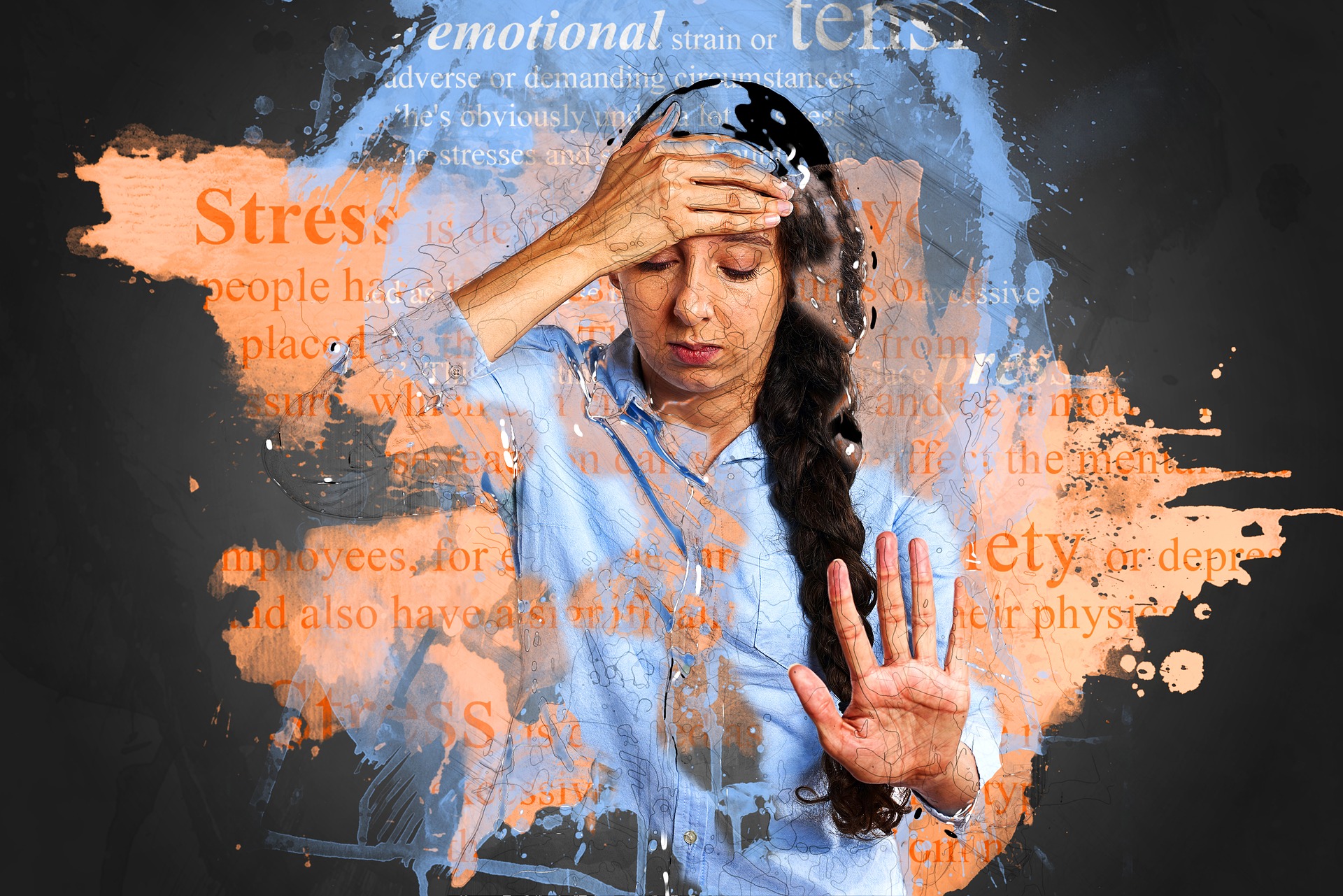
Even the very well-prepared students may often experience anxiety before an important test or exam. However, people experience anxiety in different ways – more often than not anxiety during a test may have a significant impact on your final result. But how can you get yourself in a good state of mind and overcome the tension that is bound to bother you before a test? Unfortunately, there is not a 100% guaranteed method to do this, but there are many simple tips and methods which might prove to be great allies in your battle against anxiety. This post sums up seven ways to reduce exam related apprehension, and we sincerely hope that the advice below will help you beat restlessness before your next big exam:

Make Sure to be Well Rested:

Not getting a good night sleep may often increase the chance that you will experience anxiety before an important event – even if it is not an exam. Although studying all night might seem like the better option, in 90% of cases it would be a much better choice to get at least 8 hours of sleep instead of pulling an all-nighter in order to try and memorize some last minute information. Keep in mind that studying while tired is also very inefficient, so you might end up not remembering anything in addition to being extra tired and anxious in the morning.

Don’t Go in Hungry:

In addition to getting good sleep, you should make sure to wake up early enough in order to have time for a well-balanced breakfast. Remember that some people might tell you to focus on sugar-heavy food to get an energy rush, but do not forget that this will be inevitably followed by a crash. Try to have a normal breakfast – oatmeal, milk, and some fruits is usually an excellent choice.

Prepare in Advance:

This advice can be applied to a variety of situations ahead of the big day – prepare all things you need (notes, books, pen & paper) before going to bed so that you will not need to stress with this in the morning. In addition to this, there is no way to skip anxiety unless you are at least somewhat confident that you have prepared properly for the exam. Starting to study for a few weeks in advance is a great way to ensure that anxiety will not bother you when the time of the exam comes.

Be an Early Bird:

Although arriving at the exam hall too early might sound like a tedious task, it will give you time to get used to the environment, and this is bound to help improve your mood as well as to suppress stress, and boost confidence. Being late is terrible, and it is guaranteed to cause restlessness, so it is better to be at the place of the exam as early as possible.

Be Confident In Your Knowledge and Ignore What Others Do:

Many people have confidence issues when it comes to exams, and they attempt to compare their work rate to other people in the room. However, this is a terrible approach, because everyone has a different pace of work and a different way with words – people might need a few hundred words to explain something that can be summarized in fifty words. The fact that you are writing less than the others does not necessarily mean that you lack the knowledge. The best thing to do is to focus on your own work, and ignore what everyone else in the room is up to.

Manage Your Time Well:

Keeping an eye on the clock all the time. This might sound stressful, but it will actually help you reduce anxiety by allowing you to properly allocate your time so that you will have time to do all assigned tasks. Do keep in mind that if time is running out and you are nowhere near done, then it is probably best to begin ignoring the clock and focus on doing as much work as possible in whichever task you feel most confident in.

Remember that Exams Are Not a Matter of Life and Death:

Yes, failing an exam might make you miserable but, however, it is not the end of the world. Almost always there is a chance to redeem yourself, and remembering this is the best way to reduce anxiety. Not only will the thought of a second chance relieve you, but it might also help you perform better on the current exam since you will be more relaxed and confident.

Final Words:

Ideally, you will do your best following all of these tips since combining them is guaranteed to tackle anxiety and help you stay cool, calm and collected during the exam. Do not forget that the most essential advice is in the last paragraph – exams are not the most important thing in the world, and you will always get another chance even if it does not work out the first time.

If you think that you are not able to overcome your test anxiety, not confident enough to reach your goal, not intelligent enough to deal with life’s challenges then you must go for online life changing courses, SAMDA & HMF by Prof. Abdul Samad where people coming from all walks of life are changing their lives in just 1-2 sessions only. Hope to see you successful and happy in your life ahead.

Read Also:
Content Rally wrapped around an online publication where you can publish your own intellectuals. It is a publishing platform designed to make great stories by content creators. This is your era, your place to be online. So come forward share your views, thoughts and ideas via Content Rally.

View all posts

Leave a Reply

Your email address will not be published. Required fields are marked *

Related

Eating Good Quality Foods For Diet

Eating Good Quality Foods For Diet

If you are someone that routinely follows the health and wellness industry, chances are that you have heard about Keto and Paleo diets. There are many proponents for both kinds of diets. In this article, we look at some of the elements associated with both and the effect that they have on weight control. Eating Good quality foods for  diet can help you to maintain your diet in the right order. Eating Good Quality Foods For Diet Is Essential For Everyone  There are several good quality foods for a diet you can maintain for every one to improve your business  in the right direction. Paleo Diet- What does it mean? Fundamentally, the Paleo diet has been referred to as a cave dweller’s diet. Individuals eat food articles similar to the way as ancient human beings did. Their belief stems from the fact that this is a healthy way to sustain life. Eating good quality foods for your diet can make things more comfortable for your diet. This hypothesis asserts that cutting edge nourishment handling is the essential driver of human medical issues. The proponents argue that in order to check and reduce weight, people need to "return" to the manner in which it was amid the mountain man period. They think straightening out your dietary pattern to the ancient human beings, or to the Paleolithic era plan empowers the normal organic capacity of the human body to process food better thereby assisting in wellbeing. Paleo Menu- What does it stand for? Changing a human being’s dietary habit, according to a paleo diet means that an individual should stay away from and resist processed sources of food like grains, fruits, meats, and others. Now, you might be wondering as to what should be then eaten instead. The food items that a Paleo diet entails consists of natural products and ingredients as are found in nature. In other words, food that has not been processed artificially. Items like eggs, seeds, nuts, meat, fish, and vegetables. Individuals are permitted to add a certain amount of oils and fats to their meals. Again, these should be natural, and not artificial. Ghee, avocado oil, natural fats are allowed. To certain individuals, paleo is in excess of an eating routine. It centers on affecting the earth emphatically with the nourishment decisions we make. It is considered as a way of life, as a model choice of living that helps improve both the human body, as well as the environment around man. Keto diet, then again, is an alternate eating routine with its very own reasoning. Keto diet- What does it mean? A Keto diet comprises of a type of diet, which is moderated by a high-fat quotient. The high fat is complemented by average protein intake, along with severely reducing the carbohydrate intake. It centers on controlling the body to revitalizing itself by putting away fats rather than starches. With a keto diet, the human body is supposed to be in a state, which is called ketosis! This is also the principle distinction between the two diets-keto and paleo. The distinction between the two comes forward through the changes in the consumption of carbohydrates, proteins, and fats in food. Fundamentally, a ketogenic diet should comprise of: 5% carbohydrates 25% protein 70% fat The motivation behind fine-tuning the human body towards a keto diet is remarkable. The keto diet forces the body to burn fat, whenever energy is required by the body, thereby making the body perform optimally at high levels of energy at all times. This burns the fat, thereby reducing or keeping the weight in check for most who follow a keto diet. Nonetheless, it is fundamental you carefully monitor the consumption of macronutrients. If you are unable to do so, it might unbalance your body’s digestion levels. Another noteworthy advantage of a keto based diet plan is adjusting the glucose levels and the human body’s weight reduction. Differences between Keto and Paleo: While keto limits the admission of carbohydrates, paleo permits a few entire nourishment wellsprings of sugars as long as it is in the adequate sustenance classes. A Ketodiet wants you to remain inside a predefined measure of fats, proteins, and carbohydrates. However, paleo puts no limitations on macronutrients, but it permits exercises outside the accompanying the eating routine like care, and activities. A Paleo diet does not allow processed sources of food items like soy, or dairy products. However, a keto diet permits consumption of dairy fat as well as soy; as long as they fall inside the predefined macronutrient go. Eating good quality foods for a diet is essential for you to maintain a healthy lifestyle. In any case, the two weight control plans offer a sound way of life, yet a few people may think that its hard to keep up the keto diet, which includes computation of macronutrients, not at all like paleo that is fundamentally straight forward and offers a wide assortment of nutritious alternatives. Likewise, a great many people lean toward the paleo diet in light of its adaptability with nourishment decisions. All in all, the two eating regimens are astonishing in their own right; the keto diet is successful for weight reduction and glucose control, while the paleo diet urges individuals to eat entire nourishments that are accessible to people amid the Paleolithic time. Read Also: 5 Tips To Kick Start Your Fitness Routine 9 Magical Benefits Of A Vegetarian Diet Why Have A Diet Chart For Weight Loss? 5 Ways You Can Be Inhibiting Your Fitness Easy Diet Tips To Summer Six Pack Abs Choosing A Diet Based On Your Personality Type 11 Foods You Must Incorporate Into Your Diet For Great Skin

READ MOREDetails
summer feet

Hello Sandals! How to Get Your Feet Summer Ready

Summer is right around the corner! That means it's time to get ready for sun and fun at the beach. Spending time on the beach means getting your feet ready for sandals. Are your feet looking good and feeling healthy? If not, you've come to the right place for help. In this article, we take a look at 5 steps for achieving the perfect summer feet. Keep reading to learn how to get pretty feet so that you can look your best when it's time for lounging by the pool! Here are how to get your feet summer ready: 1. Exfoliate Your Skin: The first step to making your feet look great is to exfoliate your skin. This helps get rid of patches of dry skin that have developed over the long winter months. Most people use foot scrubs, exfoliating creams or pumice stone for this. Any of these work great. The key is to thoroughly exfoliate on a regular basis to make sure you keep any dry skin cleared away. 2. Buff Away Dry Skin: Buffing is important in order to create the kind of luxuriously soft feet most women desire. This is a great way to keep your feet looking fresh. You might wonder if this is really necessary. Well, it definitely is! Keep in mind that when calluses build up on the skin of your feet, it makes the skin hard and unattractive. The solution is to buff your skin using a pumice stone and apply moisturizing balm after showering. 3. Soak Your Feet: The next step to remember is to soak your feet. We recommend adding a few drops of tea tree oil to your tub of water. Next, rub your feet with a soapy cloth. Be sure to scrub between your toes in order to clear away all dry skin and dirt. Indulging your feet in this way at least once a week is a key step in keeping them feeling fresh and revitalized. If you're looking for the coolest sneakers to wear on vacation this summer, read more here for the latest styles. 4. Moisturize Your Feet: It's no secret that keeping your skin properly moisturized is vital for making them look gorgeous and feeling amazingly soft. Investing in a high-quality moisturizing cream is one of the best purchases you'll ever make. Get in the habit of moisturizing your feet and between your toes each morning after you shower and every night before bed. Your feet deserve this kind of treatment and you'll feel like the queen that you are. We recommend adding a few drops of tea tree oil to your tub of water and for aftercare curanail treatment is always the recommended steps for having the best looking and feeling feet. 5. Take Care of Your Cuticles: Our final tip for caring for your toes is to tend to your cuticles. The key is to apply a cuticle remover every couple of weeks, push back the cuticles, then gently trim away any hanging skin the clippers. Tips to Having the Best Summer Feet: When it comes time to head for the beach, it's important to have healthy summer feet so that you can proudly wear your favorite sandals. These tips will help you look your best. Click here to learn what women should know about vaginal dryness and its treatment. Read Also: Why Hairdressers Love Rose Gold Colour 6 Stunning Long Hairstyles For Oval Faces Anti Aging Creams – What To Consider Before You Purchase?

READ MOREDetails
High Cholesterol

Health Tips For Managing High Cholesterol

High cholesterol levels can be caused by your hereditary makeup, a diet high in excess fat, and obesity. If you've lately been diagnosed with high cholesterol, discussed below are tips to combat the condition: Health Tips For Managing High Cholesterol: 1. Track the Cholesterol Level Frequently As stated by the American Heart Association, the risk of a heart attack with a total cholesterol level of 240 mg/dl is twice as high as for a person with a cholesterol level of 200 mg/dl. Most doctors want total cholesterol below 200 mg/dl, meaning that LDL (bad cholesterol) is less than 130, and HDL (good cholesterol) is above 40. Observing or monitoring your cholesterol level can help you achieve the right cholesterol balance. 2. Read Resources by Yourself Ensure you explore the topic of cholesterol and learn as much as you can. Remember that our body produces and makes use of cholesterol to help execute certain vital functions, such as building new cells and creating hormones. It appears that low HDL levels can intensify your risk of heart problems. Saturated fats in most foodstuffs are blamed for increasing cholesterol. It is important to identify treatment options that are accessible to both conventional medicine and substitute treatments so that you can make a good decision. The choice of traditional or alternative medicine is determined by your present cholesterol level, your overall health, and your way of life. Some people like to take statins to lower cholesterol, while others do all they can to evade them. Make sure you tell your doctor about all of the treatment methods you have chosen. 3. Lose Weight If you're carrying some excess weight, dropping part of it can lower cholesterol, as well as improve your overall health. Being overweight can interrupt normal fat metabolism. Do not start on an accelerated diet, but watch for a slow and stable loss of half to one pound per week. Combining this with regular exercise can lower your risk of high blood pressure and diabetes. 4. Exercise Regularly Spend 30 minutes a day walking briskly or doing moderate exercises such as cycling, aerobics, swimming, or running. Following the NHS exercise recommendations are useful for lowering dietary fat and the risk of heart disease. 5. Make a Distinction between Good and Bad Fats Research has revealed that a diet rich in monounsaturated fats lowers the risk of coronary heart disease by decreasing LDL cholesterol levels while increasing HDL. This kind of good fat is found in olive and peanut oils, avocados, and nuts (mainly walnuts and almonds). Also, the unsaturated cholesterol counteracts swelling in the arteries and prevent damage to the blood vessels. Limit your intake of saturated fats (mainly animal products such as cheese, butter, fatty meat, and whole milk) and trans-fats (salad dressing, margarine, cakes, pastries, and snacks) as these can increase cholesterol levels. Omega-3 fatty acids are an additional group of HDL. They are found in oily fish such as salmon, tuna, mackerel, and sardines. They can decrease LDL and triglycerides. However, to benefit from omega-3, you need to lower your total saturated fat intake. 6. Increase in Fiber Consumption Vegetarians are known to have lower fat levels and a lesser risk of heart disease than meat lovers. Plant products, such as fruits, whole grains, vegetables, and beans, are all high in fiber. There are two main types of fiber - soluble and insoluble, with the soluble form lowering cholesterol absorption in the arteries. 7. Eat Compound Starches Whole grain pasta, root vegetables, brown rice, barley, oats, and whole-grain dough are complex starches that are not just high in roughage, but also have many vitamins, minerals, phytochemicals, and Life essentials nutrition. They help lower cholesterol. Try to reduce your consumption of refined starches like cookies and white bread, as this can increase the risk of high cholesterol. 8. Drink Green Tea A good and healthy substitute for soft drinks and other sugary drinks is green tea. Studies have revealed that it aids in lowering LDL cholesterol. 9. Eliminate Stress Studies have found a link between job stress and disturbances in cholesterol levels. Stress and the associated emotions such as fear, tension, depression, and anger cause the discharge of hormones that tighten the arteries, reduce the flow of blood to the heart, and increase blood pressure and heart rate. These reactions, along with increased cholesterol, can significantly increase the likelihood of a heart attack. To get rid of stress, leave the situation by taking a short walk, taking a deep breath, meditating, stretching, or listening to soft music. This allows you to cool down and relax. 10. Stop Smoking Smoking not only lowers HDL, which is the good cholesterol, but it also comes with a whole host of adverse health effects, such as an increased risk of many cancers, stroke, and heart disease. Following these tips will go a long way to ensuring your cholesterol level returns to the normal range. Losing weight, exercising regularly, and improving your diet are also great for your health and general well-being, so there's no excuse for avoiding these positive changes. Read Also: 11 Effective Ways To Improve Testosterone Levels In Your Body 5 Natural Immune System Supplement Tips for Cold and Flu Season

READ MOREDetails