Published on: 18 March 2020
Last Updated on: 03 June 2026
The holiday season is officially over, which means it’s time to start working off some of the extra pounds you picked up at mom’s house. While people generally love the idea of looking like the dudes who do commercials for home-exercise equipment, most of us still hate working out and dieting. If you are one of them, don’t worry. There are a ton of startups offering the kind of motivation you need in the form of mobile apps. Such apps use activity tracking as well as fitness and health risk assessment apps.
Today we’ll be exercising our startup muscles by taking a look at some of these young companies and what makes them tick.
8 Motivations to Start Up Health & Fitness:
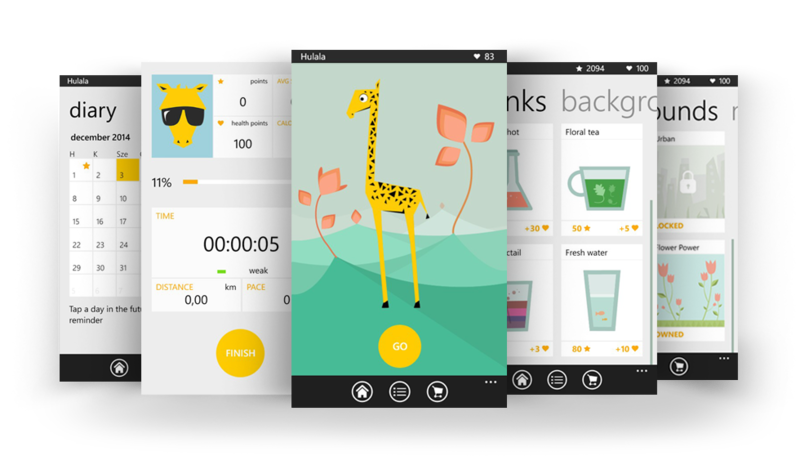
Fitness gamification is huge right now, which makes sense given that it adds a much-needed dimension of play to the arduous task of getting fit. A great example of fitness gamification is Tep, which is basically a cross between a fitness tracker and a Tamagotchi; though, in the case of Tep, the star is a niftily-designed giraffe rather than a globular cluster of black pixels.
The more a user exercises, the better the giraffe does (users can buy their long-necked pets treats with rewards points they earn from walking, running and cycling). If users slack off, though, it’s curtains for the poor creature.
According to the app’s creators, a group of five super-talented self-starters from Szeged, Hungary, «Tep’s competitive edge relies on emotional connection and the mental „threat“ that the beloved pet might suffer from the lack of proper physical activity and thus offers a solution for curve fatigue effect.»
Does that sound a little dark? Sure. But it’s for a good cause. The founding team’s goal is to help users lose eight million pounds of fat in the next three years; there’s also talk of buying a giraffe.
The founding team built Tep on their own time and dime, but are currently funded by Traction Tribe and prizes from Microsoft’s Imagine Cup.
Tep is available in beta for Android and Windows phones, with an iOS version coming soon.
Wokamon
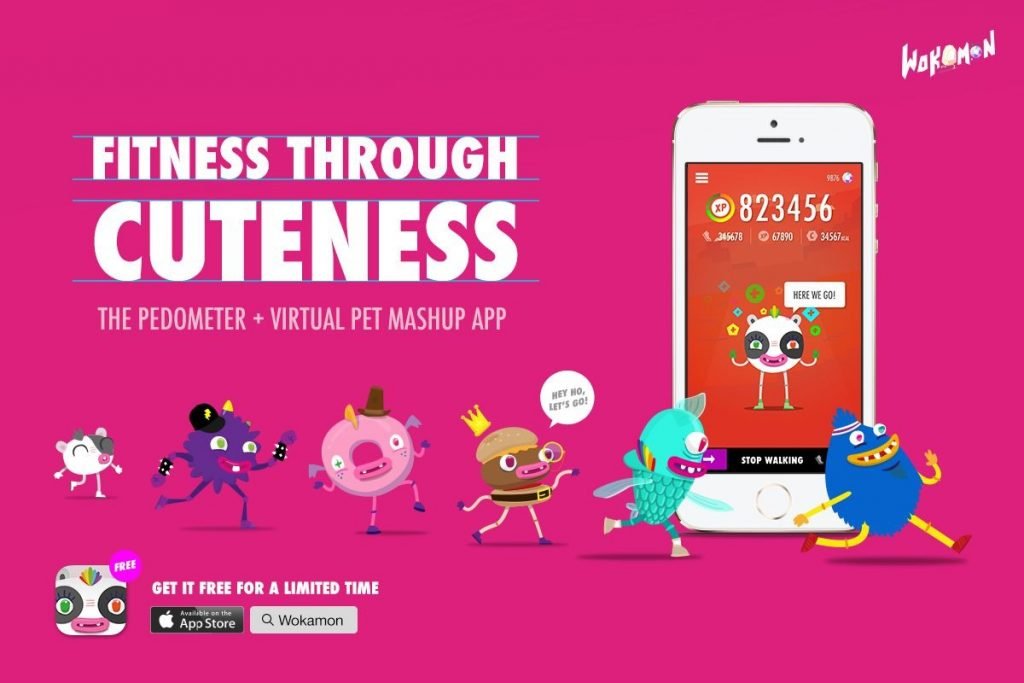
If you like the idea of a digital workout buddy helping you toe the line, but giraffes aren’t really your thing, then you might dig Wokamon, which comes to us from Mars Zhu and Hazim Abdul Hamid of Noodum.
Wokamon features dozens of animated monsters that get bigger and stronger as you do. Since it comes with a pedometer and syncs with wearables like Jawbone, Fitbit, and Up, you can be sure that every calorie burned gets counted and fed to your growing army of critters.
Connecting with friends on social media through Wokamon earns you reward points, which you can burn on unlocking new creatures.
Noodum and Wokamon are currently being funded by an $18,000 seed investment from Manchester Metropolitan University’s Innospace Incubator.
Gamified fitness apps like Wokamon and Tep have a lot of options when it comes to future monetization. They can either take the Zombies, Run! The approach of charging for downloads (which works if you’re as niche and well-made as that app) or offer in-app purchases for things like new backgrounds, characters, or crystals and boosters for your pet monsters.
For now, though, we can take advantage of both Tep and Wokamon for free.
Teamster
Teamster is an iOS app that, contrary to its name, has absolutely nothing to do with trucking. What teamster does do, though, is help you connect with other people in your area who are interested in the same sorts of athletic activities as you.
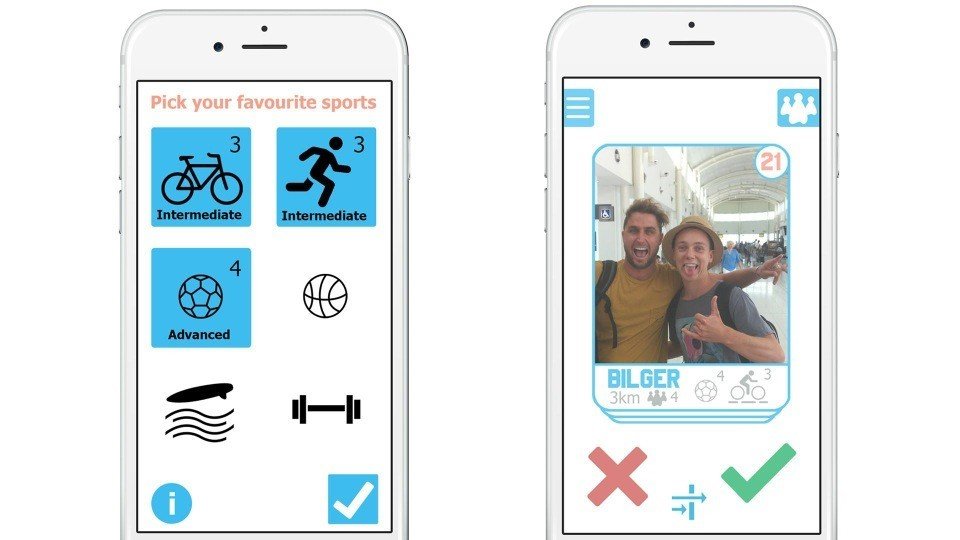
Conveniently, users are able to identify which sports they like and their level of skill in each on a scale of 1 to 5, which means you won’t be totally outmatched when you meet up for a game with other users.
When you find another user who shares your interests and skill set, swipe right in the app to add them to your team. Sounds like Tinder is ubiquitous, doesn’t it? Users can then create activities for other users or teams to join.
Teamster comes to us from the Melbourne based duo of Henry Chan and 22-year old Sam McCallum, who has a background in competitive running, cycling, and skiing.
Actually, 2015 is shaping up to be an awesome year for apps that bring social networking logic to the gym. Take Boston-based Perspyre, for example, which is coming out soon with a beta version for Android and iOS.
The whole point of Perspyre is connecting people who love to sweat and giving them access to workouts, advice, and motivation. Users can log into the app via Facebook and take post-workout selfies, record workouts, and brag about new personal records.
Though it’s admittedly a little intense for beginners, Persypre is perfect for those who are already «motivated and dedicated» enough to willingly visit Crossfit and P90x classes.
Perspyre is the brainchild of Jason Chisholm and Jeremy Mays and has received $25,000 in seed funding from John Piret of the investment firm Newbury Piret & Co.
If Perspyre sounds like it’s right up your alley, keep an eye out for the soon-to-be-launched SternFit iOS app which also gives workout buffs a great platform for sharing pics, tips, and workouts.
Rocket Journey
If your meteoric rise to peak physical perfection is still in the launch phase, you’ll find a helpful companion in RocketJourney, which bills itself as the «smartest and friendliest way to a fitness lifestyle.»
The app’s founding trio of Carlos Ayala, Pablo Artee, and Ernesto Cambuston has received funding from 500 Startups, the seed fund and startup accelerator comprised of Google and PayPal alums.
RocketJourney tracks all of your fitness activities from cycling to yoga to lifting to competitive eating — just kidding about that last one — and verifies that you’ve actually worked out through GPS and wearables integration.
The app motivates you to stick to your fitness regime by giving you points for completed workouts and taking away points for missed ones. The same logic holds true for user-created «teams» which add the pinch of peer-pressure that it just might take to keep you on track.
You can register for updates on RocketJourney’s release on the website.
OneSet
OneSet — «Vine for Fitness» — is another promising app to stay tuned for in the months to come. Users can create 15-second videos demonstrating an exercise or «stack» other users’ videos into workouts.
Since videos are organized by muscle group or goal, it’s easy to find the right moves for you.
OneSet’s founding team is based in Waterloo, Canada, and consists of brothers Amad and Shameel Abdullah, as well as full-stack developer George Xu.
GYM radio
Sometimes all it takes to reach the athlete within is finding the right music to sweat to, or the right gym to do it in.
Though GYM radio’s online music streaming service has been around since 2013, its new iOS, Android, and Windows phone releases have made it easier than ever to get amped up and pumped up at the same time.
The app features three music settings — cardio, gym, and hardcore-tailored to give your workout the right feel. Here’s the best part: GYM radio is completely ad-free, which means your runners high won’t get interrupted by voice-actors pitching toothpaste or discount car insurance.
GYM radio also offers a premium upgrade which, for a monthly or yearly subscription, will let you listen offline, skip songs, and get access to material unavailable on the standard version.
Gymhopper
Gymhopper — «Uber for gyms»- is a Swiss startup that aims to help you find the right gym by offering its users discounted individual training passes. Gyms benefit from the app by getting a little extra exposure as well as a shot at their target market, people who are actively searching for a new place to get sweaty.
Gymhopper is currently in series A fundraising but expects an iOS release later this year.
What can fitness startups learn from RunKeeper?
Figuring out how to actually make money with your app is a problem that can plague even the biggest of startup fish. Each of the aforementioned apps will have to figure out the right monetization strategy for their product and user-base. One good model employed by the leading fitness tracker RunKeeper is to partner with other businesses to provide sponsored advertising to users.
That means Teamster’s users could theoretically get discounts on Nike products for showing up at local softball games, and Perspyre users could get 25% off gym memberships for visiting p90x classes 3 times a week.
There are a lot of good ways to get back in shape, and a lot of good startups out there creating more every day.
Read Also:
Content Rally wrapped around an online publication where you can publish your own intellectuals. It is a publishing platform designed to make great stories by content creators. This is your era, your place to be online. So come forward share your views, thoughts and ideas via Content Rally.
Anxiety disorders are among the most common mental health conditions worldwide, affecting millions of people. While traditional treatments like therapy and medications have been effective for many, some individuals continue to struggle with anxiety symptoms. Transcranial Magnetic Stimulation (TMS) has emerged as a promising alternative for those seeking relief. In this comprehensive guide, we will delve into the world of TMS therapy for anxiety, debunk myths surrounding its effectiveness, and present the facts that can help you make an informed decision about this innovative treatment.
What Is TMS For Anxiety?
So, does TMS work for anxiety? Let's start by demystifying TMS. Transcranial Magnetic Stimulation, or TMS, isn't some sci-fi concept; it's a real-life, non-invasive procedure that taps into the power of magnetic fields to gently nudge specific parts of your brain. Originally designed to help with depression, TMS has been under the research spotlight, and guess what? It's showing some impressive potential in the realm of anxiety treatment. So, let's keep the curiosity flowing as we explore the myths and facts surrounding this innovative therapy.
Myth Vs. Fact: TMS And Anxiety
Myth #1: TMS Is Only Effective For Depression
One common misconception about TMS is that it's exclusively effective for treating depression. While it was initially developed and approved for depression, research and clinical experience have demonstrated its potential benefits for anxiety disorders as well. TMS works by modulating neural activity in the brain, making it a versatile tool for various mental health conditions, including anxiety.
Fact: TMS Can Be Effective for Anxiety
Several studies and clinical trials have shown that TMS can significantly reduce symptoms in various anxiety disorders, such as Generalized Anxiety Disorder (GAD), Obsessive-Compulsive Disorder (OCD), and Social Anxiety Disorder (SAD). The key lies in targeting the right brain regions associated with anxiety, and TMS therapy can precisely accomplish this task.
Myth #2: TMS Is Painful And Unsafe
Another myth is that TMS is a painful or unsafe procedure. In reality, TMS is considered a well-tolerated and safe treatment option. During a TMS session, patients typically experience a tapping or clicking sensation on their scalp, but this discomfort is generally mild. TMS is non-invasive, meaning it doesn't require surgery or anaesthesia, and it doesn't induce seizures.
Fact: TMS Is Safe and Generally Painless
TMS for anxiety is performed in an outpatient setting, and most patients can resume their daily activities immediately after a session. It has a minimal risk of side effects, with the most common being mild scalp discomfort or headache, which usually subsides quickly. TMS therapy sessions are closely monitored by trained professionals to ensure safety and effectiveness.
Myth #3: TMS Is A Quick Fix
Some individuals may expect TMS to provide instant relief from anxiety symptoms. While TMS can be highly effective, it is not a one-size-fits-all solution, and results may vary from person to person. It is essential to have realistic expectations and commit to a recommended TMS anxiety treatment plan.
Fact: TMS Requires a Treatment Plan
TMS for anxiety typically involves a series of sessions over several weeks. The exact number of sessions and their frequency may vary based on individual needs and the severity of the anxiety disorder. Patience and consistency are essential for achieving the best results with TMS.
Myth #4: TMS Is Expensive And Not Covered By Insurance
Cost can be a significant concern for those considering TMS. However, many insurance plans now cover TMS therapy for various mental health conditions, including anxiety. It's crucial to check with your insurance provider to determine coverage and potential out-of-pocket expenses.
Fact: TMS May Be Covered by Insurance
Due to the increasing recognition of TMS as an effective treatment for mental health conditions, insurance coverage has expanded. Some patients may find that their insurance covers a substantial portion of TMS therapy for anxiety costs, making it more accessible.
Myth #5: TMS Is A Last Resort
Another misconception is that TMS should only be considered when all other treatment options have failed. While TMS is sometimes recommended after other treatments have been ineffective, it can also be a viable choice as a first-line treatment for anxiety disorders, especially when individuals prefer non-medication options or have concerns about potential side effects.
Fact: TMS Can Be Considered at Any Stage
The decision to pursue TMS for anxiety should be based on an individual's unique circumstances and preferences. It is not limited to being a last resort and can be discussed with a mental health professional at any stage of treatment planning.
Myth #6: TMS Results Are Temporary
Concerns about the temporary nature of TMS benefits can deter some from exploring this therapy. While individual responses may vary, many individuals experience long-lasting relief from anxiety symptoms after completing a full course of TMS treatment for anxiety.
Fact: TMS Can Provide Lasting Benefits
Research has shown that the positive effects of TMS on anxiety can persist for months to years after treatment. Some individuals may require maintenance sessions, but TMS has the potential to offer enduring relief from anxiety symptoms.
Summing Up
Transcranial Magnetic Stimulation (TMS) isn't just about tackling depression; it's got a promising role in helping folks wrestling with anxiety disorders too. By shedding light on the myths surrounding TMS and getting the facts straight about its safety, effectiveness, and potential insurance coverage, we're here to arm you with the knowledge you need to make smart choices about your mental health.
Now, let's be real – TMS isn't a magic wand that makes all your anxiety vanish in an instant. It's more like a steady hand guiding you toward relief. It's gentle, non-invasive, and generally well-tolerated. For many, it's a ray of hope, offering a path to managing anxiety that doesn't involve medications or complex procedures.
But here's the golden rule: always lean on the expertise of a qualified mental health professional when considering TMS therapy for anxiety. They're the compass guiding you through your unique mental health journey, helping you figure out if TMS is the right fit for your needs
Read Also:
10 healthy Habits to improve your health
How To Take Care Of Your Mental Health
Living Healthily | Six Crucial Lifestyle Tips for College Freshmen
Gummy candies have captured the hearts of many with their delightful flavors and chewy textures. Whether you're a gummy connoisseur or just looking to indulge in a sweet treat, it's essential to know how to choose the best gummies.
In your quest to explore the delectable world of gummy candies, the key to a satisfying experience begins with finding reliable websites like Galaxy Treats to purchase your sweet selections.
In this guide, you'll explore the world of gummy candies and provide tips on buying from reputable sellers, ensuring that your sweet selections are delicious and high-quality.
The Allure of Gummy Candies
Gummy candies have a universal appeal that transcends age and taste preferences. Their vibrant colors and variety of flavors make them a delightful treat for all occasions. From classic fruit flavors to unique creations like sour gummies and gourmet gummy bears, there's a world of options to explore.
What Makes a Gummy Delicious
The key to enjoying gummy candies to the fullest lies in their deliciousness. But what makes a gummy candy truly scrumptious? It's the perfect balance of flavors and textures. A great gummy should be bursting with the taste of its intended flavor, whether it's strawberry, raspberry, or pineapple. The texture should be chewy but not too tough, allowing you to savor the flavor as you enjoy every bite.
Buying from Reputable Sellers
When you're searching for delicious gummies, it's essential to consider where you're buying them. Opting for gummy candies from reputable sellers ensures you get a high-quality product. Look for well-established retailers or brands known for their commitment to quality and customer satisfaction. Reading reviews and seeking recommendations can also guide you in the right direction.
Examining Ingredients and Quality
To make an informed choice when buying gummies, take a close look at the ingredient list. Quality gummy candies should have simple, recognizable ingredients, such as fruit juice, gelatin, and natural flavorings. Avoid products with excessive artificial additives or preservatives. Opt for gummies made with real fruit juice and natural colors for a more authentic and enjoyable taste.
Related: From Bud To Bite: Crafting Your Own Cannabis Gummy Edibles
Exploring Flavor Varieties
The world of gummy candies offers many flavor options, from classic to adventurous. Consider trying a variety of flavors to discover your personal favorites. Some gummy aficionados enjoy the tangy zing of sour gummies, while others prefer the subtlety of gourmet gummy bears. By exploring different flavors, you can find the gummies that best tickle your taste buds.
Storage and Shelf Life
Proper storage is vital to keep your gummies fresh and delicious. Seal them in an airtight container or resealable bag to prevent exposure to air and moisture, which can make them hard and less flavorful. Gummy candies usually have a long shelf life, but it's best to consume them within their recommended time frame to enjoy them at their peak.
In conclusion, gummy candies are a delightful indulgence, and knowing how to choose the best ones can enhance your sweet experience. Start by buying from reputable websites like Galaxy Treats that prioritize quality and customer satisfaction. Pay attention to the ingredient list and opt for gummies made with real, natural ingredients. Experiment with various flavors to find your favorites, and remember to store your gummies properly to maintain their freshness. With these tips in mind, you'll be well on your way to savoring the delicious world of gummy candies.
Read Also:
Why Are Delta 8 Gummies Gaining Popularity Among The Youth?
Is It A Good Idea To Buy Delta 10 Flowers From The Sale
Discover CBD Disposable Vape Pens: A Guide To Easing Chronic Pain
Are you in search of a reliable and skilled dentist in Vaughan to take care of your dental health? Look no further; this comprehensive guide will walk you through the process of finding the perfect dentist who meets your needs.
We understand that choosing a dentist is a crucial decision for your overall well-being, and we're here to make that choice easier for you. So, are you excited? Let’s get started, then…
Why Choosing the Right Dentist Matters
Your oral health is intricately connected to your overall health, making it essential to have a trustworthy dentist in your corner. Regular dental check-ups and treatments can prevent dental issues, enhance your smile, and boost your self-confidence. Let's dive into the key factors to consider when searching for the ideal dentist Vaughan.
Poor quality dental work is important not only for your oral health but also for your entire body.
Dental concerts can go unchecked without a quality dentist, especially the ones who do not leverage the latest technology.
You are more likely to feel comfortable and visit them often if you have a great dentist in place. Hence, there is no second thought about changing your dentist after some intervals.
Factors to Consider When Choosing a Dentist
When embarking on your journey to find a dentist in Vaughan, there are several crucial factors to keep in mind. After all, you are trusting your oral health with them. Hence, make sure you make an informed decision and do not hurry while choosing a dentist for yourself.
1. Location and Accessibility
Choosing a dentist near your home or workplace can save you time and make it more convenient to attend appointments. Ensure that their office hours align with your schedule, making it easy to get the care you need.
2. Qualifications and Credentials
It's vital to check if the dentist has the necessary qualifications and credentials. Look for a dentist who is licensed and a member of reputable dental associations. When it comes to finding the best dentist for you, educational qualifications play an indispensable role.
3. Services Offered to
Consider your specific dental needs. Are you looking for general dentistry, orthodontics, cosmetic dentistry, or specialized services? Ensure the dentist offers the treatments you require. An ideal dentist will usually provide a range of services that are usually needed for an overall oral health checkup.
4. Experience and Expertise
An experienced dentist is more likely to provide effective treatments. Research the dentist's background and the number of years they've been in practice. Both expertise and experience play an integral role in separating a dentist from others.
5. Testimonials And Reviews From Patients
Going through testimonials and reviews shared by past patients can offer valuable insights into the dentist's quality of care. It also provides patient satisfaction.
6. Technology and Equipment
Modern dental technology can improve the accuracy and comfort of dental procedures. Inquire about the equipment and technology used by the dentist. You might check out the equipment used by other dentists and then come up with a decision. If a dentist doesn’t make use of the latest technology, he is probably missing out on a lot of advancements.
7. Payment Options and Insurance
Check if the dentist accepts your insurance plan or offers convenient payment options to ensure affordability. Today, everybody looks for different payment options, and they are not limited to just one option. What’s better than providing patients with the liberty to pay for their free will?
8. Emergency Services
Consider whether the dentist offers emergency dental services for unexpected oral health issues. This is just in case something comes up without any signs; you will be saved from unprecedented situations. A dentist’s ability to act as soon as an emergency comes is one of the most appreciated ones.
9. Personal Comfort
Your comfort at the dental office is crucial. Evaluate the cleanliness, ambiance, and friendliness of the staff during your initial visit. If you do not find the ultimate comfort at your dentist’s office, there is no point in spending a significant amount of time and money there. Personal comfort is quite important here.
Related: Why Going To The Dentist Is A Must
The Search Process
Finding a dream dentist is not a challenge, although you might need to consider a few factors. There are so many competitors out there that you might get confused. But don’t be! Now that you're aware of the factors to consider, here's a step-by-step guide to finding the perfect dentist in Vaughan:
A. Create a List
Compile a list of potential dentists in Vaughan based on referrals from friends, family, or online searches. Creating a list is not only the first step to finding a dentist but also the only streamlined way to find out the best dentists in and around your locality.
B. Research
Thoroughly research each dentist on your list. Check their websites, credentials, and patient reviews. If needed, you might try scrolling through their social media channels and then settle for one that suits your needs perfectly.
C. Schedule Consultations
Narrow down your list and schedule consultations with your top choices to discuss your dental needs and assess their compatibility. Scheduling appointments is an obvious step, but some might underestimate their importance in finding out the best dentists in Vaughan.
D. Ask Questions
During the consultations, don't hesitate to ask questions about their experience, treatment options, and payment plans. You might enquire about your appointments, your entire treatment process, and how long it will take to view results.
E. Trust Your Instincts
Choose the dentist with whom you feel most comfortable and confident. After all, it is always about going as per your instincts. If you do not have a good feeling about a dentist, enquire and avoid them if possible.
Conclusion
Finding the best dentist in Vaughan is a significant step towards maintaining excellent oral health. By considering location, qualifications, services offered, and personal comfort, you can make an overall informed decision that will benefit your smile and overall well-being.
Read Also:
Finding A Leading Melbourne Dentist For The Perfect Smile
The Differences Between A Dentist and An Orthodontist
Emergency Dental Clinic Immediate Care When You Need It Most














 If you like the idea of a digital workout buddy helping you toe the line, but giraffes aren’t really your thing, then you might dig Wokamon, which comes to us from Mars Zhu and Hazim Abdul Hamid of Noodum.
Wokamon features dozens of animated monsters that get bigger and stronger as you do. Since it comes with a pedometer and syncs with wearables like Jawbone, Fitbit, and Up, you can be sure that every calorie burned gets counted and fed to your growing army of critters.
Connecting with friends on social media through Wokamon earns you reward points, which you can burn on unlocking new creatures.
Noodum and Wokamon are currently being funded by an $18,000 seed investment from Manchester Metropolitan University’s Innospace Incubator.
Gamified fitness apps like Wokamon and Tep have a lot of options when it comes to future monetization. They can either take the Zombies, Run! The approach of charging for downloads (which works if you’re as niche and well-made as that app) or offer in-app purchases for things like new backgrounds, characters, or crystals and boosters for your pet monsters.
For now, though, we can take advantage of both Tep and Wokamon for free.
If you like the idea of a digital workout buddy helping you toe the line, but giraffes aren’t really your thing, then you might dig Wokamon, which comes to us from Mars Zhu and Hazim Abdul Hamid of Noodum.
Wokamon features dozens of animated monsters that get bigger and stronger as you do. Since it comes with a pedometer and syncs with wearables like Jawbone, Fitbit, and Up, you can be sure that every calorie burned gets counted and fed to your growing army of critters.
Connecting with friends on social media through Wokamon earns you reward points, which you can burn on unlocking new creatures.
Noodum and Wokamon are currently being funded by an $18,000 seed investment from Manchester Metropolitan University’s Innospace Incubator.
Gamified fitness apps like Wokamon and Tep have a lot of options when it comes to future monetization. They can either take the Zombies, Run! The approach of charging for downloads (which works if you’re as niche and well-made as that app) or offer in-app purchases for things like new backgrounds, characters, or crystals and boosters for your pet monsters.
For now, though, we can take advantage of both Tep and Wokamon for free.
 Teamster is an iOS app that, contrary to its name, has absolutely nothing to do with trucking. What teamster does do, though, is help you connect with other people in your area who are interested in the same sorts of athletic activities as you.
Conveniently, users are able to identify which sports they like and their level of skill in each on a scale of 1 to 5, which means you won’t be totally outmatched when you meet up for a game with other users.
When you find another user who shares your interests and skill set, swipe right in the app to add them to your team. Sounds like Tinder is ubiquitous, doesn’t it? Users can then create activities for other users or teams to join.
Teamster comes to us from the Melbourne based duo of Henry Chan and 22-year old Sam McCallum, who has a background in competitive running, cycling, and skiing.
Teamster is an iOS app that, contrary to its name, has absolutely nothing to do with trucking. What teamster does do, though, is help you connect with other people in your area who are interested in the same sorts of athletic activities as you.
Conveniently, users are able to identify which sports they like and their level of skill in each on a scale of 1 to 5, which means you won’t be totally outmatched when you meet up for a game with other users.
When you find another user who shares your interests and skill set, swipe right in the app to add them to your team. Sounds like Tinder is ubiquitous, doesn’t it? Users can then create activities for other users or teams to join.
Teamster comes to us from the Melbourne based duo of Henry Chan and 22-year old Sam McCallum, who has a background in competitive running, cycling, and skiing.
 If your meteoric rise to peak physical perfection is still in the launch phase, you’ll find a helpful companion in RocketJourney, which bills itself as the «smartest and friendliest way to a fitness lifestyle.»
The app’s founding trio of Carlos Ayala, Pablo Artee, and Ernesto Cambuston has received funding from 500 Startups, the seed fund and startup accelerator comprised of Google and PayPal alums.
RocketJourney tracks all of your fitness activities from cycling to yoga to lifting to competitive eating — just kidding about that last one — and verifies that you’ve actually worked out through GPS and wearables integration.
The app motivates you to stick to your fitness regime by giving you points for completed workouts and taking away points for missed ones. The same logic holds true for user-created «teams» which add the pinch of peer-pressure that it just might take to keep you on track.
You can register for updates on RocketJourney’s release on the website.
If your meteoric rise to peak physical perfection is still in the launch phase, you’ll find a helpful companion in RocketJourney, which bills itself as the «smartest and friendliest way to a fitness lifestyle.»
The app’s founding trio of Carlos Ayala, Pablo Artee, and Ernesto Cambuston has received funding from 500 Startups, the seed fund and startup accelerator comprised of Google and PayPal alums.
RocketJourney tracks all of your fitness activities from cycling to yoga to lifting to competitive eating — just kidding about that last one — and verifies that you’ve actually worked out through GPS and wearables integration.
The app motivates you to stick to your fitness regime by giving you points for completed workouts and taking away points for missed ones. The same logic holds true for user-created «teams» which add the pinch of peer-pressure that it just might take to keep you on track.
You can register for updates on RocketJourney’s release on the website.
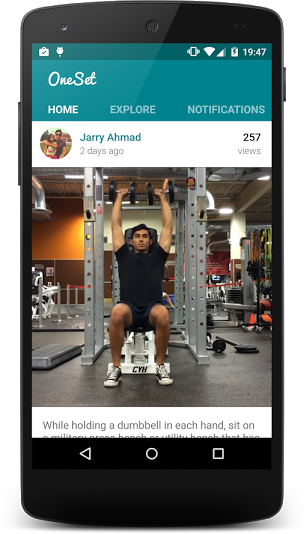 OneSet — «Vine for Fitness» — is another promising app to stay tuned for in the months to come. Users can create 15-second videos demonstrating an exercise or «stack» other users’ videos into workouts.
Since videos are organized by muscle group or goal, it’s easy to find the right moves for you.
OneSet’s founding team is based in Waterloo, Canada, and consists of brothers Amad and Shameel Abdullah, as well as full-stack developer George Xu.
OneSet — «Vine for Fitness» — is another promising app to stay tuned for in the months to come. Users can create 15-second videos demonstrating an exercise or «stack» other users’ videos into workouts.
Since videos are organized by muscle group or goal, it’s easy to find the right moves for you.
OneSet’s founding team is based in Waterloo, Canada, and consists of brothers Amad and Shameel Abdullah, as well as full-stack developer George Xu.
 Sometimes all it takes to reach the athlete within is finding the right music to sweat to, or the right gym to do it in.
Though GYM radio’s online music streaming service has been around since 2013, its new iOS, Android, and Windows phone releases have made it easier than ever to get amped up and pumped up at the same time.
The app features three music settings — cardio, gym, and hardcore-tailored to give your workout the right feel. Here’s the best part: GYM radio is completely ad-free, which means your runners high won’t get interrupted by voice-actors pitching toothpaste or discount car insurance.
GYM radio also offers a premium upgrade which, for a monthly or yearly subscription, will let you listen offline, skip songs, and get access to material unavailable on the standard version.
Sometimes all it takes to reach the athlete within is finding the right music to sweat to, or the right gym to do it in.
Though GYM radio’s online music streaming service has been around since 2013, its new iOS, Android, and Windows phone releases have made it easier than ever to get amped up and pumped up at the same time.
The app features three music settings — cardio, gym, and hardcore-tailored to give your workout the right feel. Here’s the best part: GYM radio is completely ad-free, which means your runners high won’t get interrupted by voice-actors pitching toothpaste or discount car insurance.
GYM radio also offers a premium upgrade which, for a monthly or yearly subscription, will let you listen offline, skip songs, and get access to material unavailable on the standard version.
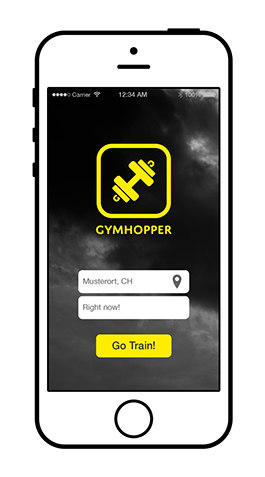 Gymhopper — «Uber for gyms»- is a Swiss startup that aims to help you find the right gym by offering its users discounted individual training passes. Gyms benefit from the app by getting a little extra exposure as well as a shot at their target market, people who are actively searching for a new place to get sweaty.
Gymhopper is currently in series A fundraising but expects an iOS release later this year.
Gymhopper — «Uber for gyms»- is a Swiss startup that aims to help you find the right gym by offering its users discounted individual training passes. Gyms benefit from the app by getting a little extra exposure as well as a shot at their target market, people who are actively searching for a new place to get sweaty.
Gymhopper is currently in series A fundraising but expects an iOS release later this year.