











Can’t Go To The Beauty Salon In Lockdown? Here’s How Women Used To Do It

Published on: 30 May 2020 Last Updated on: 24 November 2020
Beauty Salon

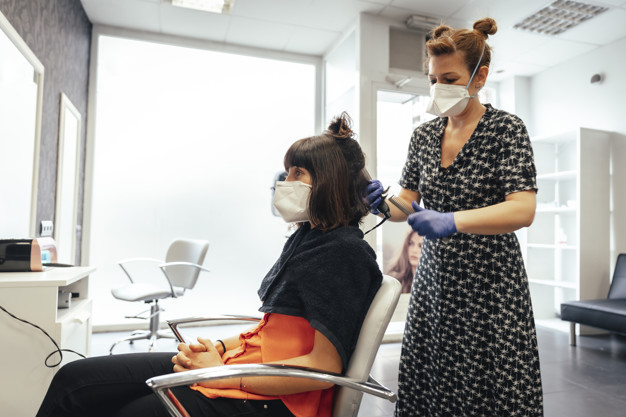
The global pandemic has impacted all of our lives, schools are shut, employees are working from home and our regular beauty treatments have been put on hold until further notice.

Even if we haven’t got anywhere to go, it’s still important to take the time for some self-care, feeling glamorous, even at home, can be an instant mood lifter.

Flawless Lashes by Loreta know some of us can’t even get to the shops at the moment and it began an interest in how women throughout history achieved that luscious long lash looks we all dream of. Lash extensions are the latest luxury fashionistas are having to do without, the next best thing is applying strip lashes. Check out the range of strip lashes offered by Flawless here.

If you can’t get to your nearest beauty store, want to try something new (although some of these techniques we certainly don’t recommend!) or are simply curious about how women still managed to be glam even without the modern treatments we have today, keep reading.

Ancient Egypt

Ancient Egypt

This is where makeup obsession began. You can’t get more dramatic than the intense eye makeup of the Ancient Egyptians.

A copper ore known as malachite was used to create that famous green we associate with the people of the pyramids. It was crushed into a powder and applied in large quantities on the upper lid.

Kohl was used to creating the sweeping black eyeliner and also provided the benefit of protection from the searing sun.

It may surprise you to know this trend first started among men, the women quickly caught on not wanting to feel left out from this new fashion.

It wasn’t reserved for the rich either, poorer families would still adorn this extravagant look. However, they didn’t have access to the more expensive application tools such as ivory or metal, instead, they settled for clay or sticks.

Ancient Rome

Ancient Rome

It wasn’t just fashionable to have long eyelashes in Ancient Rome, there was a deeper meaning behind it.

It was believed that sex caused eyelashes to fall out, so to prove their chastity (or fool potential suitors)  Ancient Roman women would use kohl to create the illusion of longer, thicker lashes.

Another alternative was burnt cork, using a small stick of ivory to meticulously apply this to their lashes.

When Christianity began to rise in popularity, Christian women were discouraged from using cosmetics, opting for a more natural look. For centuries after, eyelash modification was forgotten about.

The Elizabethans

Just like we copy celebrity makeup trends today, people did the same centuries ago. The difference was the only real celebrities were royalty and it was expected that ladies of the upper-class were to follow the reigning monarch’s look, no matter how ridiculous.

Queen Elizabeth, I certainly had a distinct look and this meant extreme measures were taken to copy her.

Her pale complexion was sought after by ladies of the court but with few being born with the skin of a redhead, they turned to alternative measures.

White lead and vinegar became the method of choice, not only was this extremely heavy on the skin, but it was also incredibly toxic. Some women even bled to death just so they could be fashionable.

The queen’s famous red hair was the most enticing craze, wigs were the most popular choice but women wanted to copy Elizabeth down to every detail, including her red eyebrows and eyelashes.

Oil was mixed with saffron, cumin seeds, and celandine for an at-home dye treatment. However, it was deemed ‘unacceptable’ to do this so many women had to attempt this beauty regime in private.

Considering high-class women often had little knowledge of how to do anything themselves as they were used to being served by maids, it’s likely many suffered the consequences of this going wrong.

The Victorians

The Victorians are infamous for some grisly medical practices and the beauty salon is no different.

You can’t get more Victorian than teaming painful procedures with dangerous drugs and that’s exactly how women of the time achieved long fluttering eyelashes.

We definitely don’t recommend you do this one at home! Cocaine was used to numb the upper lid of the poor client, then individual human hairs were trimmed to size and sewn with a sewing needle through the epidermis.

Thankfully this fad didn’t last for long, women across the globe can thank Eugene Rimmel for inventing the first mainstream mascara and creating the Rimmel brand that still stands strong today.

This mascara was a mix of vaseline and coal, although it was worlds away from the precise mascara we see today, it was certainly a welcome alternative to poking eyelids with sharp objects.

The early 1900s

1902 saw the first patent for false eyelashes registered and they certainly weren’t subtle.

While they may have finally given women the long lashes they wanted, they were certainly far from perfect. More specifically, the glue needed a lot of work.

They were made popular by the Hollywood actress Seena Own adorning them in Intolerance. The director, D.W Griffiths requested her lashes ‘brush her cheeks’ and they have become iconic for the era.

Unfortunately, the glue caused irritation to Owen’s eyes and was hard to remove, it was so bad that her eyes swelled and they were glued shut. Griffiths didn’t regret his decision, especially as this reaction happened after all her scenes had been shot.

So are you still feeling sorry for yourself not being able to visit the salon? Just think what these poor women had to endure in the name of fashion. While using a safe, natural makeup alternative could be a fun thing to try in lockdown, the other methods are definitely best left in the past.

Read Also:

Content Rally wrapped around an online publication where you can publish your own intellectuals. It is a publishing platform designed to make great stories by content creators. This is your era, your place to be online. So come forward share your views, thoughts and ideas via Content Rally.

View all posts

Leave a Reply

Your email address will not be published. Required fields are marked *

Related

How To Identify A Fake Travel Agent

Learn How To Identify A Fake Travel Agent

The International Air Transport Association calculates that this airline and multiple travel industries face a loss of around $860 million every year due to its scammers. In this case, from building multiple fake websites to blatantly impersonating the travel agent, scammers can use every trick they can think about money laundering. What Are The Multiple Ways To Identify A Fake Travel Agent? Dealing with a travel agent means always having to trust your instincts and ensure the efficacy of your agent. Here are the multiple ways to help you identify a fake travel agent… 1) Ask for credentials and Verified Registration When it is about a fake travel agent, it often needs multiple proper credentials or licenses. On the other side, they will gloss over multiple subjects in the business field. This will be ambiguous about the registration with any verified institution. 2) Identify Pressure Sales Tactics Multiple fake travel agents might use psychological approaches such as high-pressure sales tactics and so on. After all, multiple legitimate agents will provide such information, allowing you to make an informed choice in your own space. 3) Refuse Unusual Payment methods Scammers often request payment in cash, cryptocurrencies, or even in wire transfers. After all, legitimate travel agents will typically accept multiple secure payment methods such as checks, credit cards, or even multiple online payment platforms. In this case, faux travel agents will even present users to spend for generated documents, unlike other legitimate ones with the reputation to protect. Read Also: Facebook Settlement: When It Will Pay Out and How to Verify It How to Create Your Own Android and iPhone WhatsApp Stickers The Successful Series House Of The Dragons On HBO Validates The Choice!

READ MOREDetails
Youtube's Ad Sales For Q3 Fy23 Surged By 12.5%

Youtube’s Ad Sales For Q3 Fy23 Surged By 12.5%, Reaching Nearly $8 Billion

All those pesky YouTube Ads are turning out to be a boon for YouTube. For the end of the quarter on September 30, 2023, tech giant Alphabet, the parent company of Google, reported a total ad revenue of $59.6 billion. The ad revenue touched $44 billion, which was brought in by Google’s search business, which marked a hike of 11.3 %. YouTube has generated $7.95 billion in ad revenue for Q3 2023. It has been a 12.5% increase from the previous year. The corporation has credited the positive outcome to brand and direct-response advertising. The total ad revenue for the company has grown by 9.5%. The ad revenue in the previous year had been a far lesser number- a mere 1.9% since 2021. At an investor call, Sundar Pichai, CEO of Google, reported that daily views for the short-form video platform have increased significantly. YouTube Shorts has increased in views to 70 billion per day. It was 50 billion earlier this year. He even added that the company is planning to introduce enhancements for Shorts, including AI-powered editing tools along with other features. In his statement, he said, “I’m pleased with our financial results and our product momentum this quarter, with AI-driven innovations across Search, YouTube, Cloud, our Pixel devices and more. We’re continuing to focus on making AI more helpful for everyone; there’s exciting progress and lots more to come." Google has registered a total profit of $19.7 billion for the third quarter of 2023. It marks a 46% increase from that of Q3 of 2022. The company’s total revenue has reached $76.7 billion (11%). Google’s cloud computing services, Google Cloud, have also seen an increase in profit margins due to increased business in AI training tools. It marked a growth of 22% year over year in revenue. Interestingly, Google Cloud’s performance in Q3 revenue of $8.41 billion fell short of investor expectations. It missed the planned  $8.64 billion. Alphabet is even facing an antitrust trial, where it has been alleged of monopolistic practices in search dominance. This has led to Alphabet’s shares declining over 6% in after-hours trading, despite YouTube’s otherwise strong performance. Read Also: Whatsapp Drops Support For Android KitKat: Latest Updates WhatsApp Is Testing Pinning Feature With Specific Timeframe Manish Rawat's Zinmatt Is Making Learning Free And Accessible

READ MOREDetails
Pinterest's Exciting Partnership With Amazon

Pinterest’s Exciting Partnership With Amazon: Game-Changer for Investors!

April 27 marked a significant day in the world of e-commerce and social media as Pinterest (PINS 1.70%) unveiled a groundbreaking partnership with Amazon (AMZN 1.83%). While initial reactions saw Pinterest's shares dip by 3%, it's time to delve deeper into this collaboration, revealing why it's a game-changer for Pinterest's shareholders. Pinterest's platform is a treasure trove of "pins" – images that users upload or save for inspiration. Amidst these pins, users encounter image-based advertisements, the lifeblood of Pinterest's revenue stream. What's truly fascinating is Pinterest's ambition to make these ads "shoppable." Businesses can utilize Pinterest's tools to seamlessly convert ad views into sales, seamlessly blending with the browsing experience. Previously, Pinterest worked directly with businesses for ad creation. However, in April, a turning point arrived as Pinterest partnered with Amazon to introduce third-party ads for the first time. This means that the advertisers on Pinterest are Amazon's clients, not Pinterest's directly. Amazon's advertising segment is soaring, generating nearly $10.7 billion in Q2 2023, up 22% year over year, and boasting a staggering $41.3 billion in trailing-12-month advertising revenue. In comparison, Pinterest's trailing-12-month revenue stands at $2.9 billion. With businesses having their product listings promoted on either Amazon or Pinterest without extra effort, this partnership can yield substantial benefits. https://twitter.com/mumbaischool/status/1708465193519546744?s=20 While the effects of this partnership won't be instantaneous, it's poised to boost Pinterest's revenues significantly for two compelling reasons: 1. Ample Ad Inventory: Amazon's ad business is already 14 times larger than Pinterest's, and it's growing faster. The influx of Amazon ads on Pinterest's platform can potentially increase ad rates, benefiting Pinterest's bottom line. 2. Enhanced Relevance: A broader ad inventory enhances Pinterest's ability to deliver more relevant ads to users, driving their effectiveness. Successful ads generate higher demand from advertisers. Moreover, the partnership reduces Pinterest's expenses, as it no longer needs to convince Amazon merchants to advertise on its platform. This streamlined process can lead to improved profit margins. In the words of The Motley Fool, “Since these ads are from Amazon's customers, Pinterest's profit margins can go up because it's spending less on sales and marketing.” Beyond the financial aspects, the partnership's strategic significance cannot be underestimated. As the first third-party ad partner, Amazon may pave the way for more such collaborations, further fueling Pinterest's growth and profitability. Pinterest's partnership with Amazon is more than a business deal; it's a catalyst for future success. Investors should take note of the transformative potential this collaboration holds for Pinterest's stock. While Amazon is the first major partner, there's potential for more to come, making Pinterest's future even more promising. Keep Learning: Here’s How To Post On Pinterest! How To Delete Pinterest Account Easily?

READ MOREDetails