Published on: 11 February 2021
Last Updated on: 26 December 2024
If you have ever wondered if celebrities and all the successful people you know ever had to deal with stress and all the negativity “normal people” struggle with daily? The truth is they also do. They suffer pain, loss, and depression, just like everyone else.
It’s possible you have heard of celebrities with depression or who even suffered from mental breakdowns; they had to be checked into rehab.
But this article isn’t about famous people who have visited rehab before but those who have one time dealt with depression. So without wasting time, below are some of the celebrities you know who have suffered depression in their lives.
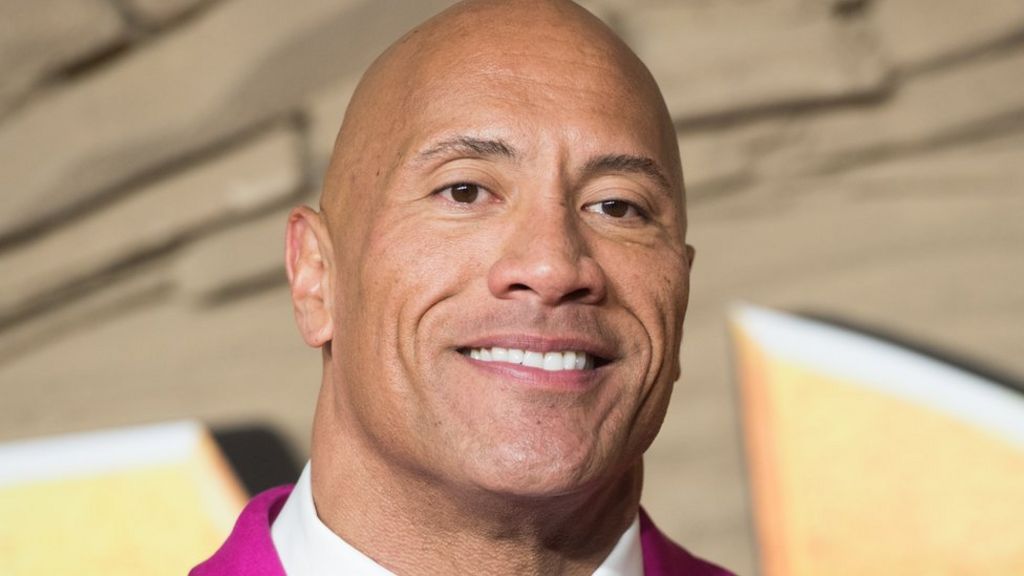
Dwayne Johnson
Now, if you think ‘’The Rock” is one stone-cold machismo character, well, he is when he is on screen. But when the 6ft 4inches tall celebrity is off-screen, he certainly has a lot to contend with like everyone else.
In a recent talk with British newspaper Express, he opened up to being depressed, and the dude didn’t have any serious reasons for being so, aside from being human. And he encouraged guys specially to do better than bottle everything in. “Depression Never Discriminate.” He shared later on his tweeter page.
Katy Perry
American female pop sensation Katy Perry has also revealed on time on a live stream tour on YouTube about how she too fights depression and is never ashamed to say so. She urged her fans to keep it real with themselves and everyone watching the need to take mental health seriously.
Lady Gaga
With many hit songs and billboard toppers to her name, one wouldn’t be surprised that her royal highness Lady Gaga would have had to weather through stormy days. And if there is anything to learn from the celebrity is that we can rise above our challenges.
She opened up about how she uses medication to battle depression and anxiety and advised her fans to be open about their health. You can find out here what you should do when you are faced with a nervous breakdown.
Michael Phelps
If you have won a series of gold medals for competitive swimming, you would surely know how to recover from any drowning situation. But it will interest you to discover that the world record swimmer Michael Phelps almost ended his life sometime after the 2012 Olympics.
And if there is anything we’ve found out from successful people is that success comes at a price. So Phelps had to sober up and get the help he needed. So if you want to conquer depression, you want to pay the price and get the right help.
J.K Rowling
It is no surprise that celebrity author of the Harry Potter Books, J.K Rowling, would appear on the list of celebrities who have battled depression. For someone who has put smiles on the faces of millions could only have done so by sacrificing a bit of theirs. And for J.K, it wasn’t that she was sad, as she described it on Oprah, “it’s that cold absence of feeling.”
Jim Carrey
The only man crazy enough to pull off the stunts in ‘’The Mask.” And also stared in some of the funniest character movies of all time, Ace Ventura comes to mind is also on the list of celebrities who have suffered from depression.
And what’s interesting about Carrey’s situation is that he doesn’t use medication such as anti-depressants or alcohol to help deal with life's issues. He faces them squarely and urges you to do so too. There are useful tips on this page https://www.verywellmind.com/overcoming-addiction-4157285 about fighting addiction.
Johnny Depp
Actor Johnny Depp could be one of Hollywood’s most anxious celebrities, and it is no secret that he works with therapists even while on movie sets to help manage his anxiety. Although he does a fine job with his character while on stage, he easily shows his anxiety during interview sessions.
Eminem
Another famous celebrity on the list is Eminem, and it is no secret that the rapper has had to battle with a lot of challenging situations. One of them is the unending conflict with his ex-wife, which the artist often rapped about in some of his verses.
Depression can affect your health negatively and should not be taken likely. You want to look out for signs that you may be in a depressive state and seek expert help if you are too deep.
Read Also:
Content Rally wrapped around an online publication where you can publish your own intellectuals. It is a publishing platform designed to make great stories by content creators. This is your era, your place to be online. So come forward share your views, thoughts and ideas via Content Rally.
Cocaine in itself is a dangerous drug if taken for a long time, it becomes more dreadful when the drug dealers mixed it with other opioids to enhance its effects. If you don’t know about such illegal mixing, the overdose of the drug may be fatal, which is becoming common nowadays.
It’s a common belief that it’s hard to combat cocaine addiction as compared to the other drug addiction that is not true in all cases. Still, the research studies are undergoing to find out the best and authentic treatment for cocaine addiction, as there are no registered medications by the FDA to treat such kind of addiction, but there are other therapies available like behavioral therapy, group counseling, etc. special treatments are still underway for the cocaine addiction due to the availability of the limited resources.
Outpatient Treatment Facility
The outpatient treatment setting is arranged for those cocaine abusers who cannot stay in the rehab center. While they are allowed to stay at home or in a community area during the period of their treatment, where they have scheduled visits to a rehab facility for treatment like individual or group therapies.
The treatment varies from person to person, so you may require to visit the center once or twice a week for around six hours in one sitting. The duration of outpatient treatment may last from weeks to even months with gradual recovery progress.
Inpatient Treatment Facility
The inpatient facilities are not equivalent to the hospital but basic addiction recovery treatments are available there. Infinite Detox Austin provides settings that offer pharmacological treatment, mental and social support, occupational support, etc. this type of recovery program mostly lasts for about six months.
For simple cocaine abusers, detoxification and other short-term treatments are enough, but for chronic cocaine addiction along with comorbidities inpatient rehab centers are preferable. This kind of individual-based one-to-one therapeutic program is helpful for you to regain the body equilibrium before going back to the hometown.
Recognized Treatment or Therapy Methodologies
1. Contingency Management
This approach is related to the management of high-risk situations and can be used in several types of treatment settings. During this therapy, individuals are rewarded for not using the drug. This is used to formulate the ability of each patient to deal with the drug cravings and the root cause behind them. This treatment is found to be a realistic and auspicious one.
2. Cognitive-behavioral Therapy
This therapy approaches change the behavior of the individual towards the use of the drug and force him/her to develop new plans to cope up with the ongoing treatment. This may be done in group settings or on an individual basis at both inpatient and outpatient recovery programs. This approach may include gaining knowledge about new methods to handle the drug cravings, suicidal thoughts, and lethal withdrawal symptoms, which may lead you towards relapse.
3. Matrix Model
This model is based on the principle of self-discipline, which involves features of many other treatment approaches, such as cognitive-behavioral therapy, contingency management, and 12-step programs, etc. This model includes emotional support, personal counseling sessions, and family education. It is seen as a proven treatment of addiction so it gets a lot of attention in society.
4. Medication-assisted Treatment (MAT)
Pharmacological therapy is used to provide you with the prescribed medications to combat drug usage. This method is still under consideration especially in the case of opioid addiction as the trials for cocaine abuse have not all been steadily efficacious and have not been extensively studied. However, if effective medications are developed for long-term use then MAT would become the most demanding and essential treatment option.
Read Also:
Are You Sick and Tired of Drugs?
4 Tips to Find an Effective Drug Therapy
Cannabis can Help in the Fight Against Drug Addiction
Four Effective Things To Recover From Heroin & Drug Addiction Treatment
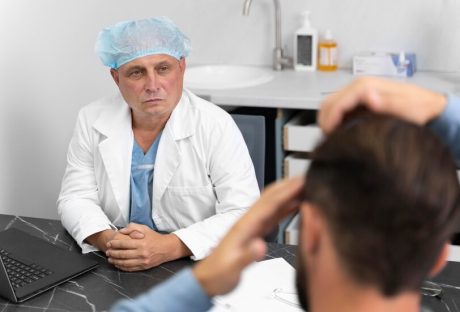
As per ISHRS, 87.3% of patients who have taken hair transplants are men. That indicates millions of people suffer from this issue. Hair transplant surgery helps people to restore the hair in the bald area. If you want to know more about this, go through the blog.
We will discuss the factors that you have to consider while taking a hair transplant at any clinic. In this blog, we will give you proper guidance to choose the best London hair transplant clinic.
What To Check Out
One of the most crucial factors to consider when choosing a hair transplant facility is the surgeon's qualifications and experience. Finding a board-certified surgeon with a track record of effective hair transplant. It will be ideal if you take a hair transplant at a clinic like Mittal hair clinic.
You can see all of their documentation on their official website. Documents such as a copy of their license or completion certificates. So take a hair transplant by assuring yourself in all aspects.
Additionally, search for a surgeon open to talking with you about your expectations and the potential hazards of the treatment and who has expertise in performing the hair transplant procedure you are thinking about. You should enquire about the surgeon's experience and check their credentials.
Most clinics will offer feedback from previous patients who have had successful hair transplants. It would be beneficial if you ask him/her about the number of surgery they performed.
Establishing Your Budget
Depending on the surgery type and clinic you select, the hair transplant cost can vary greatly. A few hundred to thousands of dollars may be spent on the procedure. It's crucial to research the various clinics and compare their costs to determine the overall expense. The sort of hair transplant you are interested in should also be considered because it can affect the cost of the treatment.
The price of any post-procedure aftercare that may be necessary must also be taken into account. This can entail medication, follow-up sessions, or extra therapies to guarantee the best outcomes. Ask the clinic if they offer any payment plans, which might help you spread the cost.
Making Sure You're Comfortable And Safe
Choosing a hair transplant clinic with a spotless and well-stocked facility is crucial. Find a clinic equipped with the most recent technology and a welcoming and pleasant atmosphere. Additionally, the facility should have a team of qualified experts to address any queries you may have.
As this will guarantee the greatest results, you should also enquire about the equipment utilized for the process. The clinic must have the most up-to-date technology to guarantee that the surgery is carried out successfully and securely.
Read Also: The Connection Between Melatonin And Hair Loss
Pre And Post-Care
The standard of pre-and post-operative care matters when selecting a hair transplant center. Find a clinic that provides thorough post-operative treatment and assistance. This guarantees you the best outcomes and that any potential issues are dealt with immediately.
Detailed advice on how to take care of your hair following the treatment should also be given by the clinic. This includes suggestions on how to style and wash your hair and any medications or treatments necessary to get the best outcomes. The clinic needs to offer suggestions for reducing the possibility of infection and scarring.
Choosing The Best Option For You
Choosing the correct hair transplant clinic is crucial for the best outcomes and to prevent any issues. Expert haircuts and grooming services in Barbers Fitzrovia. Experience the art of barbering with our skilled professionals. They guarantee that you achieve your goals and experience the procedure in comfort and safety. With the correct knowledge and investigation, you may locate a clinic that will assist you in achieving your goals.
Read Also:
How To Spot Hair Loss Early
How Can You Let Your Hair Regrow Naturally?
6 Proven Ways to Deal with Hair Loss for Women
With the regular electrical activity of the human brain, electrical impulses are coordinately discharged to the nerves, muscles, and the spinal cord. However, seizure disorders may arise when the brain's electrical activity is disrupted.
The most common picture of someone having a seizure is losing consciousness and uncontrollable shaking. Seeing someone with these symptoms could be terrifying, but by knowing more about these conditions, you can recognize, respond, and even provide help and support to the affected individuals.
Understanding Seizures and Seizure Disorders
There are two major types of seizures: epileptic and non-epileptic. Epileptic seizures are unprovoked seizures that happen without a trigger. It’s also commonly called epilepsy.
Factors that may have caused epilepsy include stroke, tumors, and structural abnormalities, among other brain disorders. The condition is called “symptomatic epilepsy.” This condition commonly affects newborn and old individuals.
To manage this condition, a healthcare professional may first prescribe you low-dosage medications like Klonopin. Your doctor may adjust the dosage until your seizures are well controlled. To save on this medication, check out Klonopin Discount Coupon you may use in many pharmacies across the county.
Conversely, non-epileptic seizures are provoked by temporary conditions that irritate the brain. The triggers could vary from a head injury, a reaction to a drug, or an allergy.
Individuals already diagnosed with a seizure disorder are more likely to get seizures if they are sleep-deprived, intoxicated, under excess emotional or physical stress, or if they have suddenly stopped drinking or using sedatives.
Recognizing the Signs of a Seizure
A person about to have a seizure will feel what they call an “aura” or unusual sensations. The symptoms may include butterflies in the stomach, abnormal smells and tastes, déjà vu, jamais vu, and an intense feeling that a seizure is about to happen.
Phases of a Seizure
A seizure has three phases: aura and prodrome (beginning), ictal (middle), and postictal (end). The beginning phase includes the prodrome stage beside the aura. In this phase, an individual about to get a seizure will experience anxiety, mood changes, difficulty sleeping, lightheadedness, and difficulty staying focused.
In the middle phase, also called “ictal,” common signs include memory lapse, confusion, twitching, loss of muscle control, body convulsions, trouble breathing, repeated movements, and racing heart, among other signs.
In the last phase, or “postictal,” the epileptic person would experience fatigue, headache, confusion, lack of consciousness, shame, sore muscles, and thirst, among other experiences.
Responding to Seizures: Dos and Don’ts
It is safe to offer help if you have mastered the guide on responding to the situation and know what to avoid when offering support. Equip yourself with knowledge by reading this guide:
Dos
To help someone with a seizure, here are safe things you can do:
Compose yourself
Set a cushion to support their head
Check if they have an epilepsy card or any identification that can help you with your next steps
Remove any obstructions in the area that can injure them
Lay them on their side
Loosen their collar and other tight clothing
Record how long the convulsions lasted
Place them in a recovery position when the convulsions stopped
Don’ts
These are the things you shouldn't do when helping an epileptic individual:
Do not put anything between their teeth during convulsions
Do not hold down the person
Do not feed them or give them a beverage
Do not leave them
Providing First Aid During a Seizure
You must ensure a safe environment and remove any potential hazards when providing first aid. For instance, if the person is in the middle of the road, you should move them, but if they are in an enclosed space, don’t try to carry them and transfer them to a bed. Just clear the space by removing the furniture away from the person.
As you ease the person to the floor, you can slowly turn them into one side to help them breathe. If the person is wearing glasses, remove them from their face. You should also time the seizure and call an emergency team if it persists after five minutes. A first aid & CPR course teaches an individual how to respond quickly and effectively to emergencies, providing immediate assistance until professional help arrives.
It’s also important to observe them while having seizures so you can give the medical team more information on what happened.
Seeking Medical Attention and Diagnosis
To detect the cause of seizures and diagnose epilepsy, one must undergo evaluations like a neurological exam, blood tests, and genetic testing. To know more about these tests, read the information below:
● Neurological Exam
This evaluation covers testing a person’s motor abilities, behavior, and mental functions, among other areas. This could help your doctor determine what type of epilepsy you may have and diagnose your condition.
● Blood Tests
With blood tests, your doctor can detect if you have infections or genetic conditions that may have caused the seizures.
● Generic Testing
Generic Testing is commonly administered to children to give more information about the condition so doctors can come up with ways to treat it.
Conclusion
Some epileptic individuals feel embarrassed about their conditions, as some still think that epilepsy is contagious or something that makes a person less capable of doing things and thinking on their own. Through this blog, we hope many would promote epilepsy and seizure disorder awareness, debunk misconceptions about this condition, and willingly offer help to individuals with epilepsy.
Read Also:
What Is TMJ Disorder and How Can You Remedy This Condition
Symptoms and Effects of Co-occurring Disorder on Human Health
Language and Speech Disorders in Children: How Speech Therapists Can Help














 Now, if you think ‘’The Rock” is one stone-cold machismo character, well, he is when he is on screen. But when the 6ft 4inches tall celebrity is off-screen, he certainly has a lot to contend with like everyone else.
In a recent talk with British newspaper Express, he opened up to being depressed, and the dude didn’t have any serious reasons for being so, aside from being human. And he encouraged guys specially to do better than bottle everything in. “Depression Never Discriminate.” He shared later on his tweeter page.
Now, if you think ‘’The Rock” is one stone-cold machismo character, well, he is when he is on screen. But when the 6ft 4inches tall celebrity is off-screen, he certainly has a lot to contend with like everyone else.
In a recent talk with British newspaper Express, he opened up to being depressed, and the dude didn’t have any serious reasons for being so, aside from being human. And he encouraged guys specially to do better than bottle everything in. “Depression Never Discriminate.” He shared later on his tweeter page.
 With many hit songs and billboard toppers to her name, one wouldn’t be surprised that her royal highness Lady Gaga would have had to weather through stormy days. And if there is anything to learn from the celebrity is that we can rise above our challenges.
She opened up about how she uses medication to battle depression and anxiety and advised her fans to be open about their health. You can find out here what you should do when you are faced with a nervous breakdown.
With many hit songs and billboard toppers to her name, one wouldn’t be surprised that her royal highness Lady Gaga would have had to weather through stormy days. And if there is anything to learn from the celebrity is that we can rise above our challenges.
She opened up about how she uses medication to battle depression and anxiety and advised her fans to be open about their health. You can find out here what you should do when you are faced with a nervous breakdown.