Published on: 29 April 2022
Last Updated on: 03 June 2026
As a beauty enthusiast, I'm always eager to try the latest and greatest skincare trends. So I had to learn more about the 10-step Korean skincare routine when I heard about it. Is all the hullabaloo worth it? Is it a fad, or is it something more?
In this post, I'll give you my honest opinion on whether or not the 10-step Korean skincare routine is worth trying.
Korean Skincare Routine: The Magic Of Natural Ingredients
Truly, the secret behind the effectiveness of the Korean skincare routine is its natural ingredients. All the ingredients used in the Korean skincare routine have been entirely sourced from nature and, on top of that, are also free from any harsh chemicals like parabens. Scroll down and find out the top ingredients of the magical Korean Skincare routine gaining popularity all across the globe.
"Flawless skin starts with a flawless skincare routine, and natural ingredients."
1. Rice Water
Rice water is one of the most important ingredients in Korean Skincare, especially if you are opting for glass skin, just like the Koreans do for achieving that perfect, glass-like clear skin. Rice water is considered to be a soothing ingredient for sensitive skin. Moreover, it is also the perfect solution for any type of skin inflammation issues, irritation, and dermatitis.
2. Snail Mucin
Also known as SSF or Snail Secretion Filtrate, the snail mucin is one ingredient that has become pretty common in Korean skincare routines, even though it did sound quite strange initially. The effects of snail mucin are several - it has hydrating agents that help in healing irritations, promote the growth of new skin, and keep your skin moisturized.
3. Pearls
The entire Korean skincare market seemed to be obsessed with this one ingredient - Koreans love pearls, and rightfully so since they can do magic for your skin. Pearls not only include healing properties for fighting blemishes, removing acne, and minimizing all enlarged pores. Moreover, the ingredient is also becoming popular because of the naturally radiated effect it has on the user's skin.
4. Propolis
Located on the sealings and walls of beehives, Propolis has a resin-like gummy texture which has several benefits, especially for skincare. It has anti-inflammatory, anti-bacterial, and anti-fungal properties which makes it perfect for treating skin affected with rashes, acne, and blemishes. Since Propolis also includes antioxidants, it is often used for calming all kinds of skin irritations.
Breaking Down the 10 Step Korean Skincare Routine
"Filters are great, but glowing skin is better"
In the bustle of the morning rush, taking up an hour-long regimen just for your skin may seem like a chore. However, if the reported results are anything to go by, you'll be thanking the person who invented it soon when you see the results.
With Korean skincare, the focus is less on a specific skin product brand but rather on tried and tested products that add different benefits to your skin.
1. Oil Cleanser Facial Wash
Choose an oil-based facial cleanser to wash your face. Unlike most other skincare routines, this intensive process is all about moisture. Our skin produces sebum, an oily substance that clogs your pores when not properly washed off.
"Less stress, more Facials."
Oil cleansers, therefore, are the perfect solution as effective substances against facial, oily dirt. The most popular ingredients are usually oils like grapeseed or sweet-smelling jojoba oil.
2. Water or Foam Cleanser
We already expect to be as extra as possible with ten steps involved, so this second step is to get your face extra clean. Following up with a foam cleanser takes away extra sweat and grime accumulated on your skin's surface.
"If it doesn't nourish your skin, or your soul, let it go."
Get products with green tea or rice extracts for this double-cleanse step.
3. Exfoliation
This is the secret to having flawless, bright, youthful skin. Massage the exfoliator into your skin to eliminate any dead skin and unclog your pores.
"Don't hate. Hydrate and Exfoliate!"
Ideally, skip a day or two between exfoliators, and for those with extra-sensitive skin, limit it to once a week. Ingredients like lactic acid and grainy sugar are key to scrubbing your face clean.
4. Grab a Toner
Facial toner is a light, gentle moisture coating that softens your skin. The first three processes make your skin more delicate than usual. So the toner aids in nutrient absorption to replenish your skin. Your toner helps regulate your pH level, which, when off, can cause breakouts.
"Be picky with your time, your inner circle, and your toner."
A toner can also be used to diminish the appearance of black marks. This procedure will be especially beneficial for those who have coped with the scarring aftereffects of acne. Aloe vera is the holy grail of all cleansers, so check the ingredients when looking for the right product.
5. Apply Essence or Serum
This, ultimately, is the heart of the Korean beauty regimen. It's significant since the function of essence or serum is similar to that of a booster or ampoules for your skin. The mixture is packed with powerful, active components that give you a youthful glow, assist in intense hydration, and help balance your pH.
"Life is short. Buy the Serum."
They're also great for helping you fight various skin issues while giving your skin an extra boost. Rice is a common ingredient, as well as hyaluronic acid.
6. Treatments
At their most basic, treatments are serums applied to relieve specific skin conditions like skin pigmentation or acne. Ingredients like vitamins C are great for problem areas and tea tree oil.
"Book your appointment and avoid dissappointment."
Before engaging in any sort of routines, consulting your skincare esthetician is the best thing you can do. Your esthetician will be able to tell you whether your skin needs treatment or if the damage can be solved with specific products.
7. Sheet Masks
Different skins need different masks at different times. If you're feeling dehydrated, something hydrating like cucumber or ingredients like green tea work best. For brighter skin, honey-based masks would be ideal.
"Friday-night plans: getting sheet faced"
For oily skin types, stay away from creamy masks that will make your skin even oilier and cause breakouts. Masks have numerous benefits, such as restoring damage caused by, e.g., UV damage while also calming skin irritation from itchy spots around acne breakouts. Use these every other week to infuse your skin with essential nutrients.
8. Eye Creams
These moisturize the thin, sensitive skin around your eyes, helping to minimize fine lines, to eliminate dark circles and inflammation. The best products are those with honey extracts.
"I scream, you scream, we all scream for eye cream."
The fact is we all need eye creams. Once you enter your mid-20s, the late nights, the stress, and the uneven sleeping patterns all seem to add up only to create huge dark circles beneath your eyes. In that case, you need your eye cream to save you from dark circles.
9. Moisturize
Hydration is the key to happy skin, and different skin types require different moisturizers. Oily skin might benefit from water-based products, while dry skin might need oily or cream-based moisturizers. Hyaluronic acid and bamboo are key in helping lock in the moisture.
"I glow better when I'm moisturized."
If you don't moisturize, especially if you have dry skin, the benefits of the enire skincare routine will be lost in your skin. In fact, children in Korea are taught the significance of the same from a very young age so that they can take care of their skin.
10. Sunscreen
Many people assume sunscreen is only to be worn when stepping out on a hot summer day. However, even if it's cold or you won't leave the house, don't skip it.
"All I need is glassy skin, sunscreen, and 5 million dollars."
It plays an important role in massaging zinc oxide and other metallic oxides to protect your skin from UV damage.
Frequently Asked Questions:
1. Which Korean Skincare Is Best?
The most popular Korean skincare products are as follows,
Glass Skin Refining Serum,
Mugwort Essence,
EGF Collagen Ampoule,
Matcha Pudding Antioxidant Cream, and
Renewing Rich Beauty Cream
2. Is Korean Skincare More Effective?
Yes, the Korean skincare routine is considered to be one of the most effective skincare routines in the world. Wondering why? The secret is in the natural, chemical-free ingredients that are used for making these skincare products. Moreover, even children are taught the importance of an SPF while growing up.
3. Why Is Korean Skincare So Popular?
The reason why Korean skincare is so popular is that it uses natural ingredients sourced from Mother Nature and is free from any harmful toxins. Moreover, people these days are leaning more and more towards ingredients that are natural and free from any harsh chemicals - aren’t Korean products exactly like that?
But First, Skincare!
"You can't buy happiness, but you can buy good skincare which is kind of the same thing."
So there we have it! In Korea, beauty is big business, and it caters to both genders. With the emphasis on preventive care and moisturization, it stands to reason that investing in a youthful, glowing face will require a significant amount of time!
Let us know if you've tried this 10-step Korean skincare routine and if you've been converted! We certainly think it is!
Read Also:
Content Rally wrapped around an online publication where you can publish your own intellectuals. It is a publishing platform designed to make great stories by content creators. This is your era, your place to be online. So come forward share your views, thoughts and ideas via Content Rally.
We know that moisturizing our skin is very necessary. It helps to keep the skin healthy and radiant. However, there are many different moisturizers available on the market. So, choosing the one often makes you feel overwhelmed.
The night and day moisturisers are formulated differently. Each type has its purpose to serve.
So, I know you often feel confused about which one to choose or why using different moisturizers at different times of the day is necessary.
Thus, it is essential to understand their different purposes and their optimal results to maintain healthy and radiant skin.
The Role Of Day Moisturisers
The formulation of a day moisturizer aims to provide better hydration to your skin. It also provides a shield from the daily environmental aggressors.
The day moisturizers generally contain SPF, which protects your skin from UV rays. Your bare skin is exposed to UV rays, which can cause massive damage to your skin. These UV rays can cause premature aging, and they can also increase the risk of skin cancer.
Additionally, the day moisturizers are very lightweight. Its quick absorption nature ensures that your skin feels comfortable all day long. It blends into your skin so seamlessly that you can quickly wear your choice of makeup without any issues.
Other than SPF components, your day moisturizer also contains powerful antioxidants such as Vitamin C and Vitamin E. These antioxidants help neutralize all kinds of free radicals generated from sunlight and pollution.
Moreover, these antioxidants also prevent oxidative stress and damage to your skin.
For example, a day moisturizer doesn’t only limit itself to hydrating your skin. It also helps to create a barrier on your skin, making it strong and resilient against all kinds of daily stressors.
This dual action is necessary to provide youth with a better complexion and prevent all the early signs of aging.
The Role Of Night Moisturisers
Nighttime is when your skin goes into repair mode. During sleep, the blood flow in your skin increases, and it starts to rebuild its collagen while repairing the damage from UV exposure. It also helps in reducing wrinkles and age spots.
Night moisturizers are specifically designed to support this natural repair process.
These moisturizers are more expensive and thicker than the daytime moisturizers. Moreover, these also provide deep hydration that helps to rejuvenate your skin overnight.
They often contain three active ingredients, such as
Retinol,
Peptides, and
Hyaluronic acid.
Retinol helps in cell turnover and collagen production; peptides strengthen the skin. On the other hand, hyaluronic acid draws moisture into the skin, ensuring you wake up with a plump and rejuvenated complexion.
Unlike day moisturizers, night creams do not contain SPF – this absence allows them to focus on repair and hydration without sun protection.
The lack of SPF also means these products can deliver higher concentrations of active ingredients that might make the skin more sensitive to sunlight.
Day And Night Moisturizer-Why It Matters
Using the proper moisturizer at the right time is critical to maintaining healthy, balanced skin.
A day moisturizer protects and prepares your skin for environmental challenges, while a night moisturizer aids in its natural repair processes.
Neglecting to use these specialized products can lead to imbalances such as dryness, premature aging, and increased sensitivity to environmental damage.
Moreover, properly using these moisturizers can enhance the effectiveness of other skincare products.
For example, using a night cream with retinol will prepare your skin to better absorb the benefits of your morning Vitamin C serum, creating a synergistic effect that boosts your overall skincare routine.
Incorporating day and night moisturizers into your skincare regimen is essential for achieving and maintaining optimal skin health.
By understanding and utilizing the distinct benefits of each, you can protect your skin during the day and support its natural repair processes at night.
For those looking to elevate their skincare routine with high-quality products, consider exploring options from Solskin Beauty Labs – this range of expertly formulated day and night moisturizers can help you achieve radiant, healthy skin around the clock.
Invest in your skin today and let the combined power of day and night moisturizer work their magic… your skin will thank you for it!
The Facts That You Should Know
The concept of daytime moisturizer and nighttime moisturizer isn’t just some kind of gimmick. They contain different skincare products that can cause you different benefits. The day creams mainly focus on the following:
Brightening your skin complexion,
Maintaining the proper hydration of your skin,
Protecting your skin from sunlight and other environmental damage.
On the other hand, nighttime creams are thicker in kind. They specifically help to:
Deliver more hydration to your skin,
Reduce all kinds of damage,
Soothes irritation if you are experiencing any.
But how to understand which facial cream will suit you well? In that case, you have to understand your skin type. You can also consult with a dermatologist to understand your skin type.
The general rule is that you must choose creams that are noncomedogenic in nature. But, if you have sensitive skin then you must select your cream carefully.
It is good to add these products to your skincare habits when you are in your mid to late 20s. That way, you get the full benefit of the antiaging properties, and your face will look much younger.
Wrapping It Up!
So, the question is, do you need two different types of creams in your skincare routine? It is unnecessary, but again, it comes down to your preferences and necessities.
Firstly, you will have to learn what exactly your skin wants. What are your skin concerns? And how tight are you on your budget?
Perhaps your skin is delicate when you apply the same cream twice daily. Once you understand that, deciding whether you need two different creams at different times becomes straightforward!
As you get older, you tend to deal with more skin issues. Your skin can thrive with different ingredients, from the other ingredients of day and night moisturizer.
Ultimately, it is all about meeting your skin needs without compromising your skin's radiance and better health.
Read Also:
Achieve Firmer Skin With Skin Tightening
Role Of Diet, Hormones & Skin Care On Acne
Achieving Radiant Skin In Rainy Vancouver: The Role Of Medi Spas
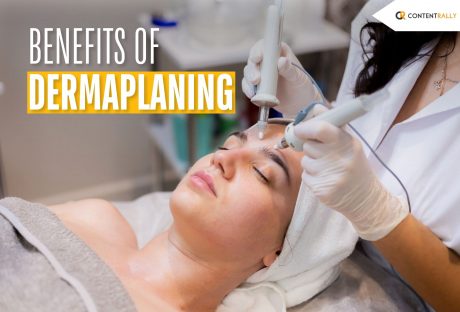
Dermaplaning is a non-invasive cosmetic procedure. It is a cosmetic process that can help improve your skin's appearance by exfoliating dead skin cells. This process involves removing the top layer of your skin. It can be beneficial in enhancing the look and feel of your skin and making it look smoother, brighter, and more even-toned.
A dermatologist or esthetician typically performs dermaplaning. The procedure takes about 15-20 minutes and is usually painless.
Reduces Acne Scars
Acne scars can be caused by clogged pores that rupture and spill into the skin. The inflammation caused by the bacteria triggers collagen production to repair the damaged tissue. However, the scars can leave the skin with an uneven texture and discoloration. Cedar Rapids dermaplaning can reduce the appearance of these scars by removing the discoloration and triggering additional collagen production.
Cedar Rapids offers a variety of options for dermaplaning. This non-invasive cosmetic procedure gently removes the top layer of dead skin cells and vellus hair (peach fuzz) from the face. Dermaplaning is a physical exfoliation treatment that is both safe and highly effective. Regular exfoliation is essential for maintaining healthy-looking skin. One effective method to achieve this is by undergoing a procedure called dermaplaning and gently removing dead skin cells with a surgical scalpel. And fine vellus hair reveals a smoother, brighter complexion. In addition to displaying a fresh layer of skin, this facial treatment can also enhance the effectiveness of other treatments, like chemical peels and Hydrafacial, by allowing them to penetrate deeper into the skin.
Improves Skin Texture
During a relaxing procedure, dermaplaning painlessly removes the outermost layer of dull, dead skin cells through exfoliation. It can improve skin texture and brighten the complexion. It also helps the skin absorb ointments and creams more effectively.
The best part of dermaplaning is that it is safe for all skin types, even on sensitive skin. It is an excellent option for women who wish to reduce the appearance of scars, uneven skin tone, and fine lines.
Before a client receives a dermaplaning service, they must complete a Dermaplaning Consent Form. It ensures that they are fully informed of what the treatment involves and any associated risks. It also helps to protect the practitioner in the event of a legal dispute.
Reduces Fine Lines And Wrinkles
Dermaplaning involves using a scalpel to gently remove dead skin cells and fine facial hair, resulting in a safe and effective physical exfoliation treatment.
Regular facials help detoxify the skin and remove clogged pores that can lead to blackheads. They also improve skin tone, texture, and acne scars. The med spa at Cedar Rapids offers several facial treatments, including chemical peels, microdermabrasion, and the HydraFacial MD(r) for glowing and radiant skin.
Improves Skin Tone
Dermaplaning removes facial hair that can trap dirt and oil, revealing brighter skin. It also enhances the results of skin care products because it allows the product to penetrate deeper.
If you have a dull complexion, uneven skin tone, or blotchy spots, a dermaplaning treatment can help.
Achieving an even, radiant complexion is a common goal for many people. While no magic bullet will instantly eliminate all skin imperfections, several lifestyle changes and skincare practices can help improve skin tone over time.
Prevents Clogged Pores
While dermaplaning isn't a miracle cure, it does help prevent clogged pores by removing the buildup of dead skin cells and excess oil. It is especially helpful for those who suffer from acne and have oily or combination skin types.
The process involves a trained aesthetician using a blade, a.k.a a scalpel, to scrape away the dead skin and the peach fuzz (vellus hair).
It's important to note that anyone who wants to have a dermaplaning session should avoid putting on any moisturizers or exfoliants the day before. This is because anything that irritates the skin can cause cold sores. It's also a good idea to tell the aesthetician about any history of cold sores, as they may be able to prescribe you an antiviral to prevent outbreaks.
Read Also:
Are you aware of Belviq – a Weight-Loss Drug?
Seven Best Meal Replacement Ideas For Weight Loss
The Science Behind Blue Light Glasses
When it comes to beauty and skincare, Vancouver residents know the challenges of maintaining radiant skin in the city's rainy climate. With its frequent drizzles and overcast skies, Vancouver's weather affects your skin. However, thanks to the growing popularity of medi spas in Vancouver, achieving and maintaining radiant skin has become more accessible than ever. This article discusses how a Vancouver medi spa plays a crucial role in meeting the unique skin care needs of Vancouverites.
Understanding Vancouver's Unique Climate
The city of Vancouver is known for its mild, wet winters and cool, temperate summers. While this climate is comfortable for its residents, it also means dealing with higher humidity levels and increased moisture in the air. This combination can lead to a range of skincare challenges, including:
Increased Moisture Levels: Vancouver's high humidity can make your skin feel oily and prone to breakouts.
Dry Spells: Paradoxically, despite the moisture in the air, some individuals may experience dry and dehydrated skin due to temperature fluctuations.
Sun Exposure: Vancouver's overcast skies can be deceptive, leading many to underestimate the sun's harmful effects on their skin.
How Medi Spas Address Unique Skin Care Challenges
Tailored Skincare Solutions
Medi spas in Vancouver specialize in providing customized skincare solutions that take into account the city's distinct climate and the individual needs of their clients. Here's how they do it:
Personalized Assessments: When you visit a medical spa in Vancouver, skin care professionals will conduct a thorough assessment of your skin type, taking into consideration your lifestyle and the city's climate. This assessment ensures that the treatments you receive are tailored to your specific needs.
Hydration Treatments: To combat the increased moisture levels in Vancouver, medi spas offer a range of hydration treatments, including moisturizing facials and advanced skincare products. These treatments help balance your skin's moisture levels, keeping it healthy and clear.
Anti-Aging Solutions: Vancouver's overcast skies can be deceiving when it comes to sun exposure. Medi spas offer anti-aging treatments such as chemical peels and laser therapies to address sun damage and maintain youthful skin.
Acne Management: For those struggling with oily or acne-prone skin due to the humidity, medi spas provide effective acne management solutions, including facials and medical-grade skincare products.
Innovative Technologies
One of the reasons media spas are so effective is their use of cutting-edge technologies. These technologies are designed to address specific skincare concerns and adapt to Vancouver's climate conditions. Some notable treatments include:
Laser Therapies: Laser treatments are used for a variety of purposes, from skin resurfacing to hair removal. They can effectively treat sun damage, wrinkles, and other skin imperfections caused by Vancouver's unique climate.
Cryotherapy: Cryotherapy treatments can help reduce inflammation and redness, making them ideal for individuals dealing with skin sensitivities exacerbated by the weather.
Microdermabrasion: This non-invasive procedure exfoliates the skin, leaving it smoother and more radiant. It's a popular choice for those seeking to rejuvenate their skin in Vancouver.
In Conclusion
A Vancouver Medspa is a valuable resource for residents seeking to achieve and maintain radiant skin in the city's unique climate. With personalized skincare solutions and innovative technologies, these establishments play a vital role in helping individuals look and feel their best year-round.
Read Also:
What You Need to Know About Caring for Your Skin as You Get Older: Your Guide
7 Anti-Aging Tricks and Tips to Get Youthful Skin Like A Teen
11 Foods You Must Incorporate Into Your Diet for Great Skin













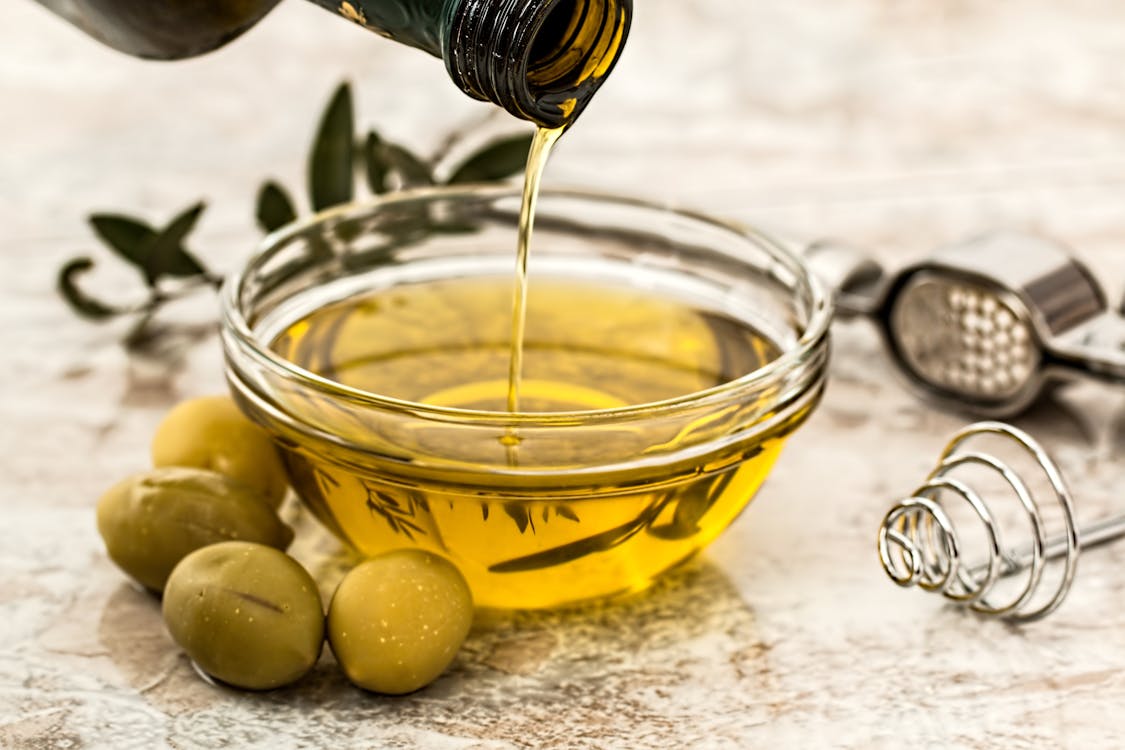 Choose an oil-based facial cleanser to wash your face. Unlike most other skincare routines, this intensive process is all about moisture. Our skin produces sebum, an oily substance that clogs your pores when not properly washed off.
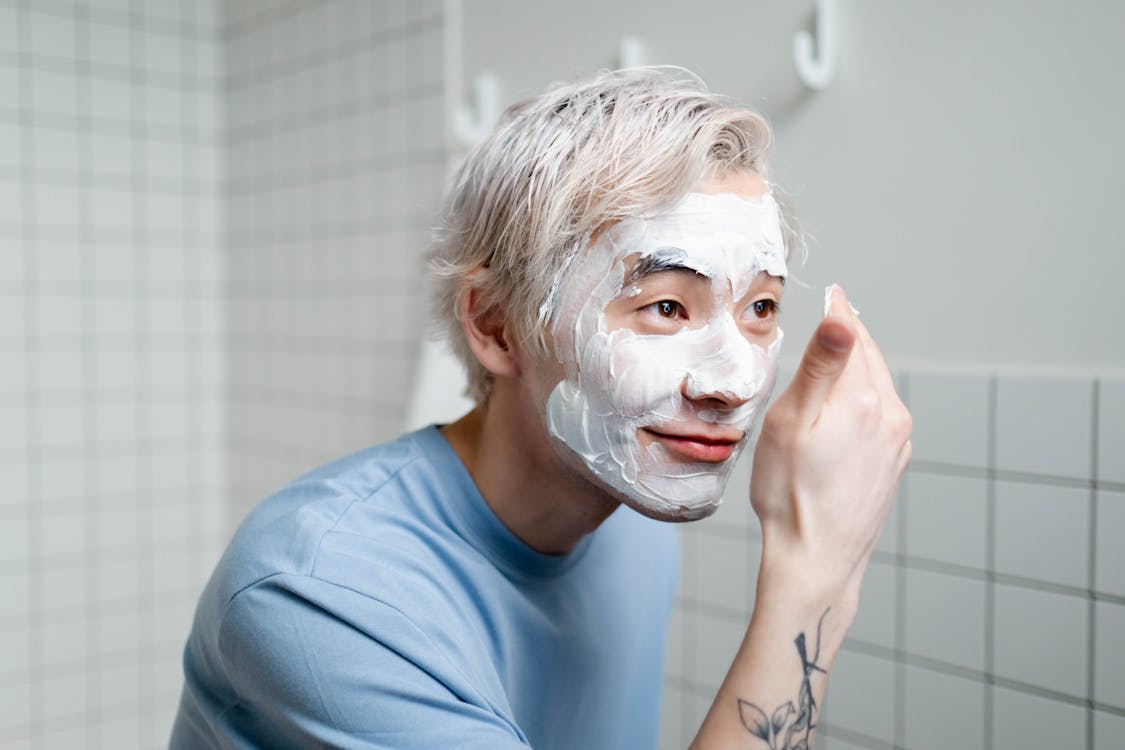 We already expect to be as extra as possible with ten steps involved, so this second step is to get your face extra clean. Following up with a foam cleanser takes away extra sweat and grime accumulated on your skin's surface.
 This is the secret to having flawless, bright, youthful skin. Massage the exfoliator into your skin to eliminate any dead skin and unclog your pores.
 Facial toner is a light, gentle moisture coating that softens your skin. The first three processes make your skin more delicate than usual. So the toner aids in nutrient absorption to replenish your skin. Your toner helps regulate your pH level, which, when off, can cause breakouts.
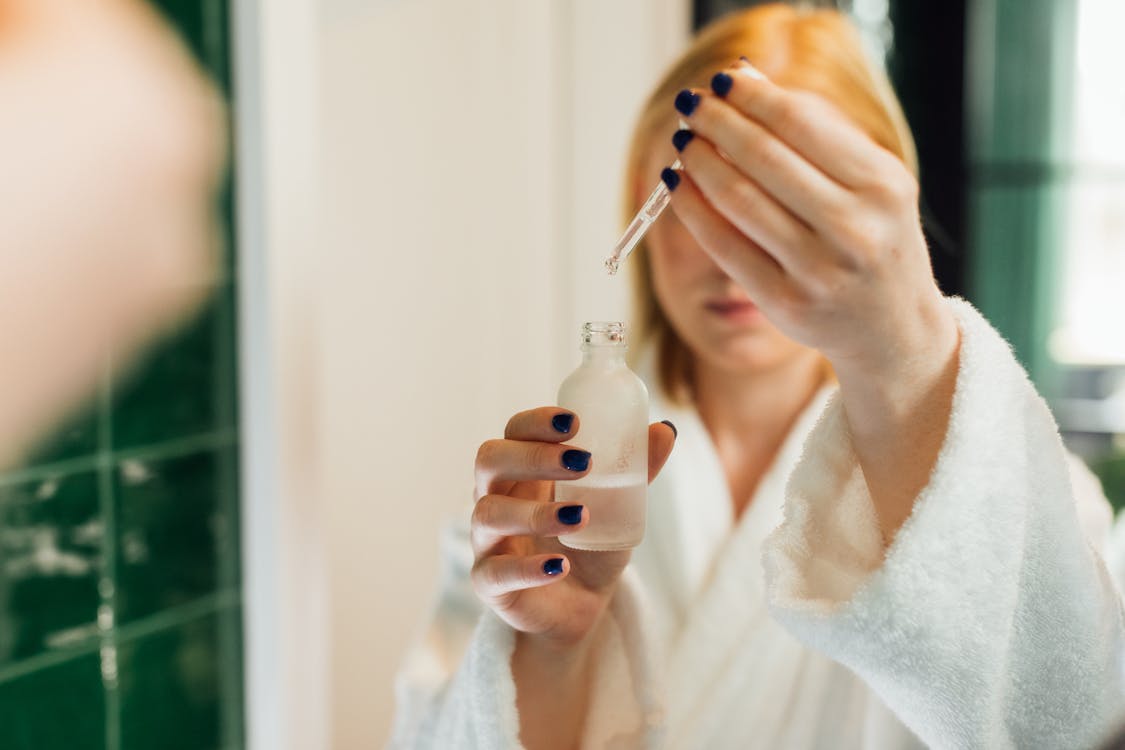 This, ultimately, is the heart of the Korean beauty regimen. It's significant since the function of essence or serum is similar to that of a booster or ampoules for your skin. The mixture is packed with powerful, active components that give you a youthful glow, assist in intense hydration, and help balance your pH.
 At their most basic, treatments are serums applied to relieve specific skin conditions like skin pigmentation or acne. Ingredients like vitamins C are great for problem areas and tea tree oil.
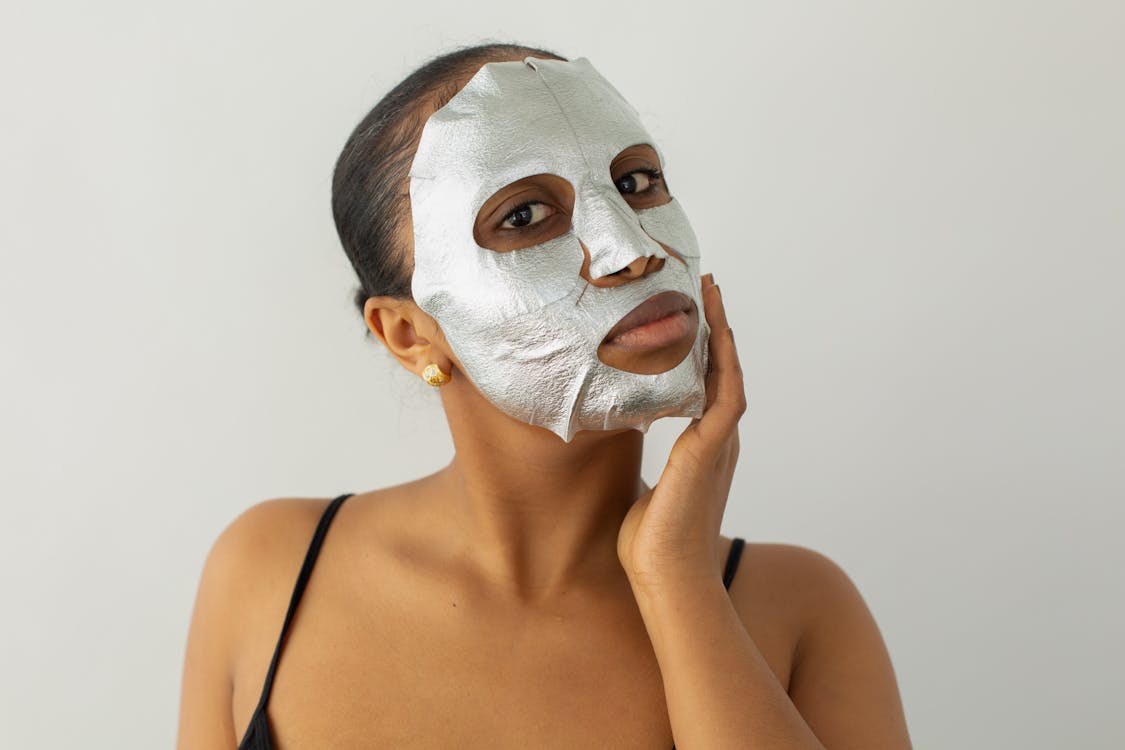 Different skins need different masks at different times. If you're feeling dehydrated, something hydrating like cucumber or ingredients like green tea work best. For brighter skin, honey-based masks would be ideal.
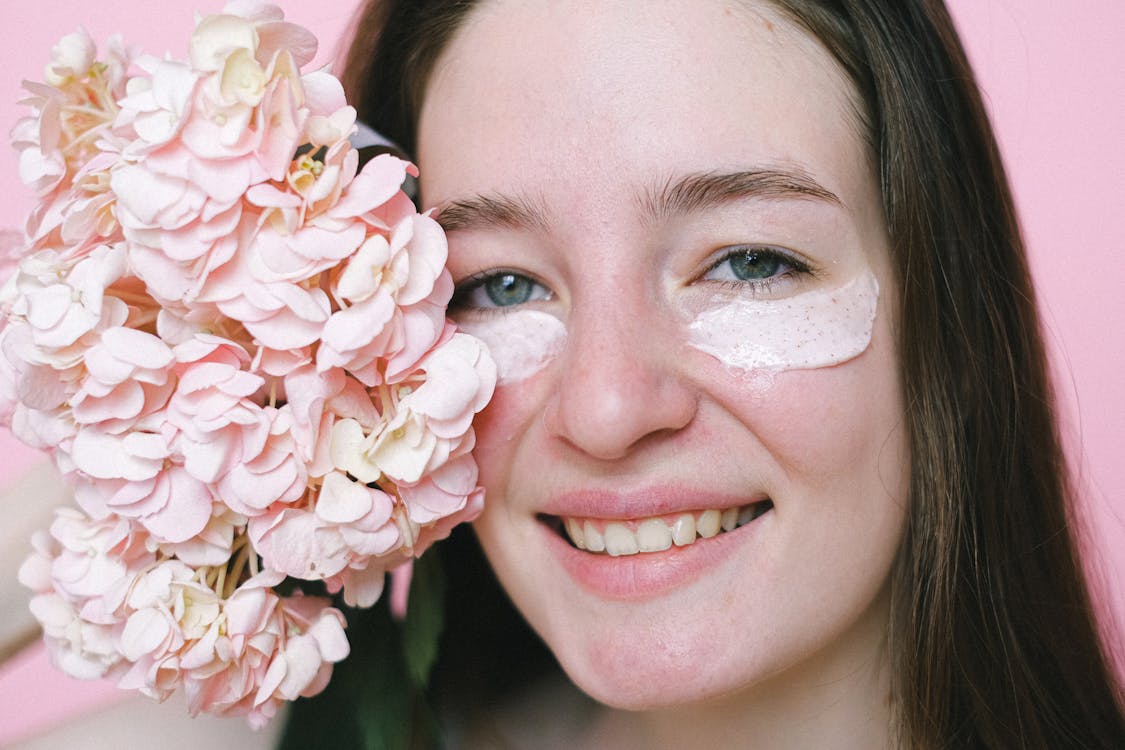 These moisturize the thin, sensitive skin around your eyes, helping to minimize fine lines, to eliminate dark circles and inflammation. The best products are those with honey extracts.
 Hydration is the key to happy skin, and different skin types require different moisturizers. Oily skin might benefit from water-based products, while dry skin might need oily or cream-based moisturizers. Hyaluronic acid and bamboo are key in helping lock in the moisture.
 Many people assume sunscreen is only to be worn when stepping out on a hot summer day. However, even if it's cold or you won't leave the house, don't skip it.