5 Most Exciting Facial Treatments For Smooth & Gorgeous Skin

Published on: 24 May 2021 Last Updated on: 11 February 2026
Facial Treatments

How can I take the best possible care of my skin?

What can I do to preserve the youthful looks of my skin for a good long while?

These are age-old questions that have fuelled an industry worth millions of dollars. Companies are researching for and developing thousands of beauty products and facial treatments that line the shelves of pharmacies, supermarkets, and malls.

Each claims to give you gorgeous, glowing skin that is free of blemishes like acne, pigmentation, and signs of aging. In the coming years, you can expect to see an even more mind-blowing array of creams, ointments, and salves. According to a report released on Reuters, the Global Cosmetics Products Market is projected to rise at a CAGR of 7.14% in the 5 years from 2018 to 20123 reaching a high of an unbelievable USD 805.61 billion.

5 Most Exciting Facial Treatments of 2018 - For Smooth, Gorgeous Skin

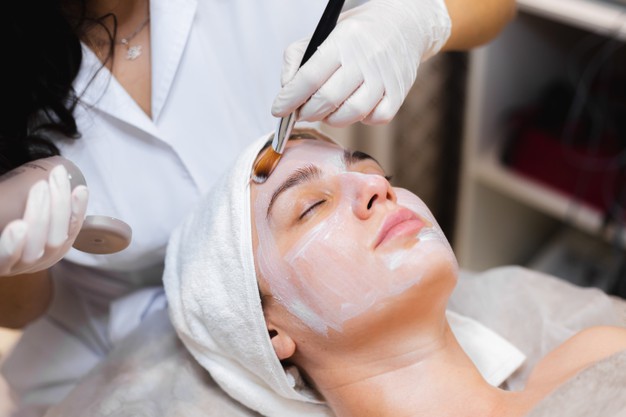
Side by side is the growth in the salons and spas across the country with upmarket professionals offering you a range of specialty facial treatments; some that they have developed and perfected on their own. Each comes with a USP that promises to give you the skin you’ve always wanted.

2018 had its share of options, some gained more popularity than others while there are a few more that are still new on the block. Here’s a quick look at some of the most exciting beauty procedures you can try.

1. PRP Facials:

PRP facial treatments, also known as Vampire facials first made waves a few years ago with Kim Kardashian being one of its first proponents. The procedure continues to hold the interest of celebrities and everyday folk has given that it is possibly one of the safest anti-aging options available today.

In place of chemicals, the serum used in PRP therapy is extracted from a sample of your blood. This serum contains a concentration of healing elements such as platelets, growth factors, mesenchymal stem cells, and various others. Together, these components stimulate the rejuvenation of the layer of collagen and elastin under the skin.

Over the next 3 to 4 weeks, the natural plumping up of the skin can erase flaws like fine lines and wrinkles, breakouts, pigmentation, dark circles, and even scars left behind by acne and injuries.

2. Laser Facials:

Lasers have long been used extensively in the field of medicine to perform procedures with a minimum of scarring. You’ve probably also heard of laser liposuction for inch loss or low-level laser therapy that can reverse hair loss and promote the growth of hair.

One of the newest facial treatments available today uses lasers to scrape away the damaged top layers of the skin so new cells can emerge. Like this feature on WebMD explains, the procedure is also called laser resurfacing and uses two different kinds of lasers.

During the first part of the session, the dermatologist uses the YAG laser that cleans the skin of impurities at a deeper level. The second pass is done with the IPL laser at a low setting to stimulate the layer of collagen to start producing new cells.

Most of these facial procedures are completed with 15 minutes and involve absolutely no downtime. You can go back to work or any other activities right after.

Laser Facials

3. Cryotherapy Facials:

You’ve probably heard about the Cryolipolysis treatment also called CoolSculpting that can help you get rid of excess inches. Cosmetologists have taken the technique a step further and now use it to help rejuvenate your skin. Cryotherapy facial treatments have several positives.

Like, for instance, they can erase the signs of aging like fine lines and wrinkles and help reverse the sagging brought on by advancing years. In case you’re looking for an effective cure for acne or eczema, the cryo procedure might just be able to help you.

As Rebecca Norris reports on Allure, dermatologists use a cryo-probe or blast of vaporized liquid nitrogen to cool the skin to below freezing temperatures rapidly.

This action results in the tightening of the tissues as the circulation drops. When the blood vessels and capillaries restore normal circulation, the rush of blood helps clear away toxins and other impurities while at the same time bringing in nutrients and fresh oxygen. This new infusion oxygenates and restores the layer of collagen under the skin to give it a youthful glow.

4. LED Light Facials:

The LEL light facial treatments are another of the newest procedures that perform a range of functions to help restore the smooth, flawless beauty of your skin.

The process begins with steaming to clean your face of all traces of makeup and open the pores, so they are more receptive to the action of the light. LED facials to make use of light at 4 different wavelengths each with a specific purpose.

  • The red light lowers inflammation and boosts blood circulation in the skin
  • The infrared speeds up the recovery of the skin
  • The blue light acts on acne-causing bacteria to destroy it
  • The amber light stimulates the growth of collagen and elastin cells in the skin

LED Light Facials

Your skin is exposed to each one of the wavelengths for a few minutes at a time as you lie under a dome-like structure. After the light exposure, the cosmetologist clears the skin of blackheads and whiteheads, and then, uses a wand with high-frequency waves to remove any remaining bacteria. The final step involves a soothing face mask to nourish the skin.

5. The Gankin Massage:

Like many women in today’s time with a busy career with personal and professional commitments, you may not have the time to visit the salon for a facial every 30 days as recommended. There is now a unique system that you learn to perform at home as outlined in Vogue magazine.

Originally a Japanese concept, the facial treatment involves massaging your skin with the special SUQQU cream. The trick here is to stimulate the right pressure points to promote blood circulation and the drainage of lymph for clearer, more beautiful skin. This treatment can erase any swelling and sag for smoother and sharper facial contours.

There you have 5 facial treatments that were highly popular in the year 2018. Suitable for all types of skin, ages, and genders, they promise to restore the flawless perfection of your skin. Sign up for the procedures or perform them at home and see the transformation in your looks.

Read Also:

Content Rally wrapped around an online publication where you can publish your own intellectuals. It is a publishing platform designed to make great stories by content creators. This is your era, your place to be online. So come forward share your views, thoughts and ideas via Content Rally.

View all posts

Leave a Reply

Your email address will not be published. Required fields are marked *

Related

Chiropractic Appointment

What Should I Do After A Chiropractic Appointment?

Kudos for deciding to seek consultation with governor's family chiropractic to improve your musculoskeletal health! Following a chiropractic visit, it's crucial to assist your body's recovery to maximize the therapeutic effects. However, while the chiropractor's experience and treatment plans are essential, what you do following the session can also impact your general health and treatment outcome. A typical chiropractic session consists of many steps intended to evaluate and treat your musculoskeletal health. What to anticipate at a regular chiropractic appointment is as follows: Preliminary Advice The chiropractor will start by reviewing your health history, present symptoms, and any particular worries you might have. Using this information, they can better comprehend your illness and devise an effective treatment strategy. Visual Inspection The chiropractor will do a thorough physical examination that may involve measuring your range of motion, examining your posture, and running neurological and orthopedic evaluations. Furthermore, they could palpate or examine the spine and surrounding structures to find any tension, soreness, or misalignment. Diagnosis In some circumstances, the chiropractor may ask for diagnostic testing to learn more about your issue, including MRI scans, X-rays, or laboratory tests. They could identify any structural underlying problems or diseases that can affect your therapy with these tests. Formulation Of A Treatment Plan The chiropractor will create an individualized treatment plan catered to your particular requirements based on the results of the diagnostic tests and examination findings. This strategy could incorporate different chiropractic methods, treatments, exercises, and lifestyle advice. Chiropractic Procedures Chiropractic adjustments or spine manipulations are among the primary therapies they offer. These adjustments include the chiropractor applying controlled force to certain areas in the spine or various regions of the body to resolve misalignment, enhance joint mobility, and relieve pain. Additional Options The chiropractor may combine additional therapy with adjustments, depending on your situation. These might include ultrasound therapy, spinal decompression, soft tissue therapies (like myofascial release or massage), electrical stimulation, cold laser therapy, or even ordering a standing desk for work.  In addition, these treatments intend to lessen inflammation, encourage healing, and enhance general musculoskeletal function. Self-Care Guidelines And Education Chiropractic professionals frequently offer instruction on good posture, body mechanics, ergonomics, and exercises to go along with your care. They could also recommend diet, stress reduction, and lifestyle changes to improve your general well-being. Follow-Up Consultations The chiropractor may advise several follow-up visits, depending on the severity of your ailment, to check on how you are faring and make any required modifications to your therapy regimen. These consultations allow continued evaluation, therapy, and support. Following some instructions after a chiropractic visit is crucial to optimize the advantages and aid your body's recovery process. Here is a list of measures you need to take: Observe Post-Appointment Guidelines You should pay close attention to your chiropractor's advice and adhere to their suggestions. This process might involve changing your regular schedule or performing workouts and stretches at home. Concentrate On Staying Hydrated A chiropractic adjustment may cause modifications and modifications in the body, which may affect the flow of bodily fluids and general health. Staying hydrated stimulates healthy blood circulation, encourages the supply of necessary nutrients to the tissues, and aids in toxins and waste products removed from the body. Consume plenty of water to keep hydrated and aid your body's recuperation processes. Healthy circulation, lubricated joints, and general wellness strictly depend on proper hydration. Rest And Let Your Body Recuperate After the visit, let yourself have time to relax and heal. Don't do any demanding workouts or activities that might put stress on the parts of your body that have undergone treatment. It's best to let your body acclimate to the adjustments made. Use Heat Or Ice Therapy You can treat any soreness or inflammation using cold or heat therapy, particularly if your chiropractor recommends it. To soothe sore muscles and promote blood flow, place an ice pack wrapped in a small towel on the affected region for 15-20 minutes at a time. You may also use a heating pad set on a low setting. Maintain Proper Posture Keep tabs on your balance all through the day and strive to maintain it. Try to avoid slumping or sitting for long periods without getting up. To maintain proper posture, use ergonomic aids like a lumbar cushion or chair that you can adjust. Refrain From Straining Or Heavy Lifting Following your chiropractic visit, avoid doing activities that stress your spine too much, such as heavy lifting. Allow your body to adjust, and try not to reverse any gains achieved during the adjustment. Furthermore, you could use the proper body mechanics when lifting things to reduce the stress on your back. Lift employing the power of your legs while bending your knees and maintaining a straight back. Use your core muscles for stability, and refrain from twisting when lifting. Discuss Any Concerns After your treatment, notify your chiropractor if you encounter any strange or alarming symptoms. They can answer your questions, give you more direction, or modify your treatment plan. Follow-Up Consultations Attend any suggested follow-up visits to track your development and guarantee continuous improvement. Chiropractic adjustments regularly can assist in preserving spinal health and avert future problems. You may maximize the advantages of chiropractic therapy, preserve the results attained, and advance long-term spinal health by attending follow-up sessions and, according to your chiropractor's suggestion for continued care. Keep in mind that chiropractic therapy is a collaboration between you and your chiropractor; thus, the best results will come from active involvement in your treatment plan and honest communication with your chiropractor. Consistently Living Healthy Cultivate a healthy lifestyle to complement your chiropractic therapy. This process includes regular exercise, a nutritious diet, adequate rest, and controlling stress. Maintaining a healthy routine can promote overall well-being and help chiropractic treatments work more effectively. The Bottom Line Taking cautious measures in your post-care regimen is crucial for enhancing the therapeutic effects of chiropractic adjustment and fostering optimum musculoskeletal health. You may continue to benefit from chiropractic care and take advantage of better spine health for years to come by adopting these post-appointment techniques into your everyday routine. Read Also: American Healthcare And Its Woes How To Care For The Elderly: Tips For The Caregivers

READ MOREDetails
Self-Care Deficit Nursing Theory

Self-Care Deficit Nursing Theory In Adult Gerontology Nursing

Any Adult Gerontology Nurse Practitioner (AGNP), or individual considering moving into this booming area, will probably be aware that it involves more than supporting patients through short term illnesses or meeting their needs in a hospital or nursing home. As a rule, the older a patient gets, the more likely they are to experience chronic health complications which interfere with their day-to-day tasks. For much of history, such patients were written off, encouraged to take to their beds and be supported entirely by others, doing very little. They often didn’t live very long. But all that changed on account of one remarkable nurse, Dorothea Orem, whose legacy continues to shape the nursing profession today. This article examines her groundbreaking self-care deficit theory and looks at how AGNPs might use it for their nursing career. Dorothea Orem Dorothea Orem was born in Baltimore in 1914 and studied nursing in the late 1930s. This was a time when nursing schools were still a new phenomenon and there was a lot of experimental thinking in the nascent profession. Though she spent time on the wards as a staff nurse, she also worked as an administrator and consultant over the course of her career, spending her later years focusing on theory. A naturally focused and attentive person, she soon began recording observations about the patients she worked with, leading to her self-care deficit theory of nursing, for which she strongly advocated for her entire life. It was theory which, in its early years, transformed the way nurses thought about patients and their duties. It laid the foundations for nursing today. Universal Self-Care Requisites Orem’s theory recognizes eight universal self-care requisites, or SCRs. Here, universal refers to things every human needs, regardless of circumstance. Air is needed for respiration. Water is needed to maintain a healthy level of hydration. Food is needed to maintain healthy energy levels and prevent starvation. Elimination or toileting, a polite way of referring to the expulsion of urine and feces from the body, is required too. In addition to these four things, Orem posits that every patient needs a balance of physical activity and rest. Everyone needs social interaction, but also some alone time. People need to manage their lives to avoid or remove hazards, and, finally, they need to promote normality. This means that they need to achieve and maintain a way of living and relating to the world which is normal for them as individuals and does not involve psychosis. Health Deviation Self-Care Requisites When patients are recovering from injury or illness, or living with a chronic illness or disability, they can be described as experiencing a health deviation. This is not pejorative – it simply establishes that they differ from the norm. Health deviations are more common in older demographics, as they have additional self-care requisites. These requisites include following doctors’ instructions (taking medicine on time), identifying problems caused by their conditions and attending to them effectively (sitting down until a dizzy spell passes), and knowing when and how to seek help from a caregiver or healthcare professional. It is also important that these patients can understand and accept that their bodies have changed and can adjust psychologically to cope with it. What Is A Self-Care Deficit? A self-care deficit occurs when people are no longer able to carry out basic tasks. This can be because a disability makes them physically impossible to perform, or a number of other reasons. For example, some people get so overwhelmed by the way their bodies have changed that they stop trying to live. This doesn’t mean that they don’t deserve sympathy – it is an understandable response to an extreme situation – but it might mean that there is potential for improvement. For some people, self-care deficits are permanent or are likely to worsen due to progressive illnesses. For others, however, they can be temporary, even in extreme old age. Self-care deficits stemming from a broken arm, for example, will normally dissipate after the arm heals, but this is less likely if the patient has learned to feel helpless in the meantime. Assessment, Diagnosis, And Implementation When using Orem’s theory, nurses have three steps to work through. The first is undertaken during the initial assessment of a new patient and involves identifying any self-care deficits. These are not always obvious from looking at a patient and the process may require gentle but persistent questioning. Some people may be embarrassed and hesitant to talk if they are unable to care for themselves. The second involves full diagnosis of the deficits, including establishing causes. The third step is to draw up a treatment plan based on these diagnoses. In her work, Orem stressed the importance of recognizing that every patient is a unique individual, so there is no one-size-fits-all approach to this type of planning. In each case, AGNPs will need to work with the patient to establish the most effective way forward. Five Ways Nurses Can Help There are five strategies nurses can use to address self-care deficits when establishing patient care plans: For the most severely incapacitated patients, it may be necessary to perform actions on their behalf, such as washing or dressing them. Patients struggling mentally or who lack confidence can be guided through actions, ideally to the point of independence. Patients can be taught new ways of approaching day to day tasks which make them easier to accomplish, such as taking a break to have a shower in the afternoon if it is too hard to find the energy at other times. AGNPs can focus on the patient’s environment, making it easier for them to carry out self-care activities, such as suggesting kitchen gadgets to reduce the physical effort involved in preparing meals. Finally, AGNPs can train a family caregiver to provide appropriate support. These five strategies involve numerous actions, skills, and tools that nurses can use. Patients may need particular assistance with the following tasks. Helping With Eating Patients should always be encouraged to do as much for themselves as is reasonably possible. When it comes to eating, nurses should start with encouragement. Many older people lose their appetite and don’t feel motivated to eat, especially when it requires effort. So, an AGNP can point out that they have more energy when they manage to eat regular meals. If the patient can get food to their mouth by themselves, nurses should resist the temptation to assist, even if they sometimes drop the food. Instead, nurses can reassure them that this is not uncommon and all they need to do is take a little more time. Nurses should also be alert to the possibility of choking issues and arrange X-rays if concerned. If some food proves difficult to eat, they can discuss the possibility of dietary adjustments. Helping With Toileting Nurses should reassure patients that, awkward as they may feel, there is nothing to be embarrassed about. The nurse must ensure they can transfer on and off the toilet safely and consider options like raising the height of the seat or installing grab. If there is a risk of falling, AGNPs may suggest bedpans for use when no caregiver is present. If adult diapers are needed, nurses should ensure that patients know how and when to change them (even if they are not soiled) and how to protect their skin against rashes or bruises caused by wearing them. Finally, nurses can also discuss medical options for softening stools or speeding up or slowing down digestive transit. Helping With Dressing And Grooming A balance must be struck between helping patients be more independent in dressing and grooming themselves and enabling them to maintain a style or standard of appearance that is natural for them. Some older men prefer to be clean shaven but end up growing beards because it is easier to trim a beard than it is to shave safely and neatly, for example. Some clothing options can be easier to get into than others, depending on a patient’s particular mobility difficulties. Simple devices such as a stick with a hook on the end can make adjusting the back of a garment or doing up a zip much easier. Nurses should pay particular attention to footwear to make sure patients can stand or walk safely. Reducing Hazards Whether a nurse is helping a patient to move around and complete self-care tasks in a hospital ward, a care home, or their own home, they must always pay attention to hazard prevention. Hazards can include mess, a layout created without regard for disability, or other people or pets moving around. Nurses can start by ensuring that the patient is aware of the risks and can recognize dangerous situations. They should discuss simple measures like installing handrails or changing routines to make it easier to keep the area tidy. Nurses can also ensure that the patient can summon help if something goes wrong, by persuading them to install an alarm system or carry a charged mobile phone at all times, for example. Care With Communication Often, older patients who have self-care deficits also have difficulty with communication, whether due to physical or cognitive disability. Depending on their lifestyle in recent years, they may also be unfamiliar with modern technologies, but shy about admitting this. It is important for nurses to make sure that when they are addressing issues around essential needs, the patient understand them properly and vice versa. It can be helpful to use pictures in communication, which are often available in support materials. When meeting a patient in the place they are going to be living, the nurse and patient can explore it together (in stages, if necessary) so both parties can directly identify issues. Seeing Each Patient As An Individual An essential tenet of Orem’s theory is that patients must be treated as individuals. This increases the chance that they will stick to treatment plans, as well as directly improving their psychological wellbeing. Any nurse that’s interested in Orem’s theory and is considering joining this field will be looking into gerontology nurse practitioner programs online. The best courses place a lot of emphasis on adaptability and on learning how to manage different types of patients in different environments. The program at the University of Indianapolis, for example, encourages students to develop the patience and listening skills essential to getting to know patients and making them a part of the process. This communication and relationship building is essential to developing plans which will really benefit patients over the long term. The course at the University of Indianapolis is an eight-semester program designed for working nurses, involving part-time study and an intensive clinical placement. The Nursing Profession Continues To Benefit Thanks to Orem and her self-care deficit theory, patients are no longer left to waste away as they begin to struggle with old age. Generations of nurses who have practiced this theory have observed that, even in later life, patients can often improve and regain their self- care abilities with the right support. Advances in assistive technologies continue to make this even easier. The right support, focused on facilitating and encouraging independence, enables seniors to go on living satisfying lives on their own terms for much longer. Even when they need extensive practical support, giving them more control helps to maintain their morale and ability to navigate the final chapter of their lives. In the process of providing this support, AGNPs also get what they really want; to see their patients thrive, no matter what they must overcome to achieve it. Additionals: 8 Awesome Health Benefits Of Dark Chocolate Psychedelic Therapy for Mental Health Conditions How Does Children’s Health Impact Parental Lifestyle?

READ MOREDetails
Best paying jobs in medical/dental instruments

Best Paying Jobs In Medical/Dental Instruments

So, you are looking for the best paying jobs in medical/dental instruments. You must know that medical/dental instruments have so many different professions. There are jobs where people have to sell devices, and starting with selling devices, they become experts in using those devices. So, there are a lot of opportunities to do a job in this industry, as you must know that the industry is one of the highest paying industries. In this article, we will focus on this industry.  Medical/Dental Instruments: Is It A Good Career Path? So, the answer to this question is Yes. It is a brilliant profession with human interaction, and longevity, and there are also new challenges that come every day. The industry or field is huge, there are a lot of different opportunities with different factors that you will definitely like. You can get into the manufacturing department, you can go for the sales, or you can run equipment or on the technical side as well. There are so many different jobs and opportunities where you can venture. And people also choose this industry for pursuing their careers. First of all, there are people who have the desire and wish to work in this industry, secondly people who are working in this industry make a good living with the money and work-life balance they get. They can spend enough time with their family. One of the reasons is that the work is quite challenging, and they enjoy what they do.  Last but not least, a career is one of the careers where you can help other people to live a better life. You are doing something that provides saving lives and heals people. So, overall, you are getting security, a decent amount of money, and stability which are definitely important.  Medical/Dental Instruments: How To Get A Job Before getting into the best paying jobs in this industry. Here are the ways that you need to go through if you are thinking or planning to get into this industry. The first thing is to get an educational qualification. That can be a diploma, or high school degree, or even a master's degree. The education will improve you to polish your skills and give you enough knowledge to do the proper work. The second thing that will help you for sure is to have the proper experience. Whether you have a degree or not, if you start from scratch and have specific expertise. Then you will get to know what is needed in this industry. Then that will become an advantage for you. Also, if you have a bonus, then that will boost your salary as well. Again, last but not least, you have to have the proper license for specific works. Some people say that when you want a green light from the federal government, then you have to have a license. This will enhance your skills and experience to qualify you to work in the medical/dental instrument industry.  Best Paying Jobs In Medical/Dental Instruments Now, here are the best paying jobs in medical/dental instruments. 1. Medical Packager The job is required in manufacturing. There is a need for safety and security, also you don’t need any degree or proper education to get into this job.  2. Asset Management Technician You can find these professionals working in hospitals. There are requirements for a proper degree as well. 3. Dental Assistant An assistant of a dentist can earn $75,000 per year, according to many reports. You need proper education and skills, otherwise there is no way to get into this job. 4. Repair Technician There are large hospitals where technicians are needed, and they make between $45,000 to $55,000 per annum. 5. Audiologist These professionals take care of issues which are related to hearing. Here is a chance to earn $95,000 yearly. 6. Respiratory Therapist This job is related to pulmonary disorders. These therapists can make $90,000 per year.  7. Nuclear Medicine Technologist This job is highly linked to technology, and there is a possibility that you can make around $100,000 per year. 8. Warehouse Worker There are also other works which need to be done. This is an easy job with an annual salary of about $30,000. 9. Quality Assurance Engineer This job is in highly demanded as these engineers provide quality and they check if there are any issues or not. 10. Chiropractors This field is related to joints, muscles, back pain, or any sort of pain in bones, tissues, or muscles. The average salary is around $90,000 yearly.  11. Medical Device Engineer This is one of the best and most significant roles in this industry, as they are responsible for reassembling, troubleshooting, and disassembling. 12. Medical Instrument Sales This is a broad category where people have a great opportunity to make enough money as a beginner. 13. Orthodontist This field has to support dentists and support them while aligning, straightening, and even replacing. The average salary is around $200,000 per year.  14. Sterile Processing Tech There are jobs where people need to take care of the process, and they make around $50,000 per year. 15. Surgeon Being a surgeon is one of the career opportunities who use instruments and is one of the best paying jobs, they can make around $360,000 yearly. 16. Optometrists The main role that optometrists do is to check individuals' eyes. You can make around $125,782 per year. 17. Medical/Dental Instrument Sales This is an entry-level position, but if you are joining this role, you might earn a decent amount of money. Frequently Asked Questions (FAQs): Here are some interesting questions and answers about Medical/dental instrument jobs. 1. What Is The Highest Paying Job In The Dental Industry? Ans: Here are some high paying dental jobs where you can pursue a career.a. Oral Surgeon ($255,500- $400,000)b. Maxillofacial and Oral Surgeon ($260,500- $390,000)c. Orthodontist ($250,500- $375,000)d. Endodontist ($245,000- $385,000)e. Periodontist f. Pedodontisth. Prosthodontist i. Pediatric Dentist  2. What Is The Best Career In Dentistry? Ans: When it comes to the best career in dentistry, there is no doubt that Prosthodontics is the best career in the dental industry in terms of the highest pay. They basically specialize in reconstructive in dental work like dentures and bridges. They also check dental implants and crowns.  What Age Do Dentists Retire? Ans: Recently there was a report by the American Dental Association on the national income and retirement study of dentists. They found that, on average, dentists retire at the age of 69. After that, Gallup reported another survey on the general population. So, it can be concluded that American dentists retire at the age of 62.  Final Words So, you get almost every small to considerable detail about the best paying jobs in medical/dental instruments and almost every other information that can be beneficial for you to start your career. But do you know how to get into this industry?  You need to have at least a bachelor’s degree to work in this industry. Other than having a formal degree, you need to have a specialized license to start legal practice. If you have anything to know more about, feel free to reach us through the comment section. Thank You. Read Also: Best Paying Jobs In Electric Utilities Central Best Paying Jobs In Industrial Machinery/Components How Many Jobs Are Available In Major Pharmaceuticals? How Many Jobs Are Available In Telecommunications Equipment?

READ MOREDetails