Our eyes are often referred to as the windows to our soul, and taking care of them is essential for maintaining eye beauty. Among the various elements that contribute to alluring eyes, our eyelashes play a crucial role in framing and enhancing their beauty.
Maintaining good hygiene of your eyelashes is essential not only for beauty but also from a health point of view. Here are some tips that you can follow to maintain good eyelash hygiene.
Gentle Makeup Removal
Properly removing eye makeup at the end of the day is crucial for maintaining the beauty and health of your eyes and lashes. Use a gentle eye makeup remover or micellar water to dissolve the makeup without harsh rubbing or tugging. Be especially careful when removing mascara, as rough handling can lead to lash breakage and fallout.
Adopt A Regular Cleansing Routine
To maintain eye beauty, including your lashes, embrace a regular cleansing routine. Use a mild cleanser or specially formulated eye cleanser to wash away dirt, debris, and excess oils from your eyelids and lashes. You can achieve pristine lash hygiene with Lashes by RK's best lash shampoo. Moreover, Keeping the area clean reduces the risk of eye infections and promotes lash health.
Avoid Waterproof Mascara For Daily Use
While waterproof mascara offers excellent longevity, using it daily can be harsh on your lashes. Waterproof formulas often require more rubbing and tugging during removal, which can weaken and damage your lashes over time. Reserve waterproof mascara for special occasions and opt for regular, non-waterproof mascara for daily use.
Nourish With Lash Serums
Eyelash serums enriched with vitamins and nutrients can work wonders for maintaining the beauty of your lashes. These serums help to strengthen and nourish the lashes, promoting healthy growth and reducing the risk of breakage. Look for serums that are ophthalmologist-tested and safe for sensitive eyes.
While an eyelash curler can add a beautiful lift to your lashes, over-curling can lead to damage and breakage. Use an eyelash curler sparingly and avoid applying too much pressure. If you prefer a more natural look, skip the curler altogether and opt for a volumizing mascara instead.
Refrain From Rubbing Your Eyes
Rubbing your eyes vigorously, especially when they are irritated or itchy, can cause lash breakage and even lead to lash loss. Be mindful of this habit and avoid rubbing your eyes whenever possible. If you experience eye irritation, try using a cool, damp cloth or artificial tear drops to soothe the area gently.
Final Words
Maintaining eye beauty encompasses a range of practices, with a particular focus on eyelash care. By adopting a gentle makeup removal routine, embracing regular cleansing, and avoiding harsh waterproof mascaras for daily use, you can protect the health and beauty of your eyes and lashes. Nourishing your lashes with lash serums and natural oils promotes healthy growth and reduces the risk of breakage. Additionally, being mindful of eyelash curling and refraining from rubbing your eyes will further ensure the allure of your eye beauty.
Abdul Aziz Mondol is a professional blogger who is having a colossal interest in writing blogs and other jones of calligraphies. In terms of his professional commitments, he loves to share content related to business, finance, technology, and the gaming niche.
Are you looking for a cutting-edge new scientific invention to boost your muscle mass and promote bone density?
Do you know how you can avoid all the negative effects of steroids and enjoy all the positive ones?
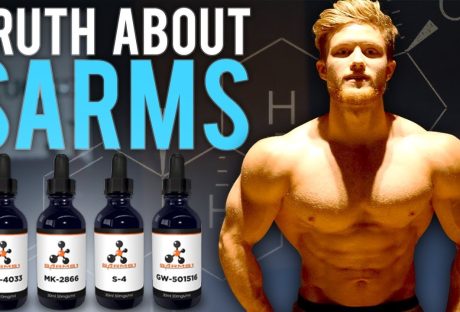
Are you aware of SARMs and their game-changing abilities in the field of fitness, body-building, and other medicinal uses?
In the early 1990s, a professor working on finding treatments for Prostrate Cancer identified a new molecule- Andarine. While the applications of Andarine did not show any results for treating Prostrate Cancer, he found that the molecule had an interesting value.
He saw that Andarine had great positive results in individuals taking them, especially when it came to muscle growth and improving bone strength. A new finer and more research-oriented study conducted by the same professor on a bigger test group further substantiated the claims.
Andarine was the first Selective Androgen Receptor Modulator, which was created and identified. In the last few years, SARMs have grown in popularity because of the cleaner advantages over steroids.
In this article, we are going to list some of the most important things you need to know about SARMs. We are going to discuss how they work and why you should think of using this scientific development as a part of your supplement set-up.
SARMs: What are they and how you can use them?
Let us get one thing out of the way right away. SARMs are not Steroids. In fact, they are not even Anabolic Steroids. Why some people tend to use them in the same category of steroids is because they tend to work in the same fashion.
Like steroids, SARMs bind themselves to an individual’s DNA. According to experts, they are more like synthetic ligands, which trigger changes in the composition of DNAs, especially muscle tissues and bone.
What this does is that it leads the muscle and the bone to develop far higher in terms of its originally intended genetic makeup. Studies have shown that SARMs are also very effective when it comes to boosting recovery in muscle tissues and bone, especially after exercises or a professional game.
At this stage, you might be wondering whether using SARMs is legal or not. The simple answer to the same is that the FDA Approval for SARMs is pending. Not because they have shown too many negative results in private consumption, but because more studies are pending to corroborate the major claims.
There are many credible online platforms where you will find SARMs for sale. However, you need to do your proper research and then only start buying or using them.
Advantages of SARMs over Steroids
In this section, we list down some of the advantages or benefits of SARMs over steroids.
1. Focussed Growth and Development-
Most people who have used steroids in the part point to the fact that the long list of side-effects, which come from the same is dangerous. Overuse of steroids can lead to a number of potentially life-threatening situations. From impotency to heart failure, unregulated use is dangerous.
SARMs on the other hand are preferred by most professionals over steroids because of their improved focus areas. Experts point out that SAMRs like Ostarine and Ligadrol have been found to focus on just muscle and bone tissues and not other parts of the body.
2. Very Little Side Effects on the Body-
One of the major reasons for the popularity of SARMs is the fact that they have little to no side effects. When we talk about the little side effects, we can count issues like headaches only. This means that organs like the liver or the heart are not affected.
This means that SARMs do not carry any of the negatives, which steroids are notorious for. If someone is looking at a cleaner, a more human-friendly supplement to boost muscle development, then SARMs are the way to go.
3. On their way to Clinical Approvals-
As compared with anabolic steroids, which will never see the light of day when it comes to legality and approvals, SARMs are on the right path. Just to bring to your notice that Ostarine has already cleared Stage III Clinical Trials.
This is because there are a lot of companies and scientists who are now engaging with new scientific research. It should be pointed out that the initial discovery took place just three decades back. However, the good news is that there are positives awaited.
List of the Top 3 SARMs in the Market in 2021
1. Ostarine-
Ostarine is one of the strongest and proven SARMs currently in the market. It has shown to mimic a lot of the characteristics of the male hormone, testosterone. However, the important thing is that there are no strong side-effects. Ostarine has shown proven results in the areas of muscle body-building, improving bone density, and muscle recovery.
2. Lingadrol-
As compared to Ostarine, studies around Lingadrol has shown positive results in women. More women are prone to osteoporosis than men. Lingadrol studies have shown that women who have used the same have talked about a significant increase in bone development and strength. Many researchers who conducted trials state that Lingadrol improved the stair-climbing abilities.
3. YK-11-
Researchers who were studying SARMs pointed out that Ostarine is best for individuals looking at stable muscle development. A newer form, YK-11 was found to inhibit myostatin. This was found to result in rapid muscle mass development, shortening the period considerably. Individuals who were looking for quick results prefer YK-11 for the same.
Should you be using SARMs as a Muscle Building Supplement?
Taking supplements or any other steroid for that matter is a personal choice. What might be right for someone, can be wrong for others?
The important thing to point out is that decisions need to be taken from an informed position. This means that you should have all the facts laid out in front of you to help you arrive at the best decision.
SARMs are not harmful in the same way steroids are. They work in the same fashion but are devoid of all the negative side-effects you would associate with steroids. However, it is true that they are pending FDA approval. There is just one simple reason for the same- more studies and trials need to be done.
The Final Word
One thing is for sure. If you are using SARMs and continuing with your workouts, you will see much better results. If you are healthy and do not suffer from any underlying complications, you should start engaging with this revolutionary new scientific development.
Read Also:
10 Weird Facts About Antidepressants
Some supplements you need to know right now
All That You Need To Know About Dandy-Walker Syndrome
Understanding Steroids And Their Legalities
Testosterone Replacement Therapy What To Expect
Oral health is quite a serious issue globally, and millions of people are suffering from oral disease. Your mouth is the point of origin of various fatal diseases of the body. Therefore keeping comprehensive oral health is a must.
-Do you have complexities with oral health?
Then this article is the right place for you. The food starts its digestion right from the mouth. Oral health is an important thing associated with holistic care. It is found in the United States that lack of health care and awareness of oral health leads to an increase in tooth decay, heart disease and immunity issues, and others. Therefore one can never take it lightly. The particular article stresses oral health in relation to overall health.
What Is Oral Health?
The mouth is the birthplace of bacteria, and it can affect the teeth and digestive system. Oral hygiene is the practice of keeping one's teeth and mouth clean and free from disease. You must brush your teeth twice, after getting up from bed in the morning and before bed. It is important that you keep track of your oral health and avoid different diseases.
Oral health is a long-term complexity, and one needs to take care of it and denote enough time. They also need to take expert advice.
The Relation Share Between Oral Health And Overall Health
Your mouth is the entry point of your digestive system. It partners with bacteria, but some of them are indeed harmful to your mouth, and they attack your teeth. These bacteria can cause diseases.
Normally the defense system is good oral care. Therefore the physician prescribes brushing twice daily if you do not take enough care of your teeth, which can lead to oral infections like gum disease and tooth decay.
Some studies claim that oral bacteria and inflammation are associated with severe gum disease. They play an important role in the development of certain diseases like diabetes and even HIV/AIDS. They lower the resistance power of the body and cause infection. This way, your oral problems aggravate. To learn more about how oral health is connected to overall health, you can find valuable information on this website. It's important to prioritize oral hygiene as a key component of your overall health and well-being.
So if you have some complexities, you need to visit an experienced dentist. You can visit the website to learn more about it.
Conditions That Can Be Linked To Oral Health
There are certain conditions that seriously contribute to various diseases and conditions.
We discuss some of them here.
1. Endocarditis
The chambers of the valves can be infected as bacteria or other germs from different parts of the body, like the mouth, spread through the bloodstream. These conditions increase the complexity of your heart. The fault can affect your oral health in such a case. Therefore, you need to focus on oral care. It can help you stop these complexities.
2. Cardiovascular Disease
The connection is not fully understood, but some physicians suggest that strokes and clogged arteries have a relationship with inflammation and infections that are caused by oral bacteria. The ideas require further studies and inference. But the fact of the matter is that heart disease has links with oral care.
3. Osteoporosis
In this condition, the bone starts weakening. You can also observe tooth loss at an unusual age. There are certain drugs that are used to treat osteoporosis that carry with them the risk of damaging the bones of the jaw.
4. Hiv/Aids
The full form of the disease is Acquired ImmunoDeficiency Syndrome. The people infected with this disease are also seen grappling with oral problems like mucosal lesions.
5. Alzheimer's Disease
Physicians are finding out the relationship between Alzheimer's disease and oral health.
Other than this, the other conditions that might be linked with oral health include rheumatoid arthritis, eating disorders, some other oral disease, and even chronic conditions like diabetes. What you need to focus on is working continuously on your oral problems. They can indeed be great for you in the long term as well as the short term.
How To Maintain Your Oral Health
Oral health care involves a set of different practices. It can help you fight out your negatives and stay healthy throughout your life. Here we discuss some ways to manage to take care of your teeth.
A. Brush Properly
You have to brush properly. Give enough time to your teeth. Pick a brush with soft bristles and gently rub over your teeth from top to bottom in a circular motion so that it cleans bacteria away.
B. Tongue Care
Do not neglect your tongue, and wash your tongue regularly. It can help you fight your oral disease. Please remember that a bad mouth is an embarrassment in a public place. Most importantly, it's a sign of unhealthy teeth and gum.
C. Use Toothpaste With Fluoride.
You can get countless toothpaste in the market, but all of them might not be good enough. What you need to focus on is selecting the toothpaste that contains fluoride. They can indeed be effective for your teeth.
D. Flossing Is Equally Important.
Flossing is also important in tooth care. You can not neglect it under any circumstances. Flossing allows you to get the food stitched between your teeth and gums out. Your teeth are a vital body part, and you must work continuously to make them germ-free.
E. Considering Mouthwash
The best practice you can have is mouth washing after you eat anything. But this is not that easy to implement practically. Therefore what you can do is use quality mouthwash. Consult experts and select a quality mouthwash. It can help clear the germs out of your mouth.
Putting The Discussion To A Close
It can be understood that oral health is indeed an important aspect of the overall health of the body. So you have to take precautions for comprehensive care associated with oral health.
It can help you stay healthy and stop you from developing diseases. They not only help your mouth to be clean and fresh but also stops the development of serious disease.
Start yourself with simple steps, brushing your teeth twice daily. There is nothing better than this. You can use some other products like mouth washing liquids to keep your teeth clean and healthy. Therefore go for comprehensive care of your health and start with oral health. Let this be the mantra of life.
Every year, more than 500.000 men undergo the vasectomy procedure in America. The vasectomy procedure is often referred to as the “little snip”. It is a procedure that is designed to block the sperm from reaching semen, thus making your semen sterile.
Even though a vasectomy is the most common urological procedure today, there are many misconceptions surrounding it. If you’d like to learn more about the vasectomy procedure you could simply visit https://vasectomyaustralia.com.au/vasectomy-sydney/. You can also continue reading to learn more!
A vasectomy is the best form of permanent birth control
They Are Incredibly Effective!
Did you know that vasectomies are the most effective method of birth control if we do not consider abstinence? Their long-term success rate is over 99%. Out of 1.000, only 1-2 women get pregnant even after their partner has had a vasectomy done.
It Takes Time for a Vasectomy to Work
If you have sex with your partner right after your vasectomy wound has healed, there is a chance of pregnancy. This is because there still might be some sperm upstream. As time passes, your sperm count will start to decrease gradually.
The best way to know when it is safe to have sex with your spouse/partner, without worrying about unwanted pregnancy is to talk to your urologist. Having a urologist test a sample of your semen eight weeks after the vasectomy can determine whether you are sperm-free.
It Does Not Affect Your Sex Life!
A lot of men fear that a vasectomy will affect their performance in bed, but that is completely false. The only thing a vasectomy will do is block your sperm from entering your semen. Your performance, sex drive, and ability to last long will not be affected at all. You will still be able to have sex and ejaculate in the same way, as you did before you had a vasectomy.
Vasectomy Will Not Protect You from STDs
Vasectomies are often suggested to couples who no longer want to have children. While it is safe to have unprotected sex in a monogamous relationship with a partner you trust, you should know that this procedure will not help protect you from STDs or STIs.
Recovery Is Very Simple
The recovery process after the vasectomy surgery is very simple and fast. During the surgery, a doctor will make tiny incisions on both sides of the scrotum, through which they will block the vas deferens (tubes in charge of getting sperm to semen). These incisions are incredibly small, and more often than not, they will not need any stitches.
Because of this, the recovery from a vasectomy is very easy. Most men are able to return to work after two or three days and can resume their daily activities without limitations in three to seven days. The recovery will involve a lot of relaxation!
The recovery from a vasectomy surgery is fast
Are You Sure You Want A Vasectomy?
Before you go through with the vasectomy surgery, you should make sure that that is exactly what you want. Keep in mind that while there is a chance for a vasectomy to be reversed, you should not count on that. Talk to your family, friends, spouse, and doctor, and only if you are 100% sure that you will not want to have children in the future, you should go through with the surgery.
Conclusion
When compared to tubal ligation, which is the female version of permanent birth control, a vasectomy surgery is a lot more effective and simple. The recovery time is also much simpler. In case you and your wife have decided to not have kids in the future, a vasectomy is a great choice to prevent all unwanted future pregnancies.
More Resources:
Available Treatment Options for Cocaine Addiction
Is Surgical Treatment the Best Option to Treat Essential Tremor
Alternative Treatments for Autism Along with Medications like Risperdal













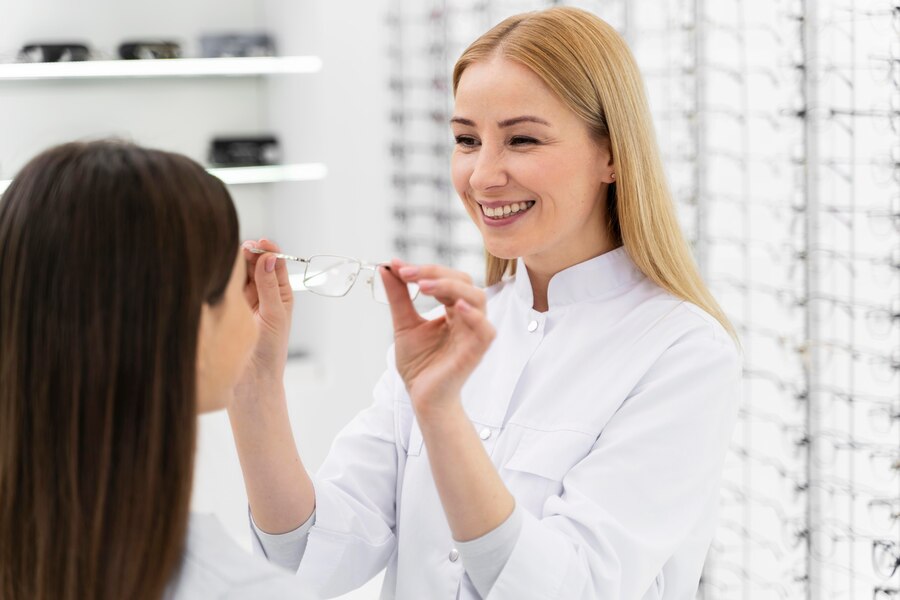
 Properly removing eye makeup at the end of the day is crucial for maintaining the beauty and health of your eyes and lashes. Use a gentle eye makeup remover or micellar water to dissolve the makeup without harsh rubbing or tugging. Be especially careful when removing mascara, as rough handling can lead to lash breakage and fallout.
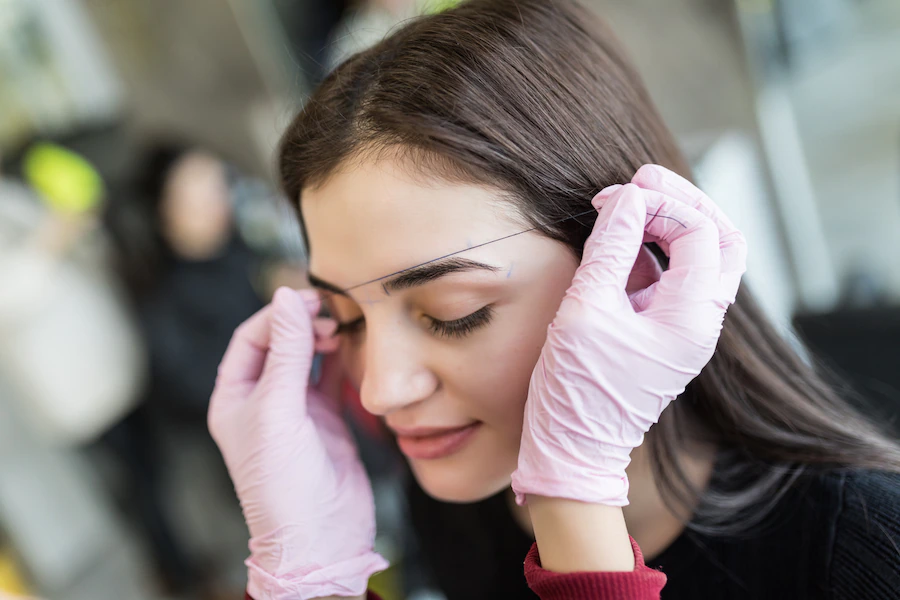 While an eyelash curler can add a beautiful lift to your lashes, over-curling can lead to damage and breakage. Use an eyelash curler sparingly and avoid applying too much pressure. If you prefer a more natural look, skip the curler altogether and opt for a volumizing mascara instead.