












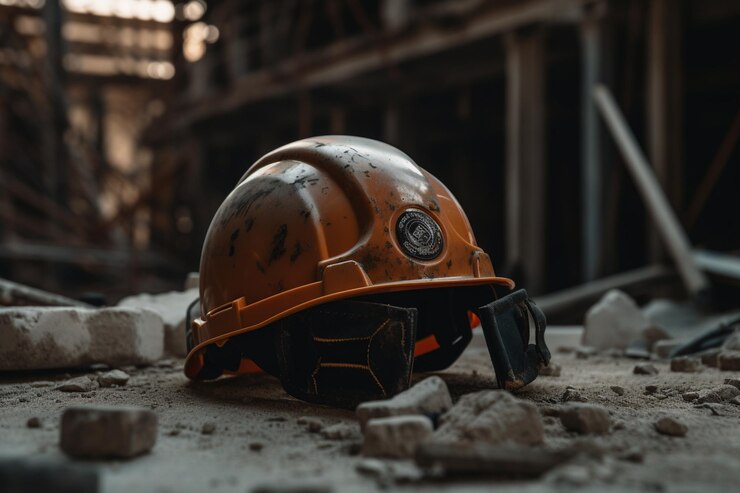
After A Construction Accident: Worker’s Rights, Compensation, And Legal Recourse

Published on: 25 July 2023 Last Updated on: 10 September 2024
Construction Accident

The workplace is one of the most dangerous places a person can be in. Accidents can still occur even though safety managers and company owners do their best to uphold safety in the workplace.

In fact, per data from the International Labor Organization (ILO), around 340 million workplace-related accidents are recorded every year. These accidents happen across various sectors, including the construction industry.

Construction accidents are a fairly common occurrence. According to the Bureau of Labor Statistics (BLS), an estimated 150,000 construction accidents are reported each year. These accidents affect construction workers and their loved ones.

Worry not; if you’re working in a construction company and encounter an accident while doing your job, you have rights and can file for compensation. And if you’re forced to a tight spot, you have legal pathways that you can take with the help of an experienced construction accident lawyer. Want to know more about the aforementioned subjects? Continue reading below to learn more.

What Are Workers’ Rights In Case Of A Construction Workplace Accident? 
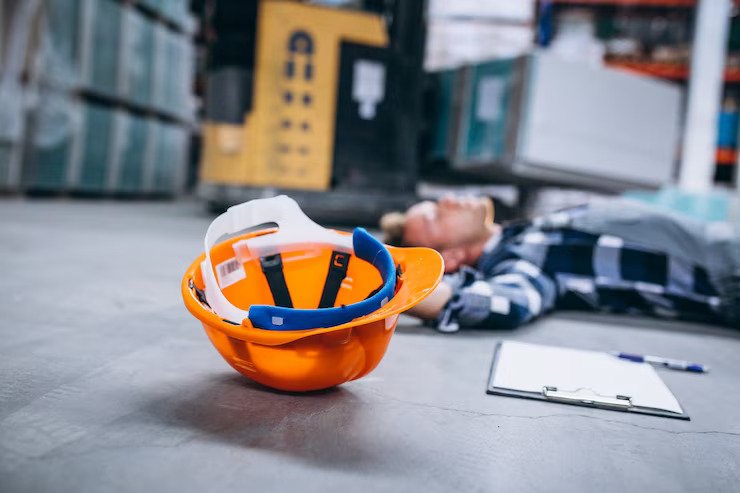
Construction Workplace Accident

Construction workers are covered by a set of different legal protections that shield them from harm while they do their jobs in the workplace.

For starters, construction companies are required to ensure that they provide a hazard-free working environment for their personnel. Further, they’re required to have insurance to cover any unexpected eventualities like construction accidents. Those are just some of the legal protections construction workers like you are guaranteed.

Thus, construction workers have the right to work in a safe workplace environment and file a claim for their injuries and other losses if they have an unforeseen accident while they’re at work.

If you’ve been injured on the job, the first thing you should do is seek medical attention. Your health and well-being should always be your top priority. Once you’ve received the necessary medical care, it’s important to report the accident to your employer or to your immediate supervisor. This step is necessary to notify your construction company employer that you’ve had an accident on the job and you wish to file for just compensation.

Construction Workers’ Compensation After A Workplace Accident

In many cases, workers who are injured on the job are entitled to workers’ compensation benefits. These benefits can help cover the cost of medical treatment, lost wages, and other expenses related to your construction accident injury. To receive these benefits, you’ll need to file a claim with your employer’s workers’ compensation insurance carrier.

Filing a construction accident workers’ compensation claim is a complicated and tedious process. You’ll need to accomplish tons of paperwork, interview witnesses, gather various pieces of evidence, obtain medical and workplace records, and so much more in filing your claim. In addition, it’ll take a lot of back-and-forth between you, your employer, and the insurer as your claim application is being processed.

Say You Diligently Cooperated With Your Employer 

Say you’ve prepared and submitted all of your documents on time, diligently cooperated with your employer and their insurance company, and built a strong claim case. If that’s the case, your claim will likely get approved. Yet there’s a chance that you’ll get a reduced amount award compared to your original claim.

Nonetheless, it’s important to note that workers’ compensation approval depends on a case-to-case basis. Your construction company’s insurer will process construction accident claims depending on their insurance coverage plan, the prevailing laws in the state where you’re, and so on.

If your workers’ compensation claim is denied or if you feel that you’re not receiving the full benefits you’re entitled to, it’s a good idea to consult with a construction accident lawyer. An experienced attorney specializing in helping construction accident victims can help you understand your rights and options and can represent you in legal proceedings.

Your construction accident lawyer can help you file an appeal with your company’s insurer in case your initial compensation filing is denied or you’ve received a reduced claim award. To add, they can initiate and carry out negotiations with your company and their insurer. If no legal conclusion that’s amicable to all the parties involved is reached, your attorney can proceed with filing a case in a court of law and handle the reins from there on.

What To File?

In addition to workers’ compensation benefits, you may file a lawsuit in personal injury against the third party who was responsible for your injury too.  For example, if a subcontractor or equipment manufacturer was negligent and their actions contributed to your injury, you may be able to hold them accountable through a personal injury lawsuit.

A personal injury lawsuit can help you recover damages for medical expenses, lost wages, pain and suffering, and other losses related to the injuries you’ve contracted in a construction accident. Yet it’s important to note that there are strict time limits for filing a personal injury lawsuit. If you wait too long to take legal action, you may lose your right to seek compensation. Fortunately, a construction accident lawyer can help out with that too.

What You Need To Know About Working With A Construction Accident Attorney
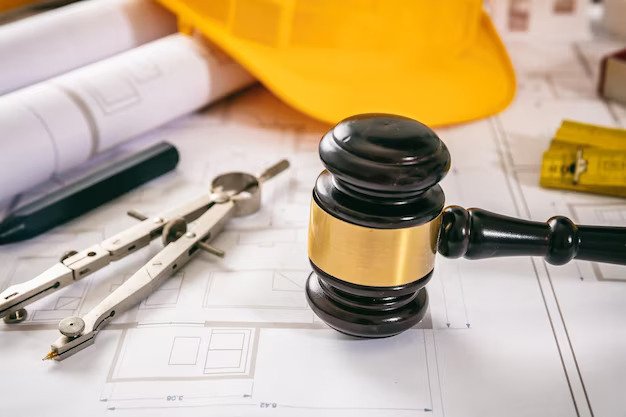
Working With A Construction Accident Attorney

It’s important to understand that every construction accident case is unique. The specific rights and options available to you will depend on the circumstances of your accident and the laws in your state. That’s why it’s important to consult with a construction accident lawyer who can help you understand your rights and options.

When you meet with a lawyer, they’ll review the details of your case and help you determine the best course of action. They may recommend filing a workers’ compensation claim, pursuing a personal injury lawsuit, or taking other legal action. Plus, they’ll help you gather pieces of evidence to support your case and will represent you in any legal proceedings.

One of the benefits of working with a construction accident lawyer is that they can help you navigate the complex legal system. They’ll handle all the paperwork and legal procedures on your behalf, allowing you to focus on your recovery. Also, they’ll advocate for your rights and best interests, working to ensure that you receive the full compensation you’re entitled to.

Besides helping you seek compensation for your injuries, a construction accident lawyer can also help you hold any responsible parties accountable for their actions. This can help prevent similar accidents from happening in the future and can help improve safety standards in your company and the construction industry in the bigger picture.

To Conclude

If you’ve been injured in a construction accident, it’s important to know that you’re not entirely in a hopeless position. You’re entitled to certain rights and can file a construction accident claim with your company’s insurer.

And there are legal options available to help you seek justice and compensation for your injuries. A construction accident lawyer can help you understand your rights and options and represent you in legal proceedings. Don’t hesitate to reach out for help – you deserve justice and compensation for your injuries.

Read Also:

Arnab is a professional blogger, having an enormous interest in writing blogs and other jones of calligraphies. In terms of his professional commitments, He carries out sharing sentient blogs.

View all posts

Leave a Reply

Your email address will not be published. Required fields are marked *

Related

Uttering Threats Can Get You in Trouble with the Law

How Uttering Threats Can Get You in Trouble with the Law

Most people are familiar with the old saying that “sticks and stones can break my bones, but words will never hurt me.” The truth, of course, is that words actually can do a significant amount of damage, both to the person they are directed at and, under Canadian law, to the person who utters them. We tend to think of assault as involving physical harm to a person, but according to the Criminal Code of Canada, threats are considered a type of assault — even when they are delivered via text, email, social media, or simply an aggressive gesture. If the receiver chooses to contact the police, the sender can be charged with a criminal offence. In this article, we’ll explore the real-world consequences of words said in anger, and look at the options available to people who have unwittingly found themselves in legal trouble for uttering threats. What is a Threat? In the heat of the moment, people’s words can get away from them. But saying “you’re going to get what’s coming to you!” or “if you don’t shut that dog up, I will!” are actually considered a type of assault if the person you are directing your comments to receives them as a threat. All of the following are considered to be threats under Canadian law: Saying you will kill or cause bodily harm to a person Saying you will damage their property Saying you will injure, poison, or kill an animal owned by another person Even if you have no intention or means of doing anything, as long as you knowingly said the words and the person you said them to felt threatened by them, they can file a police report. This may lead to charges being laid, in which case you will need to hire a Toronto criminal defence lawyer to represent you in court. What are the Consequences of Uttering Threats? Being charged with an offence does not necessarily mean you will be found guilty. The prosecution will need to prove not only that you uttered threats, but that you did so with the intent to create a sense of fear in the alleged victim, and that the alleged victim received your words or actions as a threat. In order to mount a successful defence, you will need to prove either that your accuser did not actually feel threatened by your words, or that you did not say them with intent. For example, Toronto criminal lawyers who have experience with threat-related assault cases may try to show that the alleged victim did not actually feel threatened by your words, but has made their claim as a way of inflicting harm for other reasons. In some cases, assault charges involving threats are accompanied by harassment charges or domestic assault charges, so if you have been charged with this kind of offence, you should talk to a lawyer before deciding how to plead. Uttering threats can be punished by up to two years in jail and a $5,000 fine, leaving you with a lifelong criminal record. Words have power, and loose talk about inflicting violence on others is taken very seriously by the legal system. While a good criminal defence lawyer can help you navigate such charges, the best defence is simply to watch what you say. Read Also: Criminal Case – Dos And Donts Civil Cases Versus Criminal Cases: What You Need To Know The Basics of Criminal Appeals Law

READ MOREDetails
food critic

When Restaurants Fight Back: A Diner’s Failed Attempt to Sue a Food Critic for Defamation

Restaurant reviews can make or break your business. A positive review of your restaurant can keep your cash counter busy and tables filled with loud and happy customers. But, a negative review does the complete opposite, leaving hardly any cash to collect and fewer tables to clean.  Food critics hold power, and restaurants know it. Some establishments accept criticism and learn from it. Others take a more aggressive approach that can backfire badly. This is what happened to a well-known diner when they decided to fight back against a food critic. The results were not what they expected. The Case of Il Giardino A Vancouver-based Italian restaurant, Il Giardino, was a local favorite. It’s known for its classic pasta dishes and cozy atmosphere. But in 2011, the restaurant’s reputation was challenged. The trouble began when a respected food critic, Colin Thomas, wrote a review that painted the restaurant in a negative light. He described the food as bland, overpriced, and lacking the warmth it once had. The owners of Il Giardino were furious. They felt that Thomas’ words were not just harsh but unfair and damaging. They believed his review crossed the line and hurt their business. So, they decided to take legal action and sue him for defamation. The Lawsuit That Backfired This lawsuit was something new and big news indeed. It’s not every day that you get to see a restaurant sue a critic. Many people were curious about how it would turn out. The owners argued that the review was defamatory and claimed it had caused them to lose customers and money. But fighting a food critic in court is tricky. Critics are protected under free speech laws. The court decided that Thomas’ review was an opinion, not a statement of fact. It didn’t meet the standard for defamation. The case was dismissed. Instead of fixing their problem, Il Giardino made it worse. The lawsuit brought more attention to the bad review. News outlets covered the story, and people talked about it on social media. What might have been forgotten in a week was now in the spotlight for months. The restaurant's online reputation suffered more than it did from the original review. Why Suing Critics Is Risky When a restaurant fights back, it backfires on them. And it’s not really a smart move to sue a food critic. Here’s why – 1. Freedom of Speech Critics have the right to share their opinions. If a review is based on an experience and doesn’t include false claims, it is protected as free speech. Courts are careful about setting a precedent that could limit this freedom. 2. The Streisand Effect Trying to silence a critic can lead to more attention. This is known as the Streisand Effect, named after Barbra Streisand, who tried to hide photos of her home but ended up drawing more attention to them. The same happened to Il Giardino. Their attempt to stop the review only made it more popular. 3. Public Backlash People don’t like it when businesses try to suppress opinions. It can make a restaurant look like it can’t handle criticism or is trying to bully a writer. This can lead to backlash and damage a brand’s reputation. Lessons Learned from the McDonald’s Case Even major brands like McDonald’s have faced backlash for going after critics. In 1990, McDonald’s sued two environmental activists in the UK for distributing pamphlets that accused the company of poor practices. The case became known as the "McLibel" trial and lasted ten years. The outcome? A PR disaster for McDonald’s. The activists couldn’t pay damages, but they won public support. McDonald’s spent millions on legal fees and looked like the villain. The company’s reputation took a hit, showing that even large corporations can face consequences when they overreact to criticism. How to Handle Criticism as a Restaurant? It’s not uncommon these days for a brand to get backlash from critics or customers. But how they handle it makes all the difference. Some of the tactics below work really well to handle criticism: 1. Respond Calmly and Professionally A calm response can go a long way. Thank the critic for their feedback and mention any changes you plan to make. This shows that the restaurant values customer opinions and is willing to improve. 2. Focus on Positive Reviews A bad review hurts, but it doesn’t define a restaurant. Focus on encouraging happy customers to leave positive reviews. A mix of reviews shows that a restaurant is real and popular. According to BrightLocal, 87% of consumers read online reviews for local businesses. A few negative reviews won’t hurt as much if there are plenty of positive ones. 3. Improve Feedback Sometimes, criticism has truth in it. Look at what the critic pointed out and see if there are ways to improve. This can help turn a negative into a positive. It shows customers that the restaurant listens and evolves. 4. Invest in Online Reputation Management If a bad review is causing ongoing issues, using an online reputation management service can help. These services can guide a restaurant on how to boost its online image and deal with negative press. Recommendations for Restaurant Owners Before your business has to handle something as harsh, it’s better to build some ground rules that keep your business away from such events.  Think Before Reacting It’s natural to feel upset after reading a harsh review, but it’s important to think before acting. Responding to anger or taking legal action can lead to bigger problems. Provide Exceptional Customer Service The foundation for a good business reputation starts with a business capability of delivering class-A customer service. So, start by training your team. Warm and attentive staff attract more customers and build a good impression about your restaurant among clients. With open communication, your staff will take the business extra mile and exceed customer expectations.  Communicate with Your Team Make sure your team knows how to handle criticism. Training staff to respond professionally and with empathy can keep the restaurant’s image strong. Don’t Compromise in the Food Quality If the raw materials start to cost more, your customers may understand if the price goes high by a little. But, lowering food quality to adjust food prices can do damage to your restaurant in the long run. Always use fresh and high-quality ingredients to make food. Consistency in the quality of your food is the key to how you will succeed. Stay Engaged with Customers Interact with customers on review sites and social media. Show that you care about their experiences, good or bad. This connection can build loyalty and encourage repeat visits. The Takeaway Il Giardino’s attempt to sue a food critic for defamation is a reminder that fighting criticism can often make things worse. Publicly challenging a review can lead to more attention, public backlash, and damage to a business’s reputation. Instead, restaurants should focus on learning from criticism and responding professionally. Encouraging positive feedback and engaging with customers can help maintain a strong image. And when extra help is needed, an online reputation management service can provide the right support. In the end, handling criticism with grace and using it as a tool for improvement will benefit a restaurant far more than a court case ever could. Read Also: Navigating The Maze Of Compensation Claims: Everything You Need To Know When Do You Need A Personal Injury Lawyer: A Guide For Accident Victims Do I Need A Lawyer For Probation Violations?

READ MOREDetails
Problem Of Medical Malpractice In Miami

How Big Is The Problem Of Medical Malpractice In Miami?

With exponentially growing medical malpractice cases, the time has come to take a serious view of the issue and take adequate steps to curb the problem. A series of complicated statutes govern the medical malpractice cases in Tampa and are referred to as the Florida Medical Malpractice Act. It comes under the ambit of Florida Statutes section 766. This statute has undergone several changes and edits over the years with changing times, and it is most favorable to hospitals and medical or health care providers. The law is not very favorable towards malpractice victims. It takes highly experienced, expert, and skilled Miami medical malpractice attorneys to win a medical malpractice case. How to File a Medical Malpractice Lawsuit? The medical malpractice law also comes with a statute of limitations of two years. It means that the case needs to be filed within two years of the incident to be admissible in court. If the petition gets filed within the original limitation statute expiry, it can be extended to three months. Medical malpractice cases are usually very complex and need a lot of preparation to build a solid case. The lawyer and the victim have to put in a lot of time, effort, and energy into collecting and gathering relevant medical reports. Once collected, these reports are closely scrutinized and analyzed to see if it has merit. An expert witness who also reviews the records then prepares an affidavit attesting to the fact that the victim was subjected to harm and medical negligence by the health care provider. Once the affidavit is submitted in court, the malpractice case starts. How can a Miami Medical Malpractice Attorney help you? The task of the Miami Medical Malpractice attorney is to check the complicated regulations and laws that must be met before a medical malpractice case is filed in Miami. It is imperative to note here that as per Miami’s medical malpractice laws, there is a mandatory pre-suit screening period wherein a set of oral and written questions is involved in the mandatory 90-day period before filing the lawsuit. As soon as the victim or next of kin realizes having a medical malpractice case, they must immediately look for a qualified, experienced, expert, and skilled medical malpractice attorney who can handle their case and file in court. Some facts about such cases are an eye-opener about growing problems in the medical field. As per the latest studies, as many as 440,000 people get killed every year due to medical errors that could have been prevented in the United States of America. It is a staggering figure and shows the lacuna in the medical services. The figure shows deaths that could have been prevented if there would have been no careless medical errors. The Bottom Line: It is high time that authorities in position start taking cognizance of the fact and putting practices, procedures, and systems in place to help control and bring down this figure. Due to medical negligence, occupying the third position as the cause of death in America is removed. Strict and quick actions can do wonders with this problem and help patients get the best medical care. Read Also: How to Successfully Choose Medicare Plans Top 5 Colorado Springs Personal Injury Attorneys 5 Ways A Workers’ Compensation Attorney Can Help You In Your Case

READ MOREDetails