Published on: 02 October 2023
Last Updated on: 07 February 2026
Once you’ve decided to make a change, be that taking a long trip, moving across several states, or opening up car sales to places far away rather than just local, it can be difficult to plan things out. Naturally, something like car shipping is a way to make things go by much more smoothly. That said, there’s still a lot of planning involved.
Today, we’d like to cover what some of that planning might look like. While it will change depending on your specific circumstances, of course, this article can serve as a guide for you. From finding car shipping companies in Massachusetts to picking out which type of container will work for your vehicle, we’ve got you covered.
One: Know Your Vehicle
At first, it might seem strange that the first step here is to “know your vehicle,” but let us explain. The thing is, when you’re exploring the various shipping company options, they’ll ask for these types of details when giving an estimate on shipping costs. That could be the make, model, year, and weight of the car, as just a few examples. Have this in mind as you begin the process!
Two: Find A Shipper
The next step is similarly simple. You’ll want to start looking online for companies nearby in Massachusetts that offer these services! The question, though, is what signs you’ll want to keep an eye out for in terms of finding the “best” one.
Positive reviews are practically a given these days, but we felt it worth mentioning. A lot of the time they’ll show up on Google or whatever search engine you’re using, but you can also ask friends and family members if they have any recommendations. Word of mouth is a big deal for a reason!
The other thing to watch for is how much they charge! You can get a gauge of this by getting a shipping estimate. Most shippers have tools on their websites that allow you to do this, if you don’t feel like doing a bunch of math yourself.
Three: Gather Your Paperwork
Once again, we’ve got another easy step here. As resources like this one demonstrate, most shippers will ask for certain documentation a few times throughout the process. Have your photo ID on hand (whether that’s a passport, a driver’s license, or something else). Additionally, it doesn’t hurt to have the insurance details on hand as well.
If you’re shipping to a customer who bought a vehicle, providing some information on them might be a good idea as well. That would likely just be a copy of their photo ID, just so the driver knows who should be receiving the vehicle once transit has completed.
Four: Clean Your Car
This is the part that is the most “difficult,” if only because it does involve a bit of work. Thankfully, an automated car wash should be more than enough for the exterior of the vehicle if you aren’t feeling up to doing it yourself. The interior might be a bit trickier, though.
There are plenty of guides on how to efficiently clean out that part of a car, like the one here: https://housewifehowtos.com/clean/cleaning-routine-clean-your-cars-interior/. Just keep in mind that if you’re going to be transporting it, then you’ll want to make sure that you remove all of your personal belongings from the inside.
Even if you aren’t selling it, this is still an important step. That’s because there’s a chance that your items could end up lost, for one thing. Additionally, every little thing that adds weight to the car could end up costing you more, so it’s just better to clear everything out rather than stress about it.
Five: Be Ready On Pickup Day
The last thing you’ll want to do is this: be prepared to meet the driver who gets sent to collect the automobile. Most shipping companies provide door-to-door services, so someone will arrive to pick up the vehicle. You’ll need to do your best to have everything ready by that date.
This means following the other steps above: most notably, having all the paperwork ready and having the car clean. Some other things you could do are take pictures to document the current state of the vehicle or do a last-minute sweep for anything that may have been left behind.
Really, though, nothing involved in this process is overly difficult or taxing. In fact, it can make the prospect of moving or of selling a car long-distance much less daunting. Seeing as it saves you from planning out a road trip, that’s another reason why so many folks have begun using car shipping.
If you aren’t sure just yet, that’s totally fine. Talk to shippers, get more information, and inquire about options available. Closed containers versus open ones are a big debate, so that’s something to keep an eye out for!
Ankita Tripathy loves to write about food and the Hallyu Wave in particular. During her free time, she enjoys looking at the sky or reading books while sipping a cup of hot coffee. Her favourite niches are food, music, lifestyle, travel, and Korean Pop music and drama.
The automotive industry has witnessed a significant evolution over the years, especially in the realm of vehicle safety. One of the most noteworthy advancements is in braking systems, which have evolved dramatically in newly built cars.
These advancements are particularly crucial in preventing rear-end collisions, one of the most common types of car accidents. This article delves into how modern braking systems have been developed and refined. Further, it highlights their role in enhancing road safety and reducing the frequency of rear-end collisions.
1. The Traditional Braking Systems
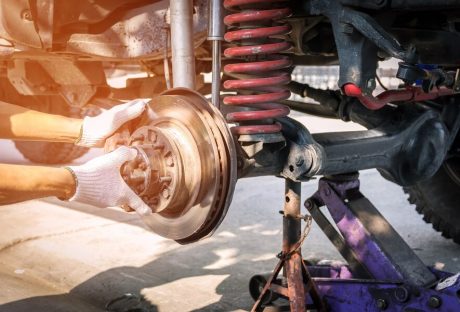
To appreciate the advancements in modern braking systems, it’s important to understand traditional braking mechanisms. Older vehicles typically employ hydraulic braking systems. Here, the driver’s application of the brake pedal creates hydraulic pressure in the brake lines, activating the brake pads or shoes.
While effective in their time, these systems had limitations in response time and efficiency. Particularly under sudden or emergency braking scenarios, it often leads to rear-end collisions.
2. Introduction Of Anti-Lock Braking Systems (Abs)
A significant milestone in the evolution of car braking systems was the introduction of Anti-lock Braking Systems (ABS). ABS prevents the wheels from locking up during emergency braking, thereby maintaining tractive contact with the road surface.
This technology significantly reduces stopping distances and improves vehicle control, particularly on slippery surfaces. By preventing wheel lockup, ABS allows drivers to maintain steering control, which is crucial in avoiding rear-end collisions.
3. Electronic Brakeforce Distribution (EBD) And Brake Assist
Further advancements led to the development of Electronic Brakeforce Distribution (EBD) and Brake Assist systems. EBD optimally distributes the brake force among the wheels based on road conditions and vehicle load. Thus, it enhances braking effectiveness and stability.
Brake Assist, on the other hand, detects emergency braking by monitoring the speed and force with which the driver applies the brakes. It is applied automatically to maximize braking power. This is particularly effective in reducing the severity of rear-end collisions.
4. The Rise Of Adaptive Braking Systems
The latest in braking technology is the advent of adaptive braking systems, which are part of the broader suite of Advanced Driver Assistance Systems (ADAS).
These systems use sensors to monitor the vehicle’s surroundings and can autonomously apply the brakes while detecting an imminent collision. For example, if the car ahead suddenly slows down, the system will automatically apply the brakes if it senses that the driver has not reacted quickly enough.
5. Regenerative Braking In Electric Vehicles
With the rise of electric vehicles (EVs), regenerative braking has become increasingly prevalent. This system recovers energy that is typically lost during braking and uses it to recharge the car's battery.
While the primary purpose is to improve efficiency and range, regenerative braking also contributes to safer braking. It provides smoother and more controlled deceleration, which can be crucial in preventing rear-end collisions.
6. Impact Of Braking Systems On Driver Behavior And Safety
The evolution of these systems has not only enhanced vehicle safety but also influenced driver behavior. Modern braking systems provide drivers with a sense of security, potentially leading to more confident driving.
However, drivers need to understand that while these systems are incredibly effective, they are not infallible. Responsible driving, awareness of road conditions, and understanding the limits of these technologies are essential in maximizing their benefits in preventing rear-end collisions.
How Braking Systems Have Evolved All These Years?
The remarkable evolution of braking systems in modern vehicles is indeed a testament to the strides made in automotive safety technology. This journey, from basic hydraulic brakes to the advanced adaptive and regenerative braking systems of today, has been driven by a relentless pursuit of safety and efficiency.
Each innovation in this domain has played a significant role in mitigating the risks associated with driving, particularly in preventing the common and often dangerous rear-end collisions.
These sophisticated systems reflect the automotive industry's deep commitment not only to enhancing vehicle safety but also to improving the overall driving experience for motorists around the world.
By incorporating these advanced braking technologies, manufacturers are ensuring that vehicles are not just faster but also more efficient. Additionally, they are safer and more reliable. However, as we embrace these technological advancements, drivers must remember that these systems are designed to augment, not replace, human judgment.
They can also never remove the principles of responsible driving. While these systems provide an added layer of safety, the onus still lies with drivers to maintain attentiveness, adhere to traffic rules, and practice safe driving habits.
Concluding Words
As we look to the future, the horizon of automotive technology is bright, with the promise of further innovations in braking systems.
These advancements might continue revolutionizing the way we drive, making roads safer and reducing the incidence of accidents. The focus on developing smarter, more intuitive braking systems will undoubtedly play a central role in this ongoing quest for enhanced road safety.
In this context, the future of automotive safety is not just about technological advancements; it is also about fostering a culture of safety among drivers, ensuring that technology and human responsibility work hand in hand to prevent accidents and save lives.
Read Also:
Giti GitiWinterW2: The Winter tire Ready for Your EV and Every Other Car You Drive
Precision Diesel Tuning: Leveraging Parleys Diesel Solutions For Peak Engine Output
The debate over whether trucks are safer to drive than cars has been a topic of contention among motorists for years. While trucks offer certain safety advantages due to their size and weight, it's essential to examine the nuances of both vehicle types and dispel common misconceptions.
Here, we'll explore the factors that contribute to vehicle safety and provide insights into the comparative safety of trucks and cars on the road. So, make sure to stay connected till the end as we are about to delve into a world of trucks vs cars. Let’s get started then.
Size And Weight: A Double-Edged Sword
One of the primary arguments in favor of trucks being safer than cars is their larger size and heavier weight. In a collision between a truck and a car, the truck's mass can provide a protective advantage by absorbing more of the impact force and reducing the severity of injuries to occupants. Additionally, trucks typically ride higher off the ground, which can offer better visibility and protection in certain types of accidents, such as side-impact collisions or collisions with smaller vehicles.
However, the size and weight of trucks can also pose safety challenges, particularly in terms of braking distance and maneuverability. Trucks require more time and distance to come to a complete stop due to their increased mass, which can increase the risk of rear-end collisions or accidents in stop-and-go traffic. Additionally, trucks have larger blind spots and wider turning radii, which can make it more difficult for drivers to see other vehicles and navigate tight spaces safely.
Vehicle Design And Safety Features
Both trucks and cars are subject to rigorous safety standards and regulations aimed at protecting occupants in the event of a crash. Modern vehicles are equipped with an array of advanced safety features designed to mitigate the risk of accidents and reduce the severity of injuries. These features may include:
Airbags: Both trucks and cars are equipped with front and side airbags designed to deploy upon impact and provide cushioning for occupants.
Anti-lock Braking Systems (ABS): ABS helps prevent wheels from locking up during hard braking, allowing drivers to maintain steering control and reduce the risk of skidding or losing control.
Electronic Stability Control (ESC): ESC helps prevent skidding and loss of control by automatically applying brakes to individual wheels and adjusting engine power as needed.
Collision Avoidance Systems: Some vehicles are equipped with advanced collision avoidance systems that use sensors and cameras to detect potential hazards and alert drivers to take evasive action.
While these safety features are common in both trucks and cars, the effectiveness of these systems may vary depending on the specific make and model of the vehicle. Additionally, trucks may be equipped with additional safety features, such as electronic trailer sway control or adaptive cruise control, which can further enhance safety on the road.
Driver Behavior And Training
Ultimately, the safety of any vehicle depends largely on the behavior and skill of the driver behind the wheel. As noted by the truck accident lawyers in Lexington, safe driving practices such as obeying speed limits, maintaining a safe following distance, and avoiding distractions are essential for reducing the risk of accidents regardless of the type of vehicle being driven. Additionally, specialized training and experience are crucial for operating larger vehicles such as trucks safely.
Truck drivers are required to undergo extensive training and obtain a commercial driver's license (CDL) to operate commercial vehicles legally. This training covers topics such as vehicle operation, defensive driving techniques, and load securement, which are essential for safe and responsible truck driving. While car drivers are not subject to the same level of training and licensing requirements, they can still benefit from defensive driving courses and other educational resources to improve their skills behind the wheel.
Roadways Prevalence And Rate Of Accidents
NHTSA, or the National Highway Traffic Safety Administration, registered more than 6 million car accidents in 2018 in the U.S. Out of these, almost 3.5k reported severe injuries and near-death experiences. This indicates an average of 9 deaths for every 100 million road vehicles.
On the other hand, severe truck accidents had a lower percentage of traffic fatalities, just 0.8%. This accounts for 4,370 deaths but with a higher rate of fatality. This indicates that out of every 100 million trucks on the road, 28 deaths took place. When it comes to roadway prevalence, cars tend to dominate major traffic for almost 86%.
Further comes the light-weighted SUVs and vans, which accounted for 8%, and excessively heavy trucks for 5%, whereas two-wheelers make up only 1% of the rest. Commercial trucks weigh up to 80,000 lbs, whereas passenger vehicles do not weigh more than 4,000 lbs. This alone demonstrates the dominance of heavy machinery and transport on the road.
Read Also: 10 Tips to Prevent Truck Accidents: The Complete Guide for Truck Drivers
Concluding Words
The question of whether trucks are safer to drive than cars is not a straightforward one. While trucks offer certain safety advantages due to their size and weight, they also present unique challenges in terms of braking distance, maneuverability, and visibility. Both trucks and cars are subject to stringent safety standards and equipped with advanced safety features designed to protect occupants in the event of a crash.
Ultimately, the safety of any vehicle depends on a combination of factors, including vehicle design, safety features, driver behavior, and training. By practicing safe driving habits, staying vigilant on the road, and respecting the capabilities and limitations of their vehicles, motorists can help minimize the risk of accidents and ensure a safer driving experience for everyone.
So, that’s the ned of this article. Let us know what you think about both these significant modes of transport in the comment box below. Thank you for reading- see you again!
Read Also:
Truck Accident Scenarios: Who Is Liable?
Truck Driver App: Revolutionizing The Trucking Industry
3 Safety Regulations That Indiana Truck Companies And Drivers Must Follow
As we know, Elon Musk, the enigmatic entrepreneur and visionary behind companies such as Tesla, SpaceX, and Neuralink, is famous for his relentless pursuit of innovation, which enables him to push the boundaries of technology. As an extraordinary individual and one of the most influential figures in business, it's natural to wonder which vehicle models Elon Musk prefers to drive. Does he prioritize practicality or luxury? Let's take a peek inside the businessman's garage and explore the fascinating vehicles that he chooses to drive.
Tesla Roadster
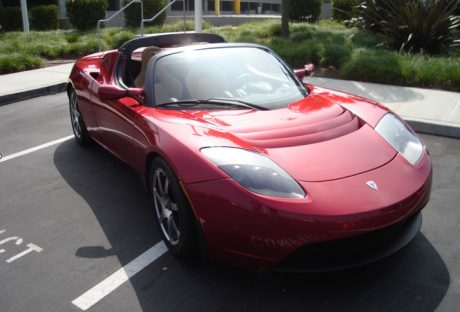
Let's start with the incredible Tesla Roadster, a true technological and design marvel. This model is the first all-electric sports car to hit the road. So, it's not a surprise that Elon drives this vehicle often.
The Roadster's specs also deserve special attention. While the first version of this electric sports car was released in 2008, the most recent configuration, released in 2022, is truly an engineering masterpiece in the automotive world. Along with a sleek design that makes this vehicle a stunning embodiment of elegance on wheels, it also has an astonishing acceleration time of 1.9 seconds from 0 to 100 km/h (0-60 mph)! The electric motor produces 10,000 Nm of torque, allowing for a top speed of more than 250 mph (400 km/h). What truly distinguishes the Roadster is its incredible range, reaching up to over 620 miles (1,000 km) on a single charge.
Porsche 911
Beyond his electric vehicle ventures, Elon Musk has also been spotted driving a Porsche 911, a legendary sports car known for its timeless design and exhilarating performance. This vehicle delivers an exceptional driving experience with its impressive specifications and features. Boasting a timeless design, the 911 combines elegance and aerodynamic efficiency. Under the hood, it offers a variety of powerful engines, ranging from the 3.0L option with up to 450 hp to the 4.0L motor with 520 hp.
The Porsche 911 stands as a symbol of automotive excellence, combining timeless design, powerful performance, advanced technology, and a luxurious driving experience. This car continues to captivate enthusiasts and embody the spirit of Porsche's dedication to engineering mastery.
Tesla Model X
Here we have one of the world's first electric crossovers that combines both sporty performance and family comfort. If we speak about Elon's automotive fleet, the businessman owns the 2016 Model X configuration. In addition, the vehicle can carry up to seven passengers. With its unique and luxurious interior, the Model X immediately became the star of car shows and exhibitions.
The Model X is capable of covering up to 300 miles (475 km) on a single charge and reaching speeds of up to 60 mph (100 km/h) in 2.7 seconds. The car received five stars in the NHTSA safety rating, becoming the first with such ratings in the SUV class.
Tesla Model S Performance
The Model S Performance takes the combination of convenience, power, and efficiency to new heights, setting remarkable standards for electric vehicles. With its astounding acceleration capabilities, this car can reach speeds of up to 60 mph (100 km/h) in less than 2.5 seconds, providing an exhilarating driving experience. Furthermore, it offers an impressive range of up to 400 miles (652 km) on a single charge, ensuring long-distance journeys without the need for frequent recharging.
This Tesla EV goes beyond its exceptional performance by prioritizing passenger comfort and versatility. Inside its cabin, this vehicle comfortably accommodates five adult passengers and two children, making it an ideal choice for families or group travel. The addition of an all-wheel-drive system further enhances its capabilities, allowing you to confidently conquer any road condition, be it slippery surfaces or challenging terrain. The Model S Performance truly embodies the perfect balance of speed and adaptability, leveling up what electric vehicles can offer.
Lotus Esprit
Perhaps the most intriguing addition to Elon Musk's garage is the famous Lotus Esprit submarine car from the James Bond film “The Spy Who Loved Me.” Musk, an avid James Bond fan, purchased the iconic vehicle in 2013. While it may not be for a daily drive, it reflects Musk's adventurous side.
The legendary Lotus Esprit, produced by British manufacturer Lotus Cars, showcases a combination of sleek design, exhilarating performance, and agile handling. Its distinctive appearance sets the vehicle apart from other sports cars, featuring a low-slung profile and aerodynamic body lines that convey a sense of speed even at a standstill.
Under the hood, the Lotus Esprit offers a range of powerful engines that deliver impressive performance. From turbocharged four-cylinder engines to V8 motors, the Esprit provides great acceleration and a fantastic driving experience.
The interior of the Lotus Esprit is focused on the driver, providing a cockpit-like environment with supportive seats, intuitive controls, and clear visibility. Despite its sports car nature, the Esprit offers a level of comfort and refinement that allows for enjoyable long-distance driving.
Tesla Cybertruck
Let's now turn our attention to the most unusual vehicle in Elon's garage, the 2020 Tesla Cybertruck. This vehicle appears to have arrived from the future to demonstrate that technological possibilities are limitless.
The Tesla Cybertruck is a cutting-edge all-electric pickup truck that challenges conventional automotive design. Its body is made of ultra-hard 30X cold-rolled stainless steel, which guarantees exceptional durability and resistance to any damage. The Cybertruck has an impressive performance, with 0-60 mph (0-100 km/h) acceleration in as little as 2.9 seconds and a towing capacity of up to 14,000 pounds (6.35 t).
The Cybertruck's spacious interior can seat up to six passengers and is outfitted with cutting-edge technology and luxurious touches. The Tesla Cybertruck is set to revolutionize the pickup truck industry with its cutting-edge design, robust capabilities, and commitment to sustainability.
Summing Up
Elon Musk's garage showcases his passion for cutting-edge technology, sustainability, and automotive excellence. His automotive preferences, including his own creations at Tesla, classic sports cars, and even a famous movie prop, reflect his diverse interests and vision for the future. Through his innovative electric vehicle ventures, Musk hasn't only pushed the automotive industry forward but also inspired a global shift toward sustainable transportation.
Read Also:
Why You Need Classic Car Insurance?
7 Reasons Why Teenagers Pay Extra For Car Insurance