











A Guide To Choosing The Best N54 Engine For Sale

Published on: 30 October 2023 Last Updated on: 24 November 2023
N54 Engine

Are you in the market for a high-quality N54 engine? Look no further! In this comprehensive guide, we will walk you through the process of selecting the best N54 engine for sale. Whether you’re a BMW enthusiast or simply someone in need of a reliable engine, we’ve got you covered. Let’s dive in and find you the perfect N54 engine!

N54 Engine: A Brief History

The BMW N54 is one of the landmark machines that elevated the name and fame of BMW. The BMW N54 was the first twin-turbo engine that was produced in huge numbers. The success of the machine is vindicated through the production at a mass scale. The supermachine debuted at the Geneva Motor Show in 2006. When it entered the market, it raised a lot of hype thanks to the specifications. Yes, the machines’ performance was extremely satisfactory. The user of the engine has all praise and admiration.

One will be thrilled that the N54 bagged five International Engine of the Year performance. Also, the machine was recognized to be part of Ward’s list of 10 best engines three times in a row. 

Why Do People Love This Machine?

There is no doubt that the N54 engine is of high class, and it went on to win the hearts of the people. Now, here we present some of the WOW factors that made the engine a class act. Let’s try to understand it here. 

Tuning Performance and Updates

One of the biggest advantages of the BMW N54 engine is its power and potential. Yes, the twin-turbocharged engine offers enough power as it is. You could really get an N54 and if you add some more buck, then you can easily get a perfect engine with 600 hp in no time. There is no doubt that the engine’s performance is indeed great. It denotes you can get a high-quality engine if you spend on the specifications. All these make the engine highly special, to say the least. That’s the USP of the particular variant.

Various Applications

The N54 engine first came into existence with the  BMW 335i in 2007. Thereafter, it went through a series of massive improvements. The evolution of the machine helped the manufacturer come up with different models and variants. Among the different variations, the most loved and praised one of them is the BMW 1 series. But another benefit that the customers reaped through the machine is that they got multiple choices. Now, whenever the users get choices, they will be impressed with the machine as well. 

Reliability 

The success of an engine depends to an extent, on consistent performance. Reliability is one of the most significant factors behind teh success of a machine. There is no denying the machine was suffering from different technical glitches. 

The issues were mainly related to the high-pressure fuel pump and the fuel injector. Apart from it, there were also complexities with the components. Engine is one of the most complex machines. The organized performance and coordination of the major and minor elements make the machine strong enough. But with the team, the BMW N54 went on to evolve as one of the most successful machines in the industry. 

Understanding the N54 Engine

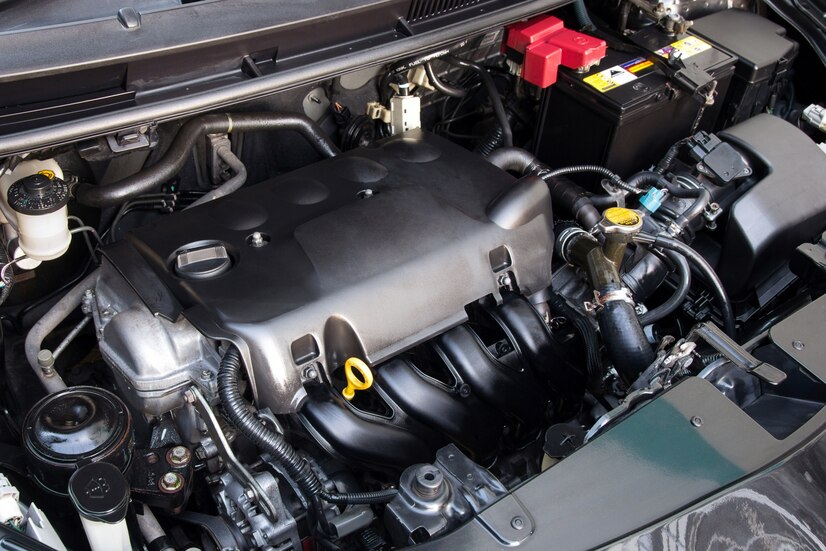
First, let’s take a closer look at what makes the N54 engine so special. Manufactured by BMW, the N54 engine is a turbocharged, direct-injection engine that offers impressive power and performance. It is commonly found in BMW 3 Series models, such as the 335i.

Let us discuss some of the core engine specifics of the N54 Engine 

The BMW N54 engine is one of the core machines that is powered with features to combat the issues with a high compression ratio. 

Let us discuss some of the engine specifications here. Firstly, you will find a Cylindrical head and block, and it is made up of Aluminium. Secondly, the engine configuration is Inline-6. Thirdly, you will get a displacement of 3.0l. The compression ratio is 10:2:1. 

Furthermore, the engine is gifted with a peak horsepower of  335 hp (5900 RPM). The peak Torque is 332lb/ft (1500-4500 RPM). Apart from them, your N54 engine is decked with some other features that make the engine stand out and a machine of utmost power and performance.

Factors to Consider
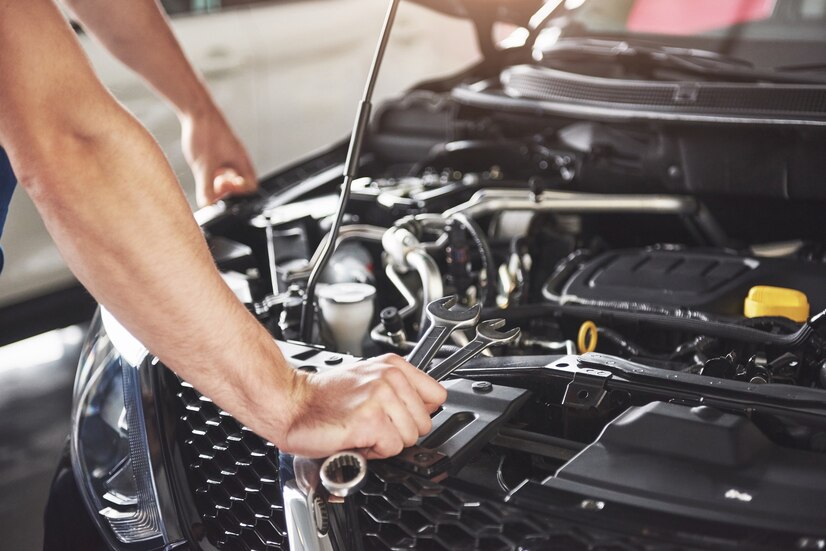
N54 engine for sale

When choosing an N54 engine for sale, there are several factors that you should consider:

  • Reliability: Look for engines that have a strong track record of reliability. Reviews and testimonials from previous customers can help you gauge the overall quality and dependability of a particular engine.
  • Condition: Opting for a used engine can be a cost-effective choice, but it’s important to thoroughly inspect the condition of the engine before making a purchase. Consider factors such as mileage, maintenance history, and any potential modifications or repairs.
  • Warranty: Many sellers offer warranties on their N54 engines for sale. Make sure to check the terms and duration of the warranty before finalizing your purchase.

Related: Beginners Guide To Buying A Classic Car

Where to Find N54 Engines for Sale

If you’re eager to get your hands on an N54 engine, there are several places where you can find them for sale:

  • Online Marketplaces: Websites like Alibaba or eBay offer a wide range of N54 engines for sale. Make sure to read reviews and compare prices from different sellers to ensure you’re getting the best deal.
  • Specialized BMW Dealerships: BMW dealerships often have a selection of used N54 engines available for sale. Additionally, they can provide you with expert advice and assistance throughout the purchasing process.
  • Car Enthusiast Forums: Online forums dedicated to BMW enthusiasts are a great resource for finding N54 engines for sale. Members of these forums often have first-hand experience and can provide valuable insights and recommendations.

Conclusion

Choosing the best N54 engine for sale requires careful consideration of factors such as reliability, condition, and warranty. Take the time to research different sellers and explore various options. With the right N54 engine, you can enhance the performance of your BMW and enjoy an exhilarating driving experience. Happy engine shopping!

Read Also:
Ankita Tripathy loves to write about food and the Hallyu Wave in particular. During her free time, she enjoys looking at the sky or reading books while sipping a cup of hot coffee. Her favourite niches are food, music, lifestyle, travel, and Korean Pop music and drama.

View all posts

Leave a Reply

Your email address will not be published. Required fields are marked *

Related

Fleet Maintenance And Route Planning

5 Cost Effective Ways To Improve Fleet Maintenance And Route Planning

Efficient fleet and route management present some of the most significant cost savings opportunities for transport operations looking to streamline expenses amidst rising overheads. While cutting too deeply risks performance impacts, simple modern technology tweaks can significantly optimize fleet maintenance protocols and delivery routing without demanding significant capital investments upfront. This article summarizes five budget-friendly tactics to boost fleet maintenance productivity and route planning accuracy using existing assets more strategically. Let's explore prime areas worthy of attention when aiming to balance the books without compromising quality. 1. Telematics Integration For Intelligent Maintenance   Onboard telematics tracking solutions generate immense data around vehicle usage - everything from daily mileage to fuel consumption rates, acceleration patterns, and engine fault alerts. GPS fleet monitoring systems generate data that is integral for transitioning to more intelligent maintenance planning. For example, tracking the total mileage elapsed on each vehicle provides maintenance teams advanced notice to schedule preventive services aligned to actual usage rather than guesswork. Engine fault alerts similarly assist workshops in stocking correct parts beforehand, reducing repair times. Such predictive, conditioned-based maintenance enabled by connected telemetry hugely increases workshop productivity and asset longevity over fixed service intervals alone. The marginal hardware costs pay themselves back rapidly by eliminating unnecessary jobs on under-utilized vehicles while significantly cutting downtimes for aged trucks requiring urgent repair. Managers also gain better oversight on accurate asset utilization - identifying overcapacity and right-sizing accordingly. 2. Dynamic Route Optimization Saves Fuel, Time   Route planning technology has evolved, allowing detailed mapping of traffic conditions, customer needs, and variable delivery volumes to generate optimized routes and sequenced schedules scientifically. Dynamic routing feeds ongoing location pings and logistical changes into algorithms pinpointing the most time and fuel-efficient plans moment-to-moment. For example, sudden traffic jams easily reroute deliveries, minimizing delays through detours or customer sequence swapping automatically. Live ETAs provide dispatchers with increased responsiveness to urgently insert priority, high-value stops. Route optimization similarly groups nearby customer drops, minimizing dead miles between stops. The aggregate savings from sharply reduced idling times, fuel spending, and completing more drops per shift quickly offsets monthly routing software subscriptions. A fluid platform also simplifies planning around volatile customer orders or urgent requests. Finally, the streamlined routing eases driver pressures and provides more predictable shift cycles, preventing overtime overruns. 3. Leverage Low-Cost Driver Behavior Analytics While extensive telemetry solutions assist maintenance practices and route optimization advice, essential low-cost tools encourage safe driving habits with significant safety and cost advantages.  Driver safety starts with journey behavior - sharp acceleration/braking, excessive speeding, and distraction cause most fleet accidents. Installing essential accelerometer apps on company phones, which riders keep in their pockets while driving, gives managers reliable indicators of driving standards without major privacy invasions.  The identified high-risk drivers become eligible for supplemental training to rectify gaps proactively rather than reactively post-accident. Even occasional coaching nudges promote defensive habits, directly preventing liability claims. Tax write-offs on essential safety apps provide further incentives against the staggering fallout of adverse driving.   4. Revise Periodic Inspection Regimes Most fleet vehicles undergo rigorous annual or bi-annual mechanical and safety inspections to renew registrations and compliance certificates. However, modern usage patterns indicate that minor intermittent inspections work better for heavier-usage vehicles. For example, an urban delivery van racking high mileage daily deserves more frequent - yet shorter - 30 or 60-day inspection intervals concentrating on high-wear items like tires, wipers, and fluids rather than entire annual drivetrain teardowns. This spreads CAPEX costs into smaller bites while catching deficiencies earlier before catastrophic failures materialize at the worst moment. For vehicles with lower utilization, quarterly checks remain suitable to balance effectiveness against outlay.  Managers shouldn't rely on annual checks to assure complete reliability on today's asset-intensive fleet demands—review inspection regimes to align with contemporary mobility profiles. 5. Embrace Eco-Driving Practices For Light Vehicles Too While most eco-driving programs target commercial trucks, light fleets equally deserve policy attention, given their ubiquity on roads. Minor optimizing tweaks around acceleration, idling, revs per minute, and running A/C make significant impacts multiplied over thousands of miles annually. Simply avoiding jackrabbit starts saves gas and brake wear dramatically. A/C idling policies similarly cut petty energy waste. Lower viscosity oils boost fuel economy while protecting modern engines from higher operating temperatures. Removing unnecessary cargo weight or drag-inducing racks after shifts conclude also assists in marginal performance gains. The eco-driving ethos crucially builds employee engagement around fuel budget guardianship. Business mileage reimbursements accordingly shift to reward MPG rather than total gallons consumed. Small in-cab reminders keep consciousness pervasive till smart habits become instilled in practice. Final Thoughts With transport margins tightening amidst inflation, energy volatility, and labor churns, sweating assets harder makes commercial sense if done responsibly. The above five pathways leverage connected fleet technology, data insights, and driver partnerships for optimizing critical maintenance and route planning protocols without demanding elaborate upfront investments. The collective small gains directly enhance workshop productivity, vehicle longevity, fuel economy, and driver experience while cutting risk and delays significantly. Beyond the operational enhancements lie vital cultural shifts, placing field teams at the heart of finding solutions rather than externally imposing changes. Collaborative problem-solving builds their engagement around responsible optimization critical for sustaining a continually improving business despite market uncertainties.

READ MOREDetails
car shakes at idle but smooths out while driving

Car Shakes At Idle But Smooths Out While Driving – How To Fix This Problem?

You might have noticed some irregularities with your car, like how it’s vibrating more than usual, even while idle. This can happen due to many reasons. Therefore, people should know the reasons behind why their car shakes at idle but smooths out while driving. If you are looking for the answer to this question, then you have clicked on the correct link. In this post, you will learn why the above effect happens and what needs to be done to solve it. Why Does Car Shakes At Idle But Smooths Out While Driving And How To Fix This Issue? If you wish to know why your car shaking while idle, then there can be various reasons for this issue. Therefore, here are some of the most common reasons why your car shakes when idle: 1. The Motor Mounts Are Weak Image Source: foxrunauto.com As you already know, your engine is stored in the car's engine compartment. This is done with the help of motor mounts that are attached to the engine to keep it in place. When these mounts become weak, they might fall off one by one. This can create a situation where your car vibrates when idle. You can notice this the most when your car is in neutral. If it does so, then you better go to a mechanic to get it checked and fixed immediately. 2. Damaged Spark Plugs Image Source: cfx-wp-images.imgix.net Spark plugs are connected to your engine and are responsible for igniting the fuel that goes in it. However, after lots of use, these spark plugs can become greasy due to the accumulation of residue from burnt oil. This can cause the engine to misfire. Therefore, it's best to keep in mind that your spark plugs are best replaced after every 20,000 to 30,000 miles. However, if you have a car that has a diesel engine, then there’s no need to worry about this since diesel engines don't have spark plugs. 3. The Camshaft Timing Chain Is Loose Image Source: carparts.com Many cars have a camshaft timing chain, which helps all the camshafts stay attached to your engine valves and pistons. This can create a problem for you if the timing chain for your camshaft has a loose chain tensioner. If you don't get all the hoses of your engine inspected by a mechanic, then your complaint about your car shaking when idle will never cease. This is because it can cause an engine vacuum leak, increasing the pressure inside its cylinders and vibrating your car.  4. Battery Cables Are Loose Image Source: autochimps.com Another common reason why your car shakes at idle but smooths out while driving is because of loose battery cables. If you see your car wont start after getting gas, then this might be one of the reasons why. This can happen if you recently changed your car battery. It can happen if the battery is not correctly connected to the battery cables. After driving around town, there is a chance that your battery cables might become loose, which leads to vibrating cars. 5. The Sensors Are Dirty Or Worn Out Image Source: protectmycar.com Two primary sensors in your car that are essential for starting it up are - the throttle position and oxygen sensors. Since they are located so close to the engine, they get greased up over time, making them malfunction. Adjusting the throttle cable a bit too tightly might cause the car to turn even while idle. Also, it makes things rough while driving as your car might speed up irrationally at times. In the same vein, a dysfunctional oxygen sensor can lead to exhaust malfunctions. This can also be another reason why your car shakes while idle. 6. Faulty Ignition Control Module Image Source: pixfeeds.com Your car’s idleness can be disturbed if there are faults in the ignition control module. Here, your engine might not start since the control module wrongly sends a signal that makes your engine misfire the compression from your cylinders. You can quickly diagnose this problem if you see your car vibrating on idle, even when you are not pressing the accelerator while in gear. Read Also: Self-Driving Cars And Pedestrian Safety: Who’s Responsible When Tech Fails? 7. The Gas Cap Is Loose Image Source: carparts.com One of the most common causes of your car shaking on idle is a loose gas cap. If the gas cap is loose, then air can leak inside, pressuring and vacuuming the engine even more. This increase in pressure can cause your engine to shake, even while the car is idle. Therefore, try checking your fuel cap. Open it yourself and then put it back. If you see the cap is loose, then you have found the main culprit. 8. Malfunctions In The Fuel Intake System Image Source: themotorguy.com If you see your car shaking when idle, then there is a high chance that the problem probably lies in your fuel intake system. The more you drive your vehicle, the more wear and tear your fuel intake system suffers, leading to blockages and malfunctions. Obstructions in your fuel intake valves can lead to less fuel going to your engine, which fails to start the engine properly. This leads to vibrations in your engine, which makes your car shake even while idle. Therefore, ask your mechanic and allow them to implement the use of an OBD2 scanner to find car engine malfunctions. This scanner will quickly pick up any obstructions in the fuel intake system. Frequently Asked Questions (FAQs): Here are the answers to some questions that people ask alongside why is my car shaking when idle: Q1. How Do You Diagnose Engine Vibration? Ans: To diagnose the reason why your engine is vibrating, you can do the following:First, place your car in a neutral state.Slowly start increasing the engine speed to an RPM which makes it vibrate. Q2. What Reduces Engine Vibration? Ans: To reduce the vibration of your engine, you can try making the coupling more flexible than before. Here, changing the spring and the damper will work wonders. Q3. Does Changing Engine Oil Reduce Vibration? Ans: Yes, changing the engine oil can indeed reduce your engine and car vibration. This will be most noticeable if the engine has not been changed for some time. In addition, this is more prominent in two-wheelers than in four-wheelers. Conclusion There are various reasons why your car shakes at idle but smooths out while driving. It can be due to iffy motor mounts, gas caps, damaged spark plugs, and battery cables. In addition, your ignition control system might be faulty as well, alongside worn-out sensors. In case you faced a similar situation, let me know in the comments below what you did! Read Also: How Car Detailing Can Keep Your Vehicle in Top Shape 7 Ways to Find the Best Auto Repair Shop for Your Vehicle How To Choose The Best Wheels And Tires For Your Vehicle

READ MOREDetails
Unique DVLA Plates

Unlocking The World Of Unique DVLA Plates

Talking of personalized vehicle identification, DVLA plates have emerged as a fascinating avenue for self-expression on the road. These unique plates, issued and regulated by DVLA in the United Kingdom, offer drivers an opportunity to make a statement, showcase their individuality, and add a touch of personal flair to their vehicles. This article explores the world of dvla number plates, their significance, and how they allow you to express yourself on the road. A Brief Overview Of DVLA Plates DVLA plates, also known as personalized or private registration plates, are distinctive combinations of letters and numbers that replace the standard registration numbers on vehicles. These plates are highly sought after for their ability to convey a specific message, name, or meaning to the world. With DVLA number plates, your vehicle becomes a canvas, and you become the artist, choosing a combination that reflects your personality, interests, or even a memorable date. The Significance Of DVLA Plates DVLA plates have gained popularity not only for their aesthetic appeal but also for their significance in various aspects of life. Here are some okay reasons why individuals opt for these unique plates: Personal Identity: DVLA plates allow you to showcase your identity on the road. Whether it's your initials, nickname, or clever wordplay, your plate becomes a symbol of who you are. Memorability: Many people choose DVLA plates that hold personal significance, such as their wedding date, a lucky number, or a special message. These plates become a lasting reminder of meaningful moments in life. Business Branding: Entrepreneurs and business owners often use DVLA plates to promote their companies. A customized plate featuring a business name or slogan can serve as a mobile advertisement, increasing brand visibility. Gifts and Tokens of Affection: DVLA plates make unique and thoughtful gifts. They are often given on special occasions, such as birthdays, anniversaries, or graduations, to show appreciation and affection. The Process Of Obtaining DVLA Plates Obtaining a personalized DVLA plate involves a straightforward process, though availability and pricing may vary based on the combination you desire. Here's a general outline of the steps: Check Availability: Visit the official DVLA website to check the availability of your desired combination. Not all combinations may be available, as some may already be in use or restricted due to specific guidelines. Purchase the Plate: Once you find an available combination that suits your preferences, you can purchase the DVLA plate directly from the DVLA website or through authorized dealers and private sellers. Prices can range from affordable to high-end, depending on the rarity and desirability of the combination. Assign to Your Vehicle: After obtaining the DVLA plate, you must assign it to your vehicle through the DVLA's online registration system. This process involves completing the necessary paperwork and updating your vehicle's registration details. Display and Enjoy: Once your DVLA plate is assigned to your vehicle, you can proudly display it on your car, motorcycle, or other registered vehicle. It's essential to ensure that the plate adheres to DVLA regulations regarding size, font, and spacing. DVLA Plates And Legal Considerations While DVLA plates offer a creative avenue for personalization, there are legal considerations to keep in mind. It's crucial to adhere to DVLA regulations to avoid any issues on the road. Here are some key points to remember: Format Regulations: DVLA plates must follow specific format regulations, including font style, size, and spacing. Non-compliance can result in penalties or even the revocation of the plate. Prohibited Combinations: Certain combinations that may be offensive or misleading are prohibited. The DVLA maintains guidelines to ensure that plates are not used for inappropriate purposes. Transferring and Selling Plates: If you decide to sell or transfer your DVLA plate, you must follow the DVLA's procedures and notify them accordingly. Please do so to avoid legal complications. Conclusion: Your Unique Roadmark In conclusion, DVLA plates offer a unique opportunity to express yourself on the road. These customized plates allow you to showcase your identity, commemorate special moments, promote your business, or give meaningful gifts. However, it's essential to follow DVLA regulations to ensure a smooth and legal experience. Whether you choose a DVLA plate that reflects your name, a cherished memory, or a clever message, your vehicle becomes a canvas for self-expression. So, why unlock the world of unique DVLA plates and let your vehicle speak volumes about who you are as you navigate the roads with style and individuality? Read More: How Personal Branding Online Can Help Your Job Search Top 5 Graphic Design Trends For 2017 5 Most Common Challenges Faced Bye Commerce Businesses Toda

READ MOREDetails