











The 5 Best Brita Alternatives For Water Filter Pitchers

Published on: 22 April 2021 Last Updated on: 31 December 2024
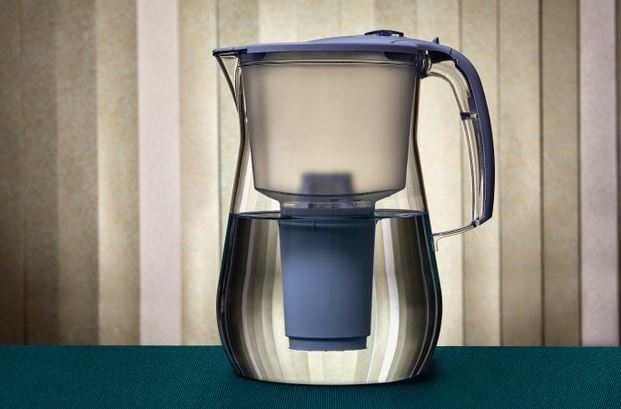
Water Filter Pitcher

A water filter pitcher is something everyone should have in their home. It’s one of the simplest ways to guarantee that the water you’re drinking is clean, safe, and deliciously chilled. Unfortunately, getting a great water filter pitcher isn’t as easy as you might think. Popular brands like Brita do a great job of filtering out substances like chlorine thanks to their activated carbon filters; however, they’re far from comprehensive.

The fact is, mass-produced, store-bought water filtration systems are a far cry from true filtration options. They’re limited by their simple filter media and only work when it comes to high-turbidity contamination—lots of suspended solids. These filters do almost nothing to neutralize VOCs or microbiological threats.

If you’re on the lookout for a water filter pitcher, you can do better than Brita. Here are a few of the best Brita alternatives for water filter pitchers and why they’re worth the investment.

1. Aquaspace® Carafe® Pitchers

You might not even need to finish this list, because we’ve put the very best Brita alternative front and center, right at the top. There’s simply no beating the performance of Aquaspace® Carafe® Pitchers! Not only are there options for specific filtration such as fluoride, but there are also alkaline options for those who prefer the benefits of water with a slightly higher pH.

The specifications of these filters are second-to-none when it comes to filtration capabilities. First, there’s an amazing 500-gallon capacity on Aquaspace® filters—as opposed to a meager 40 gallons on most Brita systems. On top of this, there’s filtration power to consider. The Aquaspace® filter goes above and beyond any activated carbon filter, to deliver comprehensive filtration that spans both organic and inorganic compounds.

Need more proof that Aquaspace® comes out on top? Look at the pour-through funnel to the filter media, which ensures powerful filtration, instead of pass-through sieve filtration. If you’re going to spend the money on a water filter pitcher, there are few better options than Aquaspace®.

2. Pūr Classic 11-Cup Pitcher

One of the competitors to Brita that you’re likely to find in stores is Pūr. This brand is mass produced, but its filter media is a step above others on the market. It doesn’t just rely on activated carbon media; its MAXION® filter technology also addresses pharmaceuticals and industrial pollutants to provide a more encompassing level of cleanliness to water.

Like other store-bought filters, Pūr has some bells and whistles that make it worth looking at—including the LED filter indicator. While the filter lifespan is only a meager 40 gallons, an LED reminder will let you know when it’s time to swap in new media. Moreover, the filters themselves are relatively inexpensive.

One of the best things about this water filter pitcher is its convenience. It has a relatively low cost of ownership and is easy to fill, pour and clean. It’s also BPA-free. If you’re shopping in-store, it’s hard to do better than Pūr.

3. Travel Berkey Gravity-Fed Water Filter

If price isn’t an option, the Travel Berkey Water Filter is worth a look. We’re not kidding when we say it’s pricey, though—you’re looking at a $250 purchase price and $120 replacement filters. If you’re reading this aghast, take a moment to consider the benefits.

First off, the Travel Berkey Water Filter and its filtration media will cleanse up to 6,000 gallons before you need to replace the filters. This is enough to justify the cost of the filters themselves. As for the cost of the unit, it’s probably the most well-made on this list and features stainless steel that’ll last you a lifetime. The system itself is also a gravity-fed setup, which means you can expect superb filtration and extremely clean drinking water. Outfitted with the right filters, it’ll eliminate just about any contaminants in your water, including arsenic.

The downfall of this system? Well, it’s not exactly a pitcher and you can’t keep it in the fridge. It’s meant as a countertop option that holds 1.5 gallons, which makes it equally as convenient.

4. ZeroWater 6-Cup Pitcher

If you live in an area with heavy lead content in the water supply, this pitcher is an upgrade over Brita filters. While it only boasts a 6-cup capacity, the filtration power of the ZeroWater filter pitcher is well-worth the extremely affordable $20 price tag.

Thanks to its five-stage filtration capabilities, this pitcher does what only activated carbon filters can’t. Aside from the usual hard water culprits, this system also filters out compounds like fluoride, nitrates and other inorganics. This, in conjunction with its ability to filter out most unwanted organic compounds like arsenic and mercury. It’s one of the best filtration systems for the cost.

The unfortunate aspect of the ZeroWater filter pitcher is its 20-gallon filter lifespan. If you’re relying on it frequently, you could end up spending a fortune in filter replacement costs. This is an option best left for those who also have some point-of-use filtration system.

5. Clearly Filtered 10-Cup Pitcher

While its claim of being “the most powerful water pitcher on the market,” might be a little dubious, the Clearly Filtered pitcher is certainly a leader in its class. Sure, you’re going to spend more than the off-the-shelf filters on this list, but you’ll also get better performance.

First, you’ll love the 100-gallon filter capacity on this model. This, in combination with its powerful filtration capabilities, makes it a great everyday option. Its 10-cup capacity means you’ll need to replace the filter roughly every 10 times you refill it. When it comes to filtration quality, expect this system to remove more than 230 unwanted organics and inorganics, including fluoride, lead, plastics, hormones, and more. It’s a truly encompassing filtration option.

The only real downfall of this pitcher is that it’s a bit bulky and can be difficult to fit into a small fridge. Replacement filters aren’t cheap, either ($50), but they do offer good value thanks to their longevity.

Pay Attention to Pitcher Performance

When selecting a water filter pitcher, the best way to understand what you’re getting for your money is to look at the specifications of the product. What type of filter media does it use? How quickly does it filter? What’s the filter lifespan? These factors all matter when it comes to the clarity and safety of your water.

At the end of the day, a water filter pitcher is all about convenience—and health. When you pull that pitcher out of the fridge and pour yourself a refreshing glass of crisp, cool water, you should be able to enjoy every sip. It starts by having confidence in the filter pitcher you’ve chosen.

Looking for the best water filter pitcher available on the market? Look to Aquaspace for all your filtration needs!

Read Also:

Mashum Mollah is the feature writer of Search Engine Magazine and an SEO Analyst at Real Wealth Business. Over the last 3 years, He has successfully developed and implemented online marketing, SEO, and conversion campaigns for 50+ businesses of all sizes. He is the co-founder of Social Media Magazine.

View all posts

Leave a Reply

Your email address will not be published. Required fields are marked *

Related

tropical plants

10 Best Tropical Plants To Buy In 2022

Want to add some of the fresh earthy vibes to your house interior decorations? Add the indoor exotic tropical plants to your house’s outdoor and indoor interior. Tropical plants have very fresh leafy kinds of vibes. Especially when you live in hot and humid weather, these plants bring an earthy and new look to your garden. Along with the nice look, every tropical plant's leaves are unique, so tropical rainforest plants are always the favourite of every designer and gardener. What are you thinking? How common tropical house plants can bring a fresh vibe to your garden. Let's have a look at the few tropical plants which you can buy in 2022. Read More: 10 Best Spiky Plants To Decorate Outside Your House 10 Market Best Tropical Plants To Buy In 2022 The indoor tropical house plants always make your room look fresh and elegant. Even if you are adding tropical green plants to your garden, it will look more colourful. Who does not like to have fresh green looks in their garden? Here is the list of tropical plants which you can buy in 2022. 1. Bird Of Paradise This name of the plant symbolizes its beauty. Bird of paradise also has a very well-known common name, the crane flower plant. This is one of the most beautiful tropical plants on the list of indoor tropical house plants. Bird of paradise is a good choice. You will get an excellent attractive plant with vibrant, colorful flowers. The flowers of this plant look like a heavenly yellow bird. Native Place: South Africa. Where To Grow: This plant is more convenient for indoor and outdoor gardens. The warm weather is more suitable for it. The 65°F and 85°F temperatures in indoor places are the best places to grow it. 2. Philodendron Birkin Do you like to have a tropical big leaf plant indoors? Then Birkin is going to be your best pick. These tropical big leaf house plants have lovely light and dark green colour stripes on the surface. The leaves of these tropical plants are fresh in colour, and every branch is soft green tender. The only disadvantage of having these plants are they are not fast-growing plants. So you have to keep your patients in the right place to see the full-grown plant. Native Place: Rainforest of Brazil and Paraguay. Where To Grow: This plant is more convenient for indoor and outdoor gardens. The warm weather is more suitable for it. They have more than 50 species in the same category. The 55°F and 86°F temperatures in indoor places are the best to grow it. Direct sunlight is harmful to it. 3. Parlour Palm Parlour palms are another great selection of common tropical house plants. Even though they are the best plants for tropical areas, these plants can easily tackle the lowering temperatures. The best experiences of growing these plants are that they are very compatible with every type of environment. And not only that, you do not have to spend hours taking care of them. For beginner plant enthusiasts, these parlour palms are very convenient to have. Native Place: South Mexico and Guatemala. Where To Grow: This plant is more convenient for indoor and outdoor gardens. The 65°F and 80°F temperatures in indoor places are most suitable for them. Click Here To Read: 10 Best Low Maintenance Plants To Buy In 2022 4. Shangri La Shangri La is a small and tender soft plant. Are you looking for fresh-looking tropical plants? Then you can select this plant. The indoor weather is more suitable for growing this plant. Why select this plant? The fresh-looking green heart-shaped leaves always look fresh and more fragile. Every leaf is dark green in colour. They have more different species. And every type of Shangri La planet’s leaves shape is different. Native Place: Southern part of China. Where To Grow: This plant is more convenient for indoor and outdoor gardens. The 60°F and 75°F temperatures in indoor places are most suitable for them. 5. Money Tree There are plenty of myths associated with the money plant. But the fact is the money plant looks fresh, and every leaf of the plant is tear-shaped. The shapes and size of the money tree are very compatible with indoor ambiances. When you want to select any indoor plant, what types of characters you are searching for. The usual quality of the indoor plants should be they should be good for your health and easy to maintain. The money tree has all these characteristics. You do not have to make much effort for maintenance, and you will get a plant that will increase the oxygen level of the air. Native Place: Central and southern part of South America. Where To Grow: This plant is more convenient for indoor and outdoor gardens. The 65°F and 80°F temperatures in indoor places are most suitable for them. 6. Bromeliad These tropical plants' flower colours are like the birds of paradises. The flowers are like a bunch of golden birds. The vibrant colours of the flowers make it unique. Bromeliad has multiple different species. But my favourite is the orange one. These plants ' leaves have a distinctive look along with the nice glowing orange colours. The leaves of the plants are thin and give the whole plant an excellent cone shape. You cannot separate the plant’s leaves and the flowers. Only the colours of the petals make the difference. Native Place: Africa, South America, and Caribbean seaside tropical areas are their native places. Where To Grow: This plant is more convenient for indoor and outdoor gardens. The 50°F and 65°F temperatures in indoor places are most suitable for them. However, highly humid and airy places are always the appropriate place for it. 7. Areca Palm This tropical palm is another great selection for indoor and outdoor decorations. You can pick these Palm trees as they are low maintenance and for their gorgeous look. The authentic look and structures of the palms are present in the whole attire. The indoor Areca Palms can be more than 10 ft high, and in the outdoor areas, the height can be more than 35ft. The fountain-like structures of these tropical plants are so magnificent that if you are putting the plant in your room corner, the whole look will change. Native Place: Madagascar, Andaman Islands, El Salvador, Cuba, and Puerto Rico. Where To Grow: This plant is more convenient for indoor and outdoor gardens. The 65°F and 75°F temperatures in indoor places are most suitable for them. Only you have to keep these plants away from the cold air and climates. 8. Shenzhen Nongke Orchid You can put these seven into the list of wholesale tropical plants. But do you want to buy an exotic one? Then why not select a lovely pink flower tropical orchid. Do you think only blood orchids are rare? This Shenzhen Nongke Orchid is also very rare. This is the reason you can put this orchid on the list of all exotic tropical plants. But keep one thing in mind: these plants are costly. To buy a single plant, you have to spend about $201,000.Hence this single plant is no less than any nice art effect for your living room. But you can buy the recent plants from the tropical house plants for sale options. Usually, some of the firms offer sales of tropical plants yearly. Native Place: China, Grece, and Rome are the original places of the orchid plants. Where To Grow: This plant is more convenient for indoor and outdoor gardens. The 50°F and 80°F temperatures in indoor places are most suitable for them. You May Like To Read This: 10 Best Aesthetic Plants To Buy In 2022 9. White Star The catheter majestic white star tropical plants are great selections for the indoor garden. For household nurseries or indoor tropical house plants, these plants are good selections. The leaves are big in size. And on the surface of the plant leaves, you will find light green and dark green stripes. These light green shares look more like white colours. The colour combinations of these plants are unique, and with this uniqueness, the plants give your room a beautiful look. Native Place: Brazil rainforest. Where To Grow: This plant is more convenient for indoor and outdoor gardens. The 65°F and 77°F temperatures in indoor places are most suitable for them. 10. Marginal Wood Fern Can Marginal wood Ferns be the common tropical house plants? Yes, we all can see this plant’s in the rainforest. But you can bring a small part of the rainforest inside the interiors of your house and make your interior look picture perfect. These ferns commonly grow under the Oakwoods. But apart from the Oakwoods, you can also find these ferns in multiple areas of the rainforest. The authentic look of ferns and leaves textures makes this plant popular among tropical plant lovers. In this long list of tropical plant names, wood ferns are very sophisticated and tender types of selections. Native Place: North America. Where To Grow: This plant is more convenient for indoor and outdoor gardens. The 65°F and 75°F temperatures in indoor places are most suitable for them. The direct sunlight is turning their fresh green leaves into brown. Frequently Asked Questions (FAQs): Q1.Name Some Of The Tropical Plants Which You Can Grow In Your Living Room? When you want to buy some tropical plants for your living room, you have to check two qualities: one about their maintainers, and the other thing is their looks. Dragon tree Bird of paradise Pine Norfolk Island Caryota fishtail Palm European Olive Corn Plant Q2. What Is The Easiest Tropical Plant To Grow? Bromeliads are the easiest plant to grow. You only have to put these plants in a pot and leave them in the corner of your room. But shady and airy places are more suitable places to grow these plants. Q3. How Much Sun Do Tropical Plants Need? Usually! Tropical plants grow in shaded places. And indirect sunlights are more convenient nutrition sources for them. Even some of the plants can grow under indirect light sunlight. The comfortable temperatures for the tropical plants are always better. But water sources need to be more stable. Unlike the dry areas of indoor plants, these tropical plants need more watering. Q4. Can You Grow Tropical Plants In Perth? Yes, you can grow the tropical plants in the Perth. Here are five tropical plants that you can grow in Perth. Dragon tree Hawaiian Hibiscus Giant Bromeliad Sago palm Cane Palm Bottom Line: Each of these ten tropical plants is very convenient for indoor and outdoor gardens. But if you are living in an arid area, then my suggestion is to place this plant under the shaded places or inside your room. For any type of tropical plant, watering is very valuable. In most tropical regions, rainfalls are frequent. So be sure you are going to water your plant every day. Which plant are you going to select for your indoor or outdoor garden? And if you are already thinking of having a green natural living room, share your plant’s pictures in the comments sections. Read Also: 10 Best Tall House Plants To Buy In 2022 10 Best Foliage Plants To Buy In 2022 – Must Read! What Are Trailing Plants? – What Are The Types Of Trailing Plants?

READ MOREDetails
how to harvest dill

How to Harvest and Preserve Dill for Year-Round Use?

The tender, fern-like leaves of dill almost beg to be touched. If you want to cook them, trim the fresh dill foliage and gather the seeds for pickling. Or you can chop the feathery leaves and yellow umbels for attractive bouquets of homegrown flowers. In addition, black swallowtail caterpillars love to feed on it. Its tiny yellow blooms are great at drawing in a wide range of pollinators. Dill grows as an annual for summer harvests in USDA Hardiness Zones 2–8. In other parts, it may self-seed and is hardy in the winter in Zones 9–11. Here is everything you need to know about how to harvest dill. Keep reading for a comprehensive guide. How to Harvest Dill? Fresh dill clips easily, but it soon starts to droop. Sounds familiar to Cilantro, right? Its flower umbels may look lovely in a mixed bouquet, but after a few hours, don't be shocked if they start to wilt. When harvesting dill for recipes, use it as soon as possible because its flavor starts to fade after a few days. Cut off the flower stalks of dill after the yellow blooms have faded but before the seeds start to ripen and come away from the umbel. Cover the entire flower head with a small paper bag that has a few tiny holes for ventilation. Hang the plant upside down in a cool, dry place. Watch for the seeds to fall and collect them in the bag's bottom. The seeds should be kept in a cool, dry, and dark area in an airtight glass container. When and How to Plant Dill? Dill grows best outside and is simple to start from seed. Plant the seeds directly into the ground, 1/4 inch deep and spaced 1 to 2 inches apart, in the springtime following the last frost. If you want the dill plants to be able to self-sow, plant the seeds in tufts so the seeds can fall and sprout the following year. Or you can plant them in rows spaced about 6 inches apart. You might want to think about succession planting if you want a reliable supply of dill. During the growing season, start by planting a small number of seeds from the packet at a time and then a few more every week. Typically, seeds take 7 to 14 days to germinate. Also, dill can be grown from transplants grown in nurseries planted in the ground or in containers in spring. You can plant dill outside a few weeks before the last predicted spring frost because it can withstand light frost. To achieve lush growth and stop crowded seedlings from producing seed heads, which stops the production of foliage, thinning is essential. Every 12 to 24 inches, reduce the number of seedlings to just the strongest one once they reach 3 or 4 inches in height. As they get bigger, some start to flop. Plants can be kept upright by placing a stake or a sturdy twig in the ground close to the plant's base. To loosely secure the plant to the stake, use garden twine. You can start the dill seeds indoors four to six weeks prior to the last frost. And you can move the seedlings to the ground once the risk of frost has passed. Transplanting mature dill does not work well, so plant your seedlings where they will be able to grow and thrive. Where To Plant Dill? Dill should be planted in a spot with well-drained soil and at least 6 to 8 hours of daily full, direct sunlight. Particularly for cottage gardens, the delicate foliage gives garden beds and borders textural interest. Choose a location for your dill that will shield it from the wind if possible. Just like spinach, high winds can easily damage its stalks if you do not stake the dill. You can plant dill's fragrant foliage in perennial garden container plantings. Or you can plant them alongside other herbs or vegetables in a traditional kitchen garden. In an edible garden, cruciferous vegetables such as Brussels sprouts, collard greens, broccoli, and cabbage are good companion plants for dill. Dill draws beneficial insects like ladybugs and bees and drives away common brassica pests like loopers and cabbage worms. But avoid planting dill close to carrots. Carrots can be stunted by dill, and because they are closely related, dill can cross-pollinate with carrots to produce inferior hybrid plants. Planting dill close to tomatoes is also not recommended. Mature dill will probably stunt your tomatoes' growth, even though some studies have indicated that tomatoes and dill can be beneficial companions when they are young. How to Propagate Dill? Seed is the most effective method of dill propagation. Cuttings can also propagate Dill, though this isn't as dependable. Seed: Direct sow the dill seeds in early spring at a depth of 1/4 inch in a prepared garden bed. Dill does not tolerate transplanting well. Thin the seedlings so they are 12–24 inches apart when they are 3–4 inches tall. Cuttings: Using shears or scissors, cut off the stem with at least 3 to 4 inches of new growth to take a dill cutting. Place the cutting in a water-filled container, making sure to remove any leaves below the water's surface, and allow the roots to grow for two to three weeks. Fertilizer and rooting hormones are not required. Plant the dill in a container or on the ground once the roots are 2 to 3 inches long. Is Dill a Type of Weed? No, I am not talking about WEED weed (read: marijuana). Although dill isn't technically a weed, some individuals and spice companies call the plant dill weed, possibly due to its feathery leaves. Dill weed is a dried or fresh foliage plant. Flower umbels are yellow and used to make dill seeds. How Should Dill Be Stored for Optimal Quality? You can keep fresh dill in the fridge by wrapping its leaves in a moist paper towel. Or you can tuck its stems into a container of water. Fresh dill can be frozen by submerging it in water in ice cube trays. Place the cubes in cooked dishes that have enough moisture to withstand them. Dill seeds and leaves can also be easily dried for later use, though the flavor is a lot more muted. Water and Soil Sow dill in soil that is moist but well-drained. If there is a lot of clay in your soil, add organic matter to the top few inches to aid in drainage. If you have trouble with poor soil drainage, plant this herb in raised beds or containers. Growing dill requires proper irrigation. As the seeds germinate, keep the soil evenly moist. Dill plants require one to two inches of rain or extra water each week once they begin to grow. Humidity and Temperature Dill tolerates temperatures as low as 25ºF, but 70ºF is the ideal temperature for it. Dill often bolts, sending up flower stalks to set seeds when temperatures rise. This annual herb dies after it flowers and produces seeds. Get rid of the flowers to prolong the plant's growing season. Apply Fertilizer While most herbs, including dill, don't require extra fertilizer, you can give them once or twice during the growing season by applying a balanced 10-10-10 fertilizer. When planting, either mix a liquid fertilizer with water or etch a time-release fertilizer into the soil. Refer to the product label for instructions on how much to use. Trimming Dill should be pruned early in the growing season to prevent limb bending. Cut off the top leaves of the plant to promote more growth of the lower leaves. Food preparation and cooking can be done with anything that has been pruned. Repotting and Potting You can grow dill in pots on a sunny balcony or deck, even if you don't have an outdoor garden. Due to the deep taproot that dill plants have, choose a container that is at least 12 inches deep. Because clay and terracotta pots don't retain as much moisture as plastic or glazed ceramic pots. They are ideal for growing dill. Make sure the container you select has good drainage and is big enough to allow you to space your plants 12 to 24 inches apart. It is best to start over in a new, larger container. Especially if your dill plant outgrows its current one because it does not take well to transplant. If the temperature where you are planting is not too high, you can keep planting seeds into the summer. Types of Dill Dills can be of many types with each of their distinct looks and flavors. Here are the three different types of dill you can grow in your kitchen or backyard. Long Island Mammoth Also known as Long Island Mammoth this one is an old-time favorite. Its fern-like leaves can be dried and stored for a long time, or they can be harvested fresh. It produces big clusters of yellow flowers with flat tops. They turn into brown seed heads, and they can reach a height of five feet. Fernleaf Grown to a height of only 18 inches, Anethum graveolens, or Fernleaf, is a highly productive dwarf variety. It works well in container gardens or small in-ground beds. Its feathery, delicate foliage has a great flavor of dill. From midsummer into fall, it blossoms. Bouquet The 'Bouquet' cultivar produces plants up to thirty inches tall with fine bluish-green foliage. The enormous, six-inch-diameter yellow flower heads are ideal for drying, creating an enduring arrangement. Or you could chop them for fresh floral arrangements. How to Keep New Dill Fresh? Dill weed quickly wilts after harvesting and gradually loses its distinctive flavor and aroma. If you know how to store your freshly harvested dill, this shouldn't be a problem. Here are two straightforward techniques that you can use: Put It in the Crisper Drawer of the Refrigerator Loosely wrap the recently cut and cleaned leaves in damp kitchen towels before putting them in a container or sealed bag. Put the container in the crisper drawer of the refrigerator, which has a lower humidity than the other sections of the appliance. Utilize the herbs before they begin to wilt and dry out, which should happen in a few days. Put It in Water To make this method function, when harvesting the herb, you must cut off the entire stem. After gathering the stems, put them in a glass of water and seal the opening with a plastic bag. Every day, change the water. Unlike potatoes, dill leaves can remain fresh for up to a week when stored in this manner. How to Freeze Fresh Dill? Freezing is the best way to preserve extra dill for later use if you've harvested more than you can use at once or in a few days. Dill freezes most effectively when chopped into smaller pieces and added to ice cube trays with just enough water to cover the freshly minced dill. This allows the herbs to be kept for four months or longer. This will ensure you always have dill on hand for when a recipe calls for it. How to Dry Fresh Dill? Dried fresh dill is a popular method if you're searching for another way to store dill for a long time. The herb has many uses, even though it won't have as much flavor as when it's fresh or frozen. All year long, you can use it as a herb in cooked dishes or to make tea. Stick to hang-drying if you don't want much of the flavor to be lost. This is a very easy method to use. All you must do is gather a few dill leaves and then bind them with a string. Later, place them in an area with adequate ventilation upside down.  Place them in an airtight container once they're crumbling and dry. Even though fresh dill is always preferable, make sure to save some for later use. Particularly if you don't have a year-round indoor herb and spice garden. Wrapping Up Growing dill is a great way to add flavor to fish and seafood dishes. A little goes a long way because fresh dill leaves have a strong licorice flavor. It is best that you add dill toward the end of cooking, in salads, or as a garnish for soups. Because once cooked, it tends to lose its flavor. If you have thoughts to share or questions to ask about how to harvest dill, please leave a comment below. We would love to hear from you! Read Also: Asparagus 101: When, How, And How Often To Harvest? How To Harvest Sunflower Seeds: A Fun And Easy Activity For The Whole Family How TO Harvest Lemongrass: Tips AND Tricks FOR Growing AND Using This Versatile Herb

READ MOREDetails
tall house plants

10 Best Tall House Plants To Buy In 2022

In the present era, interior design has changed a lot compared to what it was a decade ago. Nowadays, most people are bold enough to experiment with anything and everything when it comes to having an alluring interior. In such a condition, you can find the tall house plants playing a prominent role in boosting the interior outlook of the house. So, if you also desire to keep them in the house interior, this article is for you.  The best you can do is go through the list below and choose the right plant to keep in your room. However, remember that the rare plants in this list can be expensive. So, it can be a good step to know about the plants at first and later invest money. So, take a look at the list for now. Read More: 10 Best Trailing Indoor Plants To Buy In 2022 Top Ten House Plants You Can Keep In 2022 Here is the list of the top ten house plants that you can keep in your place this year. One common factor in all these plants is that they have an aesthetic outlook. So, you can check all entries here. 1. Snake Plant The Snake Plant is scientifically known as Dracaena Trifaciata. The unique and alluring fact about this plant is the presence of fleshy leaves. This plant can grow up to 6 feet and thus, you can consider it as a tall tree to keep in the house. In case of buying tall indoor house plants anytime soon, you should always check the price. The best you can do is give water in intervals to allow a snake plant to grow. 2. Money Tree Money trees can grow up to 8 feet and you can keep them in your hall or drawing room area. The braided stem of this plant can ensure added aesthetics to your place. When buying a money tree, you should always check if it is mature. Expect the price of a money tree to be high but it would always come between $60 to $80. Make sure to give the plant, indirect light, and water every two weeks. 3. Mini Monstera If you are looking for a plant that has lush green leaves, the Mini Monstera can be the right plant for you. If you desire to keep this plant at your place, make sure to add a stick or robe to it. As a result, you can expect this plant to grow some 12 feet. The price of a small Mini Monstera Plant is $20 to $80 approximately. However, you can check an e-commerce site to know the exact price. The best you can do is buy this plant as a tall house plant real. Finally, the only thing you need to remember is to give the plant indirect lighting. This can always keep the plant healthy for a long time. 4. Majesty Palm The majesty palm is one of the greatest tall house plants of all time. It is famous due to its pet-friendliness. You would be amazed to know that the plant needs much less maintenance. In only a few months, the Majesty  Palm can grow up to 10 feet approximately. The only thing this plant need is indirect light.  Moreover, some humidity in your room can also be beneficial for this plant to grow. When searching for a Majesty Palm in the market, you should look for a matured plant. Expect its price to be at $30 to $90. 5. Elephant’s Ear The trade name of the Elephant’s Ear plant is Alocasia. It is an example of tall tropical house plants that can grow more than 10 feet in length. Now, this plant is a bit expensive because of the unique shape of the leaves. In the US. people to grow this tree in a medium-sized pot. Like all other plants in this list, this plant also needs indirect lighting. For an Alocasia, you might have to spend $100-200 for a matured plant. Make sure to check the breed of the plant when you buy it. 6. Fiddle Leaf Fig Ficus Lyrata is the scientific name of a Fiddle Leaf Fig. The plant has got such a name because its leaves look like a fiddle. This plant can also grow above 10 feet but the average height is from 5 ft to 10 ft. The only thing you need to keep in mind is to keep the plant in a sunny, watering area. So, it can quickly gain its height. 7. Rubber Plant If you have a room where you get bright light, try keeping a rubber plant. Rubber plants grow rapidly when they get bright light. So, you can expect this plant to grow some 8 to 10 feet. The only thing you need to remember is to apply fertilizers to the plant on a bi-weekly basis. 8. Bird Of Paradise When it comes to tall house plants in low light, you can count on Birds Of Paradise. This leafy plant can grow above 5 feet and you can give it some indirect headlight. The best you can do is attach some other plants with them in the same tub. Expect to get a healthy Bird Of Paradise Plant in some $50 on the leading e-commerce websites. You May Like To Read This: 5 Tips to Keeping Animals Away From Your Garden 9. Parlor Palm The Parlor Palm is yet another tall tree that you can keep in your house. The best thing about this palm tree is that it needs much low maintenance. This tree can grow up to 6 feet. You can get a matured plant for $60 to $90. 10. Draecana The last entry in the list of tall house plants is Draecana. It is different from the aforesaid variant as it has red leaves. It also grows tall in low light. So, you can keep it in your house. Look for a matured plant if you have a plan to purchase it soon. Frequently Asked Questions (FAQs): Q1. What Is The Plant Of 2022? The baby rubber plant and potted bamboo are two plants that you can buy in 2022. Q2. What Houseplants Grow The Tallest? The snake plant is among the best house plants that grow the tallest. Q3. What Is The Most Popular House Plant? The rubber plant and parlor palm are some famous house plants. Q4. What Plants Are Trending Now? The Island Pine and Areca Palm plants are trending in the current year. Final Words You might think that the tall plants might be difficult to keep in the houses but it is just a myth. The correct plants would always grow and remain healthy in your house. The best for you would be to choose a plant from this list. Most of the plants mentioned here are excellent when it comes to indirect light and low maintenance. However, you should remember watering them and applying fertilizers. Read More: Garden Edging for Beginners DIY Ways to Control Pests in Your Garden Best Material for Garden Sheds: A Guide for Everyone

READ MOREDetails