









Best Gardening Tips For Beginners: Adopting A Relaxing Hobby

by

23 December 2023

Home & Garden

Gardening

Gardening is a delightful hobby that requires patience and perseverance. Everyone can make mistakes while planting, whether you’re a seasoned grower or a novice. 

However, with careful planning, you can avoid these common errors. As the spring season approaches, now is the perfect time to start planning your garden and prepare for planting

Gardening is not only a fun pastime. It also rewards you with fresh, homegrown produce and a fragrant outdoor space to enjoy your meals. Therefore, find a neighborhood nursery, get your favorite plants, and start an amazing journey amidst nature!

While knowing when and how to begin your gardening journey might be challenging, the outcome is worth the effort.

In this article, we shall help you with some major tips to help you on this green journey. Keep reading!

Gardening Tips For Beginners

A relaxing hobby can help you cope better with the stress and disappointments in life; gardening is the best solution. Therefore, gardening can be one of the best ways to channel your time in a positive direction.

When you plant a sapling and watch it grow over time, it helps you connect with the innocent joys of life. It stimulates the nurturing nature within you. Therefore, gardening helps you heal mentally and enhance your well-being.
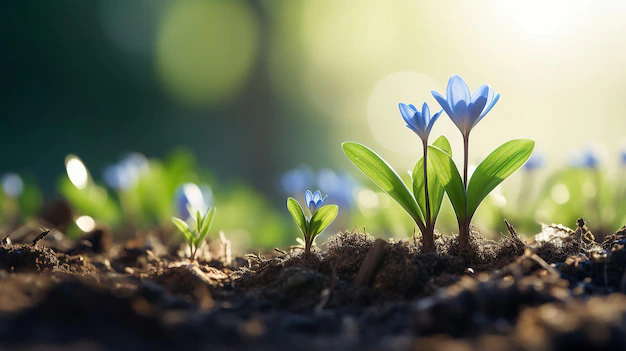
Gardening Tips

Given below are some of the most important tips that you will need to follow at the beginning of your gardening endeavors—

1. Select The Right Spot

To get your vegetable garden off to a good start, selecting the perfect area is crucial. 

This spot must receive a minimum of six hours of sunlight each day. Insufficient sunlight can lead to stunted growth and reduced crop yields. 

When choosing your garden location, take note of areas that receive the most sunlight. Next, you must try to situate your garden bed near a water source. 

Therefore, your plants can easily access the necessary nutrients for healthy development. 

By considering these factors, you’ll be on your way to a successful and thriving garden.

2. Choose The Right Plants

It is often difficult for beginners to understand what plants are right for their garden. There are several factors that affect the type of plant you must consider—

  • Weather conditions: To choose the right plants for your garden, consider factors like temperature, humidity, and sunlight at your place. Moreover, the weather conditions also affect the soil type and maintenance requirements.
  • Water availability: When selecting plants for your garden, it’s important to consider their water requirements. Moreover, your garden’s drainage ability can also affect the growth of plants. 
  • Attention and care requirements: Consider attention and care requirements when choosing plants for your garden. Some plants need more maintenance than others. 

Therefore, assess the time and effort you are willing to invest and choose accordingly. Knowing the specific care needs of different plants will help them thrive in your garden.

Start with low-maintenance succulents and cacti if you’re new to gardening. These plants need little attention and help you get hooked on the hobby. 

These plants store water in their leaves or stems. Therefore, they are perfect for those who regularly forget to water their plants. 

Succulents come in different shapes and sizes, while cacti range from small, round shapes to tall, columnar forms.

3. Choose Between Seeds And Saplings

When starting your gardening journey, you must choose seeds or saplings. 

Seeds are the most cost-effective option and offer a wider variety of plant choices. However, they require more time and effort to grow. Moreover, seeds will need proper conditions for germination and nurturing. 

On the other hand, saplings are pre-grown plants that can be directly planted into your garden. 

Saplings are more expensive than seeds. However, they save you time and effort as they are already established and have a higher chance of success. 

Therefore, the choice between seeds and saplings depends on your personal preferences, budget, and level of gardening experience.

Related: How To Arrive At The Perfect Choice Of A Potting Bench For Your Gardening

4. Know How To Make Your Soil More Fertile

It is important to enhance the structure of your soil and improve its drainage and moisture-holding capacity. 

Therefore, you can improve the health of your soil by using compost, leaf mold, or well-aged manure, which is a great option. 

These organic materials act as a sponge and help retain water and nutrients, ultimately benefiting plants’ growth. 

However, it is important to avoid using fresh manure. It can harm your plants. Moreover, fresh manure might contain harmful bacteria and pathogens. These pathogens can cause serious diseases, and their high nitrogen content may burn the plants’ tender roots. 

Therefore, it is recommended to compost the manure for at least 6 to 12 months before using it on your plants. 

This breaks down the harmful bacteria and pathogens and also makes the nutrients in it more available to the plants.

5. Select The Right Pots

If you don’t have enough space for gardening, you might want to try container gardening.

It’s a fantastic way to grow a wide variety of plants, including fruits, vegetables, herbs, flowers, berries, and shrubs. 

However, when you opt for container gardening, you must select a pot that’s big enough for your plant to grow in. Moreover, the pot should also have enough room for the roots to spread out and grow comfortably. 

Also, it’s highly recommended to use potting soil specifically formulated for plants grown in containers. This soil type has all the nutrients and drainage that potted plants require to thrive. 

Additionally, it helps prevent problems such as over and under-watering, which can be common when gardening in containers. 

By following these tips, you’ll be able to enjoy the benefits of a thriving container garden, even if you have limited space for traditional gardening.

Happy Gardening!

As you look ahead to the future, don’t forget to plan for moments of relaxation and enjoyment in your garden. 

Picture yourself sitting in a cozy seating area, surrounded by lush borders and colorful blooms. Imagine the laughter and conversations you’ll share with friends and family over a meal or a cup of tea. 

Anticipate the joy of watching birds flock to your feeder and delight in their playful antics. Therefore, with a little planning and effort, your garden will become a haven of beauty and tranquility for the future.

Read Also:

Ankita Tripathy loves to write about food and the Hallyu Wave in particular. During her free time, she enjoys looking at the sky or reading books while sipping a cup of hot coffee. Her favourite niches are food, music, lifestyle, travel, and Korean Pop music and drama.

View all posts

Leave a Reply

Your email address will not be published. Required fields are marked *

All Comments

Pretty! This has been a really wonderful post. Many thanks for providing these details.

Related

Home Maintenance

Home Maintenance Tips To Keep Your Home In Good Condition

Owning a home includes a good deal of responsibility. Homeowners have dozens of minor tasks they need to keep up with if they want to avoid paying for costly repairs. With adequate preparation, though, the many maintenance tasks required of homeowners can be performed easily without taking up too much time. Read on to find brief checklists for monthly and seasonal tasks that will make it easier to stay on top of everything. Spring Maintenance Checklist Winter can wreak havoc on a home, and everyone looks forward to using spring as a time to get outside and away from the house, but homeowners should take care of a few things first. For example, spring is the best time to handle major projects like scheduling roofing services and repairs to address any damage done during the winter. Most homeowners also find that a small amount of work early in the season can help them prevent some extra hassles when summer approaches. Be sure to tackle the following. Spring cleaning, both inside the home and in the yard. Tree inspections to find signs of damage from winter storms. Reseeding and fertilizing the lawn. Properly servicing and storing seasonal equipment from winter, such as snow blowers. Conducting a full inspection of the home's exterior, including its roof, gutters, and paint. Giving the house a quick scrub. Cleaning the deck or patio. Opening the pool for summer. Summer Maintenance Checklist Getting the bulk of the major landscaping and exterior maintenance or repairs done in the spring gives homeowners more time to enjoy the summer. That said, they'll still need to take care of a few things regularly, including the following items.  Turning on the sprinklers for the season once the rain ends. Mowing the lawn and weeding the garden every week. Keeping the pool clean by scrubbing it twice a month and checking chemical levels weekly. Completing weekend home improvement projects while the weather is nice. Fall Maintenance Checklist Just like spring brings a lot of work with it because it represents the changing of the seasons, fall home maintenance requires a lot of advanced planning for the winter months ahead. Important tasks to remember include the following. Planting perennial flowers, trees, and shrubs. Harvesting annual plants. Raking leaves. Cleaning gutters. Turning off the sprinkler system. Stacking firewood for winter. Cleaning, closing, and covering the pool. Winter Maintenance Checklist Most modern families hunker down for the winter and don't worry too much about home improvement projects. However, there are some maintenance issues that must be handled in the early winter. They include these items. Preparing the snowblower for the season. Stocking up on ice melt and other supplies. Coming up with a plan for dealing with ice dams. Checking the emergency generator to make sure it's in good working order. Monthly Maintenance Checklist Not all home maintenance tasks are seasonal. Some must be performed every month of the year. They include the following elements. Changing HVAC filters. Inspecting major home systems. Checking the plumbing system for damage. Restocking cleaning supplies. Checking and cleaning gutters. Performing a full walk-through of the property. Know When to Hire a Pro Basic home maintenance tasks are easy enough to perform for someone with a DIY mindset. However, major repairs and renovations are best left to professionals. This is particularly true of projects like roof maintenance, plumbing repairs, and major landscape changes. Read Also: Cleaning Your Home with Pets – The Most Common Problems Home Maintenance Plans And Cleaning Tips During Covid-19 Some Facts You Need to Know About Rainwater Harvesting

READ MOREDetails
Foliage plants

10 Best Foliage Plants To Buy In 2024 – Must Read!

Sometimes it's the leaves that matter, not the flowers. While most people keep flowers in their gardens, balconies, and backyards, some extra greenery also looks nice sometimes. This is where many people get the itch to include some foliage plants in their gardens. While many consider flowers to be the most crucial part of the vegetation of the household, some outdoor greenery also looks natural. Having some big green plants also helps make the house outdoors look beautiful and lush with greenery. Therefore, we have searched far and wide to present you with the 10 best types of foliage plants that you can buy and welcome to your household in 2022. What Are Foliage Plants? Foliage plants refer to plants that do not produce any flowers. Their main beauty lies in their leaves. They are primarily placed outdoors but can be placed indoors. Foliage plants are typically bigger than most flowering plants and potted plants. Therefore, they are primarily suited for outdoors, but some are better suited indoors. Read More: 10 Best Low Maintenance Plants To Buy In 2022 10 Best Foliage Plants In 2022 If you want to buy plants to decorate your house or garden's outsides, then here are ten assorted foliage plants that you can buy and add to your garden in 2022. 1. Caladium If you want to impress your soulmate with many hearts, then caladium might just get the job done. This plant has heart-shaped leaves that are typically reddish to crimson towards the middle. However, some leaves might also be white or pink. Since these plants have bright, arrow-shaped leaves, they are best used to brighten parts of your garden. 2. Coleus If you want lots of options in choosing the color or shape of the leaf you want, then Coleus is for you. This plant comes in various bright colors, with the leaves being green with a different-colored midsection. This plant is popular because it comes with different splashes of colors that create great colorful contrasts. 3. Elephant Ear While this might not be as big as an actual elephant ear, the leaves of this foliage plant are enormous. Compared to the other plants on this list, the leaves of this plant are big but have various colors available. The leaves grow up to 1 to 2 feet in length. Just keep it where the leaves get sheltered from strong winds. 4. Ferns One of the most common foliage plants, ferns are a common sight in most houses that have foliage gardens. This plant comes in various sizes, from small to big. The leaves are typically bright green with dissected sword shapes, similar to spiky plants. These plants should be kept indoors, being placed beside the bed or the couch. 5. Ninebark These deciduous shrubs come in lobed oval shapes and are purple foliage plants. It might also be available in other hues of golden and pink. This foliage plant is popular because it often changes color based on the season. It is best placed in focal points in your garden to get seen easily. Click This To Read: 10 Best Low Maintenance Plants To Buy In 2022 6. Rex Begonia This foliage plant is known for its broad and big leaves with highly decorative patterns. This plant is kept both indoors and outdoors, depending on the season. They are best kept in shady areas outdoors during summers and are taken inside during winters. This plant comes in various colors, with circular patterns on white, black, or darkish pink on the leaves. 7. Dusty Miller If you want a light-colored  foliage plant, dusty millers will be a great addition to your garden. It is best kept in sunny areas so that the bright white-solver color of the leaves can pop and look vivid. This plant is best kept in pots and containers, especially indoors. 8. Peacock Plant Being one of the best bedroom plants, it comes in various shapes and sizes based on its species. The leaves of this plant are colorful and can grow quite big. This is why they get compared to a peacock's tail. It's best if you keep them outdoors with higher temperatures and humidity. 9. Calatheas These broad-leaved foliage plants are typically green in color with darker midsections. The leaves of these plants are pretty big and often look like canopies. If you decide to keep this plant in your garden, keep it in a shady area since they do not like direct sunlight. 10. Crotons If you want colorful plants in your garden, then get some crotons. The leaves of this plant are long and slender, typically green in color with yellowish midsections. This plant is a pretty and colorful addition to your botanical garden. How To Care For Foliage Plants? After you get foliage plants for your garden, you must take good care of them. Make sure that these criteria are fulfilled and keep your plants lush and healthy throughout the year. 1. Lighting It's best to keep most of your foliage plants outside in your garden or on your doorstep, where it gets sufficient sunlight. Therefore, it is vital to keep track of the intensity and duration of the sunlight your plants get exposed to during the daytime. It's best to keep your plants outside so that it gets 10 to 16 hours of sunlight daily. However, some plants like the Calatheas and the Rex Begonia are best kept outside the range of direct sunlight. 2. Temperature Foliage plants thrive best at 60 to 80 degrees Fahrenheit (16 to 30 degrees Celsius). While most of these plants can survive warmer temperatures, colder temperatures around 50 degrees Fahrenheit (10 degrees Celsius) will cause severe problems. You May Like To Read This: Grow these flowering plants in your home garden 3. Humidity Since most of these foliage plants are tropical plants, they thrive better in warmer and humid climates. A humidity level of 80% will be perfect for these plants, but not less than 35%. Inadequate humidity can cause these plants to develop brown patches on their leaves. If you keep some of these plants indoors, you have to make sure the room is humid with indoor humidity controllers, especially during winters. 4. Soil The health of the soil affects the growth of the plant in many ways. If you keep these plants in pots, add some potting soil with peat moss. These help the roots of the plants to breathe easier and get the essential nutrients it needs from the earth. Don't keep these plants too close to each other, especially if they have more giant leaves like Elephant Ear. In addition, make sure that they get watered regularly. Frequently Asked Questions (FAQs): Q1. What Are Foliage Plants Used For? Foliage plants are used for decorating your garden with big green leaves or your interiors. Q2. Do Foliage Plants Need Sunlight? Yes, most foliage plants do need sunlight. Q3. Can You Plant Foliage Outside? Yes, foliage plants are typically planted outside, with a few exceptions. Q4. What Soil Does Foliage Like? Foliage plants like moist soil that gets watered regularly. Conclusion Foliage plants are some of the most beautiful non-flowering plants that you can add to your garden. The main attraction of these plants is their colorful leaves, which can come in different patterns, colors, and sizes. Plants like Elephant Ears, Ferns, Coleus, Caladium, and Rex Begonia are some of the most popular foliage plants you should add to your garden. First, however, you must ensure that they are well kept and maintained, with sufficient sunlight and water. If you liked reading this blog, then check out our other blogs about gardening plants too! Read Also: 10 Best Aesthetic Plants To Buy In 2022 10 Best Tall House Plants To Buy In 2022 What Are Trailing Plants? – What Are The Types Of Trailing Plants?

READ MOREDetails
Luxury Homes

Your Buying Guide to Get Your Dream Luxury Home

Luxury houses have jaw-dropping architecture, grandiose landscaping, robust and high-quality house finishes, and high-technology appliances, and of course, lavish amenities, and spacious rooms for several guests. Indeed, buying a luxury house can provide you with comfortable living facilities. It is crucial to put all the necessary cautiousness when buying a luxury house. There are many elements you can consider before giving out your money to a home developer. That is why this article is written to give you some tips on how to get your dream Los Angeles luxury homes for sale without regrets. Your Buying Guide to Get Your Dream Luxury Homes: 1. Look for a Certified Real Estate Agent That Focuses on Luxury Houses: Generally speaking, luxury houses can be hard to find because of its exclusivity. Sometimes, they don't appear on several listing services. This is because many homeowners guarded their utmost privacy and stayed as private as possible. A certified luxury home agent has appropriate knowledge when it comes to a luxury market. They have multiple connections and work exclusively with elite sellers and buyers. An agent should have access to different luxury properties in several cities or states. Moreover, some luxury agents focus on specific niches such as islands, villas, or beach houses. 2. Don't Get Fooled by Property Photos: You name it, brochures, pictures, advertisements, videos walk-throughs, and reviews can't replace the feeling of excitement when you see and feel the floor of a luxury home. Regardless, if you need to travel hundreds of miles away or across the sea, overseas, etc. visiting the actual house is a must. This is essential because purchasing this property is one of the most significant decisions in your life. Check the house for yourself, try the amenities, and see all the facilities and rooms if you can. It's also advisable to visit the house not once but more often at different seasons and times. 3. Create a House Checklist: Before visiting the actual house, you must first identify your needs and your expectations. Doing this can help you handle your emotions to avoid an impulsive and uneducated decision. For example, if the house has a large home theater and wine cellar, but you won't be using them, then what's the point of paying? 4. Manage Your Documents Appropriately: Purchasing Los Angeles luxury homes for sale are not the same as buying a starter home or condo unit. High-end home markets carefully examine the capacity of the buyer's ability to pay. Therefore, managing your financial documentation before looking for a house is a must. It is essential to prove your capacity to pay a million-dollar charming home. Sellers will also determine if you can pay in cash or loan. But if you are going to purchase luxury homes, it is highly recommended to pay them in cash or check. When buying a luxury home, ensure that you check if it will have a higher resale value, in case you decide to sell it in the future. Read Also: 7 Ways To Add Character And Style To Your Home 7 Tips To Purchase A Prime Real Estate Property

READ MOREDetails