








Best Gardening Tips For Beginners: Adopting A Relaxing Hobby

Published on: 23 December 2023 Last Updated on: 09 February 2026
Gardening

Gardening is a delightful hobby that requires patience and perseverance. Everyone can make mistakes while planting, whether you're a seasoned grower or a novice. 

However, with careful planning, you can avoid these common errors. As the spring season approaches, now is the perfect time to start planning your garden and prepare for planting

Gardening is not only a fun pastime. It also rewards you with fresh, homegrown produce and a fragrant outdoor space to enjoy your meals. Therefore, find a neighborhood nursery, get your favorite plants, and start an amazing journey amidst nature!

While knowing when and how to begin your gardening journey might be challenging, the outcome is worth the effort.

In this article, we shall help you with some major tips to help you on this green journey. Keep reading!

Gardening Tips For Beginners

A relaxing hobby can help you cope better with the stress and disappointments in life; gardening is the best solution. Therefore, gardening can be one of the best ways to channel your time in a positive direction.

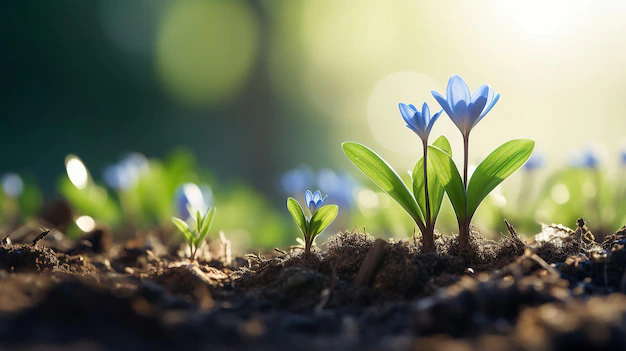
When you plant a sapling and watch it grow over time, it helps you connect with the innocent joys of life. It stimulates the nurturing nature within you. Therefore, gardening helps you heal mentally and enhance your well-being.
Gardening Tips

Given below are some of the most important tips that you will need to follow at the beginning of your gardening endeavors—

1. Select The Right Spot

To get your vegetable garden off to a good start, selecting the perfect area is crucial. 

This spot must receive a minimum of six hours of sunlight each day. Insufficient sunlight can lead to stunted growth and reduced crop yields. 

When choosing your garden location, take note of areas that receive the most sunlight. Next, you must try to situate your garden bed near a water source. 

Therefore, your plants can easily access the necessary nutrients for healthy development. 

By considering these factors, you'll be on your way to a successful and thriving garden.

2. Choose The Right Plants

It is often difficult for beginners to understand what plants are right for their garden. There are several factors that affect the type of plant you must consider—

  • Weather conditions: To choose the right plants for your garden, consider factors like temperature, humidity, and sunlight at your place. Moreover, the weather conditions also affect the soil type and maintenance requirements.
  • Water availability: When selecting plants for your garden, it's important to consider their water requirements. Moreover, your garden’s drainage ability can also affect the growth of plants. 
  • Attention and care requirements: Consider attention and care requirements when choosing plants for your garden. Some plants need more maintenance than others. 

Therefore, assess the time and effort you are willing to invest and choose accordingly. Knowing the specific care needs of different plants will help them thrive in your garden.

Start with low-maintenance succulents and cacti if you're new to gardening. These plants need little attention and help you get hooked on the hobby. 

These plants store water in their leaves or stems. Therefore, they are perfect for those who regularly forget to water their plants. 

Succulents come in different shapes and sizes, while cacti range from small, round shapes to tall, columnar forms.

3. Choose Between Seeds And Saplings

When starting your gardening journey, you must choose seeds or saplings. 

Seeds are the most cost-effective option and offer a wider variety of plant choices. However, they require more time and effort to grow. Moreover, seeds will need proper conditions for germination and nurturing. 

On the other hand, saplings are pre-grown plants that can be directly planted into your garden. 

Saplings are more expensive than seeds. However, they save you time and effort as they are already established and have a higher chance of success. 

Therefore, the choice between seeds and saplings depends on your personal preferences, budget, and level of gardening experience.

Related: How To Arrive At The Perfect Choice Of A Potting Bench For Your Gardening

4. Know How To Make Your Soil More Fertile

It is important to enhance the structure of your soil and improve its drainage and moisture-holding capacity. 

Therefore, you can improve the health of your soil by using compost, leaf mold, or well-aged manure, which is a great option. 

These organic materials act as a sponge and help retain water and nutrients, ultimately benefiting plants' growth. 

However, it is important to avoid using fresh manure. It can harm your plants. Moreover, fresh manure might contain harmful bacteria and pathogens. These pathogens can cause serious diseases, and their high nitrogen content may burn the plants' tender roots. 

Therefore, it is recommended to compost the manure for at least 6 to 12 months before using it on your plants. 

This breaks down the harmful bacteria and pathogens and also makes the nutrients in it more available to the plants.

5. Select The Right Pots

If you don't have enough space for gardening, you might want to try container gardening.

It's a fantastic way to grow a wide variety of plants, including fruits, vegetables, herbs, flowers, berries, and shrubs. 

However, when you opt for container gardening, you must select a pot that's big enough for your plant to grow in. Moreover, the pot should also have enough room for the roots to spread out and grow comfortably. 

Also, it's highly recommended to use potting soil specifically formulated for plants grown in containers. This soil type has all the nutrients and drainage that potted plants require to thrive. 

Additionally, it helps prevent problems such as over and under-watering, which can be common when gardening in containers. 

By following these tips, you'll be able to enjoy the benefits of a thriving container garden, even if you have limited space for traditional gardening.

Happy Gardening!

As you look ahead to the future, don't forget to plan for moments of relaxation and enjoyment in your garden. 

Picture yourself sitting in a cozy seating area, surrounded by lush borders and colorful blooms. Imagine the laughter and conversations you'll share with friends and family over a meal or a cup of tea. 

Anticipate the joy of watching birds flock to your feeder and delight in their playful antics. Therefore, with a little planning and effort, your garden will become a haven of beauty and tranquility for the future.

Read Also:
Ankita Tripathy loves to write about food and the Hallyu Wave in particular. During her free time, she enjoys looking at the sky or reading books while sipping a cup of hot coffee. Her favourite niches are food, music, lifestyle, travel, and Korean Pop music and drama.

View all posts

Leave a Reply

Your email address will not be published. Required fields are marked *

Related

big leaf plants

10 Best Aesthetic Big Leaf Plants To Buy In 2026

Big leaf plants can add an aesthetic touch to your home. If you are an admirer of home decoration, you cannot miss indoor plants as a part of your decoration.  Indoor plants require very minimum sunlight, and they are pretty easy to take care of. But, most important of all– they keep your indoor environment refreshed and fill it with fresh oxygen.  So, if you want to decorate your sweet home with beautiful big leaf aesthetic plants, you need to check out the few recommendations I have here in this article. 10 Best Big Leaf Plants For Indoors If you are looking for recommendations for indoor plants with big leaves, please check out the ten recommendations I have here.  1. Swiss Cheese Plant The botanical name of the Swiss Cheese Plant is Monstera deliciosa. This tropical beauty is enough to add a green touch to your indoors. It has big heart-shaped leaves to adorn your indoors. They do well if you keep them in indirect sunlight.  The heart-shaped leaves can grow up to 36 inches in length, and they are healthy for your indoor environment. ☀ Sun: They need bright but indirect sunlight. 🌡️Temperature: They are tropical plants, so you need to keep them in warm places. A temperature between 20°C - 30°C is ideal 💦Watering: You need to keep the soil wet most of the time. Watering them ⅔ times every week is enough.  🌷Type Of Soil: The soil needs to be moist and adequate fertilizers. A pH level of 5.5 to 7.5 works the best. 2. Dwarf Banana Plant You can keep a large banana plant indoors. They are also big leaf plants. This is a tropical foliage plant that you can plant in a large plant. The leaves have quick growth, and the leaves are harmless to children and animals. ☀Sun: You can keep your Dwarf Banana Plant in full sunlight or in light shade. 🌡️ Temperature: They are big leaf tropical plants, so they enjoy a warm atmosphere. You can keep them at a temperature between 10°C to 33°C. 💦Watering: They need regular Watering– twice/ thrice every week in the warm season water them. Once every week is enough for the cold weather. 🌷Type Of Soil: The soil needs moisture. They need regular fertilizers. 3. Bird Of Paradise If you want some flowers to highlight the big leaf plants you have indoors, then Bird Of Paradise is just the right plant to choose. These plants have long-lasting flowers and waxy leaves that add extra beauty to your indoors. ☀ Sun: Keep them in semi-shade or in full Sun. 🌡️ Temperature: Medium Temperature between 18°C to 22°C is just fine. 💦Watering: Keep the soil moist. The soil should not get completely dry. 🌷Type Of Soil: They need fertilizers in spring. Well-drained soil is better. 4. Elephant Ear Plant These are the cheapest big leaf house plants. You can pull them from anywhere and plant them indoors. You can find these plants growing outdoors. These plants are toxic for small children and animals, so if you want to keep them, you need to be very careful. ☀Sun: They don't need full sunlight. Indirect bright sunlight is the best. 🌡️ Temperature: A temperature between 20°C to 30°C is best.  💦 Watering: The soil needs consistent moisture. 🌷Type Of Soil: Acidic, moist soil is the best. 5. Pinstripe Houseplant Not many tabletop plants look as pretty as the Pinstripe Houseplant. These big leaf plants have gorgeous jungle green color with pink stripes to compliment the big leaves. They aren't too fond of direct bright sunlight. These plants are not harmful to animals and children.  ☀ Sun: Keep them in indirect sunlight. 🌡️Temperature: 18°C to 30°C temperature is good enough. 💦Watering: You need to maintain the soil moisture. 🌷Type Of Soil: You peat and pebbles to balance the moisture. You May Like To Read This: 10 Best Trailing Indoor Plants To Buy In 6. African Mask Plant These big leaf plants are native plants of the Philippines. They get their name from their resemblance to an African mask. The large dark leaves can grow up to 18 inches. The silvery-white veins of the leaves make them even more attractive. ☀ Sun: Avoid direct sunlight. They love diffused sunlight. 🌡️Temperature: 15°C to 30°C is ideal for them. 💦Watering: They need regular watering during growth. Keep the pot moist and well-drained.  🌷Type Of Soil: Keep the soil well-drained using pebbles. Fertilize frequently after ⅔ months. 7. Majesty Palm If you are looking for long leaf plants or big leaf indoor plants, the Majesty Palm is the one. They grow ten feet tall indoors. The leaves are toxic for animals and children, so you need to be careful if you are planting them indoors. ☀ Sun: Bright indirect sunlight is best. 🌡️Temperature: 18°C to 30°C is best. 💦 Watering: Water once after 1 or 2 weeks. Let the soil get dry before watering again. 🌷Type Of Soil: The soil is best if it is acidic. 8. Calathea Orbifolia Are you looking for low-maintenance plants that keep the indoor air purified? Then there is no better option than Calathea Orbifolia. They can remove toxins from the air while also looking pretty with big textured leaves. There are silvery-white forks in the leaves that make them appear outwardly beautiful. ☀ Sun: They love bright sunlight but not direct sunlight. 🌡️Temperature: 18°C to 30°C is enough. 💦Watering: You can water them once or twice every two weeks.  🌷Type Of Soil: Well-drained soils rich in fertilizers are the best.  9. Philodendron Gloriosum A native plant of Colombia, the Philodendron Gloriosum is a big leaf foliage plant. These plants love to crawl and climb. In humid weather, you can keep them indoors. These big leaf plants have gorgeous pink, light green, and white running across the leaves. The leaves, stems, and roots are toxic for humans and animals.  ☀ Sun: Indirect and right sunlight is best. 🌡️Temperature: 7°C to 35°C is good enough. 💦Watering: The soil needs to be damp. You can water two to three times every week.  🌷Type Of Soil: Organic soil rich in fertilizers works the best.  10. Fiddle Leaf Fig The fiddle-shaped leaves of the Fiddle Leaf Fig are large and waxy. They inhabit their pots quite well. These big leaf plants are poisonous to humans and animals. But they are aesthetic-looking bedroom plants, and they are gorgeous. ☀ Sun: These plants need bright sunlight. Do not keep them in the shade. 🌡️Temperature: 15°C to 30°C is good enough for them. 💦 Watering: Regular Watering is necessary.  🌷Type Of Soil: You need well-fertilized moist soil.  Frequently Asked Questions (FAQs): Here are some frequently asked questions that you may find interesting. Q1. How To Care For Big Leaf Plants? Taking care of big leaf  aesthetic plants is easy. You need to keep them in medium indirect sunlight and keep the potting soil moist. They don't need frequent fertilizing; once or twice every year is enough.  Q2. How Do You Encourage A Big Leaf To Grow? The water, light, fertilizer, soil, and care are all crucial to growing your big leaf plants. Q3. Why Is My Big Leaf Plant Dying? There can be several reasons for this; excessive Watering or little Watering can cause your plant to die. Varying sunlight and bad incompatible soil can also be the reason behind your indoor plant's death. Q4. What Affects Leaf Size? The amount of Sun, water, air, and fertilizer your plant gets has an effect on the leaf size. Bottom Line If you want to grow big leaf plants indoors, then you can choose from these ten plants I have recommended here. All of these plants are low maintenance, and they are pretty in look. Aside from that, some of these plants purify your indoor environment. Did you like this list? Please let us know in the comment; also, if you purchased any of them, let us know which once was your favorite. Read Also: 10 Best Tall House Plants To Buy 10 Best Spiky Plants To Decorate Outside Your House What Are Trailing Plants? – What Are The Types Of Trailing Plants?

READ MOREDetails
Farming

Eco-Friendly Farming: How Organic Fertilizers Nurture Healthy Soil

With organic fertilizers, you can make the earth stronger and healthier than any other method. They are good for the earth because they don't hurt it much and let plants grow naturally. This piece has a lot of information about how organic fertilizers can help soil stay healthy. What Are Organic Fertilizers? These natural materials from plants or animals help your plants grow better. They've got the good stuff like nitrogen, phosphorus, and potassium that plants love. People like them because they're eco-friendly and don't harm the environment. How Do Organic Fertilizers Work? Organic fertilizers are natural plant nutrients that enrich the soil and provide essential elements for healthy plant growth. They release nutrients slowly, feeding plants over time and improving soil structure. This gradual release helps prevent nutrient runoff and ensures plants receive a balanced diet for optimal development. One key advantage of organic fertilizers is their eco-friendly nature. Since they're made from organic matter, they promote soil health by fostering beneficial microorganisms and earthworms. These tiny soil allies aid in nutrient absorption, making it easier for plants to access the necessary nourishment.  Organic fertilizers also contribute to long-term soil fertility, reducing the need for frequent applications and potentially harmful chemicals. Organic Fertilizers Vs. Chemical Fertilizers They have a friendly, Earth-loving vibe. In contrast, chemical fertilizers are made in a lab, which sounds more scientific. In terms of effectiveness, both types can make your plants happy, but they differ in how they do it.  Organic fertilizers release nutrients slowly and improve soil structure over time, like a gradual health boost. Chemical fertilizers, on the other hand, provide a quick nutrient fix, like giving your plants a shot of an energy drink. Now, let's talk eco-friendliness. Organic fertilizers are environmentally kind, enriching the soil and reducing the risk of chemical runoff into waterways. Chemical fertilizers can sometimes be harsh on the environment, as they may lead to pollution if not used carefully. Organic fertilizers are the "green" choice, slow and steady, while chemical fertilizers are the quick fix, but be cautious about potential downsides like environmental impact and short-term results. The Different Types Of Organic Fertilizers Organic fertilizers come from a variety of natural sources. These include the following: Compost Compost is a fantastic organic fertiliser from decomposed organic matter like kitchen scraps, leaves, and yard waste. It's rich in nutrients and improves soil structure, making it easier for plants to access vital elements. Composting at home is an eco-friendly way to recycle kitchen waste and create nutrient-rich soil additives for your garden. Manure Manure, typically from animals like cows, horses, or chickens, is an excellent source of organic nutrients. It's widely used in farming and gardening to enrich the soil with essential elements such as nitrogen, phosphorus, and potassium. Just make sure to compost or age manure before applying it to your garden to avoid potential issues with odor and pathogens. Bone Meal Bone meal come from grounded animal bones. It's an excellent source of phosphorus, which promotes root development and flowering in plants. Gardeners often use bone meal for bulbs, roses, and other flowering plants to encourage healthy growth and vibrant blooms. Fish Emulsion Fish emulsion is a liquid organic fertilizer derived from fish byproducts. It's rich in nitrogen and provides a quick nutrient boost to plants. It's easy to apply but be prepared for the fishy smell. Dilute it before use to reduce the odor and prevent burning your plants. Seaweed and Kelp Seaweed and kelp-based fertilizers are eco-friendly options that offer a wide range of nutrients, including trace minerals. They improve soil structure and enhance plant resistance to stress. These organic fertilizers are especially beneficial for vegetables and fruits. Blood Meal A blood meal is a high-nitrogen organic fertilizer made from dried animal blood. It's a potent nitrogen source, making it ideal for plants that require rapid growth. Be cautious not to overapply, as it can be strong and potentially harm plants if used excessively. Coffee Grounds Coffee grounds are an easily accessible organic fertilizer for your garden. They add nitrogen to the soil and help improve its water retention capacity. If you're a coffee lover, consider recycling your used coffee grounds to nourish your plants. Worm Castings Also known as vermicompost, are nutrient-rich excretions of earthworms. They enhance soil fertility and microbial activity while providing a slow-release source of nutrients to plants. Worm castings are gentle on plants and are often used for seedlings and potted plants. Green Manure Green manure crops are grown and then tilled back into the soil. In this way, they improve the structure and fertility of the soil by enriching it with organic matter and nutrients. Green manure is an excellent way to prepare your garden for future plantings while reducing the need for synthetic fertilizers. Eggshells Crushed eggshells are a natural source of calcium and can help prevent calcium deficiency in tomatoes and other plants. They also deter certain pests like snails and slugs. Save your eggshells, crush them, and sprinkle them around your garden to boost your plants' calcium. Benefits of organic fertilizers Aside from its eco-friendly nature, organic fertilizers offer numerous advantages for every farmer or gardener. These are the key benefits of using organic fertilizers: Nutrient-Rich Soil Organic fertilizers enrich the soil with various nutrients. This helps promote healthier plant growth. Improved Soil Structure Organic fertilizers enhance soil structure. This makes it better at retaining water and preventing erosion. Enhanced Microbial Activity Adding organic fertilizers to the soil promotes beneficial microorganisms. The soil is then able to absorb nutrients better. Healthier Plants Plants nourished with organic fertilizers often exhibit better resistance to pests and diseases. This contributes to the overall health of your farm or garden. Choose organic! Organic fertilizer is a green choice for promoting lush plants and nurturing the soil. It offers many great perks, making it a smart choice for the long haul. Choosing organic fertilizer ensures not just tasty produce but also those grown healthily! Read Also: From Dreams To Reality: A Comprehensive Beginner’s Guide On How To Buy A Farm A Viable Alternative to Wild Fish: Can Salmon Farming Be Sustainable? Here Are a Few Reasons Why You Should Use Real Estate Farming Postcards to Increase Visibility of Your Business

READ MOREDetails
Artificial Grass

How To Install Artificial Grass In Your Garden – Installation Guide Step By Step

Artificial grass or fake grass is more popular than ever. The best part is you don’t have to hire a professional to install artificial grass in your garden. With the help of this article, you can do it by yourself with the help of your friends or family members.   With proper installation, you don’t have to maintain your artificial grass in the long run. You just have to keep it neat and clean with a spray. On the other hand, maintaining real grass seeds is very difficult and may not be possible for busy individuals who don’t get enough time to maintain the same. If you still love natural grasses and want to play games on grass, you can consider growing them that may give you a real feeling of natural grasses.  What Is Artificial Grass? Artificial grass is basically a material made up of artificial, human-made fibers that seem like real grass, but in reality, it is not! This saves you both money and time in the long run.  This fake grass was first installed in the multipurpose sports stadium. This grass has made leaps and looks real. On the other hand, this type of grass is designed for those individuals who don’t have enough time to plant grass seeds. Why Should You Consider Artificial Grass? Artificial grass may have various benefits for consumers. It saves you both time and money and is regarded as an excellent landscaping option.  The best part about artificial grass is that it does not require any water and includes less maintenance. You can also consider centipede grass seed for this because it also requires low maintenance and can grow in any condition.  Real grass can die, but artificial turf can last for more years. Moreover, you don’t have to buy any fertilizers or pesticides to maintain your fake grass. However, there are various pros and cons of artificial grass that you need to consider before buying. You can buy good quality artificial turf with the help of turf near me feature on EasyTurf to make it last for a longer time. How To Install Artificial Grass In Your Garden – Step By Step Guide Installing artificial turf is not as easy as it seems. To do this work, you need a good amount of time and hard work. Also, be prepared to get your hands dirty to install the fake grass on your lawn. Now, there are four elements to almost every installation that can reduce the cost of installing fake grass are: Tools used Seaming system Material waste Subbase material Here are the major steps to follow in order to install artificial grass in your garden in 2021. 1. Measure Your Area It is obvious that the area of the garden will differ for everyone. First, you need to measure the length and width of the area that you want to install with the artificial grass. Thus, measuring the area is an important factor that you need to consider at the earliest. 2. Gather Tools And Equipment The second step to install artificial grass in your garden is to gather vital tools and equipment for the same. You cannot complete the task without the use of a Stanley knife, geotextile weed killer, a turf cutter, and accessories such as tape and glue.   3. Remove The Existing Surface Now, it’s time to remove the existing surface with your hand if the area is small. However, you need to use a turf cutter if the lawn is very big. You can also plan this before removing the existing surface. 4. Compact The Ground Another step to install artificial turf in your garden is to compact the ground. You can take the help of a roller or a vibrating plate to meet your objectives. You need to follow this step again later.  5. Place Grass Edging Down Placing this is not mandatory but optional. If you have a desire to use timber or other edgings, you can follow this step. However, you need to ensure that your final grass line should not be smaller than edging. This is generally done to enable water to run off the turf.  6. Lay Your Sand Or Stone Base Another step to install fake grass in your backyard is to lay your sand or stone base, and this is one of the most vital factors that you need to consider. Place at least 40mm of compact sand and add more wet sand if the sand is dry. Then, you need to compact the ground again.  7. Roll Out Your Underlay And Grass Now, roll out your underlay grass first. By keeping in mind not to disturb the weed-killing underlay, roll out the artificial grass on top of that. In this step, you need to do it very carefully.  8. Let The Grass Settle One of the most vital things to do while installing your artificial turf is to let your grass settle after you have completed the above steps. This is generally done to stop the grass from creasing or wrinkling. 9. Trim The Edges After completing the above steps, you have successfully installed artificial grass. Trimming is the only thing left now. Trim and cut the artificial grass from the edges neatly. You can use a sharp Stanley knife for trimming. 10. Brush The Grass Up And Relax! Before brushing up the artificial grass, you need to pin it down using landscape pins. You need to brush up again to bring the fibers of the artificial turf upright. Now, it’s time to sit back and relax and enjoy the artificial grass in the garden.  The Final Thoughts The best part about artificial grass is that it saves you lots of time and effort that you can spend on other important projects. Once you lay your artificial grass in your garden, it will always be green without any maintenance. Isn’t this amazing? Let me know your views about this in the comment section below. Reference: https://www.buzzgrass.com/how-to-install-artificial-grass/ More Resources: 5 Best Vegetables You Should Try Growing In Your Garden 7 Secrets to keeping your Lawn Tidy and Green All You Need To Know About Resurrection Plant and its Facts

READ MOREDetails