Published on: 27 October 2023
Last Updated on: 01 August 2024
Mental health is a growing concern in today's society, with an increasing number of people struggling with various mental health conditions. Millions of people suffer from mental disorders globally, making it one of the leading causes of ill health and disability worldwide.
In recent years, there has been a growing trend towards alternative methods for treating mental health conditions. One such method that has gained popularity in the biohacking community is the use of plants and mushrooms.
But before you get the best magic mushroom grow kit and start growing some mushrooms, it's important to understand what biohacking mental health with plants and mushrooms truly means. In this article, we will explore the concept of biohacking, its connection to mental health, and how plants and mushrooms can be beneficial for improving our mental well-being.
What Is Biohacking?
Biohacking refers to the practice of using science and technology to improve human performance and optimize health. It involves making small lifestyle changes or adopting specific techniques that aim to enhance physical and mental capabilities. The goal of biohacking is to achieve optimal functioning in all aspects of life, including physical, cognitive, emotional, and spiritual well-being.
There are various forms of biohacking, such as do-it-yourself biology, nutrigenomics, neurofeedback, and nutritional supplements. However, in recent years, biohacking has also extended to include the use of plants and mushrooms for mental health purposes.
Plants And Mushrooms: Nature's Medicine Cabinet For Mental Health
Plants and mushrooms have been used for centuries as natural remedies for various ailments, including mental health conditions. With the rise of biohacking, these natural substances have gained even more attention as powerful tools for improving mental well-being.
Some plants and mushrooms that are commonly used in biohacking for mental health include:
Lion's Mane Mushroom: This delicious mushroom that tastes almost like lobster or crab meat can improve cognitive function and memory and has neuroprotective properties.
Ashwagandha: This is an adaptogenic herb that helps the body cope with stress and anxiety.
Bacopa Monnieri: This is another adaptogenic herb that may enhance learning, memory, and brain function.
Psilocybin Mushrooms: These psychedelic mushrooms have shown promising results in treating conditions like depression, anxiety, and post-traumatic stress disorder (PTSD).
The Importance Of Proper Usage
While plants and mushrooms can offer many benefits for mental health, it is important to note that they should be used responsibly. Some key considerations include:
Proper dosage: Different plants and mushrooms may have varying levels of active compounds, so it is crucial to follow recommended dosages to avoid negative effects.
Source reliability: It is essential to obtain plants and mushrooms from reputable sources to ensure purity and safety. Poorly sourced products may contain harmful contaminants or incorrect species.
Individual response: Each person may have a different reaction to biohacking with plants and mushrooms. It is important to monitor your own responses and make adjustments accordingly.
Consulting a healthcare professional: Before incorporating any new plant or mushroom into your routine, it is wise to consult with a healthcare professional, especially if you have underlying medical conditions or are taking medications.
Final Thoughts
As you explore the world of biohacking with plants and mushrooms, remember that your health and safety should always be the priority. This field is complex and still emerging, so it's important to consult with a healthcare professional or a knowledgeable expert in the field before making changes to your routine. This way, you can ensure that your mental health biohacking journey is both effective and safe.
Barsha is a seasoned digital marketing writer with a focus on SEO, content marketing, and conversion-driven copy. With 8+ years of experience in crafting high-performing content for startups, agencies, and established brands, Barsha brings strategic insight and storytelling together to drive online growth. When not writing, Barsha spends time obsessing over conspiracy theories, the latest Google algorithm changes, and content trends.
There are various steps involved in the abortion procedure. First, you must seek information about the treatment from your doctor or the nearby health clinic. This stage will assist you in determining whether or not you want to accomplish this and whether or not you are prepared to do so.
The doctor will recommend a checkup, and a few tests will indicate what stage of pregnancy you are in. Speak with a specialist to give yourself the time and space to psychologically and physically prepare for the procedure.
The Professional Nurse And Doctors For Abortion
Don't have a legal abortion because it could lead to a slew of severe health issues and put your life in jeopardy. Specialists, physicians, and nurses will walk you through the procedure and provide directions on how to proceed.
The best action you can do is put your faith in someone you can rely on. Someone who will be there for you and look after you if you require further assistance. Read more on this link what-to-know-about-abortions.
To help ease the transition, several doctors recommend creating an entertaining bed rest program. To keep oneself occupied while on bed rest, you may rent movies, novels, or any other pastime you enjoy. Always consult your doctor before using pain medication, as some of them can exacerbate the adverse effects.
You may like also: 9 Tips for Staying Fit and Healthy During Pregnancy
Safety And Comfort Concerning Factors
Many women decide to have an abortion before even visiting a health center. They don't really want to talk about it any longer and want to get started on the surgery as soon as feasible. For every living being, the mandated counseling prior to abortion constituted a form of torture.
The mother needed to listen to the fetus' heartbeat and look at the images for a while. Many people may experience major psychological problems as a result of this type of consultation. Several of them have been known to change their minds in the heat of the moment and then regret their choice after it's too late.
The Pregnancy And Abortion Which One Is Better?
A woman has a right to decide what she wants to do with her body and when she wants to do it. Everywhere on the earth, regardless of culture, sexual preference, or the cause of an unplanned pregnancy, the right to choose should be available.
Furthermore, there is no impartial list of benefits to continuing with the pregnancy. Every woman, and every man, for that matter, has unique needs. Furthermore, everyone walks and achieves success and happiness in life in their own unique way. That is why forcing a woman to do something she does not want to do is not in her best interests.
So, if something causes your life to take an unfavorable turn, you should be able to determine for yourself what to do with it. Click on this page for more.
You may like also: Golden Pregnancy Care Tips for all Expectant Women
It Entirely Depends Upon Your Choice
Legal abortion permits a woman to get an abortion whenever she is ready. According to the earlier law, she must wait a few days after consultation to rethink her decision. With legal abortion, the operation can begin whenever the person is ready and believes it is necessary.
Since this process would not be extended, the costs will be cut in half. In addition, the individual will not need to visit the clinic multiple times for consultation and legal procedures.
How Many Risk Factors Are Associating With Procedure?
Because legal abortion is performed by specialists and trained employees, the operation is exceedingly safe. As a result, this technique is addressed as one of the safest medical procedures available.
Here are a few risk factors which are associated with the procedure.
This treatment will not harm your capacity to have a baby in the future if done correctly by competent personnel with good equipment. Additionally, it will have no negative impact on your health.
Abortion does not induce infertility, and it does not increase the risk of breast cancer. Countless studies have shown that many women who have abortions become pregnant shortly after the operation.
Your physician and medical staff will assist you in crossing the finish line with as little pain as possible. You can try Charlotte Women's Clinic to find all the answers you need.
Medical complications following abortion are rare, and they are becoming rarer as technology advances. This knowledge can be reassuring to any woman who has decided to get an abortion. Medical teams can better their work and aid anyone who wants to be helped because abortion is permitted.
What Should I Be Aware Of Before Beginning My Procedure?
There really is no right or wrong answer to the question. It is entirely up to you and how you feel about it. You are the one who decides what is best for you. However, before you decide, be sure you're well-informed and have the support you need.
It's important to remember that you're not alone. Every year, thousands of people throughout the world are faced with unintended pregnancies. A big portion of them believes that now is not the proper time to start or extend their family.
Keep in mind that having an abortion does not make you a terrible person or suggest you don't care about children. There are a variety of reasons why a person may not be ready to establish a family.
Conclusion:
Many women, for example, believe they are economically unprepared for this situation. Others think they’re also too young to care for another person. Some people already have kids and do not want to add to their family. Finally, you are the one who must decide what is best for you and your family's future. You want to continue your pregnancy, or you want to go under the abortion procedure.
Read Also:
Get an idea about infections during the tenure of pregnancy
Complete Pregnancy Guide For Mumma’s To Be
There are many different types of parasitic infections that can affect the human body, including those of the intestinal system, skin, and eyes.
While some parasites are relatively harmless, others can cause severe illness or even death. In this blog post, we will look at some of the most common types of parasitic infections, offer prevention methods, and discuss the use of iversun ointment as a good option for treatment, subject to a doctor's instructions of course.
Parasites can enter the body through contaminated food or water, or by coming into contact with infected animals
Many people are unaware of the dangers that parasites present in our day-to-day lives. Parasites can be tiny enough to pass through the eye of a needle, but large enough to cause irreparable damage and health complications if left untreated.
The most common way for parasites to enter the body is by eating contaminated food or drinking contaminated water, however, they can also be contracted by coming into contact with infected animals such as livestock and pets.
The effects of parasites entering our bodies can often go unnoticed until it is too late, so it is always important to be aware of potential dangers and take precautionary measures where necessary.
The most common symptoms of a parasitic infection are diarrhea, nausea, and vomiting
Parasitic infections can be a major nuisance, often resulting in uncomfortable and uncertain symptoms. Diarrhea, nausea, and vomiting are the most common manifestations of a parasite infection, which can cause extreme discomfort and even dehydration due to losing fluids at a rapid pace.
In addition to these typically bothersome gastrointestinal issues, parasitic infections may also cause unexplained fever, anemia, or joint pain. If you experience any of these symptoms for more than a brief period of time, it is important to visit a doctor to take preventative measures before the infection worsens.
Skin parasites can cause itching and irritation, while eye parasites can lead to redness and inflammation
For most of us, itching and redness may not be a major concern, but for some, these skin and eye discomfort can mean infestation with parasites. Skin parasites such as scabies, lice, and ticks can cause unpleasant itching and irritation, while eye parasites like mites or worms may lead to redness or inflammation.
In order to manage an infection with skin pests or ocular crawlers, it is important to recognize your symptoms early and consult a doctor for proper diagnosis and treatment. Fortunately, many effective treatments exist that can quickly bring relief from uncomfortable skin and eye afflictions caused by these otherwise pesky critters.
If left untreated, parasitic infections can lead to serious health complications including malnutrition and organ damage
Parasitic infections can cause extreme discomfort, including itchiness and digestive abnormalities, but the potential health risks don't end there. If left untreated, these infections can lead to serious health complications such as malnutrition from an inability to absorb vital nutrients and even organ damage.
Severe cases of parasitic infestations have been linked to anemia and other life-threatening conditions that can have irreversible consequences if action is not taken as soon as possible. It is critical for those suffering from a suspected infection to seek medical attention for proper diagnosis and treatment in order to ensure the safety of their health moving forward.
Prevention of parasites in the intestines, blood, and skin and proper treatment
Prevention of parasites in the intestines, blood, and skin is essential for maintaining good health. To prevent these parasites from entering our bodies, proper hygiene should be practiced like regular handwashing and avoiding contact with contaminated water and food. It is also important to cook food thoroughly and wear protective clothing while working in soil or handling pets.
If any parasite infection is suspected, prompt diagnosis and treatment are necessary. One of the most effective treatments for intestinal parasites is ivermectin – an anti-parasite medication that can be taken orally or applied externally to kill or stop their growth.
Ivermectin is generally tolerated well, but side effects might occur so it is always best to speak to a doctor before taking it, as a patient may require additional medical care depending on their condition.
How much does the ointment ivermectin cost?
Ivermectin is an incredibly versatile drug, and its affordability can be a major advantage. The cost of ivermectin varies depending on where you purchase it, so do your research before buying. Though it may be tempting to go with the first store that shows up online, prices should always be compared to ensure you pay the best price for your purchase.
An online pharmacy may have the lowest rates, but it's important to make sure they're selling genuine products and following safety regulations. If you can find a reputable vendor offering discounts and promotions, you could potentially save even more money in the long run by purchasing through them.
It is always better to consult with a qualified medical professional before using any medicine, so you can be sure that it will suit you.
Although parasitic infections are relatively common, they can have serious consequences if left untreated. The best way to prevent a parasitic infection is to practice good hygiene and avoid contaminated food and water. If you do develop symptoms of a parasitic infection, see your doctor right away for treatment.
Read Also:
Why Your Skin Is So Important
Niclosamide – An All-In-One Medication
Get An Idea About Infections During The Tenure Of Pregnancy
Everyone experiences heartburn from time to time or has the occasional upset stomach. But for those who experience these symptoms more frequently, it could be a sign of long-term Gastrointestinal Conditions.
According to the National Institute of Diabetes and Digestive and Kidney Diseases, 60 to 70 million people in the U.S. are affected by gastrointestinal issues. But what exactly is a" gastrointestinal issue," and what parts of your body can experience the impact?
Gastrointestinal Health 101
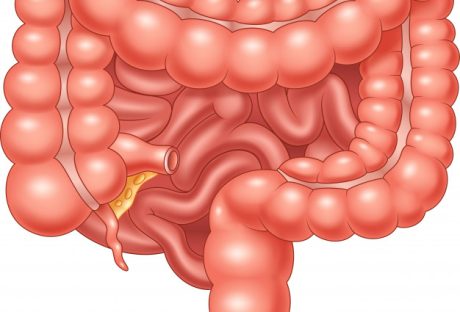
The gastrointestinal system gives your body what it needs to function. The system breaks down food, extracts nutrients from it, and converts these nutrients into energy. It also protects your body against harmful substances by blocking them from your bloodstream.
The gastrointestinal tract primarily consists of the following:
Esophagus:
A hollow tube running through the neck and chest that connects the mouth to the stomach. Muscles in the esophagus push food into the stomach.
Stomach:
A large organ that holds foods and breaks them down using enzymes and acids.
Liver:
The organ that filters toxins from the blood and produce bile, which further helps break down food into proteins, carbohydrates, and fats.
Gallbladder:
A sac-like organ that stores the bile the liver produces then releases it as necessary.
Pancreas:
An organ that produces enzymes like insulin, which aids in the breakdown of sugars.
Small intestine:
As the stomach passes along food, this organ starts breaking it down while absorbing the majority of its nutrients.
Large intestine:
This organ contains billions of bacteria that turn food into waste (feces). At this same time, the large intestines remove water and electrolytes from what is left of the food for your body's use.
Rectum:
A small space at the end of the large intestine provides temporary storage for waste.
When you eat something, each of these organs plays a role. To kick off the process, saliva begins to break down food. With the help of other enzymes, food continues breaking down as your system propels it by muscular contractions through the digestive tract. This process is called peristalsis.
Gastrointestinal organs and their fluids exist in a delicate balance. Diet, stress, and illness can upset this balance and cause pain or discomfort.
Common Gastrointestinal Conditions and Disorders
There are a variety of common gastrointestinal (GI) disorders like constipation, diarrhea, and acid reflux. Though some Gastrointestinal Conditions are genetic and outside of your control, you can still prevent many complications or subdue symptoms by eating a balanced diet, practicing healthy bowel habits, and following the CDC guidelines for cancer screening.
Some common disorders—like celiac disease, gastroesophageal reflux disease, irritable bowel syndrome, lactose intolerance, and leaky gut syndrome—are generally manageable with proper care and direction from medical professionals. If you experience severe pain or think you may have a more serious condition, see your doctor as soon as possible.
1. Celiac Disease
Celiac disease is an immune response to gluten, a protein found in wheat, rye, and barley. People with this problem cannot eat food made from these substances because it triggers a response in their small intestine, which over time becomes inflamed and unable to absorb nutrients.
If you have celiac disease, you'll feel sick after eating something with gluten. Symptoms include bloating and gas, abdominal pain, fatigue, and nausea. Though there's presently no cure, most people who follow a strict gluten-free diet can reduce flare-ups and promote intestinal healing.
3. GERD
Gastroesophageal reflux disease (or GERD) is a condition where your stomach acid flows back into your esophagus, irritating the esophagus's lining. It is essentially the same as acid reflux, except the symptoms are more intense and frequent.
Common symptoms include a burning sensation in your chest after eating, having difficulty swallowing, and feeling like there's a lump in your throat. You may also regurgitate food or sour liquid. People with GERD often feel worse at night, which can cause other problems like a chronic cough, laryngitis, asthma, and disrupted sleep.
There are over-the-counter remedies such as antacids and H2 blockers, but more intense symptoms may require prescription medication. Lifestyle factors such as smoking, eating large meals, or eating late at night can aggravate GERD.
3. Irritable Bowel Syndrome
Irritable bowel syndrome (IBS) is a common GI disorder that affects the large intestine. If you have this chronic condition, you will feel abdominal pain, bloating, gas, diarrhea, and constipation.
While the exact cause of IBS is unknown, certain factors play a role. Someone with IBS may have abnormalities in their digestive system or may have had a bacterial or viral infection that left an overgrowth of bacteria in the intestines. Changes in gut microbes can also lead to IBS.
Though there is no cure for IBS, taking medications, and making lifestyle changes can alleviate the symptoms. For example, you can exercise regularly, eat smaller meals, and focus on minimizing stress. In terms of regulating your diet, you can try consuming more probiotics and limiting caffeine, dairy products, and spicy foods. Medicalprices.co.uk has a complete guide about IBS.
4. Lactose Intolerance
Lactose intolerant individuals cannot break down lactose, the natural sugar in milk. If you're lactose intolerant, your small intestine doesn't produce enough lactase (the enzyme) to digest lactose (the milk sugar). Undigested lactose then moves into your large intestine, where it interacts with the bacteria, causing bloating, gas, and diarrhea.
Aside from avoiding dairy products altogether, lactose intolerants can take over-the-counter lactase enzyme tablets that aid in dairy digestion.
5. Leaky Gut Syndrome
As part of the digestive tract, the intestines allow water and nutrients to pass through their walls while blocking harmful substances. The ease with which substances pass through the intestinal wall is called intestinal permeability. When this permeability becomes compromised, toxins and bacteria may escape from the intestines into the bloodstream.
This condition is called a leaky gut syndrome, and if left unchecked, it can cause inflammation throughout the body. Symptoms may include bloating, gas, food sensitivity, fatigue, and skin problems. Though more research needs to be conducted on this condition, a few probable causes include:
Consuming too much sugar or alcohol
Long term use of anti-inflammatory drugs like ibuprofen
Deficiencies in vitamins A and D and zinc
Chronic inflammation throughout the body
Stress
Bacterial imbalance in the intestines
Yeast overgrowth in the digestive system
To reduce symptoms, you can work on improving your overall gut health. First, you can limit your carb intake, as harmful bacteria thrive on sugar. You can also increase the number of beneficial bacteria in your body by eating foods with probiotics such as yogurt, kimchi, and sauerkraut.
You may also want to consider powdered collagen protein supplements. Collagen is a naturally occurring protein that gives structure to connective tissues, ligaments, and skin. The protein also provides structure to blood vessels and may strengthen compromised intestinal walls.
Avoiding a Pain in the Gut
While some gastrointestinal conditions can be severe, other GI issues and symptoms are common and manageable with lifestyle changes. If you maintain a healthy diet with your unique gastrointestinal needs in mind, you can treat your symptoms and live free of gut pain.
6 Effective Ways to Improve Your Mental Health
Why Water Filter is Important to Improve Your Health?
Symptoms and Effects of Co-occurring Disorder on Human Health
10 healthy habits to improve your health