












Blog

Risks of Imbalanced Swimming Pool Chemistry
The swimming pool offers an ideal spot to beat the heat and stay cool during scorching summer days. However, to enjoy this luxury all year round, it's necessary to follow basic care tips like: Regular cleaning Shock the pool Vacuum weekly Remove dead leaves and other debris Maintain pool chemistry Invest in an electric pool cover or set up a pool enclosure that offers long-term protection to your pool. When it comes to balancing water chemistry, a slight up and down in recommended level can create a huge difference and make the pool unsafe for swimming. But that’s not all! Some other risks associated with the unbalanced pool chemistry are: 1. Skin infections Swimming in a pool having disturbed chemical levels can pose risks to your health and can cause serious skin problems like: Rashes Hot tub folliculitis Fungal infection Itchy red bumps So, maintaining the right chemical level is necessary to enjoy a problem-free swimming experience. 2. Corrosion Poor pool chemistry can make water corrosive and decays the iron and steel components like heaters, motors, pumps, etc. Corroded equipment doesn’t work effectively and can make your water unfit to swim in. The rusting of pool equipment is inevitable but the process can be slowed down by maintaining the chemical level. pH – 7.4 to 7.6 Total Alkalinity – 80 to 120 ppm Calcium Hardness – 200 to 400 ppm Cyanuric Acid – 20 to 50 ppm Free Chlorine – 2.0 to 4.0 ppm You may go through: Top 5 Tips in Designing Your Swimming Pool 3. Cloudy water A pool having high or low levels of chlorine, pH, total alkalinity, and calcium hardness can turn your pleasant oasis into a giant bowl of milk. For instance, high calcium levels can be one of the reasons behind the cloudy pool and can also clog the filter with calcium deposits. It is not safe and healthy to swim in a cloudy swimming pool. 4. Algae growth If you notice your pool turning green, then it is most probably because of the unbalanced water chemistry. Poor water balance can make your pool a breeding ground for algae and bacteria. These microorganisms can affect you and your pool in many ways: Clogged filters and pumps Unclean pool Skin infections Cloudy water Degrade and stain pool surfaces 5. Plaster problems Pool plaster ensures the long life of your swimming pool. However, with the passage of time, it can degrade even in a well-maintained pool. So, what causes cracking, scaling, or etching of pool plaster? The main culprit behind plaster deterioration is improper water chemistry. For instance, if your pool has a high alkaline level, it can cause etching on plaster surfaces. This can make the pool surface feel like sandpaper and can lead to a host of other problems. In the end… Maintaining the pool chemistry is a vital part of overall maintenance. There are many factors that can affect the pool chemistry like rain, microorganisms, poor filtration, and other elements. It’s important to keep a check on water chemistry to avoid potential problems and prevent costly repairs. Read ALso: What is the Right Age to Start Swimming Lessons? All You Need to Know About Pool Maintenance Services
READ MOREDetails
HOW TO EXCHANGE BITCOINS AND OTHER COINS ON BINARYX?
Binaryx is one of the best digital asset trading platforms that has emerged in the last few years. It offers a number of simple, progressive, and functional solutions for everybody who wants to exchange bitcoins or buy and sell digital and fiat currency. The cryptocurrency exchange was created in 2019, with headquarters in Tallinn. It is authorized by law and has a European legal license for trading and other crypto operations. The scalable and intuitive interface of the trading and exchange modules delivers convenience for every user, who can exchange bitcoins or other assets from the comfort of their home or office. The Key Features Of The Binaryx Cryptocurrency Exchange Often, the bitcoin and the forex traders can not find an authentic platform to exchange Bitcoin. The cryptocurrency as the platform’s authentication and trustworthiness makes the platform unique and reliable. While you are doing the cryptocurrency exchange, the requirements of the authentic platform are high. When you are doing transactions on many types of cryptocurrency, it is quite absurd that you are going to use individual platforms for the individual types of cryptocurrency. The Binaryx is the all square platform. Binaryx suits both novice traders and savvy investors. Go to https://www.binaryx.com and start making money on trading and exchange right now! The project’s main idea is to implement a trading platform for customers who want to exchange money for bitcoins or sell and buy digital assets, regardless of their experience or expertise. This is a comprehensive project with a smooth-running ecosystem incorporating trading services, educational products, and opportunities for making money on crypto skills. The cryptocurrency exchange offers a range of useful tools and provides broad functionality. Platform users appreciate a user-friendly website, profitable trading terms, professional support, high security, and extensive functionality. Binaryx means good trading limits, low commissions, minimum registration requirements, and the availability of the exchange bitcoins process for everyone. The developers of the cryptocurrency exchange, inter alia, are constantly working on improving the current offers to provide the best solutions to exchange bitcoins and more. Step-By-Step Guide: How To Sell And Exchange Money For Bitcoins Are you a beginner in cryptocurrency trading? Take a look at the step-by-step guide to perform the cryptocurrency exchange in the Binaryx. This platform is quite a comfortable place for beginners. Follow these steps and start with the registration. 1. Registration: The registration process is twofold — you can log in via your social media account or create an account using your email. Whichever method you choose, following the registration process, you will be able to sell, buy, exchange bitcoins, and perform any trading operations. 2. Verification: To complete registration, you must go through the basic stages of verification. First, it’s confirmation of your email. Then, you will need to undertake extended verification to trade and exchange money for bitcoins without any restrictions. 3. Account replenishment and withdrawal of funds: Replenishment of the cryptocurrency exchange account is carried out in wallets. After crediting money to your wallet, you can move on to trading or exchange bitcoins operations. 4. Trade and exchange money for bitcoins: Binaryx has a great multifunctional trading terminal and exchanger that allows you to buy or sell coins quickly. Conclusion: For bitcoin traders, secure platforms are the only authentic platform to exchange bitcoins. When you are using this platform, you will understand how the platform is made easy. Join Binaryx and experience all the benefits of this advanced and innovative cryptocurrency exchange! Read Also: What Embracing Crypto-Backed Lending Means for the Finance Industry How To Become A Successful Cryptocurrency Trader In 5 Easy Steps HybridBlock: Why Binance Is Investing In Crypto-Fiat Trading
READ MOREDetails
Dos And Donts For Nurses Who Aspire To Succeed
Nursing is a gratifying profession. It is full of opportunities to serve the patients and make a difference for them. However, it is a vastly complex career that can be challenging to manage and full of stress. A nurse has so many things on their to-do list and so many things to avoid. The transition from a nursing school to a full-time job can be challenging and overwhelming for some individuals. Hence nurses require excellent critical thinking and coping skills to work under pressure. Individuals who choose nursing as their profession are generally kind at heart and responsible by nature. But once you are on the job, you'll soon learn the importance of being organized. There won't be any time for you to run back and forth and hunt for supplies or a pen. Under such a situation, it is easy to get distracted or vexed and forget about your responsibility of holistic care. Hence, being a nurse is not a piece of cake. But don't worry; to keep your head at work, we have you covered. Whether you're a rookie or a grizzled nurse, we have compiled a list of some critical dos and don'ts for a nurse who aspires to succeed. So read on and learn with us: What a nurse should do: 1. Consider continuous education: The best practice for any professional is to seek opportunities throughout their career. As you advance in your role as a nurse, you will discover different aspects of nursing that inspire you. So why not use this curiosity to your advantage and pursue higher education, seminars, certifications, etc.? However, several prestigious universities now offer online programs to fit your busy schedule. Did you know that online rn to MSN pmhnp programs, MSN-FNP programs, MSc, and Ph.D. programs are available? Hence, you can quickly pursue these post-graduation degrees to be competitive in the job market. 2. Listen to the patients: Listening to someone is an actual art. A good nurse listens to what the patient says, extracts the diagnosis, and defines a definite treatment. They have the skill to read between the lines and make a difference. A nurse's job is to make appropriate judgments about what they see and hear. So try to follow the holistic approach of care and create a professional assessment of what the patient is trying to explain as it impacts the treatment. 3. Clarify anything they are unsure of: Poor communication has always led to medical errors and low morale. This, in turn, leads to high stress and lower job satisfaction. Therefore, it is essential to ask questions and clarify your doubts regarding any medication or procedure. Asking questions helps you gain confidence in what you are doing. It refreshes your memory. But ensure you are clear about the instructions. If the answer doesn't seem right, ask about it again but in a different way. 4. Support the team members: A successful patient's treatment requires collaboration between the health care professionals and the practitioners. With this, try to be supportive of your fellow nurses. Be willing to work on undesirable shifts and gain respect. So when you foster a professional relationship with your colleagues, it helps you streamline your workflow, especially during busy days. What a nurse should avoid: 1. Don't say no to a patient: It is similar to anybody refusing a customer, saying that is not part of my job. So when it comes to a patient, you are the care provider and a representative of the healthcare team. A person in pain is not in the state of hearing; you say that you can't help them because your shift is over or another nurse's duty. Be empathetic and listen to them. Be polite and tell them that you are not assigned to care today; however, you will try to find the information or find someone who will help them out. 2. Don't feel ashamed in asking for help: As a new nurse, everyone tries to do as much as possible on their own. If you begin to drown, don't nurture hope that anyone will see and jump in to save you. Remember, asking for help is not shameful. Everyone has been through this. But keep in mind that there is a right way to ask for help. Try to be kind and express gratitude when you ask. Communicate in a way that doesn't make the other nurse think you are trying to pass on your job. 3. Don't disparage other professionals or organizations: Speaking ill of others is never appreciated, whether in a social setup or a professional organization. In reality, the person who does this is likely to be looked at more negatively. So if you have any conflict with anyone, it is better to deal with the matter privately. 4. Don't neglect yourself: When the career begins, we all are super excited and enthusiastic. And it is easy to live and breathe nursing. Even when you are not at work, it is part of human nature that you are worried about being more organized. However, strive for a balance and take out some time for yourself. Add some fun and exercise to your daily routine. Practicing self-care is essential to relieve workplace burnout. A take-home message: Starting a new profession is always exciting. But without the right nursing degree and license in your hand, you are not ready for the complicated world of the health care system. A nursing school does not teach you everything, while day-to-day experiences and tough times will teach you better than anyone else. However, by following the stated dos and don'ts, you can look back on how far you have come every month. It won't be long when you are one of those experienced and successful nurses who will help the fresh graduates, remembering how it was for you at that time. Read Also: Why Are People Turning To Online Pharmacists? Seeking a Healthy Career: 10 Tempting Medical Careers to Check Out
READ MOREDetails
Best New Colors For iPhone
There are new colors for the iPhone 12, and one of the best colors that you can find is the iPhone 12 lavender color. So if you are someone who loves purple or the lavender shade, you will be looking for this phone. It is possible right now to order the iPhone 12 lavender online. Ordering online is fast and easy, and before you know it, you will have the lavender iPhone 12 right in your own hands to play with and see how amazing this new iPhone is that has come out. If you want to find a unique color for the iPhone, don’t stop until you place the order for the product you want. Express Yourself With Color You do not have to go with a boring and dull color for an iPhone if you do not want to. You might also want to skip on the case as well and just get an excellent color for your phone. That leaves you with a few different options. One of the most popular and best options for that color choice right now is to go with the iPhone 12 lavender option that is available. The lavender color on the iPhone is a unique phone color. This is a beautiful color for the phone that does make it look stunning. There are not many other phones out there that you can find this shade in unless you are getting a case with it. This is a unique and high-quality phone and if you are someone looking for lavender and if you want this phone, finding it online and ordering it right now is easy to do. Spice up your own iPhone by getting one that you genuinely love. Look for a color in the phone that you are really going to like, and that might be lavender for you. There are other colors available as well. You may like also: 5 Things to Cross Check before purchasing a used iPhone Find The Best Colors in iPhones & Order Online Today Save time and money by ordering your phone online and getting the phone in a color that you truly want. There are many iPhone options out there as far as color and cases go. You can customize and get something that truly speaks to your own taste and your own preferences. A case is not always needed, and you might want to show off how beautiful the lavender color is without any case covering it up. Get the best for yourself and your phone needs by taking the time to choose a color that is going to be one you enjoy. If you are looking for the iPhone 12 lavender that is out there right now, then look to sign up for ordering this phone in that color now. There are places online that make it easy to do, and before you know it, you will have your own lavender 12 iPhone to enjoy. You may like also: 5 of the Coolest Cases for the iPhone 6S Try-On The Cool Color Of The iPhone 2021 is the year of experiencing new things and vibrant colors. The metallic features and the glossy finish of the iPhone colors are the most beautiful part. Along with the iPhone features, the gorgeous colors of the Iphones are also a big turning point for the buyers. Silver, gold, pacific blue, and graphite are the colors of the iPhone 12 pro and the iPhone 12 Max. Tryon the new iPhones and experience the best iPhone features of 2021. Choosing the right color means finding the perfect phone, and that might mean many are turning to the lavender option. Not all stores are going to have this phone today, and it might not be easy everywhere you go when looking to shop for it, but finding it online can be a lot easier for you. Wrapping It Up: Many consumers are expecting more color variations for the new iPhone.As in the previous models, fewer colors collections are making the buyers harder to select. But in 2021, the latest models of the phones are coming with an excellent collection of metallic colors. Take a look and pick the right one for you. Read Also: Erase Photos from iPhone Without any Possibility of Recovery Best iPhone Spy Apps Without Jail breaking
READ MOREDetails
The Effect of Climate Change on Human Health
Climate change has always been a prime topic of discussion all over the world. The world we are living in impacts our life in many ways. Yet, we never give much thought to the changing patterns of its climate and natural habitat. Most people think climate change is all about earth suffering from the advancement of technology and people. But in reality, climate change is real, impacting our lives that vary by age, gender, nation, and socioeconomic status. The extreme rains are causing an increase in sea levels and warming temperatures. The greenhouse effect has an everlasting impact on human health. Not just that, but climate change is sweeping rapidly across the globe. This change is significantly impacting the earth's ecosystem and disturbing human health. It is no wonder why United Nations continuously stressing over climate change endangering the food we consume, the air we breathe, and the interactions with nature. Moreover, the severity of these impacts depends on a variety of factors. Apart from the gender and socioeconomics determinants, access to public health and addressing the safety systems are top factors. For that, there is a dire need for both climate change solutions and reframing it as public health issues for the most vulnerable ones. Professionals are already encouraging the aspirants to advance and pursue public health programs to tackle climate change. However, many individuals never consider advancing their skills by earning a professional degree program because of priorities for full-time work. Fortunately, the dawn of online education is solving this concern and enabling the aspirants to grow in their careers by earning professional and accredited online programs. Aspirants can opt for MPH programs online by setting their schedules within the comfort of home. This way, public health professionals can respond to climate change by reducing the uncertainty, risk of disaster, and economic outcomes. With that said, let's discuss different ways climate change affects human health. 1. Increase in Temperatures One of the effects of climate change that is dominant around the globe is an increase in temperature. Over the last few years, the world is experiencing a significant temperature rise, causing greenhouse effects and scorching summer. Moreover, the rising temperature is also leading to heat strokes and deaths. This year, Canada's temperatures rose to 45C, setting a new record high. But it is worth noting that these temperatures fuel climate change, which directly impacts human health. Some of the notable factors are burning fossil fuels and cutting down forests and livestock. The reduction in the forests alone bumps the temperatures and traps greenhouse heat. On the other side, certain populations are more vulnerable to the global rise in temperatures. These include the societies that lack socioeconomic status, outdoor workers, athletes, and the homeless. For that instance, there is a dire need for policies to address the healthcare needs of these populations and ensure wellbeing for these groups. Research also reports that these extreme heatwaves are set to increase in the future. It raises the alarm to ensure better healthcare access to deprived societies and reduce exposure to abrupt climate change. 2. Air Quality Impact The air we breathe is no longer fresh. The changing climate is now proving the consequences of higher levels of pollutants leading to unhealthy air quality. That is also why there are higher rates of deaths related to air pollution than from car accidents. It might come as shocking that both indoor and outdoor air is harmful to human health. The prominent drivers of these diminishing air quality are burning fossil fuels, construction, and industrial waste. The increase in carbon dioxide emissions from the industries also increases the growth of plants that produce airborne allergens. Moreover, these emissions are also destroying the ground-level ozone layers, which allows the ultraviolet rays to reach the surface that infiltrates human health. Scientists project that carbon emissions are more likely to put vulnerable people into hospitals. Since carbon emissions impact the ozone layer, children and outdoor workers can suffer from chronic lung disease. There is still research required to identify the measures to curb the worsening air quality and reduce its impact on human health with these complex factors. You may go through: Is The World Shifting Fast Enough To Renewable Sources Of Energy? 3. Extreme Weather Apart from worse air quality globally, climate change also yields extreme weather patterns. According to experts, the increase in natural disasters and extreme weather significantly impacts human health. Especially, the young children, older adults, and disabled groups are exposed to these threats from climate change. The floods, droughts, and storms lead to unprecedented impacts like the availability of healthy food and healthcare. Moreover, the damages also leave the deprived groups in limited mobility, causing a variety of issues. Especially, post-traumatic stress disorders are pervasive in such extreme weather conditions. The evacuations and emergency aids indeed come in handy in such situations. The evacuations and emergencies also require medical assistance and equipment to meet everyone's needs. However, the everlasting impact of climate change can leave many human lives on the brink of collapse. 4. Vectorborne Disease Vectorborne diseases also come along with natural disasters that are fueled by climate change. These diseases are spread by disease-carrying vectors like mosquitoes, fleas, and other hosts like birds. These vectors carry infectious pathogens of viruses, bacteria, and fungi that are transmissible to humans. The main factor that worries the organizations is the ideal weather conditions that lead to the transmission of this disease. For instance, the monsoon spells across Asia result in higher precipitation and humidity levels that promote the growth of dengue mosquitoes. These vectors spread severe dengue infections causing frequent epidemics burden on Asia. Final Words Climate change affects our health in one way or another. However, there is a lot of measures we can take to reduce its impact and prepare ourselves. The ongoing COVID-19 pandemic is already causing a cascade of consequences on the world. But it is also essential to act fast and reduce carbon emissions and adapt to climate change. Read Also: Six Main Reasons Why You Need to Care for Environment How to start living off the grid
READ MOREDetails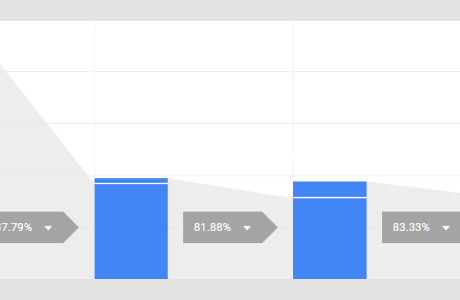
What Report Indicates Where Users Start Or Exit The Conversion Funnel?
What report indicates where users start or exit the conversion funnel? Actually, the conversion funnel is a phrase used in e-commerce to describe the journey a consumer takes via a search engine or internet advertising, converting to a sale, or navigating an e-commerce website. This is exactly the way to visualize the flow and conversion path of potential customers into paying customers. These visitors can be generated via a number of methods such as cold outreach, paid ads, social media, content marketing, and SEO. A Simple Guide To Conversion Funnel [caption id="attachment_28122" align="alignnone" width="693"] https://www.megalytic.com/blog/understanding-the-funnel-visualization-in-google-analytics[/caption] Funnels help us to view the process easily by provisioning us a visual representation of the conversion data between each step. This enables you to: Be aware of bugs, technical nuisances, and browser issues. Determine what language or copy might be modifying our customer’s emotional behavior during sign-up or checkout. Discover what steps are causing errors or customer confusion. A standard funnel visualization report might command such discrepancies, and it is not soft enough to cope with sudden user behavior. However, in these types of cases, the Google Analytics goal glow report is useful to a great extent. You can track the conversion funnel in Google Analytics by using your funnel visualization report for insights and analysis. According to our research, pageviews can occur non sequentially for funnel matches. All You Need To Know About Google Analytics Goal Flow Reports A Goal Flow report illustrates your sales funnel. It describes how efficiently visitors to your eCommerce site are driving the route from awareness to sales, to desire, and to interest. This report is going to help you identify loops and stuck points. At the same time, it can provide strong insights that can leverage to boost returns on investment (ROI) and conversion rates. Besides, you can create your own custom report and track the same via Google Analytics report. To access the goal flow reports, navigate to Conversions >> Goals >> Goal Flow. You would never know the goal flow and visualization reports without having to implement a goal and setting up a funnel. What Can You Do With The Goal Flow Report? [caption id="attachment_28123" align="alignnone" width="693"] https://www.megalytic.com/blog/understanding-the-funnel-visualization-in-google-analytics[/caption] Now, with the goal flow report, you can review questions such as: Is there one segment of traffic that acts differently? Is there a spot where traffic loops behind? Are there many surprising exits from a step in the core of the funnel? Where do users enter my funnel? In addition to this, you can determine information such as: Exit points Funnel steps skipped Stuck points Internal loops Conversion rates Drop-off points Percentage of traffic completing your goal Percentage of traffic visiting certain pages The popularity of landing pages Sources of traffic. What Report Indicates Where Users Start Or Exit The Conversion Funnel? The answer to your question What report indicates where users start or exit the conversion funnel? is Goal Flow. This report is used to perform a funnel analysis. Moreover, start and exit in the goal funnel provides you an overview of which steps users exits or enters in your conversion process. This is a very important part that you need to understand in detail. All the points in the funnel are vital to complete a conversion successfully. The goal flow report also displays the path your traffic traveled towards goal conversion. This report helps you know if unexpected problems or visitors are driving your content as expected. Therefore, to view the goal flow report, you need to Sign in to your Google Analytics account, and then you can open the reports to view the same. The Final Thoughts What report indicates where users start or exit the conversion funnel? Goal Flow is the correct answer to this query. The above-explained information describes the reasons for this. However, if you come across any doubts, you can mention them in the comment section below! More Resources: 5 Smart Ways to Boost your Credit Score The Importance of Writing Business Reports in College Different Types of Conversions to Make the Most of Spare space
READ MOREDetails
Top Pages Report: Web Pages With Most Traffic and Engagement
What report shows which web pages get the most traffic and highest engagement? Google Analytics is the treasure trove of information, and with the help of this, marketers analyze the performance of their website from time to time. In this article, I will explain in detail how Google Analytics Page Reports helps you access the performance of your content and the actions visitors take on your site. What Report Shows Which Web Pages Get The Most Traffic And Highest Engagement? The answer to your question What report shows which web pages get the most traffic and highest engagement? is All Pages Report. This ‘Pages Report’ displays the top pages on your website based on traffic, page value, % exit, bounce rate, entrances, average time on page, unique page views, and each page’s page views. At the same time, this report is going to help you to find quick and low-performing or low-quality pages that should be upgraded to enhance your content marketing strategies in the long run. Now, you need to understand that there is some difference between landing pages and all pages in Google Analytics. All Pages Report will show you the entire performance of your website, whereas landing pages will show you how people entered your website. How Can Pages Report Help You To Optimize Your Content? Pages Report will help you to quickly view the top content along with the average amount of revenue each page makes. In addition, this report helps you determine what content performs best on your website. At the same time, you will be able to view the top content section via this report. Keep in mind that this report will help you know where visitors are interacting with the events. This way, you will be able to determine both low quality and top pages on your website. The low-quality or outdated pages can be improved with dates, images, videos, or even you can add the latest infographic to make the content more useful for the audience. Thus, this way, Pages Report can help you to optimize your content to a great extent. Sample Site Content Report In Google Analytics The site content reporting sections contribute unique content-focused views revealing how users can interact with your site content. 1. Exit Pages Report: Report that highlights data related to where users leave your site form. This report is useful in calling the attention pages which should be given the most priority to drive traffic to your website. On the other hand, it’s excellent that some pages should be left often that include high traffic pages, goal confirmation pages, order confirmation pages, etc. 2. Landing Pages Report: This report focused on examining landing page metrics and behavior. It analyzes pages from the view of how often your visitors are landing on your website and what their duration is. Moreover, landing pages are great for distinguishing which pages have the highest and lowest bounce rates. You can also identify conversions from this report. 3. All Pages Report: Report that provides behavioral stats on every single page of your site. This includes page value, exit, entrances, time on page, page views, etc. All Pages Report is one of the most important portions of Google Analytics that helps to improve the performance reports of your website. The Final Thoughts All Pages Reports is the answer to your question what report shows which web pages get the most traffic and highest engagement. I have tried my best to explain to you in detail about Google Analytics Page Report and its uses for your website. Besides, if you come across any doubts, please don’t hesitate to mention them in the comment section below! More Resources: Make Your Business Popular Online What Are The Three Components In The Youtube Ecosystem? How To SEO Optimize Wordpress Category And Tag Pages
READ MOREDetails
5 Best Online Fundraising Ideas for Nonprofits
We live in what is perhaps the most unpredictable time of the century. There is a pandemic out on the streets and we have been forced to abandon our ways of interaction. Businesses have been forced to adapt almost overnight, bringing about a radical shift in operations. Nonprofits have also been forced to do the same. In just the last year the importance of fundraising platforms has risen exponentially. Fundraising has been the key to the operations of any and every nonprofit. Lately, the more commonly relied-on fundraising methods have been made redundant. A lot of nonprofits have been forced to go back to the drawing board and reevaluate ways to gather funds. Luckily the existence of text messaging platforms for nonprofit can easily get into the middle of it and utilize the same channels to make their ends meet. Why does online fundraising work? The reason is simple; we live in times where people are willing to lend out a helping hand, anywhere, anytime. Nonprofits simply need to host events online and let their donors know that they are very much active and are trying to make a difference in their communities irrespective of the condition. Sending your message across and showing them the work you are doing can appeal to all kinds of donors. Nonprofits can quickly adapt using fundraising platforms to reach out to donors and volunteers using the same methods that businesses rely upon. These channels have now become the normal way to work through and nonprofits have realized that they also need to be malleable. The pandemic has changed our understanding of what normal is and donors will be understanding. This is why hosting events, and especially fundraisers online has shown a lot of promise. Let us look at five great ideas you can use to supercharge your online fundraising campaign. Five great online fundraising ideas 1. Peer-to-peer fundraising The most innovative and proven way to raise funds online is through peer-to-peer fundraising. P2P fundraising accounts for nearly a third of every online donation. The idea is to use the credibility of your donors and their contacts to gather funds for your nonprofit. A great statistic is that ¼ emails sent by P2P fundraisers to their peers result in a donation. It might seem meager, but it is staggering when you compare it to the fact that 1/1250 emails from nonprofits result in a donation. Nonprofits can encourage donors to raise funds and run campaigns on their behalf. They can enlist the help of fundraising platforms to build their campaigns and send emails to their peers. Nonprofits can set up these directly on their websites. They can even use a personal appeal and a social sharing button on their website for direct encouragement. 2. Email flash fundraiser Another third of every donation made online comes through Emails. Yes, even in this day and age when instant messaging is the norm, E-mails more than do their part to raise funds. It is one of the older ways to gather funds and chances are your nonprofit has already finished its email fundraising campaign for the year. No worries, there are no limits to how many times you can leverage email fundraisers. A great idea would be to select a day and conduct an email fundraising blitz. You should not choose a popular day such as Tuesdays. Enough organizations are running Giving Tuesdays. Instead, choose a day that has symbolic importance to your organization or its cause. Your emails should build up a narrative that highlights your cause, the day, and a call to action. Urgency is the key and the better you express the need of the hour, the more likely you are to receive donations. You may go through: 8 High-Need Animal Shelter Donations 3. A drive for donation matching The idea behind donation matching is to encourage people to contribute, knowing that in the grand scheme of things the total donated amount will be big. Use the frenzy created by your flash email fundraising campaign to launch a drive for donation matching. You can secure a match from a company and advertise it in your email campaign. Donation matching is a good way to keep the interest afloat and to attract the younger crowd. Studies show that millennials are more likely to donate if they know companies are going to be matching their donation. Donation matching can also be used to boost a fundraiser. If there is a noticeable decline in the donations, launch a donation matching drive amid another campaign to acquire more funding. 4. Crowdfunding There is this misconception amongst nonprofits that crowdfunding is meant only for individuals. This fact could not be further from the truth. Nonprofits can use crowdfunding to amass a wealth of funds in a very short period. They can also use crowdfunding to appeal to a whole new group of donors. Through crowdfunding, nonprofits can gather funds for specific causes and projects. Nonprofits can easily set up a page on crowdfunding sites. They also have social sharing options to further promote your cause. PRO TIP: Before you choose a crowdfunding site, check if they have an easy-to-use UI, integration with compatible software, a mobile-friendly page, and space to tell your story. 5. Prospect research While this may not qualify as an idea as such, prospect research can help you land big philanthropists for your donation pool. Nonprofits can conduct thorough research to identify prospective donors. Doing so can help them focus on donors that can make a difference. Prospect research is especially important when it comes to online donors. The reason for that is online donations come in small amounts and it is hard to identify which donors can contribute in a big way. Research can help you land bigger donations. Final Thoughts These are just some of the ways you can maximize your donation pool through online fundraisers. By using the right tools and strategies your nonprofit will be back on its feet and perhaps, even run better than it did before. Read Also: Turn The Tables For Helpless Children With Car Donation In New Jersey
READ MOREDetails
Top Four In-Demand Jobs in Australia
I wish someone had told me what the top jobs were, so I hope this one helps anyone who hasn't found their ideal job yet. No matter how much you do not want to believe, our economy continues to be in a slump. It happened with the dot-com bubble, and it happened with the recent financial crisis, and unfortunately, it will happen again if nothing is done about it. And because of this, it becomes very important to start having a substantial second source of income. One way to achieve this is to improve your skills and become one of those in-demand professionals in Australia. If you are looking to migrate to Australia, it's a good idea to know what type of job you're aiming for. Here are the current top 4 in-demand jobs in Australia. 1. IT Consultant With technology advances constantly happening around us, companies can't help but implement the latest technologies in their day-to-day running – and this is where IT jobs in Australia come into play. IT consultants are in high demand from implementing new systems to assisting companies in migrating to the cloud. There has even been a growth of software developers looking for work as well. Smart businesses know that they need a strong IT department in place for them to achieve their goals. 2. Project Managers Project Managers are in high demand, and they can earn some big bucks. If you're a bright, talented graduate with an eye for detail, this could be a career path that could be right for you. In Australia, the average salary for a Project Manager is between $70,000 and $100,000. Where will this lucrative field take you? How much money can you make as a Project Manager in Australia? According to the latest figures, there has been a 21% increase in the number of roles advertised as requiring PMP certification since this time last year. The Australian job market is becoming increasingly competitive, with a real thirst for professionals that can bring real value and expertise into an organization. Particularly in the management consulting and IT fields, there is a big demand for Project Managers, which is no surprise given that project management is probably the most valuable skill you can acquire as a professional. 3. Recruitment Consultants In today's economy, there's more competition than ever for jobs in Australia. A large percentage of job ads are filled by recruitment companies that can be expensive to hire. In fact, many job seekers spend up to 20% of their first-year salary on recruitment fees. Jobs like Recruitment Consultants, Sales Managers, Marketing Managers, and Lawyers are top of the list of the most desired jobs in Australia right now, according to the latest data from jobseeker.com.au. This has been a trend for over 15 years, with a recent dip in the last two years where they went down to the ninth spot. 4. Business Development Managers Business development managers are in high demand as the economy shifts towards more service-related roles than ever before, finds JobsEye, an Employment Research Company that tracks the most in-demand positions. Data from Henry's Job Outlook has identified top jobs for 2018 in Australia. The research finds that there will be 28 percent growth in business development positions, which is expected to be the highest amongst all occupations. Read Also: Healthcare Jobs That Will Be Most in Demand 2020–2025 Why You Should Use A Recruitment Agency To Find Your Next Medical Job
READ MOREDetails
Most Important Steps To Take When You Think You Have Been Treated Unfairly
Finding a great job can be difficult. The better the job the more competition there is, meaning that you have to stand out from the crowd. However, what do you do when you have started your dream job and find that you are being treated unfairly. You may think that you simply have to put up with it, after all, what other options are there? But, the simple truth is that every person has the right to be treated fairly. You need to identify if you are being treated unfairly and do something about it. Identifying Unfair Treatment The first step is to look at how you are being treated in comparison to others in your workplace. There is a difference between unfair treatment when you are treated differently from others, and bad treatment when everyone is treated badly. It can help to speak to a reputable unfair dismissal lawyer, even if you haven’t been dismissed. They will help you to identify whether and how you are being unfairly treated. They can also be of assistance in resolving the matter. Step 1 – Bring It Up The first step in dealing with unfair treatment is to bring it up with the company and the specific individual. In many cases, this is your direct boss. Talk to them about the issue you are facing and see how they respond. This can be enough to end the issue. You must remain calm when talking and it is advisable to take a witness into any meeting. You should make notes regarding the entire process. Step 2 – Contact Superiors If this has no effect and the business has an HR department you can bring the issue up with them. They will have set procedures that need to be followed to assess your claim and deal with it properly. If your business doesn’t have a separate HR person that you can talk to then you will need to go to the boss or owner of the company. Of course, if this is the person unfairly treating you that won’t help! Step 3 – Involve The Professionals Should both the above steps have been unsuccessful then it is time to speak to your dismissal lawyer again, even if you haven't yet been dismissed. On the other hand, if you have already been dismissed, contacting a lawyer is the most important step in your 'what to do after an unfair dismissal' plan. The lawyer will be able to contact your employer for you and remind them of the law regarding the treatment of employees. The fact that they are already in the loop means it will be easier for them to assist you if the employer reacts badly and dismisses you (if they have not already done so). Read Also: 5 Ways You Could Have Been Sexually Harassed in the Workplace The Benefits of Drug Testing in the Workplace using Drug Test Cups
READ MOREDetailsPopular

Technologies For Creating A Startup Idea
20 Feb 2023

How to Download Facebook Videos on Android?
07 Feb 2019

7 Rules of Effective Ecommerce Web Design
28 Jan 2021

Why Are Online Transactions Convenient?
07 Dec 2023
