Before we move on to Facebook Jail, first, we must know about the basics. Facebook is one of the most widely used social media sites for connecting with people all around the world and advertising your company. It's one of the most effective ways to spread your message, get your product and brand in front of your target audience, and more. However, the platform's massive marketing prospects come with some equally massive drawbacks. Facebook's algorithm has cracked down on political problems, and the famed "Facebook prison" appears to have become even larger, hurting many more individuals than before. For anybody who uses Facebook to sell or advertise their company on a daily basis, Facebook Jail is a well-known issue. It's critical to understand what it is as a social seller so that you can prevent any issues or disruptions in your usage of the platform.
What Is Facebook Jail?
When Facebook suspends accounts (profiles or business pages) for violating the Facebook Community Standards, whether intentionally or mistakenly, the phrase "Facebook Jail" is used. Users have created the phrase "Facebook jail" to describe when someone is barred from accessing their account or publishing on Facebook due to spam or a failure to obey the platform's standards. For a period of time, Facebook will suspend an account's ability to publish or access particular features due to infractions, suspect logins, or spammy conduct.
Why Were You Thrown Into Facebook Jail?
There are a variety of reasons why you may be placed in Facebook jail and granted a brief suspension. Unfortunately, you may find yourself accidentally infringing Facebook regulations. Here are a few of the most typical reasons why people find themselves in Facebook jail:
1. Posting To Quickly
One of the most prevalent causes for people being placed in Facebook jail is posting too rapidly on their profile. You may also be reported if you repeatedly publish the same information. The easiest answer to avoiding being blocked for this reason is to keep a constant posting schedule and to always leave some time between postings.
2. Sending Too Many Friend Requests In One Day
Facebook considers it a negative thing if you send too many friend requests from a personal profile, especially if you don't know the individuals. If this type of conduct is found, your account will most likely be blocked. It's the same with joining Facebook groups too quickly.
3. Posting Inappropriate Content
Posting sexually provocative content or nudity on Facebook is against their community standards and is forbidden. Even while it may prevent you from posting some really entertaining memes, doing so may result in your account being temporarily or permanently deleted. You should also avoid publishing information that promotes self-harm, hate speech, or credible threats to people or organizations.
4. Too Much Tagging
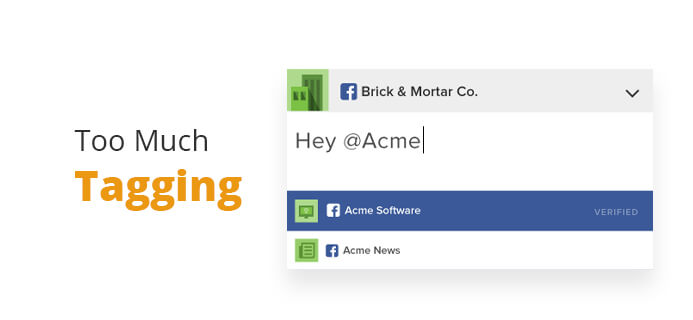
Another reason your account can be disabled is if you regularly react with tags.
5. Using Spam Images Or Videos
If particular photos or videos have been flagged as spam by Facebook (or Google), and you include them in your postings and are accused of spamming others, you might end up in Facebook prison. Fortunately, you can avoid this by writing unique content for your blogs.
What To Expect When You’re Facebook Jail?
Users are unaware that they have imposed limits on their accounts since Facebook does not notify them. Most individuals first find out they're in Facebook jail when they get an email or when they try to post or send private messages on their account and get the dreadful message: You can’t post right now!Even if you do receive information from Facebook that your account has been restricted, it will be too late to take anything. This is how you can tell whether you've been sentenced to Facebook prison:
Your account's ability to post on your timeline, as well as any pages or groups, has been disabled.
You can't like or comment on other people's posts or photographs.
You are unable to make any comments on the social media network.
You are unable to access your account or page.
The consequences on Facebook vary from being unable to post to being entirely barred from getting into your account. These punishments can range in length from a few hours to up to 21 days.
How To Avoid Facebook Jail In The Future?
Reading and adhering to the community rules, as well as the platform's Terms and Conditions, is the simplest method to avoid Facebook imprisonment. You'll find yourself in the sights of the Facebook cops if you're found using your account in violation of the platform's rules. However, the recommendations are lengthy and difficult to read, so I've compiled a list of things to do (or not do) to keep your account safe. The following are some of them:
Separate your postings by a certain amount of time.
Don't publish anything that might get you in trouble, such as photos or memes.
Per day, send no more than 50 friend requests.
Each day, join no more than ten Facebook groups.
When adding or tagging someone, be cautious.
Use photos and movies that don't spam.
On each device, log into a single account.
Posting material with scripts or automatic tools is not a good idea.
Posting comparable stuff in many groups at the same time is not a good idea.
Use your genuine identity and act like a real person instead of an impostor or false accounts.
The bottom line is that you must adhere to the platform's requirements to the letter at all times.
How To Escape Facebook Jail?
1. Serve Your Sentence
The first and foremost obvious option is to just wait until your "Facebook jail sentence" is completed. Facebook alerts you on when you can access the prohibited features or account again.
2. File An Appeal
If you don't want to wait, you can simply request a review. Facebook will notify you through email of the outcome of your appeal. Just keep in mind that your appeal could be denied, and your account could be permanently blocked.
3. Create A New Account
If all else fails and your account is blocked, the only other thing you can do is to forget about your current account and create a new one. Although this may not be perfect for online marketers and business owners, sometimes it is considered the only way to keep going ahead.
Final Thoughts
This article lists all the different things that can land you in Facebook jail. Use this knowledge to avoid consequences from the social media stage for continued guideline infringements. In other words, you must follow these rules to stay out of Facebook jail.
Subham Saha started his career as a professional web content writer. He has more than 3 years of experience in digital marketing. He also has a great knowledge in SEO, SMO, Website development, etc. He completed his graduation in Electrical Engineering. He is very passionate about building his career in the Digital marketing industry. Subham has a great interest in reading books about Business, Economics, Psychology, Technology, and History.
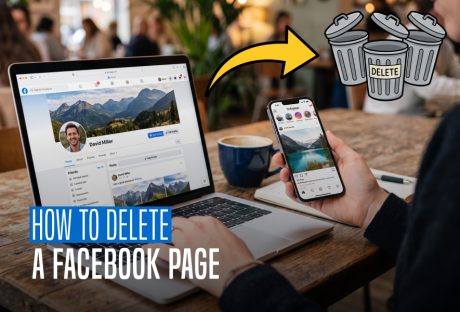
Do you wish to know how to delete a Facebook page? This article is going to be your ultimate guide. We will walk you through the process of deleting your Facebook business page on both desktop and mobile devices with clear, detailed instructions.
If you're still not entirely sure that you want to permanently delete your Facebook business page, we'll also offer you other options. But first, let's confirm that we are discussing the same topics.
Your personal Facebook account, or profile on Facebook, is the one you use to interact with loved ones and watch wacky cat videos. You can share updates about your life with your Facebook friends and keep up with their activities. Depending on the pages you follow, you can even obtain your news from your news feed.
On the other hand, a company typically creates a Facebook page to engage with clients, advertise goods and services, and broaden its online presence. This account is not private; rather, it is a component of a larger marketing plan. We'll go over everything you need to know about removing your Facebook business page in the section that follows. Go to the bottom of the post to find out how to remove your personal Facebook account.
What You Need Before You Delete A Facebook Page
Facebook no longer relies on the old “Page administrator” label alone. To delete a Page, your profile must have Facebook access with full control. Task access may let you publish posts, answer messages, view insights, or work inside Meta Business Suite. It does not give you permission to delete the Page.
You can check your access before starting:
Switch from your personal profile to the Page.
Open Settings & privacy and select Settings.
Go to Page setup and choose Page access.
Find your name under People with Facebook access.
Confirm that your access includes full control.
If you do not have full control, ask someone who does to change your access. Meta explains the current permission levels in its Facebook Page access guide.
Facebook deactivates a Page as soon as someone requests deletion. The Page then enters a 14-day recovery period. If nobody cancels the request within that time, Facebook permanently deletes it. Therefore, save any information you may need before confirming the request.
Should You Delete, Deactivate, Merge, Or Remove The Page?
People often delete a Page when they only want to hide it or remove it from a business account. Facebook provides several actions, and each one produces a different result.
Your goalCorrect actionWhat happensHide the Page for nowDeactivate the PagePeople cannot find the Page, but you can reactivate it later.Close the Page permanentlyDelete the PageFacebook deactivates it immediately and permanently deletes it after 14 days.Combine two similar PagesMerge the PagesMeta combines eligible Pages and removes the Page being merged.Detach it from Meta Business SuiteRemove it from the business portfolioThe Page remains on Facebook but is no longer part of that portfolio.Stop one person from managing itRemove their Page accessThe Page stays active, but that person loses access.
Deactivation is the safer option when a business is taking a break, changing its name, or rebuilding its content. Meta confirms that deactivating a Page does not delete it.
Merging works only when Meta considers the Pages eligible, usually because they represent the same business or subject. You can review the current Facebook Page-merging requirements before choosing this option.
Removing a Page from a Meta business portfolio is also different from deleting it. Use that option when your problem concerns business ownership or Meta Business Suite access rather than the public Page.
How To Delete A Facebook Page In 2026
Facebook uses nearly the same deletion menu on desktop and mobile. You must switch into the Page before opening its settings.
Delete A Facebook Page On Desktop
Sign in to Facebook.
Click your profile picture in the upper-right corner.
Select See all profiles and switch to the Page you want to delete.
Click the Page’s profile picture.
Open Settings & privacy, followed by Settings.
Select Access and control from the menu.
Choose Delete Page and click Continue.
Review the information shown on the screen. Facebook may offer options to download or transfer your Page information.
Enter your password if Facebook asks for it.
Confirm that you want to delete the Page.
Delete A Facebook Page On Android Or iPhone
Open the Facebook app.
Tap your profile picture or the Menu button.
Use the profile switcher to select the Page.
Open Settings & privacy and tap Settings.
Tap Access and control.
Select Delete Page.
Tap Continue and follow the confirmation prompts.
Meta occasionally changes the position of individual menu items. However, Access and control currently contains the deletion option. You can compare your screen with Meta’s latest Page deletion instructions.
Once confirmed, Facebook deactivates the Page immediately. Permanent deletion takes place after 14 days unless you reactivate it.
Complete This Page Exit Audit First
Deleting a Page can remove years of useful business history. A quick Page exit audit protects the information that may still have legal, marketing, or customer-service value.
Before deleting the Page:
Download a copy of the Page, and open the downloaded file to confirm that it contains what you need. Save important photographs, videos, posts, customer conversations, leads, reviews, and performance reports separately when necessary.
Record the Page username, URL, Page ID, final follower count, and important campaign results. These details can help with old invoices, brand records, ownership questions, and future marketing reports.
Review scheduled posts, active advertising campaigns, connected business tools, and any linked Instagram account. Handle each connected asset separately instead of assuming that Page deletion will remove or preserve everything.
If the business has moved or changed its name, publish a final notice that points customers to the new Page, website, email address, or support channel.
Tell other people with full control about the decision. This reduces the chance of someone cancelling the request or recreating a duplicate Page without knowing the original plan.
Treat the Page as a business record, not simply as a social profile. Once the 14-day recovery period ends, access to its old content may not return.
Deleting A Facebook Page Is Not The Same As Deleting Your Account
A Page represents a business, organization, brand, or public figure. Your Facebook account contains your personal profile and provides the access used to manage Pages.
Facebook gives a Page a 14-day deletion window. A personal account has a 30-day cancellation period. Combining these two time limits can cause someone to miss the Page recovery deadline.
To delete a personal Facebook account in the current interface:
Open Settings & privacy and select Settings.
Go to Accounts Center.
Select Personal details.
Open Account ownership and control.
Choose Deactivation or deletion.
Select the account or profile.
Choose Delete account and tap Continue.
Meta provides the complete process in its personal Facebook account deletion guide.
Check every Page you manage before deleting your account. If your profile is the only one with full control, the connected Pages may also lose their active manager. Give another trusted person full control first if any Page needs to remain online.
Why Can’t I Delete My Facebook Page?
A missing Delete Page button usually points to an access or profile problem. It does not always mean that Facebook has removed the feature.
What you seeLikely reasonWhat to doYou cannot find “Access and control”You are using your personal profileSwitch into the Page and open its settings again.You can post but cannot delete the PageYou have task access or partial controlAsk someone with full control to upgrade your Page access.The Page appears in Business Suite onlyBusiness portfolio access and Page access are differentCheck both the portfolio permissions and the Page access list.Your access changed without your approvalAnother person with full control may have edited itContact the remaining full-control user or submit a Page access request.The app shows an older menuYour app or interface has not received the same layoutUpdate the app or complete the process through a desktop browser.
Only someone with Facebook access with full control can delete a Page. Being able to create content, answer messages, run advertisements, or view reports does not prove that you have that level of access.
If the Page belongs to another business or person, you cannot ask Facebook to delete it simply because you no longer want it online. The owner must give you the required access or handle the deletion. If you lost legitimate access to a Page you manage, follow Meta’s Page access recovery guidance.
How To Stop Facebook From Getting Deleted?
As previously mentioned, you can stop a page from being deleted for thirty days after you decide to delete it. If you decide to change your mind, simply take these actions:
Click on your picture in the upper right corner of Facebook when it's open.
From the dropdown menu, select Settings & privacy and then click Settings.
Click "Your Facebook information."
Lastly, select "View" from the menu, then click to bring up the reactivation page.
Did You Receive A “Your Page Will Be Deleted” Message?
A message that threatens to delete your Page is not the same as a deletion request you submitted through Facebook settings. Scammers often create urgent messages that ask Page owners to open a link, appeal immediately, enter a password, or pay a fee.
Do not use the link inside an unexpected message. Open Facebook yourself and check the Support Inbox:
Open the Facebook menu.
Select Help & support.
Open Support Inbox.
Look for a matching notice from Facebook.
Meta uses the Support Inbox for account alerts, reports, and platform messages. If no matching notice appears, treat the original message with caution.
If you entered your password on a suspicious website, change it immediately. Review recent logins, remove unknown access, and turn on two-factor authentication. Meta also provides recovery steps for people who believe they have been phished on Facebook.
Before You Delete
You should download the data from your Facebook page before deleting it. To obtain your data:
Navigate to that page and choose "Settings."
Locate the "Download Page" option by navigating to the "General" section.
Click "Download Page" after selecting "Edit."
One wise move to make the most of your social media assets is to delete any outdated or irrelevant business pages.
You can also collect data, automate content creation, and analyze trends with the right software. To locate the best social media software for your company, start here.
A Final Check
A Facebook page is different from a profile. Your user profile represents you as an individual. It's where you interact with friends and maintain control over the privacy of the information you share.
A page is a public representation of a person, place, business, organization, or group that other people on Facebook can like and follow.
Once you have initiated your account's deletion, Facebook gives you a 14-day window to rescind your decision. Within that timeframe, you can reinstate your account to its previous glory without losing any of your data.
To do so, simply log into your account as you normally would, using any browser of your choice or via the Facebook app.
After 14 days, you lose your account permanently. So before you get too curious about how to delete a Facebook page, make sure you are ready to let go permanently. With the information we just provided, you can delete any type of Facebook page that you may have created in just a few moments.
Have you had any challenges deleting your Facebook page? How did you overcome it? Let us know in the comments.
Additional Reading:
How To Stop Scammers On Facebook Marketplace?
Facebook Settlement: When It Will Pay Out and How to Verify It
What Is Facebook Touch? Everything You Need To Know About It
Devices with internet connectivity, including computers, tablets, and smartphones, can access Facebook. Before the development of smartphones, websites were typically only available in desktop versions.
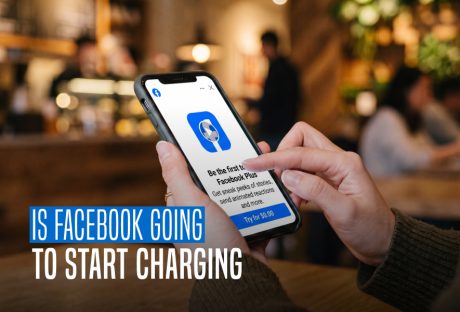
However, in order to have a fully functional experience, we can now have access to these websites on our mobile phones. But does that mean Facebook could ask for a fee soon? Is Facebook going to start charging? Here is all that we know so far.
Is Facebook Going To Start Charging Regular Users?
No. Facebook has not announced a general fee for opening an account, reading posts, joining groups, or using its standard features.
Facebook’s official Help Centre still says that it does not charge people to use Facebook. Meta earns much of its money by showing advertisements instead.
So, why do some people see payment options on Facebook? The platform now offers several paid extras. Meta Verified, creator subscriptions, Stars, advertisements, and purchases all cost money. However, you do not need any of them to maintain an ordinary Facebook account.
Some regions also have a subscription that removes advertisements. People who do not want that subscription can continue using the free, ad-supported version.
Therefore, the short answer to “Is Facebook going to start charging?” remains no. Facebook has added more ways to spend money, but it has not placed its main platform behind a universal paywall.
Which Facebook Features Cost Money?
The word “Facebook fee” can refer to several different payments. The following table separates an access fee from an optional purchase.
Facebook featureDoes it cost money?What the payment coversCreating and using a standard accountNoOrdinary access remains free and supported by advertisingMeta VerifiedYes, if selectedA verification badge and additional account featuresSubscription without adsYes, in eligible regionsFacebook and Instagram without advertisementsCreator subscriptionsYes, if selectedExclusive content and benefits from a particular creatorFacebook StarsYes, if purchasedA way to support eligible creatorsBoosted posts and Facebook adsYesPaid promotion for a business, Page, product, or eventMarketplace purchasesSometimesThe item, delivery, tax, or payment-related costsMobile data and internet accessPossiblyCharges from an internet or mobile service provider
Most people can continue using Facebook without paying Meta. A charge normally appears only after someone chooses a paid feature, runs an advertisement, or completes a purchase.
Why Are Some Facebook Users Offered A No-Ads Subscription?
Meta now follows a mixed model in certain countries. A person can use Facebook free with advertisements or pay for an experience without advertisements.
Meta introduced this choice in parts of Europe and later announced a similar subscription for Facebook and Instagram users in the UK. The free option did not disappear when the paid plan arrived.
The availability and price of a no-ads subscription depend on several details:
The user’s country
Whether the purchase happens on the web or through a mobile app
The number of eligible accounts connected through Accounts Center
Facebook explains these differences on its official page about the subscription for using Meta products without ads.
A subscription screen can look like evidence that Facebook is becoming a paid service. In practice, it usually presents an optional way to remove ads. Users in eligible regions can still choose the free version.
This development suggests that Facebook is moving toward a two-choice system in some markets: free access supported by ads and paid access without ads. It does not indicate a compulsory worldwide membership charge.
History And Evolution Of Facebook Charging
Facebook's fee structure has changed over time. It started off charging nothing and has since grown to be a sizable source of income for the business.
Early Years (2004–2007): Facebook didn't charge for advertising at first because its main goal was to help friends connect.
Introduction of Ads (2007): Facebook launched advertisements in 2007, but since the platform was still in its infancy, Facebook advertising costs were comparatively low.
Targeted Advertising (2012): Facebook started to improve its advertising system in 2012, enabling companies to target particular demographics while progressively raising the cost of their ads.
Facebook Mobile Advertising (2012 to 2015): the significance of mobile ads increased along with the growth of mobile usage. Advertising fees increased because businesses realized the potential of reaching consumers on their phones.
Fast Growth (2015–2018): During this time, Facebook's advertising platform grew quickly, which raised competition and raised Facebook's fees.
Regulation and Privacy (2018-Present): Facebook's advertising model has recently been impacted by worries about user privacy and governmental regulations. Facebook advertising is still very popular, but companies have to follow new guidelines that affect Facebook ad prices.
Charges You May See While Using Facebook
Facebook itself may be free, but that does not mean every activity on the platform has no cost.
Meta Verified is an optional recurring subscription. It can include a verification badge, account support, and protection against impersonation. Meta describes the current eligibility rules and benefits in its Meta Verified help section. Prices may change by region and purchasing method, so avoid relying on an old price quoted in a social media post.
Facebook also allows creators to offer paid monthly subscriptions. These subscriptions may provide exclusive posts, videos, badges, or other benefits. Payment supports the selected creator; it is not a fee for using Facebook itself. The same principle applies to Facebook Stars, which viewers can buy and send to eligible creators.
Other possible costs include:
Buying or shipping an item found through Marketplace
Running an advertisement or boosting a Page post
Making an in-app purchase
Donating to a fundraiser
Paying mobile data or internet charges
These payments can occur inside Facebook, but they do not turn a free account into a paid account.
Do Not Trust “Facebook Will Start Charging” Chain Messages
Claims about an incoming Facebook membership fee have circulated for years. A typical post tells users to copy and share a notice to keep their account free. Another version claims that a payment will become compulsory unless the user acts before a deadline.
Copying a status cannot change an account’s payment terms. Facebook would announce a major pricing change through its official Help Center, account notifications, or Meta’s newsroom. It would not rely on an unverified chain message.
Treat a message as suspicious when it:
Creates an urgent deadline for paying a Facebook fee
Promises free access if you copy and repost a statement
Requests a password, login code, or card number through a link
Sends you to a website that does not use an official Facebook or Meta domain
Claims that a friend can “protect” or upgrade your account
Do not open unfamiliar payment links. Instead, open Facebook directly and check Accounts Center, payment activity, active subscriptions, and the Support Inbox.
Scammers often build a believable story around a real Facebook feature. For example, they may mention Meta Verified and then falsely claim that every user must subscribe. Meta Verified remains optional.
What Does Facebook Have To Say?
Meta's Facebook has amassed popularity that is hard to rival as well as hard to tap. It goes without saying that it has had one too many of the questions: "is Facebook going start charging"? On their website, they have clearly explained what in-app expenses or any kind of charges mean from their perspective. Here is an excerpt:
"No, we don't charge you to use Facebook. Instead, we charge advertisers to show ads on Meta company Products. This helps us make Facebook available to everyone without charging people for access to it.
When using Facebook, keep in mind:
You need Internet access to use Facebook from your computer, mobile phone or tablet, and your Internet provider may charge you for this access. Learn more about data charges and connecting to Facebook on your mobile phone or tablet.
Using some Facebook features, such as text message notifications, may also lead to charges from your mobile provider.
If you add your payment information to Facebook, you can do things such as make purchases from businesses, send money to friends, support creators on Facebook, and purchase ads on Facebook.
If you purchase something on Facebook, we may earn a commission or transaction fee from that activity.
You can also make purchases through Facebook for games, apps, and other items.
Note: Facebook doesn't sell your information, and we don't share information that personally identifies you (information such as your name or email address that by itself can be used to contact you or identify who you are) unless you give us permission."
What To Do If Facebook Has Charged You Unexpectedly
An unfamiliar charge does not always mean Facebook has introduced an access fee. It may come from an advertisement, creator subscription, Meta Verified plan, game purchase, donation, or another transaction linked to the account.
Start by checking Facebook’s payment area. Compare the date, amount, and description with your bank or card statement. You should also review subscriptions purchased through Apple’s App Store or Google Play, since mobile subscriptions may appear under the app store’s name.
If you cannot identify the payment:
Change your Facebook password and log out of devices you do not recognize.
Turn on two-factor authentication.
Review saved payment methods, advertisements, subscriptions, and purchase history.
Report the charge through Facebook’s official Payments Help Center.
Contact the bank or card provider if the charge appears unauthorized.
Never give a login code to someone who claims they need it to cancel a charge. A genuine support representative should not ask you to send your password or two-factor authentication code through a private message.
Changes Facebook Has Introduced
Is Facebook going to start charging? Honestly, as we navigate the evolving world of digital advertising, it is critical to comprehend the truth about Facebook charging fees. In actuality, a variety of factors, including audience targeting and ad quality, can affect Facebook ad costs.
Facebook is still a powerful platform for advertising, even though the prices might change. This is a dynamic environment where the effects of growing Facebook advertising costs can be lessened through innovation and data-driven decision-making.
Businesses can continue to take advantage of the wide reach and growth potential of this platform. They can do so by remaining informed, optimizing campaigns, and fully embracing it.If you have thoughts to share or questions to ask, please leave a comment below. We would love to hear from you!
Read More About:
Here Is How To Delete A Facebook Page Easily?
How To Stop Scammers On Facebook Marketplace?
Facebook Settlement: What Went Down And What Was The Final Result?
While Facebook is a fantastic platform for staying in touch with friend and making new connections, open groups can quickly become uncomfortable.
When you post in a public or private community, your personal profile is exposed to intense scrutiny from strangers. As a result, your personal profile is exposed to intense scrutiny from strangers.
This leaves your photos, information and options vulnerable to unwanted attention or online attacks.
How To Post Anonymously On Facebook?
Once this feature is enabled, group members can make an anonymous post. The procedure for posting anonymously in a group on a desktop is simple. All you have to do now is follow the steps outlined below.
Go to your Facebook account and log in.
Go to the group where you want to post.
Click Anonymous Post, next to the place where you make a post.
A prompt will explain how anonymous posts work. Make an anonymous post by selecting Create Anonymous Post.
Remember that any anonymous posts made in the Group in the past or present will vanish if you toggle it off. After the feature is reactivated, the posts will be recovered. The community will become stronger as well as more valuable to members due to anonymous posting, which paves the way for its success.
Things To Know Before Posting Anonymously
Users who ask themselves this question: “How to post anonymously Facebook?” have a primary aim. That is hide their identities from prying eyes.
However, before you hit submit, keep these essential details in mind:
Admin Visibility: To enforce Facebook's Community Standards, group admins, moderators, and Facebook's internal systems can always see your real name and profile picture.
Member View: To all other group members, your post will appear as either a "Group participant" or an "Anonymous member."
Automatic Comment Anonymity: When you participate in the discussion on your own anonymous thread, your comments and reactions automatically maintain anonymity.
Feature Limitations: To protect your identity, Facebook disables certain features when you write an anonymous post. You cannot tag specific people, share live locations, or use specific interactive attachments that might accidentally expose your profile.
Group Nicknames: Depending on the group's specific settings, admins can now enable a feature allowing you to create a unique Group Nickname instead of using the standard "Group participant" label.
How To Post Anonymously On A Facebook Group From A Desktop?
Members of the group will be able to post anonymously after the feature is activated. On a desktop, the process for making an anonymous post in a Facebook group is simple. Now, all you need to do is take the actions listed below.
Proceed to your Facebook profile and sign in.
Enter the group in which you wish to publish.
Select Anonymous Post by tapping the icon next to the post editor.
A prompt outlining the process for anonymous posts will show up. Click Create Anonymous Post to start a new anonymous post.
After creating your post, hit "Submit."
This group will see the post without a name on it. Facebook's systems and the Group administrators, as well as moderators, will still be able to see the name.
Users can write anything anonymously after accepting this warning, including ideas or actions, just like they would in a regular post. Anonymous posters on Facebook groups, events, and prompts can create polls. Additionally, users can produce more imaginative as well as captivating designs by using a free poster maker.
If a group member wants to post anonymously, the admin will know. You can accept or reject their post in the Admin Tools panel's Pending Posts section.
How To Post Anonymously On Facebook On A Mobile?
If a Facebook group permits anonymous posts, you can also post anonymously on the group from a mobile device.
To use your account on your device to post anonymously, do the following:
Go to the Facebook group where you wish to post anonymously.
Select "I want to Post Anonymously" from the menu.
Write your post now, then hit POST.
Pros Of Anonymous Posting On Facebook
You may consider anonymous posting an effective way to be heard without having to be noticeable. Here are a few benefits:
Posting in a Facebook group anonymously helps express yourself and share knowledge without giving away who you are to other users.
Posts made under pseudonyms can shield you from abuse in cases where you discuss private or delicate topics that might not sit well with other community members.
Cons Of Anonymous Posts On Facebook
You are not limited in how many times you can enable or disable this feature. Nevertheless, all of your earlier anonymous posts will be removed if you disable it.
Facebook should fix this, as it does not provide any notice or indication that this will happen when you turn it off. As a result, you have to realize this after it has already happened.
Thankfully, all of your previous anonymous posts will reappear and remain accessible within the Group if you decide to activate it again in the future. But if you choose to disable them permanently, you won't be able to keep them. An anonymous post stays anonymous and is only accessible in Facebook groups.
How Does Anonymous Posting Work?
In 2017, Facebook launched the anonymous posting feature, which lets users share content inside groups while hiding their identities. This means it's pretty long before you asked Google "how to post anonymously on Facebook." This feature syncs with all of your devices and is accessible on all platforms that Facebook is available on. Facebook groups allow you to share your thoughts anonymously, regardless of whether you use an iPhone, Android, or one of the best Chromebooks.
To use this feature, you have to be a part of a group that has enabled anonymous posting. The administrators, moderators, and Facebook have access to your name as well as your profile picture, even though your posts stay anonymous within the group. Facebook community standards and group safety are upheld by implementing this measure.
Your anonymous post comments stay anonymous, so you can maintain a low profile on the group forums. It's a clever way to participate as well as maintain some privacy.
Reasons Why It May Not Work
You may be wondering why posting content on Facebook requires revealing your identity. There could be a few things preventing you. Perhaps you are currently without the option. Certain users are unable to post anonymously due to their location or Facebook settings.
You might not be able to post anonymously in the Facebook group you're a part of. The group administrators may have disabled anonymous posting as an additional factor. If you wish to remain anonymous, take a look at these and see what goes on.
Reasons Why You Can't Participate In A Group
You may find that you are unable to engage in group activities at times. Two things could lead to this. A group administrator may put you on hold, restricting the frequency of your posts or slowing down the comments on a particular post.
The other thing is that Facebook restricted what you could do in groups. This could indicate that you violated some Facebook policies or that group administrators must approve your posts.
Take Back Your Privacy
Stepping into community discussions should not mean sacrificing your personal boundaries.
By mastering how to post anonymously on Facebook, you gain the freedom to ask the tough questions, share deeply personal stories, and engage with online communities. All of these are entirely on your own terms.
Just keep in mind that this invisibility cloak can only shield you from everyday users. Group moderators and Meta’s security algorithms still keep an eye behind the scenes to maintain a safe environment for everyone.
Now it is your turn to weigh in. Have you successfully managed to post incognito in your favorite groups, or are you still waiting for your local admins to flip the switch?
Drop your thoughts, experiences, or lingering questions in the comment section. We will read every single one!
Additional Reading:
Why And How To Access Facebook’s Full Site In 2024
Voice Your Choice: A Quick Guide To Crafting Polls On Facebook
What Is Facebook Touch? Everything You Need To Know About It
Top 8 Free Chat Rooms To Chat Anonymously With Strangers And Make New Friends














 When Facebook suspends accounts (profiles or business pages) for violating the Facebook Community Standards, whether intentionally or mistakenly, the phrase "Facebook Jail" is used.
Users have created the phrase "Facebook jail" to describe when someone is barred from accessing their account or publishing on Facebook due to spam or a failure to obey the platform's standards.
For a period of time, Facebook will suspend an account's ability to publish or access particular features due to infractions, suspect logins, or spammy conduct.
When Facebook suspends accounts (profiles or business pages) for violating the Facebook Community Standards, whether intentionally or mistakenly, the phrase "Facebook Jail" is used.
Users have created the phrase "Facebook jail" to describe when someone is barred from accessing their account or publishing on Facebook due to spam or a failure to obey the platform's standards.
For a period of time, Facebook will suspend an account's ability to publish or access particular features due to infractions, suspect logins, or spammy conduct.
 One of the most prevalent causes for people being placed in Facebook jail is posting too rapidly on their profile. You may also be reported if you repeatedly publish the same information. The easiest answer to avoiding being blocked for this reason is to keep a constant posting schedule and to always leave some time between postings.
 Another reason your account can be disabled is if you regularly react with tags.
 Reading and adhering to the community rules, as well as the platform's Terms and Conditions, is the simplest method to avoid Facebook imprisonment. You'll find yourself in the sights of the Facebook cops if you're found using your account in violation of the platform's rules. However, the recommendations are lengthy and difficult to read, so I've compiled a list of things to do (or not do) to keep your account safe. The following are some of them: