












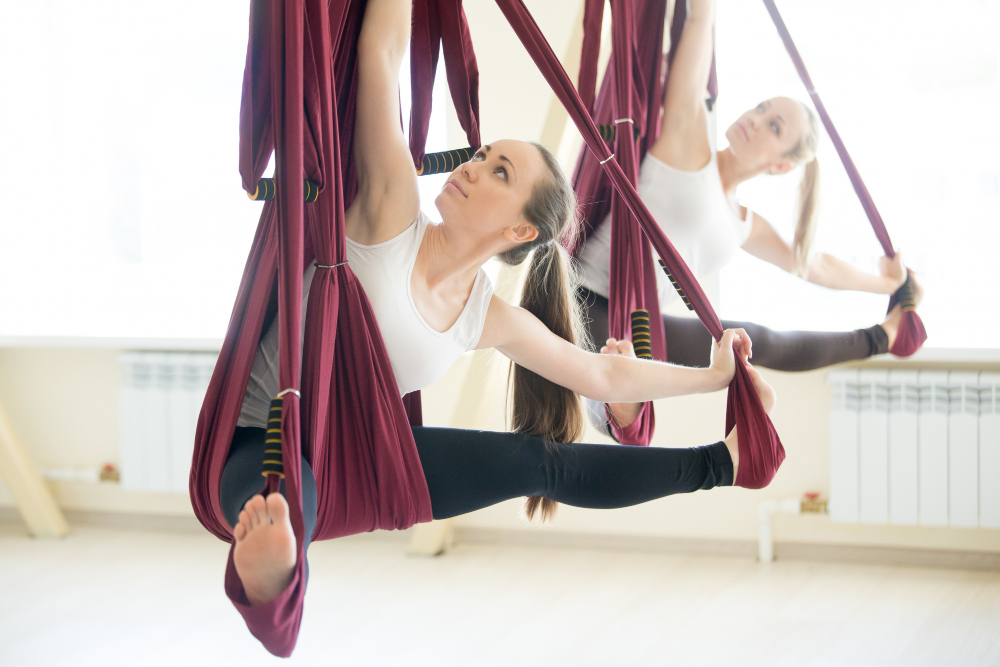
Bungee Workout Benefits: Learn the Basics of Bungee Fitness

Published on: 28 November 2024 Last Updated on: 03 February 2026
bungee workout

A bungee workout is the best option for you if you are looking for a dynamic, effective, and interactive workout. For instance, if your current workout regime bores you, you must try out bungee fitness. Generally, this workout combines resistance training with aerobics and dance to create a unique training experience.

In this article, you will learn about bungee workouts and a training plan to start with. Additionally, this article also explains the benefits and risks of this fitness training. Moreover, you will learn about the types of bungee workouts and the equipment you need. Finally, you will learn some safety tips and precautions.

Hence, to learn more, read on to the end of the article.

What Is a Bungee Workout?
What Is a Bungee Workout_

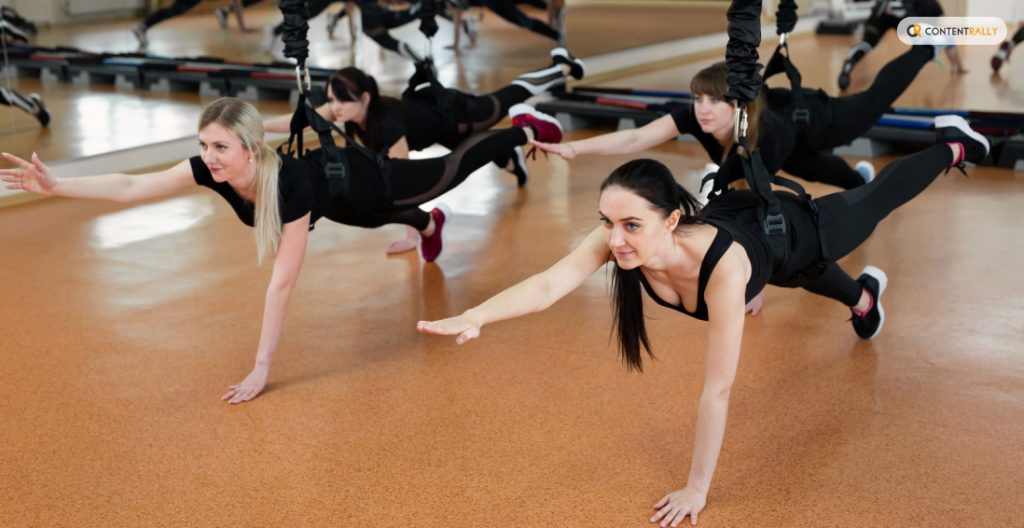
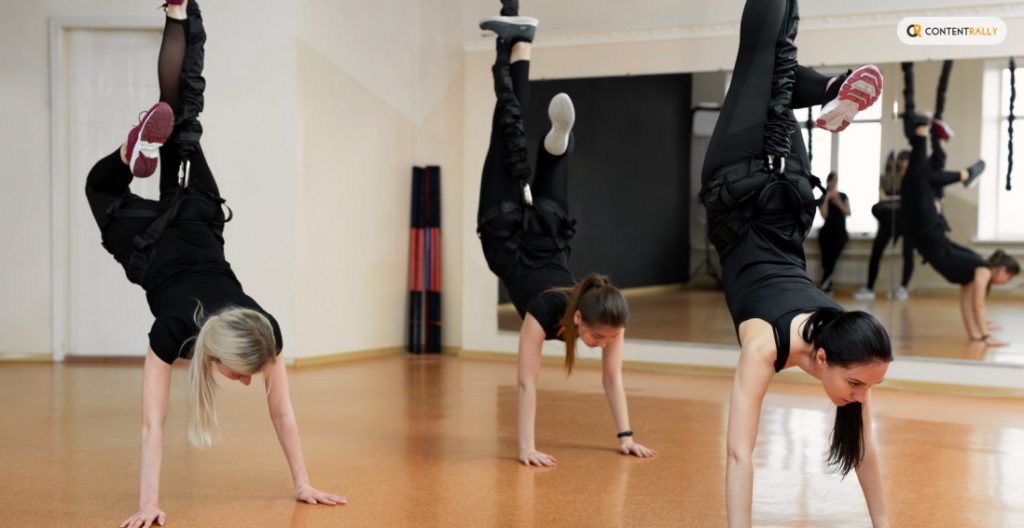
In a bungee workout, you have to perform body-weight exercises while hanging from a bungee cord. Here, the cord connects to the ceiling. On the other hand, you have to connect to the cord either by a harness or by holding it tight with your hands.

Basically, the bungee cord hangs from the ceiling of the gym. As a result, you get to perform a myriad of exercises. Meanwhile, you are also experiencing buoyancy as the cords pull you upward. Apart from that bungee cord and the harness, you can also use a mat or a floor pad to perform certain exercises where you need to jump or do floor workouts.

In fact, when you are in a bungee fitness class, you can engage in different types of exercises. These include jumps, lunges, squats, cardio dances, and more. In all these cases, the bungee cord pulls you upward by creating buoyancy.

Hence, you achieve resistance and stability from different directions. Basically, this resistance helps you to challenge different muscle groups. Moreover, it improves your overall strength, agility, and endurance.

Apart from that, even some bungee fitness classes incorporate resistance bands, weights, and fitness props. This helps in enhancing the workout experience. In fact, it is a low-impact exercise that helps you to perform full-body cardio and bodyweight exercises.

Benefits of a Bungee Workout
Benefits of a Bungee Workout

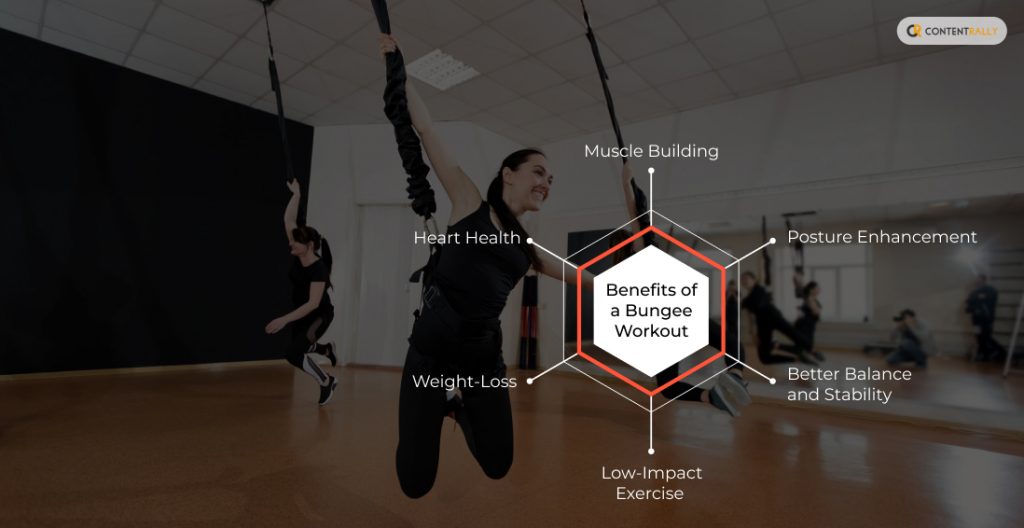
The following are the major advantages you will benefit from if you perform a bungee workout:

1. Muscle Building

When you are in a bungee fitness class, you will generally be doing bodyweight exercises to build muscles. In fact, it is important to perform exercises that strengthen your muscles at least twice a week. This will help you gain strength and maintain muscle mass.

2. Posture Enhancement

To have the right posture, you need to work on your shoulders, back, and chest muscles. Hence, with the help of a bungee workout, you can maintain flexibility and balance.

3. Better Balance and Stability

Generally, a bungee pulls you against gravity. Hence, you need balance and stability to remain on the ground. Moreover, you can switch your stance and perform exercises in different types of foot positions. Thereby, you can gradually improve your balance. Apart from that, you will also become more familiar with movements while hanging from a bungee.

4. Low-Impact Exercise

Although it can be a bit difficult at the start, bungee workouts are adaptable quite easily. Moreover, a bungee workout mainly includes jumping, bouncing, and bodyweight exercises. Also, they do not put pressure on the joints and also prevent injuries. Hence, it counts as a low-impact exercise.

5. Weight-Loss

With the help of bungee workouts, you can burn calories in an enjoyable way. Hence, it can help you a lot in weight loss. Basically, if you use a fund way to lose weight, it will be more effective than traditional exercises that seem demotivating.

6. Heart Health

In most cases, a bungee workout consists of cardio moves. These moves are enough to ensure that your heart pumps well. Hence, you will strengthen your heart muscles and pump more blood to your lungs.

What are the Risks of a Bungee Workout?
What are the Risks of a Bungee Workout_

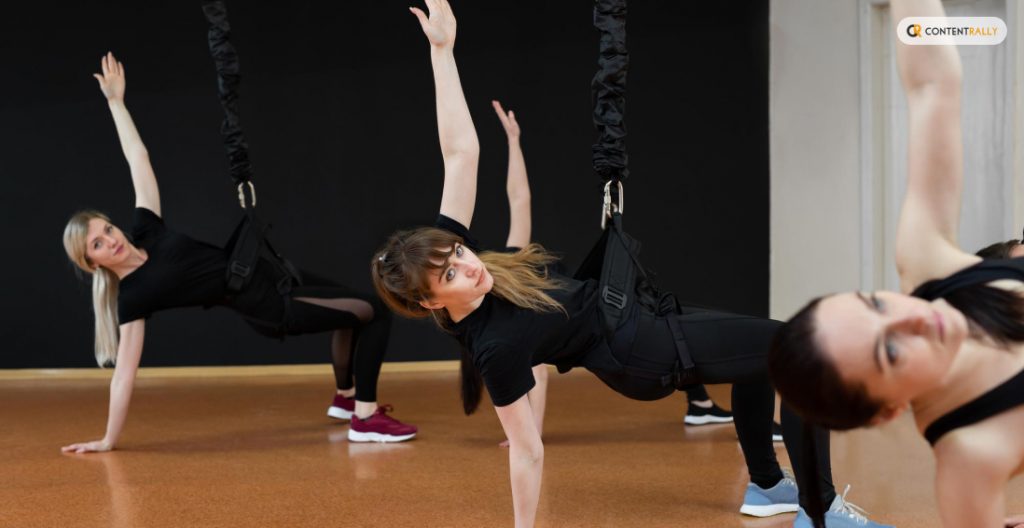
If the fitness studio or gym properly installs all the bungee equipment, it will be safe. However, if you have a recent injury or surgery, you might need to avoid bungee workouts. Moreover, if you are pregnant, a bungee workout is unsafe for you. This is because the bungee harnesses around the waist. Also, it is unsafe if you recently gave birth.

Hence, you must consider consulting a healthcare professional to discuss whether a bungee workout is good for you or not.

Who Can Do Bungee Workout?
Who Can Do Bungee Workout_

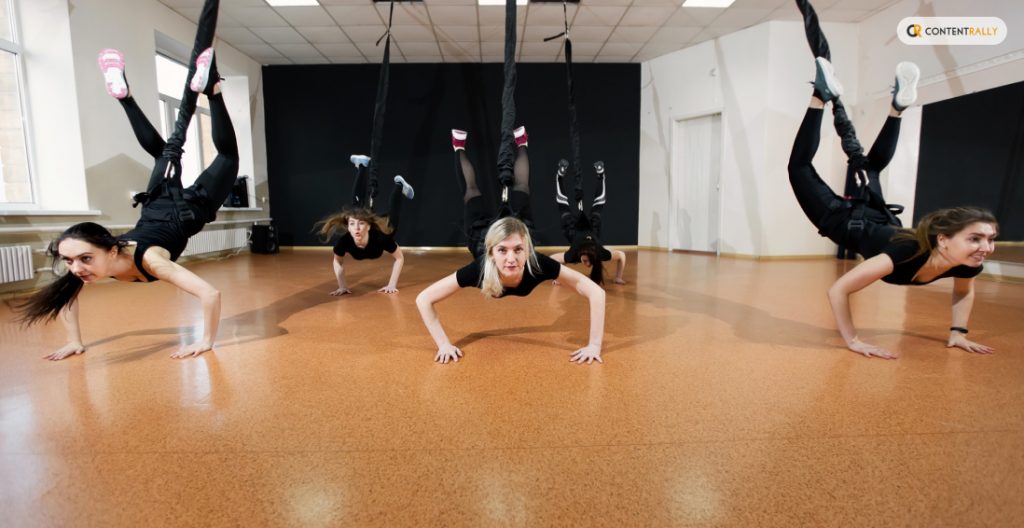
Actually, a bungee workout ensures a well-rounded and low-intensity fitness. Hence, if you want to perform low-impact exercises that are easy for your joints, you must consider this workout plan.

Basically, the bungees will help you remove the pressure from your joints, which is usually the case when you use weights. Also, running and high-intensity workouts put pressure on joints. However, it is always a better idea to follow the instructions of a certified trainer. In fact, a trained instructor can help you harness your requirements and abilities.

Moreover, a bungee workout is not a safe option if you are pregnant. However, in some cases, a mild workout can help you boost energy and decrease fatigue. Despite that, do not start a bungee workout regime without discussing a healthcare professional.

On the other hand, if you are a senior, you can try out bungee fitness to restore your muscle mass and bone strength. Generally, seniors lose bone and muscle mass with age. This affects your stability and increases the risk of falls. Hence, with muscle-strengthening exercises with bungee, you can build or preserve strength.

Essential Bungee Workout Equipment You Need
Essential Bungee Workout Equipment You Need

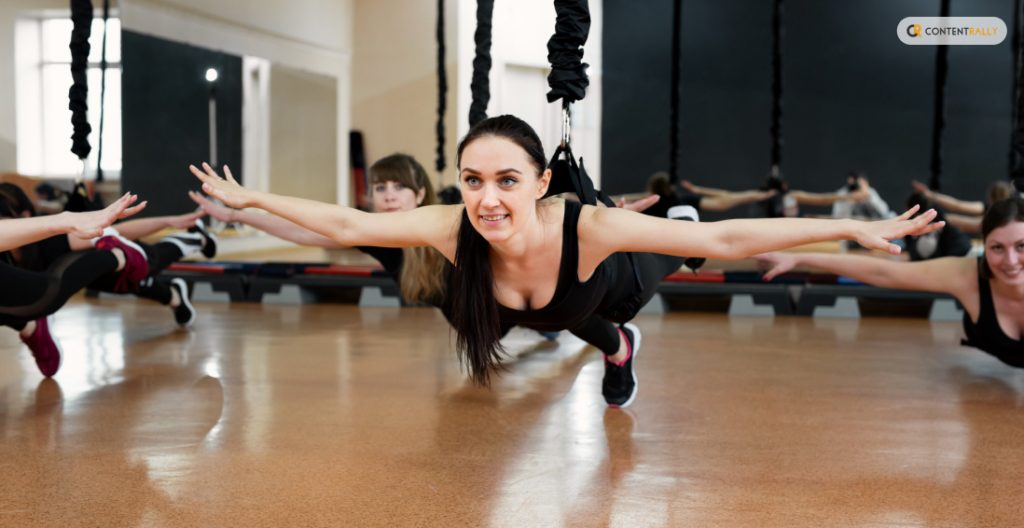
Here are the major equipment you need if you want to start bungee workouts:

  1. Fitting and moisture-wicking athletic clothes. This will help you see how your body moves in front of the mirror in the gym. Also, it will be easier for the instructor to check your form.
  2. Socks and Sneakers/Running Shoes.
  3. A water bottle to hydrate your body while you work out.

Types of Bungee Workouts
Types of Bungee Workouts

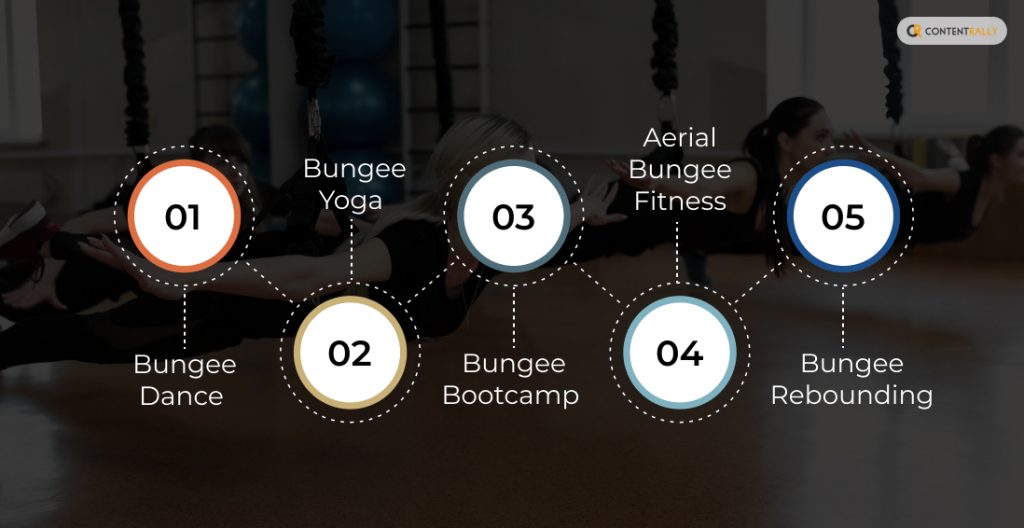
The following are the major types of bungee workout you will have when you join a bungee fitness studio:

Bungee Dance

Here, the trainer combines dance choreography with resistance training with the help of the bungee cord. This helps you to enhance your heart rate, and helps you to tone your muscles, and improve coordination.

Bungee Yoga

It combines traditional yoga with bungee resistance. Here, the cords provide support and resistance for various poses. Thereby it helps improve stability and coordination.

Bungee Bootcamp

This is a high-intensity workout that combines strength training, agility exercises, and cardio with bungee resistance. As a result, you can build muscles, burn fat, and improve your health.

Aerial Bungee Fitness

Here, you perform aerial acrobatics while you hang from your bungee cords. Basically, it helps you with strength, coordination, and flexibility. This helps you improve core strength, generate body awareness, and get more balance.

Bungee Rebounding

This involves bouncing on a small trampoline while you are attached to your bungee cords. It helps you in coordination, balance, and cardiovascular health.

How to Start a Bungee Workout?
How to Start a Bungee Workout_

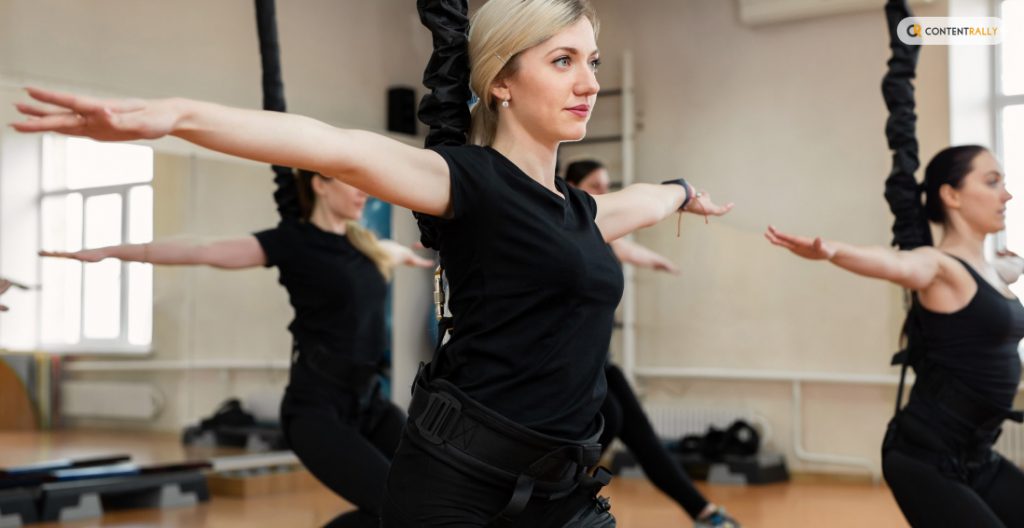
To start a bungee workout, you must join a bungee fitness studio near you. Here, you can consult the trainer regarding how to wear the bungee harness, depending on your comfortability. Moreover, before you start intense exercise with bungee resistance, make sure to perform some stretching exercises without the bungee cord.

Sample Bungee Workout Routine

Here is a sample bungee workout routine:

  1. Bungee Lunges: 20 lunge reps in each leg of 3 sets.
  2. Squats: 25 reps of corded squats of 4 sets.
  3. Jumping: 30 reps Jumping of 3 sets

Safety Tips and Precautions
Safety Tips and Precautions

Before you start a bungee workout, here are some safety tips and precautions you must consider:

  • Always were fitting and moisture-wicking athletic clothes. Moreover, always wear socks and sneakers.
  • Listen carefully to your instructor.
  • Do not perform bungee workouts if you are injured or pregnant.
  • Do not eat before a workout (at least for 1.5 hours prior).
  • Before attaching yourself to a bungee cord, check the weight adjustments.

Start Bungee Workout Now

Now you know the basic details of a bungee workout and its benefits. However, before you join a bungee fitness studio and you are injured, consider consulting with a healthcare professional. Moreover, always discuss every detail of the training with your trainer, and do not try anything new without your trainer’s permission.

Do you have more information to add regarding bungee workouts? Please share them in the comments section below.
A passionate writer and an avid reader, Soumava is academically inclined and loves writing on topics requiring deep research. Having 3+ years of experience, Soumava also loves writing blogs in other domains, including digital marketing, business, technology, travel, and sports.

View all posts

Leave a Reply

Your email address will not be published. Required fields are marked *

Related

Best Vitamin To Take For Dry EyesBest Vitamin To Take For Dry Eyes

What Is The Best Vitamin To Take For Dry Eyes?

If you suffer from dry eyes, it's important to make sure your diet is providing your body with the nutrients it needs. Your optometrist can help you with dietary changes to support your eye health and decrease symptoms. Certain vitamins and nutrients can improve your tear quality and reduce dry eye symptoms. Some of these include Vitamin A, Vitamin C, and Omega-3 fatty acids. Vitamin A Vitamin A is a fat-soluble compound that aids in the growth of cells and tissues throughout the body, including those of the eye. It's found in a variety of foods, including carrots, spinach, and apricots. The body can convert carotenoids to retinol, the active form of vitamin A. This happens as the body needs it, and it's possible to get this vitamin from food sources or supplements. A deficiency of this vitamin is associated with poor tear quality and tear film dysfunction, which may lead to dry eye symptoms. The best way to ensure you have enough of this essential nutrient is by eating a balanced diet rich in foods that contain vitamin A, such as carrots and other orange-yellow vegetables. Another important nutrient that may help with dry eyes is Vitamin D, which decreases inflammation and improves the lubrication ability of the tear film. Some sources of this nutrient include eggs, fish, and fortified cereals. Finally, Omega-3 fats have been shown to reduce inflammation, which may be helpful for reducing irritation and dry eye symptoms like pain and itching. They also increase the amount of oil in your eyelids, which affects how quickly tears evaporate. Whether you need to add more nutrition to your diet or want to take vitamins to help treat your dry eyes, it's important to speak with your eye doctor before you start any new treatment plan. With proper care, you can maintain healthy vision and minimize your dry eye symptoms for good. Fish Oil Fish oil is considered one of the best vitamins to take for dry eyes. It is high in omega-3 fatty acids, which can help reduce inflammation and soothe your eyelids. Omega-3 fatty acids can also stimulate the production of oils in your meibomian glands, which are responsible for producing tears that lubricate the surface of your eyes. It can also help prevent dry eyes from occurring in the first place. Fatty fish, including herring, halibut, salmon, and tuna are excellent sources of omega-3 fatty acids. They can be a great addition to a healthy diet to relieve dry eyes and other symptoms associated with dry eyes such as watery eyes, itchy, irritated eyes, and burning sensations. It can also help to improve your vitamin D level, which is crucial for your eye health. Studies suggest that a deficiency of Vitamin D may be linked to dry eye syndrome, so adding it through diet or supplements is helpful in reducing symptoms and improving tear quality. This vitamin is important for your retina, where it plays a key role in the health of your vision. It’s also a key antioxidant that protects your eyes from the sun. You can also get Vitamin A from foods like carrots, spinach, and tomatoes. Taking vitamin A supplements may be beneficial for some individuals who are deficient in this nutrient. This vitamin is a powerful antioxidant that can also reduce the risk of developing eye diseases and infections. Vitamin C Vitamin C, also known as ascorbic acid, is a water-soluble vitamin that’s needed to help your body fight infection, heal wounds and keep tissues healthy. It’s available in fruits and vegetables, such as citrus fruit, strawberries, cantaloupe, green peppers, tomatoes, broccoli, and leafy greens. This vitamin helps lubricate your eyes and prevent dryness. It’s also an antioxidant that helps protect the blood vessels in your eye and prevent cataracts. It’s best absorbed from foods, but it can be injected into the vein (intravenous) if necessary. Higher doses of intravenous vitamin C can be helpful in treating certain medical conditions, such as cancer. But it can also cause negative side effects if it’s taken in too much, so talk to your doctor before you take any supplements. Omega-3 fatty acids, which are found in fish oil, can reduce inflammation and improve the quality of your tears. They also promote the production of oils in your meibomian glands, which are responsible for keeping your tears moist and preventing them from evaporating too quickly. These nutrients are found in eggs, fish, dark leafy greens, and other food sources. You can also get them from multivitamins and other supplement products. It’s important to make sure you get enough of all the vitamins and minerals you need through a balanced diet. However, if you’re unable to achieve your recommended daily intake, supplements can be helpful to ease the symptoms of dry eyes. Read Also: How To Care For Your Eye In 5 Medically Proven Ways Omega-3 Fatty Acids Omega-3 fatty acids are essential nutrients that are found in foods like fish and seafood, eggs, and dark leafy vegetables. They are also available in supplements, but the body can't produce them on its own, so a healthy diet is the best way to get them. One study shows that consuming omega-3 fats from fish can lower your risk of dry eye. In fact, researchers found that women who consumed the most omega-3s had a 17% lower risk of developing dry eyes. Aside from reducing inflammation, omega-3s may also help your eye make more natural tears. This is because they improve the quality and quantity of the tear film. However, if you are looking to supplement with omega-3s, it is important to choose supplements that contain EPA and DHA (docosahexaenoic acid) rather than ALA (alpha-linolenic acid). Although flaxseed oil contains ALA, it doesn't have the same effect on your eyes as EPA or DHA do. Several studies show that supplements can help improve dry eyes, but it's important to talk to your doctor before you take them. They will be able to recommend the best supplements for you. And they will know how much you should take to benefit your eyes and overall health. Vitamin D Adding the right vitamins and nutrients to your diet can help improve the health of your eyes, including those suffering from dry eye syndrome. It can also reduce itchiness, burning, and irritation. Vitamin D is an important nutrient that can be found naturally in fish, dairy products, and mushrooms. It’s also available as a supplement if you don’t get enough sunlight to reach your optimal level, which is usually 600 IU or more per day. It’s particularly important for people with darker skin pigmentation, as they produce less vitamin D through exposure to the sun than those with light-colored skin. This means that even if you’re getting plenty of sunshine, you may not be able to get the level of vitamin D your body needs to keep your eyes healthy. Another way to ensure that your eyes are receiving the nutrients they need is to add zinc to your diet. Zinc is a mineral that helps the liver deliver vitamin A to the retina to produce melanin, a pigment that protects your eyes. While some studies have shown that taking supplements can help ease symptoms of dry eye, be aware that excessive intake can lead to side effects and toxicity. It’s always advisable to speak with an optometrist or a pharmacist to make sure that any supplements you are considering are safe for you and your unique health situation. Lutein & Zeaxanthin Lutein and zeaxanthin are two antioxidants that have been shown to protect your eyes from dry eye syndrome, macular degeneration, and cataracts. They can be found in a wide range of foods, including leafy greens like spinach and kale. They can also be taken as dietary supplements. These antioxidants help your eyes by reducing oxidative stress and free radical damage. They also help protect your eyes from light glare and UV rays. They can also slow down macular degeneration, a disease that affects your central vision. It happens when blood vessels in the macula leak fluid. It is a leading cause of blindness in older people. The best way to get these important vitamins into your body is to eat a balanced diet rich in fruits and vegetables. It is also a good idea to increase your intake of omega-3 fatty acids, which can improve the quality of your tears and reduce inflammation in your eyes. Zinc is another nutrient that can help your eyes stay healthy. This mineral is needed to transport vitamin A from your liver to your retina and to produce melanin, which helps protect your eyes from infection and injury. It is found in a wide variety of foods, including dairy, nuts, legumes, and whole grains. Lutein and zeaxanthin can also be taken as dietary supplements, but you should always speak with your doctor before taking any new vitamins or supplements to ensure they are safe for you.

READ MOREDetails
Senior Friendly Exercise Routines

Senior-Friendly Exercise Routines: Enhancing Quality Of Life Guide

Aging is a natural part of life, and staying active is essential for seniors to maintain a high quality of life. Many older adults face challenges when it comes to exercising, from chronic health conditions to a lack of knowledge on where to start. We understand the unique needs, focusing on exercises that improve balance while minimizing the risk of injury. Whether you're a senior looking to stay fit or a caregiver seeking valuable insights, this comprehensive guide is for you. This comprehensive guide explores the many benefits of exercise. It also offers guidance on safe and effective workout plans to individuals. This provides tips for making physical activity an enjoyable and sustainable part of your life. Why Exercise Is Essential For Seniors? Regular exercise provides a multitude of physical and mental benefits that enable seniors to stay active and engaged. According to the Centers for Disease Control and Prevention (CDC), it can help reduce the risk of chronic diseases, manage symptoms, and improve quality of life. For example: Improves heart health: The American Heart Association states that staying active can lower blood pressure and cholesterol. This reduces seniors' risk of heart disease by up to 35%. Builds muscle and bone strength: Weight training and resistance exercises build muscle mass, which can prevent injury and reduce age-related muscle loss by up to 3% per year. Boosts mood and cognitive function: Exercising stimulates chemicals in the brain that enhance mood, sleep, and memory, reducing the risk of depression and dementia. Prevents loss of mobility: Strength, balance, and flexibility exercises keep joints supple and reduce seniors' risk of falls and disability by 28%, per JAMA Internal Medicine. Physical activity provides tangible benefits for both physical and mental well-being in aging individuals but also highlights the significance of consulting healthcare professionals, especially those specializing in adult primary care. Yet, to unlock these benefits, seniors must choose activities suited to their needs and abilities. Tailoring Exercise to Senior Abilities  When designing exercise plans for seniors, several important factors are to consider: Health Conditions: Seniors often have chronic conditions like arthritis, osteoporosis, and heart disease. Consult a doctor about safe activities and modifications. Physical Capabilities: Assess factors like bone/joint health, balance, mobility, strength, and endurance. Choose exercises that target any limitations. Interests And Goals: Focus on exercises the senior enjoys. This helps them set realistic health goals like building strength or improving balance. Accessibility: Impact on exercise includes location, financial constraints, and transportation. Find low-cost and convenient options like at-home routines. Getting input from healthcare providers, trainers, and the seniors themselves ensures regimens are safe, effective, and sustainable. Exercise programs, such as the ems suits, should evolve over time to match seniors’ changing capabilities and fitness levels. Best Exercises For Seniors Any physical activity has its benefits. Certain types of exercise lend themselves particularly well to seniors' abilities. Incorporating a mix provides whole-body health improvements. Aerobic Exercise  Engaging in low-impact aerobic activities can help improve cardiovascular health. Options include: Walking: A simple, accessible exercise that improves endurance. Swimming: Helps build strength and cardiovascular fitness without stress on joints. Chair Aerobics: Seated, low-impact movement to upbeat music. Tai Chi: Lowers blood pressure while working with balance and flexibility.  Aim to achieve at least 150 minutes of moderate-intensity aerobic activity per week, such as brisk walking. Strength Training   Working major muscle groups combats age-related loss of muscle mass. Try: Body weight exercises: Squats, planks, and lunges use one's weight as resistance. Resistance bands/tubing: Provides flexible resistance strength training. Weight machines: Begin with low weight and high repetition. Functional fitness: Use daily activities like standing from a chair, and carrying groceries. Aim to have 8-12 strength sessions spread over 2 or more days per week. Flexibility Exercises  Stretching, yoga, and Pilates keep muscles and joints limber. Benefits include: Improved range of motion and posture Reduced risk of injury  Increased balance and stability Aim to stretch major muscle groups 2-3 days per week. Balance Exercises Balance tends to decline with age, leading to falls. Specific activities to improve balance include: Tai Chi Standing heel/toe raises Walking heel-to-toe in a straight line Standing on one foot To improve balance, perform balance exercises at least 3 days per week, with each session lasting at least 15 minutes. Creating an Effective Senior Exercise Routine When designing a holistic fitness regimen, keep the FITT principle in mind: Frequency: Aim for at least 150 minutes per week of moderate exercise. Include at least 2 days of strength training. Intensity: Moderate intensity is the safest and most effective for seniors. Use the “talk test” to avoid overexertion.  Time: Start with 5-10 minute sessions and work up to 30 minute workouts. Type: Combine aerobic, strength, balance, and flexibility training for fitness.  Other tips for creating an effective senior exercise routine: Get guidance from a physical therapist or certified trainer. Focus on proper form and technique over speed. Warm up and cool down before and after exercising. Include rest days for recovery and to prevent overtraining. Track progress through activity journals or fitness trackers. Stay hydrated and listen to your body's limits. Tailor exercise routines to individual fitness levels, goals, and medical needs. The key is starting slow and building up over time. Patience and consistency are vital. Exercise Safety Tips for Seniors  While physical activity is beneficial for older adults, follow these precautions to prevent risk: Consult your doctor, especially if you have chronic health conditions. Warm up with 5-10 minutes of light activity to prepare muscles and joints. Use proper form to avoid straining muscles or joints. Start to work with a trainer. Increase intensity over weeks and months to avoid overexertion. Listen to warning signs like chest pain, dizziness, or shortness of breath and stop activity if they occur. Wear supportive footwear with good traction to prevent falls. Stay hydrated and avoid exercise during extreme heat. Cool down with gentler activity after workouts to ease muscles. Seniors should seek immediate medical attention if they experience symptoms like chest tightness or severe pain during or after exercising. Starting slow and maintaining safe habits are key. Making Exercise a Lifelong Habit To sustain motivation and make working out a regular lifelong habit, seniors can: Join community fitness classes designed for older adults to meet peers and enjoy group energy. Find an exercise buddy for mutual support and accountability. Incorporate activity into daily routines like housework or gardening. Track progress with a journal, app, or wearable device to stay motivated. Focus on enjoyment first by choosing activities you find fun and energizing. Listen to your body and be flexible about modifying plans when needed. Reward small wins and don't dwell on temporary setbacks. Progress takes patience. Staying active provides lifelong benefits for seniors' health, independence, and enjoyment of life. Following the guidance in this ultimate guide can help older adults start and sustain customized exercise routines tailored to their unique needs and abilities. The key is taking the first step! FAQs:- 1. How can seniors exercise if they have chronic pain or mobility issues? Ans: Consult a physical therapist to design a program suited to your health conditions. Low-impact activities like water aerobics, chair yoga, walking, or Tai Chi. This can help improve strength and mobility without aggravating pain. 2. What home exercises should seniors do if they can't get to a gym?  Ans: Simple strength exercises like squats or planks using your body weight are very effective. For staying active, consider chair aerobics, stretching routines, jogging in place, or engaging in activities like gardening and household chores. These can be effective ways to incorporate movement into your routine. 3. How long does it take to see the benefits of a senior exercise routine? Ans: While some benefits, like better sleep or mood, can occur immediately. Research shows it takes about 6-8 weeks to begin noticing significant improvements in strength, balance, and cardiovascular health. Stick with the regimen to unlock the full benefits. Conclusion: And there you have it – a comprehensive guide to senior-friendly exercise routines, your ultimate key to unlocking a healthier and more vibrant life. Staying active isn't just a phase – it's a lifelong habit. Join community classes, find an exercise buddy, and make it a part of your daily routine. Listen to your body, enjoy the journey, and celebrate small victories. Remember, this guide is your companion on the path to a healthier and more vibrant you. Take that first step, stay consistent, and relish the lifelong benefits that exercise brings. Here's to a future filled with strength, balance, and joy! Additional Reading: Postpartum Exercise: What You Must Know What are Popular Mind and Body Exercises Available at a Gym? Discover The Transformative Power Of Treadmill Ownership: Beyond Exercise

READ MOREDetails
Hemp Oils

5 Important Things You Did Not Know About Hemp Oils

Are you someone who is investigating the potential benefits of hemp oil and do not know where to start? Do you know Hemp Oil is different from CBD Oil, which can also be extracted from the Marijuana plant and has THC content? Have you looked at some products made from Hemp Oil, which can help you with inducing natural sleep, joints pain, etc.? In the past few years, a number of leading research articles and studies have been published in reputed science journals on the benefits of Hemp Oil. Just to be clear, Hemp Oil is made from the Hemp plant. Unlike CBD Oils, which can be made from the marijuana plant and have a high THC Content (THC is the element, which makes one feel high). In other words, CBD oil can be extracted from both- The Hemp Plant The Marijuana Plant In this article, we are going to look at five important things you did not know about Hemp Oils. We speak to leading brands experimenting and creating products with Hemp oil in Colorado and ask them to shed some light on the matter. List of 5 Important Things you did not know about Hemp Oils 1. Hemp Oils do not have any THC Levels in them- Hemp oils are derived from the Hemp Plant. This is also called CBD Oil. However, a lot of people confuse CBD Oils with being derived from the marijuana plant. The same contains THC levels and is responsible for making someone feel high. Hemp Oil on the other hand does not have any traces of THC in it. In scientific parlance, there are no psychoactive substances in it. 2. Hemp Oils are packed with Nutrients- Scientific studies on Hemp have shown the presence of the following nutrients- Proteins Unsaturated Fatty Acids Omega 3s Omega 6s Insoluble Fibres Vitamin E Antioxidants In other words, they are packed to the rafters with nutrients, minerals, and proteins, which are great for human beings. 3. Scientific studies have proven their efficacy in fighting diseases- A number of leading research firms and pharma companies have published reports to show that using hemp oils has reduced and prevented heart disorders and other cardiovascular illnesses from taking place. They also point out that applying hemp oil to our external skin helps it glow in a natural manner. Studies also show its role in fighting autoimmune illnesses. 4. Great for Women’s Reproductive Health- Women who suffer from PMS, Menopause-related disorders, and hormonal imbalances before, during, and after childbirth can benefit from hemp oils. As it is richly packed with proteins and has been shown to positively react against hormonal imbalance, it is proving to be a boon for women in improving their reproductive health issues. 5. Can be taken by Vegans- As most are aware, seafood is a great and active source of Omega 3s and 6s. However, the same is not possible for vegans and this makes them lose out on the multiple benefits of Omega. Hemp oil has rich elements of Omega 3s and 6s and can be taken by vegans without any issues whatsoever. They do not have to worry about it being an animal-derived supplement. Is it Legal to use Hemp Oil and Products? Many of you reading the article might be wondering about the legal status of Hemp Oil in different parts of the world. To be honest, lawmakers are still trying to figure out the actual details. However, most importantly, what you should know is that the legality concerns THC levels. If a CBD or Hemp-based product contains 0.3% or lower THC content, it is absolutely legal to use. However, if the percentage of THC in the product increases beyond the permissible 0.3% then it falls under the psychotropic substances list. Read Also: When is it Time to Start Considering CBD Use The Nutritional Value of Hemp Oil for Pets CBD for Pets, Anxiety and Pain Management

READ MOREDetails