









An Ultimate Wall Pilates Free Workout Plan for Beginners

inner-img

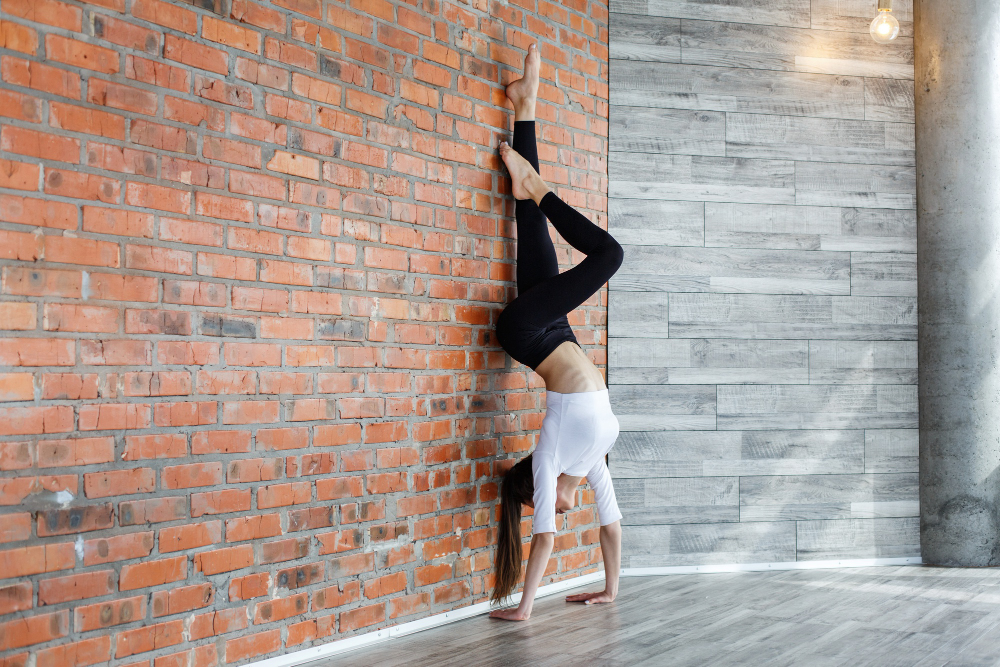
To start your Pilates workout, all you need is a wall. With wall Pilates free workout, you can blend traditional Pilates with home exercise. This workout can be helpful for you whether you are a beginner in Pilates or have been practicing Pilates for a few years. Consider starting out with wall Pilates if you want to transform your fitness journey.

In this article, you will get a Wall Pilates workout plan. Apart from that, you will also get a general overview of what a wall Pilates exercise is as well as its benefits. Moreover, this article will also set a Wall Pilates free workout plan. Finally, you will also get essential tips to perform this exercise. Hence, to learn more, read on to the end of the article.

What is Wall Pilates?
What is Wall Pilates_

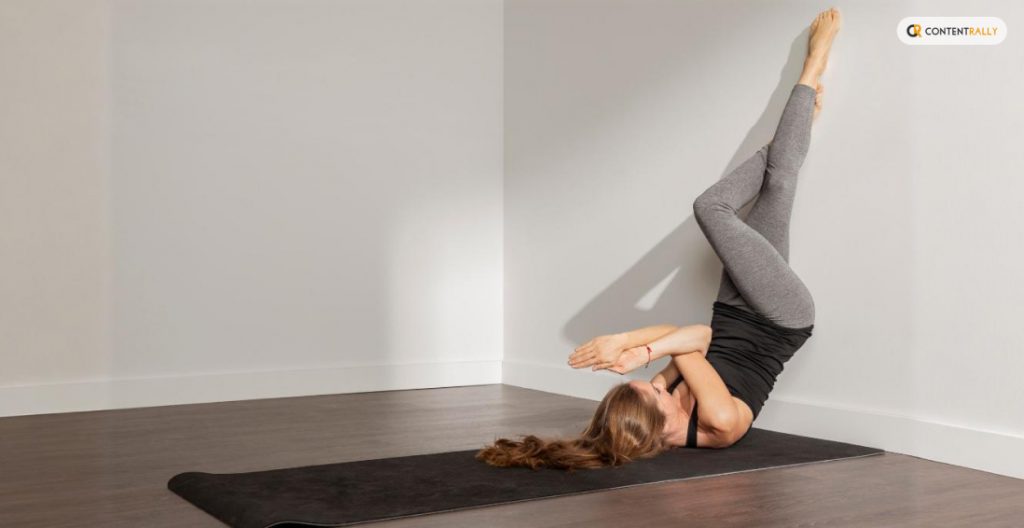
Wall Pilates is a form of Pilates training. It is a low-impact exercise where you have to use a wall for support and resistance. Basically, the wall provides support for your back, shoulder, and hips. Hence, you can use it as a resistance to perform exercise.

Generally, when you perform traditional Pilates, you have to exercise on a mat or a reformer machine. Here, you use your body weight or the machine for resistance. However, with wall Pilates, you press your body and its parts against a wall. You make movements by exerting force on the wall and by using it as a support.

Actually, in this exercise, you have to do the same repetitive movements that you practice during a mat. Some examples of wall Pilates are single-leg stretch, criss-cross, the hundred, etc.

Benefits of Wall Pilates Free Hand Exercises
Benefits of Wall Pilates Free Hand Exercises

The following are some of the major benefits of Wall Pilates that you must:

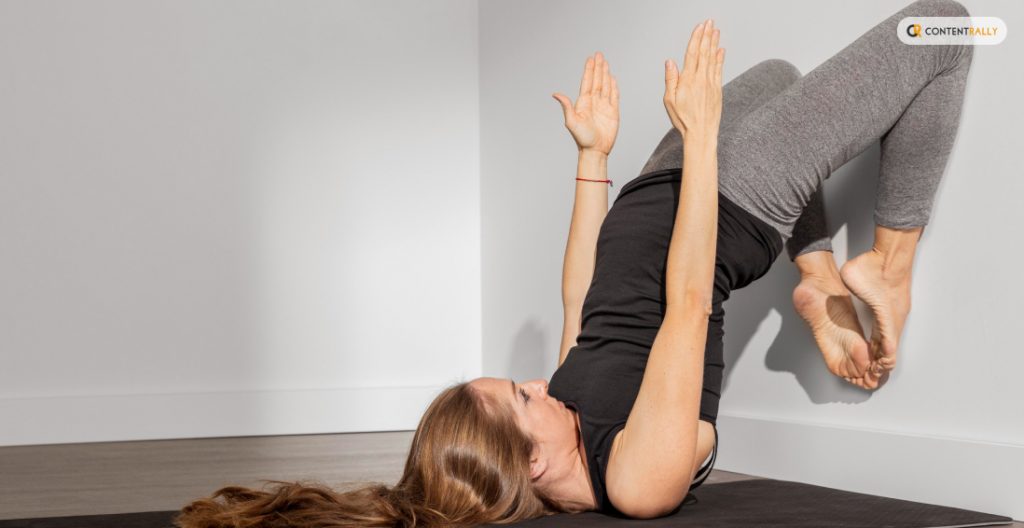
  • By performing wall Pilates daily, you can strengthen your core muscles. As a result, this will help you prevent injuries and maintain a good posture.
  • With time, you will improve your flexibility with wall Pilates. Additionally, it also helps you to improve your coordination and balance.
  • As you are using a wall for your support, the stable surface can help you maintain the right form. Thereby, with time, you will get a better spinal alignment, which will ensure a lower risk of injury.
  • With wall Pilates, you engage your full body for the exercise. This way, you can target all muscle areas of the body.
  • Moreover, Wall Pilates free hand exercises are also effective in reducing blood pressure. Hence, if you do it regularly, you lower your risk of heart attacks and strokes.
  • Wall Pilates also involves mindful movement, which can help you work on your mental health.
  • People of all ages and fitness levels can perform wall pilates. This is because it is a low-impact exercise.

Apart from all these benefits, one of the biggest factors to consider Wall Pilates is that it is a budget-friendly exercise. All you require here is a wall.

Who is Wall Pilates Good for?
Who is Wall Pilates Good for_

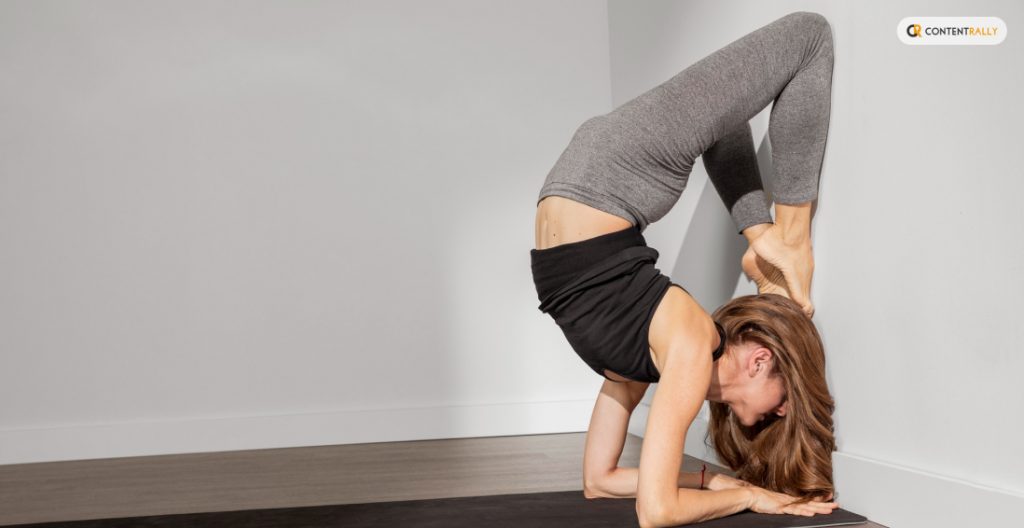
Since Wall Pilates is a low-impact exercise, it will not be physically demanding and exhausting. Hence, this form of exercise is good for people of all ages and fitness levels. Moreover, this exercise is also good for pregnant and injured people. Furthermore, if you are someone who finds it difficult to lie on your back, you can even do Wall Pilates.

Generally, traditional Pilates, like mat or reformer Pilates, are difficult to perform. This is especially true for people who have physiological issues or injuries. Hence, if you want to perform a light exercise to stay fit, Wall Pilates is one of the best options to consider.

15-Minute Wall Pilates Free Hand Workout
15-Minute Wall Pilates Free Hand Workout

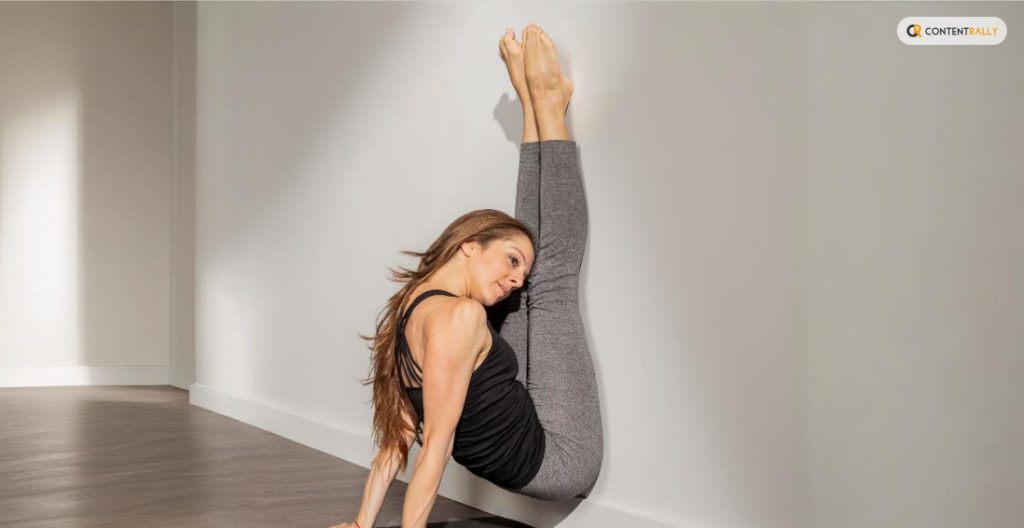
To start a Wall Pilates workout, you need an open wall and a yoga mat. Here are the steps you must follow to perform your Wall Pilates workout:

  1. Start your warmup with a Cat-Cow pose and Thread-the-Needle stretch. Warm up for 2-3 minutes.
  2. Once you complete your warmup, start your wall Pilates exercise. Here, make sure to have consistency with the reps for each move. Once you complete the five Pilates exercises, repeat the circuit twice more.

The next section consists of 5 back-to-back exercises that you must perform in each circuit.

5 Wall Pilates Free Hand Exercises
5 Wall Pilates Free Hand Exercises

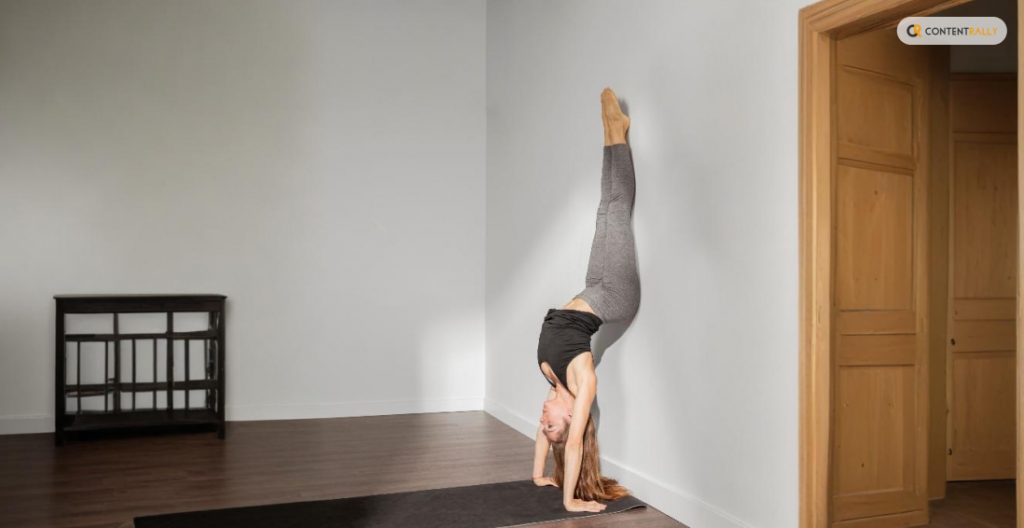
Here are the Wall Pilates exercises you must perform to complete each circuit:

1. Single-Leg Knee Crunch

The following are the steps to follow if you want to perform a single-leg knee crunch:

  1. Sit one foot away from the wall. Then, lie down on your back. After that, place your feet on the wall so that your legs look like a tabletop, horizontally.
  2. Stretch your left leg diagonally so that your toes are just touching the wall. Then, extend your arms over your head. Meanwhile, be sure to press your lower back into the floor. This way, you can engage your core.
  3. Pull your left knee toward your chest and curl your shoulders, hands, and your head towards your core. Then, slowly, go back to the initial position.
  4. Repeat these fifteen times to complete one set.

2. Wall Bridge and Calf Raise

The following are the steps to follow if you want to perform the wall bridge and calf raise exercise:

  1. Sit one foot away from the wall. Then, lie down on your back. After that, place your feet on the wall so that your legs look like a tabletop, horizontally.
  2. Press your feet on the wall. This way, you can engage your glutes and your hamstring. Then, lift your hips off the floor. However, do not arch your back in the process.
  3. Moreover, when your body makes a straight line from the knees to the shoulder, lift your heels for a calf raise. This will balance out the movement. Then, return to the starting position to complete one rep.
  4. Repeat these fifteen times to complete one set.

3. Reach Backs

The following are the steps to follow if you want to perform reach-backs:

  1. Start with a high plank by pressing your feet on the edge of the wall. Here, ensure to keep your feet apart by shoulder-width. Also, be sure to place your shoulders directly over your wrists. Moreover, your body must be in a straight line from your heels to your shoulder. Use it as your starting position.
  2. Then, lift your hips up. When you are lifting up, touch your left foot with your right hand. Then, come back to the starting position. Do the same with your left hand by touching your right foot. Again, come back to the starting position.
  3. Make sure to repeat this 10 times for one set.

4. Marching Bridge

The following are the steps to follow if you want to perform a marching bridge:

  1. Sit one foot away from the wall. Then, lie down on your back. After that, place your feet on the wall so that your legs look like a tabletop, horizontally.
  2. Then, press your feet to lift your hips off the floor. Here, make sure to form a straight line from your knees to your shoulder. However, make sure not to arch your back. Consider this as your starting position.
  3. Then, lift your left foot and bring your knee toward your chest. Meanwhile, make sure to keep your hips still. Here, maintain the same bend in your knee and stop when your thigh is at a right angle to your torso.
  4. Then, come back to your starting position by reversing the movement. This is one rep.
  5. By performing 10 reps, you complete one set of the marching bridge.

5. Wall Sit and Calf Raise

The following are the steps to follow if you want to perform the wall sit and calf raise exercise:

  1. Become a human chair: Stand with your back against a wall and take your feet about a foot forward. Then, lower your hips down to a position such that your knees are perpendicular to your hips. Also, make sure your ankle is perpendicular to your knees.
  2. Then, extend your arms horizontally so that it is perpendicular to your torso. This is your starting position.
  3. Hold the squat position to raise your arms, and reverse the movement to the starting position. Simultaneously, raise your heels to do a calf raise and reverse the movement. This is one rep.
  4. Perform 12 reps to complete one set of Wall Sit and Calf Raise.

Tips for Effective Wall Pilates Practice

Here are some useful tips if you want to perform Wall Pilates free hand exercises effectively:

  • Don’t over-exert yourself with your exercises. Basically, start with simple exercises and gradually increase your intensity.
  • Make sure to breathe steadily and have control of your breathing.
  • Use good-quality mats to support your back and hips.
  • There is no substitute for a professional instructor. Hence, consult with an instructor to perform your exercises correctly.

Do you have more suggestions on how to perform Wall Pilates free hand exercises? Please share your experiences and opinions in the comments section below.

Read Also:

A passionate writer and an avid reader, Soumava is academically inclined and loves writing on topics requiring deep research. Having 3+ years of experience, Soumava also loves writing blogs in other domains, including digital marketing, business, technology, travel, and sports.

View all posts

Leave a Reply

Your email address will not be published. Required fields are marked *

Related

Dangers Of DIY Pest Control

10 Hidden Dangers Of DIY Pest Control

In the never-ending battle against household pests, many homeowners are tempted by the allure of do-it-yourself (DIY) pest control methods. At first glance, these DIY solutions seem to offer a quick, easy, and economical way to manage pest problems. However, this surface-level appeal masks a variety of hidden dangers. Beyond the immediate risks associated with mishandling chemicals or traps, there are significant long-term implications to consider. Ineffective pest management can lead to recurring infestations, structural damages, and even health hazards. Professional preventive pest control is a crucial strategy for keeping our homes safe and pest-free, so if you’re considering taking matters into your own hands instead of trusting in the professionals, you must understand the risks and limitations of DIY approaches. This article will explore the ten hidden dangers of DIY pest control, highlighting why professional intervention is often safer and more practical. Misidentification Of Pests One of the most common and critical errors in DIY pest control is the misidentification of pest species. This mistake can lead to the application of ineffective treatments, wasting time and resources. For example, what eliminates an ant infestation might have no impact on termites. Misidentification also means missing out on crucial knowledge about the pest's lifecycle, behavior, and habitat, which is essential for adequate control. Moreover, using the wrong treatment can exacerbate the problem by allowing the pest population to grow unchecked, leading to a more severe infestation than was initially present. Improper Use Of Chemicals The dangers of improper chemical use in DIY pest control cannot be overstated. These chemicals can pose severe health risks, including respiratory problems, skin irritation, and potentially long-term health consequences if not handled correctly. Over-application or incorrect usage can lead to environmental contamination, affecting non-target wildlife and potentially polluting water sources. The lack of professional training in handling these substances can lead to accidents that could have been avoided with expert help. Risk Of Incomplete Eradication DIY pest control methods often result in incomplete eradication of the pest population. Without thorough elimination, surviving pests continue to breed, resulting in the infestation's resurgence. Incomplete treatment fails to address the root cause of the problem, whether it be entry points, food sources, or breeding grounds, resulting in a recurring cycle of infestation and treatment. This prolongs the problem and can lead to increased pest resistance over time, making future eradication efforts more challenging. Potential Structural Damage Certain pests, such as termites and carpenter ants, pose a significant threat to the structural integrity of homes. DIY methods may fail to fully eradicate these pests, leading to unseen damage that can compromise the stability and safety of a building. This oversight can result in costly repairs and long-term structural issues, far exceeding the costs of professional pest control services. The hidden nature of this damage often means it goes unnoticed until it becomes a major, costly problem. Safety Hazards The safety risks associated with DIY pest control are diverse and significant. Handling pesticides and other chemicals without proper knowledge or protective gear can lead to accidental exposure, posing severe health risks. Additionally, specific pest control methods, such as foggers or heat treatments, carry risks of fire or explosions if not handled correctly. These hazards include the individual performing the treatment, other residents, and neighboring properties. Legal And Regulatory Issues Pesticide use is regulated by laws that DIY practitioners might unknowingly violate. Non-compliance with these regulations can lead to legal troubles, including fines and penalties. Additionally, DIY pest control efforts can inadvertently affect neighboring properties, potentially leading to disputes or legal complications, significantly if harmful chemicals are misused or applied in a manner that violates local regulations. Ignorance Of Integrated Pest Management Integrated Pest Management (IPM) is a comprehensive approach to professional use that focuses on long-term prevention and minimal chemical usage. DIY methods often overlook this holistic approach, favoring immediate but short-term solutions. IPM considers the bigger ecological picture and long-term pest prevention, which DIY efforts often miss. This ignorance can lead to repeated infestations and an overreliance on chemical treatments rather than addressing underlying causes and sustainable solutions. Overreliance On Single Methods DIY pest control often relies on a single method or product, which may not be effective for all types of pests or infestations. Professional pest control, however, typically involves a combination of methods tailored to the specific pest and situation. This multifaceted approach ensures a higher success rate and more comprehensive control of the pest problem. DIY solutions, by contrast, might offer a temporary fix but fail to address the infestation in its entirety. The Stress And Time Factor Dealing with pests can be a stressful and time-consuming endeavor, especially when DIY methods fail to resolve the problem effectively. The emotional toll of facing a persistent pest problem and the effort and time required to apply DIY treatments can be overwhelming for homeowners. This stress is compounded by the uncertainty of the effectiveness of these treatments and the constant vigilance required to monitor their success. Potential For Worsening The Problem Incorrect or inadequate DIY pest control treatments can cause pests to scatter and spread, potentially worsening the infestation. In addition, pests can develop resistance to chemicals, particularly when misused or in sub-lethal doses. This resistance can make future control efforts more complex and less effective, leading to an ongoing battle against an increasingly resilient pest population. Conclusion While appealing for its perceived immediacy and cost savings, DIY pest control carries significant and multifaceted hidden dangers. From health risks to potential structural damage, legal issues, and the psychological burden of dealing with persistent pests, the complications associated with DIY methods can far outweigh their initial appeal. When considering pest control options, weigh these risks against professional pest control services' expertise, safety, and long-term effectiveness. In the realm of pest management, informed, cautious, and professional intervention is often the key to ensuring a safe, effective, and lasting solution. Read Also :  What You Should Expect From A Pest Control Visit 5 Summer Garden Maintenance Tips And Tactics You Have To Know

READ MOREDetails
Treatment Options for Cocaine Addiction

Available Treatment Options for Cocaine Addiction

Cocaine in itself is a dangerous drug if taken for a long time, it becomes more dreadful when the drug dealers mixed it with other opioids to enhance its effects. If you don’t know about such illegal mixing, the overdose of the drug may be fatal, which is becoming common nowadays. It’s a common belief that it’s hard to combat cocaine addiction as compared to the other drug addiction that is not true in all cases. Still, the research studies are undergoing to find out the best and authentic treatment for cocaine addiction, as there are no registered medications by the FDA to treat such kind of addiction, but there are other therapies available like behavioral therapy, group counseling, etc. special treatments are still underway for the cocaine addiction due to the availability of the limited resources. Outpatient Treatment Facility The outpatient treatment setting is arranged for those cocaine abusers who cannot stay in the rehab center. While they are allowed to stay at home or in a community area during the period of their treatment, where they have scheduled visits to a rehab facility for treatment like individual or group therapies. The treatment varies from person to person, so you may require to visit the center once or twice a week for around six hours in one sitting. The duration of outpatient treatment may last from weeks to even months with gradual recovery progress. Inpatient Treatment Facility The inpatient facilities are not equivalent to the hospital but basic addiction recovery treatments are available there. Infinite Detox Austin provides settings that offer pharmacological treatment, mental and social support, occupational support, etc. this type of recovery program mostly lasts for about six months. For simple cocaine abusers, detoxification and other short-term treatments are enough, but for chronic cocaine addiction along with comorbidities inpatient rehab centers are preferable. This kind of individual-based one-to-one therapeutic program is helpful for you to regain the body equilibrium before going back to the hometown. Recognized Treatment or Therapy Methodologies 1. Contingency Management This approach is related to the management of high-risk situations and can be used in several types of treatment settings. During this therapy, individuals are rewarded for not using the drug. This is used to formulate the ability of each patient to deal with the drug cravings and the root cause behind them. This treatment is found to be a realistic and auspicious one. 2. Cognitive-behavioral Therapy This therapy approaches change the behavior of the individual towards the use of the drug and force him/her to develop new plans to cope up with the ongoing treatment. This may be done in group settings or on an individual basis at both inpatient and outpatient recovery programs. This approach may include gaining knowledge about new methods to handle the drug cravings, suicidal thoughts, and lethal withdrawal symptoms, which may lead you towards relapse. 3. Matrix Model This model is based on the principle of self-discipline, which involves features of many other treatment approaches, such as cognitive-behavioral therapy, contingency management, and 12-step programs, etc. This model includes emotional support, personal counseling sessions, and family education. It is seen as a proven treatment of addiction so it gets a lot of attention in society. 4. Medication-assisted Treatment (MAT) Pharmacological therapy is used to provide you with the prescribed medications to combat drug usage. This method is still under consideration especially in the case of opioid addiction as the trials for cocaine abuse have not all been steadily efficacious and have not been extensively studied. However, if effective medications are developed for long-term use then MAT would become the most demanding and essential treatment option. Read Also: Are You Sick and Tired of Drugs? 4 Tips to Find an Effective Drug Therapy Cannabis can Help in the Fight Against Drug Addiction Four Effective Things To Recover From Heroin & Drug Addiction Treatment

READ MOREDetails
Health Benefits Of Drinking Beer

Top Health Benefits Of Drinking Beer According To Experts

The preferred alcoholic beverage for millions over the world has strong health benefits. Yes, you read that right. As compared to other forms of alcoholic beverages, beer is healthier, has a positive impact on your body, and allows you to keep critical illnesses at bay. For a very long time, scientific studies and health studies have shown how beer drinkers tend to live longer, have better cognitive abilities, and lowers stress. While a lot of reports state that wine has several anti-oxidants, the same can be said for beer as well. Its core ingredients are hops and barley, both of which are known for their anti-oxidant properties. In the following section, we take help from experts at Melvin Brewing to try and understand how beneficial beer is for your health. Beer has a Positive Impact on the Mental Health of an Individual: The natural properties of beer allow it to be a great agent for helping improve the mood. In other words, it helps majorly in lowering stress levels, reduces anxiety, and prevents people from getting into depression. The same cannot be said about harder alcoholic beverages like whiskey, vodka, rum, or gin. It should be pointed out that the above observation has been pointed out in the case of moderate drinkers. Heavy drinking is likely to reverse this and add to additional stresses and pressures. However, if you are drinking socially, with friends or colleagues once or twice a week in moderation, you can experience lesser fatigue levels and a more productive brain. Beer is Great for your Kidney and Helps Lowers Cholesterol: Studies have shown how drinking beer prevents the risks of kidney stones. Experts have pointed out that beer has a natural filtration process when it goes inside the body. This helps it remove any internal impurities and allows the same to be excreted out of the body through urine. As we have already mentioned, beer contains natural fibers like hops and barley. These fibers play a positive role in the reduction of LDL or bad levels of cholesterol. Fibre has been known to have several positive effects on the human body. It helps with maintaining blood sugar levels and controls cholesterol levels within the body. However, heavy drinking is likely to have the reverse effects as it reduces the body’s power to naturally absorb minerals and vitamins that come from dietary sources. Does Beer Help Improve Memory Focus and Brain Functions? According to the American Journal of Epidemiology, moderate drinking of beer promotes cognitive abilities. Why? Because hops, the major ingredient in beer has a property called ‘Xanthohumol’. This chemical is a proven agent that prevents brain and memory degradation. Similarly, historically, advanced civilization has attributed drinking to improving brain focus, attention, output, and productivity. Beer has selectively been seen to boost the retention power of the brain in many research subjects. Again, it should be pointed out that we are talking about drinking in moderate doses and not heavy ones. The positive effects can only be experienced if the individuals are drinking beer in moderate doses of one or two glasses per week. The Final Word: You would be surprised as we were when we first came across the positive health benefits of beer drinking. We tried to dig deeper and found that medical experts did not want to publicize the same for fear that this would act as a license to give drinkers the right to drink more. To conclude, beer has several positives, but only when it is consumed at moderate levels. If you are looking to add to the list of benefits, might we suggest you use the comments section and add to the list of health benefits of drinking beer? Read Also: 7 Modern Day Beer Drinking Etiquettes You Should Know How to Choose the Right Wine: Sommelier Tips Alcohol Abuse and Alcoholism: Signs, Symptoms and Who Is At Risk?

READ MOREDetails