













Carbon Steel vs Stainless Steel: The Difference

Published on: 30 November 2024 Last Updated on: 03 December 2024
Carbon Steel vs Stainless Steel

In terms of selecting the suitable material for use in industry, two of the most commonly selected products are stainless steel sheets versus carbon steel plates.

The large difference between applications and industries has been widely attached to these due to their durability, versatility, and different performance circumstances.

But both differ significantly in properties and cost-effectiveness; Thus, This will help determine the best-suited material according to specific requirements. So, let's have a closer look at carbon steel vs stainless steel.

Stainless Steel

Stainless Steel

Stainless steel has carbon, iron, and a minimum of 10.5% of chromium. Chromium is the actual key that reacts with oxygen to form a passive layer to protect the steel from corrosion. This is what reduces the chance of stainless steel rusting.

This is very important if you are looking for outdoor furnishings, or installed something in a wet environment. The higher the content of chromium, the better the resistance to corrosion.

You have to pay attention to the grade of stainless steel when you are buying any appliance and other costly items. Not all materials are created equally.

Stainless steel that a 10.5% chromium is going to cost less than those that have 16% chromium. Moreover, the difference is reflected in service life and maintenance costs.

Main Features of Stainless Steel Sheets

Stainless steel sheets are known for their corrosion resistance that comes with the chemical composition that contains chromium. This makes them be used in most areas where they are usually soaked with moisture, chemicals, and extreme temperatures.

Furthermore, it has an aesthetically pleasing finish, which explains why extensive usage in buildings, kitchen appliances, and medical equipment has been witnessed.

Some advantages of stainless steel sheets include:

  • Corrosion Resistance: They are even corrosion and oxidation-resistant during these extreme conditions.
  • Low Upkeep: Stainless steel needs little maintenance, saving time and resources.
  • Aesthetic Appeal: The outward finish of the finished products is improved through their aesthetic appeal.
  • Durability: These are very strong and robust, withstanding even high-stress conditions.

To those that produce the highest grade material in the market, these Stainless steel sheet suppliers mainly provide customized products according to a client's needs.

Carbon Steel
Carbon Steel

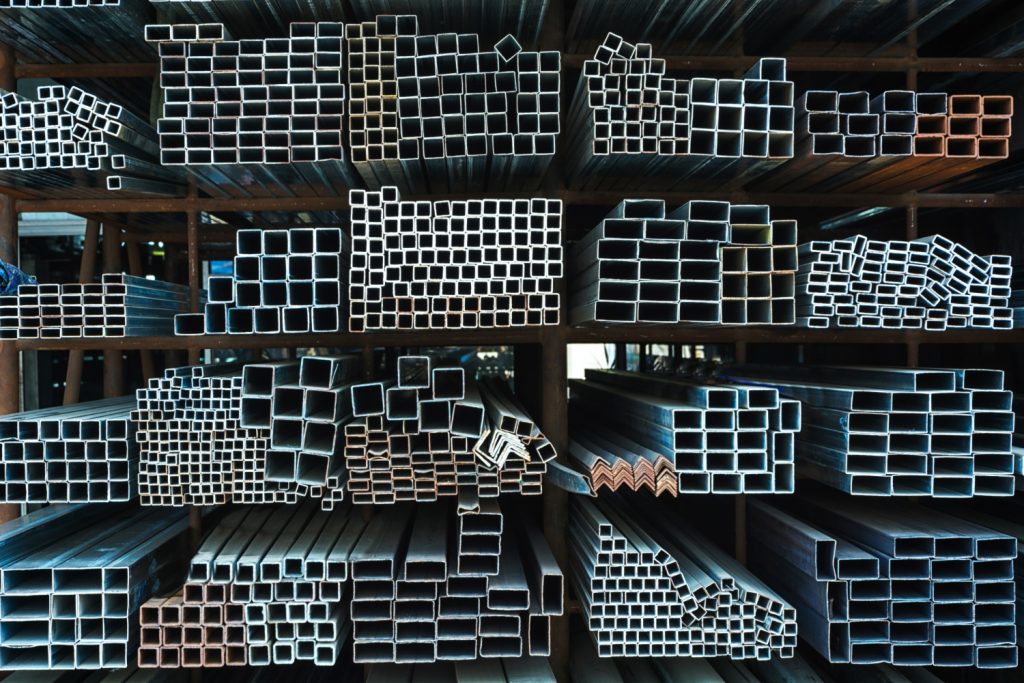
Carbon steel is made from iron and 0.12 to 2.00% carbon. The elaborate definition includes alloy steels, which also have 10.5% of alloy content. even though the percentage of carbon is less than two points, it makes a huge difference in the physical appearance and charecteristics like hardness.

When people discuss carbon steel, they refer to the high quality of quality steel used in tools and knives. Carbon steels that have high quality are quite hard, and that is what makes them good at retaining their shape, and resisting abrasion.

They can tolerate significant force before they get deformed. Hard metals are also brittle when extreme tensile strength is applied. High-carbon steels generally crack and do not bend.

Low carbon steel is more easily available than high carbon as they have a low production cost, the ductility is great, and it is also easy to manufacture. Low-carbon steels get deformed under stress but do not break.

Moreover, it is easy to weld and machine the low-carbon steel because of its ductility. They are mostly used in bolts, seamless tubes, automobile body panels, steel plates, and fixtures.

Characteristics of Carbon Steel Plates

Carbon steel plates, In contrast, are priced based on strength and are quite less expensive. This composition is basically made of iron and carbon with just trace elements of practically all other elements. Carbon steel sheets are, therefore, cheaper compared to stainless steel sheets but much less resistant to corrosion.

Some advantages of carbon steel plates include:

  • High Strength: They can carry heavy loads, making them highly applicable in structural operation.
  • Cost-Effective: It is relatively cheaper than stainless steel.
  • Versatility: commonly used in construction work, manufacturing, and heavy machinery.
  • Elastomer: This may be easily modified through cutting, welding, and other processes.

Generally, Carbon steel plate suppliers serve most industries whenever they require something less costly yet robust.

Carbon Steel vs Stainless Steel: The Difference

Thinking of carbon steel vs stainless steel, but there is no necessary reason to think one is superior to the other. It is all about context.

Every material has its own advantages and disadvantages. The main objective is to match the steel to the requirements. Let’s look at the basic difference at a glance.

Stainless steelHigh carbon steel
Rust resistantVulnerable to rust
Less brittleBrittle
Less water-resistantWater-resistant

Applications And Industry Scenarios

Both materials are indispensable in their respective domains. While stainless steel sheets are preferred for applications requiring aesthetics and corrosion resistance, Carbon steel plates dominate in industries demanding strength and economy.

For instance, stainless steel is widely used in pharmaceutical and food processing because of its hygienic quality. On the other hand, carbon steel plates are widely used as a material in shipbuilding pressure vessels and structural frameworks.

About PipingMaterial.ae

PipingMaterial.ae is a prominent online portal where the buyer can contact the best manufacturers and suppliers of industrial-grade material.

This site has thus facilitated sourcing on a business level with verified suppliers of stainless steel sheets and carbon steel plates to ensure quality and reliability.

Whether there's a demand for stainless steel high-performance or even robust carbon steel solutions, PipingMaterial.ae bridges the industrial needs of customers with the genuine stockiest suppliers.

Conclusion

According to particular needs, stainless steel sheets are to be ordered or carbon steel plates are to be ordered. Stainless steel can be a better option than carbon steel regarding corrosion and aesthetic characteristics.

Conversely, carbon steel offers higher strength beyond the competition at an economic cost. With proper advice from trusted vendors on sites such as PipingMaterial.ae, businesses may make proper choices to maximize performance and minimize cost for their projects.

To conclude in the debate of carbon steel vs stainless steel, context is the main focus. You have to decide which one you want depending on the purpose of your need.

Read Also:

A passionate writer and an avid reader, Soumava is academically inclined and loves writing on topics requiring deep research. Having 3+ years of experience, Soumava also loves writing blogs in other domains, including digital marketing, business, technology, travel, and sports.

View all posts

Leave a Reply

Your email address will not be published. Required fields are marked *

Related

Vermont Mortgage Loan

Things to Know Before Applying for a Vermont Mortgage Loan

First-time homeowners may be intimidated by the process of purchasing a home. It's not always straightforward to keep track of the stages, the individuals involved, and the resources required to become a homeowner. It's a good idea to acquaint yourself with the method before plunging in headlong. Preparing for a Lender and Selecting a Vermont Mortgage Loan As soon as you're ready to buy a home, it's critical to have some basic knowledge to make the process go smoothly. Find a mortgage lender first. Mortgage lenders provide loans. As a mortgage shopper, you have many options. You can go local or online. You can also choose the type of loan you get. Finding the right lender can be difficult if you've never bought a home before. Before looking for a mortgage lender, you should know what type of loan you want. First, decide whether you want an adjustable or fixed-rate mortgage. It would help if you also considered the loan's duration. The term of the loan determines the interest rate. Pay off the loan as quickly as you can. If you know how long you want to pay back your loan, you can find a lender who offers it. Once you know what you want, you can start searching. Pick a Mortgage Option There are generally three sorts of loans available: i. Private vs. Government Loans The great majority of mortgages in the United States are originated by savings organizations, banks, and mortgage lenders. If you make a down payment of less than 20% on the property, the lender is likely to require you to buy mortgage insurance (PMI). This insurance may be paid in full at closing or rolled into the loan. VA loans do not require mortgage insurance, but they are only available to qualified veterans. Mortgage insurance protects the lender to some extent when a borrower defaults on a loan. FHA and VA loans are distinct from conventional loans in that the government does not lend the money directly but rather guarantees (or insures) repayment to the lender in the case of default. Because government loans require a lower down payment and usually have a lower interest rate or points, they provide a variety of significant advantages over conventional loans. Unlike private loans, which are not subject to these limitations, government loans take longer to process, have higher closing costs, and have a lower maximum loan amount. Many government loans also require that the property being bought be in reasonable condition, which precludes the purchase of a "fixer-upper." ii. New vs. Assumable Loans Certain types of loans, such as FHA and VA loans, and some adjustable-rate loans, may be eligible for rollover. This means that a new owner may assume an existing debt under the same terms as the previous one. In some instances, obtaining a loan may save both money and time. Typically, the buyer pays an assumption fee at closing to cover the lender's costs for completing the deal. iii. Variable vs. Fixed Rate Loans Fixed-rate loans come with a fixed interest that lasts for the loan duration. In other words, your monthly payment will remain constant unless escrowed taxes and insurance premiums vary. Interest rates and monthly payments on adjustable-rate mortgages (ARMs) can fluctuate over time. These mortgages typically offer lower interest rates, lower monthly payments, and fewer fees and points than fixed-rate mortgages, making them an attractive option for first-time homebuyers, younger couples whose incomes are expected to grow in the future, and individuals who may lack the necessary funds for a down payment and closing costs. Determine the Lender Type Having a basic understanding of the different types of lenders is helpful when comparing financiers. First, there are mortgage lenders employed by banks or other organizations responsible for setting the loan terms and the repayment schedule and costs. "Direct lenders" are also known as "retail lenders." Instead of going through an intermediary, they directly sell their mortgage products to customers. Loans made by correspondent lenders are originated and funded by them, but they are sold to larger lending institutions as soon as they are completed. As an intermediary between lenders and customers, mortgage brokers act on behalf of their clients. Commissions are not owned by either the borrower or the lender. Loan brokers can tailor lenders and loan programs to your specific needs. You might be able to negotiate lower interest rates and terms with several different lenders with their help. Documents Required for a Vermont Mortgage Loan Keeping track of one's finances is advantageous. To expedite and streamline the pre-approval process, ensure that you have all of your financial information organized. If your documentation is well-organized and readily available to lenders, you'll be able to get a loan more quickly. These are some of the most common documents that most financiers will need: W-2 forms for the previous two (2) tax years A copy of the agreement or contract for the purchase and sale is required. (If you already have a deal in place with the vendors, Pay stubs for the last thirty (30) days. If you only have one, that will suffice for the time being. The most recent 401(k), IRA, or mutual fund transaction is summarized. If you cannot locate these, provide the lender with an estimate of your non-liquid assets, and they will work with that. Photo identification Two of the most recent monthly bank statements in their entirety Provide the last two years of corporate returns, including K1s, if you are self-employed through a corporation. For self-employed borrowers, commission-based salespeople, and landlords, most lenders require federal tax returns for the last two years, including all schedules. The only thing standing between you and your first home might be the Vermont mortgage loan process, which can be overwhelming if you’ve never purchased a house before. It would be best to have reliable and trustworthy guidance to help you navigate the housing market. You want a lending institution, like New England Federal Credit Union, that puts a team to work for you. Be sure you have experienced Vermont mortgage loan experts on your side, from application to closing, for peace of mind and assurance that you’re getting the home you love. Read Also: Things to know before buying a new house Everything You Need To Know About A Post Office And Its Services When Is The HAMP Program Beneficial To You? 10 Ways a Low Credit Score Can Negatively Impact Your Life

READ MOREDetails
Body Corporate issues

5 Common Body Corporate Issues Faced by Strata Management

Most body corporates tend to be well managed. However, there are still numerous issues that come with such management. It is actually possible for different issues to arise in two buildings that have been built the same way. Here are the top five problems that are faced by many body corporate managers: 1. Financial Stability: A body corporate is only as stable as its financial foundation. Like many legal entities, a body corporate requires strong financial stability if it is to run smoothly. There are credit contracts to be made, tax returns to be filed and bank accounts to be managed. If the finances of the body corporate are not managed effectively, many problems start cropping up. Bankruptcy actually becomes a possibility when the entity’s finances are poorly managed. Most times, however, members often contribute funds to prevent the entity from sinking into debt. To avoid falling into this pitfall, take a good look at the body corporate’s finances before you invest in it. Look at the cash levels and debt ratios. This should give you a sound estimation of the entity’s financial stability. 2. Compliance with The Law: Another common issue that many body corporate managers face includes compliance with regulatory requirements. Compliance with legislation means much more than simply complying with the BCCM Act.   There are fire safety rules to comply with and pool safety regulations to be adhered to. Sure, complying with the law will increase your management costs, but it’s much cheaper than having to pay fines or to face the consequences that the law is trying to prevent. 3. Management Problems: Poor management can be just as costly as non- compliance with legislation. Usually, the problem with management comes where the committee members are volunteers. This means that they have to squeeze in hours to do the management work in addition to their regular jobs and their family responsibilities. Poor management can be costly to any body corporate manager. Before you decide to venture into this investment, make sure that the properties are properly managed. Look at compliance with the law, fiscal strength and how well the management promotes harmonious living. 4. Dispute Resolution: When people live together, disputes are inevitable. In strata management, disputes can also be very expensive. Whether the cause of the dispute is noise or failure to abide by the set rules, it can be a very stressful time. Sometimes, disputes end up in court or arbitration, and this is both time consuming and costly. In order to avoid unnecessary disputes, it is best to have clear rules that are enforced strongly. 5. Building Condition: The state of the buildings can also be a cause of a headache for property management. New buildings are often riddled with many defects; and old ones require renovation and refurbishment. You might think, but there are insurance companies to take care of the defects, right? However, sometimes the insurance companies just won’t pay, and you are suddenly faced with the problem of having to improve the state of the buildings. This can be rather stressful and costly. Conclusion: Most of the above problems are related. Poor management will certainly lead to poor dispute resolution as well as financial instability. If there is no money available, renovating buildings and fixing problems will be impossible. Although most body corporates are properly managed, a fair share are riddled with issues. And sometimes, those issues can go unresolved for a long time. Read Also: Tips For Finding A Joint Venture Partner Is Property Investment Still A Good Way To Make Money?

READ MOREDetails
tenants

Finding the Perfect Fit: A Landlord’s Guide to Selecting Suitable Tenant

Even if your rental property isn’t the lifeblood of your income, it’s likely a big part of it. With that in mind, you need tenants who will take care of it, pay their rent on time, and report maintenance needs in a timely manner. But how can you be considerably certain that they meet these criteria?  In this article, we will provide a short guide for choosing the best tenants. Whether you’re a first-time landlord and just purchased your first apartment complex or you’ve been at this for a while, there are likely some aspects you haven’t thought of.  But first, Whats a tenant?  A tenant is a person or an entity who temporarily inhabits another person’s (known as the landlord) property in exchange for an agreed-upon sum of money (rent). There are different types of tenants, such as:  Residential Tenants: Individuals or families renting a home or apartment for living purposes. Commercial Tenants: Businesses that lease office space, retail stores, or other commercial properties. Industrial Tenants: Companies that rent warehouses, factories, or other industrial spaces. Here are some other key points you should know about tenants.  Rental Agreement Tenants typically enter into a rental agreement or lease with the landlord. The terms of use of the tenancy, including the duration of stay or possession, rent amount, and main responsibilities of both parties, are mentioned in this piece of document. Security Deposit Tenants often pay a security deposit at the start of the tenancy. The landlord keeps this deposit and uses it to pay for any damages to the rental or unpaid rent when the tenant moves out. Lease Duration Tenancies can be short-term (month-to-month) or long-term (typically one year or more). The lease duration is specified in the rental agreement. Renewal and Termination At the end of the lease term, the tenant and landlord can agree to renew the lease, or the tenant can choose to move out. Proper notice, as specified in the lease, is usually required for termination. Eviction If a tenant fails to comply with the lease terms, such as not paying rent or damaging the property, the landlord may initiate eviction proceedings. However, this process must follow legal procedures to protect the tenant’s rights. How To Choose A Tenant For Your Rental? Now that you know who is a tenant, let us take a look at some of some of the aspects you need to keep in mind while choosing a suitable tenant for your rental: A Major Rule Per The Fair Housing Act, you have to remember that when it comes to purchasing, selling, renting, or financing a home, it’s illegal to discriminate based on: Nationality Race Skin color Sex Religion However, you’re not prohibited from basing your decision on the results of a criminal background check. The Listing The first thing to remember is that a great rental listing will generally pique the interest of higher-quality applicants and garner more interest overall. To make a quality listing, everyone knows you must have a title that includes the price and the number of bedrooms/bathrooms. But you need to make it stand out with something a little more catchy by highlighting a great feature of the property. Try something along the lines of: 3 bedroom/1.5 bath home with a large backyard with brand new sod, close to schools and parks In your description, you should use positive descriptors (spacious, cozy, beautiful) to highlight the best features (en suites, fireplace, swimming pool), give details about the area (near downtown, amenities), details about the rental (pets are/aren’t allowed, deposit required, no-smoking) and how potential renters should get in touch with you. Criteria If you want to lessen the chances of serving an eviction notice for non-payment, property damage, or other major issues, you need to set the right criteria from the start. Two of the strongest aspects you should consider are credit score and rental history. While you don’t want to come across as a dreadful landlord, being strict and applying your criteria fairly will help ensure that your new tenant meets the standard you desire. A good place to start is somewhere along the lines of requiring at least a 650 credit score, not having any prior evictions, bankruptcies, or a felony record, and making at least 3x the rent. Whether you have listed your rental on Zillow, Craigslist, or other listing services, you not only need to be strict in your criteria, but you also need to prescreen them before you even set a face-to-face interview date. You should also prepare pre-screening questionnaires to efficiently determine which leads are worthwhile and which should be put in the rejected folder. However, when making your criteria list, be sure to keep the Fair Housing Act and local tenant rights laws in mind. Final Checks Of course, the next logical step is the interviews of potential renters, but that doesn’t mean you will make the first applicant you interview sign a lease on the spot. Take the time to check references from previous landlords, as they can often give you insight that your tenant screening report couldn’t give you. For example, they may have had a lot of neighbor complaints, or they were constantly complaining about minor issues.  Another thing you should definitely do is a quick Google search of their name. Sometimes, you can find out more this way than with a tenant report. For example, on their application, they claim they’ve worked for sixteen years as an electrician, but the career history on their LinkedIn profile doesn’t match. Don’t be afraid to do a little sleuthing! Best Practices To Follow While Interviewing Potential Renters Conducting face-to-face and thorough interviews and checking references are crucial steps and will help you choose the best tenants for your rental. Here are some tips you can follow to ensure that the interview process goes smoothly.  Verify Identity: Ask for a government-issued ID to confirm the applicant’s identity. This helps prevent fraud and ensures you are dealing with the correct person. Discuss Financial Stability: Inquire about the applicant’s income, employment status, and any other sources of income. A general rule is that the rent should not exceed 30% of their monthly income. Understand Rental History: Ask about their previous rental experiences, including how long they stayed at each place and their reasons for leaving. This can provide insights into their reliability and stability as a tenant. Lifestyle and Habits: Discuss their lifestyle to ensure it aligns with your property’s rules. For example, ask about pets, smoking habits, and how they maintain their living space. In closing, to find suitable tenants, you should have strict eligibility criteria that also meet the standard of The Fair Housing Act. After shortlisting a few possible tenants, conduct a thorough background check along with a bit of investigative work to choose the best tenant for your rental.Read More... 5 Easy Ways To Make Extra Rent Money Property Valuation Software for Real Estate Appraisals Wholesaling: Tips For Investors To Make It Big In Real Estate

READ MOREDetails